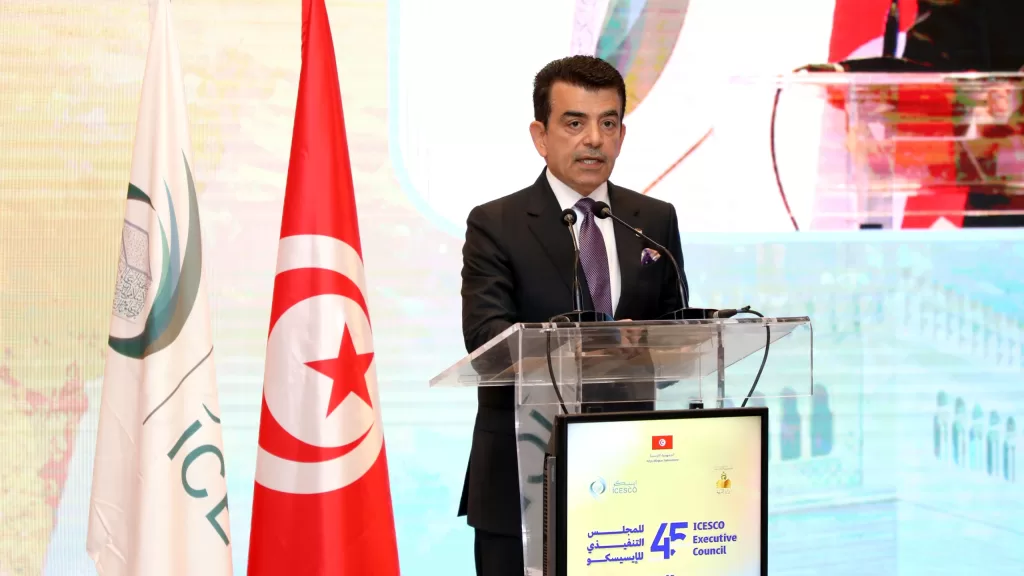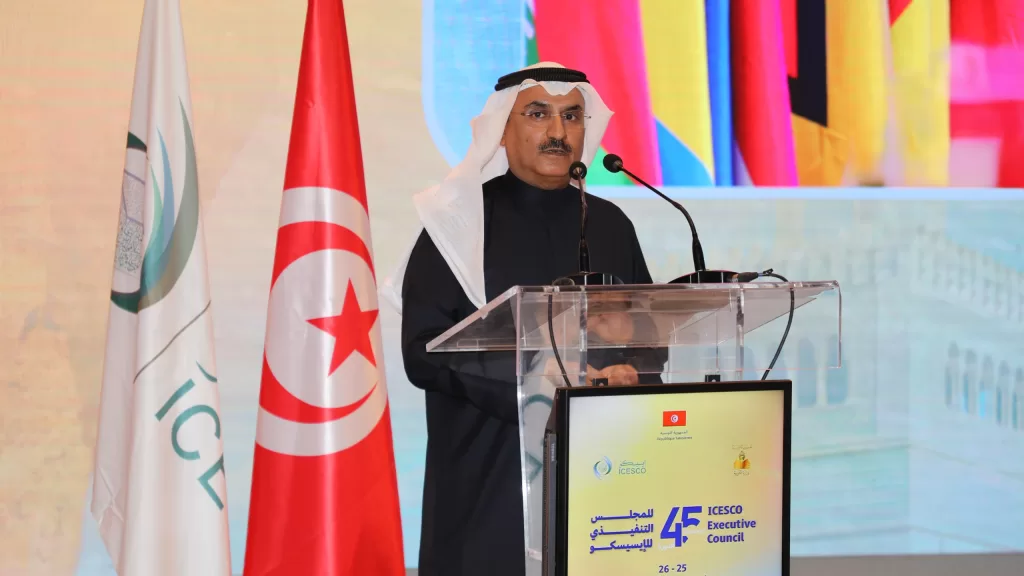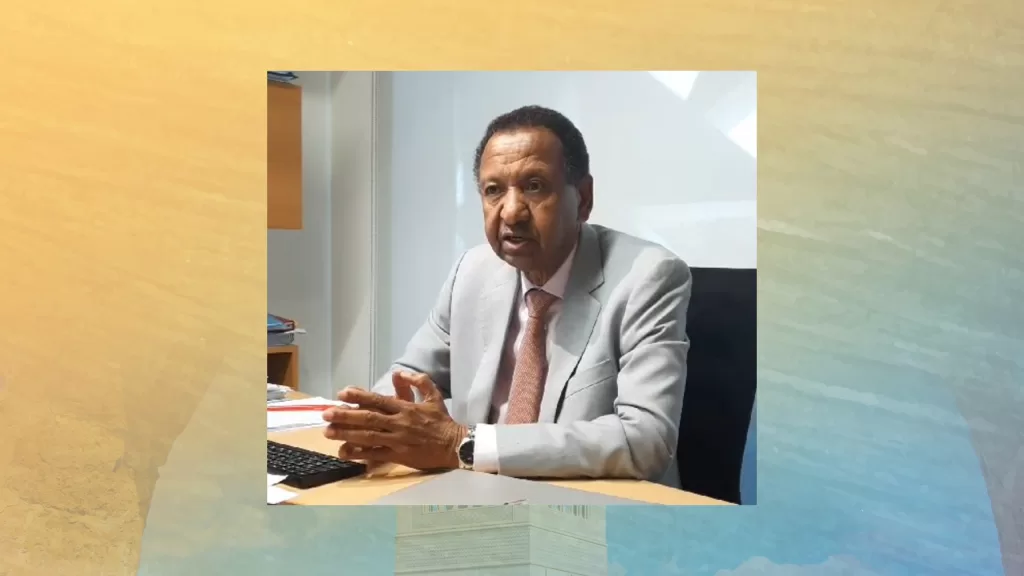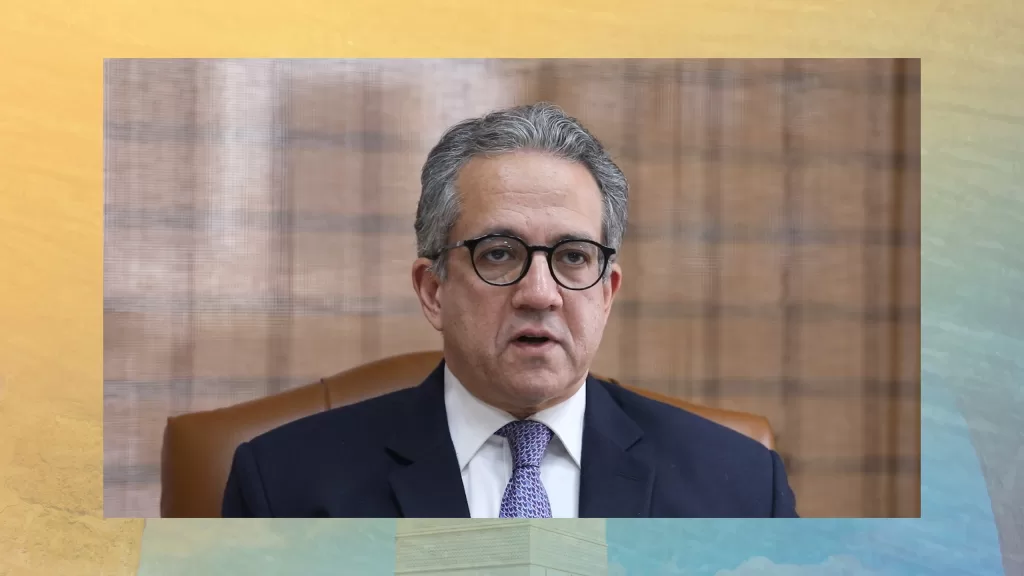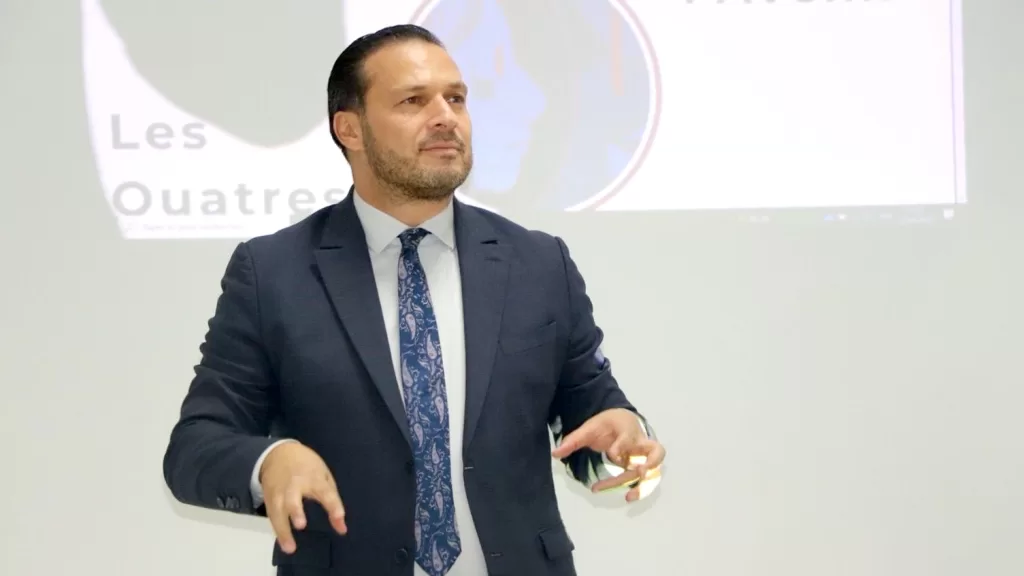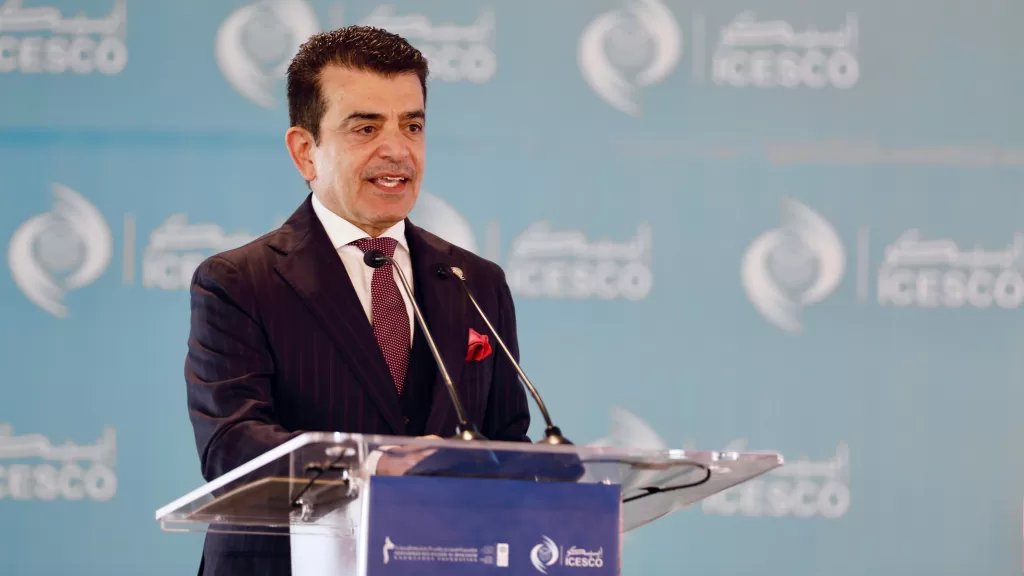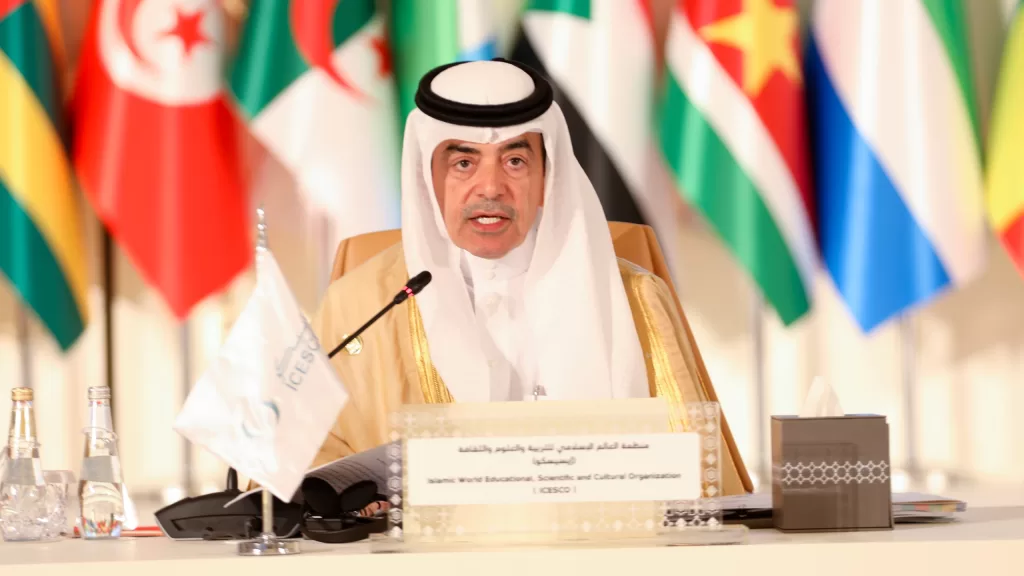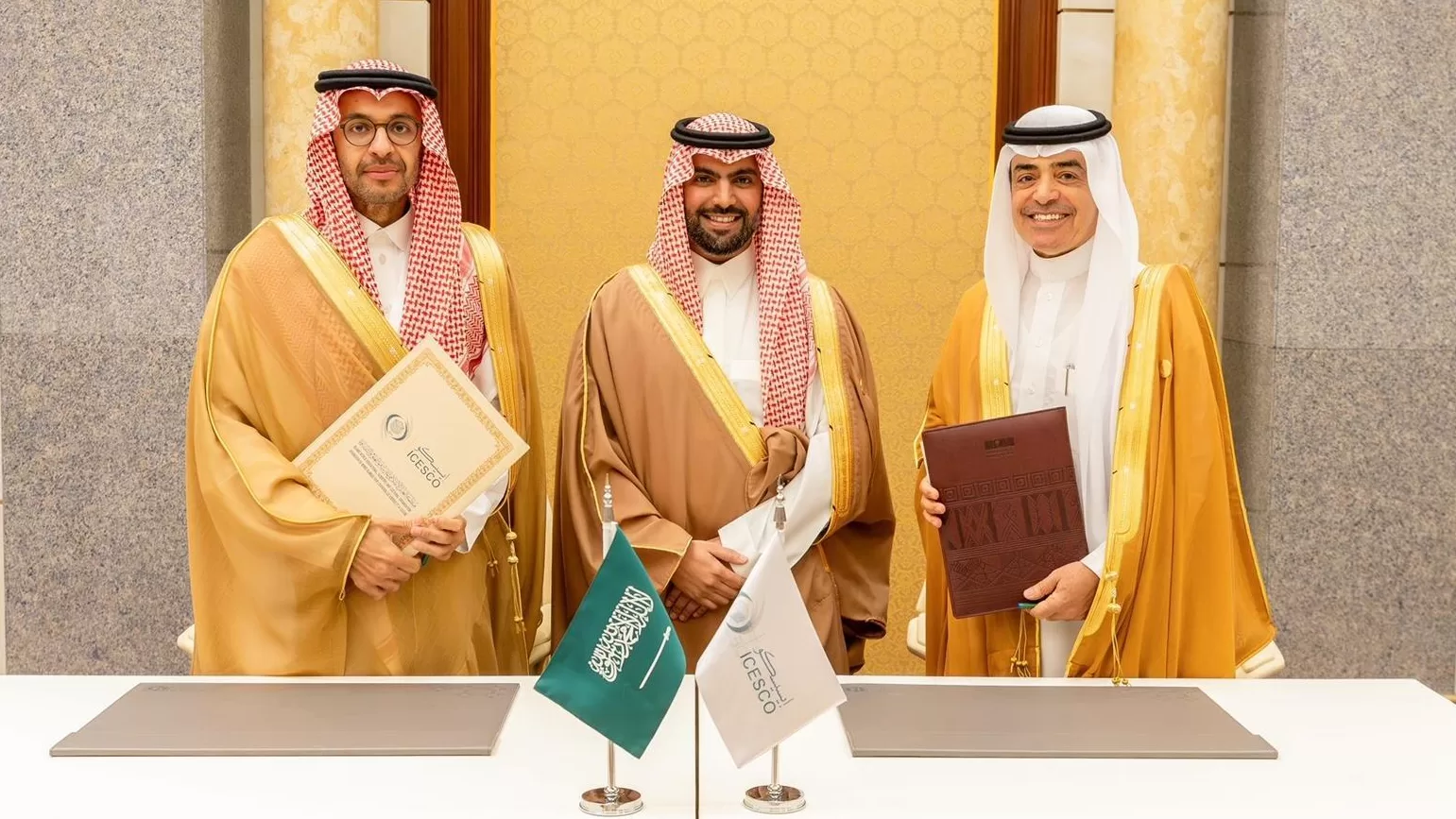
Dr. Abdelilah Benarafa, Deputy Director-General (DG) of the Islamic World Educational, Scientific and Cultural Organization (ICESCO), on Thursday, May 2, 2024, at the prestigious Ez-Zitouna University, in Tunisia, delivered a scientific lecture, entitled “Verifying heritage masterpieces: Ad-Dīwān Al-Kabir of Ibn al-Arabi as a model”, which saw the attendance of a large number of professors, researchers and students. The university leaders then paid tribute to Dr. Benarfa for his scientific contributions and on the occasion of receiving the Arab World Heritage Book of the Year Award 2024.
The lecture, organized by the Department of Fundamentals of Religion at the Higher Institute of Islamic Civilization at Ez-Zitouna University, came at the invitation of its president, Dr. Abdellatif Bouazizi, and was presented by Dr. Abdeljalil Salem, who elaborated on the biography of Dr. Benarfa, his scientific achievements and the occasion of honoring him.
The lecture constituted an opportunity to enhance communication and enrich discussion with students and researchers, and share ideas, proposals and experiences in such a way as to contribute to developing the scientific and academic skills of university students given the importance of the topic in enriching scientific research in this field of studies.
Following the lecture, Dr. Benarfa met with Dr. Bouazizi, to discuss aspects of cooperation between ICESCO and Ez-Zitouna University. ICESCO Deputy DG also visited the Tunisian Academy of Sciences, Letters and Arts “Beit al-Hikma”, met with its President, Dr. Mahmoud Ben Ramadan, and discussed holding a joint international symposium between ICESCO and the Academy.
The verification of the four-volume Dīwān, of Ibn al-’Arabi, issued by Dr. Abdelilah Benarafa, won the “2024 Arab World Heritage Book Award” from the Institute of Arabic Manuscripts and ALECSO. ICESCO Deputy DG was honored during the official celebration of the Arab Heritage Day, on April 19, 2024, in Rabat, Kingdom of Morocco.
Today marks the 42nd anniversary of the establishment of the Islamic World Educational, Scientific and Cultural Organization (ICESCO), founded on the 3rd of May 1982, in response to the Islamic world countries’ aspirations for cooperation, solidarity, progress, and prosperity in education, science, and culture. On this occasion, the General Directorate renews its commitment to pursue ICESCO’s civilizational mission and meet the aspirations of its Member States in developing and modernizing education, science, culture, and communication.
Moreover, the General Directorate affirms that it deems of utmost importance fulfilling the missions and goals contained in ICESCO’s Charter, as amended in its 14th General Conference, held in Cairo, in 2021, as well as achieving the objectives of its new vision and strategic orientations aimed at establishing it as an international beacon of civilization and knowledge. The Organization strives to contribute to the sustainable development of the Islamic world countries through foresight, addressing the ever-changing challenges, supporting the creation of knowledge and innovation systems, building the capacities of women and youth to prepare them for the professions of tomorrow and enhancing their leadership skills. ICESCO also aspires to promote the values of coexistence, peace, and civilizational dialogue, preserve and valorize the heritage of the Islamic world, and provide expertise, technical counseling, and institutional support in its areas of competence. To this end, the new vision of ICESCO adopts the values of solidarity, innovation, transparency, leadership, and coexistence to modernize its organizational structure and working mechanisms, as well as to implement its initiatives, programs, and projects in full coordination with the competent authorities in its Member States and in line with the priorities and needs of each of them, with a focus on vulnerable groups, youth, women, and children.
As a youthful and innovative Organization striving for a better future for its Member States and Muslim communities worldwide, ICESCO remains abreast of the latest developments and challenges in its areas of expertise and continues to explore future opportunities. The Organization affirms the commitment of all its sectors, departments, and specialized centers to open up to and draw from the leading international experiences to enhance its expertise and reflect the true image of Islam, which promotes knowledge-seeking and serving humanity.
The sixth edition of the World Forum on Intercultural Dialogue, organized by the Islamic World Educational, Scientific, and Cultural Organization (ICESCO) in collaboration with the Azerbaijani Ministry of Culture, the United Nations Alliance of Civilizations, UNESCO, and the United Nations World Tourism Organization, is still ongoing. The Forum, hosted in Baku, Azerbaijan, from May 1 to 3, 2024, features distinguished participation from the ICESCO delegation, led by the Organization’s Director-General, Dr. Salim M. AlMalik.
During the course of the session titled ” Dialogue for Peace and Global Security: Cooperation and Interconnectivity,” Ambassador Khalid Fathalrahman, Head of ICESCO’s Center of Civilizational Dialogue, stressed the need to revitalize interfaith dialogue mechanisms, update its discourse, and trust in its importance during a plenary titled ” Confidence building through Interfaith Dialogue.” Moreover, he called for the inclusion of comparative religion topics in curricula to cultivate competent scientific capabilities in interreligious dialogue. Amb. Fathalrahman concluded by outlining ICESCO’s role in supporting dialogue among diverse cultures.
Dr. Webber Ndoro, Head of ICESCO’s Center of Heritage in the Islamic World, provided an overview of the Organization’s efforts in protecting and preserving heritage from climate change, highlighting key initiatives in this regard. He further emphasized the necessity of involving communities in heritage preservation to ensure the continuity of cultural values. Dr. Ndoro underscored ICESCO’s view of cultural heritage as a vital element in community recovery and resilience.
During his participation in a session titled “Safeguarding Our Past and Future: Cultural Heritage in the Face of Climate Change,” Dr. Hisham Al-Askari, Advisor to ICESCO’s DG, addressed the threat posed by climate change to cultural heritage and historical sites. Furthermore, he urged the protection of cultural heritage by enhancing dialogue and international cooperation, noting that innovative solutions from earth system sciences, big data science, and the exchange of best practices can mobilize collective action to protect cultural heritage, ensuring its resilience and accessibility to future generations.
ICESCO held a discussion session titled “Bridging Horizons: Silk Road’s Modern Dynamics and Global Impact,” moderated by Dr. Nazim Samadov, Azerbaijan’s Ambassador to Morocco, with the aim of introducing the Silk Road as one of the ancient trade routes, and highlighting its pivotal role in the development of civilization and fostering dialogue among peoples.
Dr. Salim M. AlMalik, Director-General (DG) of the Islamic World Educational, Scientific and Cultural Organization (ICESCO), met with Mr. Mukhtar Babayev, Minister of Ecology and Natural Resources of the Republic of Azerbaijan and President of the Conference of the Parties to the United Nations Framework Convention on Climate Change (COP29). They discussed ways to enhance cooperation between ICESCO and Azerbaijan to ensure the success of COP29, which Azerbaijan will host in the capital Baku in November 2024.
During the Meeting, held today, Wednesday, May 1st, 2024, in Baku, on the sidelines of the 6th edition of the World Forum on Intercultural Dialogue, organized by ICESCO in collaboration with the Azerbaijani Ministry of Culture and several international organizations, both sides expressed their commitment to contribute to the excellence of COP29, which is of great importance in light of the world’s climate changes that require intensified international efforts to develop strategies to address the risks threatening natural resources and food security.
ICESCO DG emphasized the importance of youth participation in this major international event, explaining that the Organization can collaborate to ensure greater attendance of Islamic world countries at COP29, as well as representatives of ICESCO’s partner bodies and institutions worldwide, to enrich the Conference’s discussions and scientific sessions.
The Meeting also discussed ICESCO’s participation in the Conference and the provision of a special pavilion for the Organization in the blue zone, reserved for accredited participants, world leaders, media, and observers, to contribute to enhancing ICESCO’s presence and promoting its environmental work.
The Azerbaijani minister, for his part, affirmed his country’s keenness, as well as that of the authorities responsible for COP29, to facilitate all logistical and technical procedures for ICESCO’s participation in this event.
At the closing of the meeting, it was agreed to continue coordinating between the two teams formed at ICESCO and the ministry to follow up on the arrangements for participation in COP29 and the activities to be implemented by the Organization at the Conference.
Attending the Meeting from ICESCO’s side were Mr. Anar Karimov, Head of the Partnerships and International Cooperation Sector, and Dr. Hesham El-Askary, Advisor to the DG.
The Sixth World Forum on Intercultural Dialogue kicked off in Baku, Azerbaijan, with the participation of His Excellency President Ilham Aliyev, President of the Republic of Azerbaijan, and high-level representatives from 110 countries. The Forum, co-organized by the Islamic World Educational, Scientific, and Cultural Organization (ICESCO), the Azerbaijani Ministry of Culture, the United Nations Alliance of Civilizations (UNAOC), UNESCO, and the United Nations World Tourism Organization (UNWTO), is themed ” Dialogue for Peace and Global Security: Cooperation and Interconnectivity.”
In his opening remarks, H.E. President Aliyev commended the international organizations involved in organizing the Forum, highlighting the contributions of the distinguished participants in developing new methodologies to address major issues in the international agenda. H.E. President Aliyev emphasized that Azerbaijan has always been a crossroads of cultures throughout history thanks to its strategic location between the East and West, which added to the Azerbaijani society’s cultural richness and ethnic diversity, and its commitment to tolerance, coexistence, respect, and partnership.
In his address, Dr. Salim M. AlMalik, Director-General (DG) of ICESCO, emphasized the Organization’s openness to all in light of its forward-looking vision and strategic orientations in an international and regional context that calls for practical solutions to resolve conflicts through strengthening the foundations of culture and dialogue and urging regional and international research centers to adopt reliable standards in issuing information and analysis on which policies are based. Dr. AlMalik added that the state of peace and degree of security are two reliable standards that reassure people to look forward to a better future.
Dr. AlMalik commended the efforts of the Republic of Azerbaijan, its President, government, and people and expressed his gratitude to H.E. President Aliyev for his efforts to promote dialogue among nations. Dr. AlMalik stressed the importance of the Forum in a world that is still regressing at the level of security and coexistence. Dr. AlMalik reviewed statistics showing that 2023 recorded the highest rates of deteriorating security and escalating conflicts internationally, with 183 armed conflicts, a 28% increase in violent incidents, 800 million people below the poverty line, a decline in the number of teachers, and 459 armed groups whose activities provoke humanitarian concerns, with 195 million people living under their full or partial control.
Furthermore, Dr. AlMalik lauded the outcomes of the “Baku Process” and the several events being held in Baku, expressing pride in the distinguished partnership between the Organization and Azerbaijan, to be reinforced by the upcoming activities of celebrating Shusha as the Culture Capital of the Islamic World for 2024. Dr. AlMalik reviewed a set of ICESCO programs in this regard and stated that the two sides have identical views of the cultural and civilizational scenes as they have the same aspirations and understanding of global dialogue.
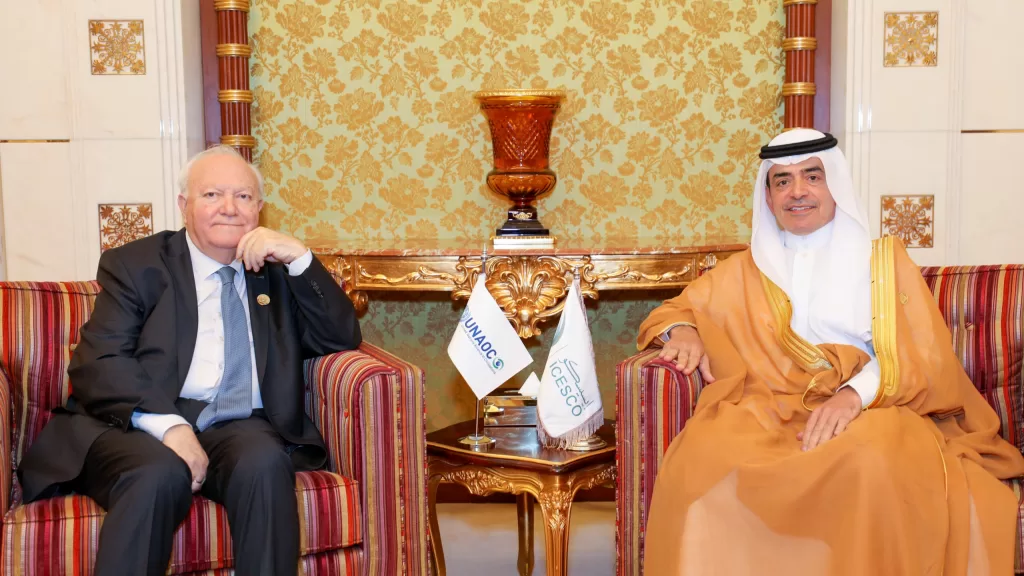
For his part, Mr. Miguel Ángel Moratinos, High Representative for the United Nations Alliance of Civilizations, called for joint efforts to achieve peace and stability globally and for greater solidarity and complementarity among civilizations and cultures to resolve conflicts. Mr. Moratinos stressed the need to intensify dialogue to stop wars and affirmed that the alliance of civilizations is a crucial step in preserving human dignity and a moral duty that guarantees the protection of human rights.
Following the opening session, the Forum’s three-day working sessions began with the participation of a high-level delegation from ICESCO, including Mr. Anar Karimov, Head of the Partnership and International Cooperation Sector, Ambassador Khalid Fath Al-Rahman, Director of the Civilizational Dialogue Center, Dr. Weber Ndoro, Director of the Center of Heritage in the Islamic World, Dr. Hesham El-Askary, Advisor to DG.
Dr. Abdelilah Benarafa, Deputy Director-General (DG) of the Islamic World Educational, Scientific and Cultural Organization (ICESCO), took part in the International Scientific Symposium, themed “Andalusia: Traces and Readings,” organized by the Higher Institute of Applied Studies in Humanities and the University of Kairouan, at the Roman archaeological site, in Sbeitla, Tunisia. On Monday, April 29, 2024, Dr. Benarafa delivered ICESCO’s keynote speech during the opening session and presided over the first scientific session.
Dr. Benarafa delivered a lecture on Tuesday, the second and final day of the Symposium, titled “The Andalusian Model and the Civilizational Revival Project,” which tackles the importance of drawing inspiration from the Andalusian model to formulate a project for civilizational revival and peaceful coexistence, by investing in the historical civilizational aspects in architecture, thought, literature, arts, social relations, linguistics, and Islamic sciences.
The lecture also highlighted Andalusia’s pivotal role in human history, pointing out that the Islamic civilization was founded on the principle of civilizational communication internally and externally. This principle was reinforced by the Hajj routes and other civilizational routes, including the Andalusian routes by land and sea, and peoples’ efforts to maintain them. The lecture concludes that evoking these routes is necessary for the future of humanity, serving as a reminder of their role in peace-building and knowledge dissemination by facilitating the sharing of ideas and the transit of persons and goods.
The scientific event, which aims to ramp up interest in Andalusia and its Islamic civilization, saw the participation of prominent researchers from several countries, who presented their scientific papers in three areas, namely the Andalusians’ creativity in architecture, agriculture, traditional industries and foods, arts, sciences, music, Al Muwashahat poems, and literature, as well as the presence of Andalusian culture and heritage in the Arab and Islamic worlds.
The headquarters of the Islamic World Educational, Scientific, and Cultural Organization (ICESCO), in Rabat, hosted, on Monday, April 29, 2024, a cultural lecture themed “Cultural Scene of Women in Yemeni Civilization,” organized by ICESCO in cooperation with the Yemen Embassy in Rabat and the Group of Spouses of Arab Ambassadors and Heads of International Organizations accredited to the Kingdom of Morocco. Dr. Amida Sholan, Professor of Archaeology and Ancient Arabic Scripts at Sana’a University delivered a lecture on women’s contributions to shaping the cultural, intellectual, and civilizational scene throughout Yemen’s history. The Lecture witnessed high-level participation of ambassadors, experts and public figures.
The opening session initiated with the address of Dr. Salim M. AlMalik, ICESCO Director-General, delivered on his behalf by Dr. Mohamed Zinelabidine, Head of ICESCO Culture and Communication Sector, which asserted the historical, cultural, and civilizational richness of Yemen and the distinguished role of women throughout eras, not only in governance and ruling but also in shaping the Yemeni cultural, intellectual, and civilizational landscape.
Dr. AlMalik reiterated ICESCO’s pride in women and their role, noting the Organization’s championing of the rights of women in the fields of education, science, and culture. This commitment is reflected in numerous programs and initiatives implemented in collaboration with Member States, including ICESCO’s supervision of the “Girl Dropout Reintegration Project,” which benefited 21,500 girls in Yemen, funded by Salman Humanitarian Aid and Relief Center (KSRelief).
For her part, Ms. Rania Shobaki, Chairwoman of the Group, exhibited Dr. Amida Sholan’s distinguished academic career and commended ICESCO’s efforts and hosting of this cultural event as part of the ongoing cooperation and joint event between the two sides to strengthen the presence of women amid growing challenges.
In his speech, H.E. Dr. Ezzedine Al-Asbahi, Ambassador of the Republic of Yemen to the Kingdom of Morocco, said that Yemen cannot be independent and a pioneer unless its women are empowered. He stressed that Yemen is going through critical moments, but its unwavering pillar remains women, creators of stability and peace, who have played a leading role in Yemen’s progress throughout history.
During the Lecture, moderated by H.E. Dr. Ezzedine, Dr. Amida Sholan reviewed the outstanding presence of Yemeni women in their society through various archaeological inscriptions. Dr. Amida highlighted the high status of women, which reflected the high status of social and economic life in Yemen at that era, and demonstrated the empowerment of women and their freedom to manage their property.
The cultural lecture was followed by a discussion session in which Dr. Amida Sholan answered several questions from the audience, which further enriched the discussion.
The training program for the second group of trainees in the International Professional Teaching Certificates project, implemented by the Islamic World Educational, Scientific and Cultural Organization (ICESCO) in cooperation with the Egyptian Ministry of Education and Technical Education, and King Saud University in the Kingdom of Saudi Arabia, with support from the Saleh Kamel Humanitarian Foundation, kicked off on Friday, April 26, 2024, in Cairo.
The Program, which includes training 180 teachers in its second edition, began with an orientation day about the program, its main stages, and its activities. It also included presentations of some experiences from beneficiaries of the first edition, which included 120 teachers. The orientation day was attended by Mr. Mohamed Hedi Sehili, Director of the Legal Affairs and International Standards Department at ICESCO, Ms. Jihane El Assimi, Supervisor of the Financial Affairs Department, and Dr. Rabab Zidan, Director General of the General Administration for Educational Leadership Affairs at the Egyptian Ministry of Education and Technical Education.
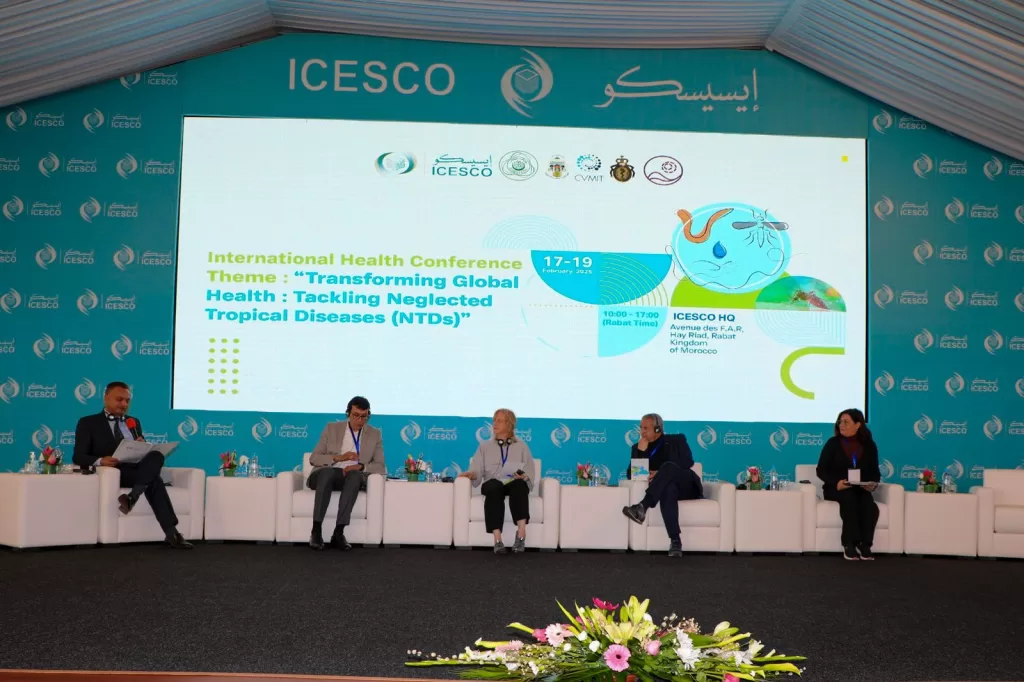
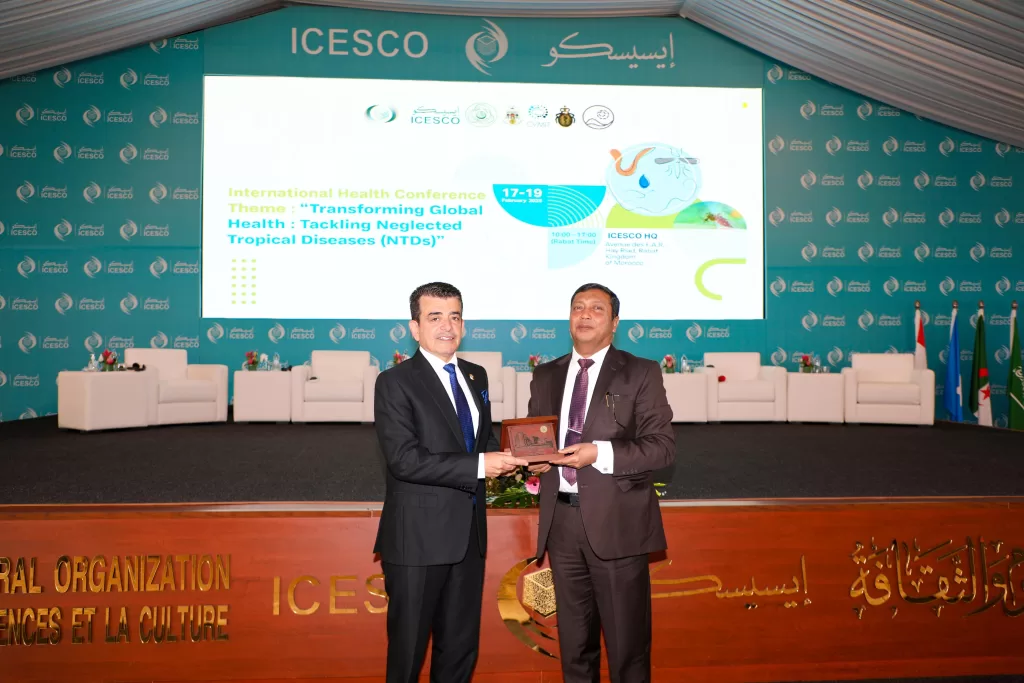
The orientation day concluded with ceremony for distributing certificates of appreciation to the winners of competitive contests organized during last Ramadan, aiming to link the spiritual and emotional aspects with the cognitive and skillful achievements of the trainees from the first group.
The International Professional Teaching Certificates project was launched on December 16, 2023, with the aim of training 2000 teachers in several Egyptian governorates over a period of 3 years, to qualify educational practitioners and equip them with the necessary competencies to achieve and develop the goals of educational curricula.
Dr. Abdelilah Benarafa, Deputy Director-General of the Islamic World Educational, Scientific and Cultural Organization (ICESCO), called for giving proper attention to Sufi or mystical poetry, considering it a stream of Arabic poetry, in the same vein as Madeeh (eulogy of the Prophet Muhammad), noting that despite its importance in the lives of Muslims throughout history, it has not received the attention it deserves in the books of Arab literary history and public education.
This came in a scientific paper titled “Sufi Poetry as a Translator of Divine Knowledge,” presented by Dr. Benarafa on Friday, April 26, 2024, at the scientific seminar of the World Poetry Festival program at the Faculty of Arabic Language affiliated with Al-Qadi Ayyad University in Marrakech. The festival is organized by the House of Poetry in Morocco, in partnership with the Ministry of Youth, Culture and Communication, ICESCO, and the Marrakech City Council, as part of the celebration of the Ochre City as the capital of culture in the Islamic world for 2024, under the high patronage of His Majesty King Mohammed VI.
After reviewing the major historical milestones of Madeeh poetry, Dr. Benarafa drew a clear distinction between Madeeh and Sufi poetry, emphasizing the characteristics of the latter and its prominent figures. He also indicated that Sufi poetry is an expression of States, Stations, Openings, Tastings, stages of spiritual education, and wayfaring. It may ascend and transcend, under the guidance of the realized ones among the Knowers (of Allah), until it becomes a purely mystical poetry, gravitating around the stages of true knowledge, and the levels of existence.
The World Poetry Festival, held over three days under the theme “Marrakech: The Renewed Poem”, features broad participation of poets from Palestine, Saudi Arabia, Azerbaijan, Egypt, Türkiye, Bahrain, Senegal, Tunisia, Bangladesh, Mauritania, Yemen, Mali, Djibouti, and Morocco.
The festival’s agenda includes two scientific seminars, as well as a number of cultural, artistic, and educational activities at historical sites in Marrakech, in addition to the launching of two poetry competitions for students.
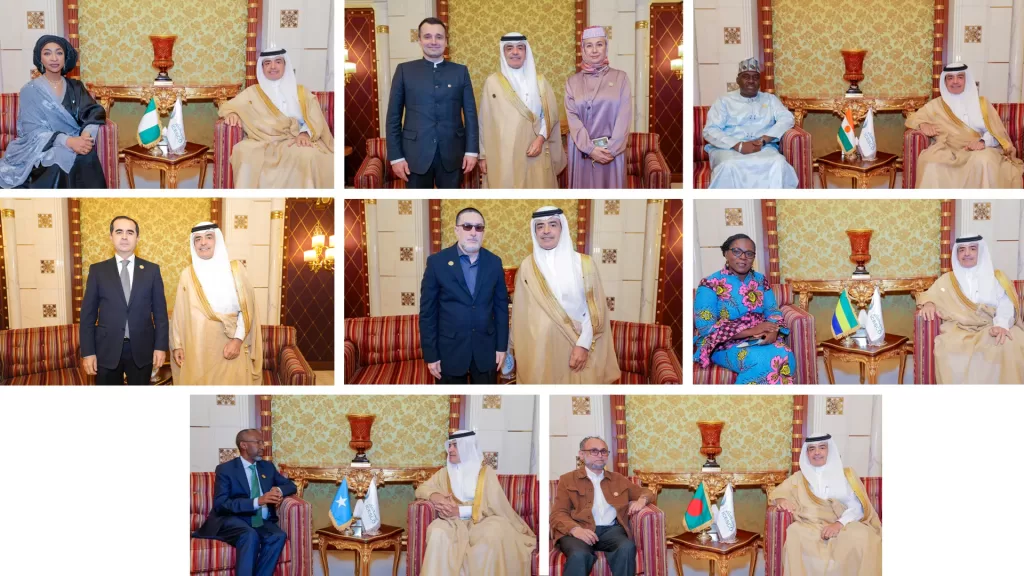
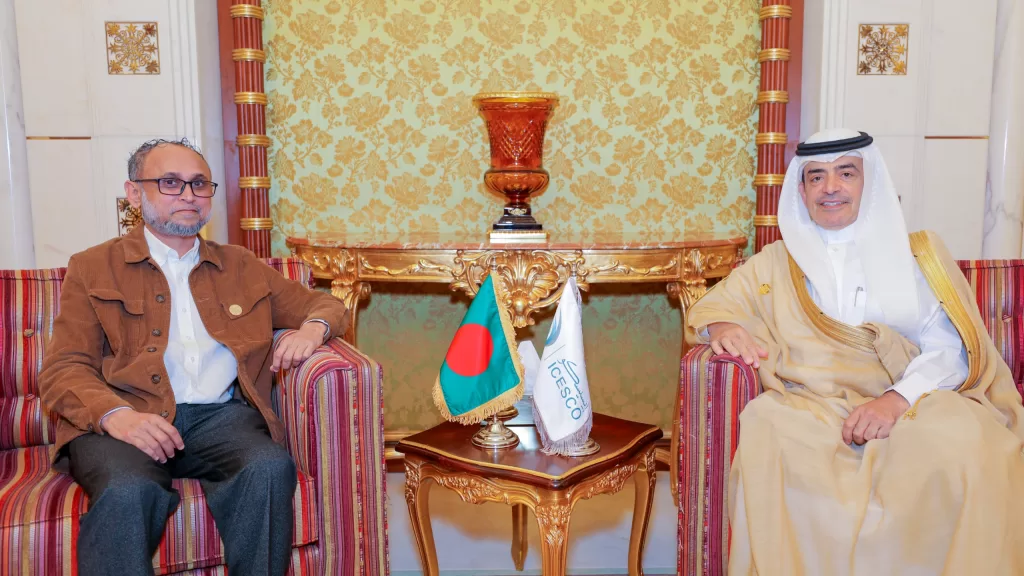
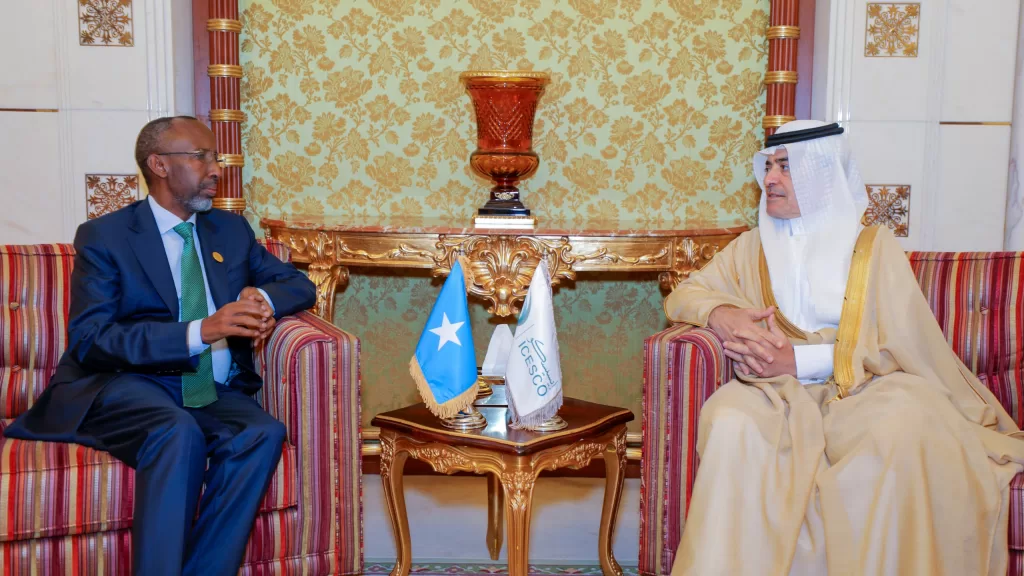
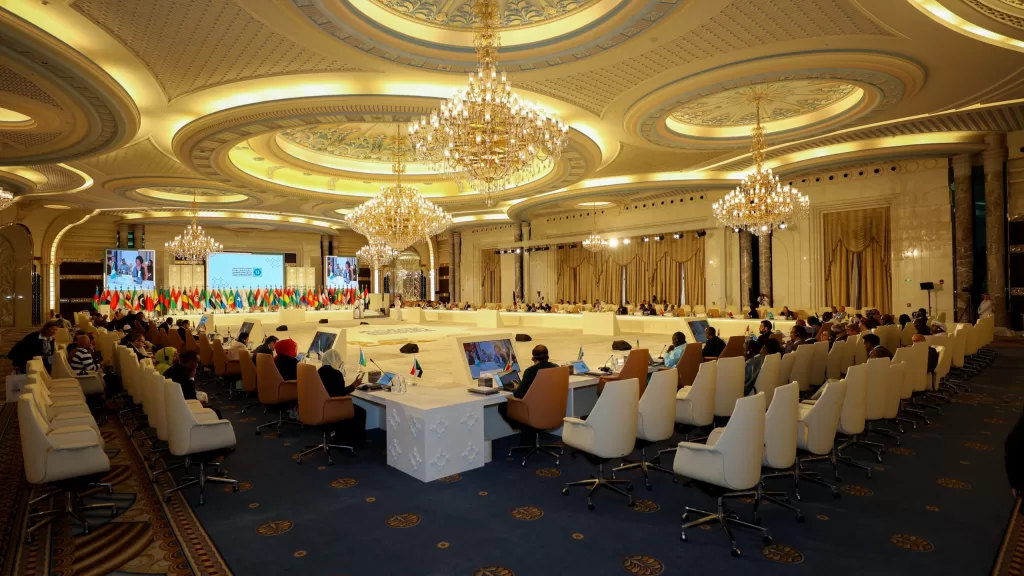
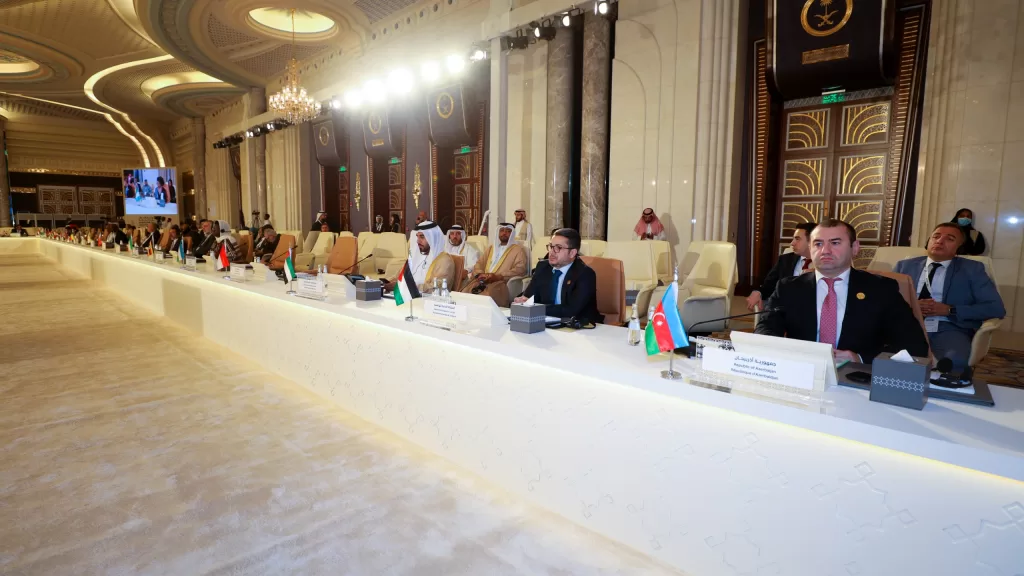
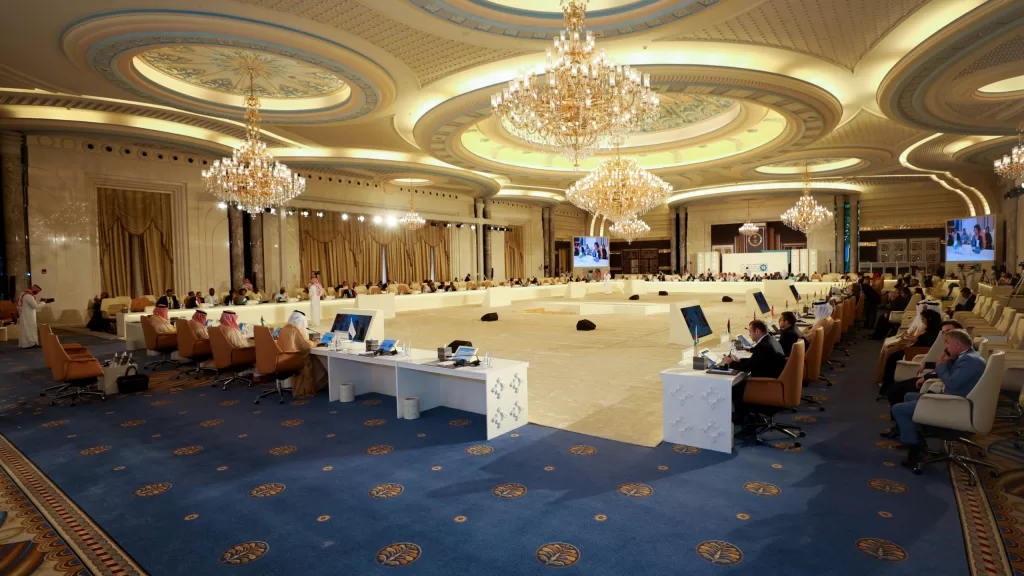
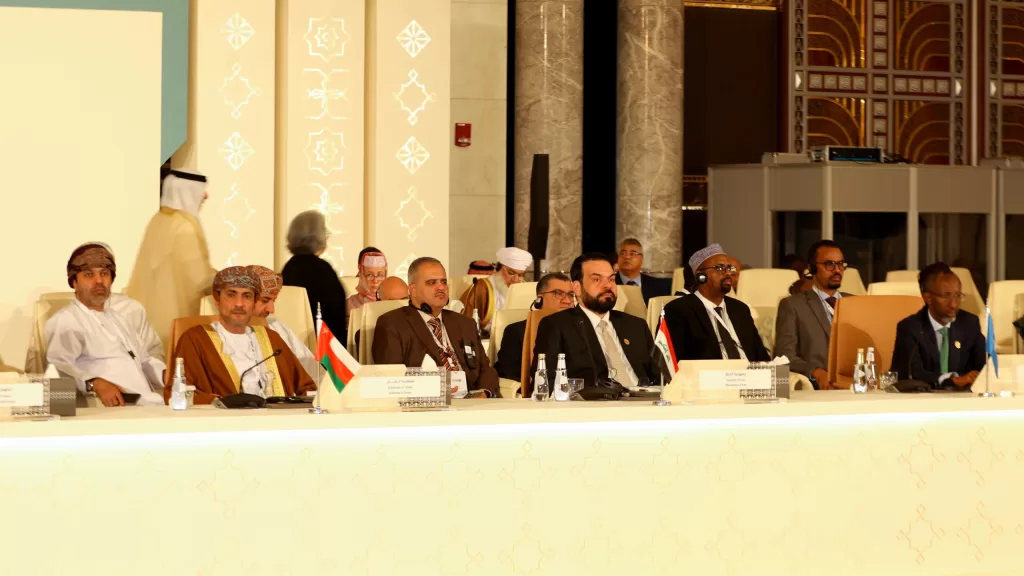
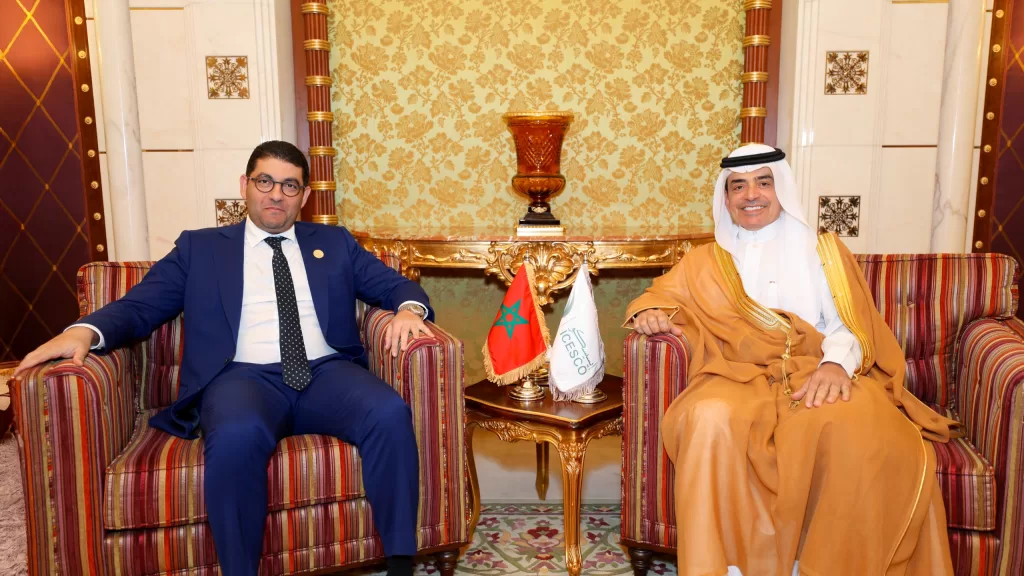
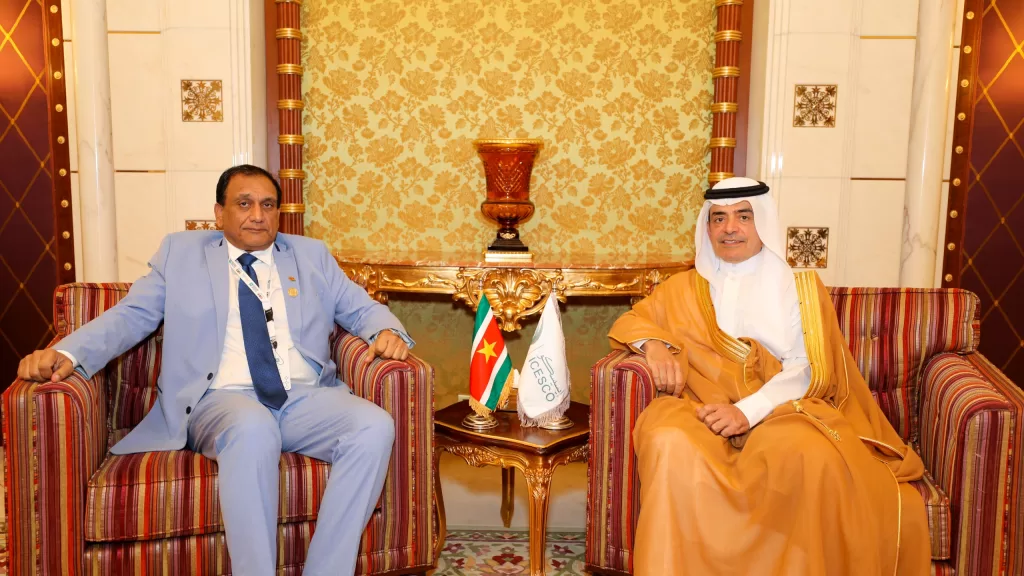
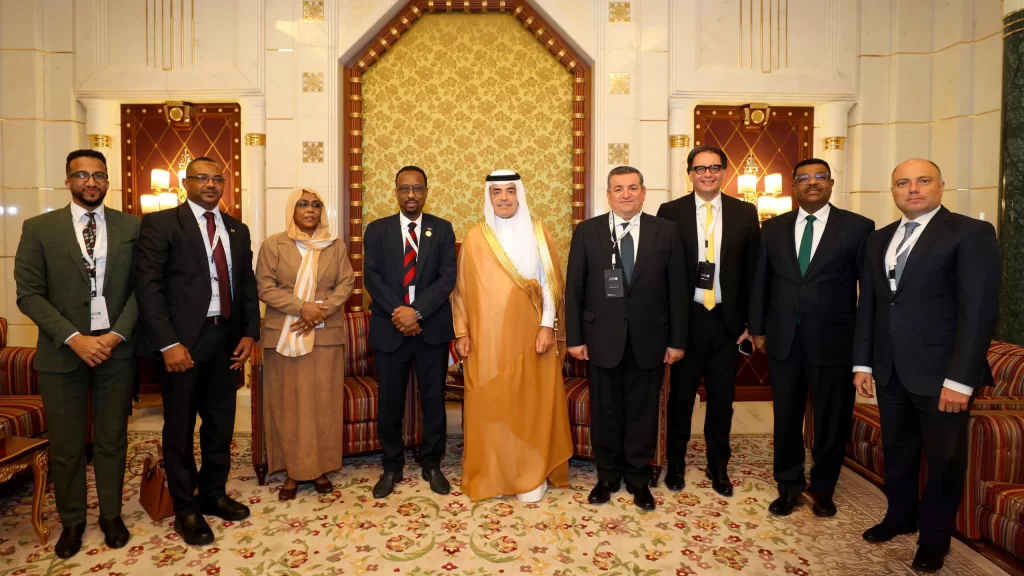
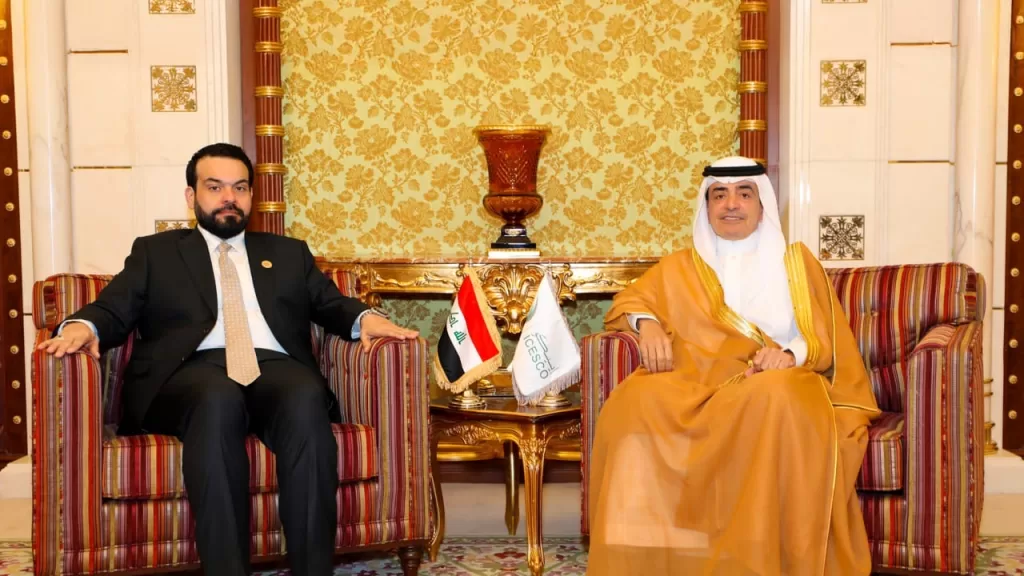
Responding to an invitation from the Islamic Development Bank Group (IsDB Group), Dr. Salim M. AlMalik, Director-General (DG) of the Islamic World Educational, Scientific and Cultural Organization (ICESCO), headed a delegation from the Organization during the proceedings of the annual meetings of the IsDB Group for 2024, hosted by the Kingdom of Saudi Arabia in Riyadh, under the patronage of the Custodian of the Two Holy Mosques, King Salman bin Abdulaziz Al Saud. The meetings commenced today, Saturday April 27, 2024, and will continue until the 30th, coinciding with the golden jubilee celebration of the IsDB, marking 50 years since its establishment.
This year’s meetings are held under the theme: “Cherishing our Past, Charting our Future: Originality, Solidarity, and Prosperity,” with the high-level attendance of ministers of economy, planning, and finance from the Bank’s Member States, as well as representatives of various financial institutions, Islamic banks, the private sector, development agencies, and international and regional organizations.
ICESCO’s participation in these meetings comes within the framework of the strong and robust partnership it shares with the IsDB Group, and its commitment to deepening this effective partnership in service of its Member States, in areas of mutual expertise, and in support of developmental programs in the Islamic world, engaging its youth in development and equipping them with the necessary future leadership skills in the fields of education, science, and culture.
The annual meetings of the Islamic Development Bank Group aim to provide a global platform for decision-makers to discuss the most pressing economic challenges facing Islamic countries, and to explore current and future opportunities to advance social and economic development in these countries, through organizing a series of seminars, sessions, and meetings focusing on social and economic development, as well as regional and international cooperation.
The delegation from ICESCO participating in this year’s meetings includes Mr. Anar Karimov, Head of the Partnerships and International Cooperation Sector, and Dr. Dinara Guliyeva, an expert in the sector.