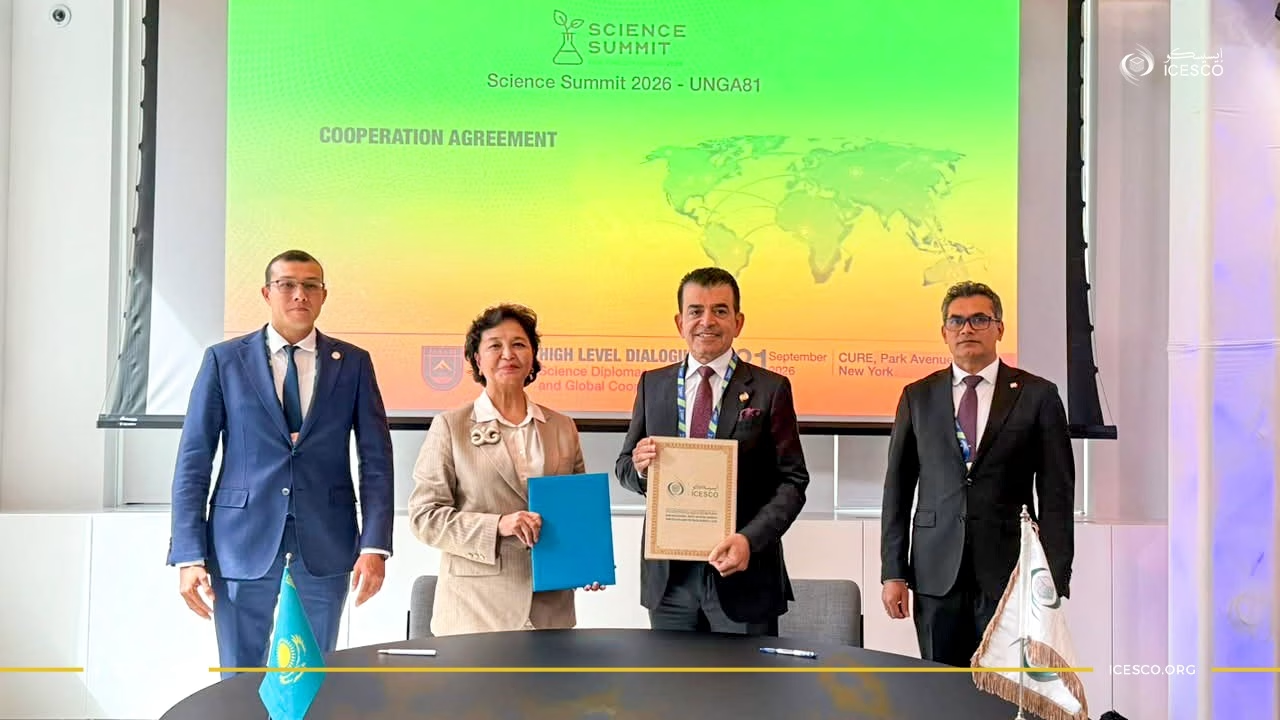
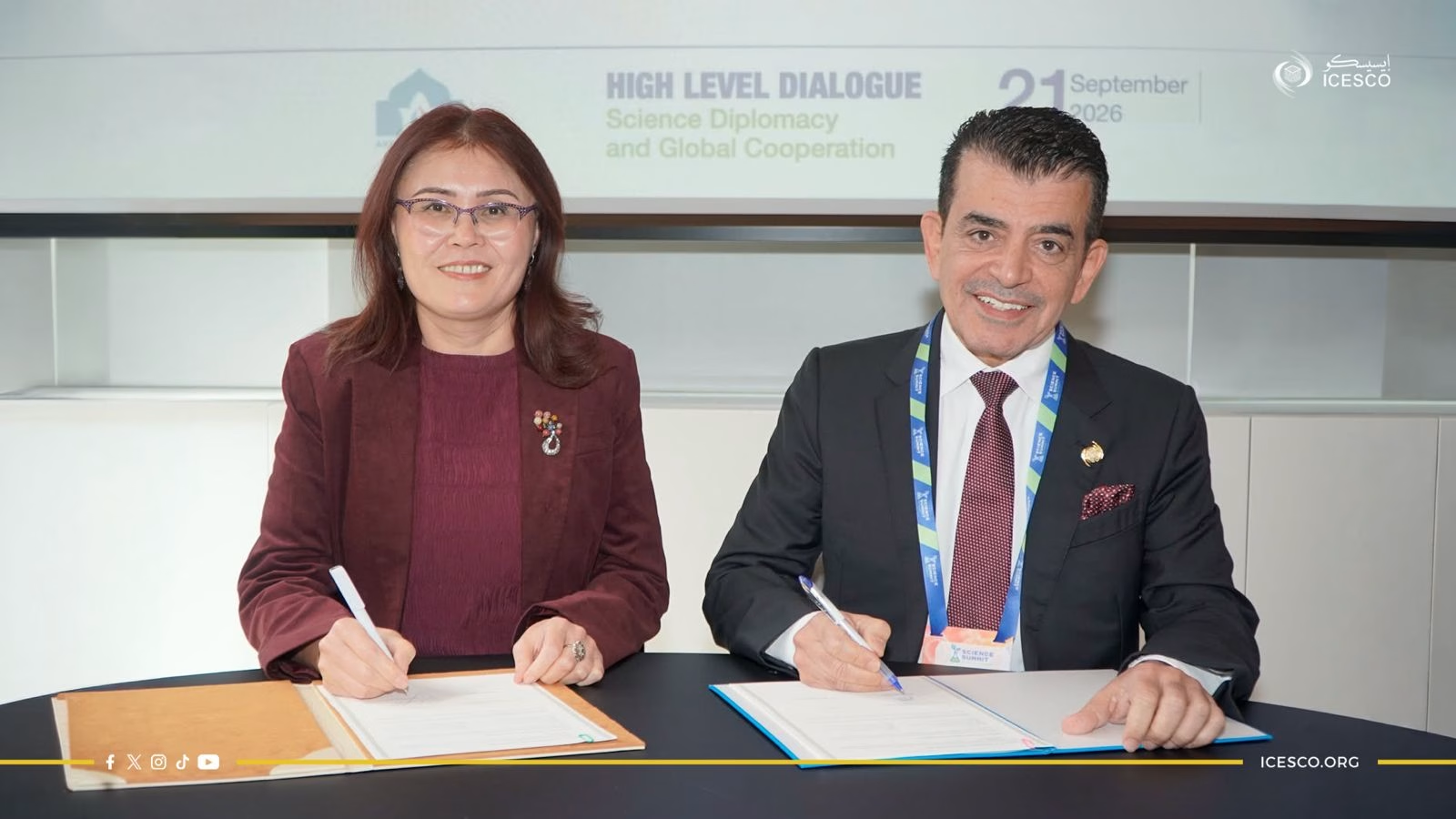
The Islamic World Educational, Scientific and Cultural Organization (ICESCO) and the Ministry of Science and Higher Education of the Republic of Kazakhstan signed a strategic cooperation agreement in the fields of science, technology, innovation, higher education, and science diplomacy. The agreement aims to develop initiatives, programs, and partnerships that contribute to sustainable development and strengthen international scientific cooperation.
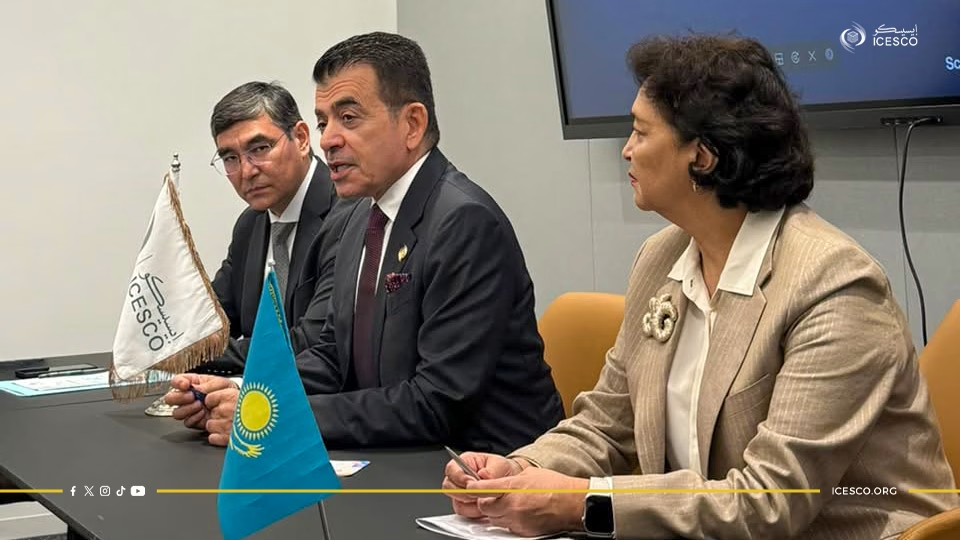
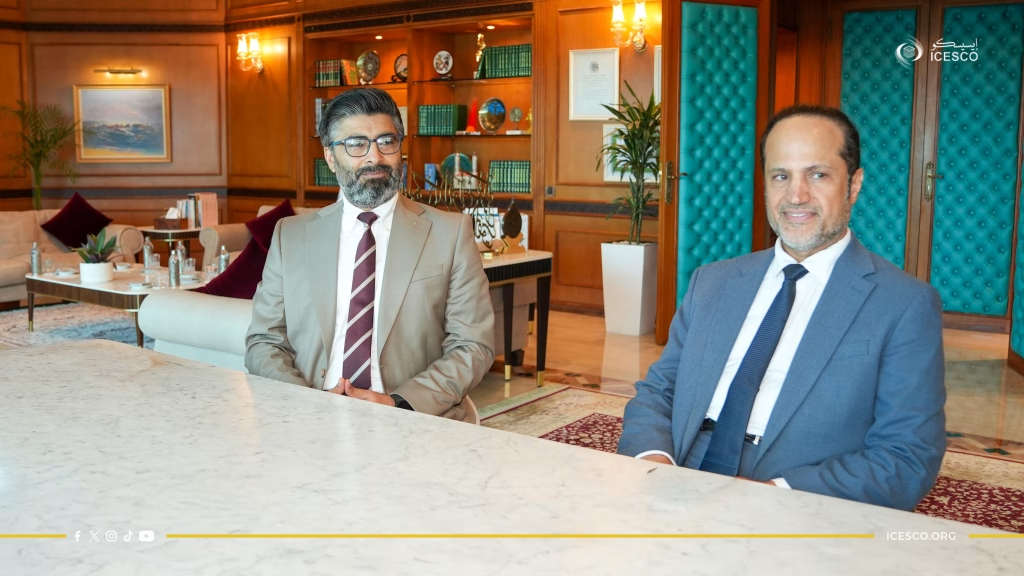
The agreement was signed on Monday, 21 September 2026, in New York City, United States of America, on the sidelines of the High-Level Dialogue on Science Diplomacy and Global Cooperation, held as part of the 2026 Science Summit. The signing ceremony was attended by Dr. Salim M. AlMalik, ICESCO Director-General, and Dr. Saule Sagintayeva, President of Abylkas Saginov Karaganda Technical University in Kazakhstan, representing the Ministry.
The agreement identifies several key areas of cooperation, notably science diplomacy; the advancement of research excellence, innovation ecosystems, and advanced technologies; capacity-building and human capital development through training programs and academic cooperation; harnessing science for sustainable development; and institutional cooperation among universities, research centers, and centers of excellence.
Under the agreement, cooperation between the two parties will also include developing joint programs, projects, and initiatives; establishing platforms, networks, observatories, and institutional centers to advance scientific cooperation and innovation; organizing conferences, forums, and training workshops; and exchanging experts, data, and best practices.
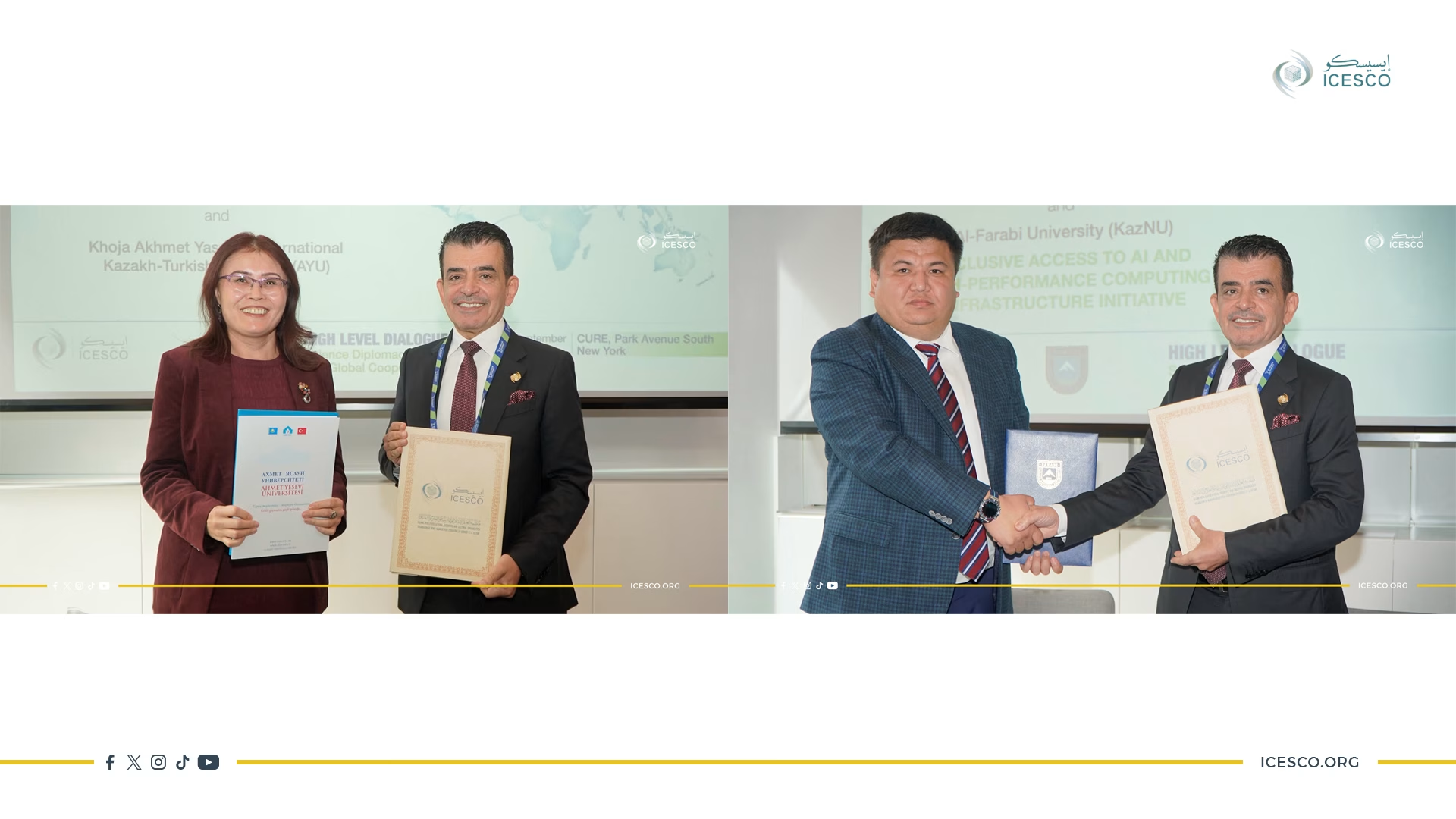
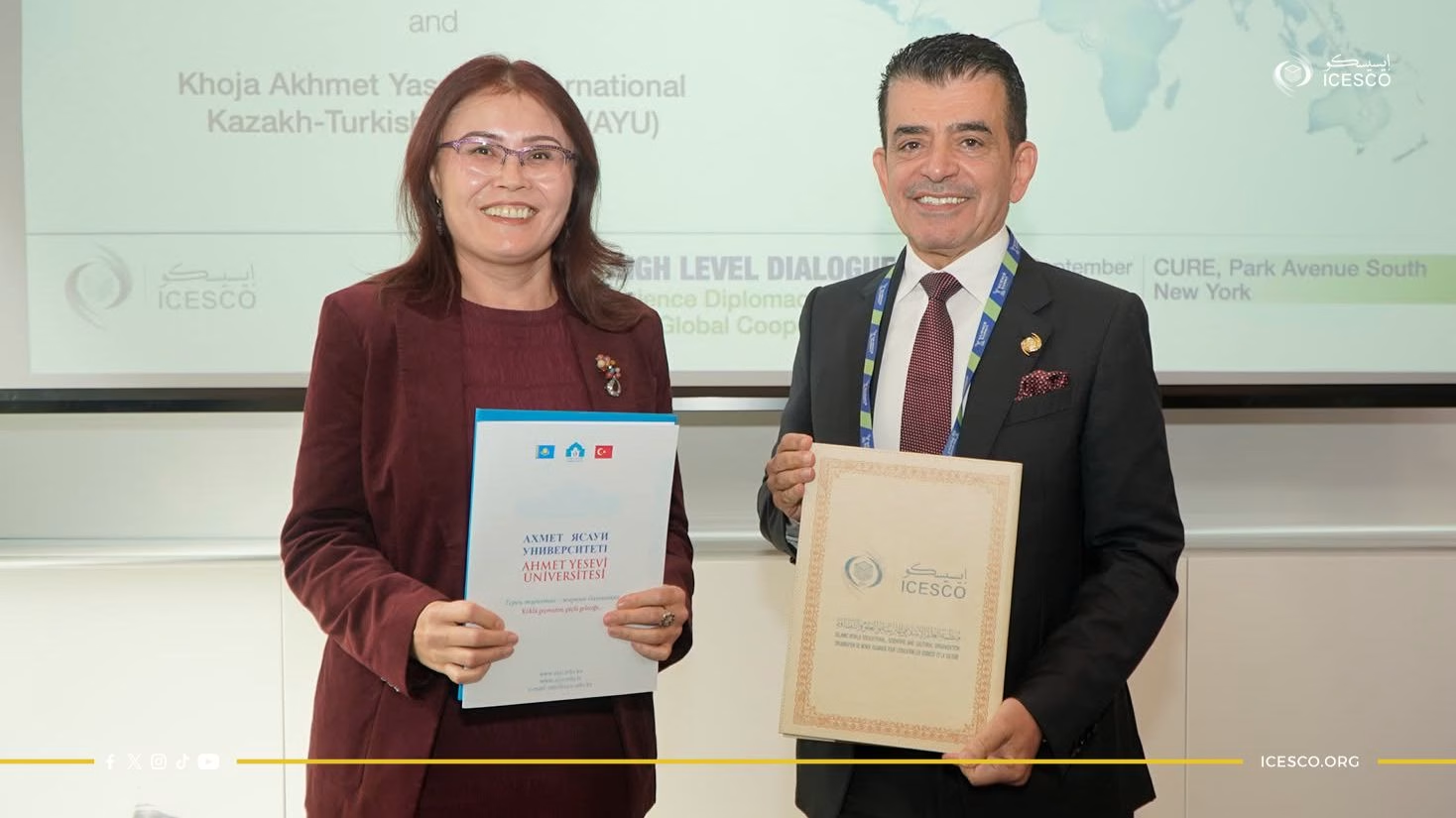
The Islamic World Educational, Scientific and Cultural Organization (ICESCO) signed, on Monday, 21 September 2026, two cooperation agreements with Al-Farabi Kazakh National University (KazNU) and Khoja Ahmet Yassawi International Kazakh-Turkish University (AYU) to expand access to high-performance computing and advance cooperation in scientific research, education, and innovation.
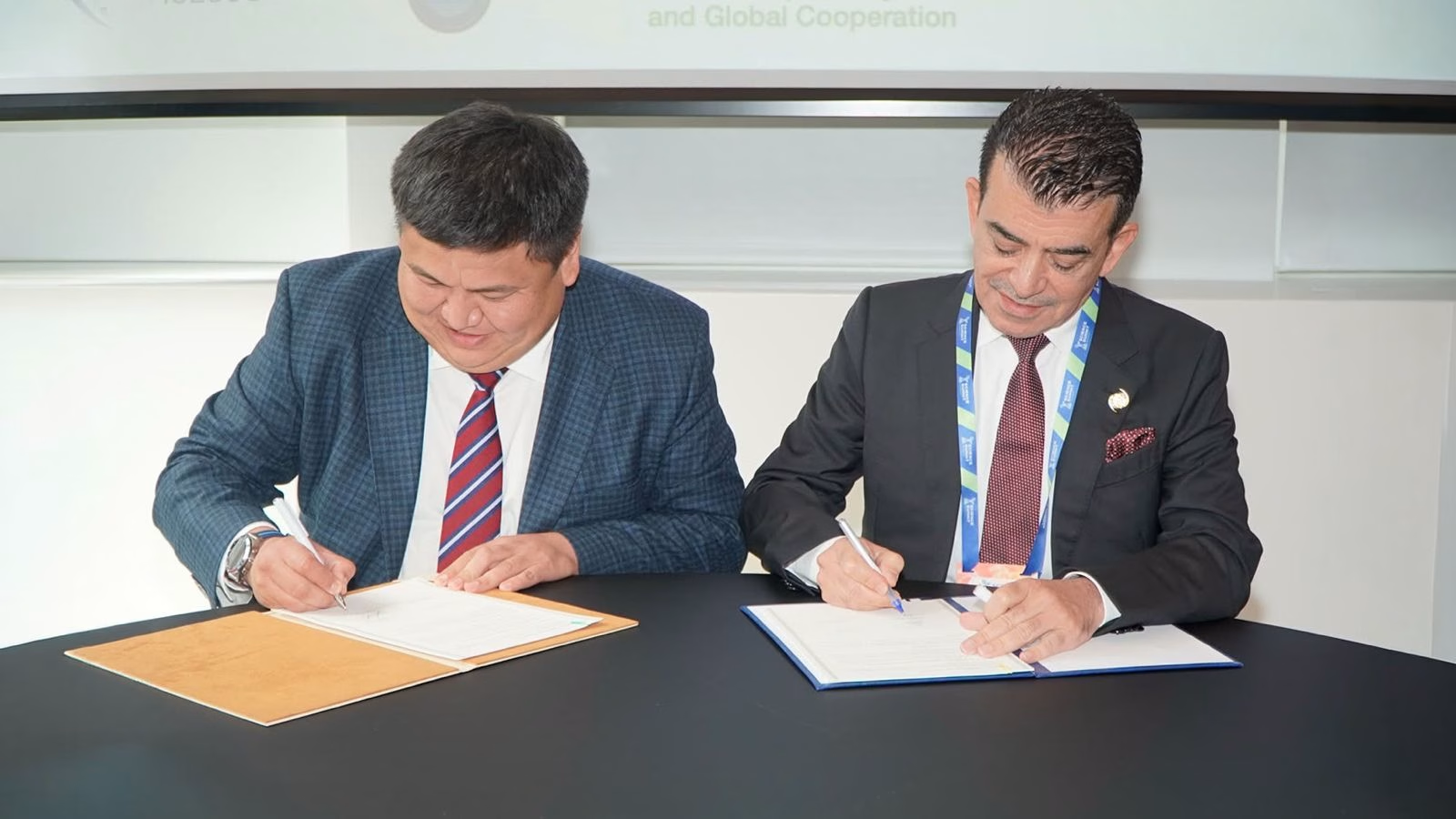
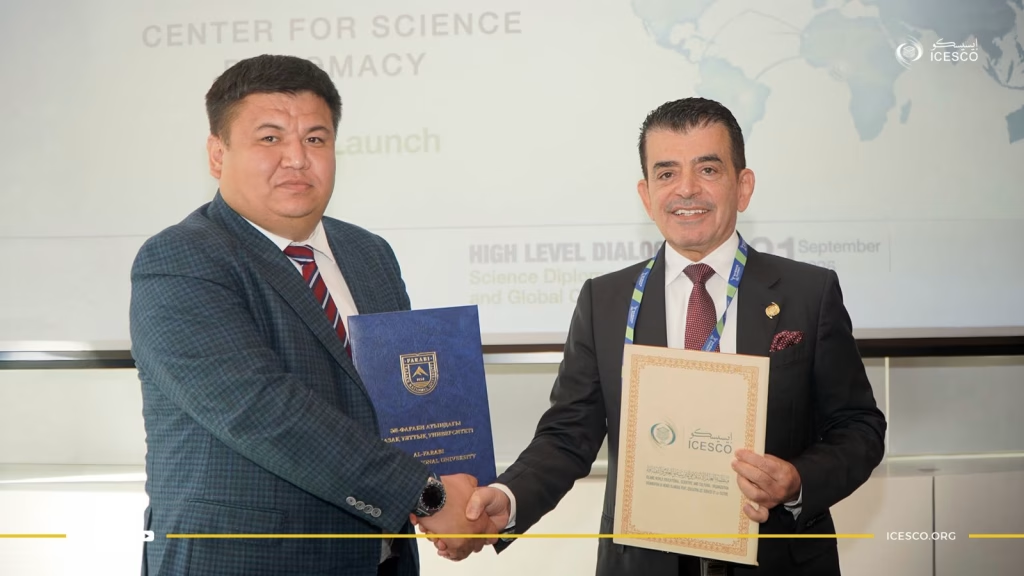
The first agreement was signed by Dr. Salim M. AlMalik, Director-General of ICESCO, and Mr. Samgat Yermekbayev, Deputy Chairman of the Board and First Vice-Rector of KazNU, on the sidelines of the High-Level Dialogue on Science Diplomacy, organized by ICESCO in partnership with the Kazakh Ministry of Science and Higher Education in New York, USA, as part of the Science Summit 2026.
The Agreement aims to expand researchers’ access in ICESCO Member States to high-performance computing resources by leveraging the computing facilities of KazNU, as well as to build their capacities through training and joint research projects. This will contribute to narrowing disparities in computing capabilities and harnessing them for knowledge production and the development of innovative solutions.
The second MoU was signed by Dr. Salim AlMalik and Dr. Zhanar Temirbekova, Rector of AYU. It focuses on advancing cooperation in science, technology, and innovation; supporting research on environmental and climate issues; developing youth capacities; and expanding opportunities for education, scholarships, and academic exchange.
The MoU also provides for cooperation in science diplomacy and peacebuilding, as well as safeguarding the heritage of the Islamic world and Turkic-speaking regions, by supporting intercultural dialogue and understanding and exchanging knowledge related to this heritage. It also enables the launch of joint initiatives linking scientific research with social responsibility and supporting the contribution of universities to preserving civilizational memory.
The two agreements offer a framework that brings together access to computing infrastructure and the development of academic partnerships, linking research and training to practical applications and expanding the participation of scientific institutions in Member States in knowledge production and its application in the service of development.
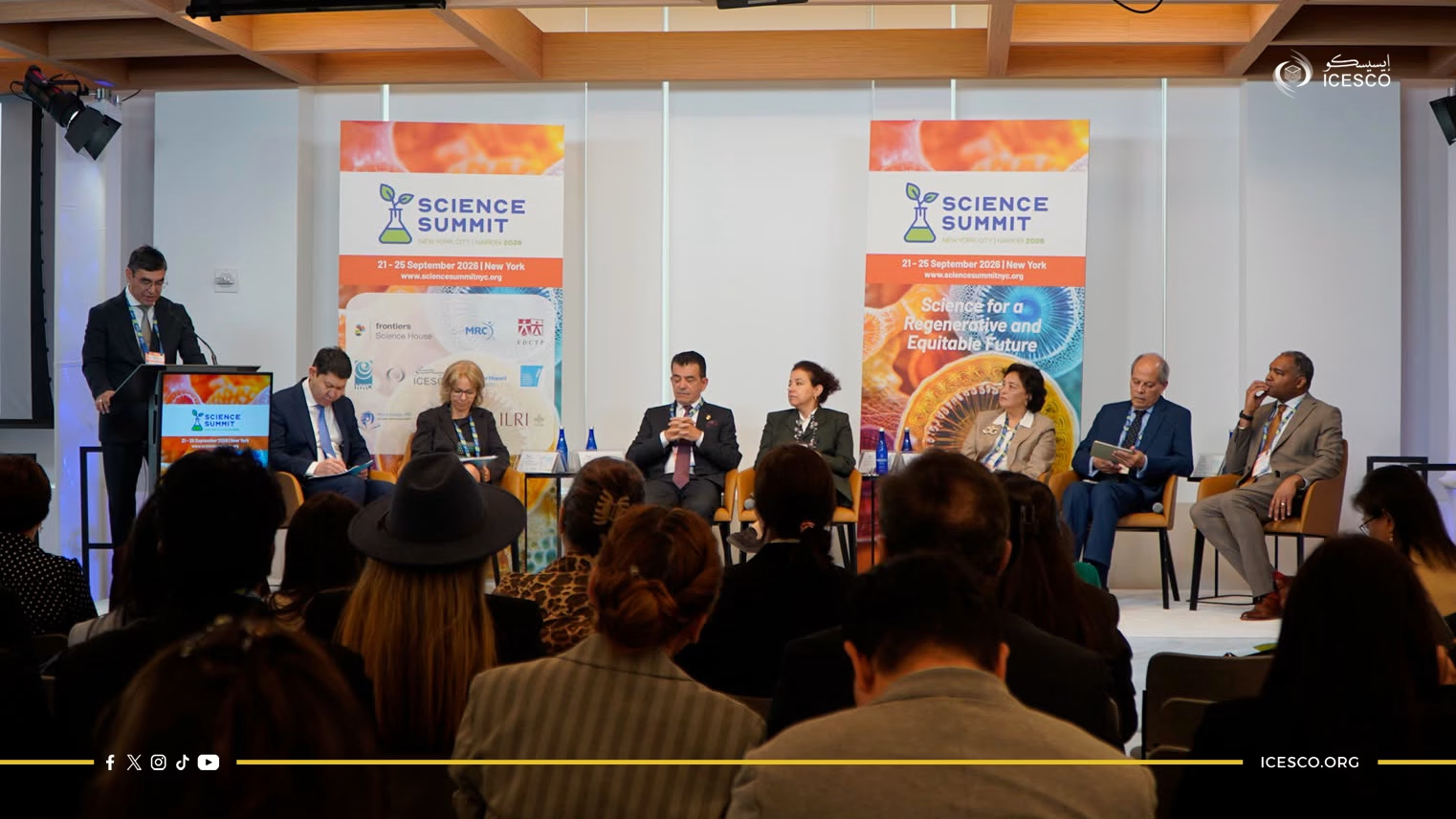
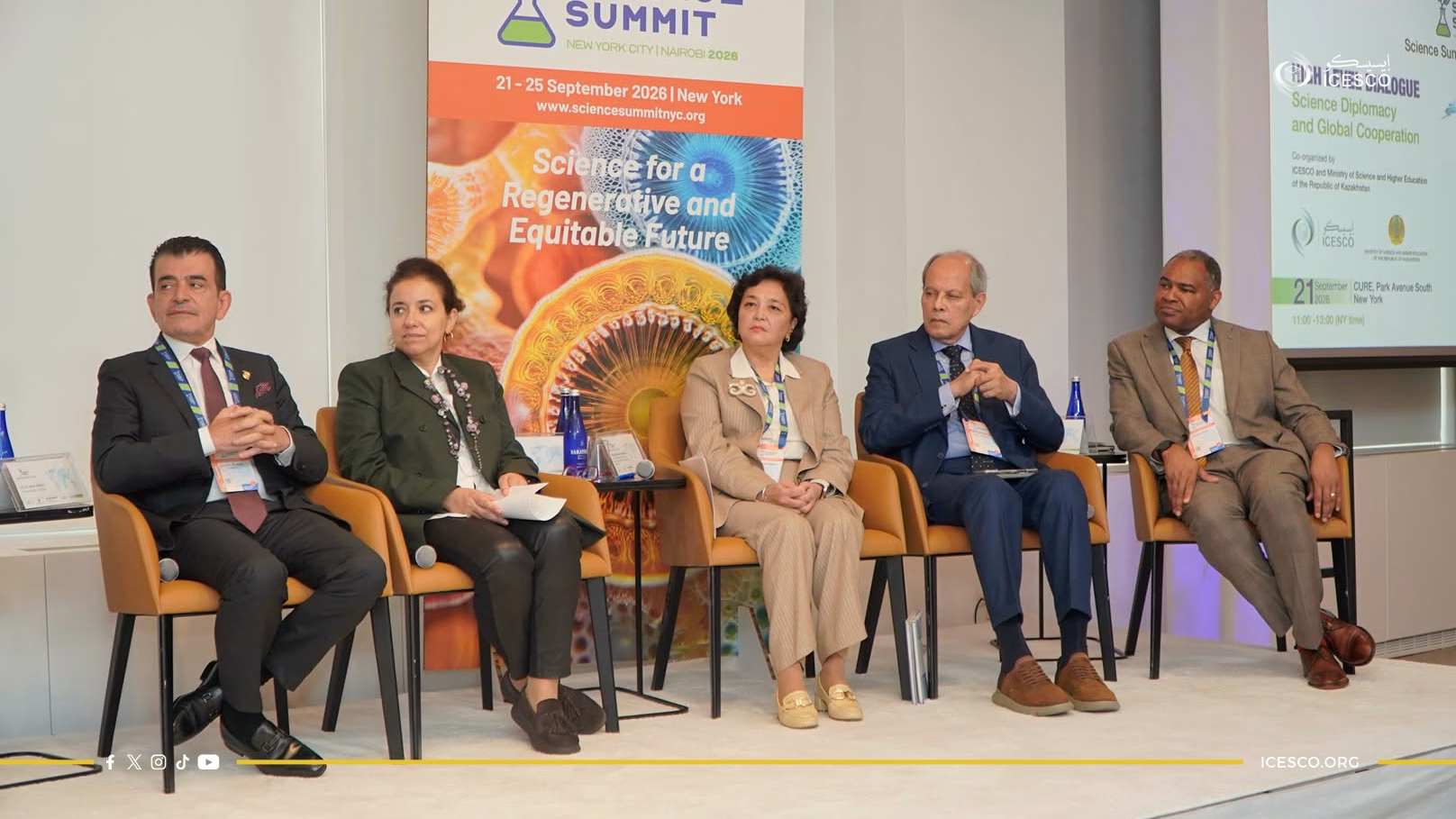
The Islamic World Educational, Scientific and Cultural Organization (ICESCO), in partnership with the Ministry of Science and Higher Education of the Republic of Kazakhstan, held the first High-Level Dialogue on Science Diplomacy and Global Cooperation on Monday, September 21, 2026, in New York, United States. The event brought together officials from government bodies, international organizations, and scientific institutions to discuss ways of leveraging science diplomacy to strengthen international cooperation in higher education and translate scientific and technological capacities into tangible impact.
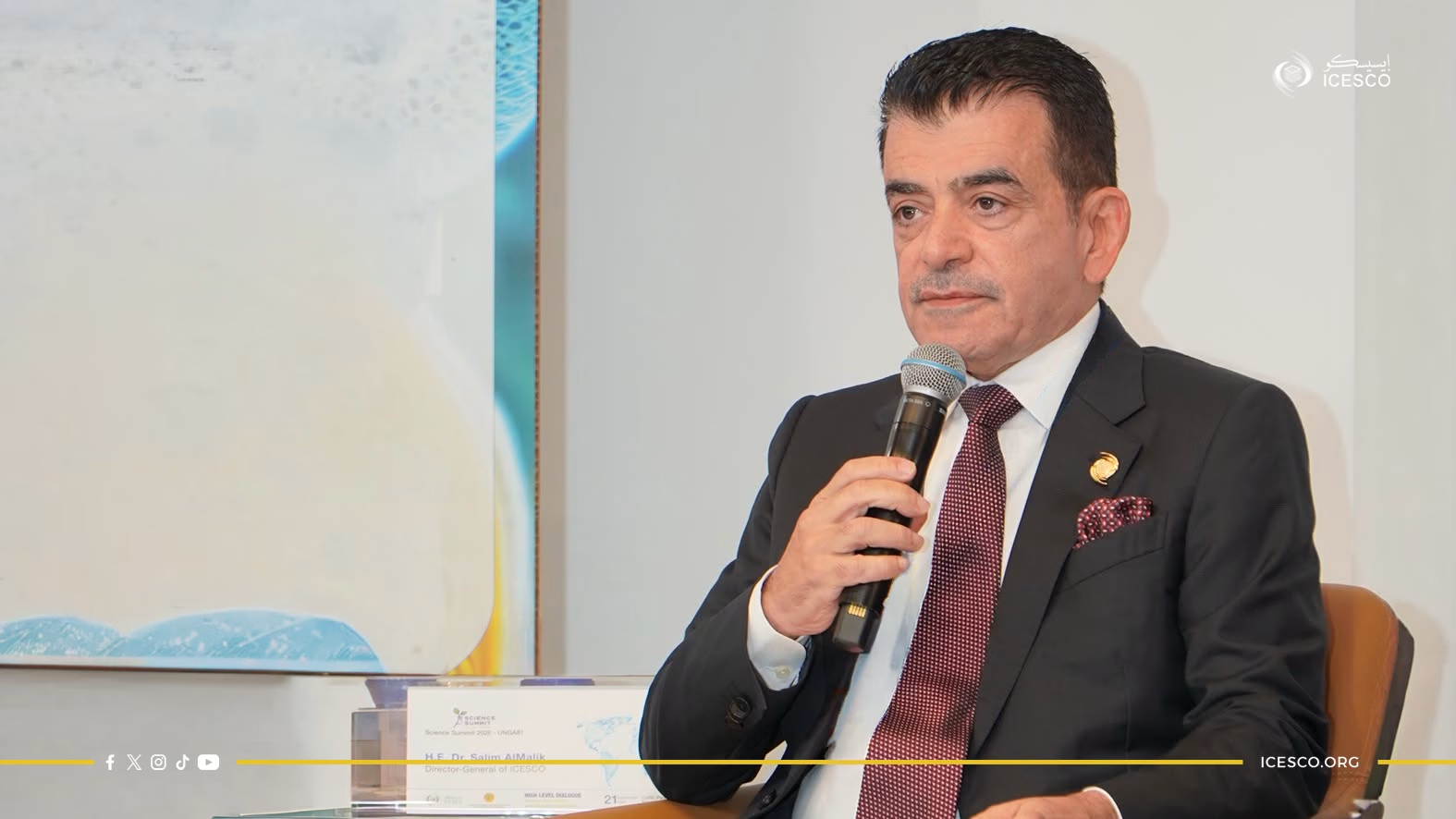
The dialogue, held as part of this year’s Science Summit in conjunction with the 81st session of the United Nations General Assembly (UNGA 81), opened with remarks by Dr. Salim M. AlMalik, ICESCO Director-General. He highlighted the importance of science diplomacy in advancing knowledge and progress, stressing that many scientific discoveries capable of protecting societies from contemporary challenges remain out of reach because countries lack the necessary infrastructure and partnerships.
Dr. AlMalik expressed his appreciation to Kazakhstan’s Ministry of Science and Higher Education for its cooperation with ICESCO in organizing the dialogue, noting that science diplomacy lies at the heart of the Organization’s priorities. He added that ICESCO is developing its areas of competence through an approach based on impact, inclusiveness, creativity, and sustainability.
In this regard, the ICESCO Director-General stated that the Organization is working to develop a framework for the mutual recognition of academic qualifications in 15 countries, as well as permanent mechanisms for science diplomacy to connect scientists with diplomats, universities with governments, and scientific research with policymaking.
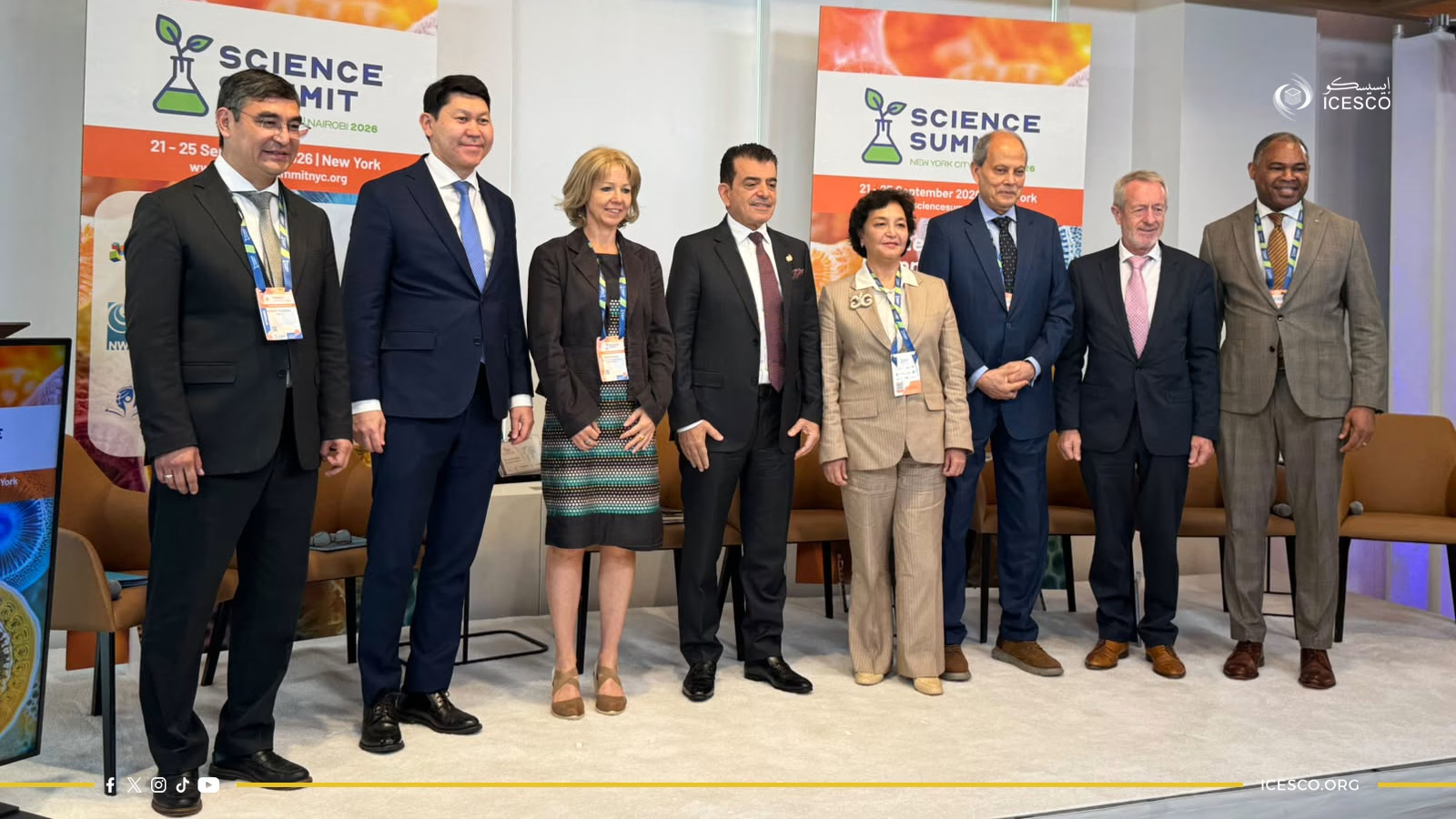
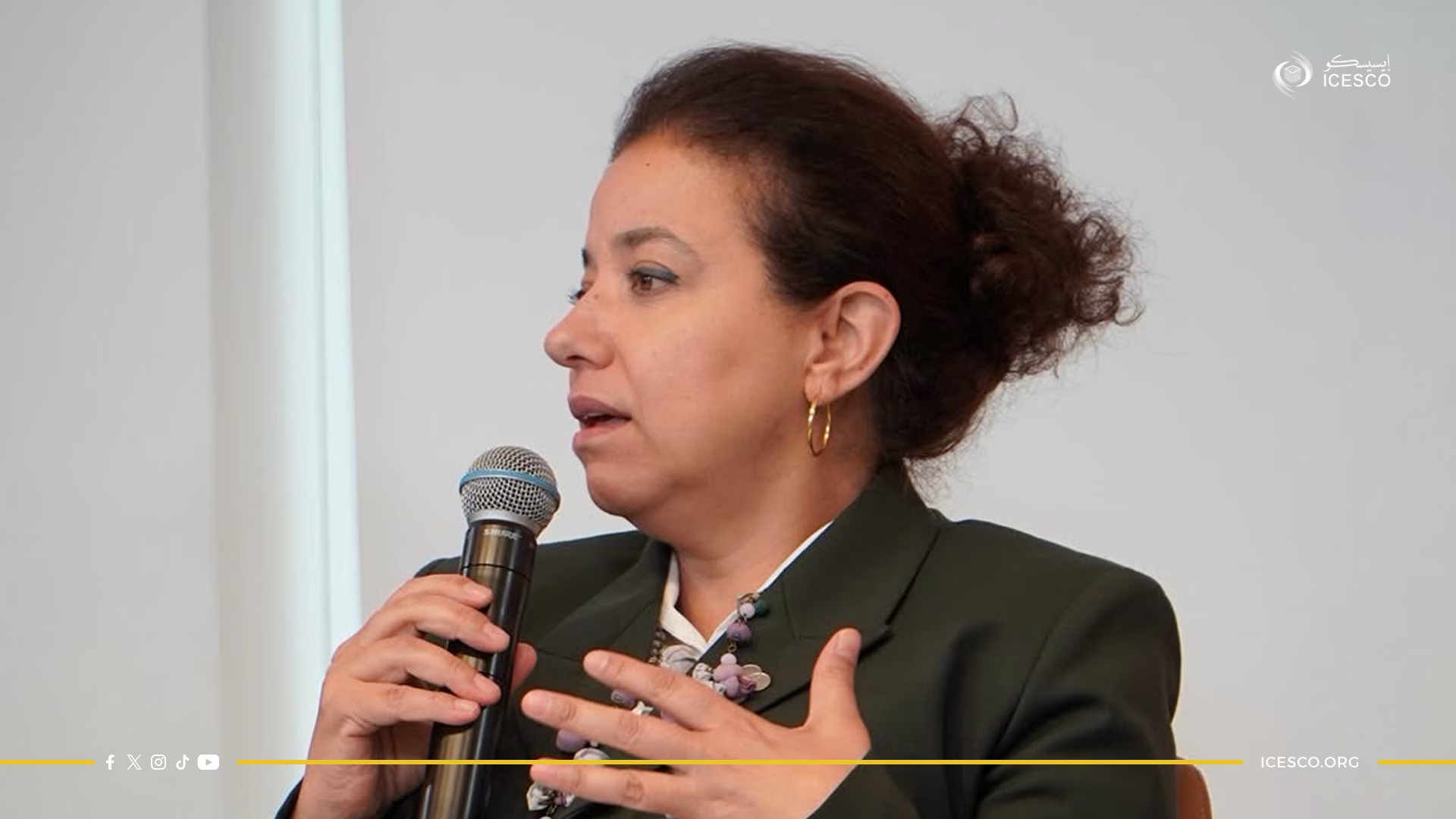
Following, Dr. Yergaliyev Kuanysh, Head of the Science and Environment Sector at ICESCO, moderated a panel that saw the participation of Dr. AlMalik; Mr. Didar Temenov, Director of the Multilateral Cooperation Department of Kazakhstan’s Ministry of Foreign Affairs; Ms. Dima Al-Khatib, Director of the United Nations Office for South-South Cooperation; Dr. Saule Sagintayeva, President of Abylkas Saginov Karaganda Technical University in Kazakhstan; Ms. Susie Kitchens, Director of Science Diplomacy at the International Institute for Applied Systems Analysis; Dr. Saifur Rahman, Editor-in-Chief of IEEE Climate Magazine, Director of the Virginia Tech Advanced Research Institute, Dr. Brando Okolo, Head of the Science, Technology and Innovationat the African Union Development Agency; and Mr. Seán Kelly, Member of the European Parliament.
At the conclusion of the dialogue, participants issued the “New York Declaration on Science Diplomacy for Inclusive Global Development,” affirming the commitment of participating institutions to employ science diplomacy to advance cooperation among countries, governments, universities, research institutions, the private sector, and civil society. The Declaration aims to promote innovation, sustainable development, and the contribution of Global South countries to science, particularly in the face of contemporary challenges, foremost among them climate change, security, and health. It emphasized that science diplomacy provides a practical means of developing research infrastructure, modern technologies, and the capacities of future generations of scientists and diplomats.
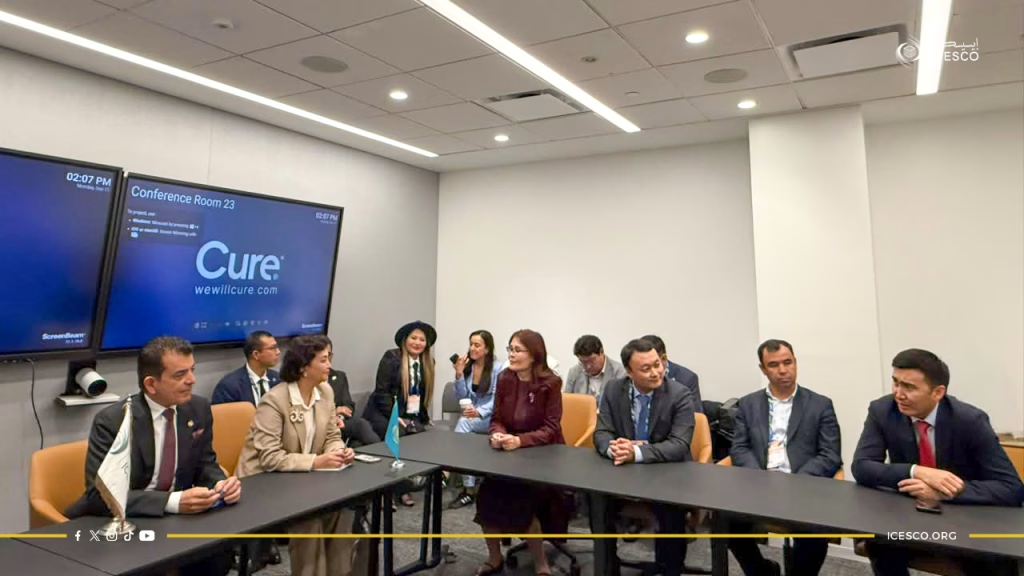
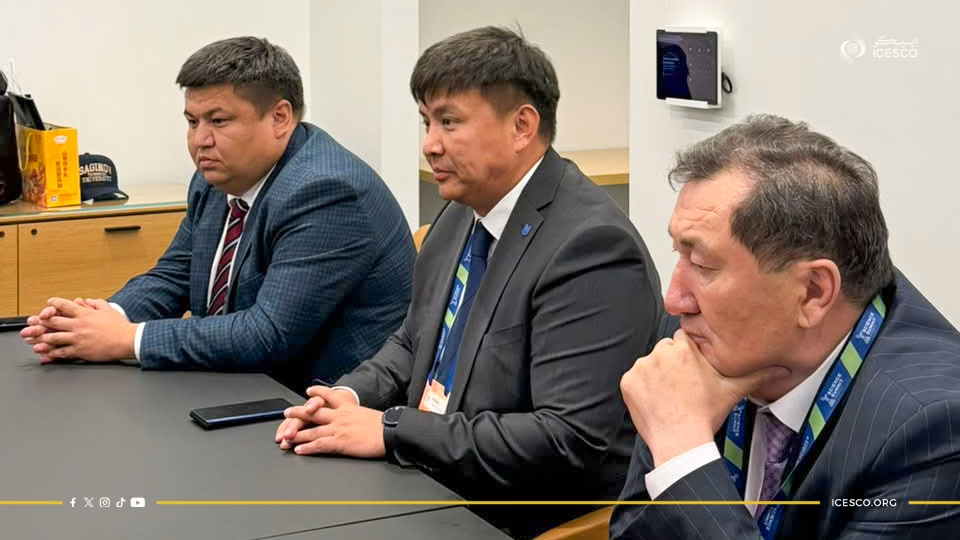
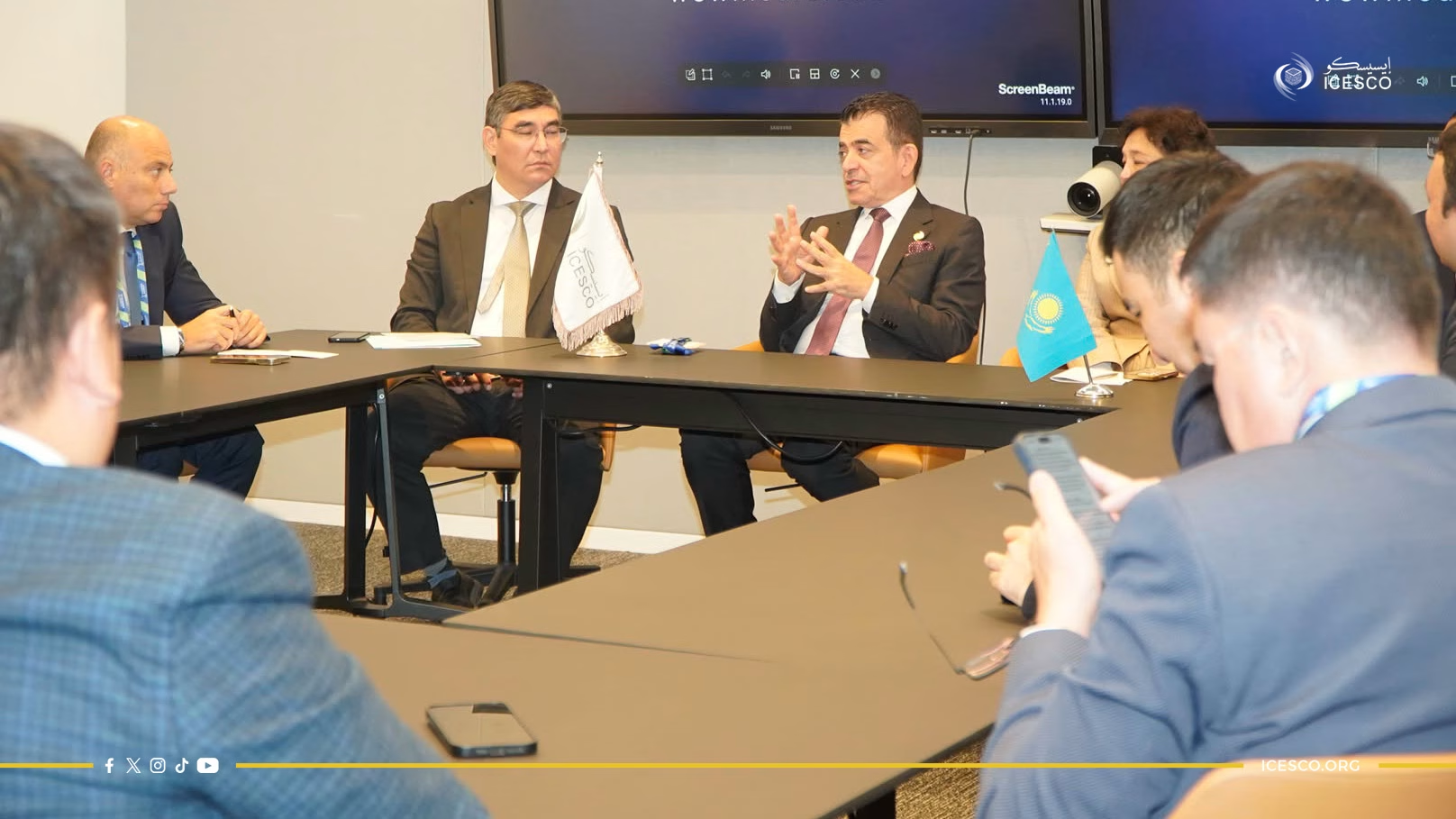
On the sidelines of the United Nations General Assembly and the Science Summit 2026 in New York City, Dr. Salim M. AlMalik, Director-General of the Islamic World Educational, Scientific and Cultural Organization (ICESCO), met with several Kazakh universities presidents and their deputies participating in the Summit.
During the meeting, held on Monday, 21 September 2026, Dr. AlMalik presented ICESCO’s vision and flagship programs in education and scientific research. He also discussed prospects for cooperation with Kazakh universities through joint programs and projects, the establishment of academic chairs, and the provision of scholarships for the Islamic world youth.
Dr. AlMalik also gave a presentation on the Federation of Universities of the Islamic World (FUIW), an ICESCO-affiliated body, outlining its objectives and aspirations to build an effective university network that advances higher education and strengthens the standing of universities of the Islamic world on the international stage. He invited Kazakh universities to join the Federation and participate in its initiatives.
The university presidents and their deputies expressed appreciation for ICESCO’s programs, affirming their interest in developing cooperation with the Organization and FUIW through scientific forums and conferences, support for projects and programs of mutual interest, and the exchange of academic expertise. Several universities also expressed their readiness to offer scholarships through ICESCO for students from Islamic world countries.
Dr. AlMalik proposed that a Kazakh university host the seventh edition of the Vice Chancellors’ Forum of Universities in the Islamic World, organized by FUIW, and that coordination and preparations for this event begin. The proposal was welcomed by several university presidents, who expressed interest in hosting the Forum.
At the close of the meeting, the participants reiterated their commitment to translating the ideas discussed into practical programs and sustainable academic partnerships and expressed their gratitude to the ICESCO Director-General for this initiative.
On the sidelines of the United Nations General Assembly meetings, Dr. Salim M. AlMalik, Director-General of the Islamic World Educational, Scientific and Cultural Organization (ICESCO), met with Mr. Musa Kulaklıkaya, Deputy Minister of Foreign Affairs of the Republic of Türkiye, on Monday, 21 September 2026, at the Turkish House in New York City.
The meeting explored prospects for advancing cooperation between ICESCO and the Republic of Türkiye in education, science, and culture, as well as the possibility of Türkiye joining the Organization membership.
Dr. AlMalik stated that the Republic of Türkiye’s accession to ICESCO would bring significant added value to the Organization, given its influential standing and prominent presence in the Islamic world, its rich civilizational heritage, advanced experience in education and scientific research, and deep-rooted cultural legacy.
For his part, Mr. Kulaklıkaya stressed the importance of strengthening cooperation between ICESCO and Turkish institutions, foremost among them the Research Centre for Islamic History, Art and Culture (IRCICA) and the Turkish Cooperation and Coordination Agency (TİKA). He also emphasized the need to organize joint conferences and seminars and implement initiatives that advance shared priorities.
At the close of the meeting, the two sides agreed to maintain coordination and intensify efforts to build an effective institutional partnership that contributes to achieving ICESCO’s objectives and serving the countries and peoples of the Islamic world.
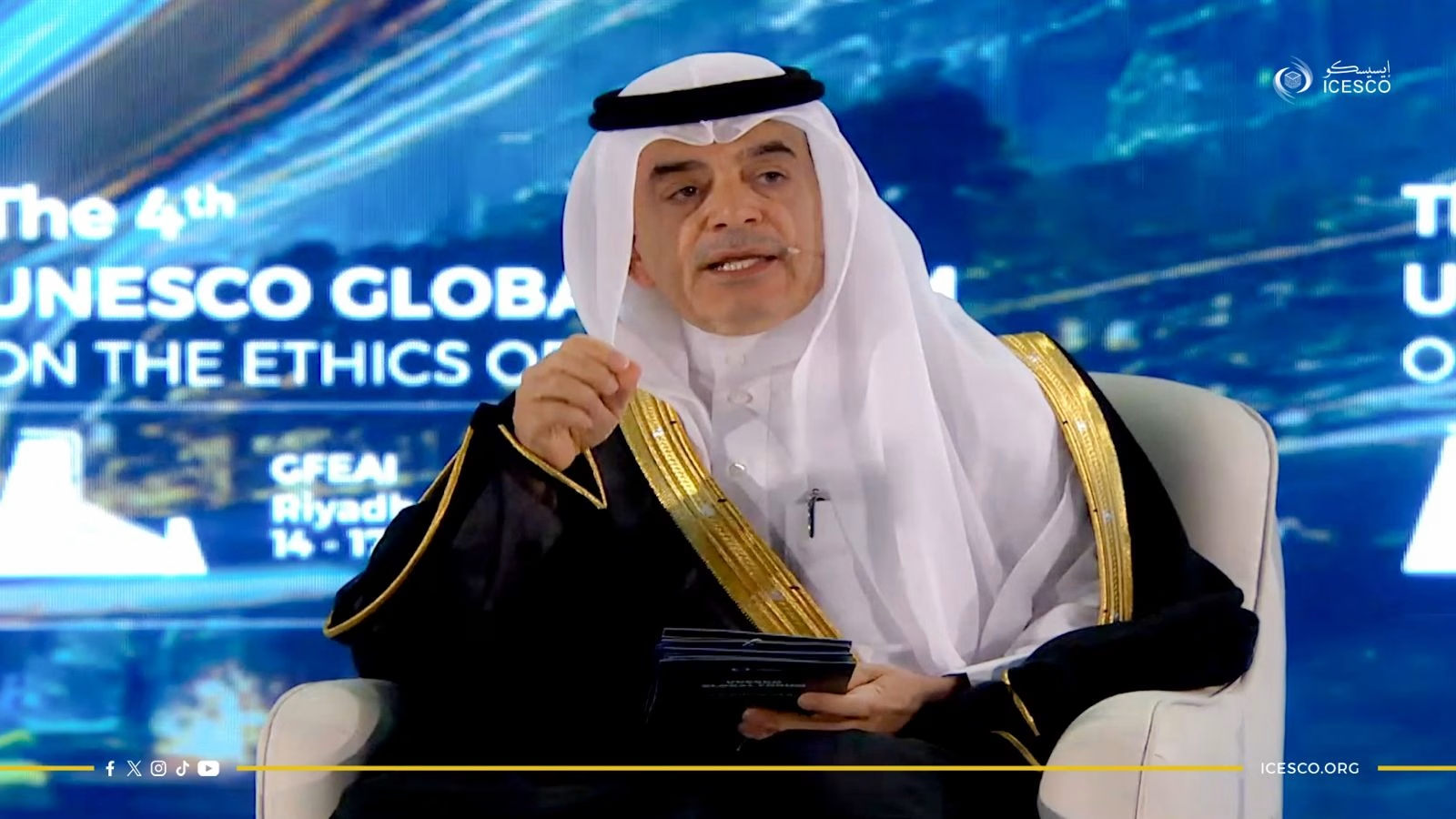
Dr. Salim M. AlMalik, Director-General of the Islamic World Educational, Scientific and Cultural Organization (ICESCO), called for stronger regional cooperation in education, science, and culture to establish artificial intelligence governance that safeguards human dignity and promotes inclusion and diversity, stressing that legislation alone is not enough to achieve this goal.
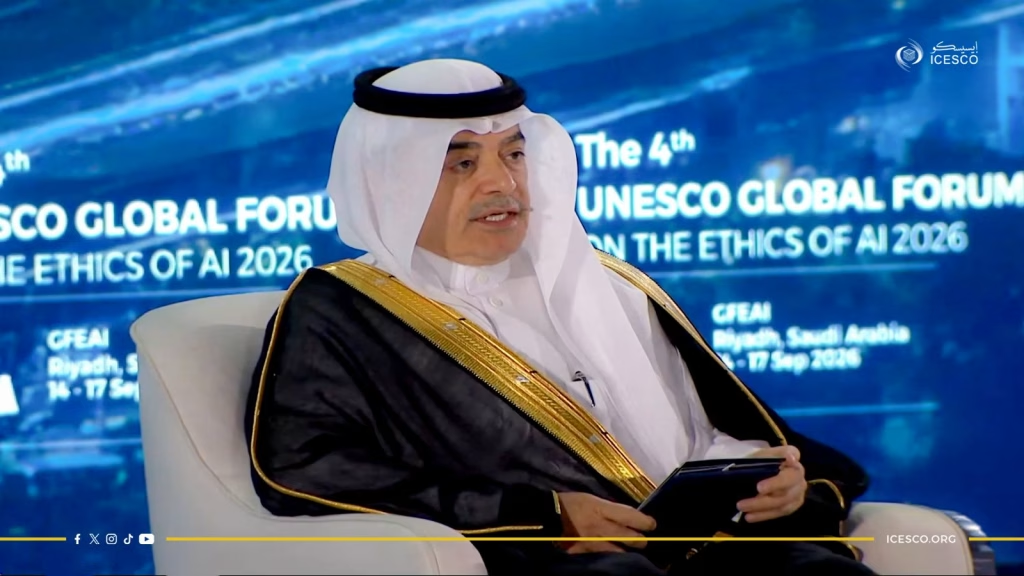
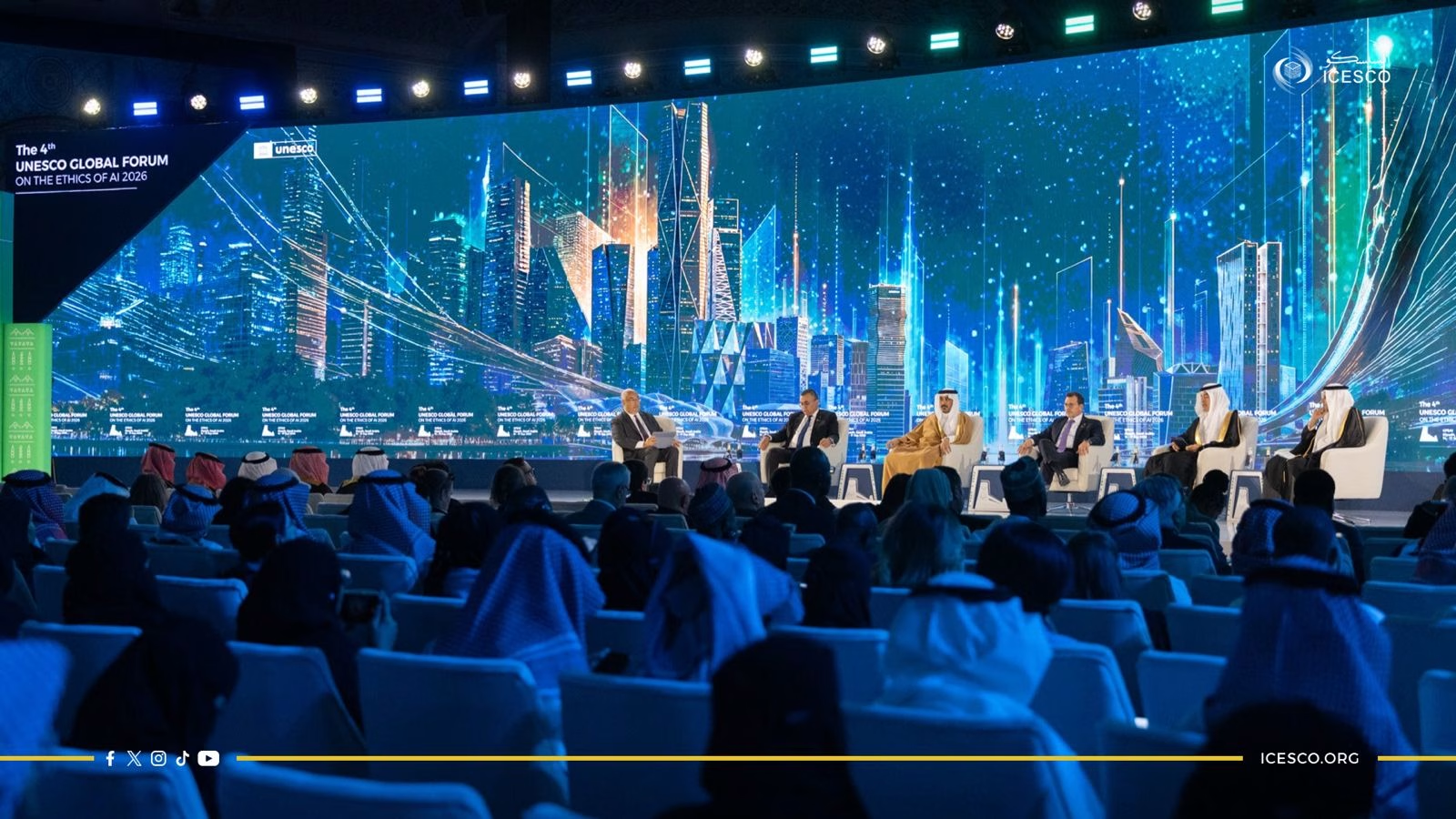
His remarks came during his participation on Tuesday, 15 September 2026, in the high-level ministerial dialogue on “Artificial Intelligence, Multilateralism, and Diplomacy,” held as part of the fourth UNESCO Global Forum on the Ethics of Artificial Intelligence in Riyadh, Saudi Arabia. The Forum is jointly organized by the Saudi Data and Artificial Intelligence Authority (SDAIA) and UNESCO, in cooperation with the International Center for AI Research and Ethics (ICAIRE), with the participation of ministers, experts, representatives of specialized international institutions, and more than 100 speakers.
Dr. AlMalik stated that cooperation in these three fields is a cornerstone of joint action among ICESCO Member States. He underscored the need to develop shared curricula on artificial intelligence and its ethics, train teachers, and adopt unified standards for the knowledge and skills required to address the impact of this technology on learning and assessment. Moreover, Dr. AlMalik highlighted the “10K Leaders Training Program” initiative, implemented by ICESCO in cooperation with ICAIRE, which aims to train professionals in the field using shared training materials and standards that promote responsible use.
The ICESCO Director-General emphasized the importance of enabling researchers to evaluate AI systems and their linguistic performance within local contexts, while facilitating the exchange of research findings. He also highlighted the role of the “ICESCO AI Index for the Islamic World” in measuring Member States’ progress against a unified regional benchmark and enabling them to benefit from one another’s experiences.
Dr. AlMalik also referred to the “Riyadh Charter on Artificial Intelligence for the Islamic World,” launched by ICESCO in cooperation with SDAIA, emphasizing its contribution to establishing ethical principles that respect the cultural specificities of Member States and align with relevant international recommendations.
The session also featured Dr. Sid Ali Zerrouki, Algeria’s Minister of Post and Telecommunications; Shaikh Abdulla bin Ahmed Al Khalifa, Bahrain’s Minister of Transportation and Telecommunications; Mr. Kamal Shehadi, Lebanon’s Minister of the Displaced, Minister of State for Technology and Artificial Intelligence; and Mr. Esam Alwagait, Director of the National Information Center at SDAIA.
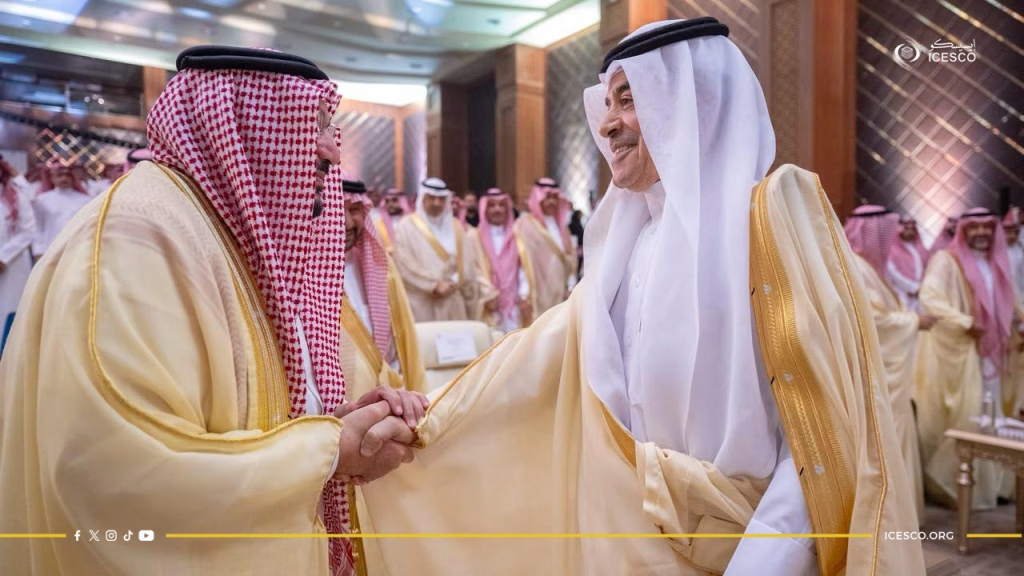
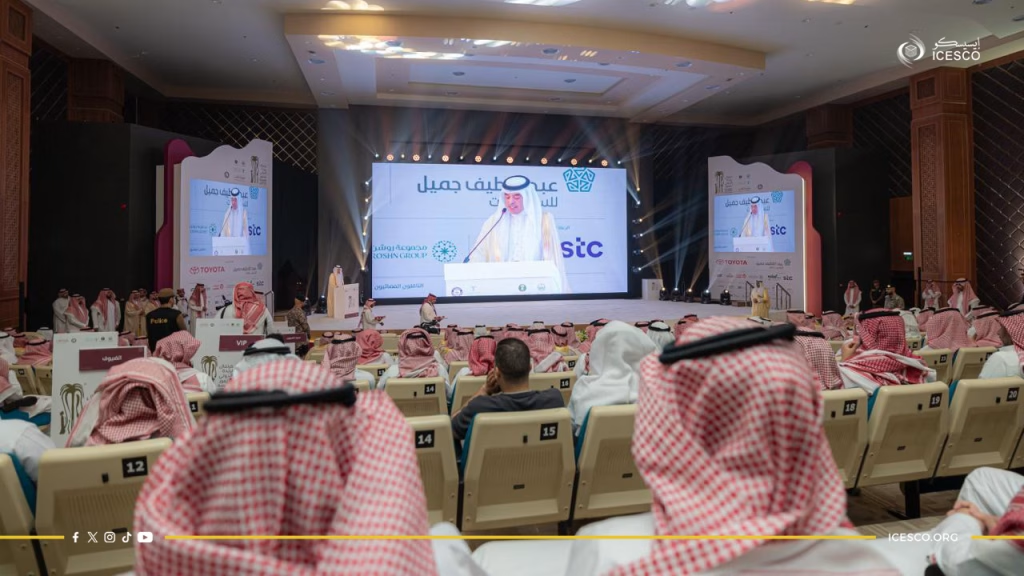
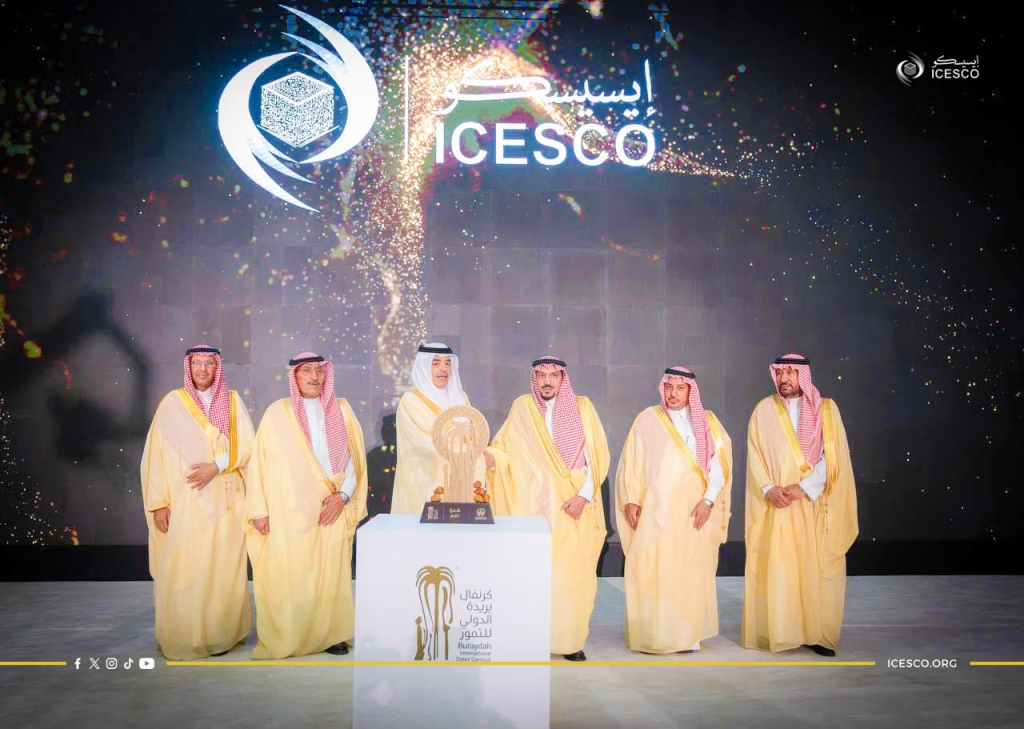
The city of Buraidah, Kingdom of Saudi Arabia, hosted a festive ceremony on Sunday evening, 13 September 2026, as part of the Buraidah International Dates Carnival. The ceremony was graced by His Royal Highness Prince Dr. Faisal bin Mishaal bin Saud bin Abdulaziz Al Saud, Governor of Qassim Region, and attended by several ministers, senior officials, and prominent figures.
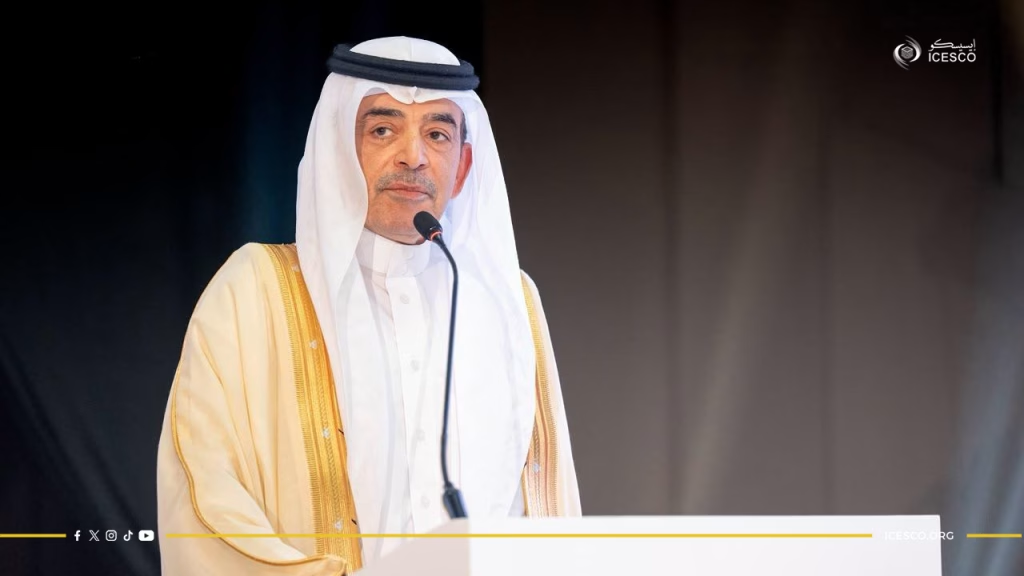
On this occasion, His Excellency Dr. Salim M. AlMalik, Director-General of the Islamic World Educational, Scientific and Cultural Organization (ICESCO), delivered an address highlighting the Carnival’s distinguished standing and growing global recognition. The world’s largest date market has been registered by Guinness World Records, while the knowledge, skills, traditions, and practices associated with the date palm have been inscribed on UNESCO’s Representative List of the Intangible Cultural Heritage.
Dr. AlMalik stated that the date palm has been closely connected to humankind since ancient times, serving as a lifelong companion and source of livelihood while remaining deeply rooted in human memory and consciousness. It is an integral part of Saudi identity and a living testament to the profound bond between the Saudi people, their land, and their heritage. The date palm is also honored through its mention in more than 20 verses of the Holy Quran, reflecting its blessed status and civilizational significance.
The ICESCO Director-General noted that the Buraidah International Dates Carnival has transcended the conventional concept of a marketplace to become a season heralding a promising future, as Qassim dates make their way into global markets, supported by accumulated expertise and outstanding product quality.
He added that ICESCO stands ready to provide support and cooperation, marking the beginning of a new phase of promising partnership between entrepreneurship and the fields of education, science, and culture. This commitment stems from the Organization’s belief that the Islamic world deserves an advanced position in development and innovation.
His Excellency announced ICESCO’s readiness to cooperate in promoting the Buraidah International Dates Carnival as a prominent heritage and economic landmark and to invite countries across the Islamic world to participate, opening broader prospects for cultural exchange and economic cooperation.
Dr. AlMalik concluded his address by reciting a poem titled “Peace Be upon the Date Palms of Qassim,” which was warmly received by His Royal Highness the Governor and the audience.
At the close of the ceremony, His Royal Highness the Governor of Qassim Region honored His Excellency Dr. Salim M. AlMalik in recognition of his participation and attendance, as well as ICESCO’s contribution to supporting initiatives that promote heritage and highlight its civilizational and development value.
The Islamic World Educational, Scientific and Cultural Organization (ICESCO) and the Islamic Solidarity Sports Association (ISSA) signed a Memorandum of Understanding to establish a bilateral partnership aimed at promoting sport as a driver of peace, solidarity, and social cohesion; empowering the youth through sport and volunteerism; enhancing women’s participation and leadership in sport; promoting cultural dialogue, innovation and sustainable human development; and fostering the inclusion of persons with disabilities and other vulnerable groups.
His Royal Highness Prince Abdulaziz bin Turki Al Faisal, Minister of Sport of the Kingdom of Saudi Arabia and President of the Islamic Solidarity Sports Association (ISSA), attended the signing ceremony. The MoU was signed by Dr. Salim M. AlMalik, Director-General of ICESCO, and Dr. Nasser Majali, Secretary General of ISSA, on Saturday, 12 September 2026, in Taif, Saudi Arabia, on the sidelines of the ISSA General Assembly.
The five-year MoU provides for the development of joint programs and initiatives and the organization of international sports conferences and events aimed at promoting physical and mental health and overall well-being for all, supporting the concept of cultural diplomacy through sport, advancing research and innovation in the field of Sports for Social Impact, and facilitating partnerships and resource mobilization for initiatives benefiting communities in ICESCO Member States and beyond.
Under the terms of the MoU, the two sides will launch joint initiatives to prepare a select group of young athletes to serve as ambassadors for their countries in the fields of peace and dialogue, and to recognize inspiring role models who embody the values of fair play and contribute to serving their communities. The MoU also provides for ISSA’s participation in organizing ICESCO’s annual marathon and efforts to expand its reach across the Islamic world, as well as ICESCO’s participation through cultural initiatives during the Islamic Solidarity Games, starting with the next edition, to be hosted by the State of Selangor, Malaysia, in 2029.
His Royal Highness Prince Abdulaziz bin Turki Al Faisal, Minister of Sport of the Kingdom of Saudi Arabia and President of the Islamic Solidarity Sports Association (ISSA), received Dr. Salim M. AlMalik, Director-General of the Islamic World Educational, Scientific and Cultural Organization (ICESCO), at the InterContinental Hotel in Taif, on the sidelines of the Association’s General Assembly meeting.
The meeting was attended by H.H. Prince Fahd bin Jalawi bin Abdulaziz bin Musaed, Vice President of the Saudi Olympic and Paralympic Committee and President of the Saudi Camel Sports, and Dr. Nasser Majali, Secretary General of ISSA.
Prince Abdulaziz bin Turki Al Faisal emphasized the importance of strengthening cooperation between ISSA and ICESCO in a manner that contributes to serving youth in the Islamic world and promoting the values of solidarity and peace. Dr. Nasser Majali, for his part, reviewed the key provisions of the cooperation agreement signed between the two sides during the General Assembly meeting, as well as the opportunities it offers for launching joint programs with a tangible impact.
Dr. Salim AlMalik highlighted ICESCO’s initiatives in the fields of youth and peacebuilding, noting the role of sport in bringing peoples closer together and promoting intercultural dialogue.
The meeting also addressed a proposal to launch the “Sport for Peace” initiative, aimed at preparing a select group of young athletes to serve as ambassadors for their countries in the fields of peace and dialogue. The proposal also included the establishment of a “Cultural Village” as a program accompanying the Islamic Solidarity Games, starting with the next edition of the Games in 2029. The Initiative aims to showcase the heritage of participating countries and add a cultural dimension to the Games.
The proposals also included the launch of the “ICESCO–ISSA Award for Sports Ethics” to recognize inspiring role models who embody the values of fair play and contribute to serving their communities, in addition to the ISSA’s participation in organizing ICESCO’s annual marathon and efforts to expand its scope across the countries of the Islamic world.
At the conclusion of the meeting, the ICESCO Director-General expressed his appreciation to H.H. Prince Abdulaziz bin Turki Al Faisal for the warm reception and his support for institutional cooperation. His Highness affirmed ISSA’s readiness to strengthen joint action with ICESCO, directing the Secretary General to coordinate with ICESCO to translate the proposed initiatives into action within the framework of the bilateral cooperation agreement.
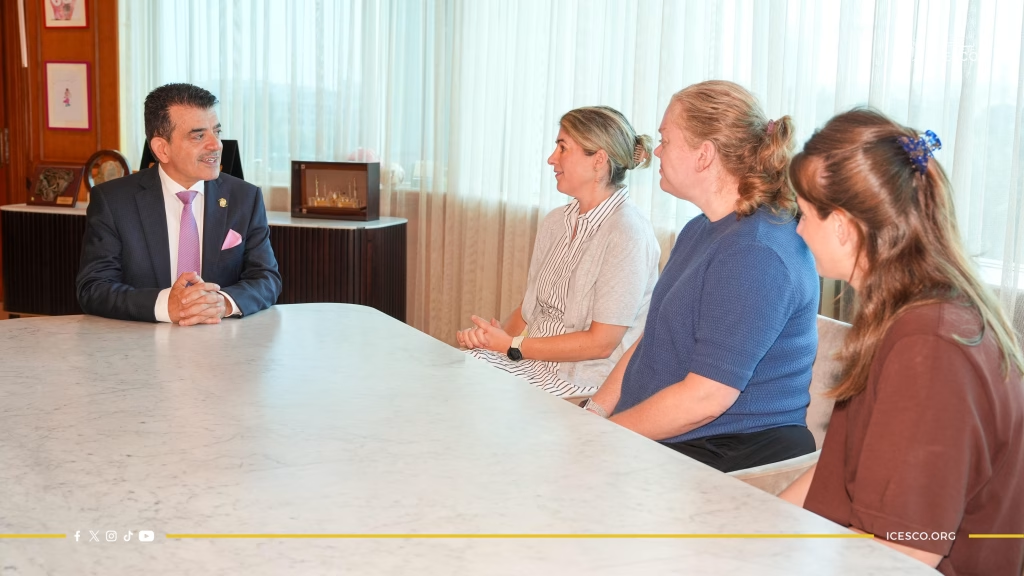
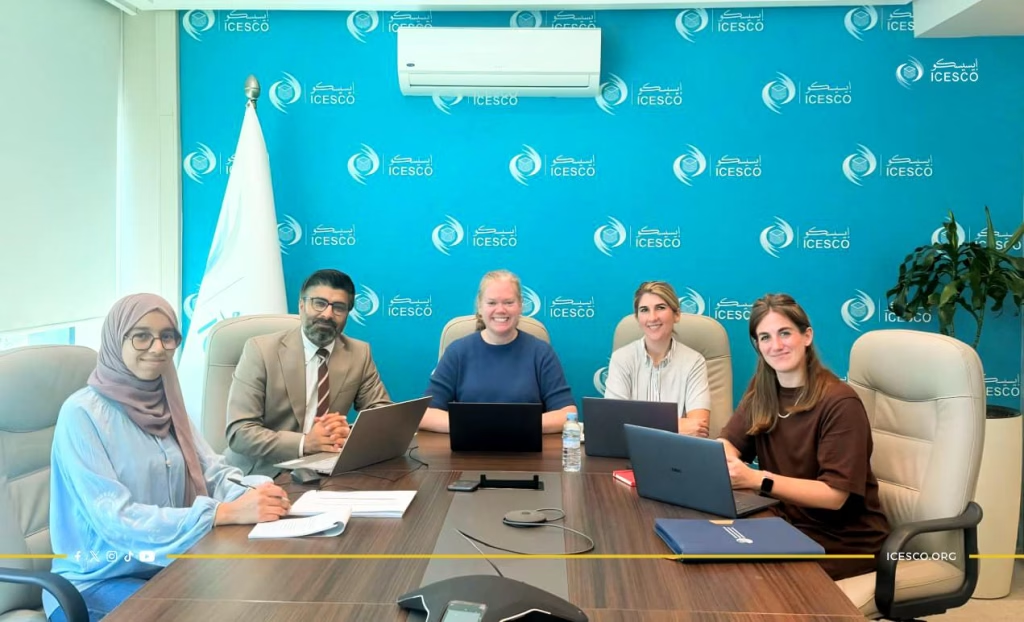
Dr. Salim AlMalik, Director-General of the Islamic World Educational, Scientific and Cultural Organization (ICESCO), received a high-level delegation from the International Baccalaureate (IB) on 9 September 2026, at ICESCO’s headquarters in Rabat, to discuss the latest developments in their joint project on the “Development of the First ICESCO School Teachers and School Leaders Standards and Practice Instrument for the Islamic World.”
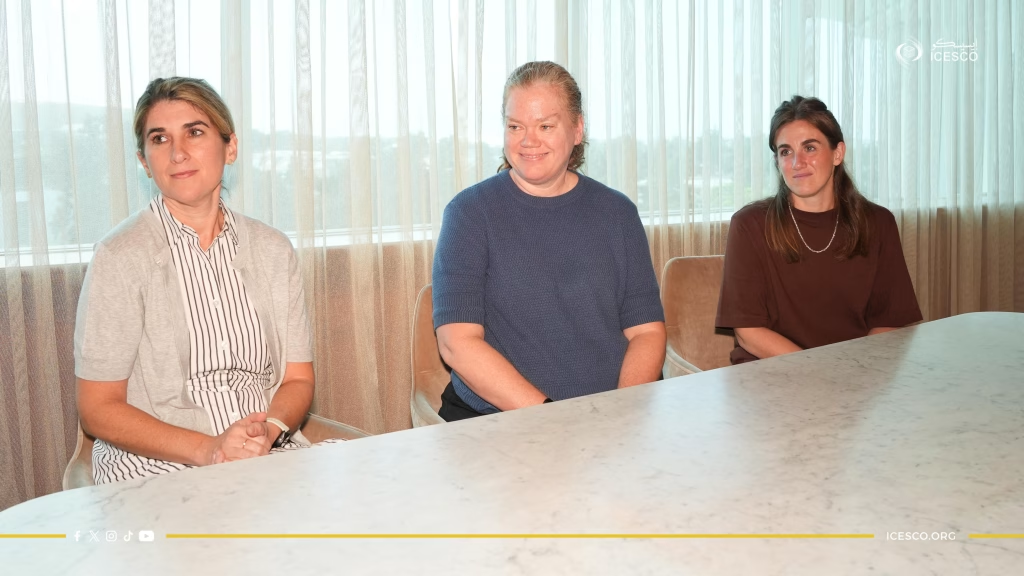
The International Baccalaureate delegation included Dr. Donna Hurrle, Senior Learning Architect; Ms. Kiri Stevenson, Senior Education Systems Solutions Manager at the IB’s office in the United Kingdom; and Ms. Issota Crisafulli, Senior Operations Manager Education Systems Solutions at the United Kingdom Office.
During the meeting, Dr. AlMalik emphasized that developing an assessment instrument is an important step toward translating the provisions of the Memorandum of Understanding between the two organizations into tangible impact. The Project aims to build the capacities of teachers and educators in educational institutions across Member States in areas including enhancing the quality of education, future skills, and modern technologies. He underscored that the Project will bring real added value to education systems in the Islamic world and beyond.
For its part, the delegation praised the strong partnership between the two organizations and invited Dr. AlMalik to participate in the IB Global Conference, scheduled to be held in Lyon, France, in October 2026.
At the conclusion of the meeting, a joint technical team from ICESCO and IB delivered a presentation on the scope and methodology of the Project as well as the meta-analysis of current international and national professional standards. The presentation also covered the findings of the surveys, mechanisms for developing and validating the assessment instrument, and its role in providing a reference framework to support countries in the Islamic world in strengthening the capacities of teachers and school leaders to adapt to local educational needs.
The meeting, held on the sidelines of a joint technical workshop on the Project, was attended by Dr. Ahmed Albanyan, Head of the Education Sector and Director of the Translation and Publication Center at ICESCO, and Dr. Waqas Afridi, Expert at the Education Sector.