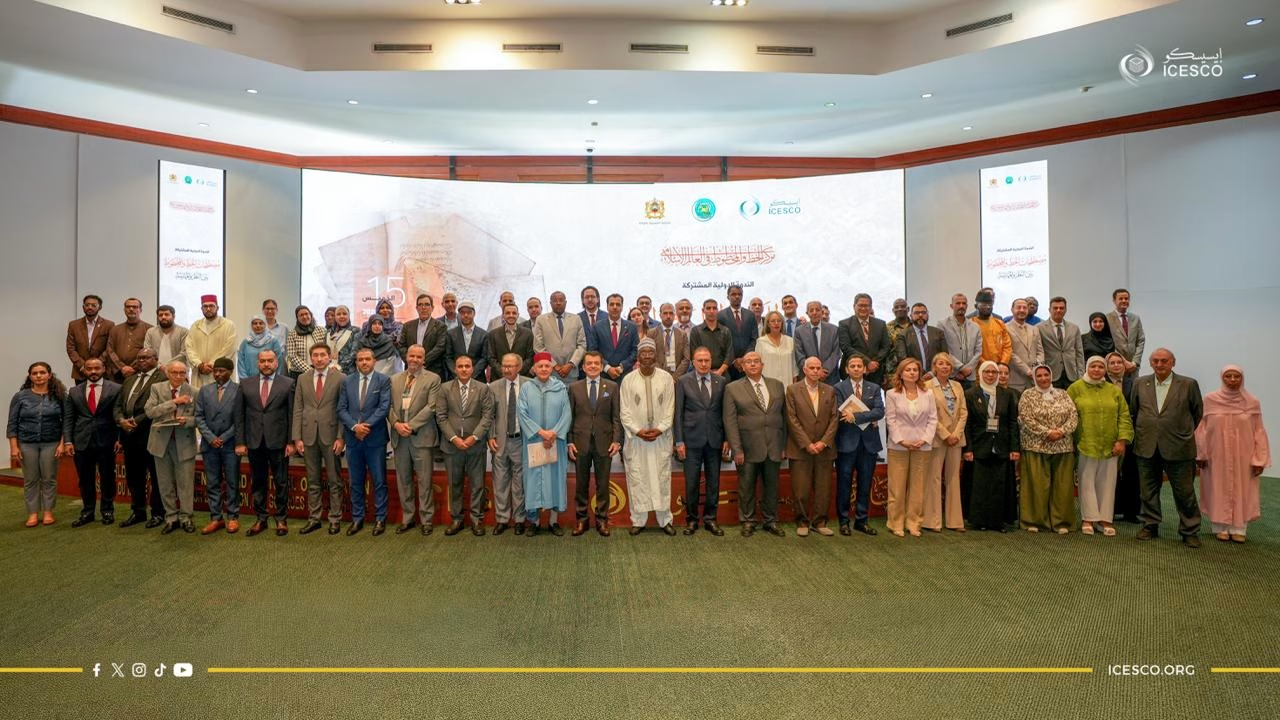

ICESCO Holds International Conference on Families and Public Policies in the Islamic World

10 June 2026
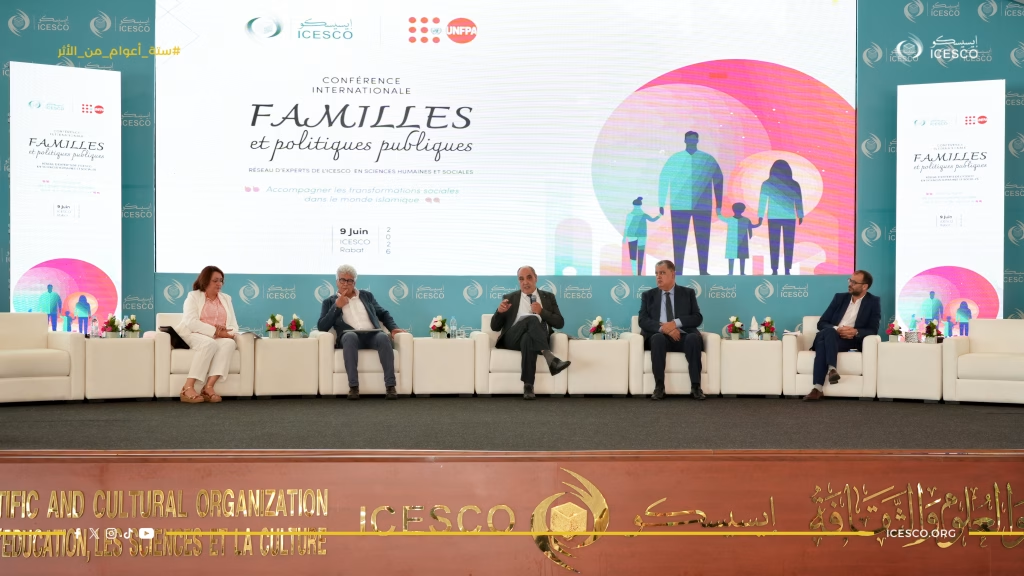
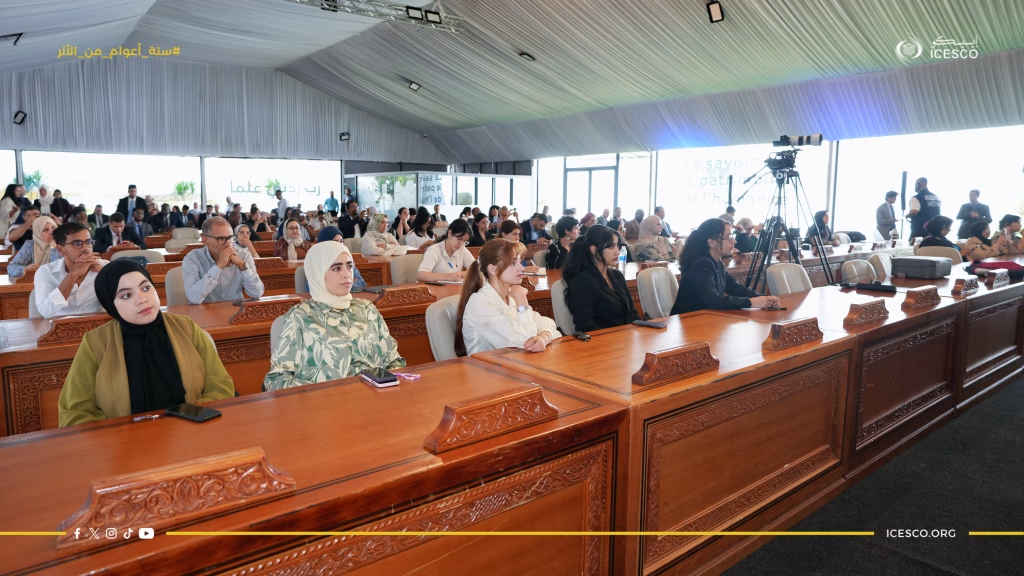
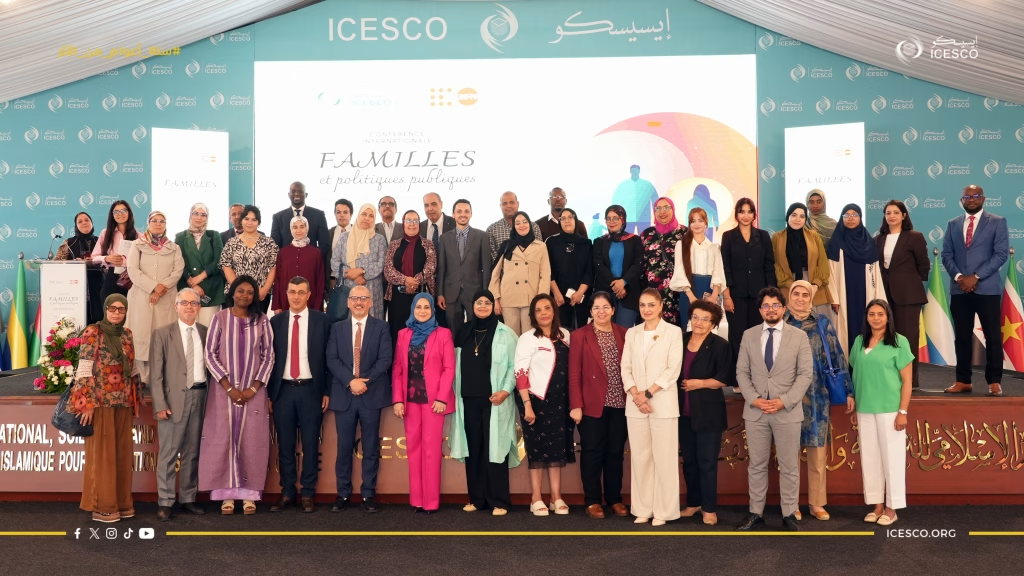
The Islamic World Educational, Scientific and Cultural Organization (ICESCO) held the International Conference on Families and Public Policies on Tuesday, 9 June 2026, at its headquarters in Rabat, under the theme “Supporting Social Transformations in the Islamic World,” in partnership with the United Nations Population Fund (UNFPA) in Rabat. The conference brought together a distinguished group of international experts, researchers, and specialists to examine contemporary transformations affecting the family and to explore ways to develop more effective and context-appropriate family public policies, within an approach that takes into account the cultural and social specificities of countries of the Islamic world.
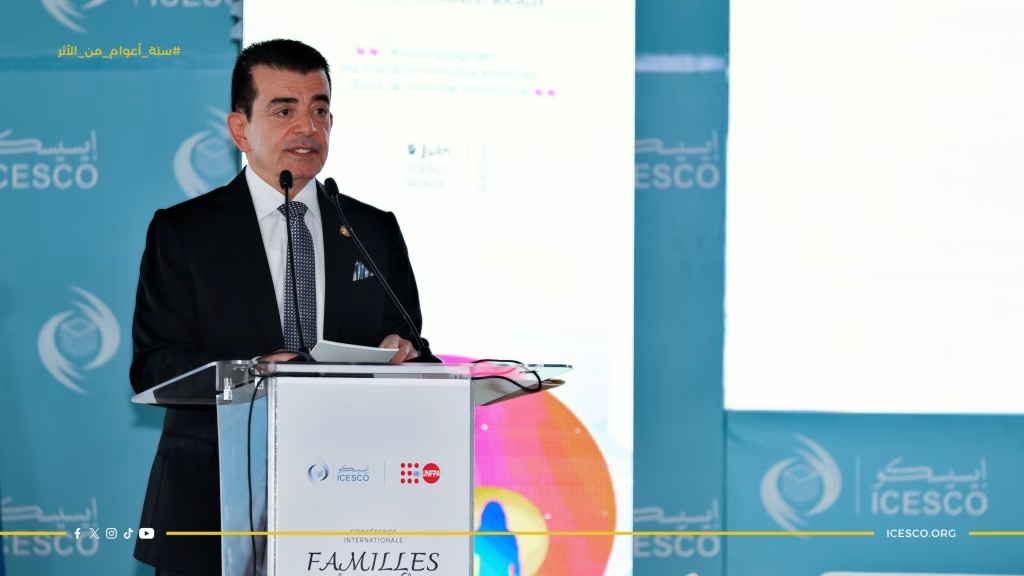
In his opening address, Dr. Salim M. AlMalik, Director-General of ICESCO, stressed that investment in families should not be viewed solely as a social commitment, but as a fundamental prerequisite for achieving sustainable development, strengthening social cohesion, and enhancing economic resilience. He underlined that ICESCO attaches particular importance to family-related issues as part of its mission to advance development across its Member States.
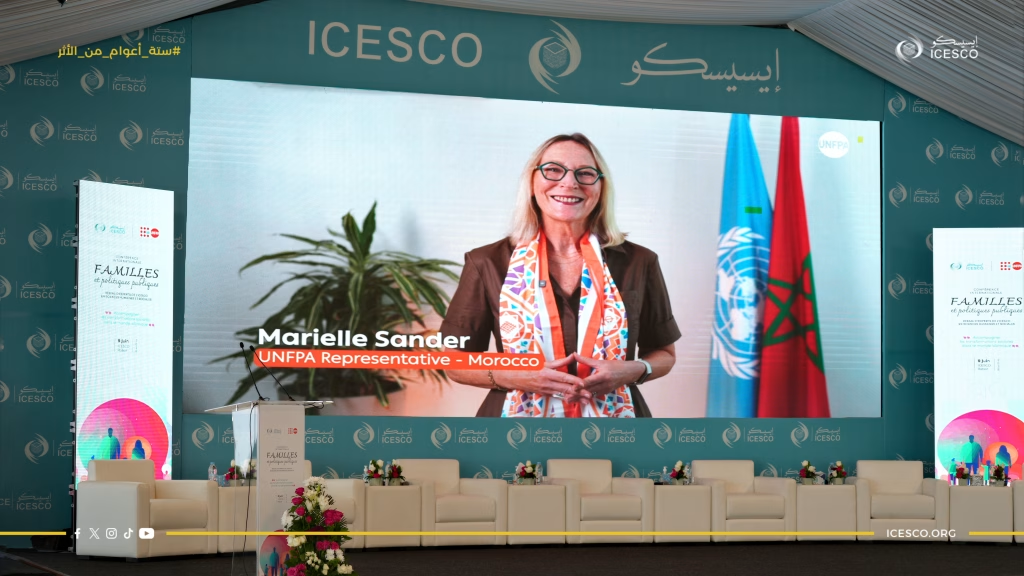
In a recorded address, Mrs. Marielle Sander, Representative of the United Nations Population Fund (UNFPA) in Rabat, explained that the family remains at the heart of every society as a space for protection, solidarity, and human development. She noted that progress toward achieving the Sustainable Development Goals requires family-centered policies that are closely aligned with inclusion, equality, and inclusive opportunities for youth.
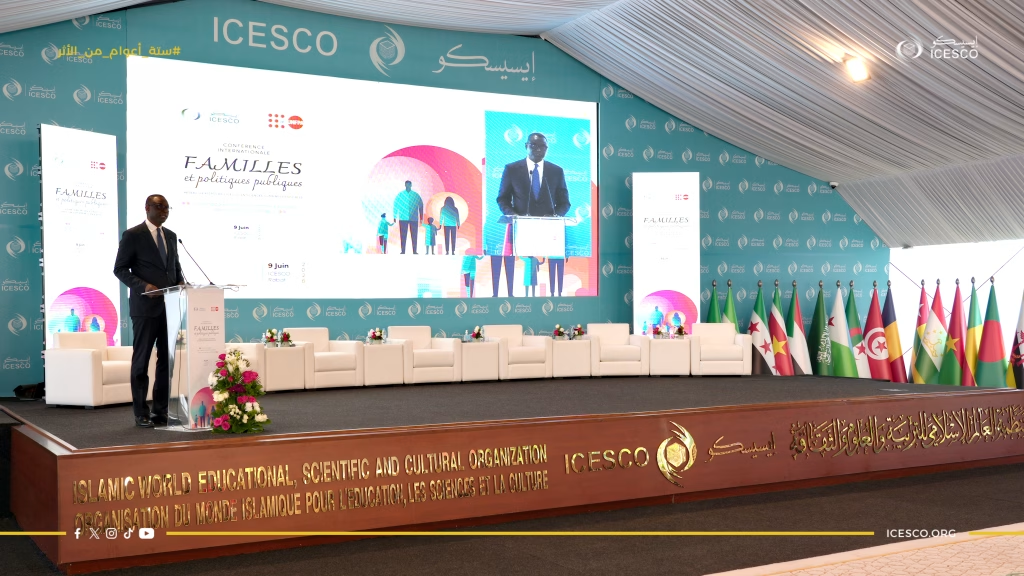
For his part, Mr. Ahmadou Moustapha Ndiaye, World Bank Country Director for the Maghreb and Malta, highlighted that the family constitutes the foundation for building nations’ human capital. He presented selected statistics related to the conference theme in the Middle East and North Africa region, noting that 70 percent of children aged ten are unable to read, representing the highest learning poverty rate globally. He also pointed out that more than 30 percent of youth are NEET, while 40 percent of women face exclusion, a situation that casts negative repercussions on family well-being.
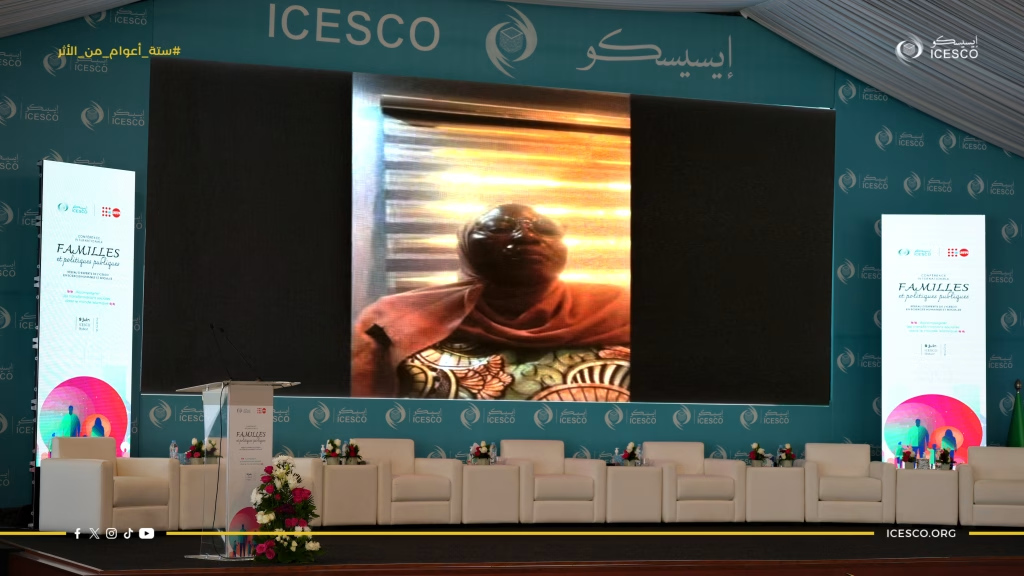
Dr. Falilat Ajoke, Director of the Social Affairs and Family Affairs Department at the Organization of Islamic Cooperation, emphasized the need to exchange expertise and strengthen coordination among Member States to address the shared challenges facing families in the Islamic world.
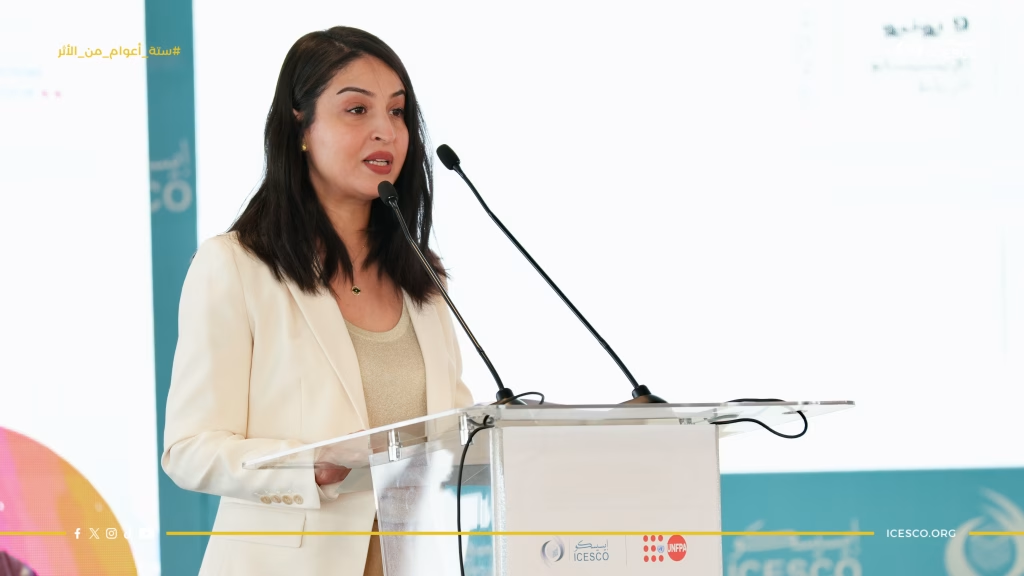
Mrs. Kawtar Manssouri, Director of Childhood and Women’s Affairs, Department of Youth, Ministry of Youth, Culture and Communication, Kingdom of Morocco, considered that the challenges confronting families in the Islamic world call for enhanced coordination and the exchange of successful experiences among countries, contributing to the formulation of more sustainable family policies.
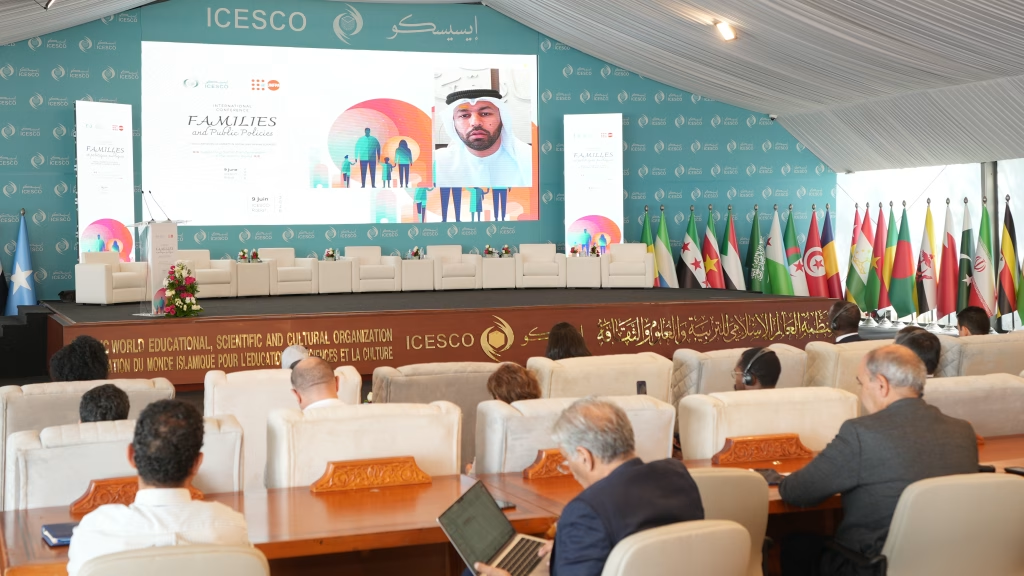
Subsequently, Mr. Salim Omar Salim, Director of the ICESCO Regional Office in Sharjah, affirmed that the Islamic world is witnessing profound demographic, economic, social, and digital transformations that raise fundamental questions regarding privacy and family security. He then announced the launch of the Regional Family Forum in Sharjah by the end of the current year.
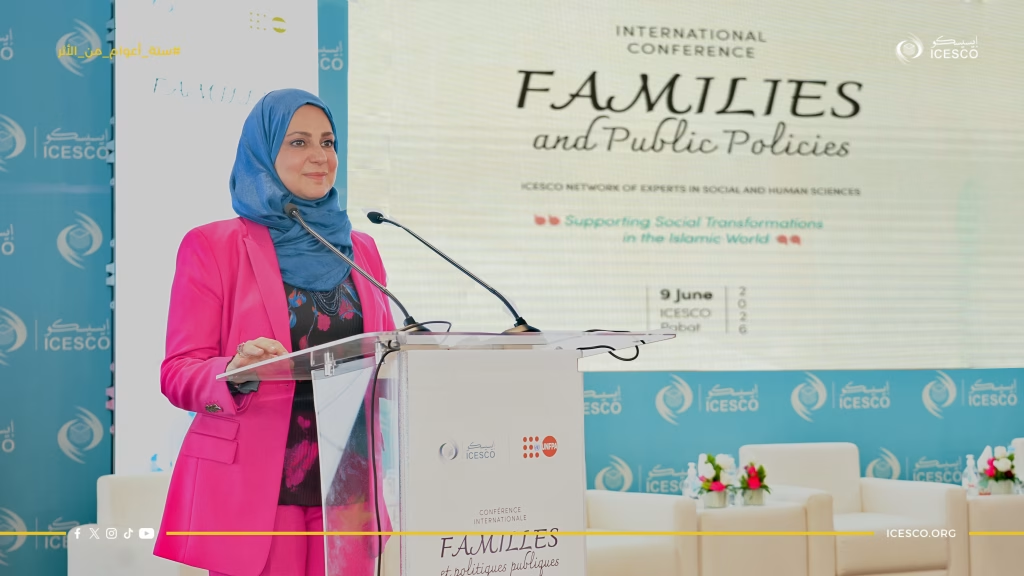
In the closing session, Dr. Yousra Bint Hussain AlJazairy, Chair of the Cultural Committee of The Group of Spouses of Arab Ambassadors and Heads of International Organizations accredited to the Kingdom of Morocco, affirmed that the family is both the source and the producer of human capital capable of contributing to community building. She stressed the necessity of involving families in the formulation of public policies, as they are the primary stakeholders affected by the outcomes and impacts of these policies.
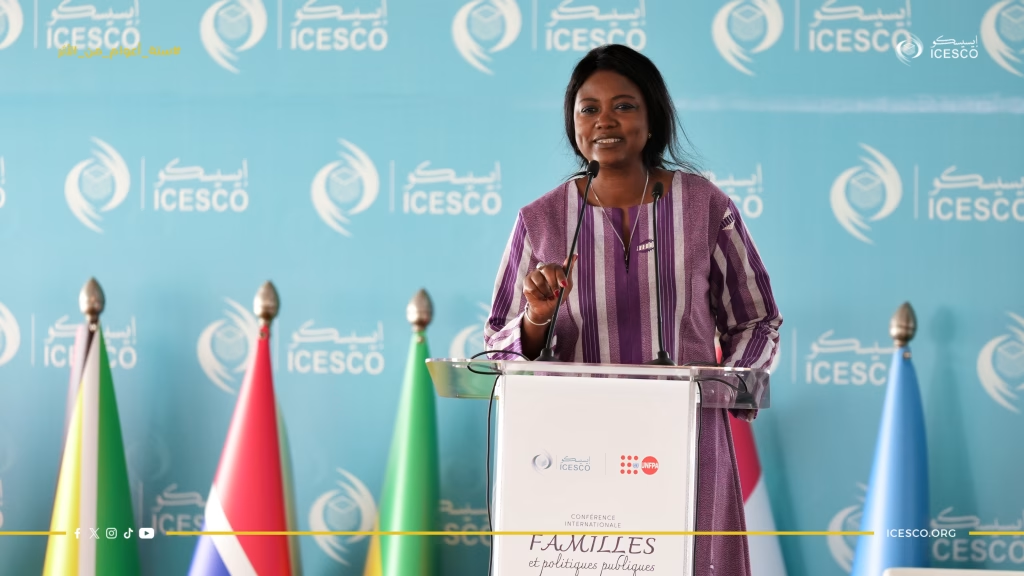
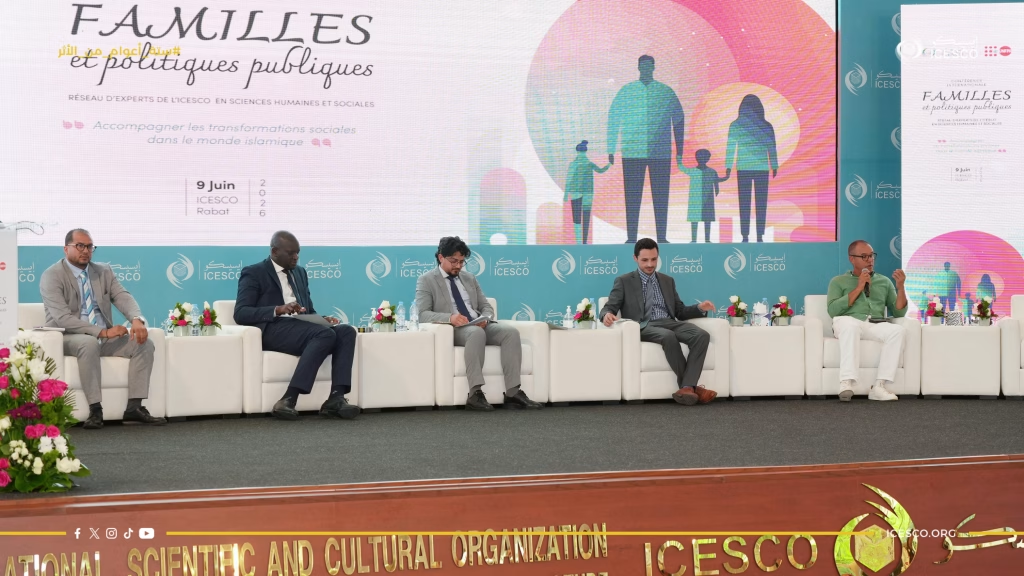
The conference featured two panel discussions on “Families in the Islamic World through the Lens of Policymakers and Researchers” and “Families in the Age of Digital Transformation: Artificial Intelligence, Economic Globalization, and Demographic Changes,” with the participation of leading experts and researchers. This initiative aims to contribute to the development of practical recommendations supporting the advancement of family public policies in countries of the Islamic world.