Disclaimer: You are using Google Translate. The ICESCO is not responsible for the accuracy of the information in the translated language .

your opinion

User Feedback

Overall, how satisfied are you about the website?

    Extremely Dissatisfied Extremely Satisfied

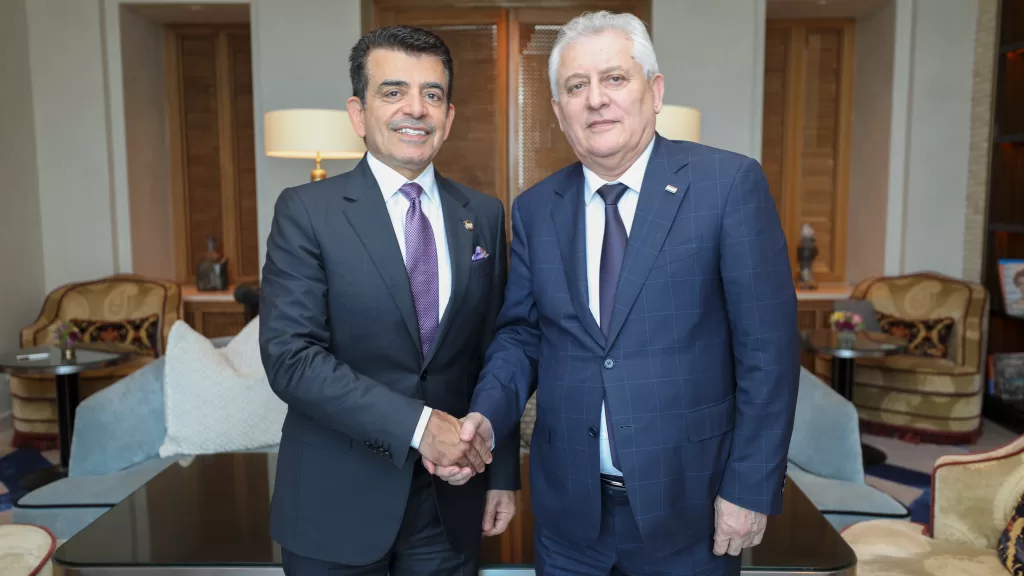
    ICESCO Director-General Met Tunisian Foreign Minister and Discussed Upcoming Alliance of Civilizations Conference

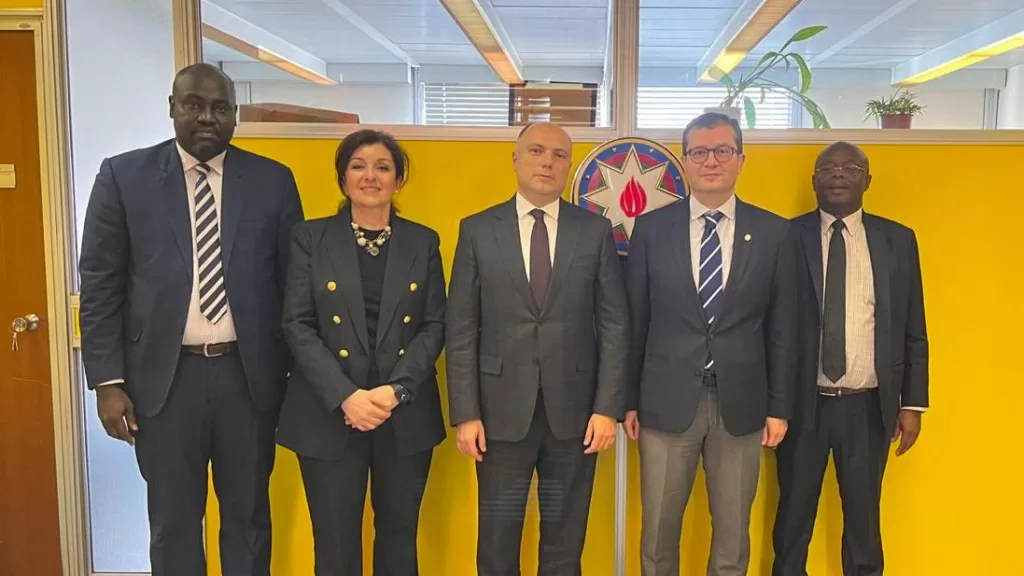
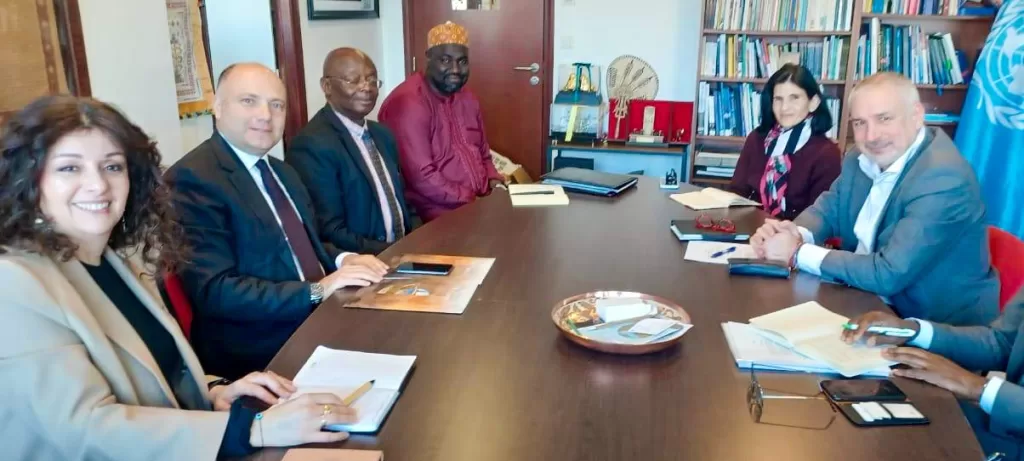
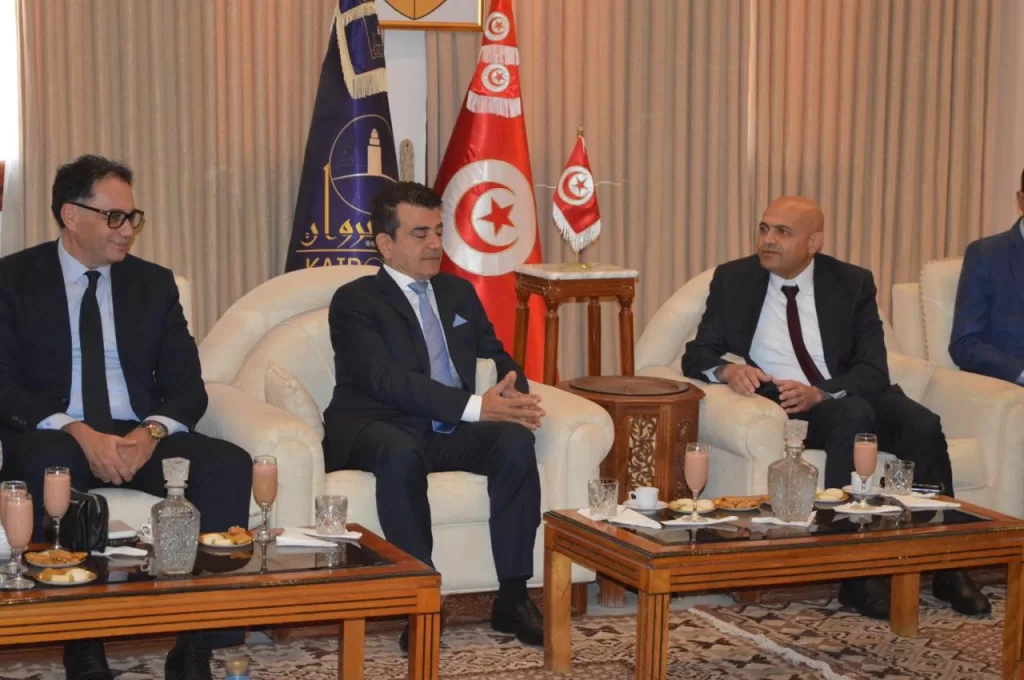
    As part of his official visit to the Republic of Tunisia, Dr. Salim M. AlMalik, Director-General of the Islamic World Educational, Scientific, and Cultural Organization (ICESCO), accompanied by his delegation, met with Mr. Mohamed Ali Nafti, Minister of Foreign Affairs, Migration, and Tunisians Abroad, on Monday, 27 January 2025. The meeting, which took place at the Ministry’s headquarters in Tunis, discussed prospects for cooperation between ICESCO and Tunisia, including support for national projects in the cultural sector, notably the International Center for Calligraphy Arts “Iqra” and other initiatives related to tangible and intangible heritage.

    The two sides also agreed to organize a joint international conference on the alliance of civilizations, with invitations extended to UN and regional organizations, particularly the United Nations Alliance of Civilizations Forum.

    During the meeting, Dr. AlMalik expressed his gratitude to Tunisia, commending its ongoing initiatives to strengthen collaboration and ties with ICESCO.

    The meeting was attended by Dr. Kaïs Hammami, Head of the Center for Foresight and Artificial Intelligence, and Mr. Mohamed Hedi Shili, Head of Legal Affairs and International Standards Department.

    President of Tunisia Receives ICESCO Director-General and Agree to Foster Cooperation Avenues

    President Kaïs Saïed, President of the Republic of Tunisia, reaffirmed his full support for the Islamic World Educational, Scientific and Cultural Organization (ICESCO), commending the new orientations adopted over the past five years, which have granted the Organization a wider scope of action as a civilizational organization addressing the world at large.

    Mr. Saïed made this statement during his reception of Dr. Salim M. AlMalik, ICESCO Director-General, and his accompanying delegation at Carthage Palace in Tunis, where the two parties discussed avenues of cooperation between ICESCO and Tunisia in the fields of culture, education, and science.

    During the meeting, the Director-General highlighted the Organization’s vision, strategic orientations, and the advancements achieved in its performance and the quality of projects implemented over the past five years. He added that the Organization has opened up to broader partnerships and cooperation opportunities, stating that it now offers non-Member States the chance to join ICESCO as Observer States, to consolidate its development efforts and activate its orientations through the promotion of the values of coexistence, peace, civilizational dialogue, and openness to others. Against this backdrop, Dr. AlMalik conveyed ICESCO’s keenness to enhance its special partnership relations with Tunisia, especially in light of the country’s prominent status in the fields of education, culture, and science.

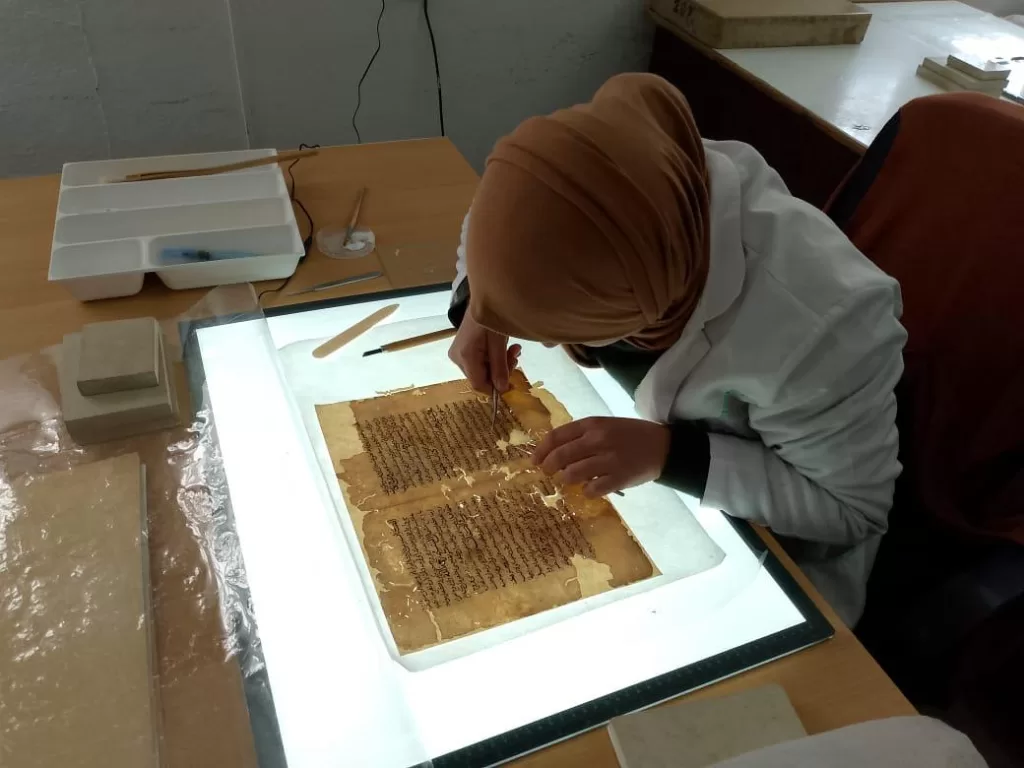
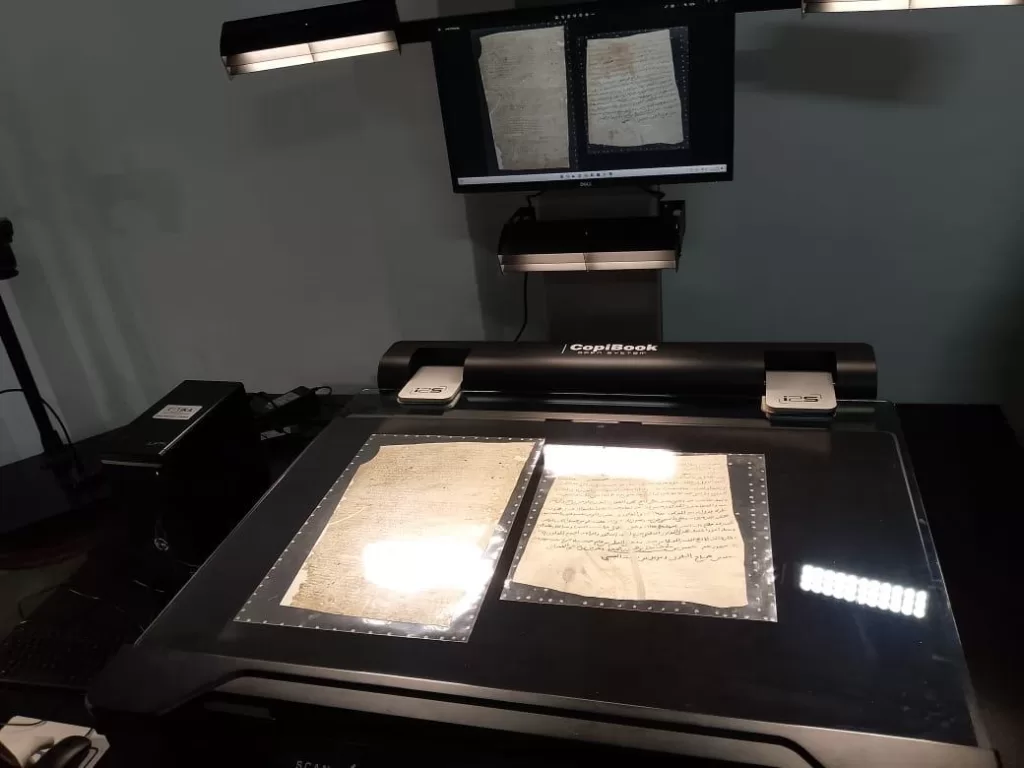
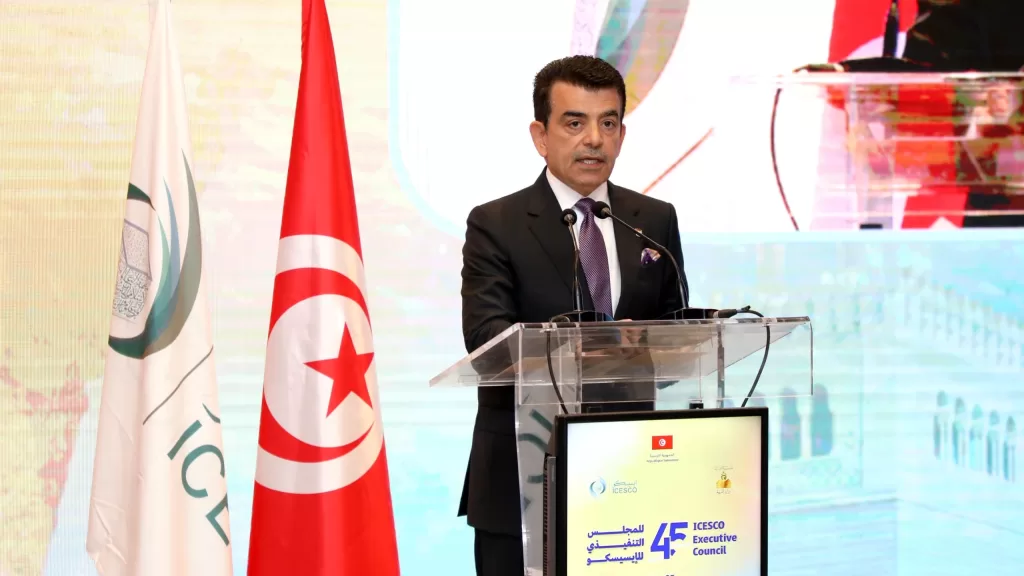
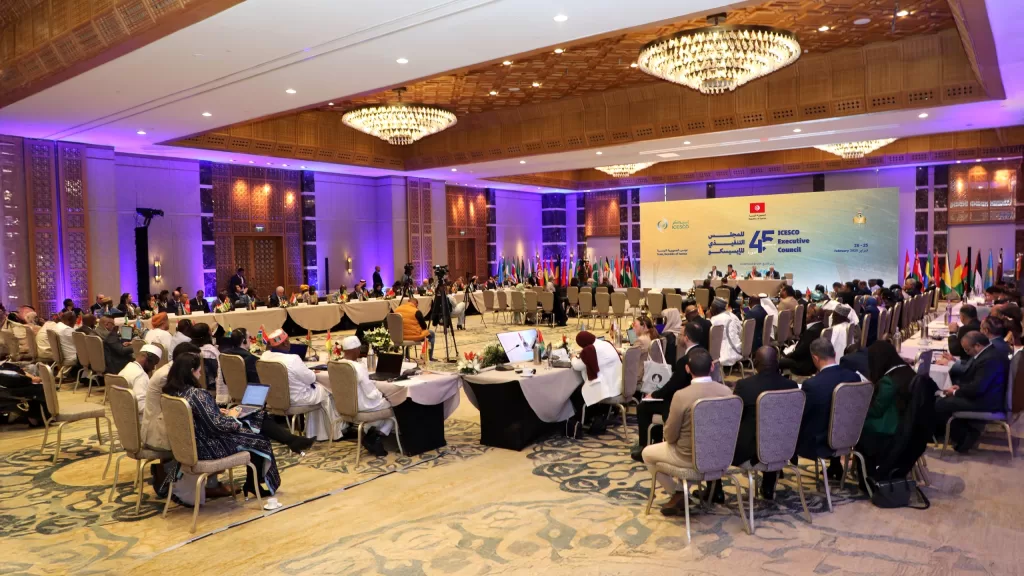
    Likewise, Dr. AlMalik expressed his gratitude to the Tunisian President for the warm welcome and sustained support for ICESCO, as evidenced by Tunisia’s hosting of the 45th Session of ICESCO’s Executive Council, to be held in February. He seized the opportunity to reaffirm ICESCO’s support for His Excellency’s initiative to launch the Project of the International Center of Calligraphy, “Iqra,” a project that is in full harmony with ICESCO’s efforts to inaugurate its own specialized center for calligraphy and manuscripts.

    Moreover, the Director-General highlighted the Organization’s major projects, programs, and initiatives, especially designed to keep up with global trends and advancements. He further explained that ICESCO seeks, through its projects, to engage with youth and women, build their capacities, and promote innovation and creativity, conveying the Organization’s appreciation for the work and dedication of the high Tunisian profiles working at its headquarters.

    For his part, the Tunisian President commended ICESCO’s efforts and the key roles it plays within its areas of competence, expressing the Republic’s eagerness to promote cooperation and joint action with the Organization.

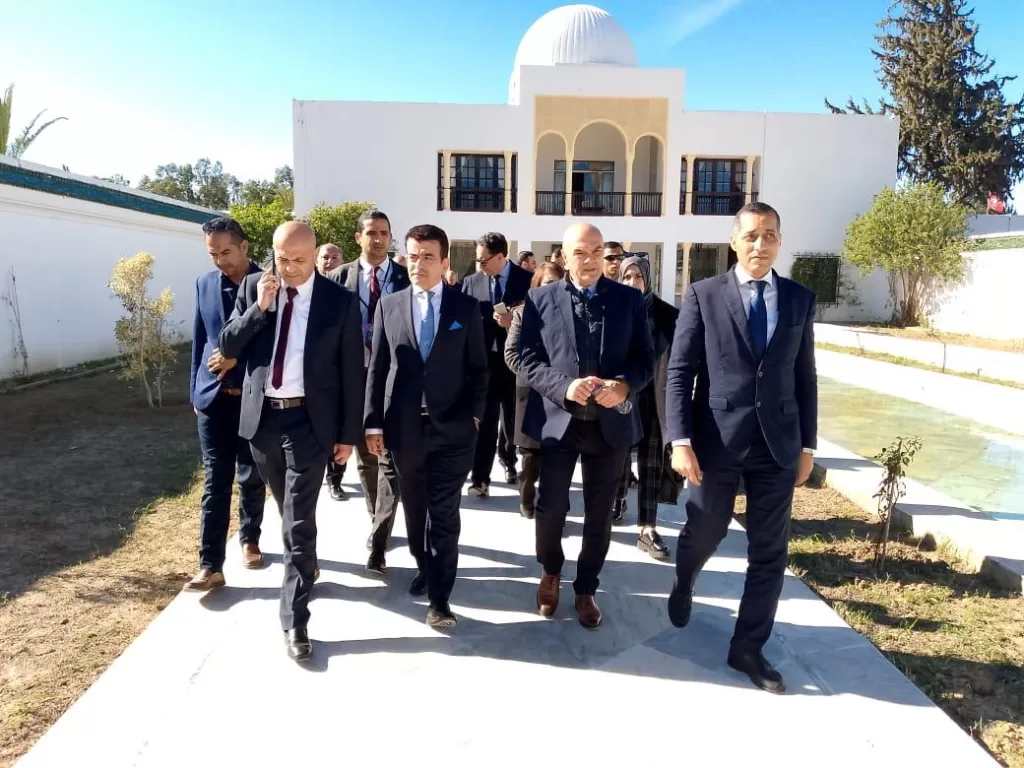
    This audience with the President of the Republic is part of the Director-General’s official visit to Tunisia, where he is set to meet with the Tunisian Ministers of Culture, Higher Education, Education, and Foreign Affairs, in addition to a series of meetings with a host of intellectuals and activists from “Beït Al-Hikma” in Tunis.

    In attendance were Dr. Mohamed Zine El Abidine, Head of the Culture Sector, and Mr. Osama Heikal, Head of the Media and Communication Sector.
    Tunisia’s Beit al-Hikma Holds a Symposium on ICESCO’s Achievements and Vision for Tomorrow’s Culture

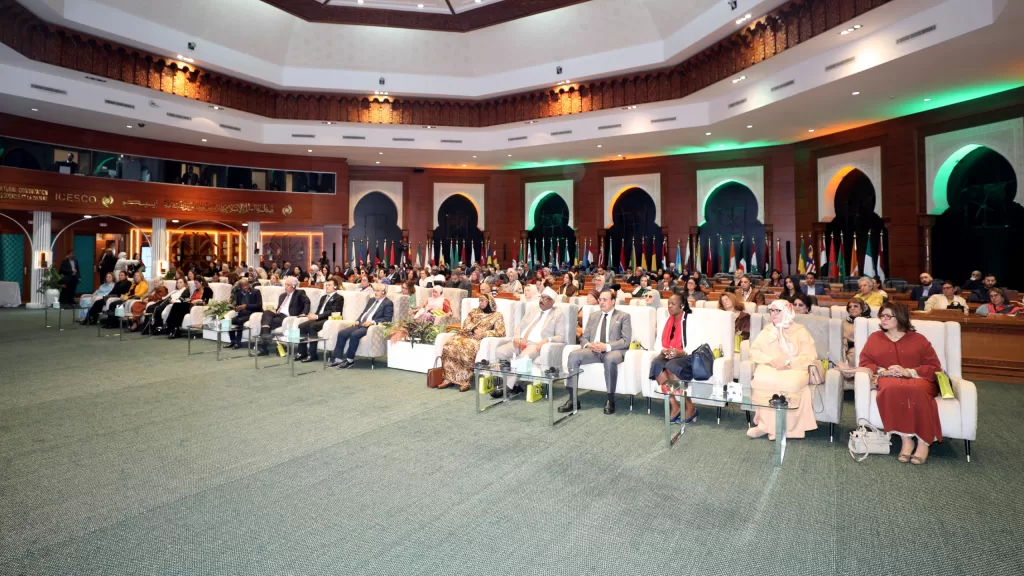
    In celebration of its sustained successes and achievements over the past five years, the headquarters of the Tunisian Academy of Sciences, Letters, and Arts “Beit al-Hikma” in Tunis, the capital of Tunisia, hosted on Monday (January 27, 2025) a symposium titled “The Culture of Tomorrow: ICESCO’s New Vision”. The event featured a lecture by Dr. Salim AlMalik, Director-General of the Islamic World Educational, Scientific, and Cultural Organization (ICESCO). During the lecture, he reviewed the organization’s recent developments as well as its vision and strategic orientations, which have positively influenced its work across its Member States. The symposium witnessed high-level attendance from Tunisian intellectuals and artists, and Arab personalities, including ALECSO’s Director-General Mohamed Ould Amar.
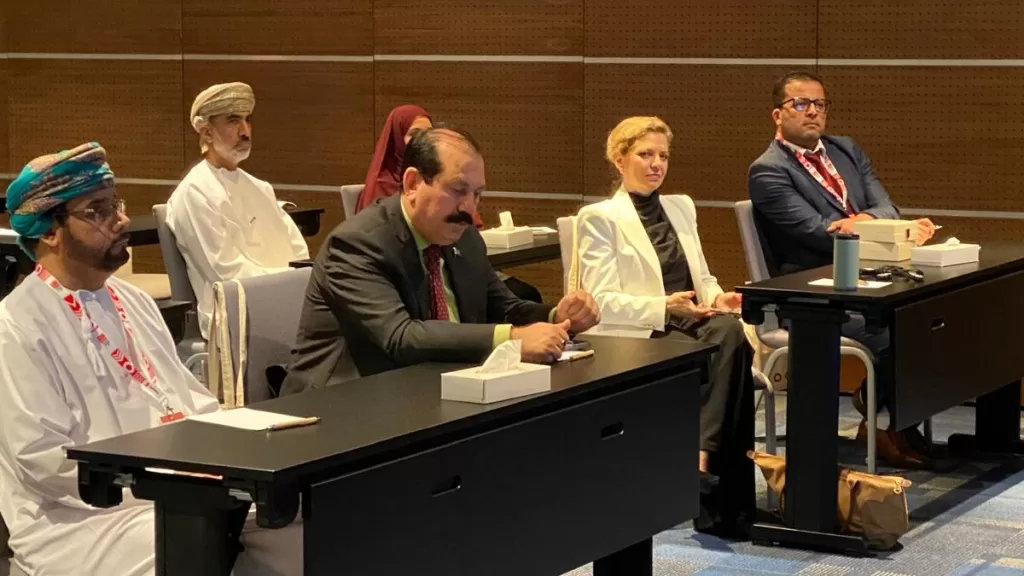
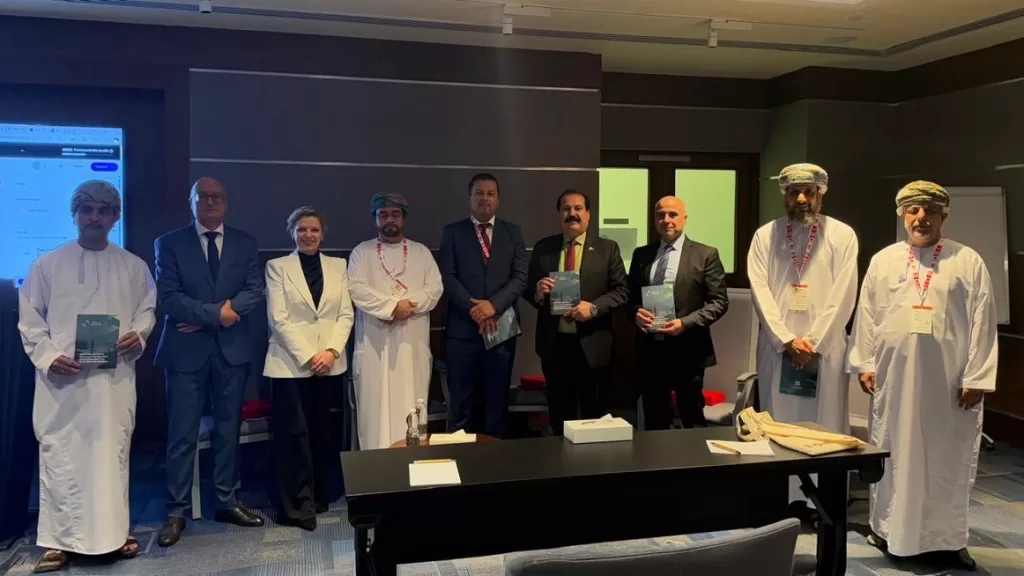
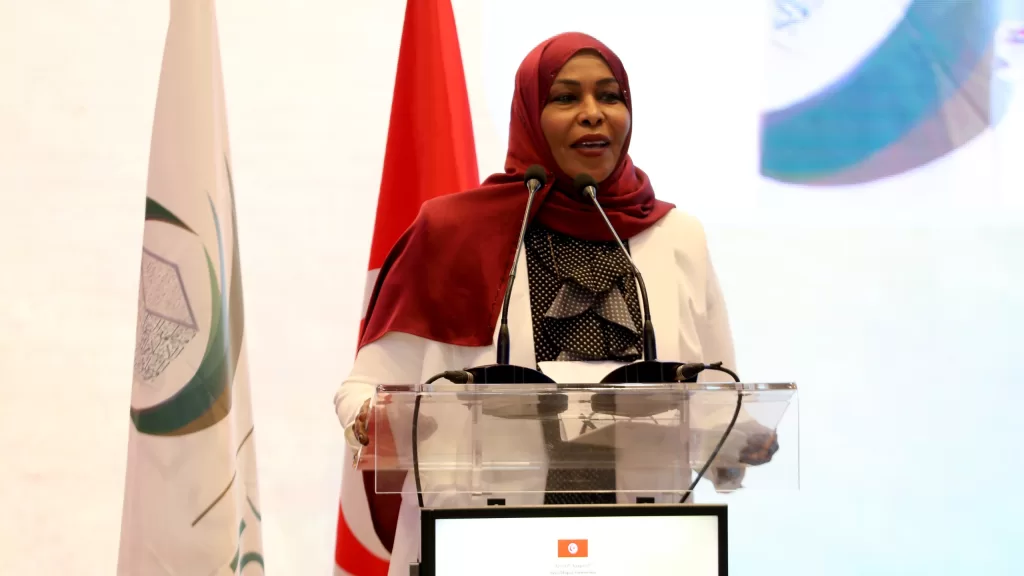
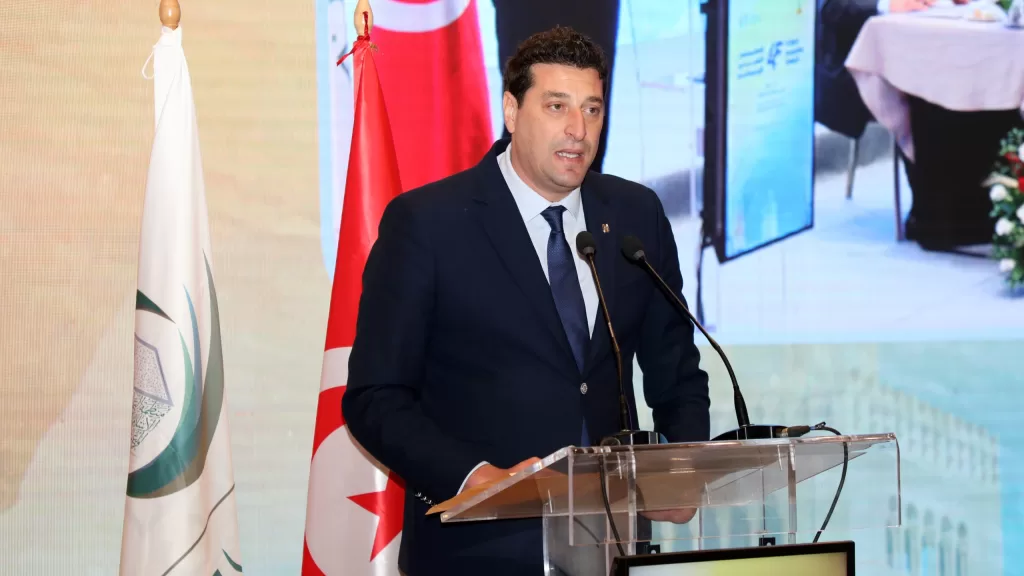
    At the opening of the symposium, Dr. Mahmoud Ben Ramadan, President of Beit al-Hikma, delivered a welcoming speech in which he expressed the Academy’s pride in ICESCO’s achievements in the fields of education, science, and culture within the Islamic world. He also emphasized the desire to establish productive cooperation with the organization in its diverse areas of expertise. Representing ICESCO’s academic chairs at the Center for Arts, Culture, and Literature at Ksar Saïd in Tunis, Dr. Fathi Triki remarked that tomorrow’s culture must be built on a foundation of scientific and technological innovation. He noted that such progress requires a clear and forward-thinking vision like the one ICESCO adopts in its programs and activities.

    In his presentation, the ICESCO Director-General highlighted Tunisia’s long legacy in the fields of science, culture and arts, and praised the contribution of Tunisia, its figures and scientists, throughout history to the Islamic world civilization, praising the Tunisian competencies working at ICESCO and their outstanding performance.

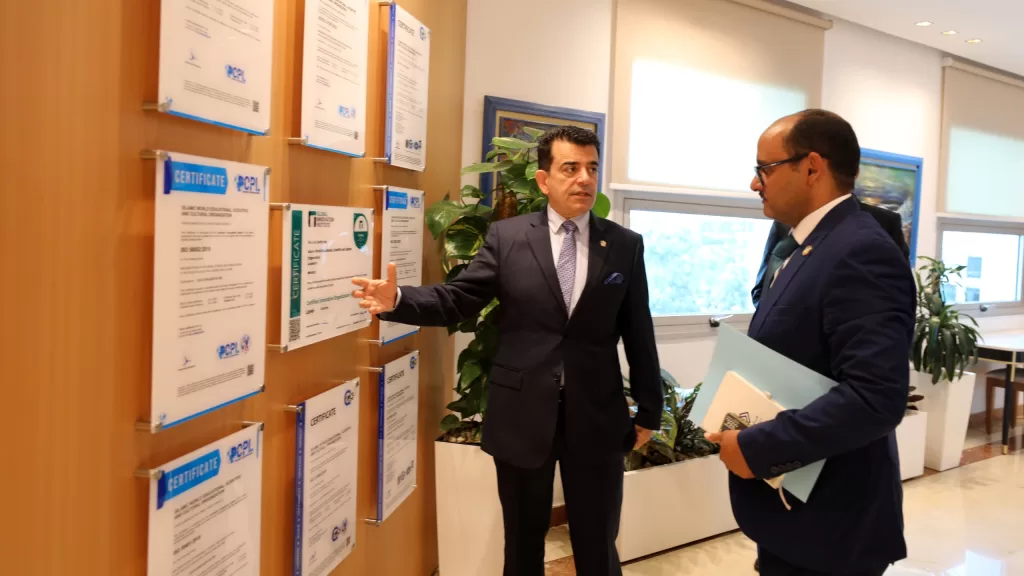
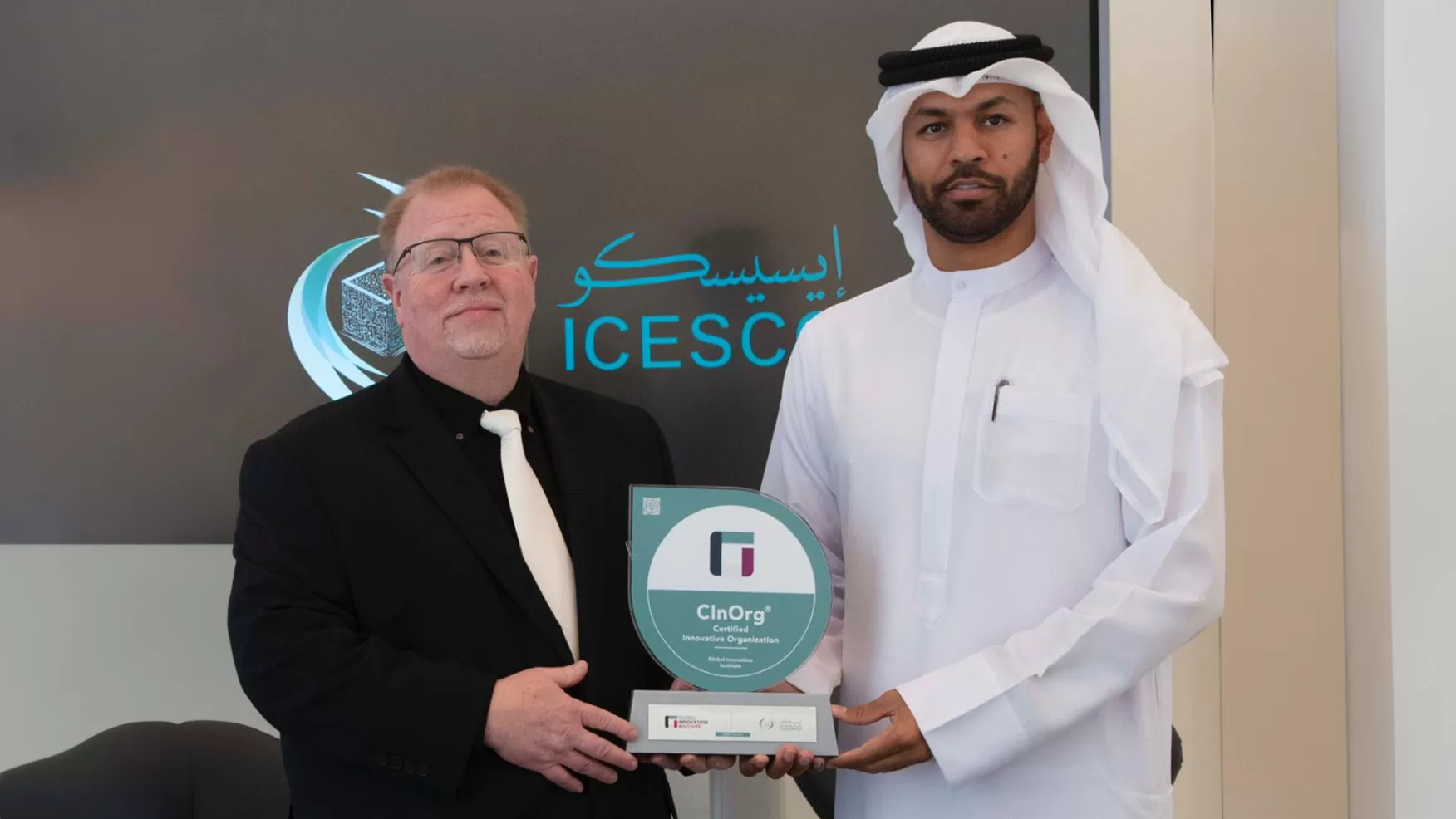
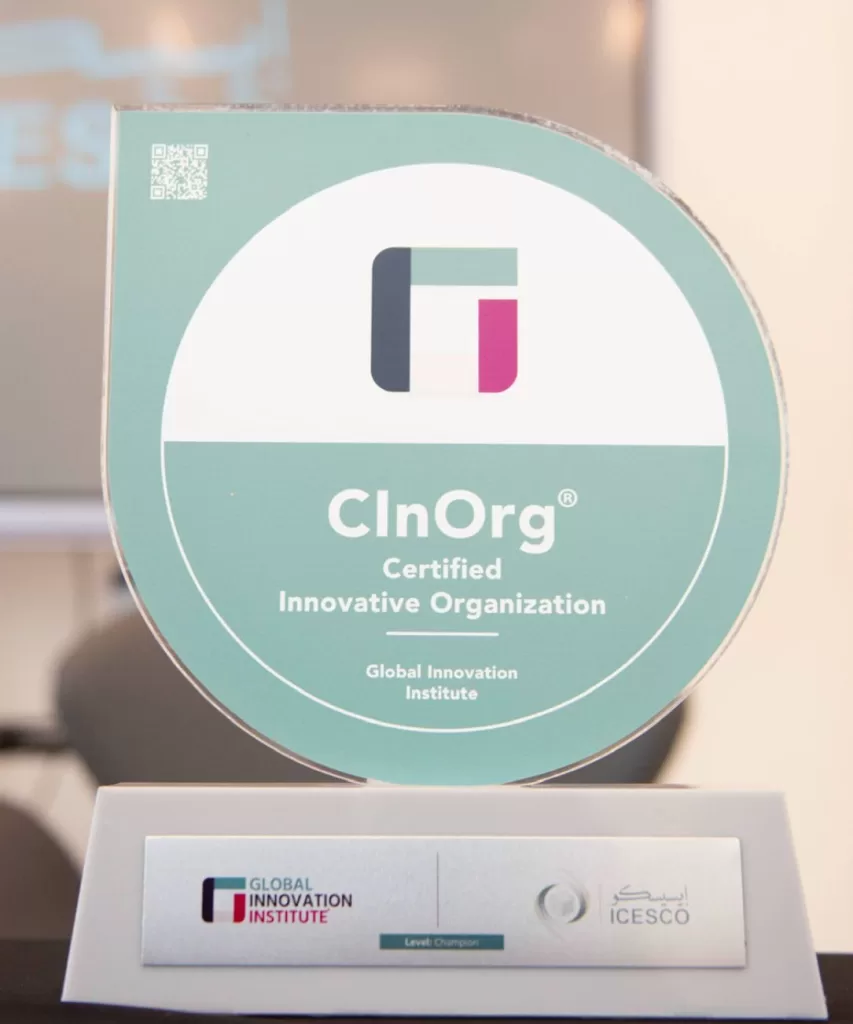
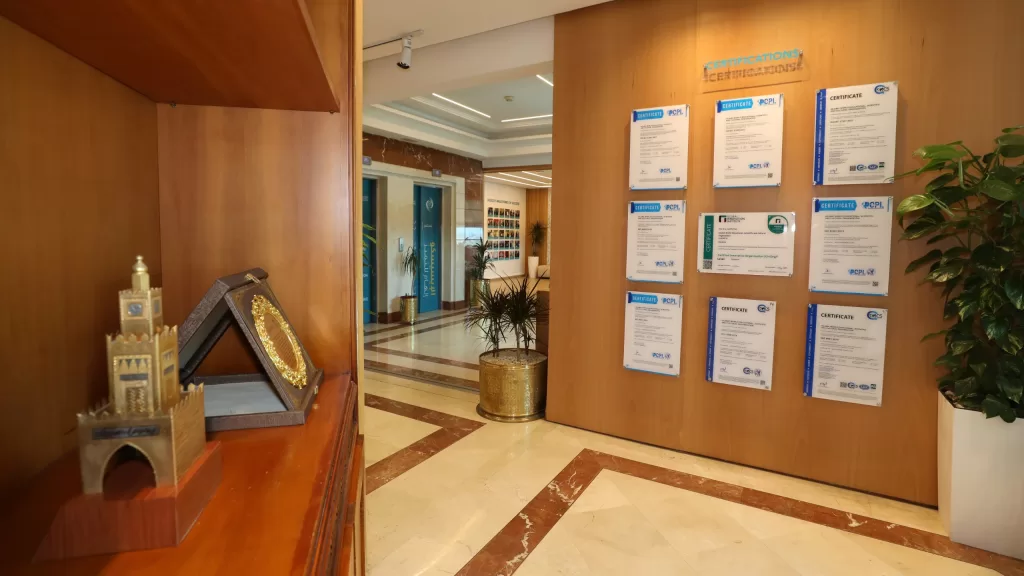
    Dr. AlMalik stressed that ICESCO has worked hard since 2020 to keep its programs and activities in line with contemporary needs and requirements, efforts that culminated in obtaining a set of prestigious international certificates in the fields of governance, management, creativity and innovation.

    In this vein, ICESCO Director-General highlighted the initiatives, programs and projects launched by the Organization during the past years, including ICESCO’s Roads Initiative, the inscription of 724 historical sites and cultural elements on ICESCO’s Islamic World Heritage List, facilitating the inscription process to ensure the rights of Member States to preserve their heritage, coining the concept of “civilizational diplomacy,” launching 30 academic chairs in the fields of arts, science and literature, establishing scientific cooperation with major international space institutions, distinguished participation in the largest international forums and events on environment, such as the COP conferences, issuing the “Riyadh AI Ethics Charter for the Islamic World” and collaborating with Tunisia in preserving Ibn Khaldun’s heritage.
    Dr. AlMalik also stated that ICESCO’s modernization is largely due to its youthful spirit and its transformation into a bee-hive by attracting some of the best talents from the Islamic world, especially people under 35, who account for nearly 40% of ICESCO’s staff, while women hold half of the leadership positions. He commended the unparalleled success achieved by the International Exhibition and Museum of the Prophet’s Seerah and Islamic Civilization at ICESCO Headquarters in Rabat, which has so far received 8 million visitors in two years.

    The symposium concluded with an open discussion, during which Dr. AlMalik addressed questions from the audience regarding the organization’s ambitions and plans for further enhancing its fields of expertise.

    ICESCO Director-General Begins High-Level Visit to Tunisia

    Dr. Salim M. AlMalik, Director-General of the Islamic World Educational, Scientific, and Cultural Organization (ICESCO), arrived in Tunis, the capital of Tunisia, today as the head of a high-level delegation for an official visit.

    During this visit, the ICESCO delegation will meet with Tunisian President Kaïs Saïed, as well as the Ministers of Culture, Education, Higher Education, and Foreign Affairs, along with prominent intellectuals from the Tunisian Academy of Sciences, Letters, and Arts Beit Al-Hikma, to discuss expanding cooperation in the fields of education, science, and culture between ICESCO and Tunisia.

    Mrs. Amina Srarfi, Tunisia’s Minister of Cultural Affairs, welcomed Dr. AlMalik and his accompanying delegation upon their arrival at Tunis–Carthage International Airport. The minister expressed her appreciation for Dr. AlMalik’s leadership and ICESCO’s efforts and discussed ways to strengthen bilateral cooperation through a range of cultural projects. Furthermore, Mrs. Srarfi commended ICESCO’s role in advancing cultural development in the Member States and preserving the heritage of the Islamic world.

    The ICESCO delegation includes Dr. Mohamed Zinelabidine, Head of the ICESCO Culture Sector; Mr. Osama Heikal, Head of the Media and Communication Sector; Dr. Kais Hammami, Head of the ICESCO Foresight and Artificial Intelligence Center; Mr. Mohamed Hedi Shili, Director of the Legal Affairs and International Standards Department; Dr. Salim Al Habsi, Director of the General Secretariat of National Commissions and Conferences; and Mrs. Loubna Ahmimou, Director of Public Relations and Protocol at the organization.

    ICESCO Delegation Offers Condolences to Director-General in Riyadh on His Mother’s Passing

    On Wednesday, 22 January 2025, a high-level ICESCO delegation presented condolences, on behalf of the Organization’s staff, to Dr. Salim M. AlMalik, ICESCO Director-General, on the passing of his mother.

    Dr. AlMalik and his family received the delegation at their home in Riyadh, Saudi Arabia. The delegation included Dr. Abdelilah Benarafa, ICESCO’s Deputy Director-General; Ambassador Khalid Fathalrahman, Head of ICESCO Center for Civilizational Dialogue; and Ms. Sally Mabrouk, Director of the Director-General’s Office. The funeral ceremony was held in an atmosphere of spiritual observance and serenity.

    Dr. AlMalik and his family expressed their gratitude for the thoughtful gesture, extending appreciation and thanks to the ICESCO family.

    ICESCO Extends Condolences to its Director-General on the Passing of His Mother

    In the Name of Allah, the Most Beneficent, the Most Merciful,

    “And We will surely test you with something of fear and hunger and a loss of wealth and lives and fruits, but give good tidings to the patient, who, when disaster strikes them, say, ‘Indeed we belong to Allah, and indeed to Him we will return.’ Those are the ones upon whom are blessings from their Lord and mercy. And it is those who are the [rightly] guided.”

    With complete submission to the Divine Decree and Will of Allah, the staff of the Islamic World Educational, Scientific, and Cultural Organization (ICESCO) extends its most heartfelt condolences to H.E. Dr. Salim M. AlMalik, ICESCO Director-General, on the profound loss of his gracious mother, who passed away on Monday 20 January 2025, leaving behind a remarkable reputation and a legacy held in the highest esteem.

    The ICESCO family, deeply saddened by this loss, prays to Allah the Almighty, to accept the departed soul into His mercy and grace, grant her the highest gardens of Paradise, and bestow upon her family patience and solace.

    “Indeed we belong to Allah, and indeed to Him we will return.”

    President of Mauritius Receives ICESCO Director-General

    His Excellency Mr. Dharam Gokhool, President of the Republic of Mauritius, received Dr. Salim M. AlMalik, Director-General of the Islamic World Educational, Scientific and Cultural Organization (ICESCO), at the Presidential Palace (The State House) in the capital, Port Louis, on Monday, January 20, 2025. The two parties discussed prospects for cooperation between ICESCO and Mauritius in areas of common interest.

    At the beginning of the meeting, Dr. AlMalik conveyed his congratulations to President Gokhool for the trust placed in him by the National Assembly of Mauritius (the Parliament), reflected in his unanimous election as President of the Republic on December 6, 2024, and wished him success in serving his country.

    Dr. AlMalik also commended the Mauritian competent authorities’ keenness to promote the country’s linguistic and cultural plurality and their cooperation to ensure the success of the pioneering “Arabic for Non-Arabic Speakers Curriculum Support Project,” officially launched on January 18, 2025, funded by the Sultan Bin Abdulaziz Al-Saud Foundation and organized in cooperation with the Blue Crescent Society in Mauritius.

    Likewise, the Director-General highlighted the key aspects of ICESCO’s vision and strategic orientations, which emphasize openness and cooperation with all parties in the fields of education, science, and culture, in service of humanity. He added that this openness is demonstrated by providing non-Member States the opportunity to join ICESCO as Observers, launching leading initiatives to build young people’s capacities, promoting innovation, and fostering the values of coexistence, peace, and civilizational dialogue.

    For his part, President Gokhool commended ICESCO’s roles and the implementation of the “Arabic for Non-Arabic Speakers Curriculum Support Project” in Mauritius, reaffirming his commitment to promoting cooperation with ICESCO.

    The two parties agreed to sustain coordination to establish cooperation mechanisms and plan for the upcoming period.

    At the close of the meeting, the Director-General presented the President of the Republic of Mauritius with the Organization’s Shield.

    The meeting was attended by Dr. Sheikh Ghulam Mohammad, Secretary-General of the Blue Crescent Society of Mauritius, and Mr. Mukhtar Ahmed from the Ministry of Education and Human Resources.

    In memory of Dr. Abbès Jirari: ICESCO Deputy Director-General Takes Part in a Cultural Symposium in Tribute of Dean of Moroccan Literature

    Dr. Abdelilah Benarafa, Deputy Director-General of the Islamic World Educational, Scientific and Cultural Organization (ICESCO), took part in a cultural symposium held on the occasion of the first anniversary of the passing of Royal Advisor and Dean of Moroccan Literature, Dr. Abbès Jirari, organized by the Jirari Club, in partnership with the National Library of the Kingdom of Morocco on Friday, January 17, 2025, at the Library’s headquarters in Rabat, in the presence of a number of literary and intellectual figures.

    In his address at the Symposium, Dr. Benarafa highlighted the close relationship between Dr. Jirari and the Organization, and his selection as the first lecturer in the “ICESCO Cultural Forum”, held on October 22, 2019. The lecture discussed the “Future Cultural Challenges in the Islamic World”, whose contents were later published in an ICESCO book bearing the same title, the first in the series of books of the Forum’s meetings.

    Dr. Benarafa also referred to the tribute paid to the late scholar and thinker by Dr. Salim M. AlMalik, ICESCO Director-General, who presented him with a certificate of excellence and the Organization’s Shield, on December 10, 2019, in recognition of his efforts to enrich Arabic literature.

    The Deputy Director-General recalled the great appreciation Dr. Jirari had for ICESCO’s efforts, and his keenness to follow up on the developments that the Organization has witnessed in recent years, as manifested by its initiatives and programs, praising the great Moroccan thinker’s contributions to academia, thought, culture, literature and human heritage.

    ICESCO and Sultan Bin Abdulaziz Al-Saud Foundation Launch Project to Support Arabic Education in Mauritius

    As part of their efforts to promote the global presence of the Arabic language, and within the framework of their signed cooperation agreement to build educational and linguistic capacities among teachers and learners in several non-Arabic-speaking countries, the Islamic World Educational, Scientific and Cultural Organization (ICESCO) and the Sultan Bin Abdulaziz Al-Saud Foundation launched the “Arabic for Non-Arabic Speakers Curriculum Support Project” in the Republic of Mauritius, in cooperation with the Blue Crescent Society of Mauritius.

    Held on Saturday, January 18, 2025, at the University of Mauritius in Port Louis, the project launch ceremony was attended by a number of ministers, senior officials, members of the Mauritian Parliament, ICESCO Director-General, the Director-General of the Sultan Bin Abdulaziz Al-Saud Foundation, the Secretary-General of the Blue Crescent Society, in addition to a host of experts and specialists in Arabic language education.

    At the beginning of the ceremony, Dr. Mahend Gungapersad, Minister of Education and Human Resources of Mauritius, reaffirmed his country’s keenness to support Arabic learners, commending the efforts of ICESCO, its Director-General, and the Sultan Bin Abdulaziz Al-Saud Foundation in this field, including this pioneering project officially launched today.


    In his address, Dr. Salim M. AlMalik, ICESCO Director-General, expressed his thanks and appreciation to the Government of Mauritius for the keen attention it accords to promoting linguistic and cultural pluralism in this country, a land steeped in history, abundant with diverse cultures and coexisting ethnicities, and deeply rooted in a rich heritage of cultural and religious identities, all proudly standing in one nation.

    Dr. AlMalik also shared ICESCO’s hope to develop the project, in cooperation with the Sultan Bin Abdulaziz Al-Saud Foundation, to become an educational center for developing skills or a training pole for building capacities, praising the distinguished partnership between the Organization and the Foundation in service of supporting Arabic education in non-Arabic-speaking countries.

    Moreover, the Director-General stressed that linguistic diversity is a key factor in promoting dialogue and understanding among nations and peoples, a reality that immensely influences the Organization’s works, as evidenced by its programs to support teaching Arabic to students speaking different languages and belonging to other cultures and religions, and promote it as a language of peace, love, science, and dialogue. He further explained that Arabic is considered the richest language worldwide in terms of lexicon, with more than 12 million words; the first language of worship, used by one and a half billion Muslims around the world; one of the most widely spoken languages by non-Arabic speakers, used in more than sixty (60) countries; the language with the fourth largest online presence; one of the UN’s six official languages; and the official language of 25 countries.

    Dr. AlMalik concluded his address by pointing out that the findings of several language foresight studies confirm Arabic’s ability to further spread on the global linguistic map, calling on various stakeholders to accord due attention to strengthening its presence through initiatives to mainstream Arabic education in all schools in non-Arabic-speaking countries, expressing ICESCO’s readiness to cooperate with Mauritius and other countries in this field.

    For his part, Mr. Saleh bin Ibrahim Al-Khulaifi, Director-General of the Sultan Bin Abdulaziz Al-Saud Foundation, stated that the launch of this project in the Republic of Mauritius stands witness to the attention the Foundation accords to promoting the status of Arabic at the global level, in cooperation with international organizations, especially ICESCO and the Blue Crescent Society.

    He further explained that this approved curriculum, which was developed with funding from the Sultan Bin Abdulaziz Al-Saud Foundation, in cooperation with Umm Al-Qura University in Saudi Arabia, caters to the needs of Arabic language departments in a number of European universities, pointing to the curriculum’s role in advancing Arabic education in many countries of the world.

    Speaking next, Sheikh Ghulam Muhammad, Secretary-General of the Blue Crescent Society of Mauritius, praised the cooperation relations among the Society, ICESCO, and the Foundation to support the Arabic language as a bridge of communication and intercultural dialogue.

    Sheikh Ghulam then presented certificates of appreciation to Dr. AlMalik and Dr. Al-Khulaifi. Afterwards, electronic devices were distributed to the beneficiaries, along with certificates of participation in the first training session held in Mauritius, on January 6–11, 2025.

    Over the course of three months, the first phase of the project will benefit 15 schools from different regions of Mauritius with a total of 375 students, in addition to intensive training sessions for the benefit of 30 teachers.

    High-level ICESCO delegation visits Tunisia at the end of January

    Dr. Salim M. AlMalik, Director General of the Islamic World Educational, Scientific and Cultural Organization (ICESCO), received Ms. Raja Youssfi, Chargé d’Affaires of the Tunisian Embassy in Morocco, at the Organization’s headquarters in Rabat on Thursday 16 January 2025. The meeting was an opportunity to explore ways of strengthening cooperation between the two parties and to finalize preparations for the visit of a high-level ICESCO delegation, led by Dr AlMalik, to Tunisia at the end of January.

    ICESCO Director-General started the meeting by reaffirming the Organization’s keenness to strengthen the distinguished partnership between ICESCO and the Republic of Tunisia, particularly in the fields of education, science and culture. He pointed out that the visit would include high-level talks with several Tunisian officials to examine prospects for enhancing cooperation between the two parties in the near future, stressing the special role played by Tunisia in the Organization’s fields of competence.

    Dr AlMalik also proudly mentioned the contributions of Tunisian talents working at ICESCO, praising the numerous joint programs and initiatives, as well as Tunisia’s role as host of several international events and conferences organized by the Organization.

    For her part, Ms. Raja Youssfi affirmed that preparations for the official visit of ICESCO’s delegation to Tunisia were in their final stages, underlining the commitment of the Tunisian authorities to ensuring the success of the visit.

    She also presented a number of projects and programs designed to strengthen cooperation between the two parties including the inscription of certain Tunisian heritage sites. It was agreed to examine the modalities of their implementation soon. These initiatives include the inscription of some Tunisian heritage sites on the Islamic World Heritage List and the implementation of programs concerning submerged heritage in Tunisia.

    By messaging ICESCO, you agree to our Terms & AI policy
    Alem AI assistant