Disclaimer: You are using Google Translate. The ICESCO is not responsible for the accuracy of the information in the translated language .

your opinion

User Feedback

Overall, how satisfied are you about the website?

    Extremely Dissatisfied Extremely Satisfied

    ICESCO Proposes Initiative to Cooperate with the Gulf Countries in Transferring their Educational Expertise to Countries in Need

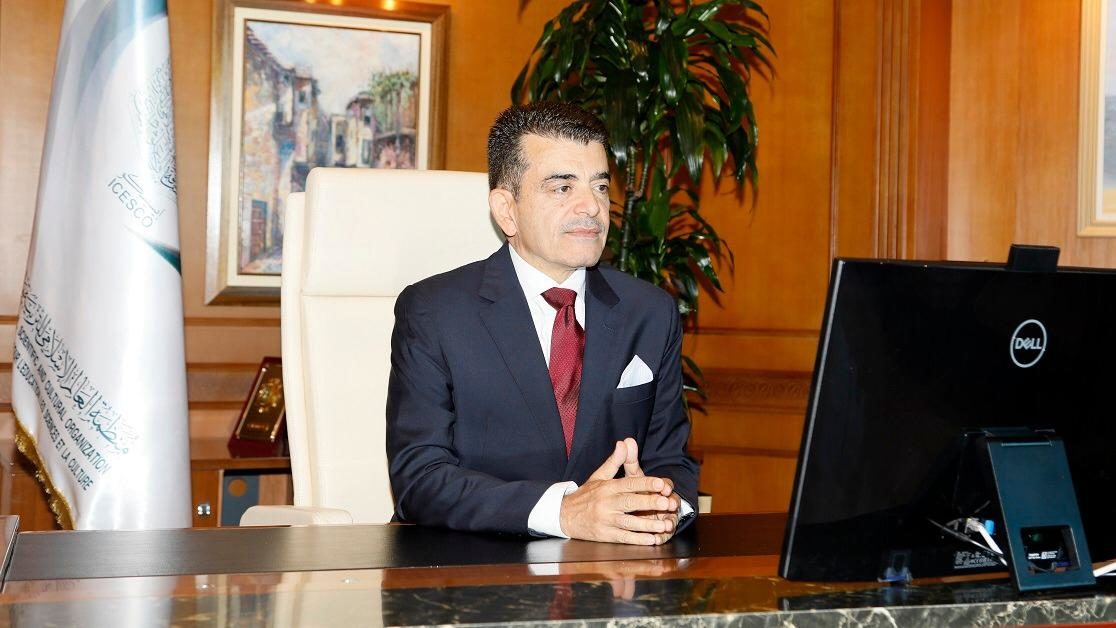
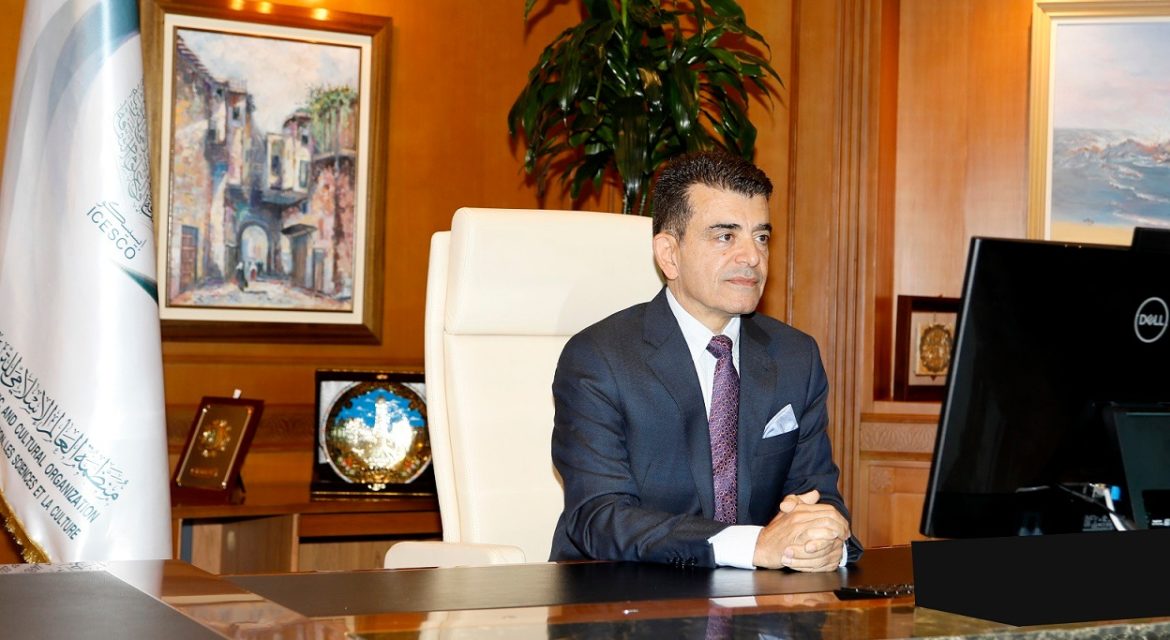
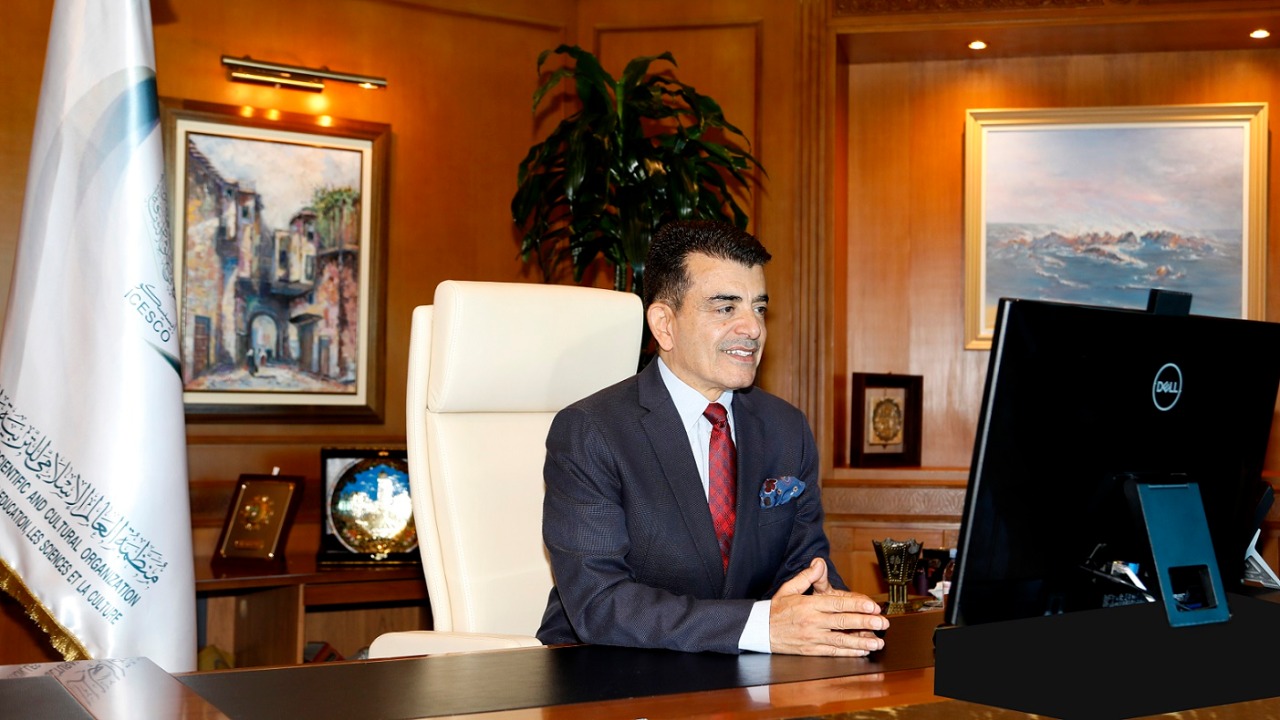
    Dr. Salim M. AlMalik, Director-General (DG) of the Islamic World Educational, Scientific, and Cultural Organization (ICESCO), confirmed the existence of a great opportunity to achieve a qualitative leap in educational performance. He added that educational systems can also adapt to future expectations amid the Covid-19 crisis that disrupted the educational process.

    The DG called for developing smart, innovative, and flexible scenarios and alternatives to deal with crises and meet the 2021 educational expectations.

    Dr. AlMalik made the statement on November 15, as part of his address at the 26th General Conference of Ministers of Education in ABEGS’ Member States. Representatives of international educational organizations participated in the videoconference to discuss the future of educational systems in the coming years amid the COVID-19 pandemic.

    Dr. AlMalik called on ABEGS and specialized international organizations to cooperate with ICESCO in evaluating technical educational platforms and distance education programs during the pandemic. The goal is to distinguish between the platforms, solve the difficulties, and benefit from successful experiences in the field.

    The DG praised the world-level responses of ABEGS’ Member States during the COVID-19 pandemic. He also submitted an initiative to the Arab Gulf States to adopt the transfer of their experiences and successful applications to several ICESCO’s Member States with weak educational systems. The state of the systems was due to the countries’ fragile infrastructure and the limited economic resources, he continued.

    Dr. AlMalik added that the countries were headed to a dangerous turn in their educational systems, unable to overcome the unfortunate situation, and in dire need of help to limit the effects of the pandemic.

    If the Gulf States were to accept the initiative, ICESCO would be ready to cooperate in the implementation, starting with detailed reports on the affected countries and their urgent needs in educational and technical assistance. Dr. AlMalik concluded his speech by renewing his thanks and appreciation to the Conference Ministers, and to ABEGS, represented by Dr. Ali Al-Qarni, for the efforts made to cope with the educational developments.

    ICESCO Supports Morocco’s Action in Guerguerat

    The Islamic World Educational, Scientific, and Cultural Organization (ICESCO), having followed the developments of the situation in the Moroccan-Mauritanian borders and having demonstrated an understanding of the situation in the area, lauds the move taken by the Moroccan authorities to establish security and facilitate communication in the region. The Organization, taking into account its civilizational responsibility, supports all the measures taken to sustain the momentum for dialogue.


    While asserting its position, ICESCO hopes that the understanding between conflicting parties would be conducive to lasting stability and the success of concrete policies would continue to make Guerguerat situation a role model in bridging all the elements of peace in the region.

    Dr. AlMalik Values Cooperation between China and ICESCO

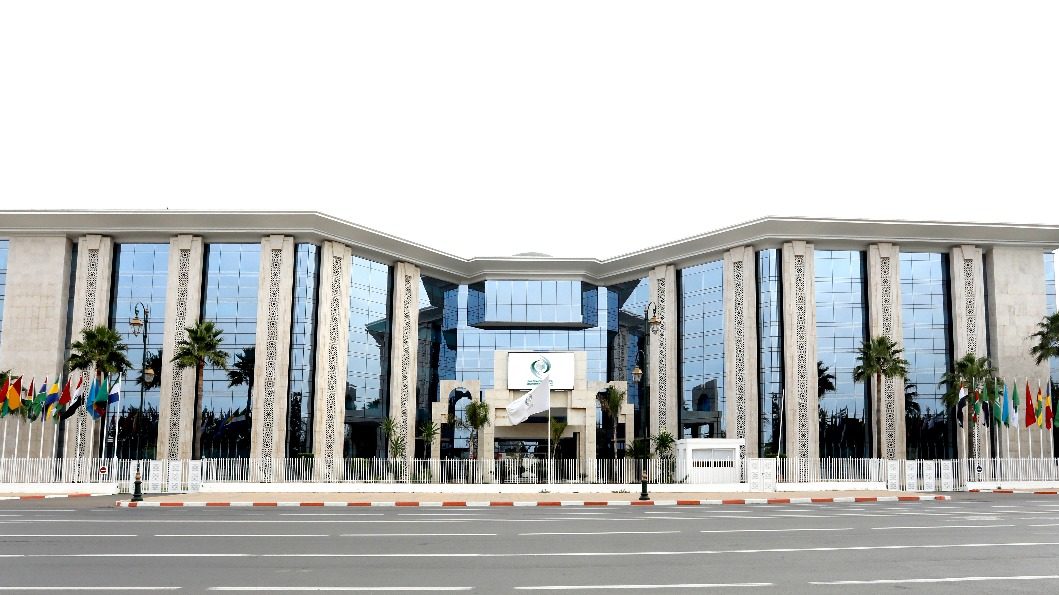
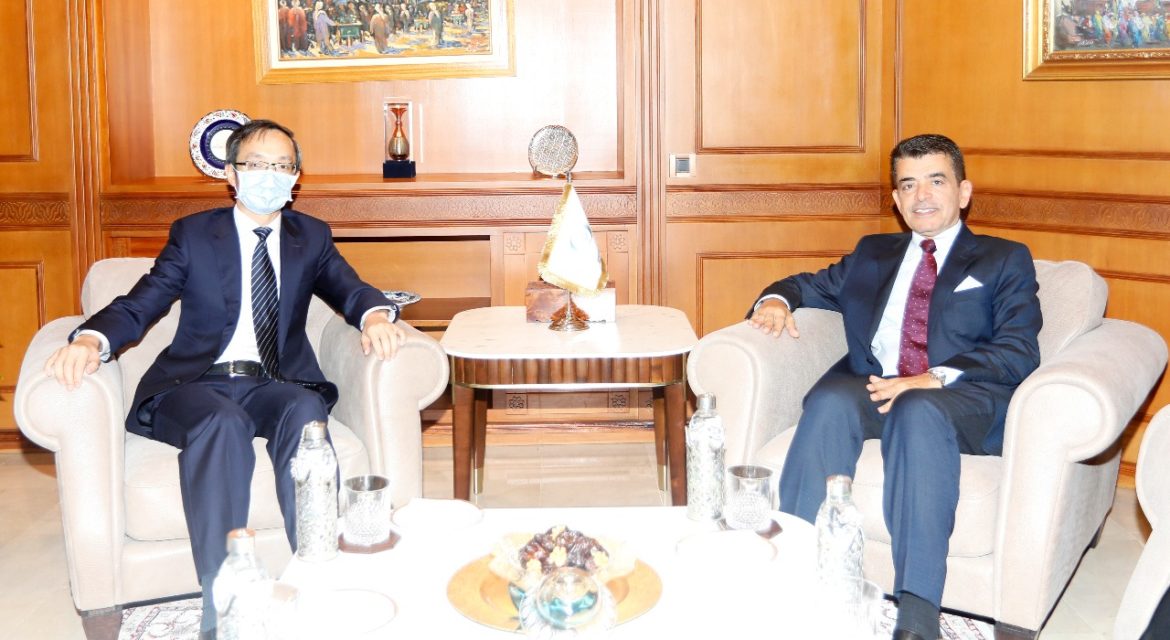
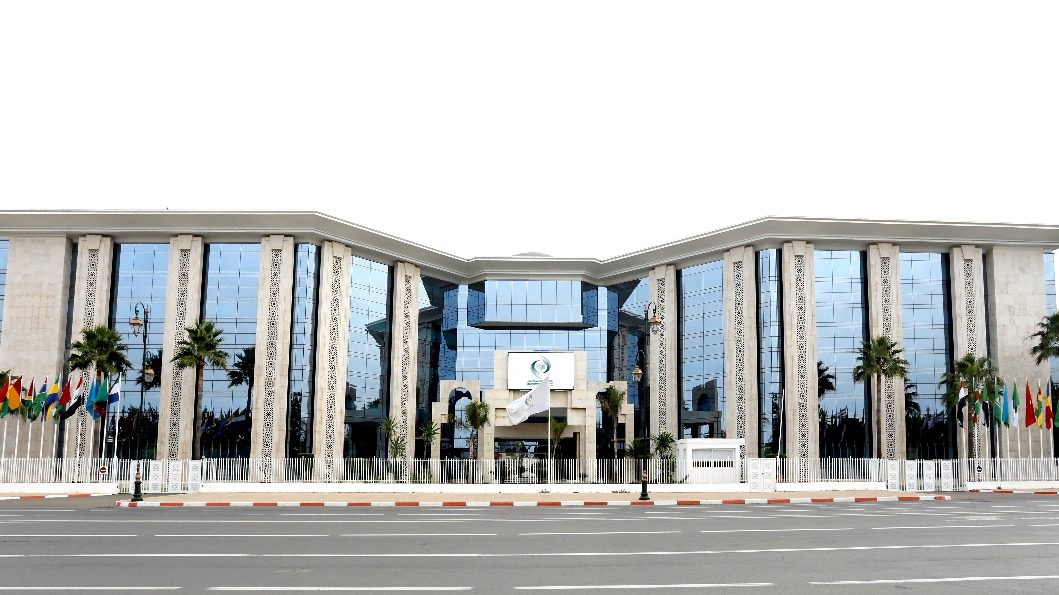
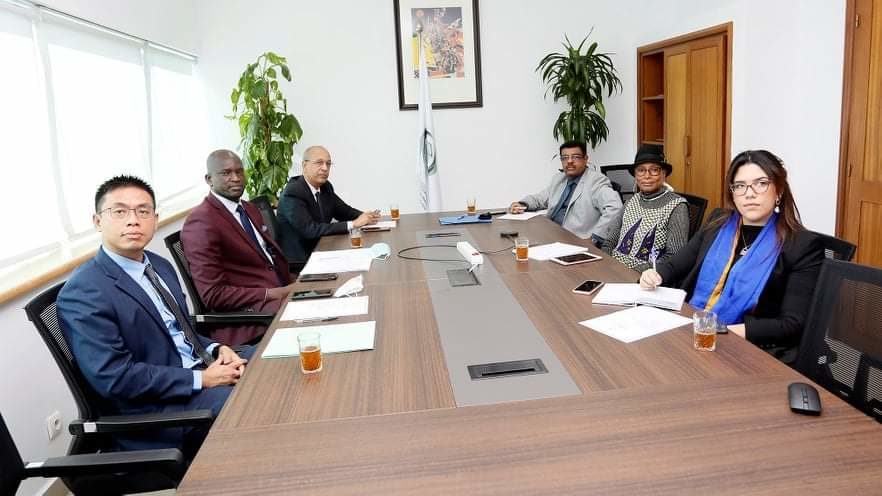
    Dr. Salim M. AlMalik, the Islamic World Educational, Scientific, and Cultural Organization’s (ICESCO) Director-General (DG), received on Friday, November 13, at the Organization’s headquarters in Rabat, Mr. Mao Jun, Chargé d’affaires of the Embassy of China to Morocco, as well as his accompanying delegation. The two parties discussed the basis for a future partnership between ICESCO and China in the fields of education, science, and culture.

    The DG expressed his thanks for the Chinese Embassy’s donation of 10 new computers and 10 printers. Dr. Chen Dongyun, Cultural Advisor at the Embassy, also attended the meeting.

    The two parties discussed aspects of future cooperation, including ICESCO’s participation in the Chinese initiative to relaunch the Silk Road, scholarship opportunities in distinguished Chinese universities for young people from ICESCO’s Member States, and the creation of an ICESCO Chair in one of China’s pioneering universities.

    The officials also discussed the training sessions opportunities, as well as China’s assistance, in cooperation with ICESCO, to the countries most in need to cope with the effects of the COVID-19 pandemic.

    The Chinese Chargé d’affaires praised ICESCO’s dynamic performance, which the whole world witnessed during the pandemic. He also stressed his country’s readiness to ensure more cooperation with the Organization.

    ICESCO DG Extends Condolences on Passing of Prince Khalifa bin Salman Al Khalifa

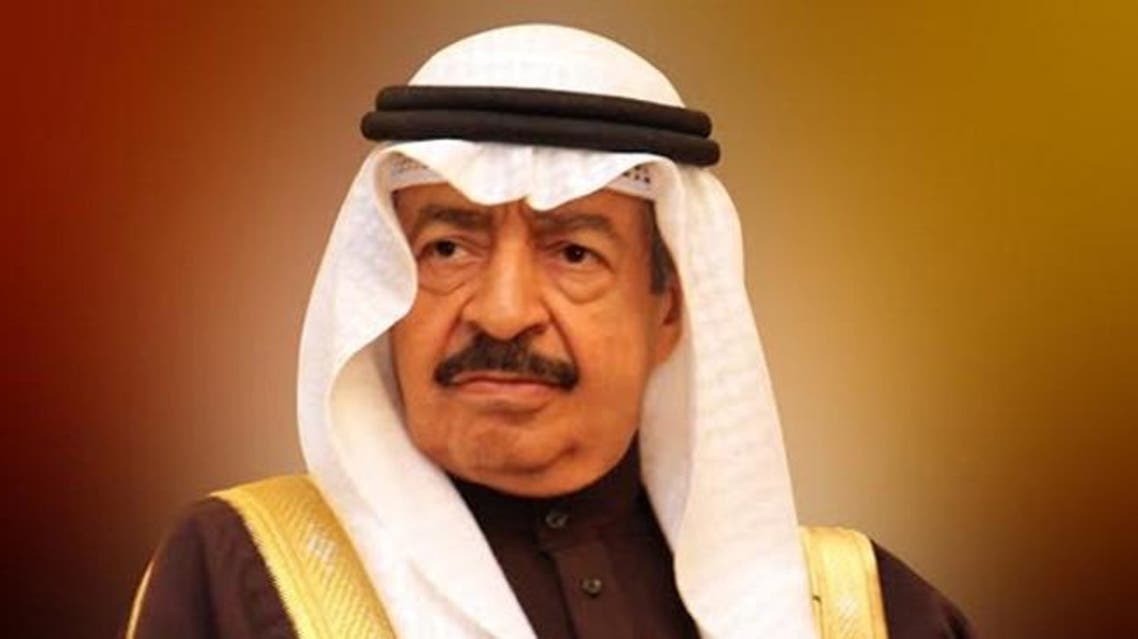
    The Director-General (DG) of the Islamic World Educational, Scientific, and Cultural Organization (ICESCO), Dr. Salim M. AlMalik, expressed his condolences following the passing of HRH Prince Khalifa bin Salman Al Khalifa, may Allah rest his soul, at the Embassy of Bahrain in Rabat.

    Mr. Bassam Dalhan al-Dosari, Advisor at the Embassy, welcomed Dr. AlMalik. The DG expressed, on ICESCO’s behalf, heartfelt condolences to His Majesty Hamad bin Issa Al-Khalifa of Bahrain, the honorable Royal family, the Bahraini people as well as to the Arab-Islamic Ummah on the sad occasion.

    In a message he wrote in the Embassy’s condolence book, ICESCO’s DG reaffirmed that the late Prince was a true statesman who dedicated his entire life to elevate the status of his nation and the support for all joint actions. Dr. AlMalik beseeched Allah to shower him with mercy and make paradise his eternal abode.

    ICESCO Announces Winners of Short Films Award

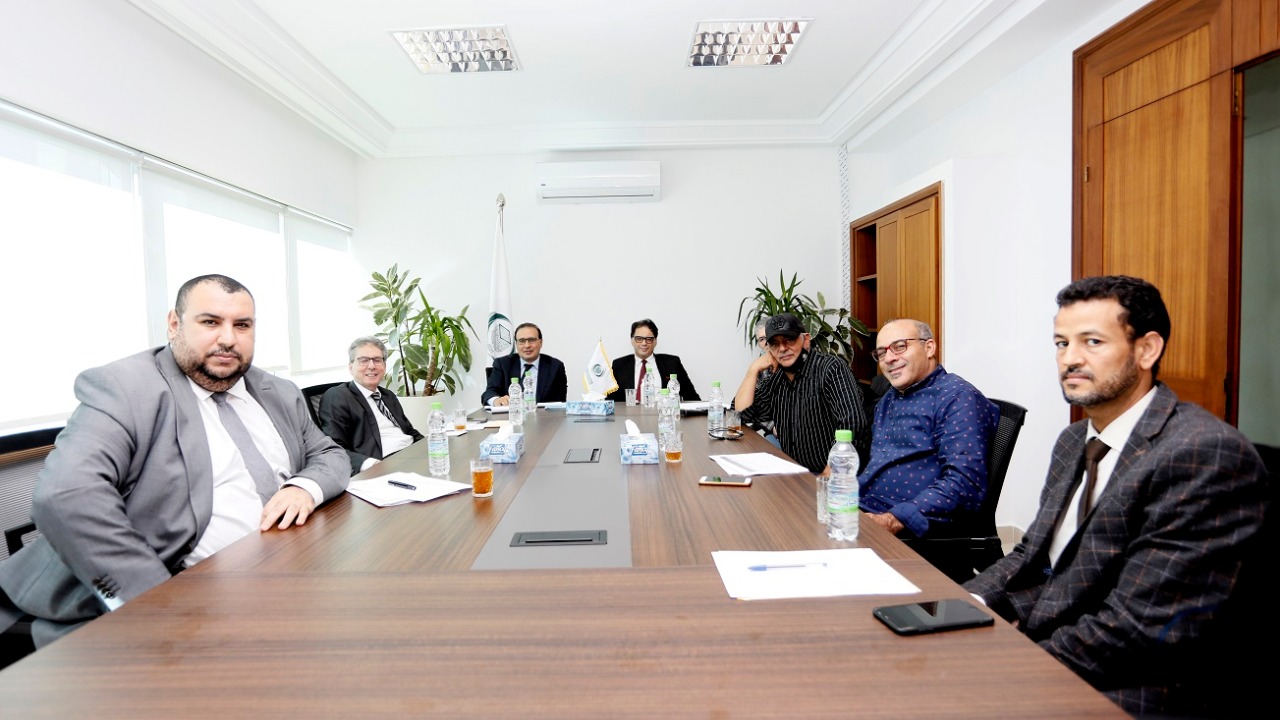
    The Jury of the Islamic World Educational, Scientific, and Cultural Organization (ICESCO) Short Films Award held its last meeting on November 11, 2020, to select the winners. ICESCO launched the Award last March as part of its “Distance Culture” initiative, in cooperation with Layan Cultural Foundation, under the presidency of HH Faisal bin Abdullah bin Mohammed Al Saud.
    ICESCO will announce the winners on Thursday, November 19, 2020, as part of its celebration of the International Week of Islamic Art.

    The Jury is made up of Dr. Mohamed Zine El Abidine, Director of Culture and Communication Sector at ICESCO; Dr. Abdelilah Benarafa, Cultural Advisor to ICESCO Director-General (DG), Jury Chairman; Dr. Najib Rhiati, Advisor to the General Directorate, Rapporteur of the Jury; Khaled Ibrahimi, Film Director; Mohammed Chouika, Film Critic and Writer; Abdelilah Hamdouchi, Novelist and Screenwriter; as well as Mr. Nassim Mohand Amer, Program Director at the Culture and Communication Sector.

    The Jury drew on ICESCO’s fields of interest in the assessment of the short films, such as environment and sustainable development, culture, heritage protection, and the rights of children, disabled people, and girls. The assessment also hinged upon technical criteria, namely the concept, filmmaking, scenario, and picture of the short film.

    During the meeting, the jury selected the top six short films out of the 180 films received from the Asian, Arab, and African regions. Every two films will receive one award based on their quality.
    ICESCO launched a set of contests during the lockdown period, which included various creative fields such as the short story, drawing, music, and short films. These contests saw great participation from all over the world.

    ICESCO Calls for Keeping Pace with Digital Transformation to Ensure Quality Education

    The Director-General (DG) of the Islamic World Educational, Scientific, and Cultural Organization (ICESCO), Dr. Salim M. AlMalik, called for catalyzing innovation and creativity and making use of Artificial Intelligence (AI) applications in the educational process toward achieving SDG Goal 4 (ensure inclusive and equitable quality education and promote lifelong learning opportunities for all). He emphasized that ICESCO will support innovation and reform-driven education systems based on AI and quality.

    The statement came in the DG’s address at the international web forum on the theme “Education Quality: a Lifelong Foresight Value.” UNESCO Regional Center for Quality and Excellence in Education (RCQE) held the event on Thursday, November 12, in cooperation with ICESCO, to mark the World Quality Day 2020. The forum brought together representatives of international specialized organizations, several experts, researchers, and decision-makers in education, academics, and teachers.

    Dr. AlMalik underscored that the quality requirement is a global trend that sets the groundwork for sustainable development and encourages education institutions and authorities to increase their productivity. The requirement is more important as the COVID-19 pandemic increased dropout rates due to school closures and forced educational systems in the Member States to develop innovative working mechanisms, the DG continued. He added that quality achievement constitutes a major challenge under the fourth industrial revolution while pointing out that quality education leads to more stability, development, and change in societies.

    ICESCO DG highlighted that AI applications will pave the way for transformation in schools and universities through a comprehensive development in all aspects of professional and scientific life. He also added that it will digitalize curricula and alleviate burdens on teachers thanks to virtual education programs. He called on the Islamic world’s organizations to be the first to take initiatives and keep pace with the large-scale digital transformation, meet the requirements of the fourth industrial revolution, and accelerate the race toward building the school of the future.

    ICESCO’s Educational Center in Chad to Organize Training Session in the Arabic Language for non-Arabic Speakers

    ICESCO’s Regional Educational Center in Chad, in cooperation with “Arab for All” Saudi Foundation, will organize from November 14 to 19, 2020 a distance training session in teaching Arabic to non-Arabic speakers.

    The session will benefit 30 participants, including teachers at the Center and Arabic teachers from the Chadian Ministry of National Education and Civic Promotion. For a six-day period, and from the headquarters of the Center in the Chadian capital N’Djamena, the students will follow various training courses focused on the educational skills of teachers.

    The training is the 7th of its kind in the cooperation program with the Foundation “Arab for All.” The goal is to introduce participants to the main modern educational trends in teaching Arabic to non-Arabic speakers, as well as to deepen their knowledge of the elements, methods, and skills of teaching. The training also aims to develop the language among students at different educational levels.

    The session will review the common linguistic, educational, and psychological problems that teachers and learners face in teaching and learning Arabic, respectively. The training will also suggest ways to address them based on successful experiences in the field.

    Dr. Abdulrahman Al-Fawzan, Academic Supervisor, and Mr. Abdul Rahman Al-Sarrami, Training Expert, both pertaining to the Foundation, as well as Dr. Ali Mohammad Qamar, Director of ICESCO’s Regional Educational Center in Chad, will moderate the works of the training session.

    ICESCO and Moroccan National Commission Launch Project to Support Women and Youth, Funded by Al-Waleed Philanthropies

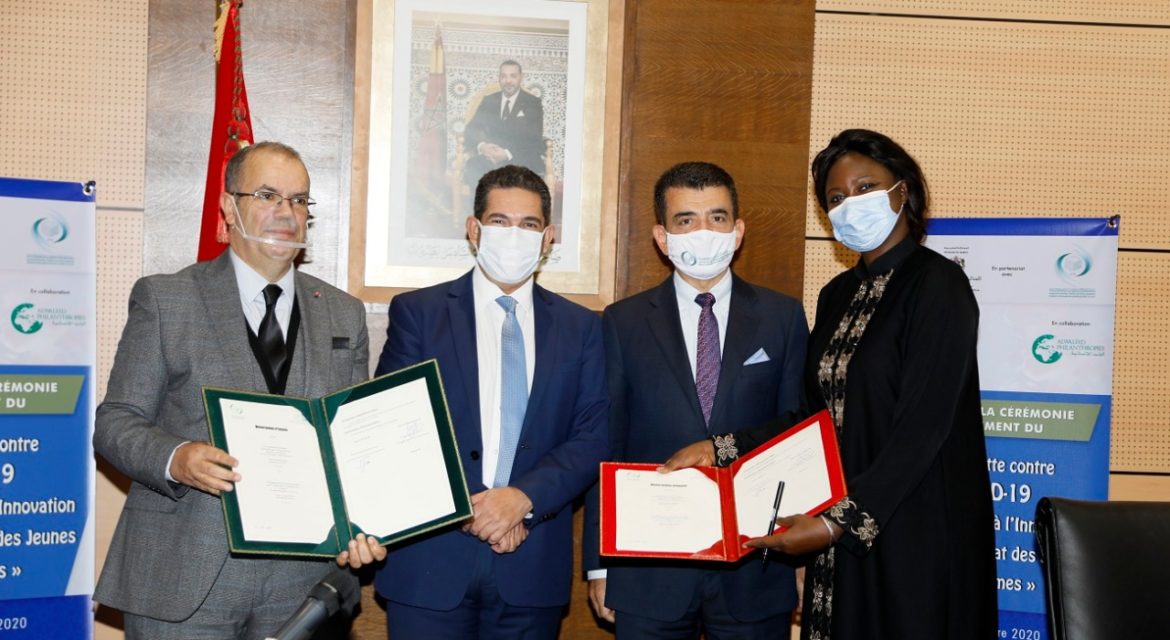
    The headquarters of the Moroccan Ministry of National Education, Vocational Training, Higher Education and Scientific Research saw yesterday, the launch of the “Project on countering the effects of the COVID-19 pandemic by supporting innovation and the development of entrepreneurship among women and youth.”

    The project is part of the cooperation between the Islamic World Educational, Scientific, and Cultural Organization (ICESCO) and the Moroccan National Commission for Education, Science, and Culture, with the support of Al-Waleed Philanthropies.
    Before the beginning of the ceremony, Mr. Said Amzazi, Moroccan Minister of National Education, Chairman of the Moroccan Commission, held a special meeting with Dr. Salim M. AlMalik, Director-General (DG) of ICESCO.

    During the meeting, both parties reviewed the successful cooperation and partnership programs between ICESCO and Morocco. They also stressed the continuation of joint action to achieve the objectives of the agreed programs. Mr. Jamal Eddine El Aloua, Secretary-General of the Moroccan National Commission, and Dr. Abdelilah Benarafa, Cultural Advisor to ICESCO DG, also attended the meeting.

    During the ceremony, Mr. Amzazi gave an address wherein he expressed his satisfaction with the project, marked by effective governance and based on a participatory approach and defining responsibilities through the creation of national coordination and follow-up unit to be headed by the Secretary-General of the Moroccan National Commission.

    Mr. Amzazi also thanked ICESCO and its DG for the Organization’s services to the Member States based on forward-looking vision. He commended the efforts of the Moroccan Commission in keeping up with ICESCO’s projects and making progress within the framework of the strategic partnership to ensure the success of all projects.

    In his address, Dr. AlMalik praised the great interest shown by His Majesty King Mohammed VI, may Allah assist him, in dealing with the COVID-19 pandemic, which has made Morocco an example to follow in the implemented measures to deal with the negative repercussions of this pandemic.

    The DG also expressed his thanks and gratitude to ICESCO’s permanent partner, Al-Waleed Philanthropies Foundation, whose Board of Directors is chaired by His Royal Highness Prince Al-Waleed bin Talal, for its generous donation and support to ICESCO’s humanitarian and social initiatives to assist 10 African countries, including Morocco. The project falls within the partnership.

    Dr. AlMalik pointed out that under the new vision, the Organization has greatly supported the Member States through numerous initiatives to provide preventive, educational, and medical equipment and materials based on the needs of each country.

    Ms. Maryam Ait Mahoucht, from the Moroccan National Commission, and Ms. Ramata Almamy Mbaye, Director of the Human and Social Sciences Sector at ICESCO, gave an explanation on the phases and details of the project as well as its implementation plan.

    At the close of the ceremony, the two parties signed a Memorandum of Understanding on the implementation phases of the project, which aims at developing the sense of entrepreneurship among women and youth in Morocco and supporting the private sector, entrepreneurs, and small businesses.

    ICESCO and KSRelief Agree to Expand Cooperation

    The Islamic World Educational, Scientific, and Cultural Organization (ICESCO) held yesterday, a meeting with the King Salman Center for Relief and Humanitarian Aid (KSRelief) to explore the prospects of cooperation in the development of educational, social, and humanitarian programs in the neediest countries in the Islamic world.

    During the videoconference, ICESCO and KSRelief expressed their willingness to establish a sustained and broad partnership, and develop projects based on a comprehensive vision in the fields of education and humanitarian services.

    The partnership aims at improving the quality of education in the Member States suffering from conflicts, providing aids to refugees, disabled people and children, empowering girls, women, and youth, encouraging innovation and entrepreneurship, and ensuring peace and development.

    The two parties agreed to expand the scope of future cooperation in Muslim countries and sign a strategic partnership in the fields of common interests.

    Muhammad Iqbal’s Anniversary: ICESCO Studies Foresight Vision of the Scholar

    As part of the Islamic World Educational, Scientific, and Cultural Organization (ICESCO) initiatives to publicize great thinkers and intellectuals in the history and present of the Islamic world, the Organization held an international webinar under the theme: “Tolerance, Foresight and Iqbal.” The goal is also to benefit from the scholars’ perceptions and creativity to advance the reality of the Islamic world, promote its societies, and build the future.

    ICESCO’s Strategic Foresight Center held the webinar to commemorate the birth of the illustrious intellect, as one of the most important philosophical, poetic, and literary figures in the history of the Islamic world.

    At the opening session of the webinar, Dr. Salim M. Al-Malik, ICESCO Director-General (DG), called on the Islamic world to renew and enlighten minds and promote the values to revive the glories of the Ummah. The DG particularly focused on the thought, action, peace and tolerance, and active engagement in progress and development.

    The glory can also be achieved through rejecting all forms of violence, extremism, and intellectual momentum that have nothing to do with the Islamic religion and the Message of the Honorable Prophet (PBUH), the DG continued.

    At the close of his address, Dr. AlMalik stressed that the webinar will not be the last of its kind to revive and disseminate the peaceful messages contained in the noble Islamic religion, a religion known for its tolerance and noble moral values. He also stressed learning from the contribution of the Ummah’s historical and contemporary scholars and thinkers to human civilization.

    In her address, Ms. Nasira Iqbal, a lawyer and daughter-in-law of the late scholar Muhammad Iqbal, said that the message of peace was clear in the teachings of Muhammad Iqbal and that his poetry constitute an invitation for tolerance and equality. She added that Iqbal believed that everyone plays a role in the international community and that the ideal state is one that respects the faith and beliefs of its different citizens.

    Mr. Hamid Asghar Khan, Ambassador of Pakistan to Morocco, indicated in his presentation the importance of history and foresight. He stressed on the role of education in the advancement of peoples and of tolerance achieving respect for culture.

    Mr. Imtiaz Ahmed Kazi, Ambassador of Pakistan to the Philippines, explained that tolerance does not mean abandoning social values, but rather not persisting in imposing certain practices on others. He continued that Muhammad Iqbal is among the poets who promoted the value of tolerance in Pakistan.

    The first session of the event discussed “Aspects of peace and tolerance in the writings of Muhammad Iqbal.” Mr. Abdul Raouf, a Pakistani journalist and analyst, said that Muhammad Iqbal was an outstanding Muslim figure and, through his philosophy, called for tolerance and unity among all Muslims, as well as knowledge and innovation.

    Mr. Asadullah Khan, writer and journalist, said that Muhammad Iqbal was seeking a vision of the future for all humanity that is not limited to any specific region, as well as supporting democracy and the right of peoples to independence.

    The second session focused on “Muhammad Iqbal’s Forward-looking Vision,” which featured Dr. Aziz Ali Najam, former Vice-Chancellor of Karakoram International University in Pakistan. Dr. Najam stated that Muhammad Iqbal was aware that critical thinking is needed to limit the influence of the material world and that poetry was only a method to keep the Ummah united.

    Philosopher Abdul Nour Bidar stressed the need to teach the thought and writings of Muhammad Iqbal to current and future younger generations, and to encourage scholars to deepen his thought.

    Mr. Mohammed Thami Elharrak, a scholar specialized in Islam and Sufism, stressed the urgent need for a religious revival to develop Islamic thought.

    In his address, Mr. Sulaiman Bashir Dayyan, philosopher and specialist in Islamic philosophy, said that divided communities rejecting the Other need to know and be inspired by the principles of Muhammad Iqbal’s philosophy, which are deep-rooted in the Holy Quran.

    Dr. Kaïs Hammami, Director of the Center for Strategic Foresight, said that ICESCO is in the process of producing a book on the thought and philosophy of Muhammad Iqbal, under the title “Relation with Time in the Philosophy of Muhammad Iqbal.” He also stated that the Organization will hold a symposium in 2021 to discuss the Scholar’s ideas and prospective vision.

    By messaging ICESCO, you agree to our Terms & AI policy
    Alem AI assistant