
COP31 Presidency Ministerial Session: ICESCO Director-General Stresses Need to Translate Climate Education Commitments into Tangible Impact
15 November 2026
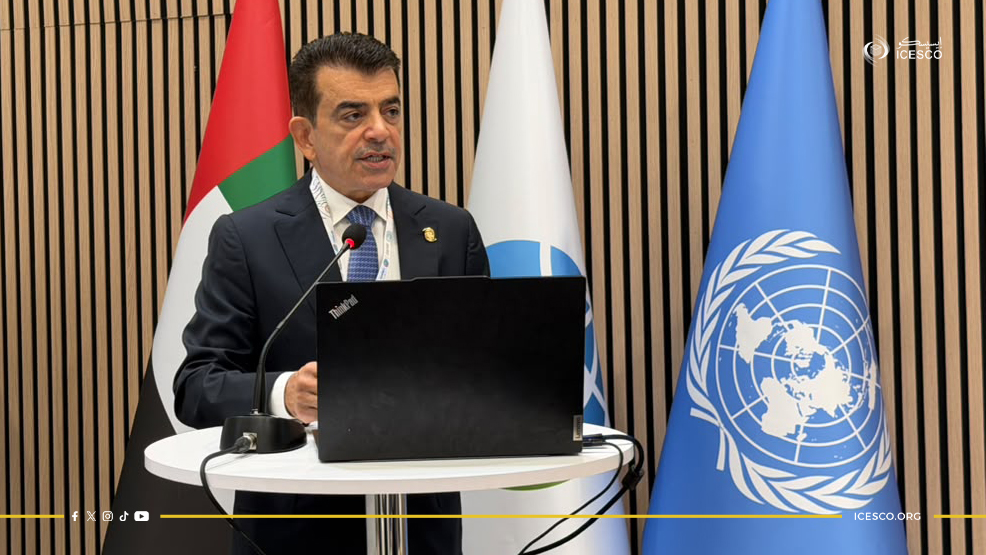
Dr. Salim M. AlMalik, Director-General of the Islamic World Educational, Scientific and Cultural Organization (ICESCO), stressed the need to translate environmental education commitments into tangible impact in schools and young people’s daily lives. He noted that ICESCO is working to develop impact-oriented indicators and support its Member States in building national capacity for evidence-based climate monitoring.
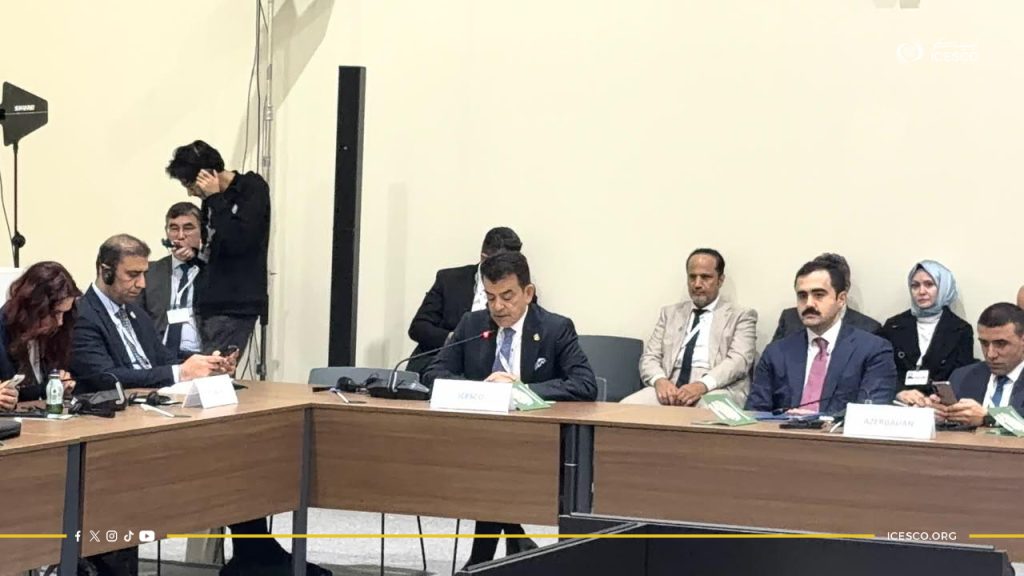
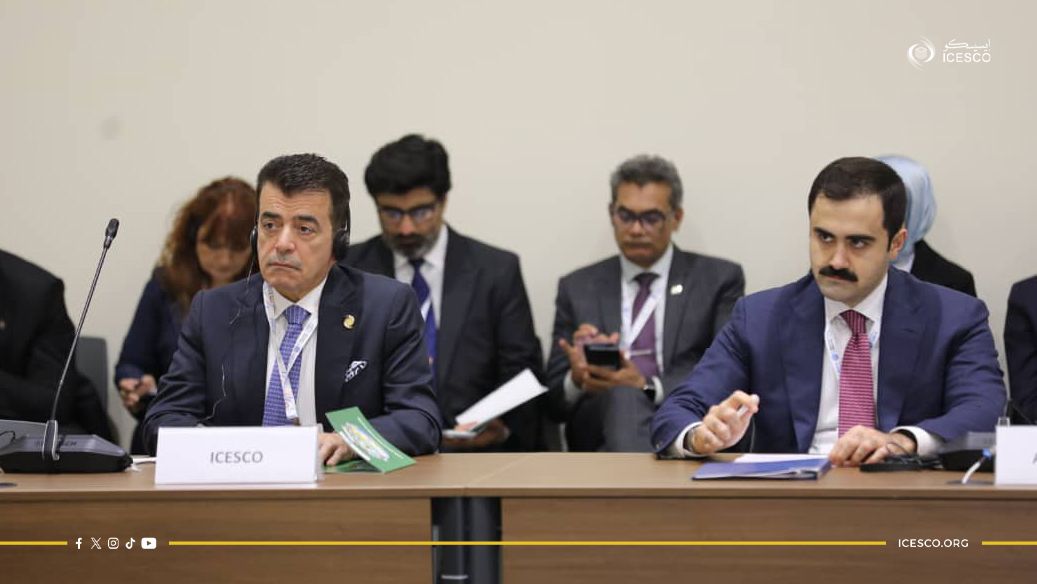
His remarks came during the high-level COP31 Presidency ministerial session titled “Evidence-Based Monitoring, Experience Sharing and Cooperation in Greening Education,” organized by the Turkish Ministry of National Education, the United Nations Educational, Scientific and Cultural Organization (UNESCO), and the Organisation for Economic Co-operation and Development (OECD) on Saturday, 14 November 2026, in Antalya, Türkiye. The session brought together education ministers from several countries, along with senior officials from government bodies and international organizations, to strengthen cooperation on climate awareness and evidence-based policymaking in greening education.
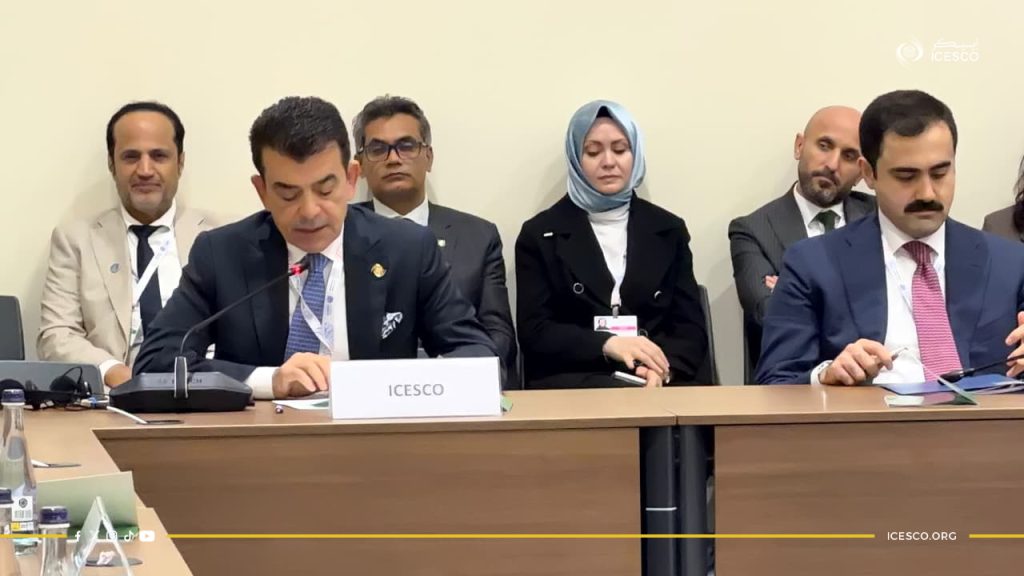
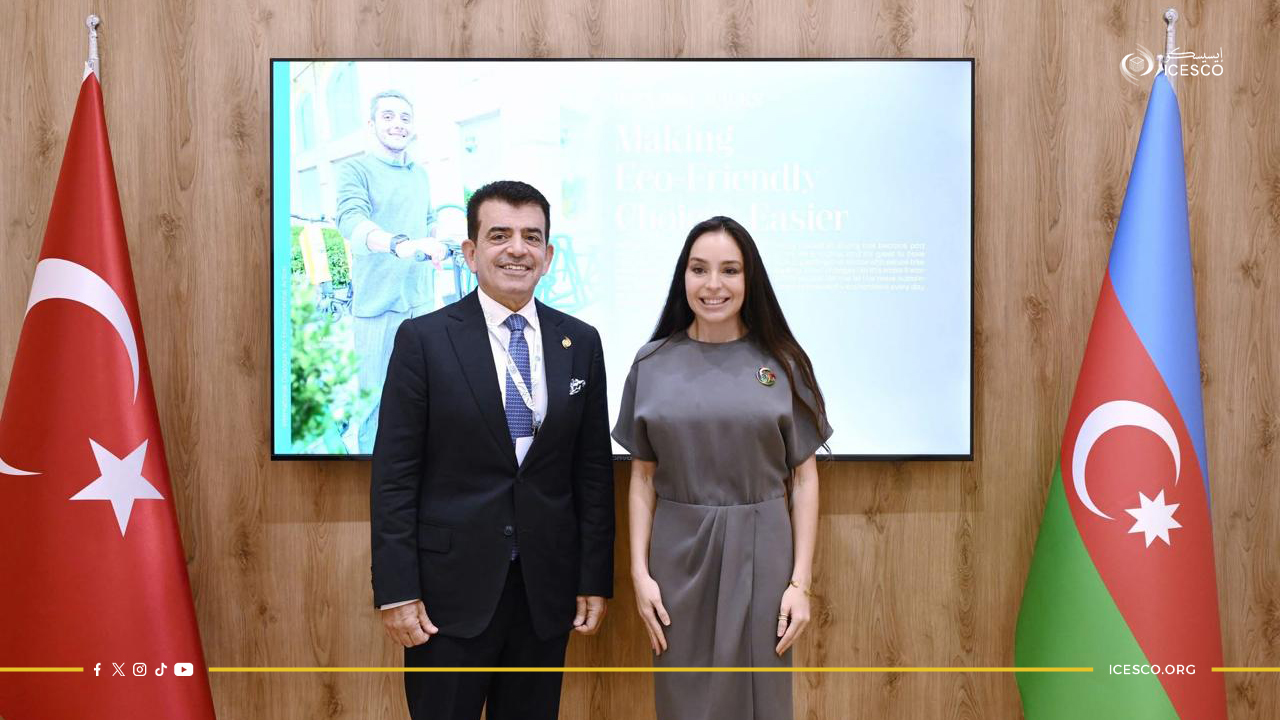
At the outset of his address to the ministerial session, which he attended at the special invitation of Mr. Yusuf Tekin, Türkiye’s Minister of National Education, Dr. AlMalik commended the efforts of the COP31 Presidency, UNESCO, and the OECD to advance international dialogue on evidence-based greening education. He highlighted ICESCO’s contributions in this field, including the adoption of the “ICESCO Framework for Greening Education in the Islamic World” at the third ICESCO Conference of Education Ministers, held in the Sultanate of Oman in October 2024, followed by its launch at COP29 in Baku. The Framework identifies monitoring and evaluation as two core elements of education transformation.
Dr. AlMalik also discussed ICESCO’s launch, in partnership with UNESCO, of the prototype “Global Dashboard for Monitoring Progress in Green Education.” He noted that the Dashboard now compiles data from nearly 100 countries, providing an innovative mechanism for tracking progress across the four pillars of greening education: curricula, teachers, schools, and communities.
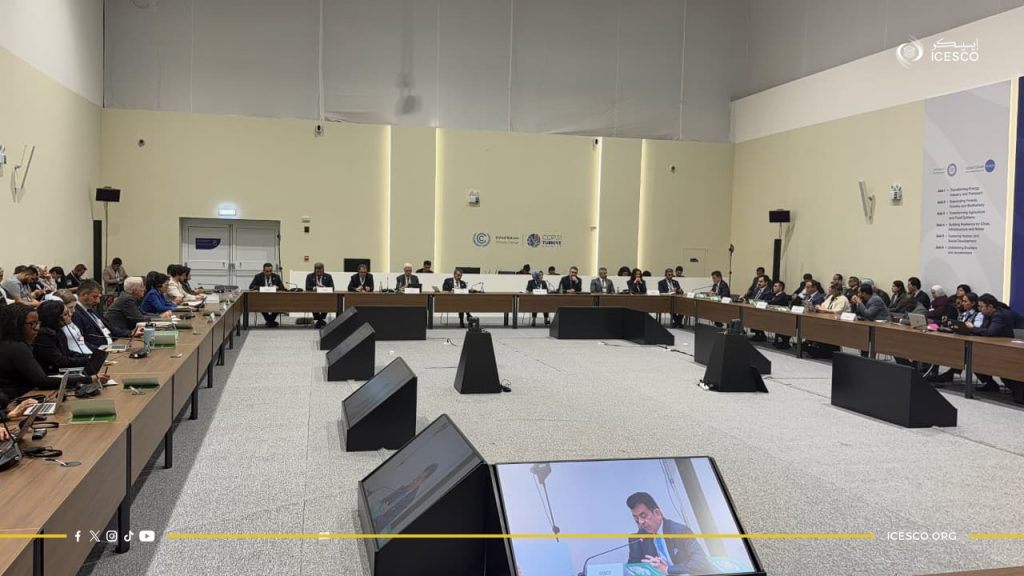
Moreover, Dr. AlMalik stressed the importance of using monitoring technology in school climate-awareness programs, building teachers’ capacities and learners’ climate competencies, and providing climate-responsive education, particularly in communities most vulnerable to the impacts of climate change.
The Director-General further highlighted ICESCO’s “Learning for the Earth” initiative, implemented in partnership with the University of Cambridge, which resulted in the first regional training conference on greening education for Azerbaijan and Central Asian countries in October 2025. He concluded by affirming that the purpose of measuring progress is to prepare future generations to respond to the impacts of climate change.
The ICESCO delegation attending the ministerial session included Dr. Ahmed Albanyan, Head of the Education Sector and Supervisor of the Translation and Publishing Center; and Mr. Waqas Afridi, Expert in the Education Sector.