
ICESCO Director-General Calls for AI Development Rooted in Sustainability and Ethical Responsibility
15 November 2026
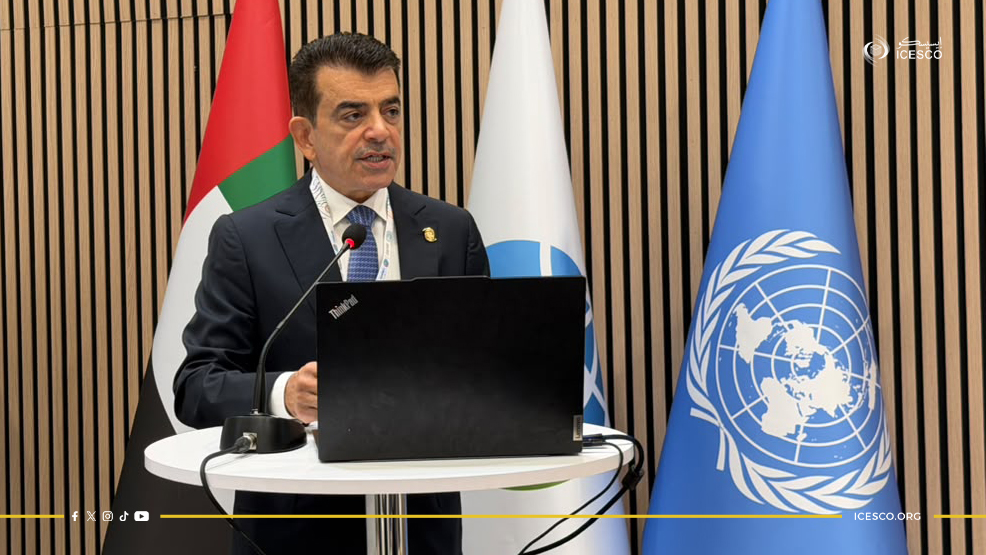
Dr. Salim M. AlMalik, Director-General of the Islamic World Educational, Scientific and Cultural Organization (ICESCO), called for a new global approach to artificial intelligence that places environmental sustainability, ethical responsibility, and human well-being at the heart of technological progress.
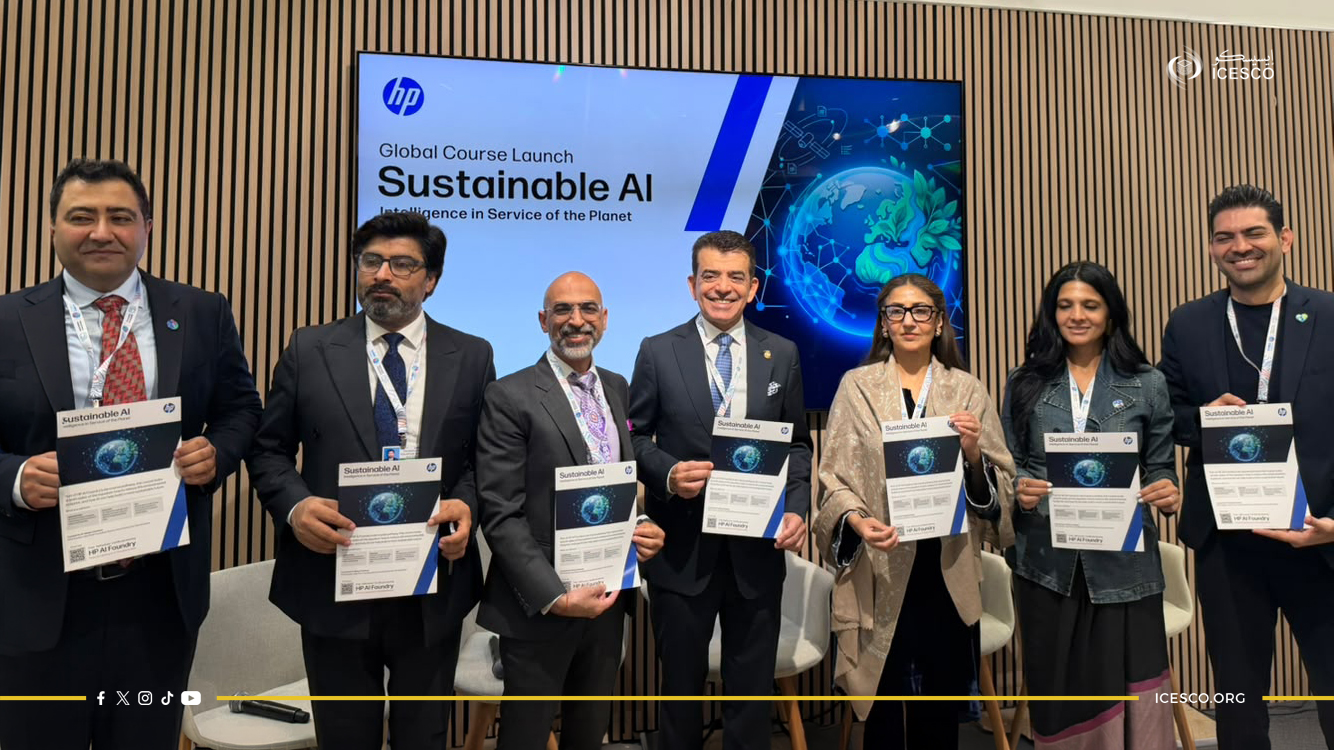
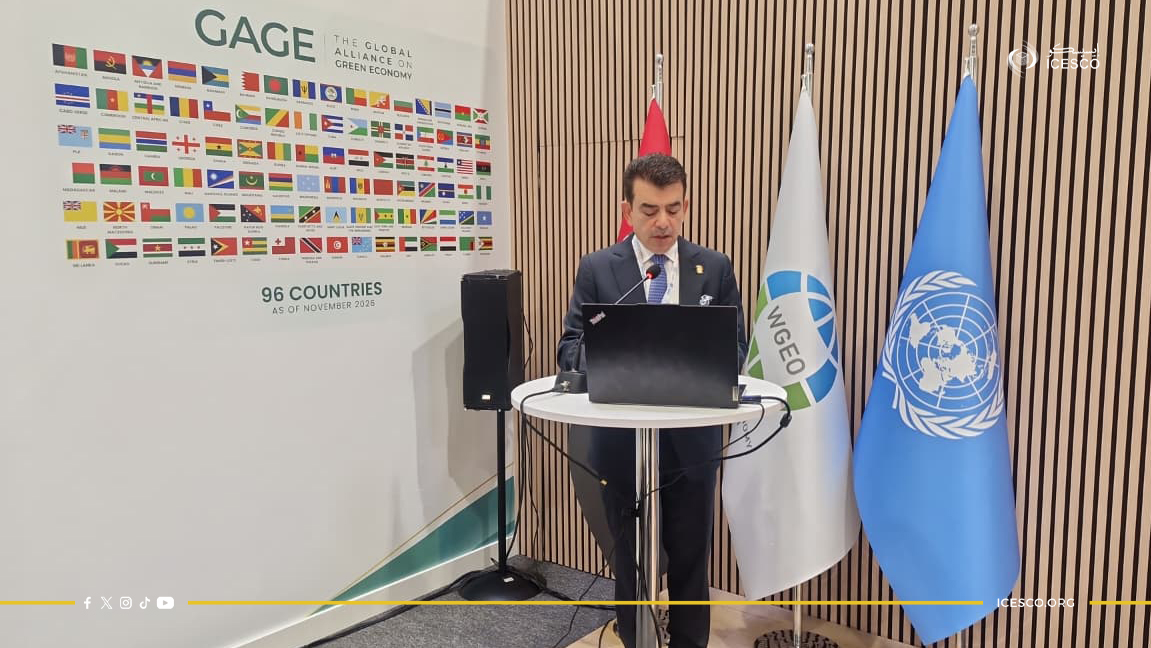
Dr. AlMalik made the call in his keynote address at an international seminar titled “Sustainable AI in Practice: From Responsible Intelligence to Climate Technology Solutions,” held by ICESCO on Saturday, 14 November 2026, in Antalya, Türkiye, in partnership with the United Nations Development Programme (UNDP), the HP Foundation, and Sustain Labs Paris. The seminar took place at the World Green Economy Organization Pavilion, on the sidelines of the launch of HP AI Foundry Course 6: Sustainable AI, as part of the 31st United Nations Climate Change Conference (COP31).
Dr. AlMalik stated that humanity is witnessing two fundamental transformations: the escalating climate crisis and unprecedented advances in artificial intelligence. He highlighted AI’s immense potential to improve climate forecasting, energy efficiency, water management, and scientific innovation. He also warned of the technology’s adverse environmental impacts, stressing that innovation in the field must go hand in hand with environmental protection to ensure responsible technological progress.
The ICESCO Director-General highlighted the Organization’s efforts to promote AI ethics and sustainability in its Member States, foremost among them the launch of the Riyadh Charter for Artificial Intelligence for the Islamic World, which provides an ethical reference for AI development; the ICESCO Framework for Greening Education in the Islamic World, which seeks to integrate sustainability into national education systems; and the Global Dashboard for Tracking Progress in Green Education, developed in partnership with UNESCO. Dr. AlMalik further underscored the role of digital technologies and evidence-based monitoring tools in supporting countries as they build sustainable education systems that are resilient to climate change.
Moreover, Dr. AlMalik welcomed the HP Foundation’s launch of a new course on sustainable AI, emphasizing the importance of raising awareness among students, teachers, professors, professionals, and officials worldwide about AI’s environmental impact. He further stressed the need to build the digital capacities of future generations and equip them with the knowledge and values required to develop and use modern technologies responsibly.
Concluding his address, the Director-General emphasized the importance of cooperation between ICESCO and the HP Foundation in advancing sustainable AI education and building related capacities across the Islamic world. He invited the Foundation to participate in the ICESCO Conference of Education Ministers, scheduled for December 2027 under the theme “Education Beyond 2030.”
The seminar featured a panel discussion moderated by Mr. Gökhan Dikmener, Chief Technical Advisor for Artificial Intelligence, Digital Transformation and Skills at UNDP. Panelists included Dr. Shizra Mansab Ali Khan, Minister of State for Climate Change and Environmental Coordination of Pakistan; Dr. Miniya Chatterji, Chief Executive Officer of Sustain Labs Paris; Mr. Mayank Dhingra, Director and Global Head of Education Business and Strategy at HP; and Mr. Yasin Kasirga, Founder and Chief Executive Officer of Qasirga Advisory.
The discussion explored how responsible AI design, institutional leadership, education, and international partnerships can advance climate innovation and reduce the environmental impact of modern technologies.