ICESCO Hosts International Symposium on “Calligraphy and Manuscript Terminology: Theory and Practice”
15 October 2026
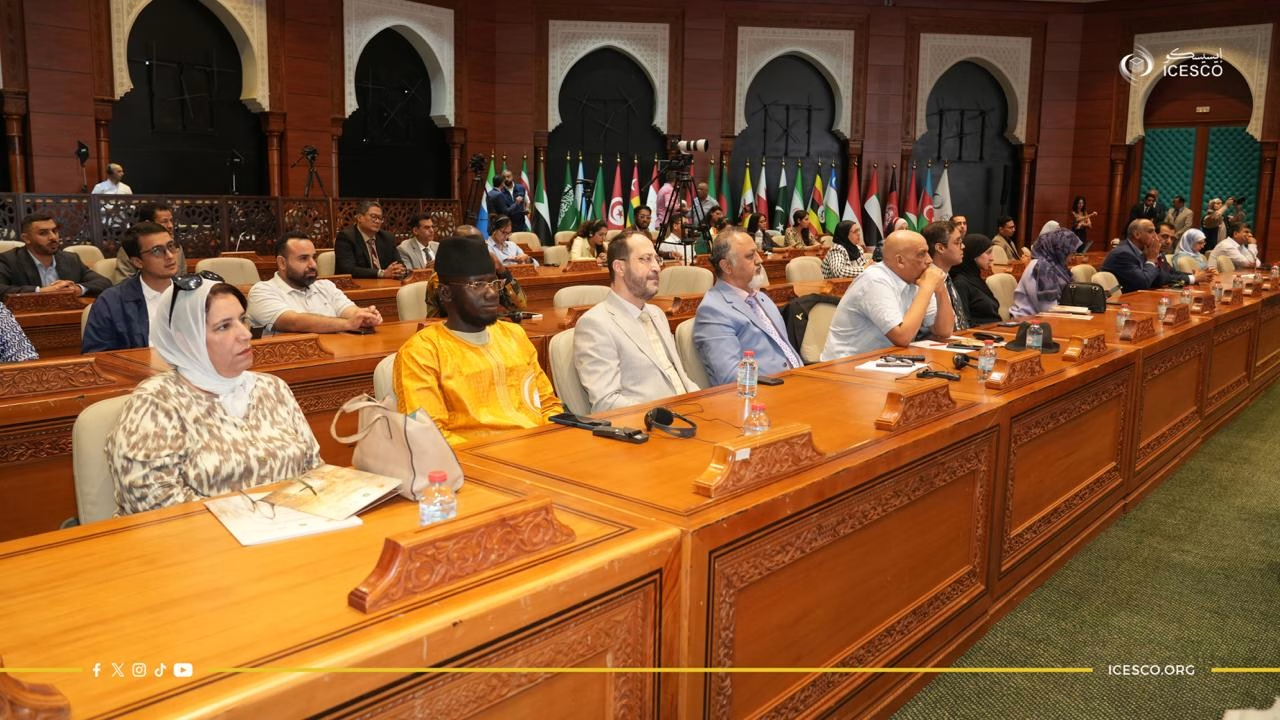
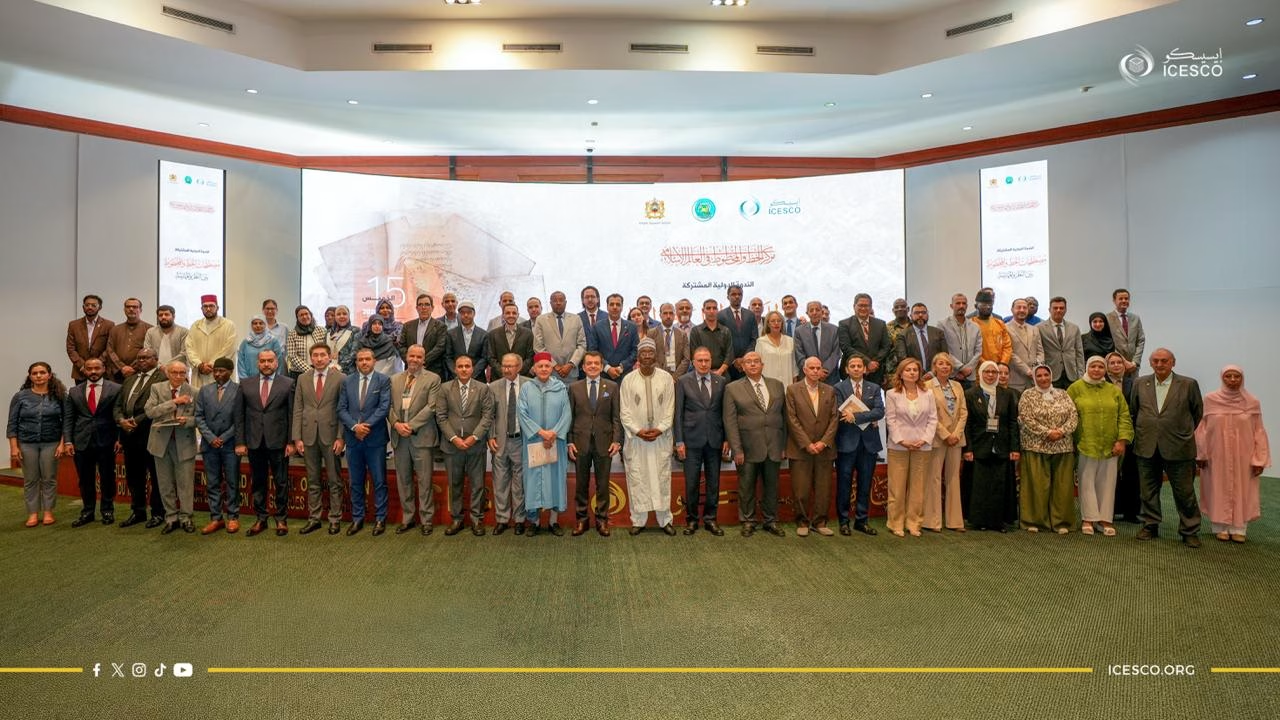
The Islamic World Educational, Scientific and Cultural Organization (ICESCO) held the international symposium “Calligraphy and Manuscript Terminology: Theory and Practice” on Thursday, 15 October 2026, at its headquarters in Rabat, in cooperation with the Hassania Royal Library in Rabat and the Sunni Endowment Diwan of the Republic of Iraq. The event brought together leading experts and researchers specializing in calligraphy and manuscripts from several countries across the Islamic world.
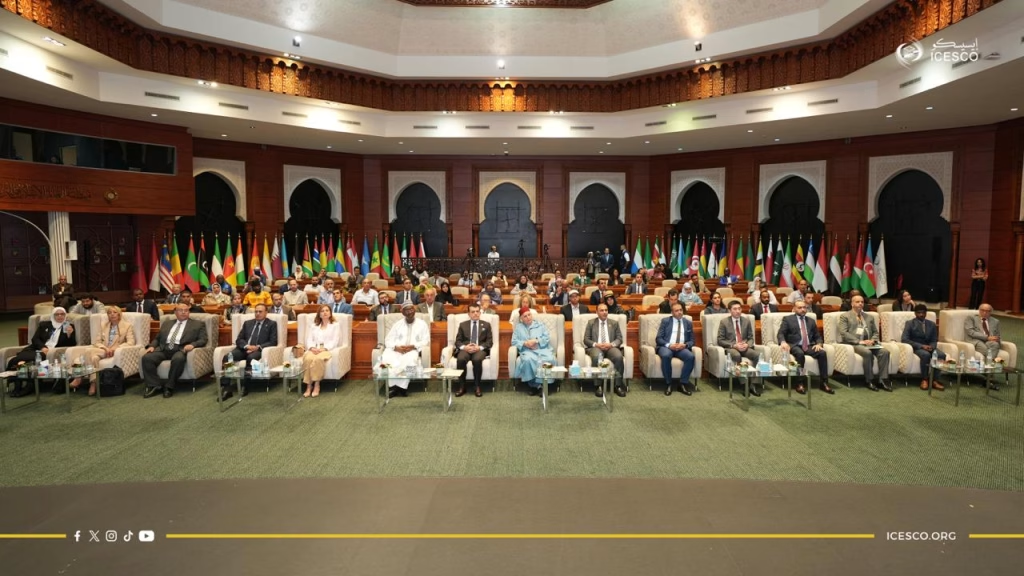
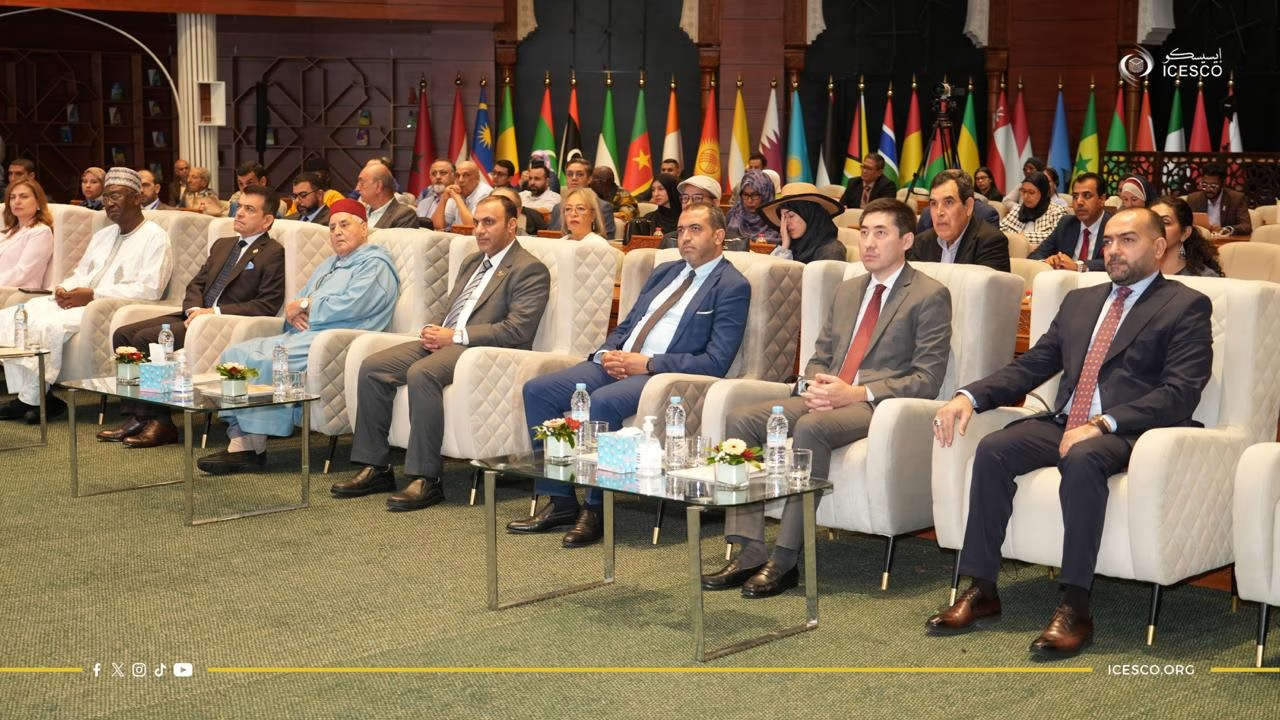
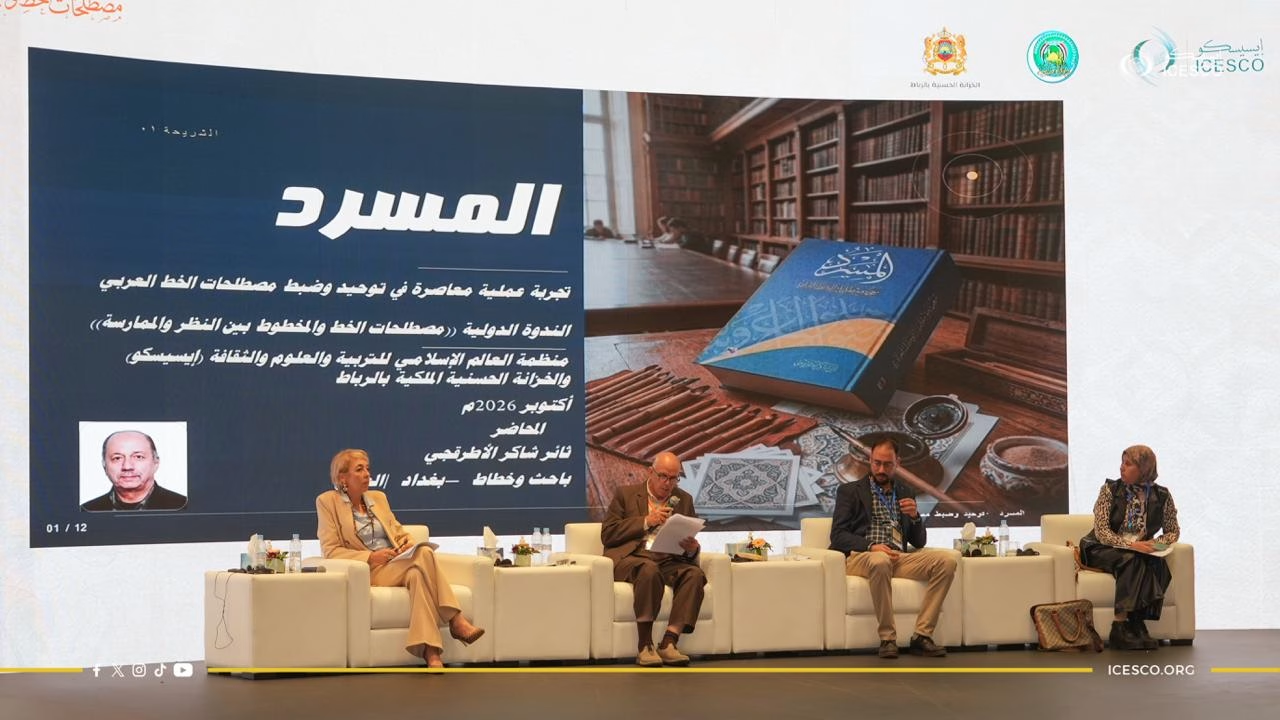
The symposium featured 12 academic papers by researchers from Tunisia, Syria, Iraq, Egypt and Morocco. It aimed to examine terminological issues at the intersection of calligraphy and manuscript studies and advance specialized research and scholarship on terminology.
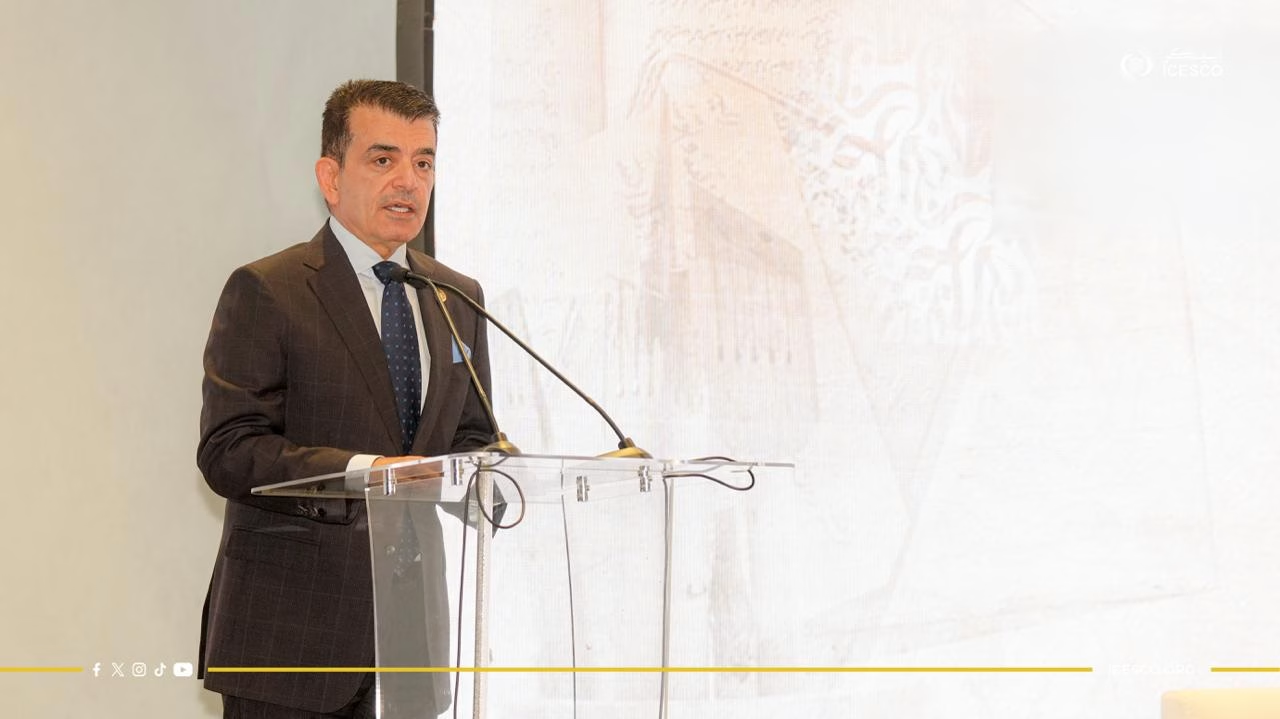
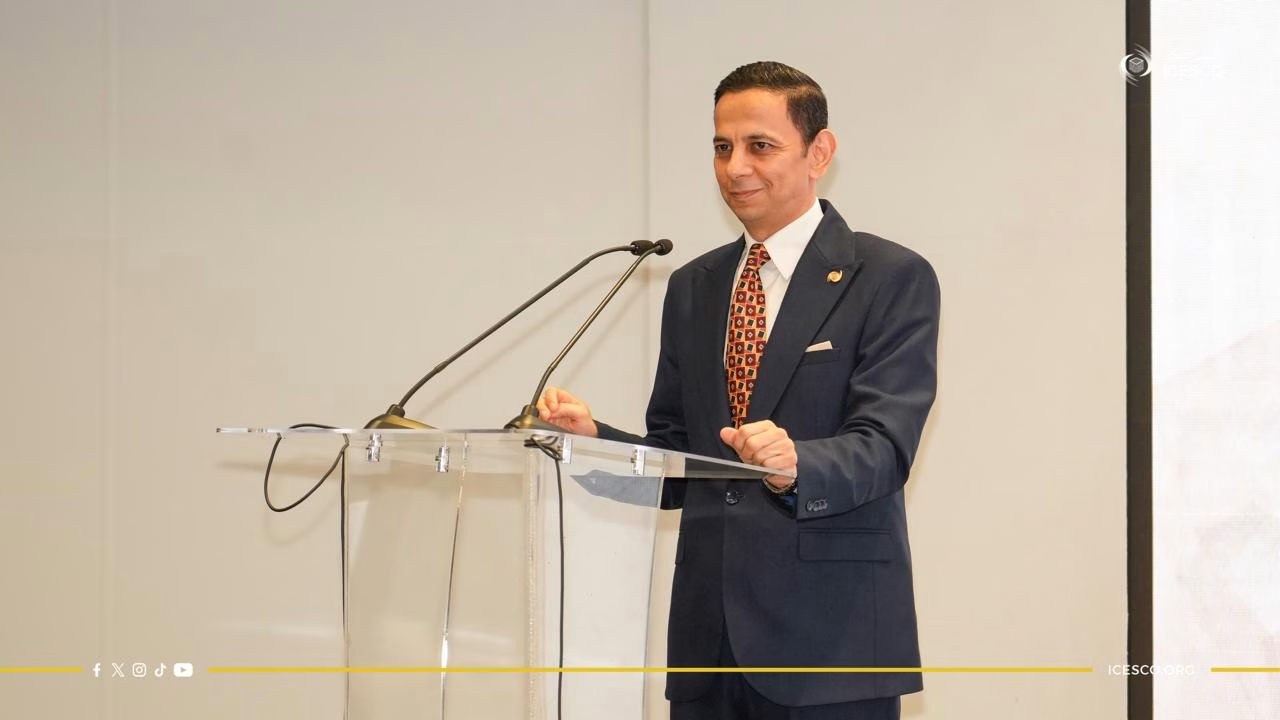
The opening session began with a recitation of verses from the Holy Quran, followed by an address by Dr. Salim M. AlMalik, ICESCO Director-General. He underscored the importance of preserving manuscripts as a living memory bearing the imprint of the hand that wrote them and the mind that created them. He stressed that safeguarding this heritage begins with understanding it and standardizing its terminology, and that the loss of a single manuscript undermines future generations’ right to know their history.
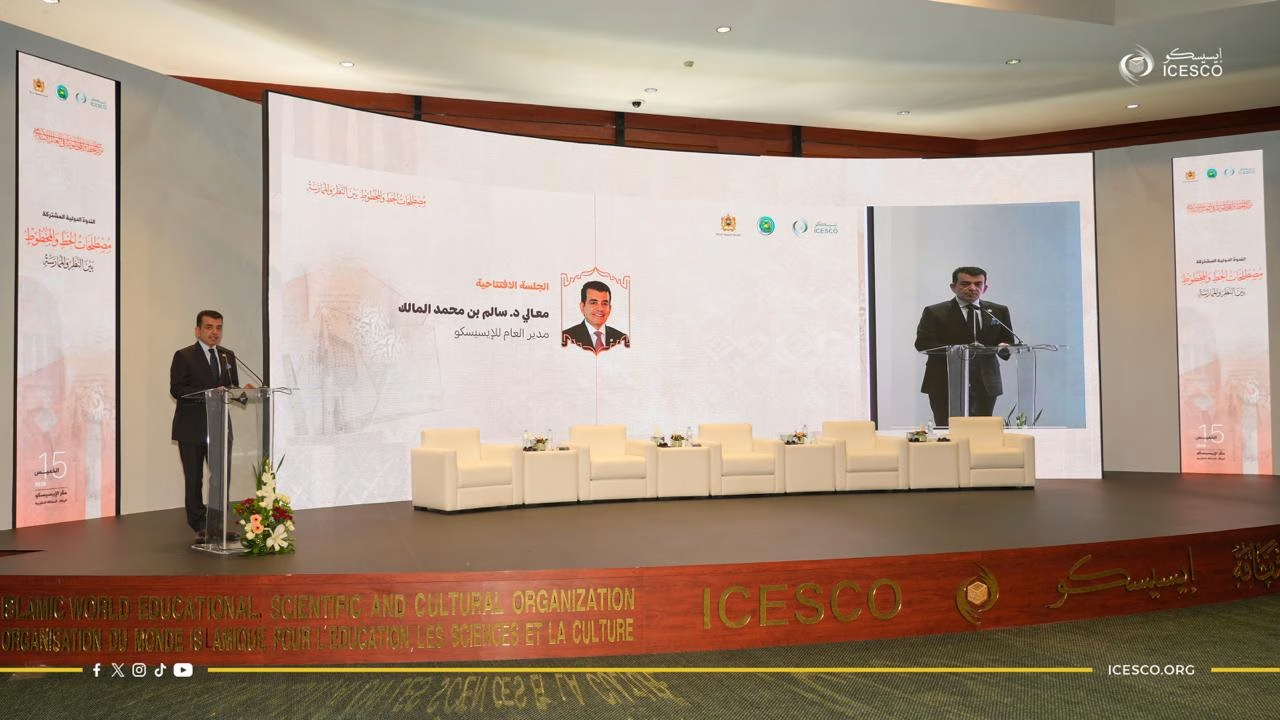
Dr. AlMalik also highlighted scholars’ early recognition of the need to define meanings and terminology and facilitate their transmission across generations. He emphasized the responsibility of all who value knowledge to reconnect this heritage with academic life and reviewed ICESCO’s efforts to protect it from deterioration and make it accessible to researchers. He called for the symposium to serve as a genuine starting point for establishing a shared terminological reference and launching integrated manuscript cataloguing and digitization projects.
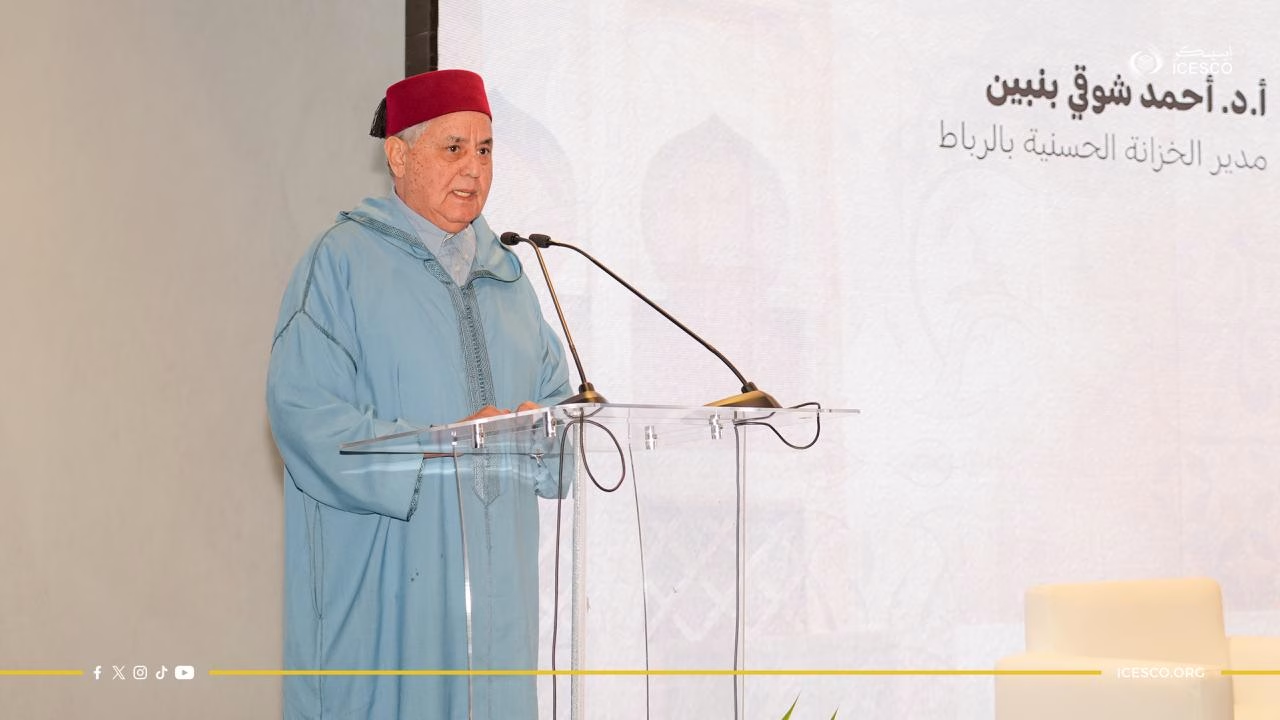
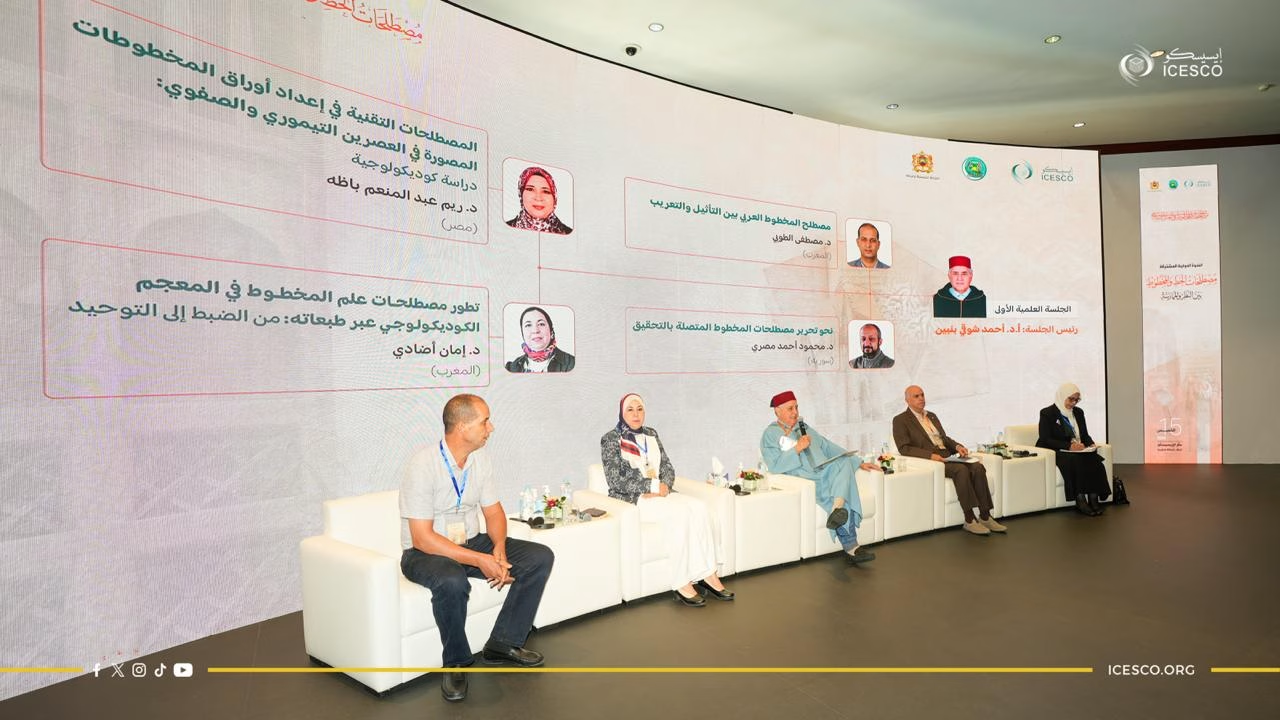
For his part, Dr. Ahmed Chaouki Binebine, Curator of the Hassania Royal Library in Rabat, highlighted the symposium’s importance in addressing a complex subject, explaining that the study of terminology is the first step and a solid foundation for academic research. In the context of codicology, Dr. Binebine noted that neither classical nor modern dictionaries adequately help researchers interpret and decipher many manuscript terms. He provided examples illustrating the issue and pointed out that dozens of terms remain unexplained in dictionaries.
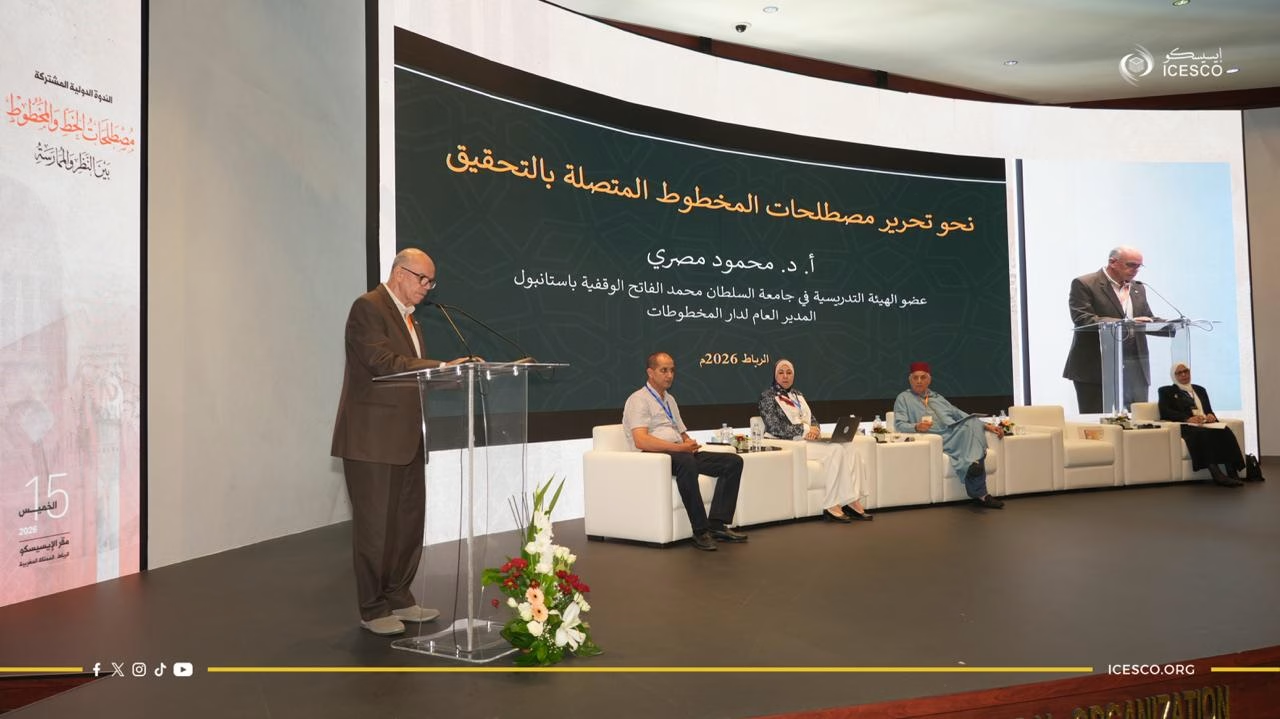
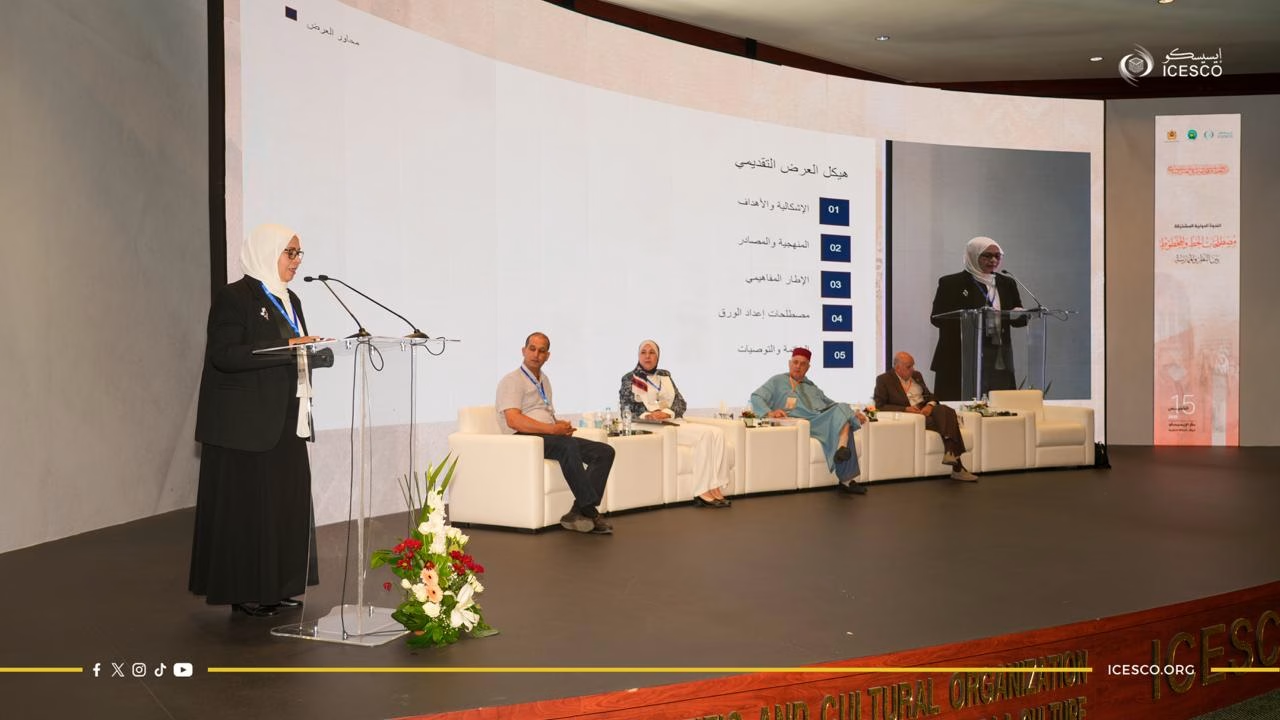
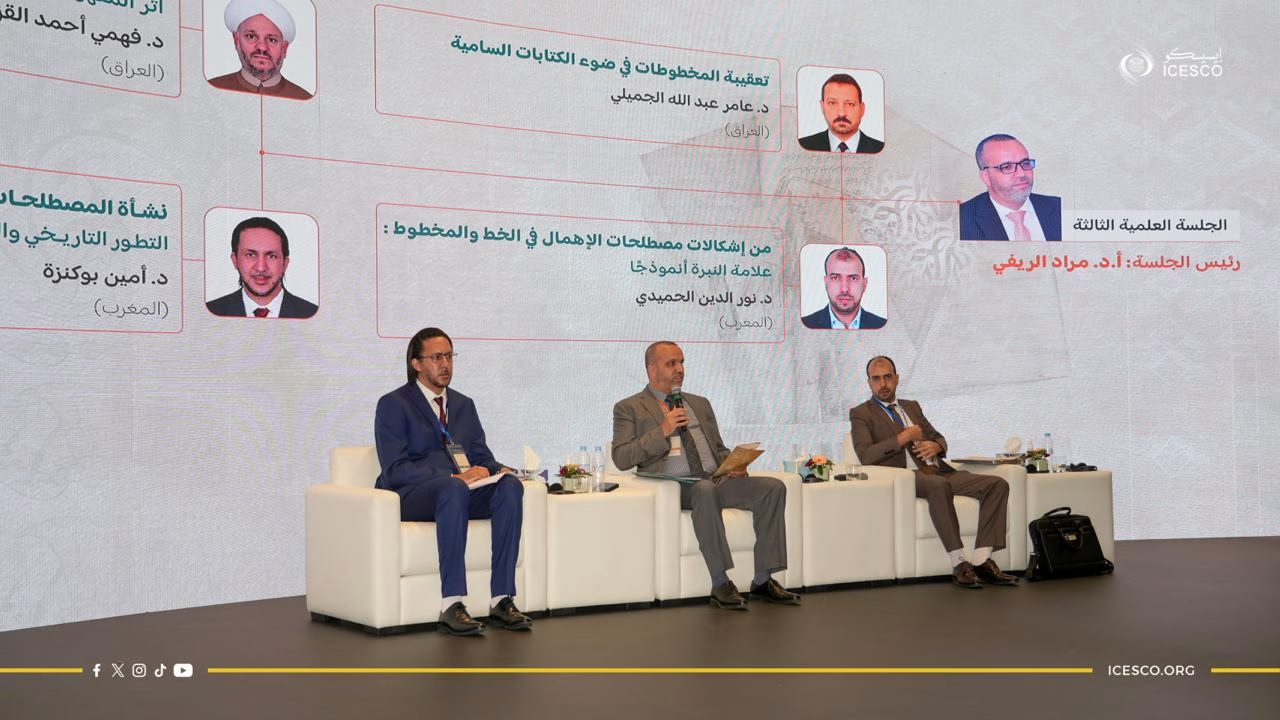
The symposium, moderated by Dr. Ahmed Abdel Basset, expert at ICESCO’s Calligraphy and Manuscripts Center, featured three academic sessions chaired respectively by Dr. Ahmed Chaouki Binebine; Dr. Idham Muhammad Hanash, Head of the Calligraphy and Manuscripts Center; and Dr. Murad Al-Rifi, Director of the Arabization Coordination Bureau in Rabat. A distinguished group of researchers and academics delivered presentations covering issues and terminology related to Arabic calligraphy, manuscripts and textual editing.
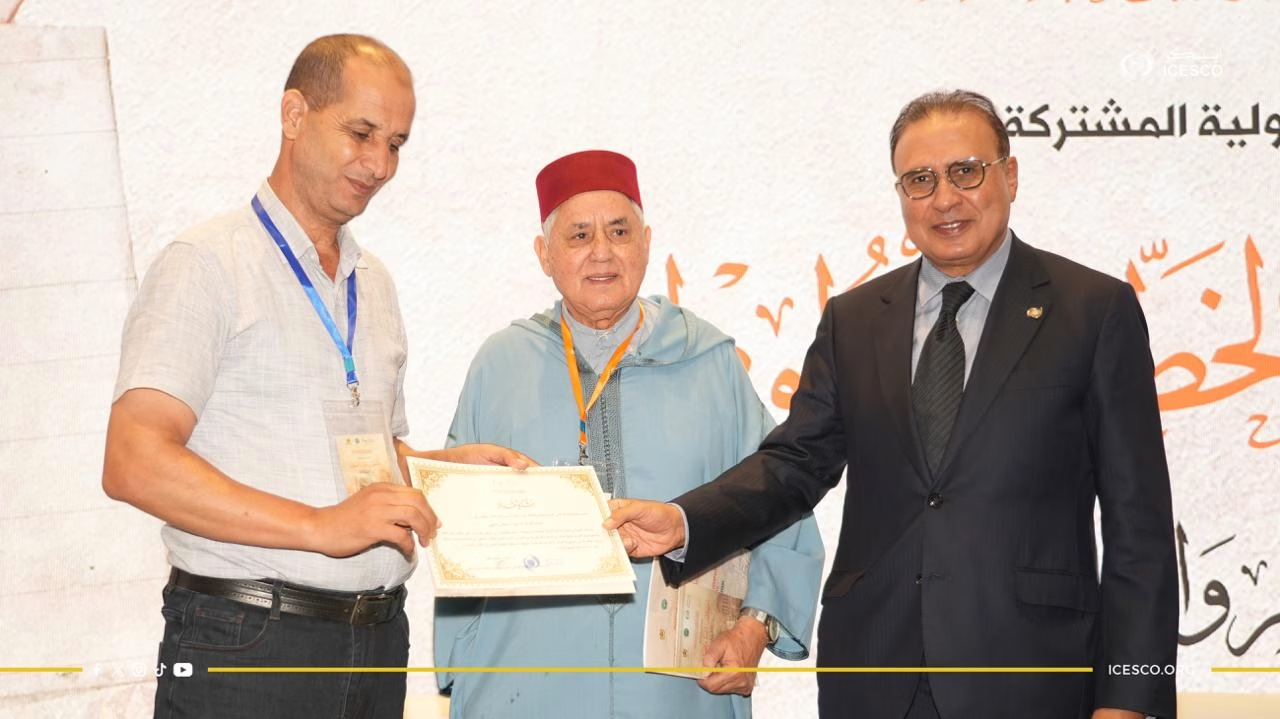
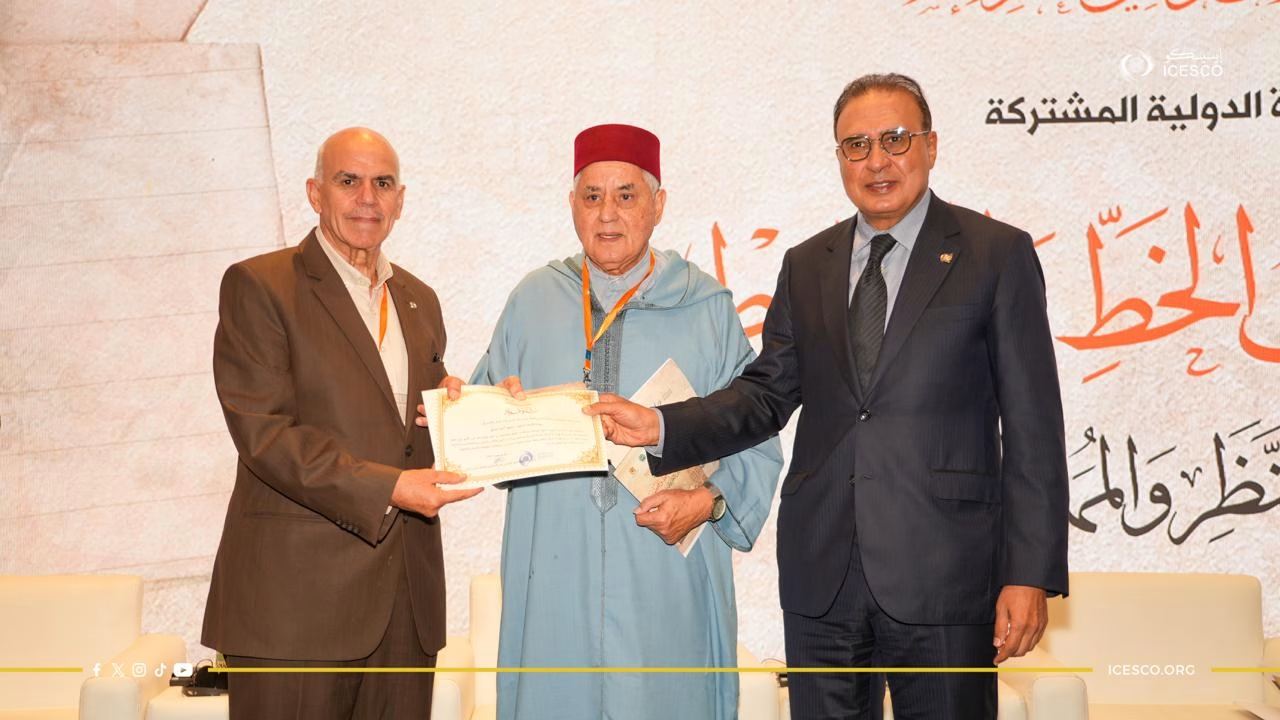
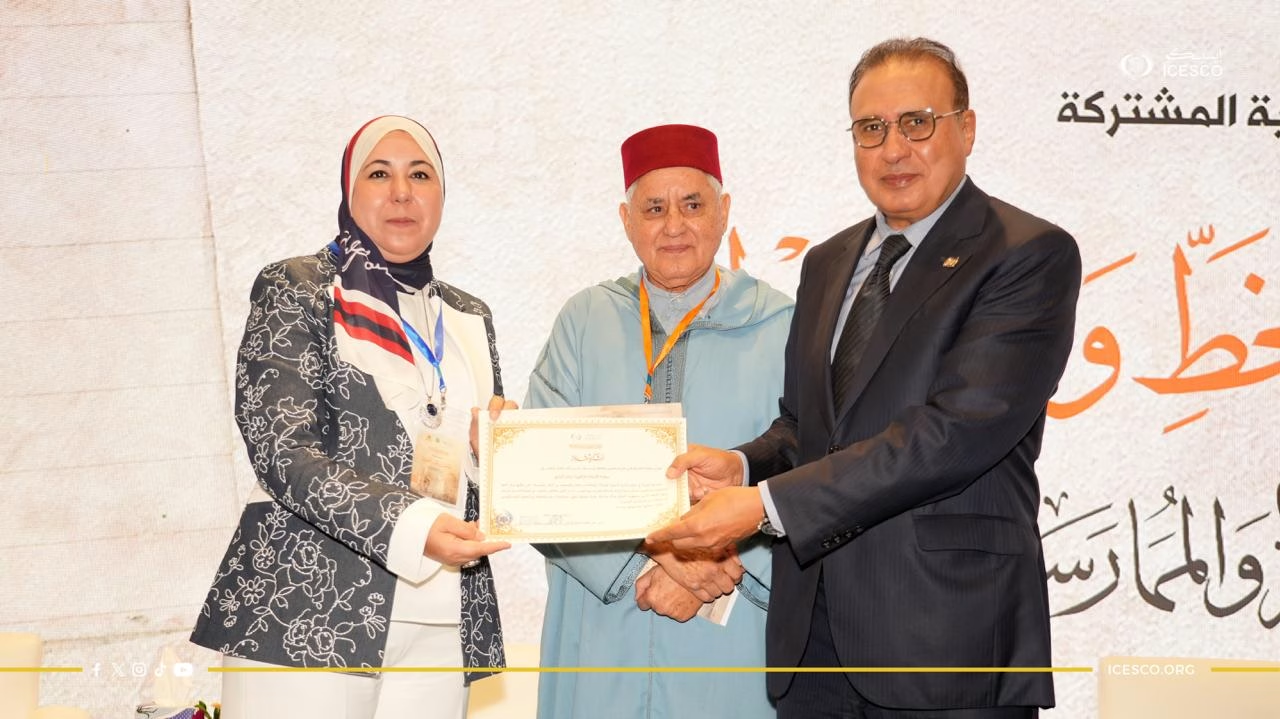
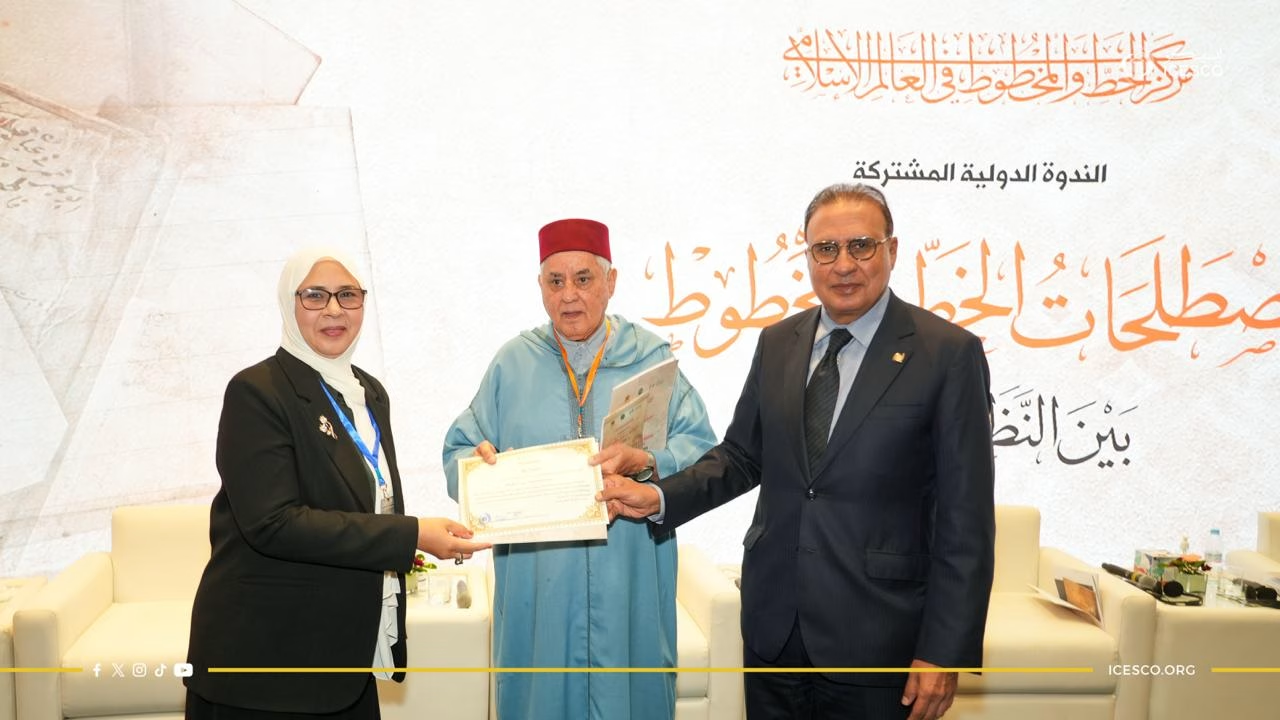
They also traced the historical development of these terms and examined their linguistic, technical and aesthetic meanings, with a focus on contemporary efforts to unify and standardize them and address related artistic and technical challenges.