

ICESCO Signs Two Agreements with Universities in Kazakhstan to Expand Access to High-Performance Computing and Enhance the Developmental Roles of Science and Technology
22 September 2026
New York: 22 September 2026
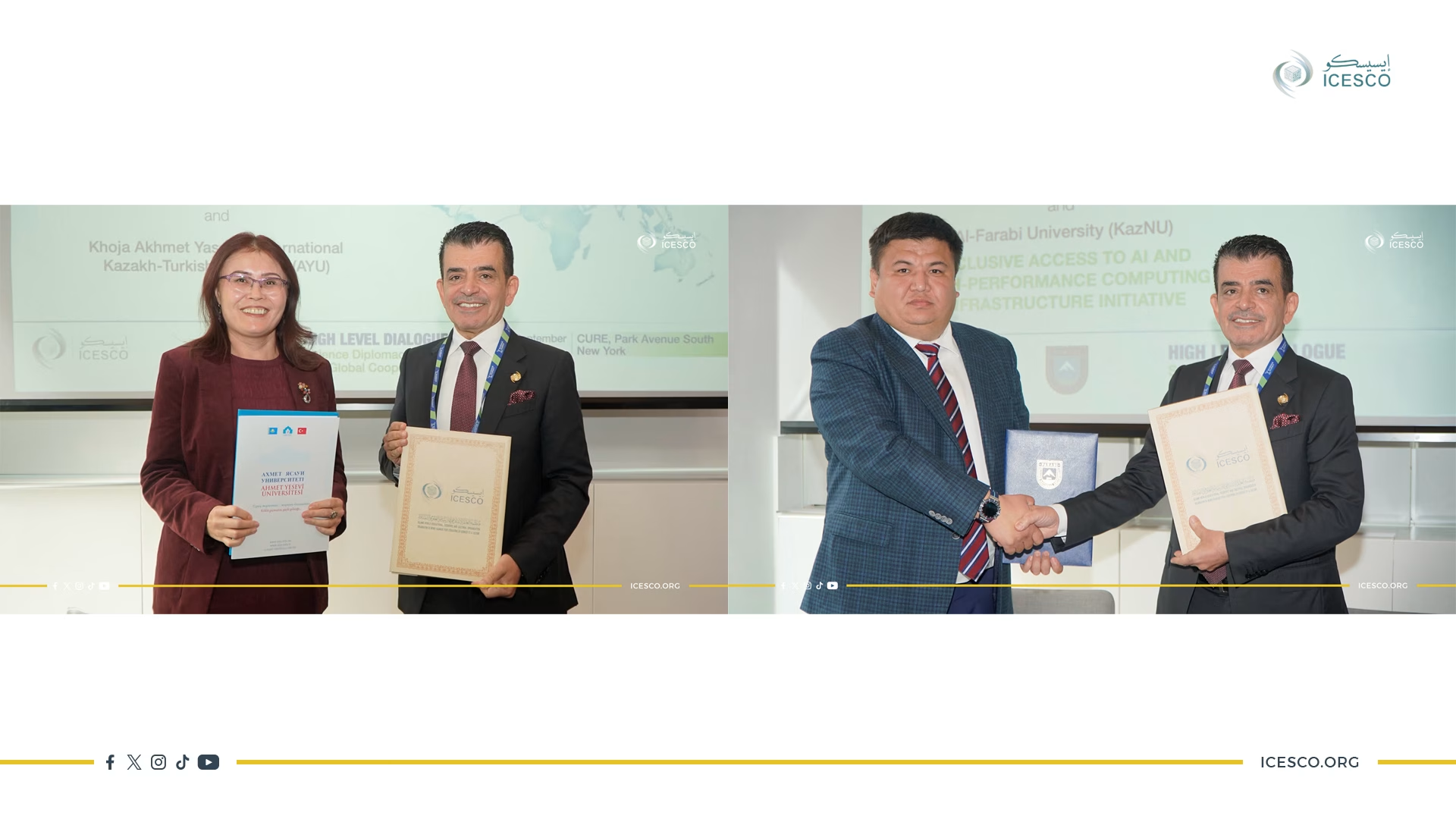
The Islamic World Educational, Scientific and Cultural Organization (ICESCO) signed, on Monday, 21 September 2026, two cooperation agreements with Al-Farabi Kazakh National University (KazNU) and Khoja Ahmet Yassawi International Kazakh-Turkish University (AYU) to expand access to high-performance computing and advance cooperation in scientific research, education, and innovation.
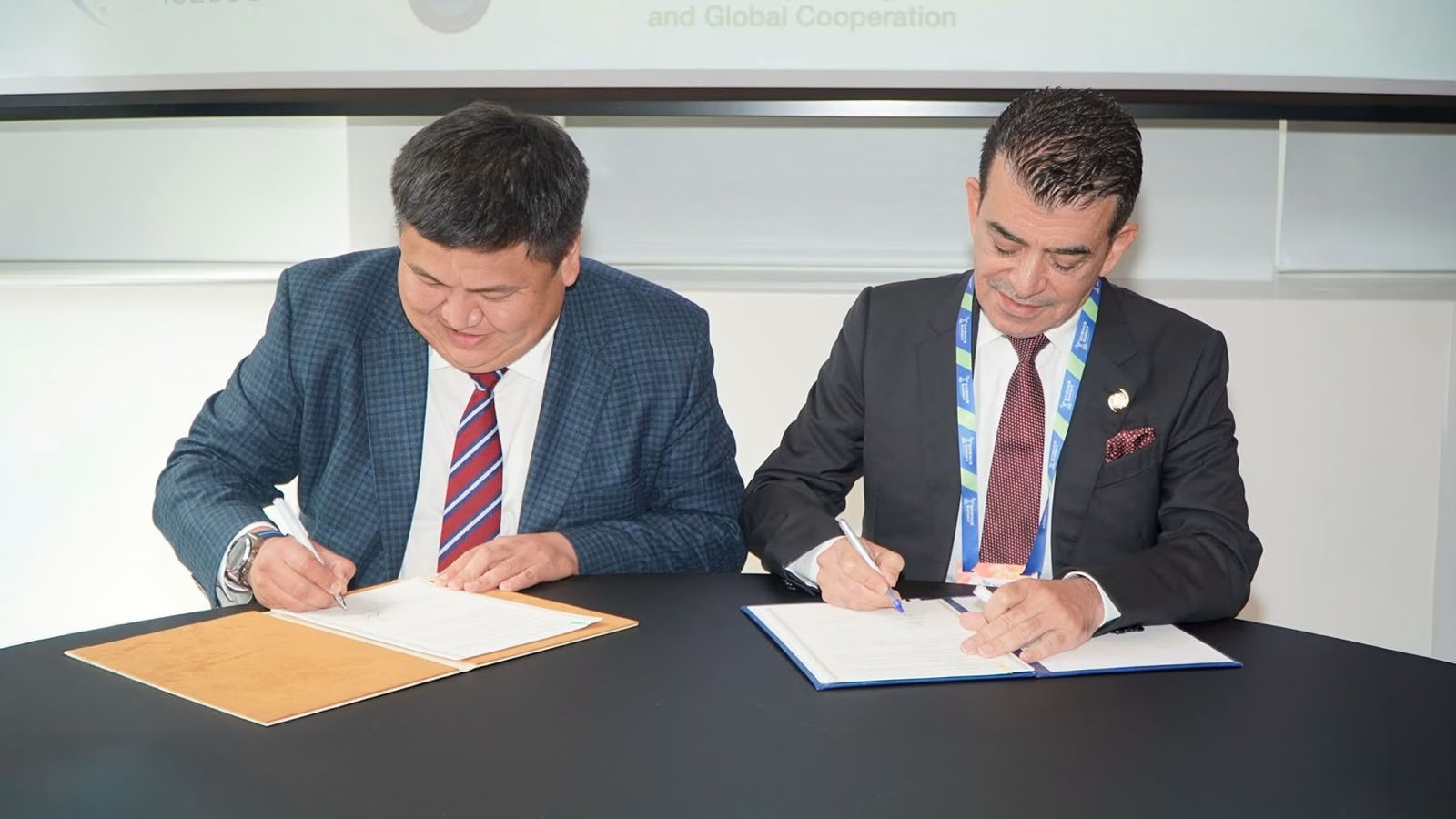
The first agreement was signed by Dr. Salim M. AlMalik, Director-General of ICESCO, and Mr. Samgat Yermekbayev, Deputy Chairman of the Board and First Vice-Rector of KazNU, on the sidelines of the High-Level Dialogue on Science Diplomacy, organized by ICESCO in partnership with the Kazakh Ministry of Science and Higher Education in New York, USA, as part of the Science Summit 2026.
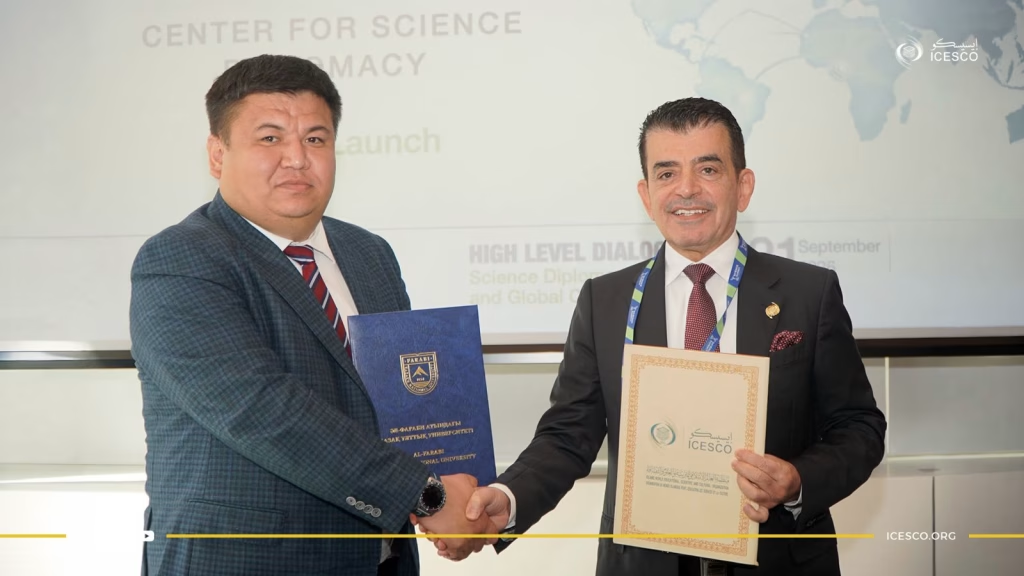
The Agreement aims to expand researchers’ access in ICESCO Member States to high-performance computing resources by leveraging the computing facilities of KazNU, as well as to build their capacities through training and joint research projects. This will contribute to narrowing disparities in computing capabilities and harnessing them for knowledge production and the development of innovative solutions.
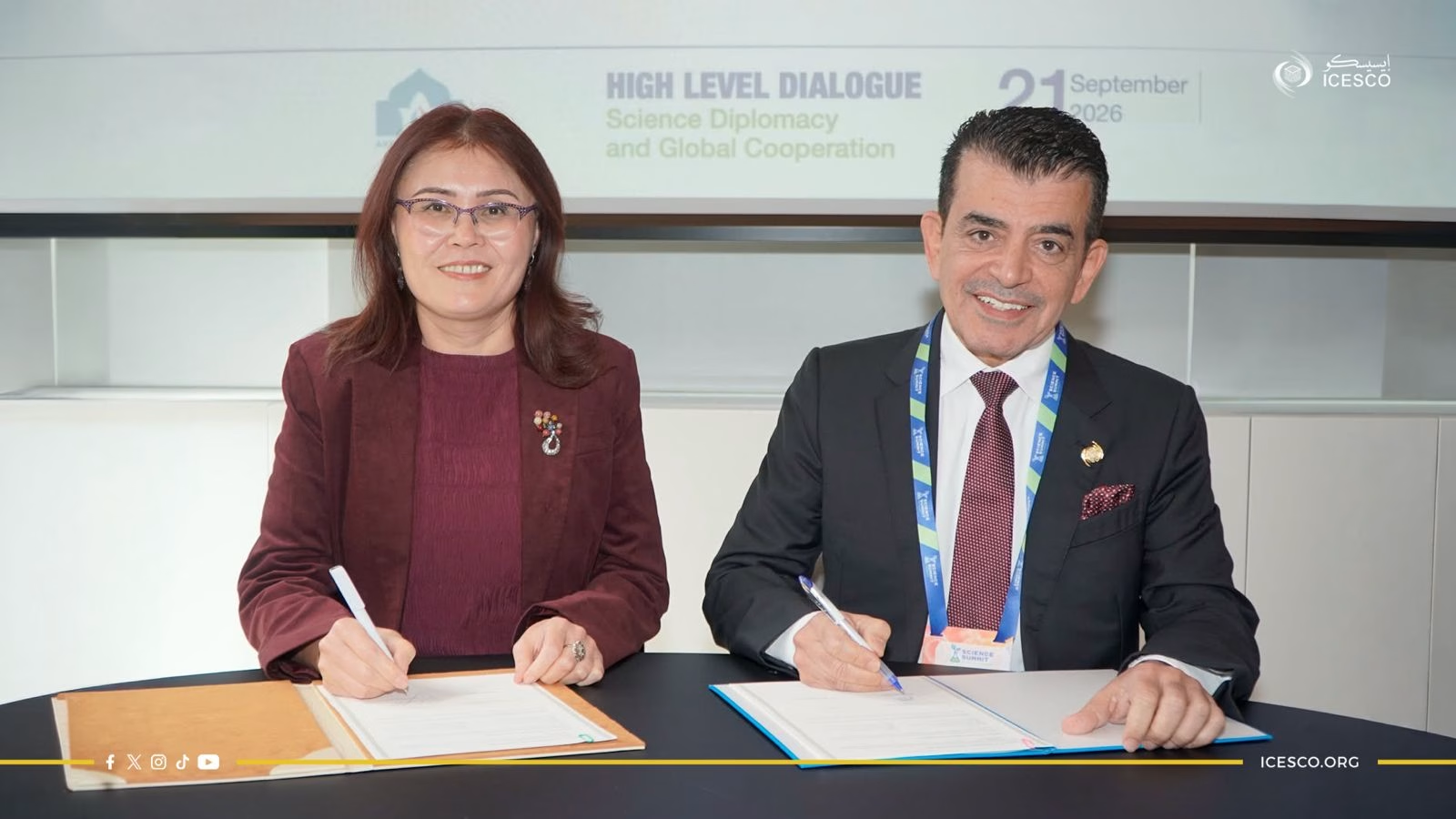
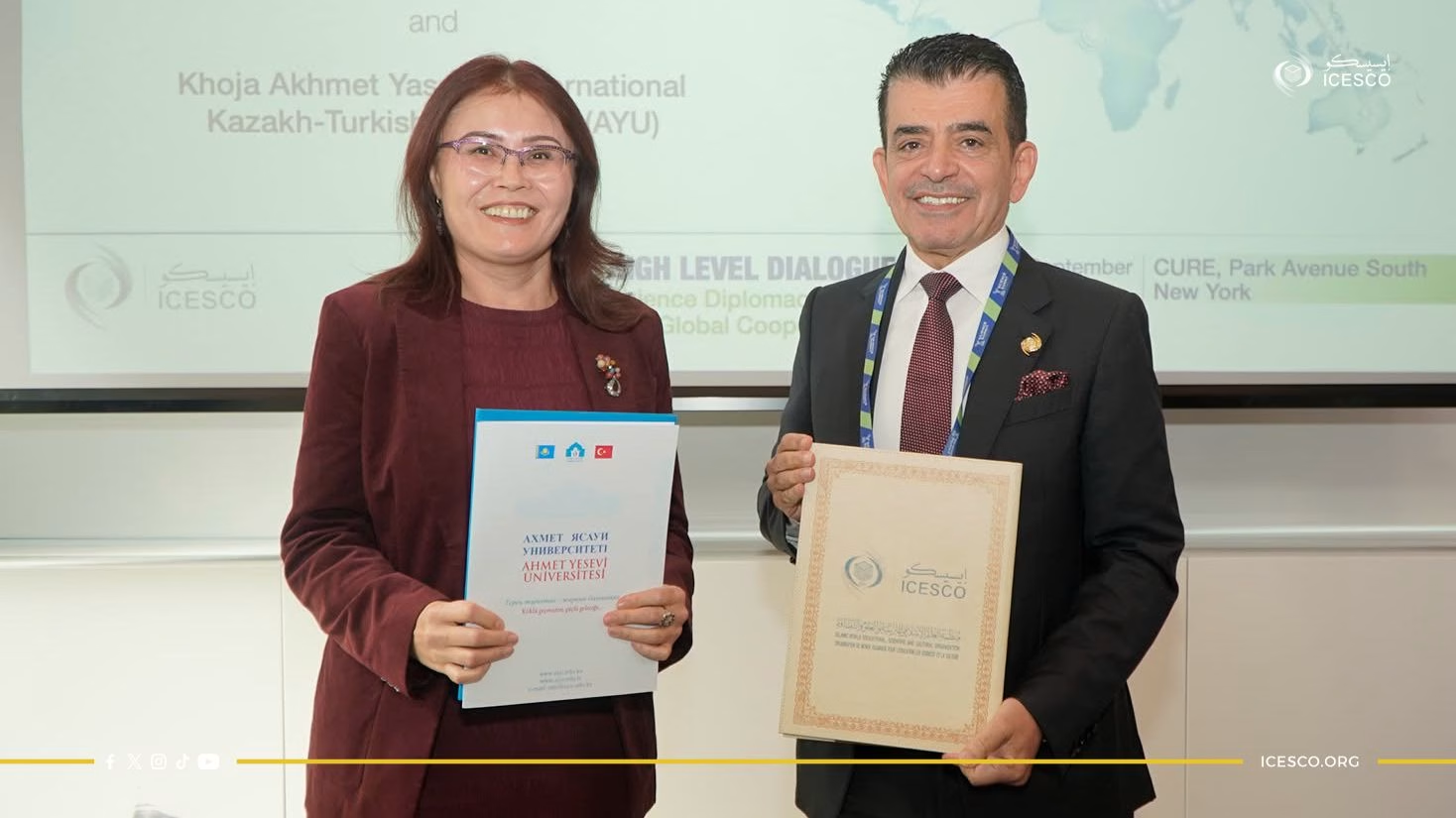
The second MoU was signed by Dr. Salim AlMalik and Dr. Zhanar Temirbekova, Rector of AYU. It focuses on advancing cooperation in science, technology, and innovation; supporting research on environmental and climate issues; developing youth capacities; and expanding opportunities for education, scholarships, and academic exchange.
The MoU also provides for cooperation in science diplomacy and peacebuilding, as well as safeguarding the heritage of the Islamic world and Turkic-speaking regions, by supporting intercultural dialogue and understanding and exchanging knowledge related to this heritage. It also enables the launch of joint initiatives linking scientific research with social responsibility and supporting the contribution of universities to preserving civilizational memory.
The two agreements offer a framework that brings together access to computing infrastructure and the development of academic partnerships, linking research and training to practical applications and expanding the participation of scientific institutions in Member States in knowledge production and its application in the service of development.


