
ICESCO, UNESCO Hold International Symposium to Mark International Day of Islamic Art

20 November 2026
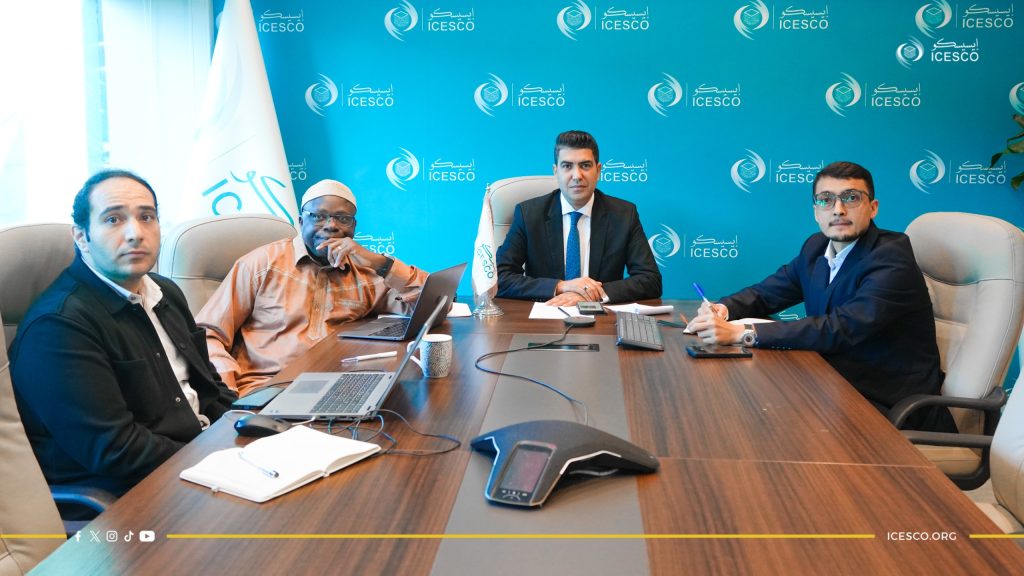
The Islamic World Educational, Scientific and Cultural Organization (ICESCO) and the United Nations Educational, Scientific and Cultural Organization (UNESCO) held an international symposium titled “Islamic Art: Rich Legacy and the Challenges of Preservation in the Contemporary Era” via videoconference on 20 November 2026. The event marked the International Day of Islamic Art and brought together officials from international organizations, university professors and experts in the art and heritage of the Islamic world.
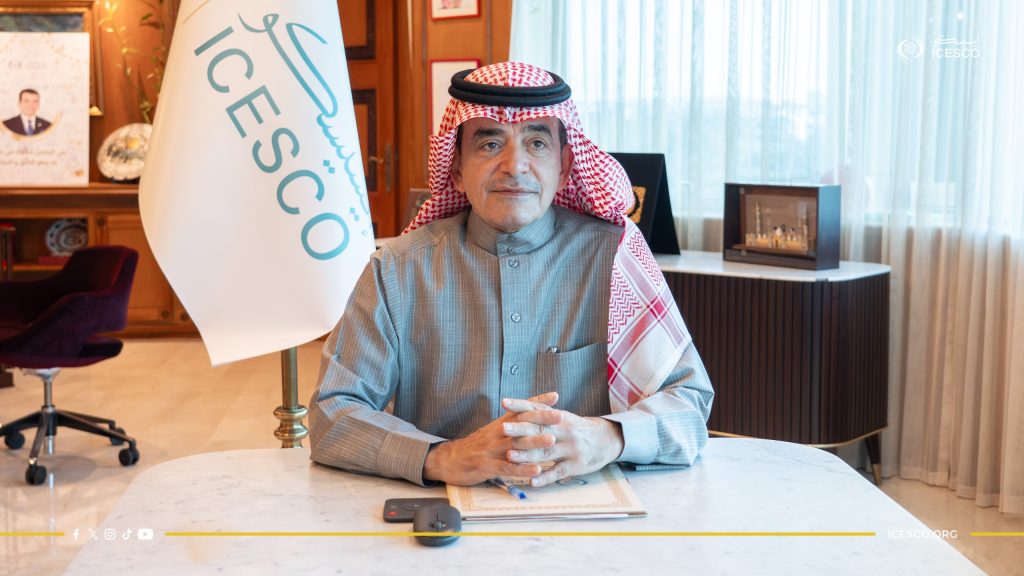
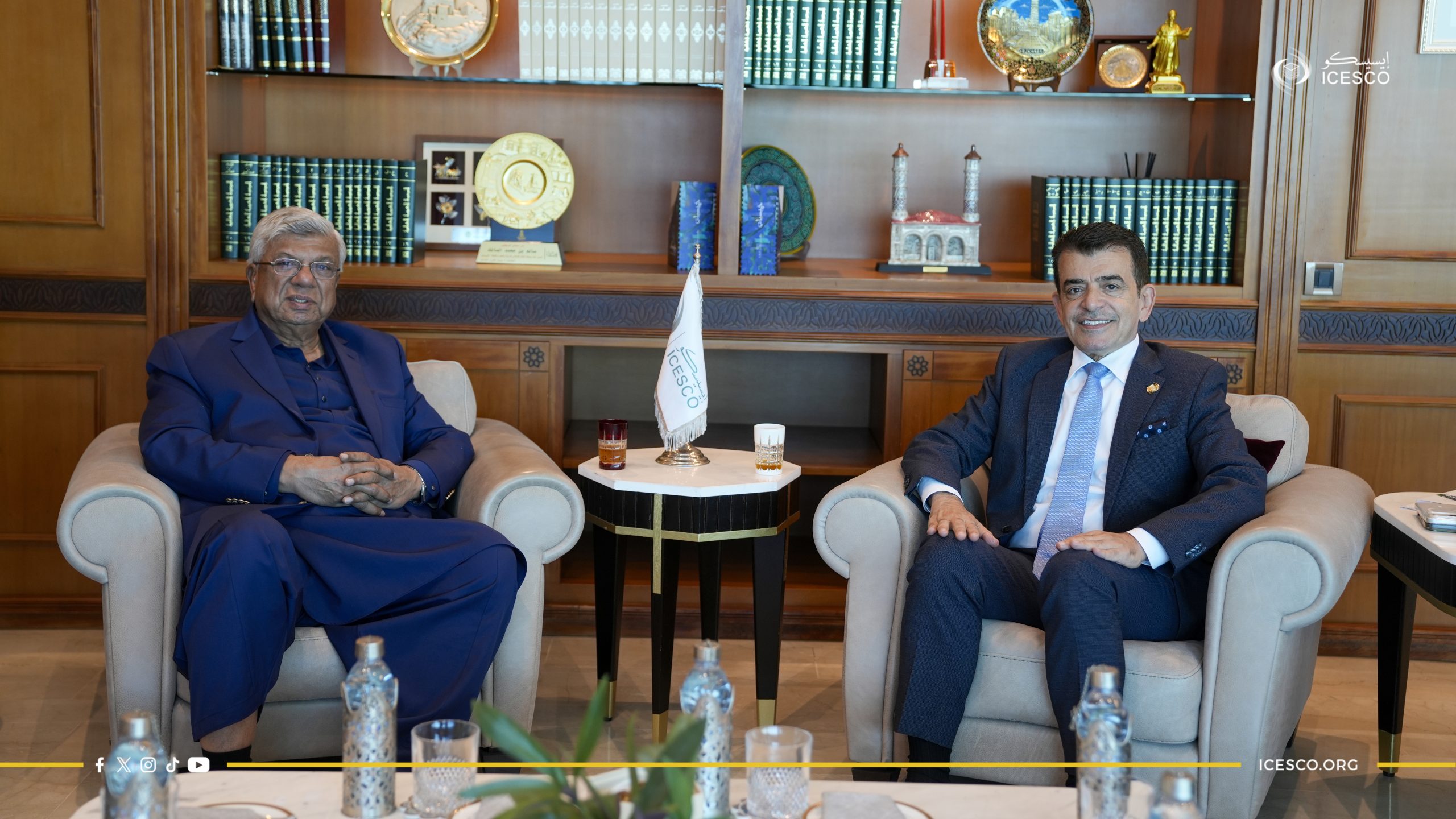
The symposium opened with remarks by Dr. Salim M. AlMalik, ICESCO Director-General, who highlighted the diversity and richness of Islamic art. He drew attention to a number of masterpieces produced by the Islamic world civilization that have inspired artists, reaffirming ICESCO’s enduring celebration of everlasting Islamic arts.
Dr. AlMalik called for supporting craftspeople and young artists across the Islamic world and providing opportunities to pass expertise from one generation to the next. He stressed the importance of restoration in preserving historic artistic works, as well as the need to support professional workshops and strengthen their technical capacities to safeguard and transmit craft skills.
In this regard, ICESCO Director-General underscored the role of digital documentation in protecting endangered heritage and making it accessible to the public. He also highlighted the contribution of the International Fair and Museum of the Prophet’s Biography and Islamic Civilization at ICESCO headquarters in Rabat, which brings visitors closer to this civilizational heritage.
Dr. AlMalik expressed his appreciation to the Kingdom of Bahrain for proposing the observance of the International Day of Islamic Art. He called on all countries to commemorate the Day by organizing workshops for young people and providing opportunities for creativity in museums.
Concluding his remarks, Dr. AlMalik highlighted ICESCO’s efforts in this field, including the memorandum of understanding signed with UNESCO in Paris in October 2026 to strengthen cooperation between the two organizations. He also noted plans for a joint international celebration in 2027 that will bring together craftspeople and researchers and enable young artists to showcase their work before an international audience.
For his part, Mr. Nayef Al-Fayez, UNESCO Assistant Director-General for Culture, stated that Islamic art bears witness to centuries of cultural and civilizational dialogue and exchange among African, Asian and Arab peoples. He emphasized that safeguarding heritage and sustaining creativity for future generations require protecting historic monuments while preserving the skills used to build them, along with the knowledge of communities and the cultural practices that give them life and meaning. He also commended ICESCO and its Director-General for their efforts to strengthen cooperation with UNESCO.
Speaking next, Mr. Essam Abdulaziz Aljassim, Chair of the Arab Group and Permanent Delegate of the Kingdom of Bahrain to UNESCO, said that Islamic art has enriched human civilization and underscored the Arab region’s role in the emergence and flourishing of this heritage. He added that Islamic art faces growing challenges that require concerted international action to protect it and ensure its sustainability as an enduring civilizational message.
Following the opening session, moderated by Ms. Somia Djacta, Head of the ICESCO Office, ICESCO Permanent Delegate to UNESCO, the first academic session began under the moderation of Mr. Rasul Samadov, Culture Programme Officer at the UNESCO Regional Office for the Gulf States and Yemen. Dr. Naima Benkari, Associate Professor of Islamic Art, Architecture and Urbanism at Qatar’s Hamad Bin Khalifa University, delivered a presentation titled “Islamic Art: Cultural, Historical and Civilizational Significance,” while historian and author Dr. Abdul Rahman Azzam presented “Safeguarding Islamic Arts: Reference Frameworks, International Cooperation and Practical Measures.”
A second academic session followed, moderated by Dr. Bilel Chebbi, Programme Manager at ICESCO’s Heritage Center in the Islamic World. It featured two presentations. The first, “Islamic Art: Preservation, Scientific Research and Digital Access,” was delivered by Dr. Heba Aziz, UNESCO Chair on World Heritage Management and Sustainable Tourism in the Arab Region. The second, “Reviving Islamic Art: Contemporary Initiatives, Innovation and Creative Practices,” was delivered by Dr. Habibollah Saliev, Professor of Arabic Calligraphy and Heritage Restoration.