
ICESCO Organizes Lectures and Meetings to Support Arabic Language Education in Thailand and Cambodia

28 July 2026
The Islamic World Educational, Scientific and Cultural Organization (ICESCO) held two activities geared towards promoting the role of the Arabic language in a number of Asian countries from 24-26 July 2026. The ICESCO Center for Arabic for Non-Arabic Speakers, in cooperation with Krirk University in Bangkok, Thailand, organized an academic lecture titled, “The Arabic Language in the Digital Age: Transforming Learning and Advancing Education Toward the Future.”
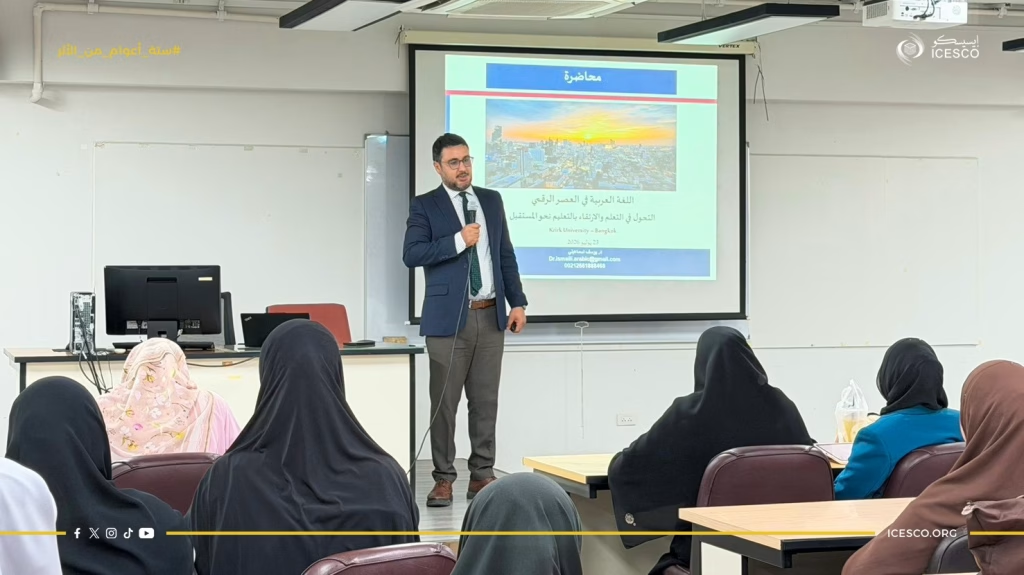
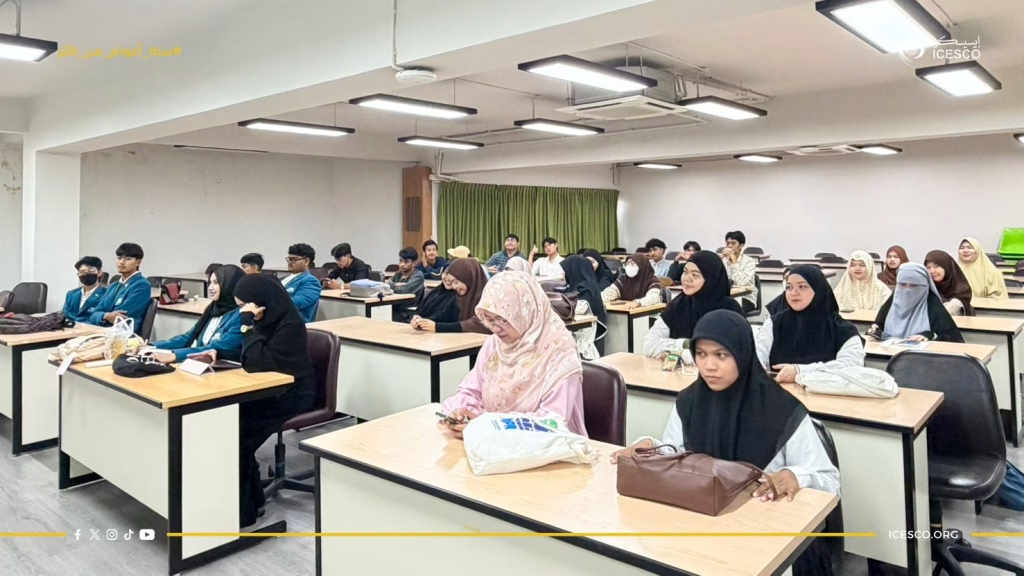
The lecture, attended by fifty university professors, researchers, and master’s and PhD students from Malaysia, Indonesia, Thailand, China, and Cambodia, was delivered by Dr. Youssef Ismaili, Head of the Language Training Division at the Center. During the lecture, Dr. Ismaili highlighted the rapid transformations in the field of language education in the wake of the digital revolution, reviewing the opportunities offered by artificial intelligence in advancing Arabic language education for non-Arabic speakers through the design of more interactive learning environments, producing innovative digital content, and developing assessment methods. He stated that such measures can contribute to improving the quality of learning and enhancing language acquisition skills in line with the latest educational trends.
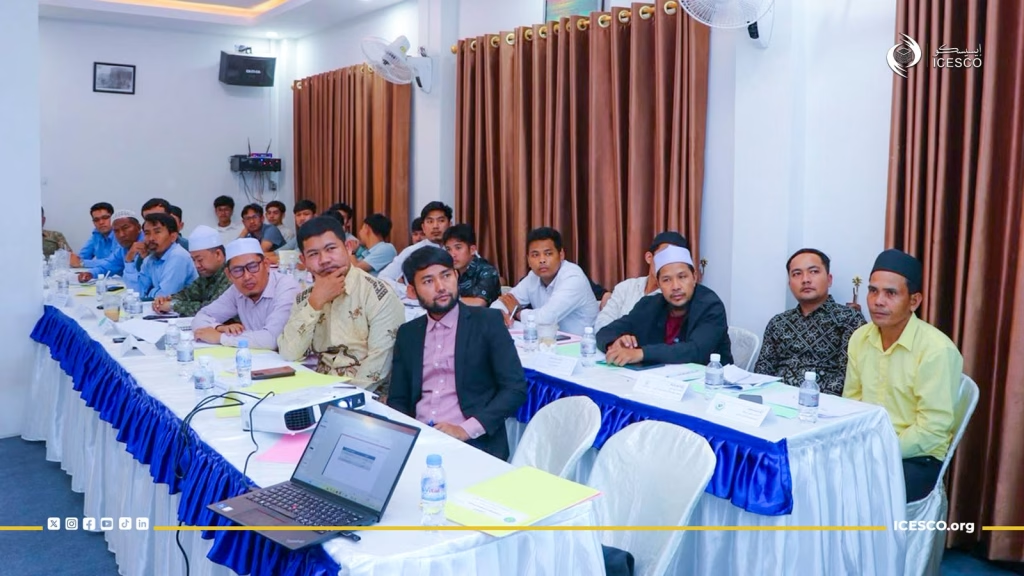
The Center also held a roundtable discussion in Kampot on “Improving the Quality of Arabic Language Education in Cambodia: Toward a Higher-Quality and More Sustainable Educational System,” in collaboration with the ASEAN Foundation for Education and Development in Cambodia.
Dr. Ismaili moderated a number of academic sessions as part of the roundtable, which resulted in a set of recommendations. These include highlighting the need to develop a vision for improving the Arabic language education system in Cambodia, identifying priorities for teacher training, and strengthening cooperation between ICESCO and Cambodian universities and educational institutions. They also include building a network for communication and expertise exchange, launching joint initiatives to develop curricula and educational resources, and capitalizing on modern technologies to support the educational process.