
ICESCO Launches Youth Climate Leaders Initiative at COP31 in Antalya

14 November 2026
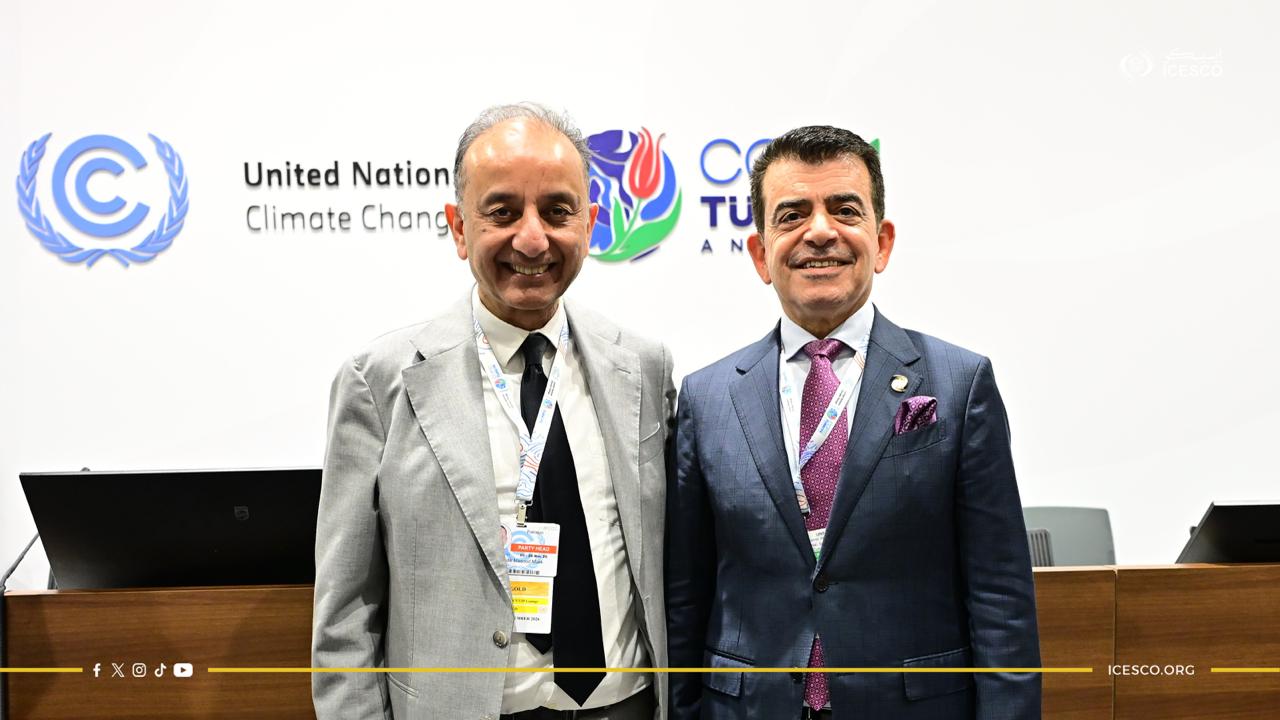
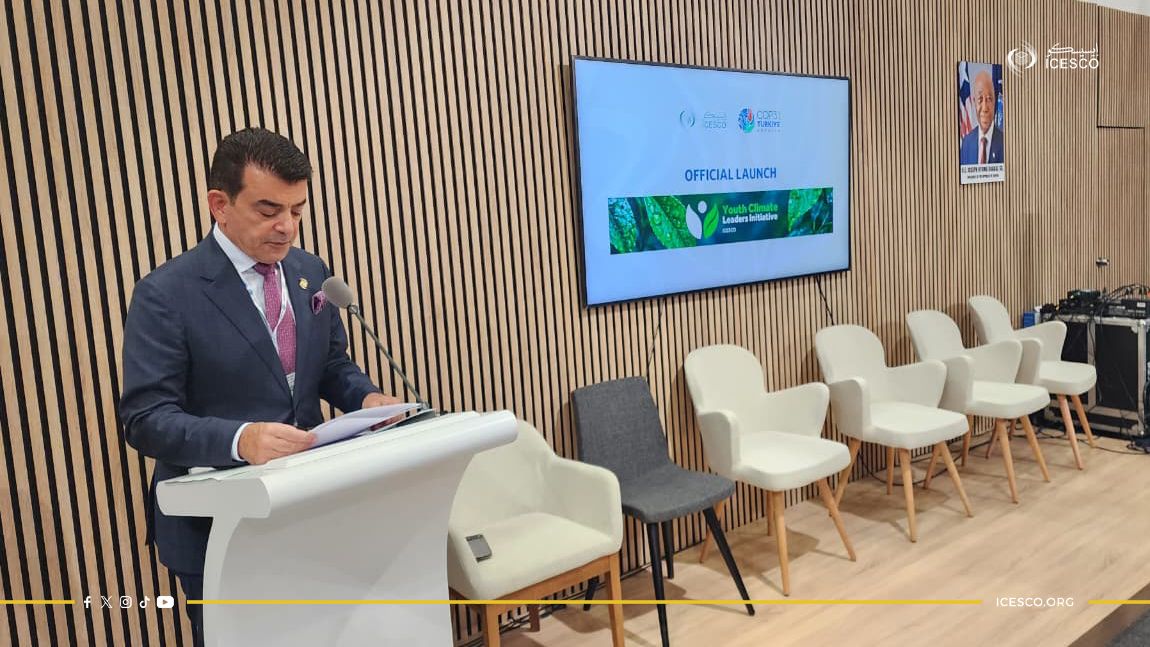
Dr. Salim M. AlMalik, Director-General of the Islamic World Educational, Scientific and Cultural Organization (ICESCO), announced the launch of the “ICESCO Youth Climate Leaders Initiative,” which aims to train and develop the skills of a new generation of young leaders capable of contributing to climate action and environmental sustainability.
The initiative adopts a three-pronged approach to empower youth: training to build knowledge, leadership, and practical skills; networking to foster peer connections; and advocacy to create opportunities for environmental dialogue.
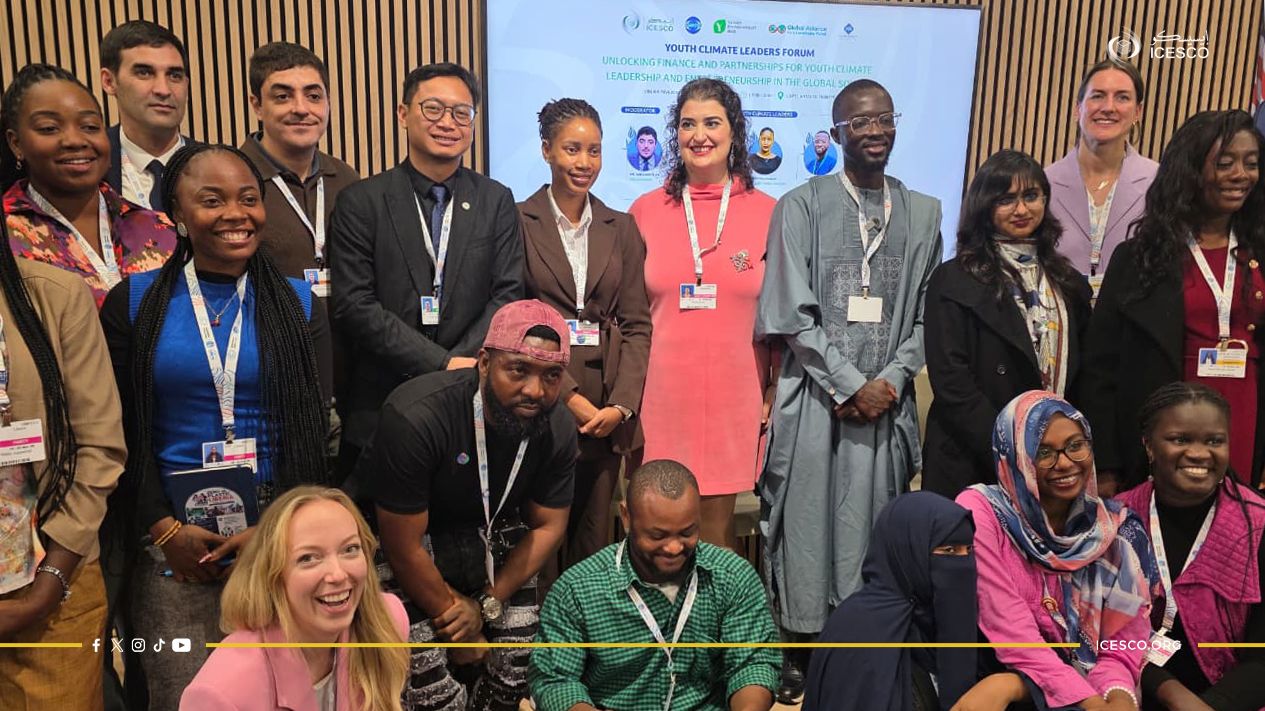
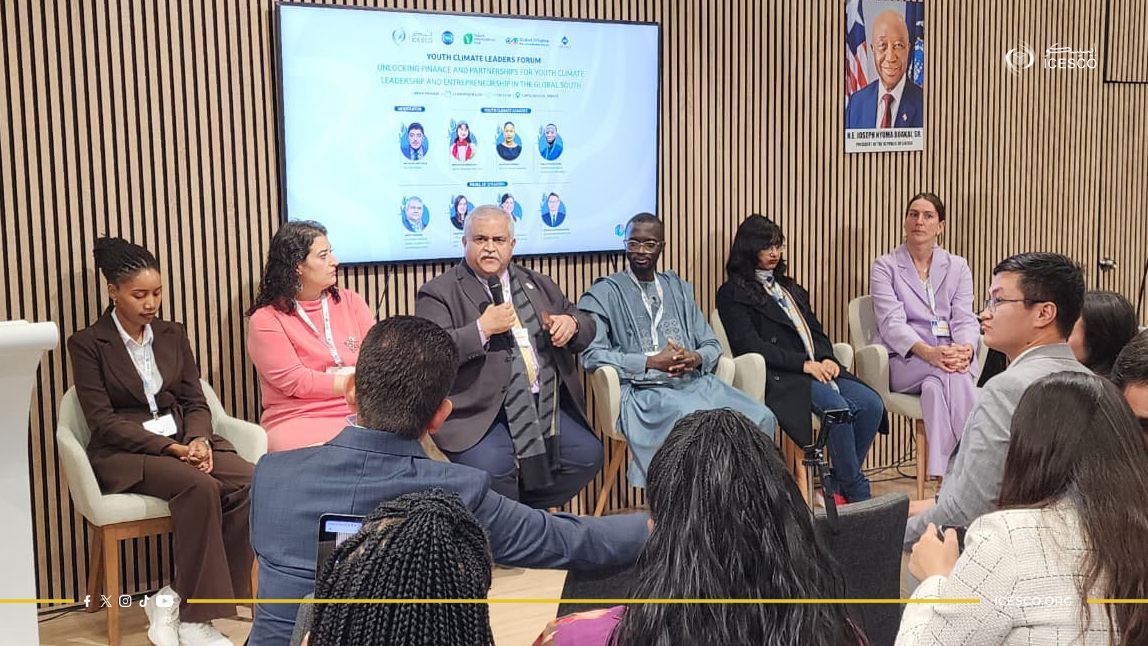
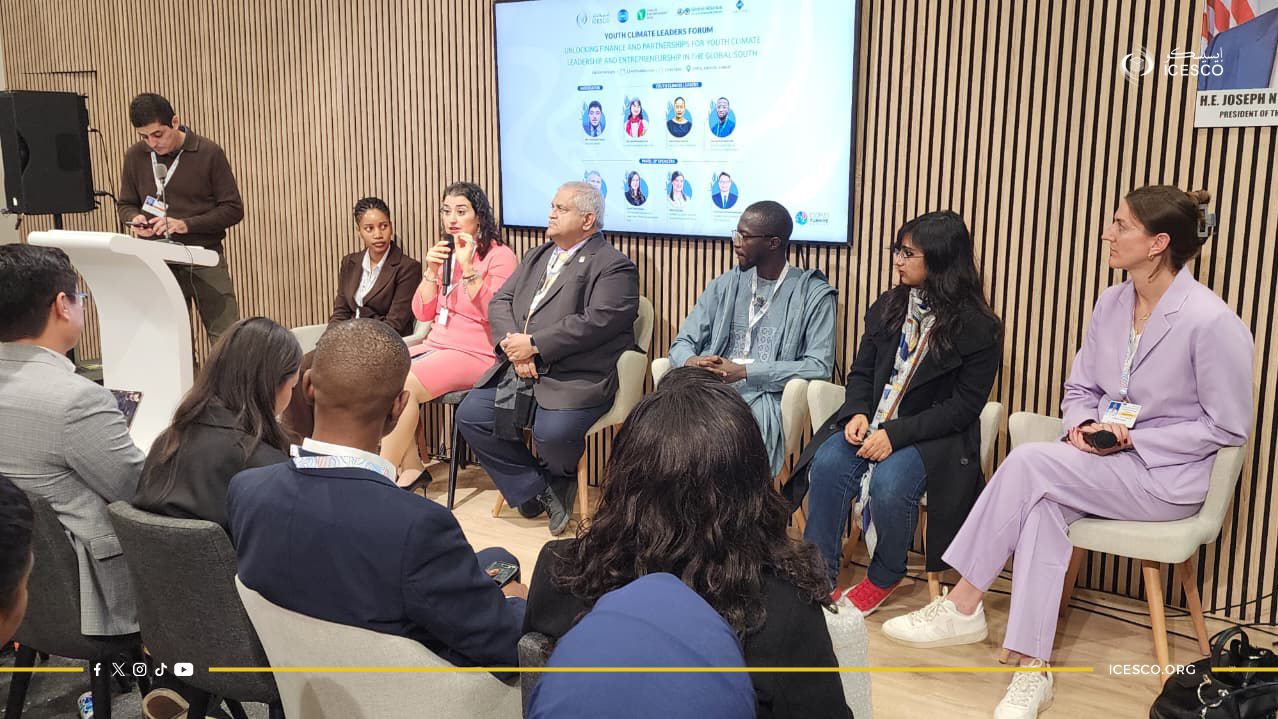
The announcement came during the ICESCO Youth Climate Leaders Forum, themed “From Local Solutions Scale: Unlocking Finance and Partnerships for Youth Climate Leadership and Entrepreneurship in the Global South.” ICESCO organized the Forum on Friday, 13 November 2026, in partnership with the Commission on Science and Technology for Sustainable Development in the South (COMSATS), the Yunus Environment Hub, the AOB Group, and the Global Alliance for a Sustainable Planet: (GASP), as part of the 31st United Nations Climate Change Conference (COP31) in Antalya, Türkiye.
Dr. AlMalik opened his address by calling on youth to help shape solutions to the climate crisis that will define their future. He underscored ICESCO’s belief that youth have a leading role to play in climate action, noting that the Organization has developed several initiatives and programs that place youth issues at the heart of its priorities.
Foremost among these are the proclamation of 2023 as the “ICESCO Year of Youth” and the launch of the “ICESCO Leadership Training in Peace and Security Program,” which brings together 227 Peace Ambassadors from more than 60 countries. He also recalled ICESCO’s announcement during COP29 that the young Peace Ambassadors would serve as Environmental Ambassadors, reflecting the close link between peace and environmental sustainability.
Moreover, Dr. AlMalik stressed that a peaceful future depends on protecting the planet’s natural resources. Achieving this requires climate leadership built on awareness, practical skills, adequate funding, and stronger partnerships. This support is especially critical for young people in the Global South, who often lack the technical expertise and institutional backing needed to develop innovative solutions to climate change.
In his closing remarks, Dr. AlMalik reaffirmed ICESCO’s commitment to equipping young people with the training and leadership skills needed to turn knowledge into action, transform bold ideas into viable ventures, and scale local solutions. He also called on governments, international organizations, universities, and the private sector to partner with the ICESCO Youth Climate Leaders Initiative and invest directly in youth-led projects.