
ICESCO Celebrates the Richness and Diversity of Traditional National Attire Across the Islamic World

12 June 2026
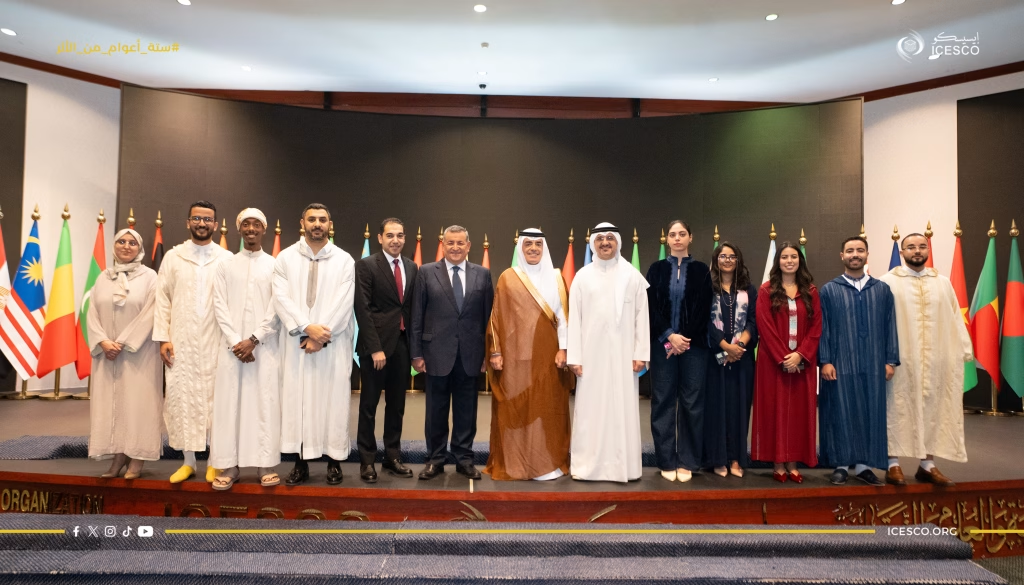
The Directorate General of the Islamic World Educational, Scientific and Cultural Organization (ICESCO) organized a celebratory day dedicated to traditional national attire in its Member States, in an initiative reflecting pride in cultural heritage and shared civilizational identity. The event featured a wide variety of traditional garments in a vivid display that showcased the richness and diversity of cultural heritage across the Islamic world and highlighted the historical, symbolic, and aesthetic significance embodied in national dress.
During the celebration, Dr. Salim M. AlMalik, Director-General of ICESCO, emphasized that this initiative reflects the richness of cultural diversity in the Islamic world and underscores the important place occupied by traditional attire as a component of national identity and a means of expressing the distinctive civilizational characteristics of peoples.
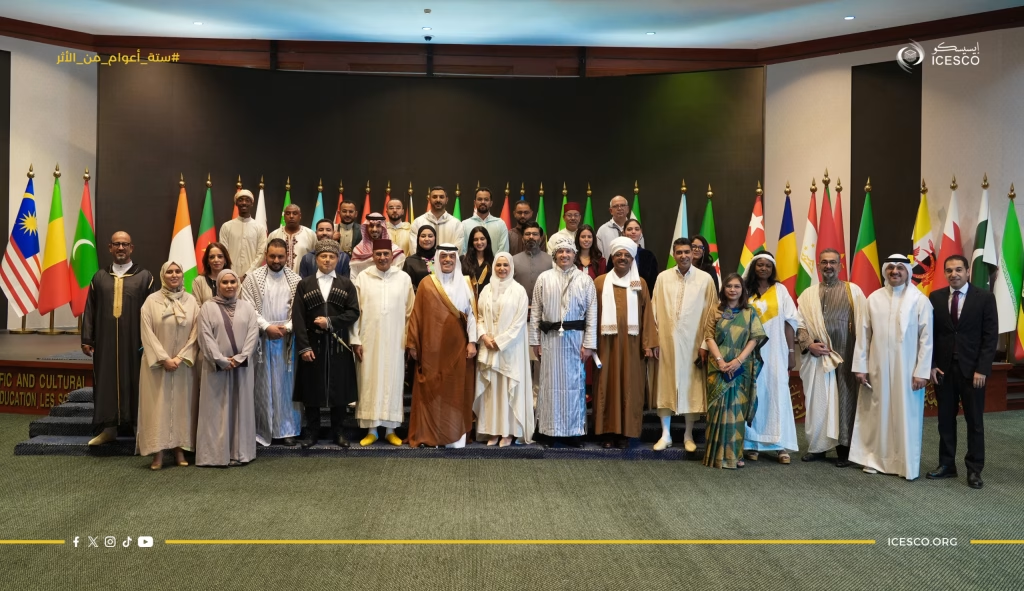
Dr. AlMalik noted that over the past six years, the Organization has worked to attract the largest possible number of qualified professionals from its Member States, and that ICESCO’s staff now represent more than 40 countries from within and beyond the Islamic world, which was visibly reflected in this celebration.
ICESCO has designated Friday of every week as National Dress Day, with the aim of strengthening pride in cultural identity and showcasing the civilizational diversity that characterizes its Member States.
Through such initiatives, ICESCO remains committed to safeguarding tangible and intangible cultural heritage and promoting awareness of its importance in reinforcing a sense of belonging and pride in identity, in line with its mission to support cultural diversity and encourage civilizational dialogue among Member States.