
ICESCO Explores Theory of Medina Calligraphy in Its Series of Conferences on Calligraphy and Manuscripts
21 May 2026
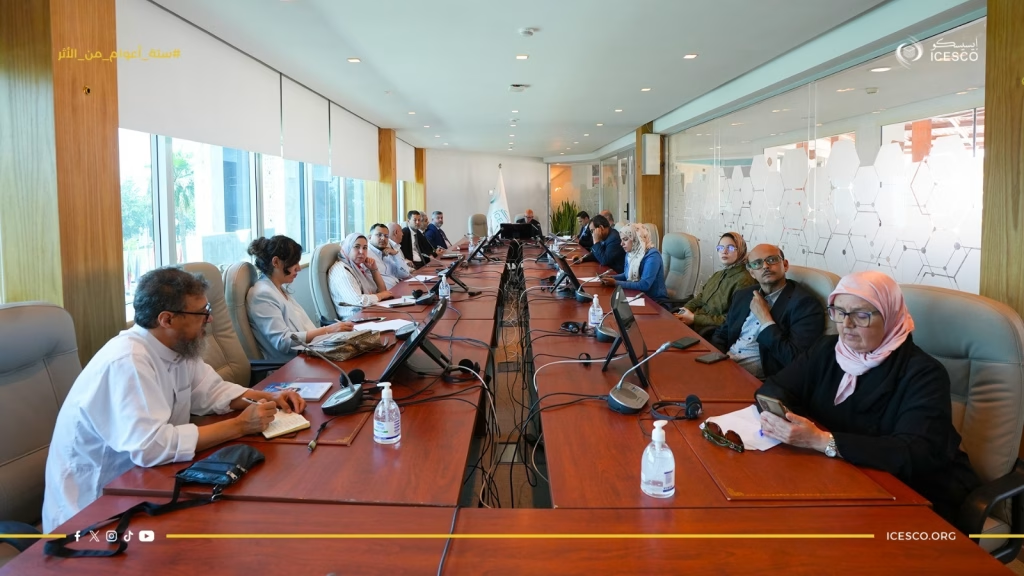
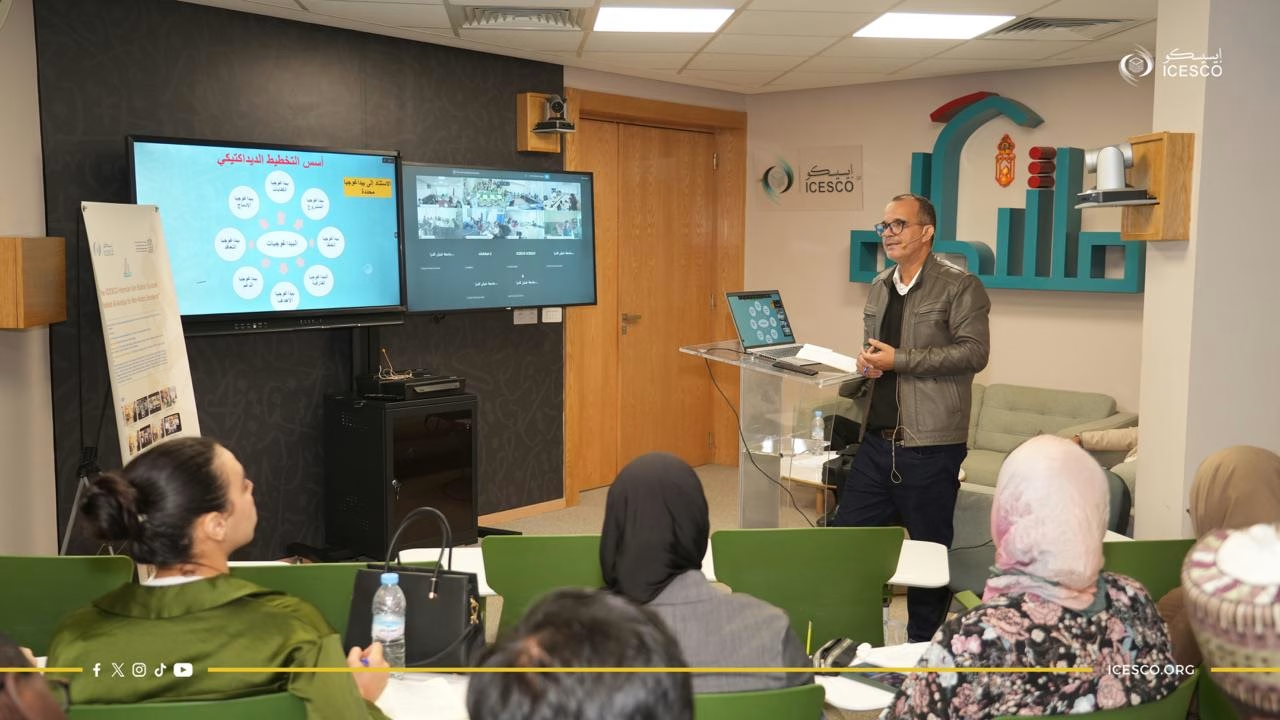
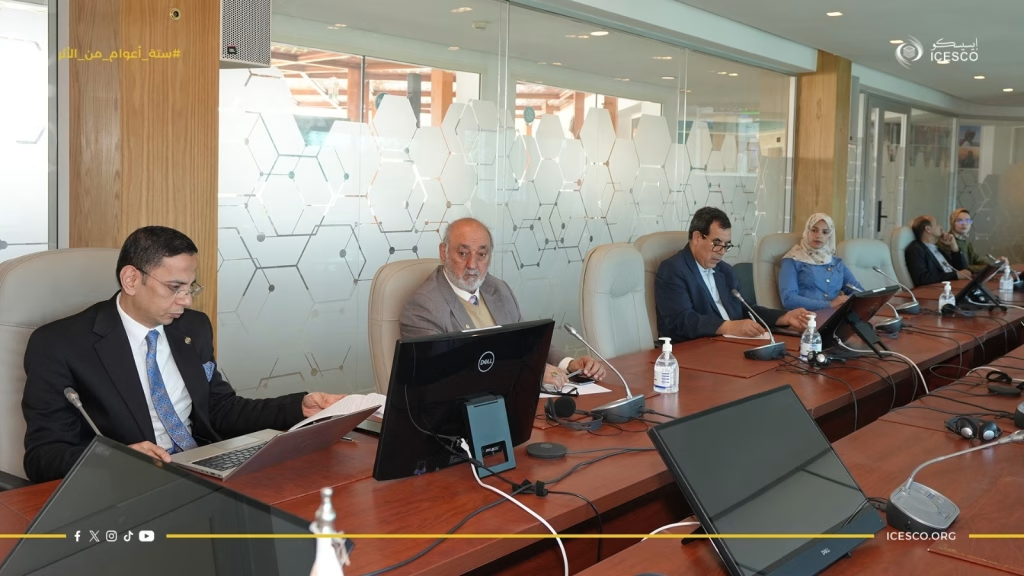
The Islamic World Educational, Scientific and Cultural Organization (ICESCO) held the second conference in its “Conferences on Calligraphy and Manuscripts in the Islamic World” series. The conference was held in person and via videoconference at the initiative of the Center for Calligraphy and Manuscripts under the theme: “The Theory of Calligraphy in Medina: A Study on the Origins of Arabic Calligraphy,” presented by Dr. Idham Hanash, Director of the Center.
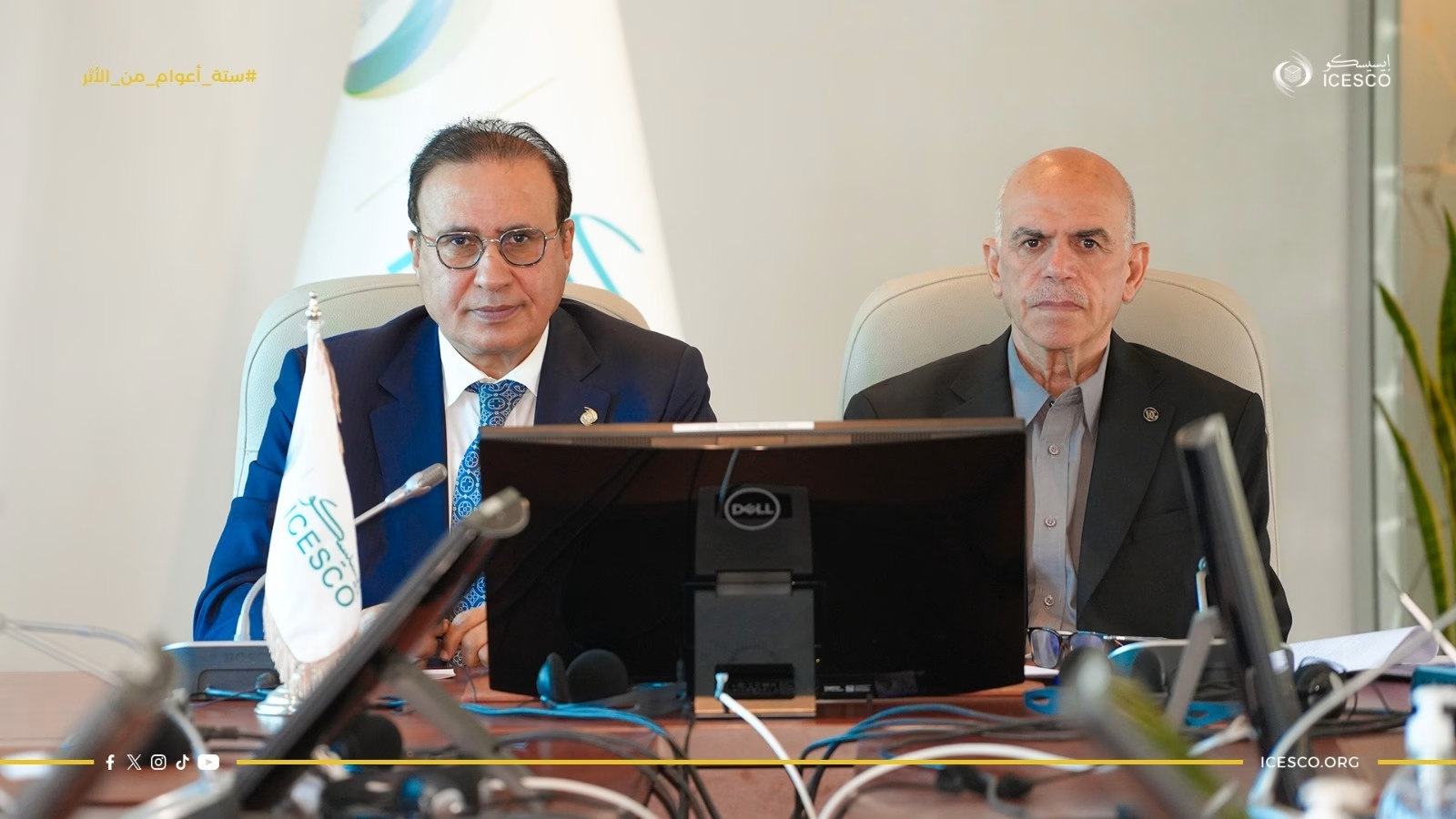
The conference was held on Wednesday, 20 May 2026, at the Organization’s headquarters in Rabat. Dr. Abdelilah Benarafa, ICESCO’s Deputy Director-General, who delivered a welcome speech, emphasized the importance of this scientific series for advancing research on Arabic calligraphy and manuscripts and strengthening academic discourse on their position in Islamic civilization.
In his lecture, Dr. Hanash presented “Medinan Calligraphy” as a decisive moment in the development of Arabic calligraphy, as reflected in the Uthmanic Codex (Mushaf of Uthman). He noted that Medinan calligraphy did not derive from or draw inspiration from earlier calligraphic styles such as Musnad, Nabataean, or Syriac. Dr. Hanash explained that this theory identifies Medina as the true cradle of Islamic Arabic calligraphy and is based on a purely aesthetic and artistic approach, as opposed to other theories.
Dr. Hanash also reviewed issues related to the evolution of Arabic calligraphy and its aesthetic characteristics. He emphasized its deep connection to the Quranic text and Islamic cultural identity. He also noted the artistic and scientific dimensions that calligraphy has acquired over time, making it one of the most striking expressions of creativity in Islamic culture.
Dr. Ahmed Abdelbaset, expert at the Center for Calligraphy and Manuscripts, moderated the conference, which addressed themes related to Arabic calligraphy as a representation of writing and language, an art form, and a science with its own body of knowledge, principles, and theories. The conference also reviewed various theories on the origins of Arabic calligraphy and the transformations it has undergone in terms of form and structure throughout the ages.