
ICESCO Launches New Measurement Tool for Cultural and Creative Industries in the Islamic World

10 June 2026
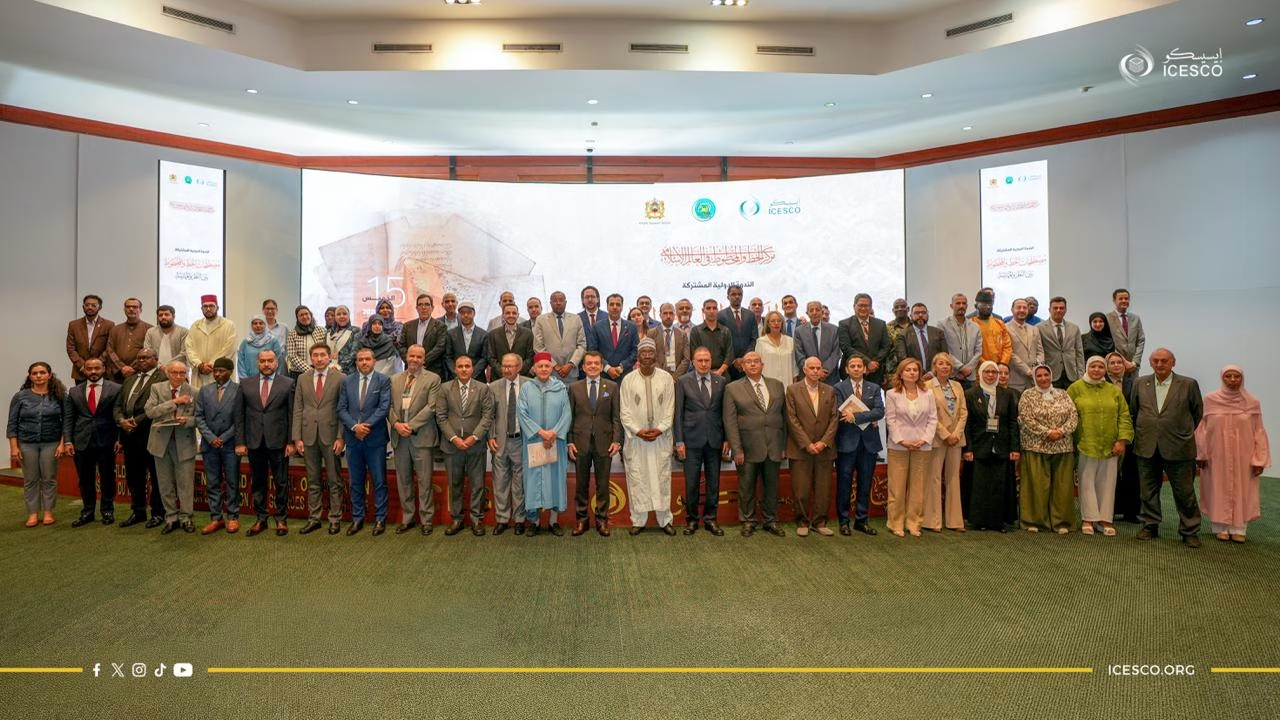
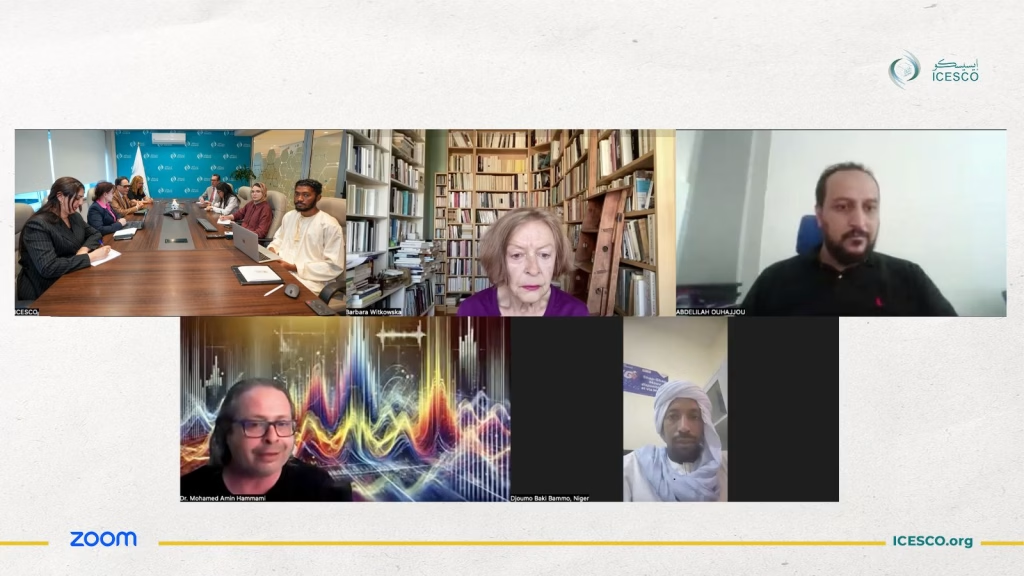
The Islamic World Educational, Scientific and Cultural Organization (ICESCO) launched a new measurement tool aimed at supporting cultural and creative industries in its Member States during a training workshop entitled “ICESCO Index for Cultural and Creative Technologies.” The workshop was held in a hybrid format at ICESCO headquarters in Rabat, with over 190 participants from 23 countries, including researchers, experts, representatives of National Commissions, Ministries of Culture, and creative institutions.
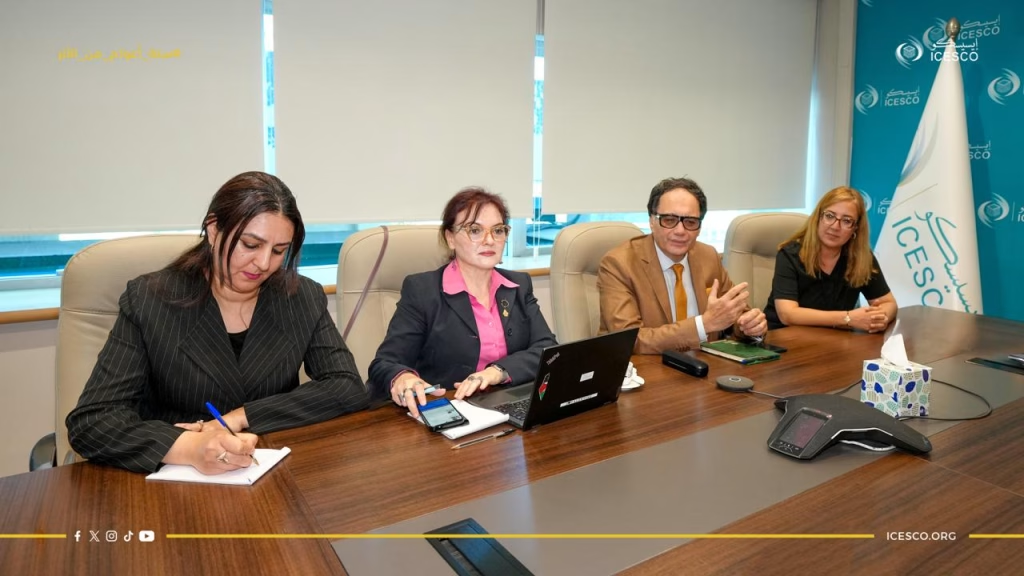
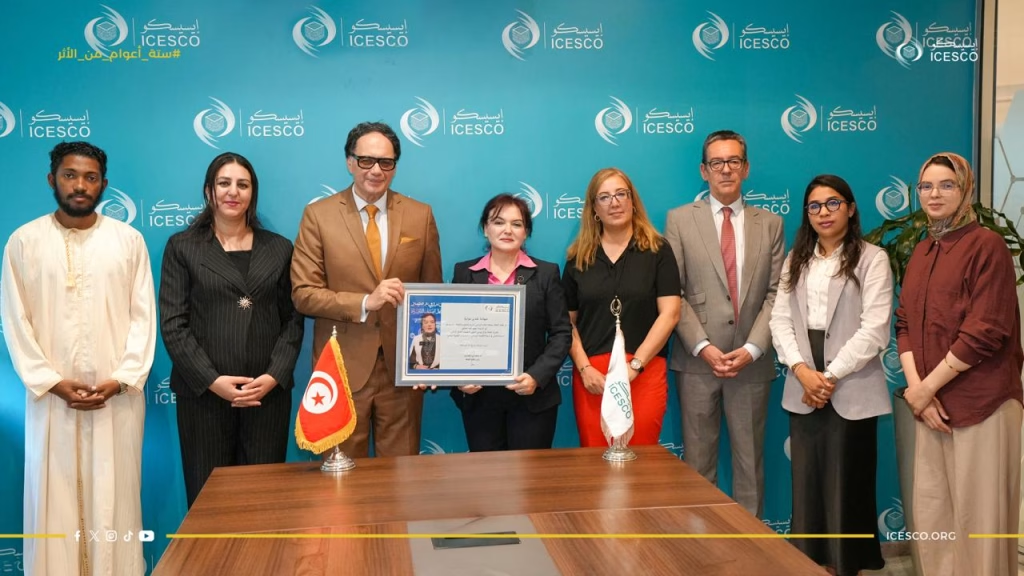
In his opening remarks at the workshop, attended by Ms. Raja Youssefi, Chargé d’Affaires at the Embassy of Tunisia in Rabat, Dr. Mohamed Zinelabidine, Head of the Culture Sector at ICESCO, stressed that cultural and creative technologies have become a strategic driver of sustainable development and innovation. He emphasized the importance of developing reliable indicators to support the formulation of data-driven cultural policies and noted that the launch of the index forms part of the series “ICESCO: Leadership in New Cultural Policies 2021–2029.”
Subsequently, Ms. Saloua Abdelkhalek, Director-General of the International Tunisian Center for Digital Cultural Economy, delivered a presentation on the Center’s role in supporting innovative initiatives in cultural and creative industries, highlighting the growing impact of digital tools in advancing cultural ecosystems across the Islamic world.
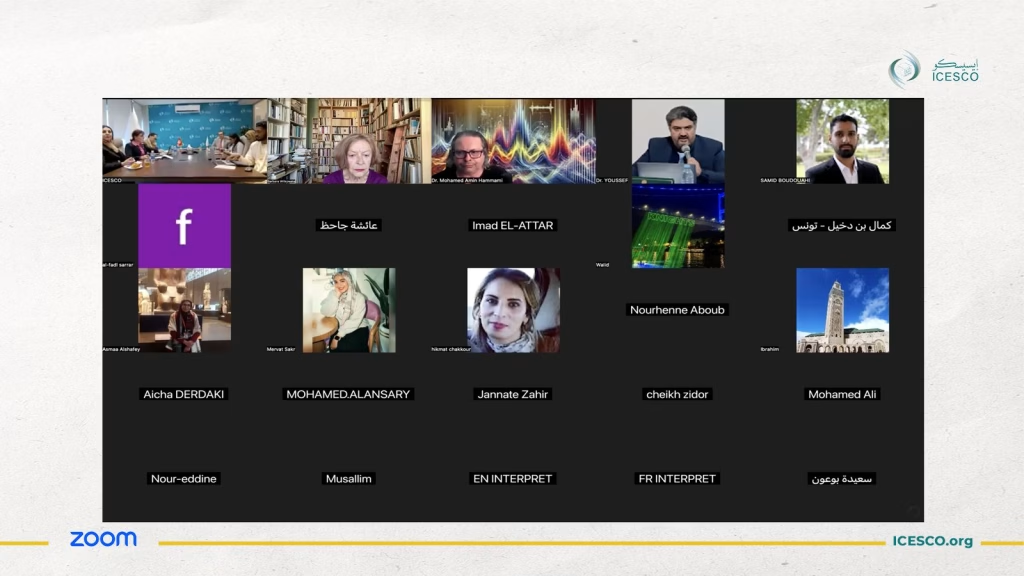
For his part, Dr. Mohamed Amine Hammami, artist and international expert in digital creativity and digital culture, presented the structure of the new index, explaining that it is built around 47 indicators distributed across nine pillars: digital innovation, skills, infrastructure, the market, regulatory framework, audience engagement, sustainability, data and artificial intelligence, as well as cooperation and partnerships.