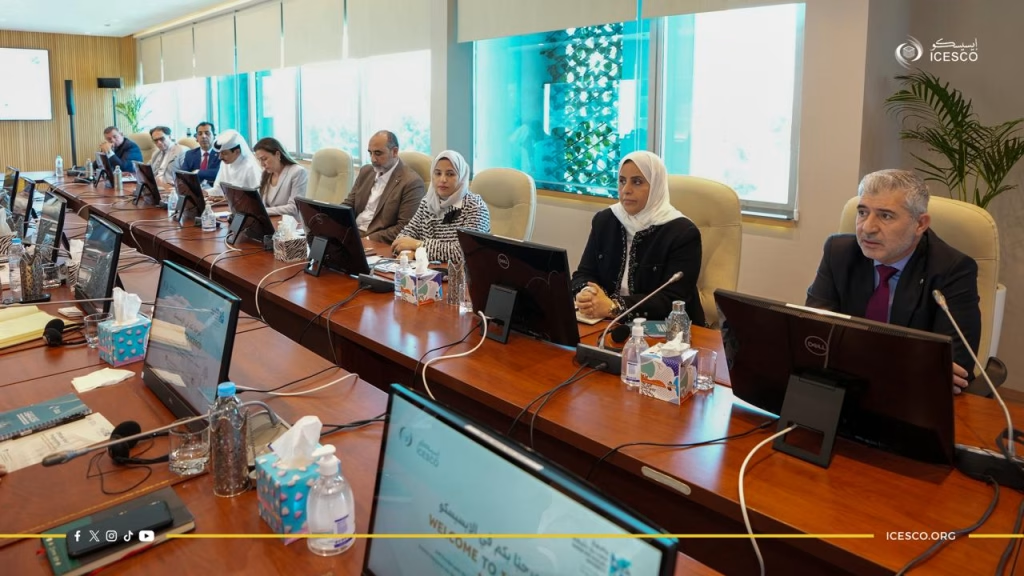

ICESCO and Hamad Bin Khalifa University Explore Ways to Enhance Cooperation in Education, Artificial Intelligence and the Arabic Language

3 September 2026
Dr. Salim M. AlMalik, Director-General of the Islamic World Educational, Scientific and Cultural Organization (ICESCO), received Dr. Ahmad M. Hasnah, President of Hamad Bin Khalifa University (HBKU), and the accompanying delegation on Thursday, 3 September 2026, at ICESCO Headquarters in Rabat. The meeting explored prospects for cooperation between ICESCO and HBKU, which is a member of Qatar Foundation for Education, Science and Community Development, in the areas of youth capacity building, education development, leveraging artificial intelligence, and enhancing the global presence of the Arabic language.
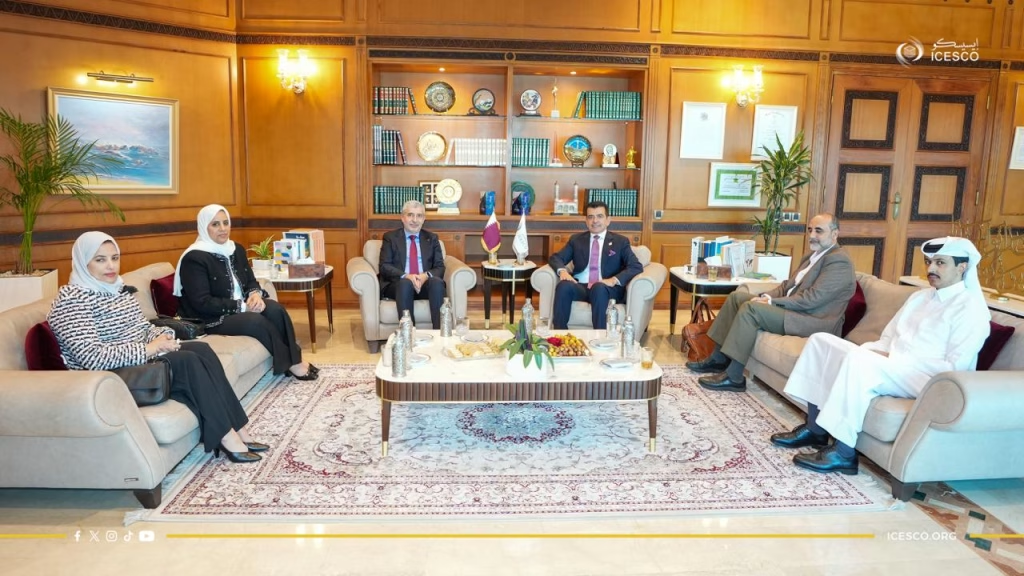
During the meeting, Dr. AlMalik commended the close partnership between ICESCO and the State of Qatar, as well as its various institutions and bodies. This partnership has resulted in the development and implementation of several pioneering initiatives and programs, foremost among them the ICESCO Regional Educational Center in Chad, which works to promote the Arabic language.
The ICESCO Director-General also praised the contributions of Qatar Foundation, noting that, under the wise leadership of Her Highness Sheikha Moza bint Nasser, Chairperson of the Foundation, it has become one of the international institutions of which the Islamic world is proud, owing to its pioneering roles in the fields of education, research, innovation, community development, and human capital development.
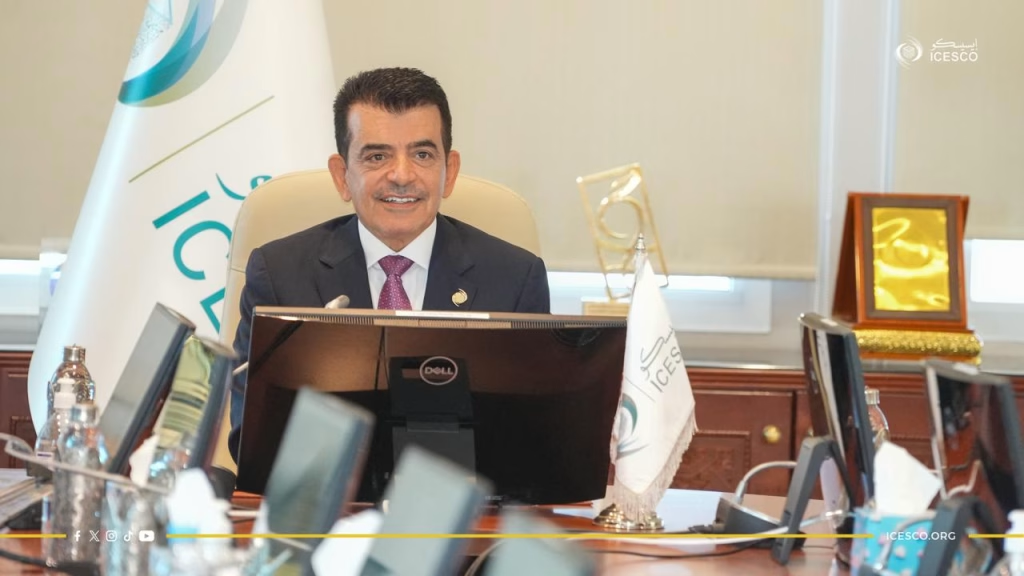
Dr. AlMalik highlighted the Organization’s investment, as part of its vision and strategic orientations, in women’s capacity building by developing women’s skills and educating girls, in addition to its commitment to attracting qualified women to assume leadership positions within the Organization. He also reviewed ICESCO’s efforts to promote foresight and scientific research, as well as cooperation with universities and research institutions.
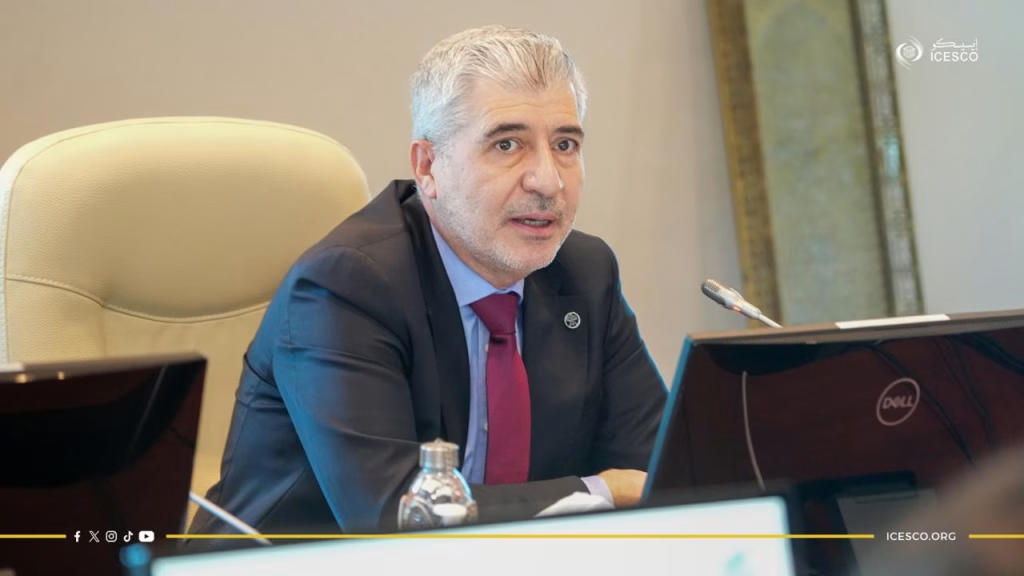
Dr. AlMalik reaffirmed the paramount importance that ICESCO attaches to heritage protection by inscribing cultural elements and historical sites on its Islamic World Heritage List and assisting its Member States in inscribing their archaeological sites on the World Heritage List.
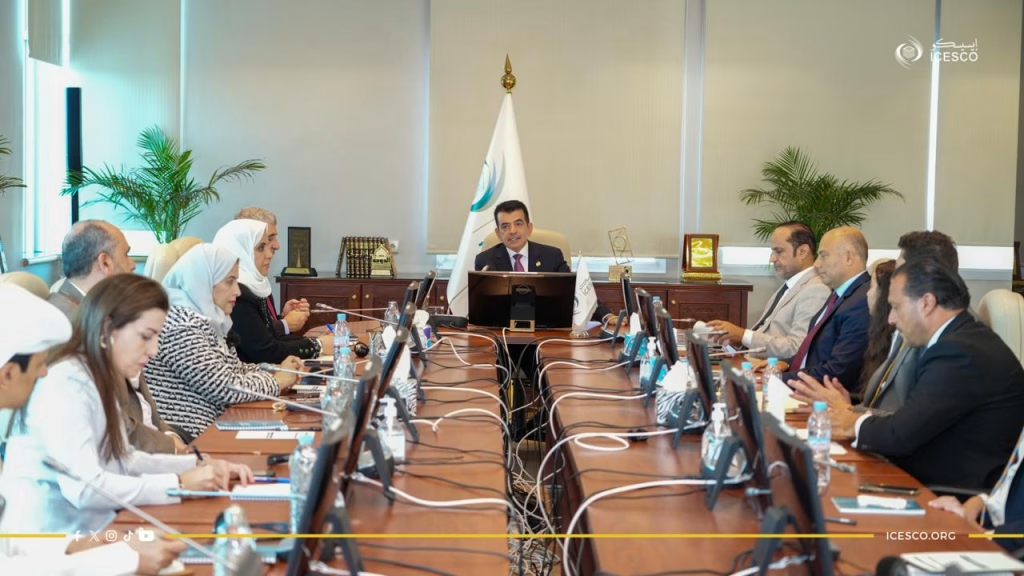
For his part, Dr. Hasnah commended the qualitative transformation ICESCO has undergone in recent years. He noted that today’s meeting was held at the direction of Her Highness Sheikha Moza bint Nasser and comes as part of HBKU’s commitment to cooperation with ICESCO, particularly in developing a program to promote artificial intelligence ethics in line with Arab and Islamic values and culture, as well as in building youth capacities.
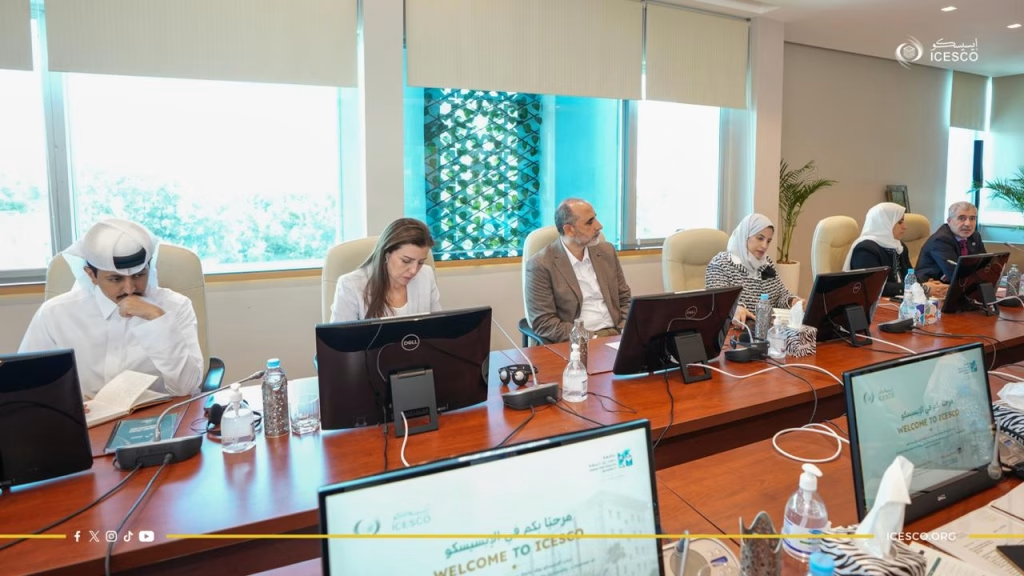
The President of HBKU also stressed that the reluctance of Arab and Islamic societies to engage with Arabic-language content calls for the joint development and implementation of activities and projects aimed at encouraging writing, publishing and reading in Arabic, as well as establishing local knowledge banks.
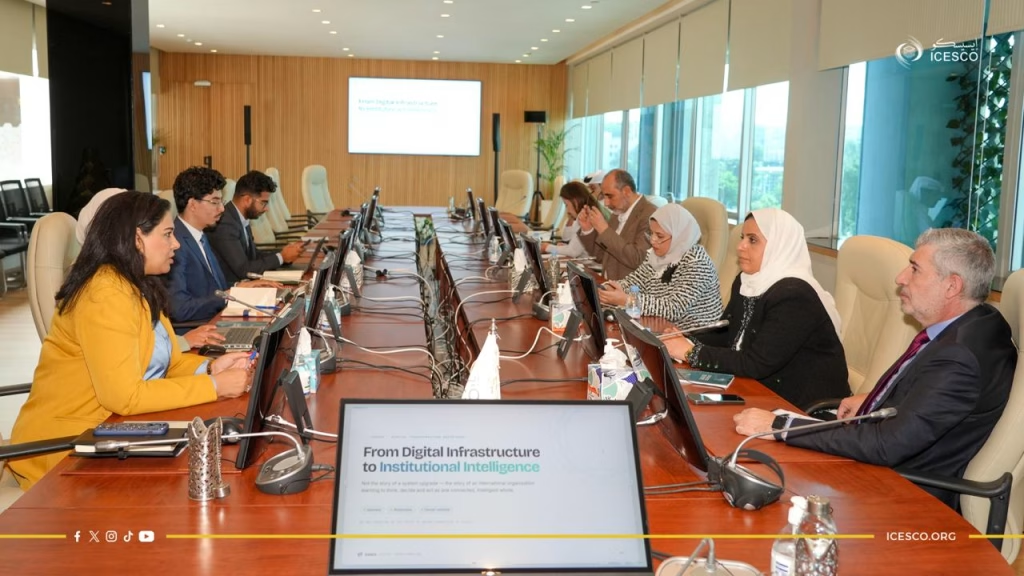
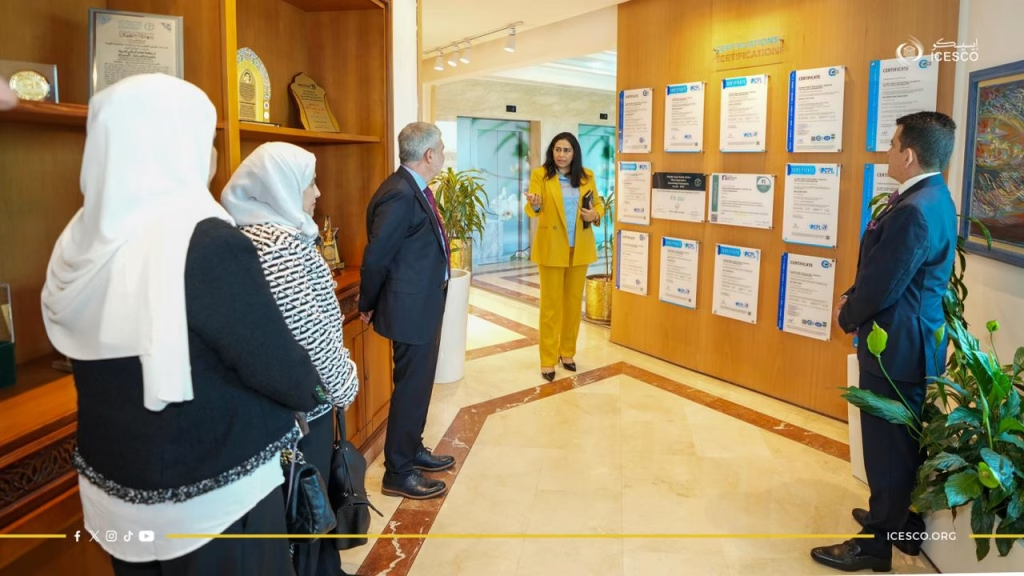
Following the meeting, the University delegation held separate meetings with several heads of Sectors, Departments, and Centers at ICESCO, during which the Organization’s initiatives and activities were presented, and a number of programs proposed for implementation in the coming period were discussed.
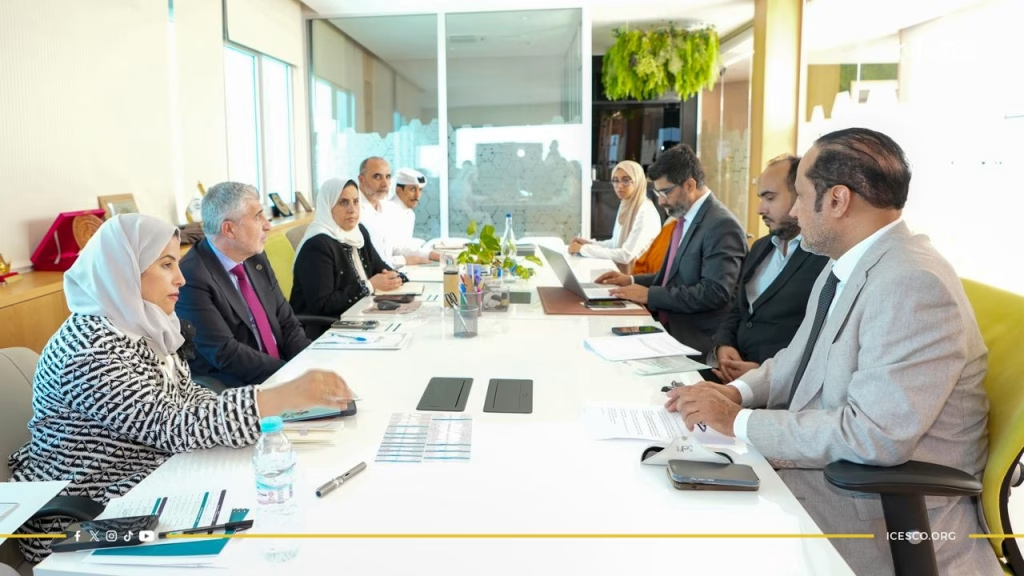
The delegation included Ms. Abeer Al Khalifa, President of Pre-University Education; Sheikha Noof Al Thani, Vice President of Strategic Educational Initiatives at Pre-University Education; Dr. Mohammed Ghaly, Head of the Research Center for Islamic Legislation & Ethics (CILE); Mr. Yousuf AlKhulaifi, Manager of PUE President’s Office; and Ms. Lilit Ohennisian, Projects Lead at HBKU.