
Kazan Federal University Celebrates Dr. Salim AlMalik’s Poetry Collection “Khamissiyat”

13 May 2026
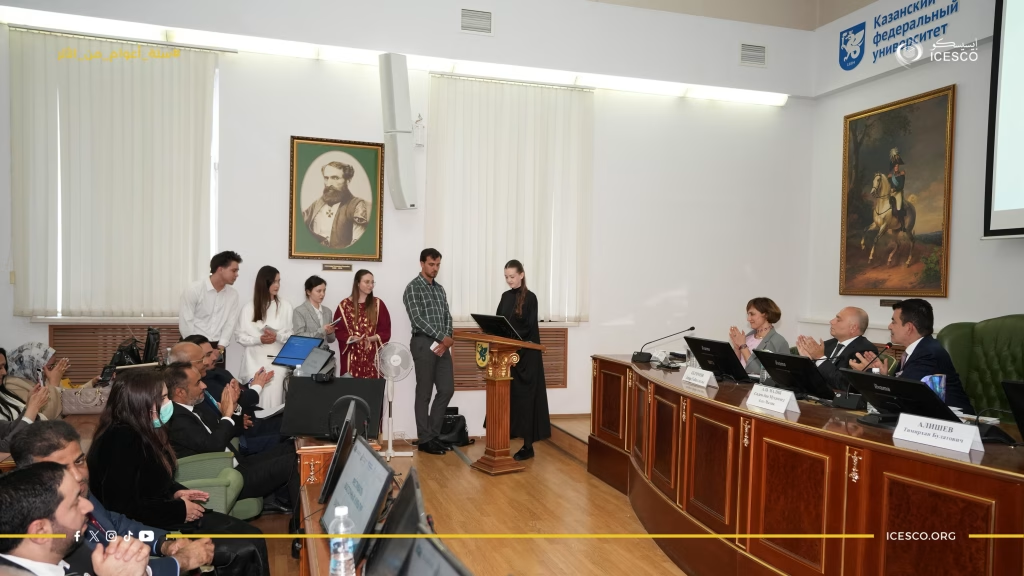
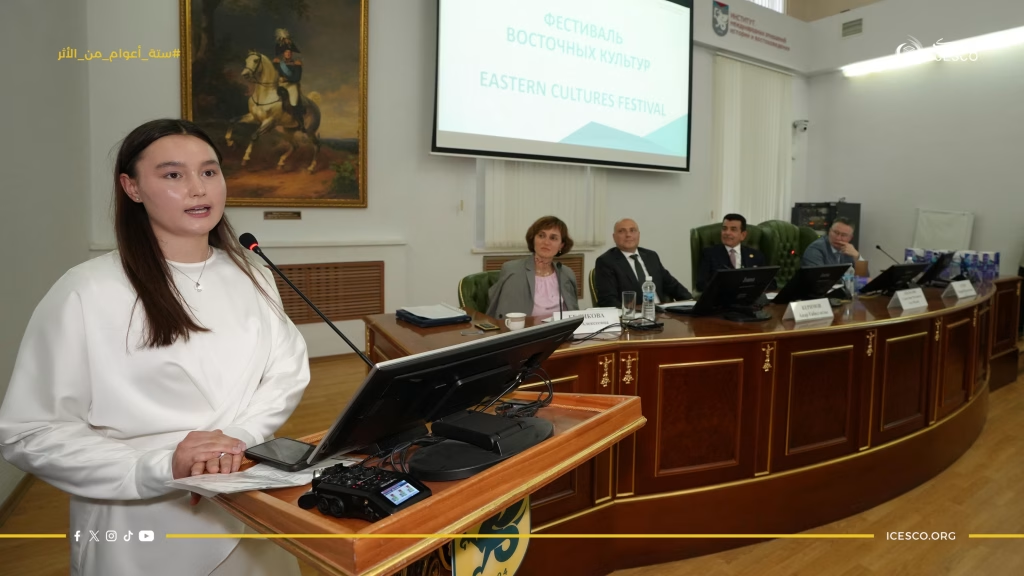
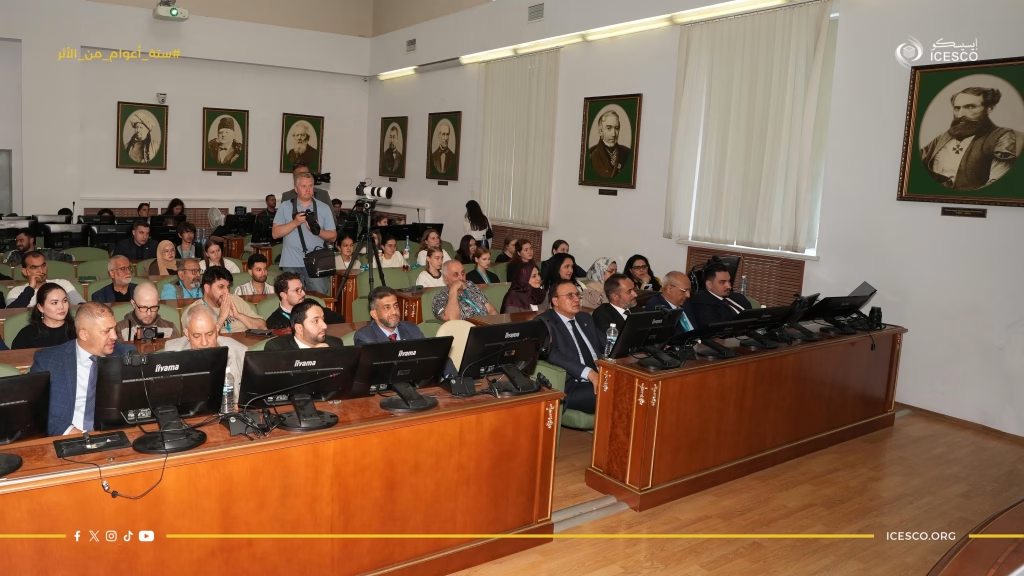
Kazan Federal University in the Republic of Tatarstan of the Russian Federation hosted a cultural seminar dedicated to “Khamissiyat”, the poetry collection of Dr. Salim M. AlMalik, Director-General of the Islamic World Educational, Scientific and Cultural Organization (ICESCO), on Tuesday, 12 May 2026. The event was attended by Dr. Murat Gatin, Assistant to the Rais of the Republic of Tatarstan and Deputy Chairman of the “Russia – Islamic World” Strategic Vision Group, along with university officials, academics, researchers, students, and individuals interested in cultural affairs.
During the seminar, Dr. AlMalik presented his vision of poetry as a space for contemplation and a medium for shaping meaning, considering that measured verse remains capable of consolidating values and cultivating a refined taste. He further emphasized that literary creativity constitutes a complementary dimension to cultural and intellectual work in a rapidly changing world.
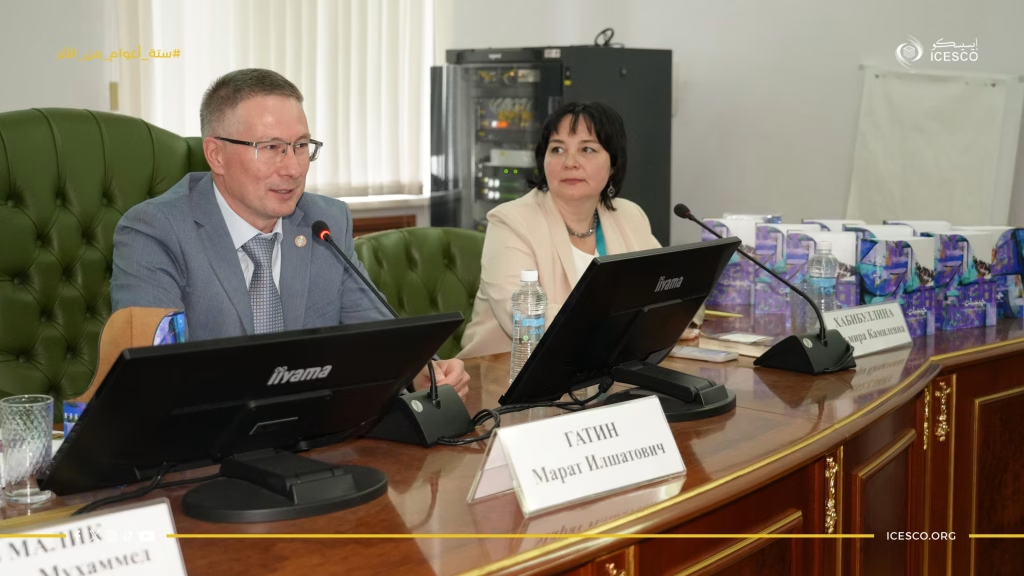
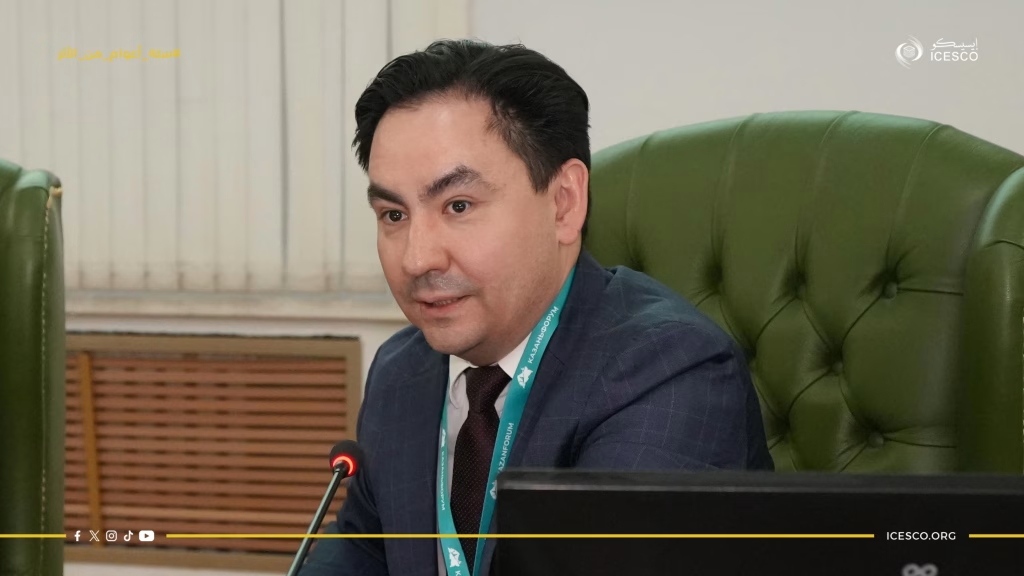
Dr. AlMalik also shared details of his experience with “Khamissiyat,” explaining that the work brought him new friendships and opened for him worlds and horizons previously unfamiliar to him. It also deepened his connection to his homeland, the Kingdom of Saudi Arabia. While love for his homeland had long been present within his conscience, the five-line poems, as he expressed it, came to articulate that love through an aesthetic awareness befitting the “homeland of values and beauty.”
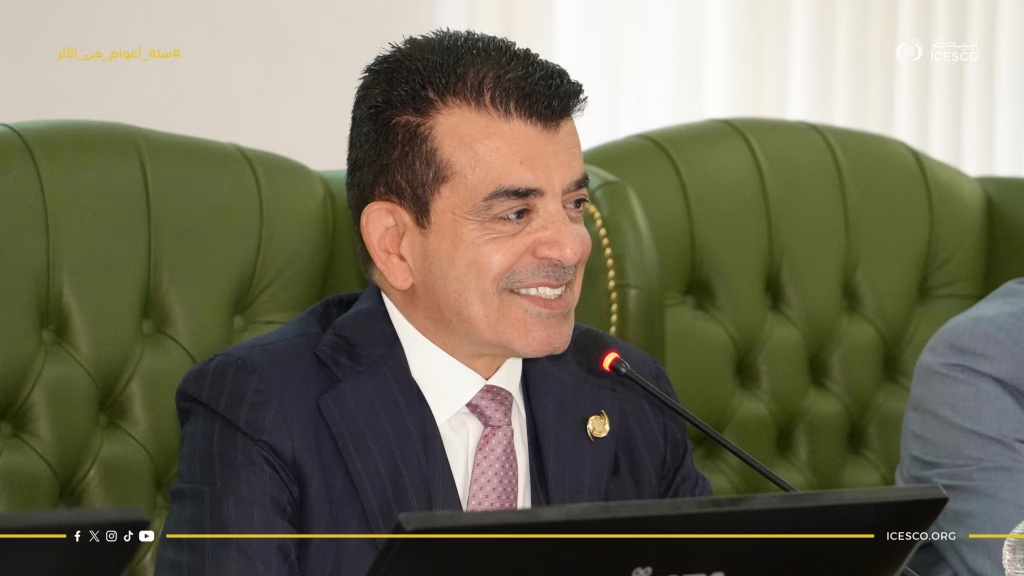
He explained that the writing of this poetry collection extended over eleven consecutive years, during which he composed five-line poems characterized by density of meaning and reflections on contemplation, identity, and values. He also addressed the writing of poetry in the age of artificial intelligence, affirming that lived human experience is the substance that grants poetry its uniqueness, and that poetic texts cannot be reduced to technology alone, but are instead shaped by the pulse and journey of human beings.
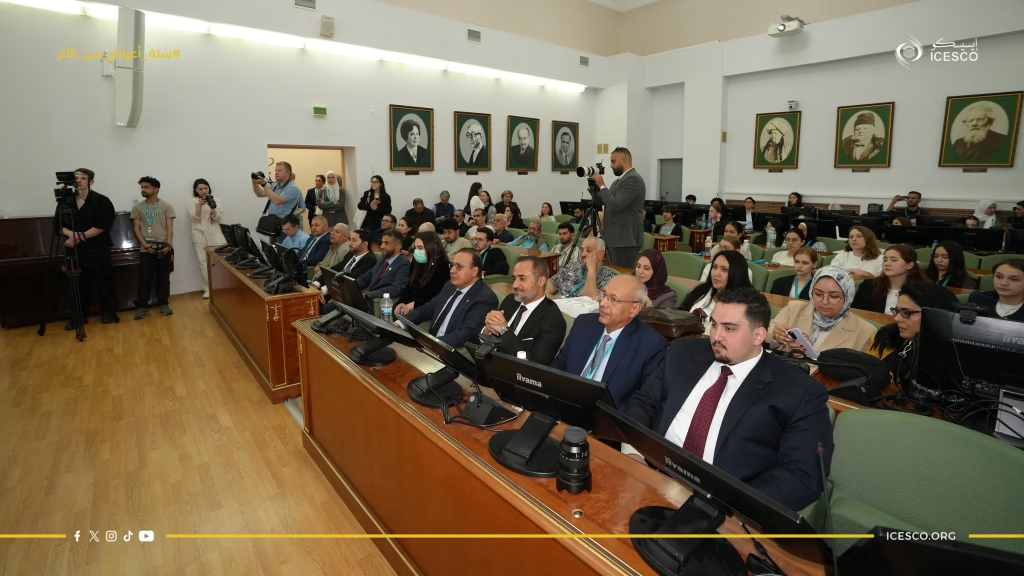
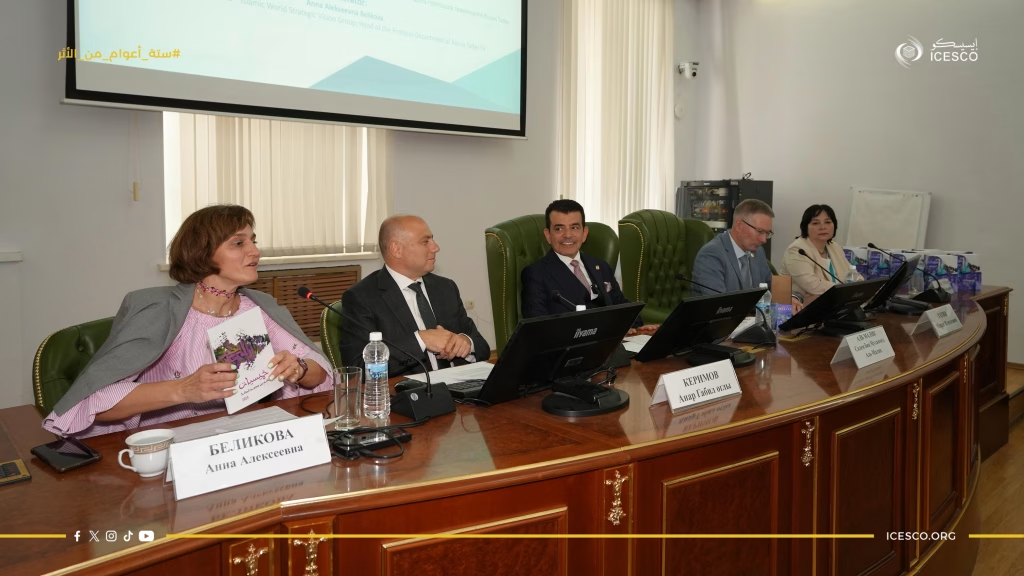
Dr. AlMalik added that “Khamissiyat” enabled him to move beyond the formal handling of issues concerning the Islamic world toward a more human and emotionally resonant mode of expression, which he described as a gain that broadens the horizons of expression and brings the message closer to people.
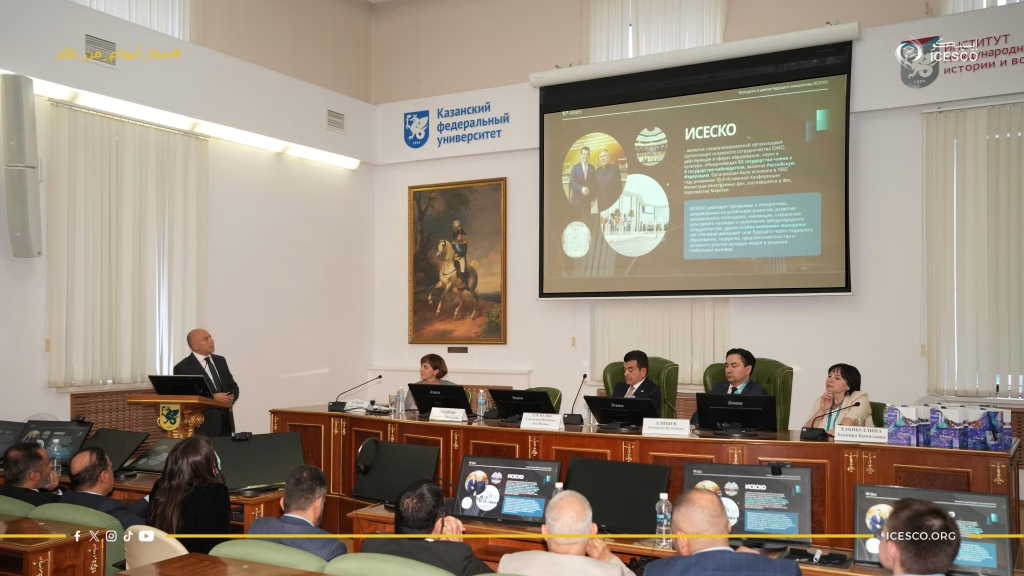
Following the seminar, students recited excerpts from “Khamissiyat,” touching on themes of faith, wisdom, ethics, and praise of the Prophet Muhammad (peace and blessings be upon him). The university subsequently proposed translating the collection into Russian, a proposal warmly welcomed by Dr. AlMalik.