
ICESCO, Cambridge University Press & Assessment Launch First Standards and Guidelines for Greening Curricula in Islamic World at COP31

13 November 2026
Dr. Salim M. AlMalik, Director-General of the Islamic World Educational, Scientific and Cultural Organization (ICESCO), announced the official launch of the ICESCO Standards and Guidelines for Greening School Curricula in the Islamic World, developed with the Cambridge University Press & Assessment to support national efforts to integrate climate knowledge and environmental stewardship into school curricula. The launch took place on the sidelines of the United Nations Climate Change Conference (COP31), hosted by Antalya, Türkiye.
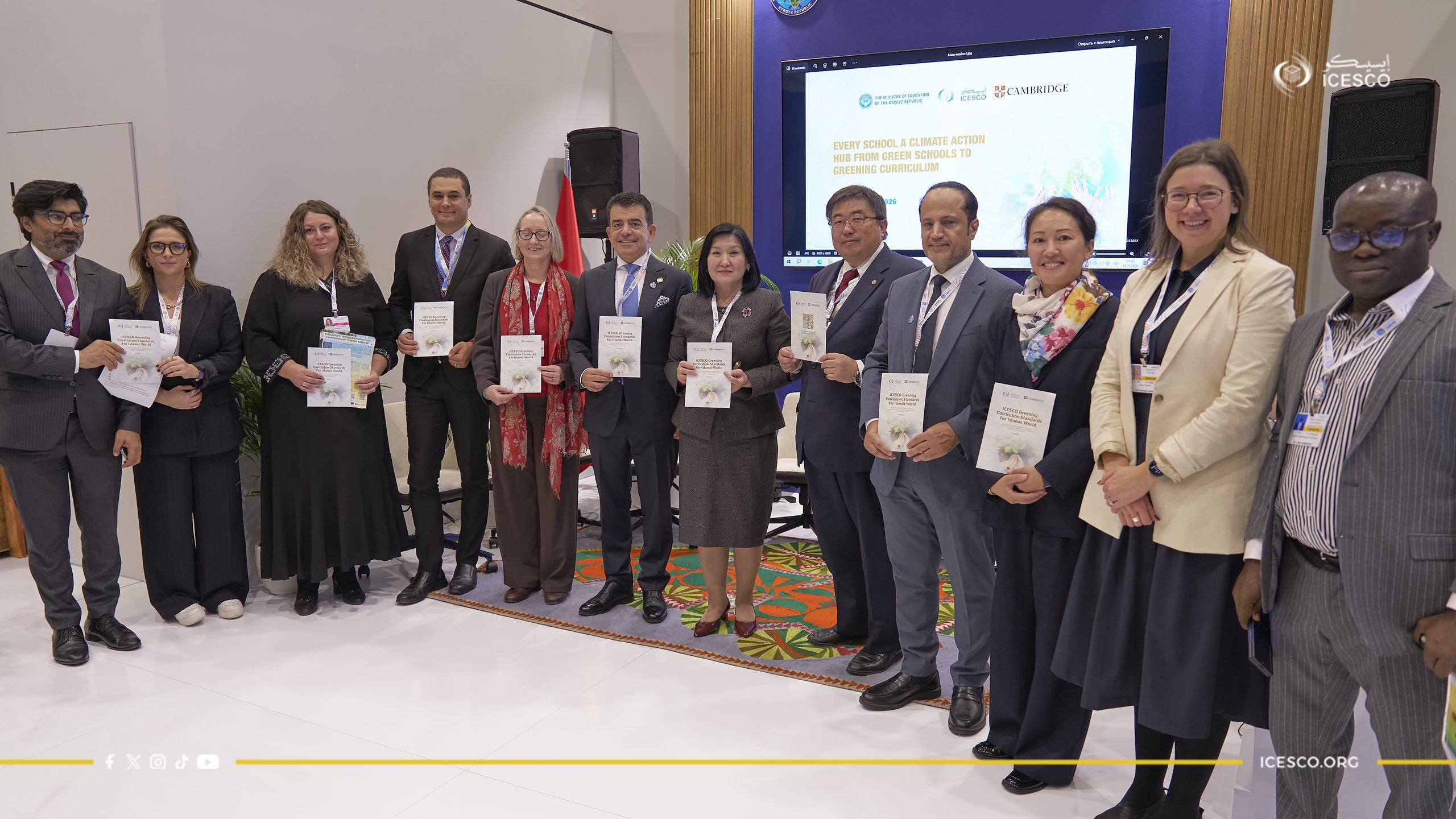
The announcement was made on Thursday, 12 November 2026, during a ministerial session titled “Every School a Climate Action Hub: from Green Schools to Greening Curriculum,” organized by ICESCO in cooperation with Kyrgyzstan’s Ministry of Education and Science and the University of Cambridge. Attendees included senior ministers and officials, notably Mr. Adylbek Kasymaliev, Chairman of the Cabinet of Ministers, Head of the Presidential Administration of Kyrgyzstan; Ms. Nadira Dzhusupbekova, Deputy Minister of Education and Science of Kyrgyzstan; and Dr. Shezra Mansab Ali Khan Kharal, Minister of State for Climate Change and Environmental Coordination of Pakistan.
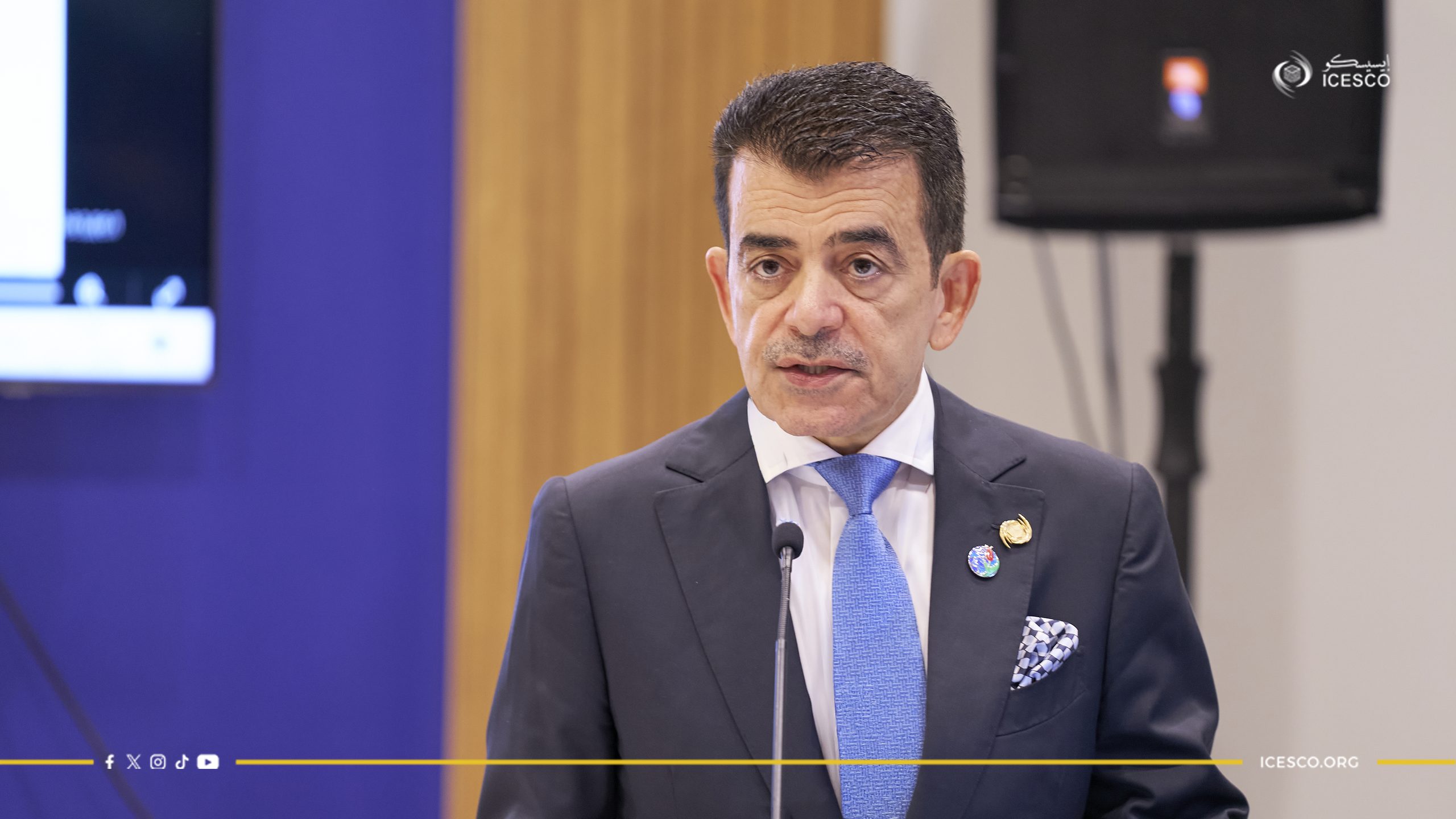
In his address, Dr. AlMalik stressed that climate change is no longer a distant threat for future generations but a present reality that is reshaping economies, endangering livelihoods, disrupting education, and putting the futures of millions of children at risk. He said that the transition to a climate-resilient future must be led by education. He added that greener economies begin with changing the way we teach and learn, and called for a shift from merely introducing children to climate change to empowering a whole generation to lead climate action.
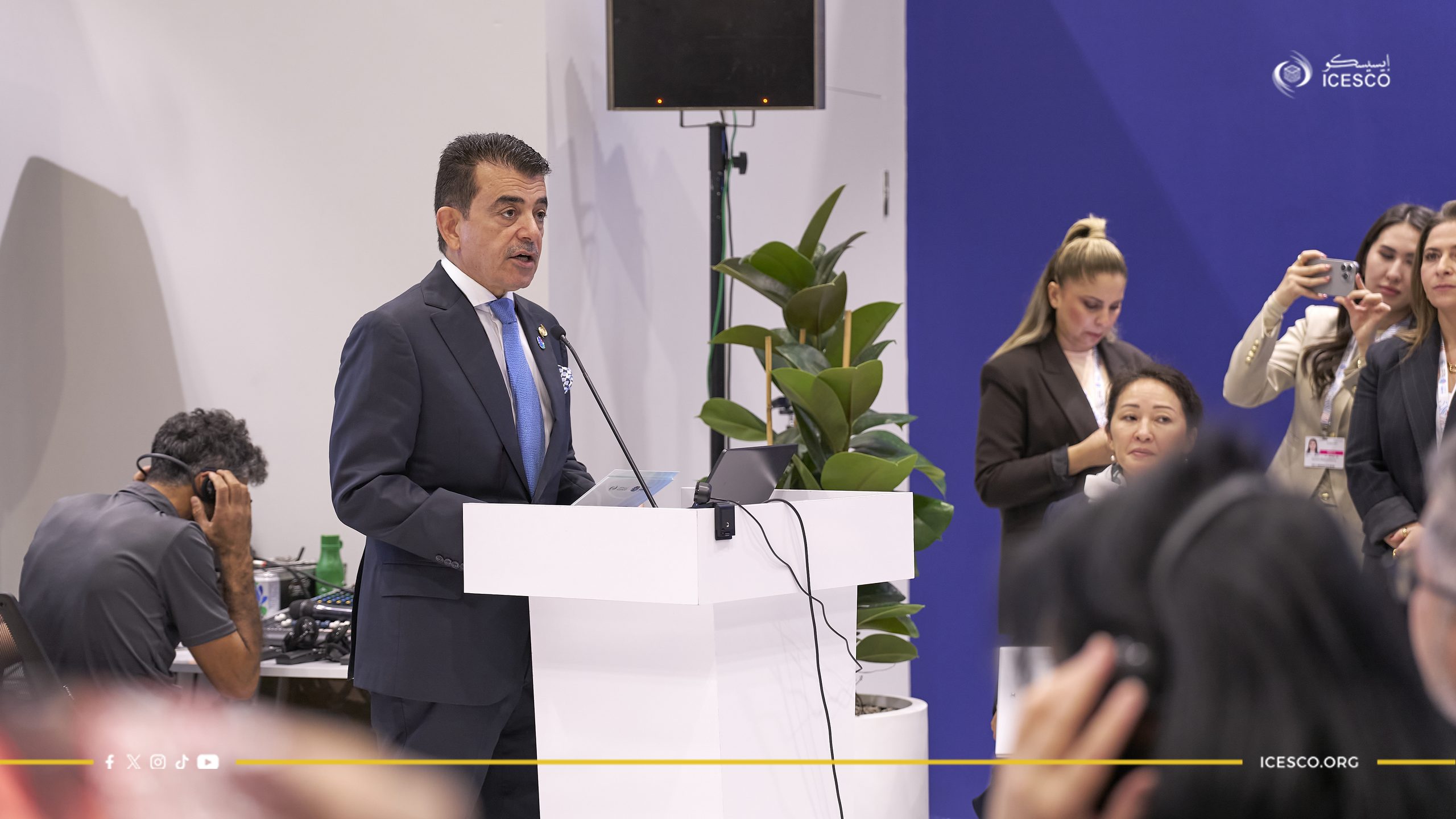
The ICESCO Director-General reviewed the Organization’s ongoing efforts to green education, culminating in the launch of the Standards and Guidelines. He announced that ICESCO will launch Green Schools Program in 2027, with its strategic partners, to help Member States transform schools into sustainable, climate-resilient learning environments, and commended Kyrgyzstan’s green school model.
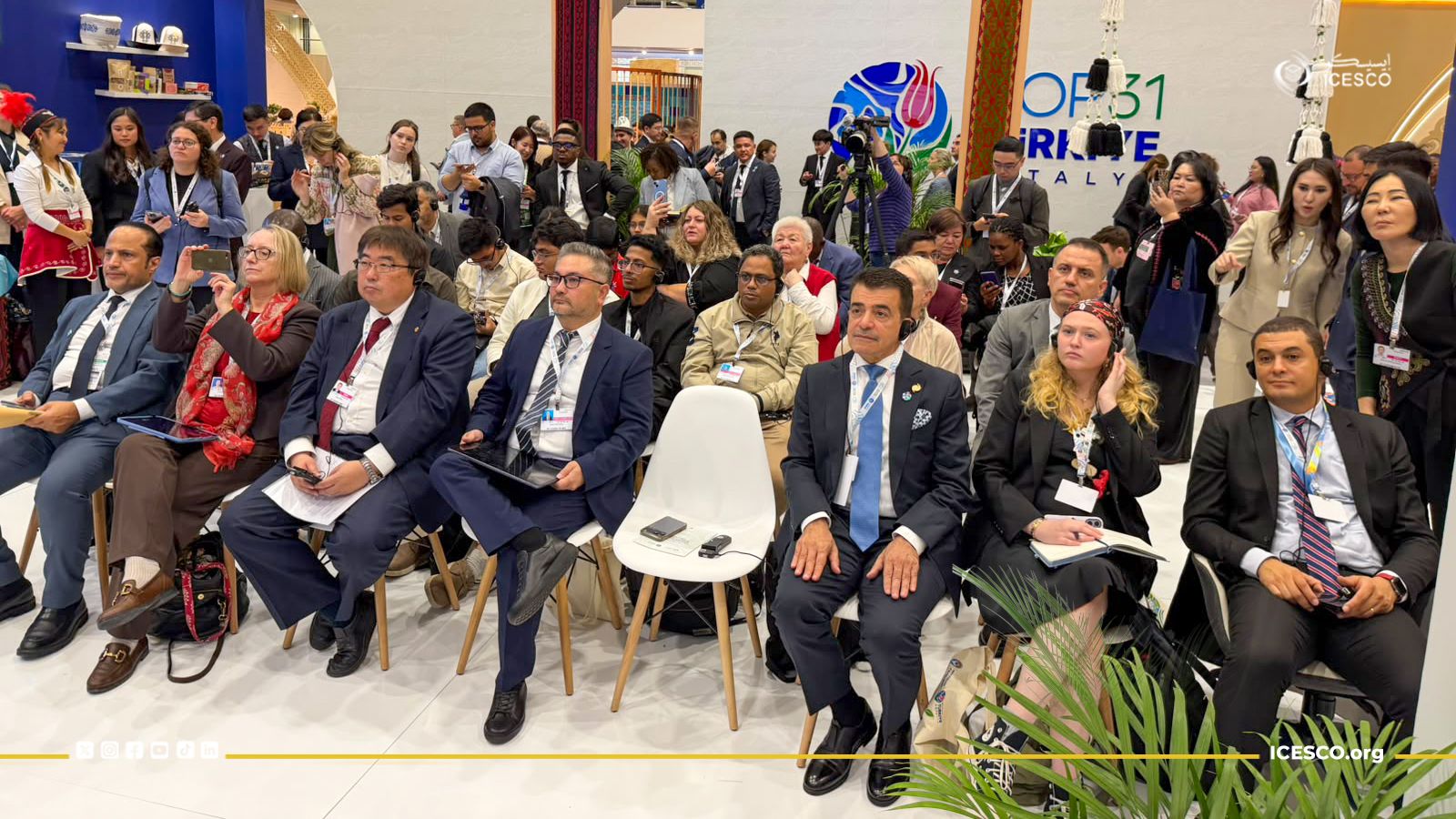
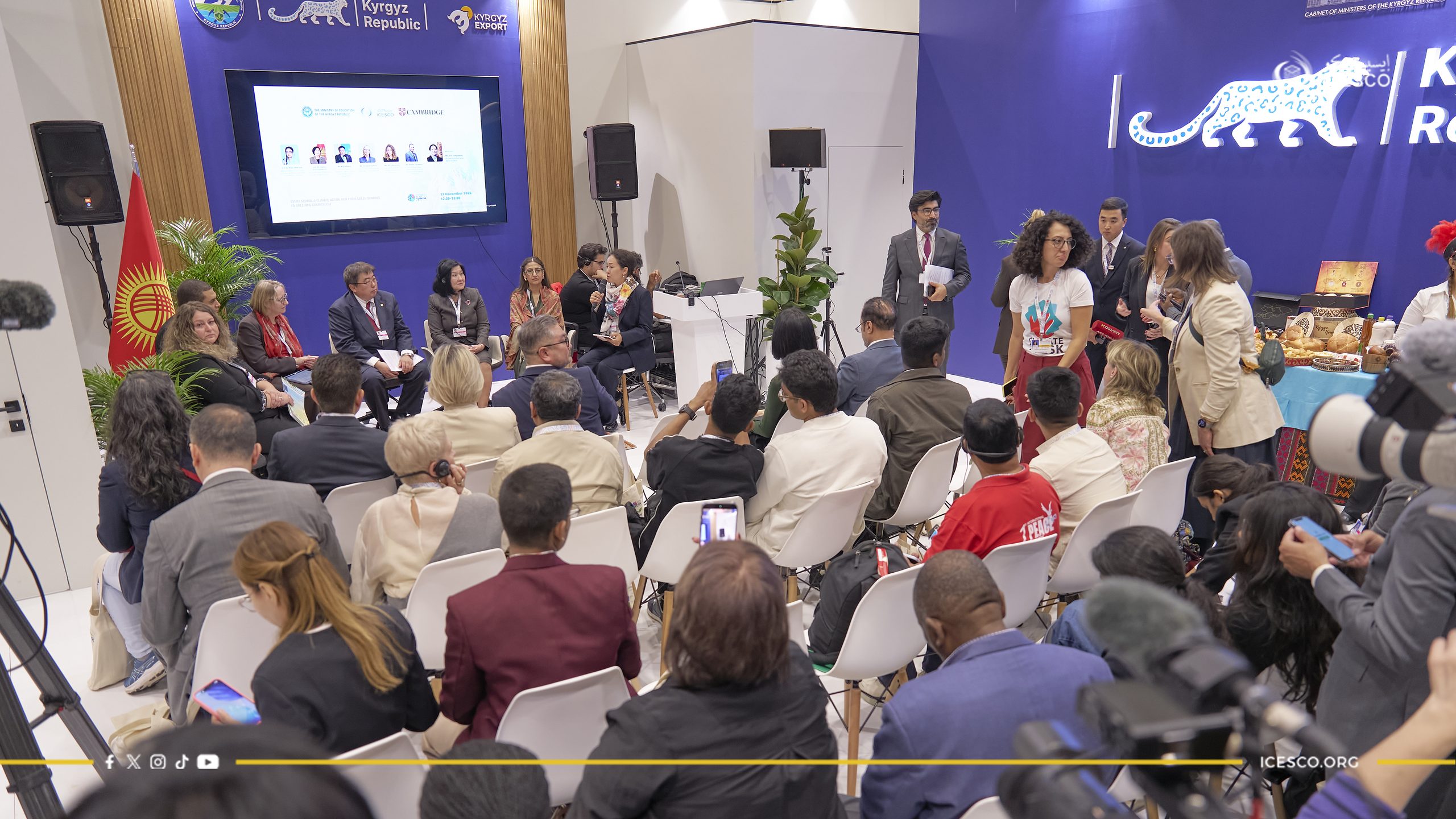
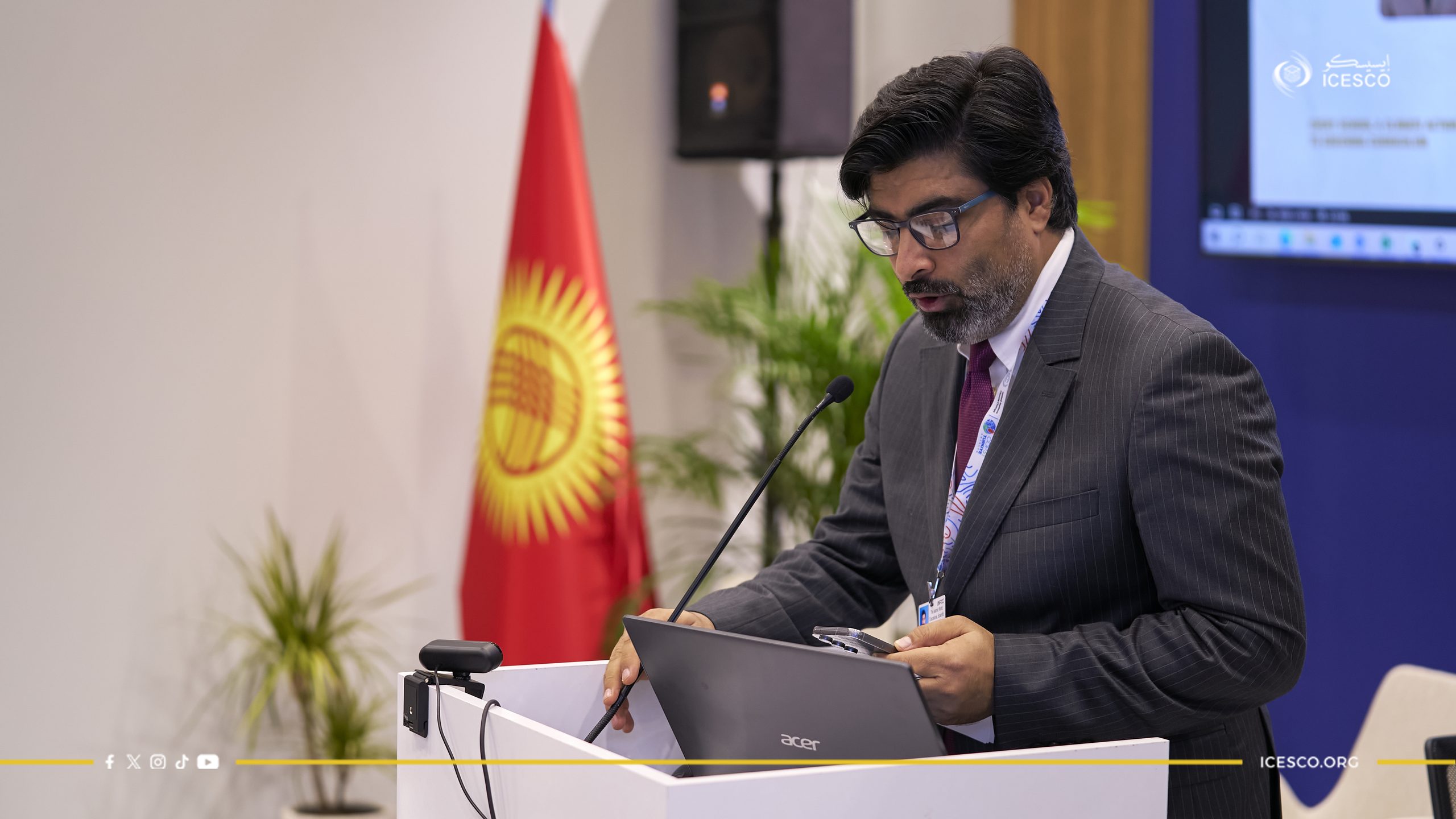
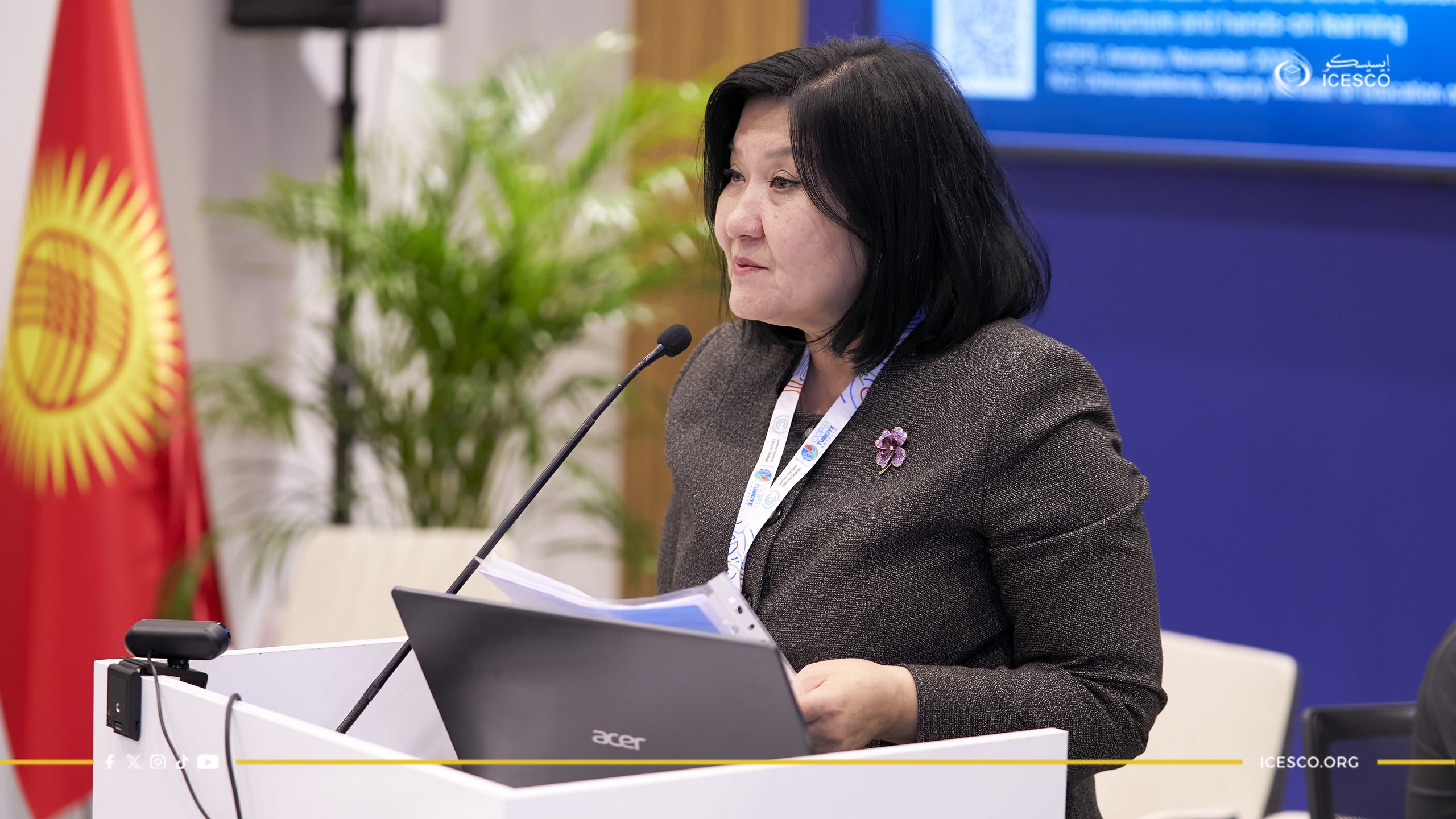
For her part, Ms. Dzhusupbekova highlighted the practical experience of the green school model and Kyrgyzstan’s efforts in this field. The session also featured a presentation of the Standards and Guidelines project by Mr. Waqas Afridi, Education Expert at ICESCO, and representatives of the University of Cambridge, the UN World Food Programme, the Hassan II International Center for Environmental Training, and the Kyrgyz Academy of Education. They outlined the next phases of its development and consultation with Member States and international experts, and discussed the importance of climate-responsive education and school-level sustainability initiatives, including Kyrgyzstan’s green school model.
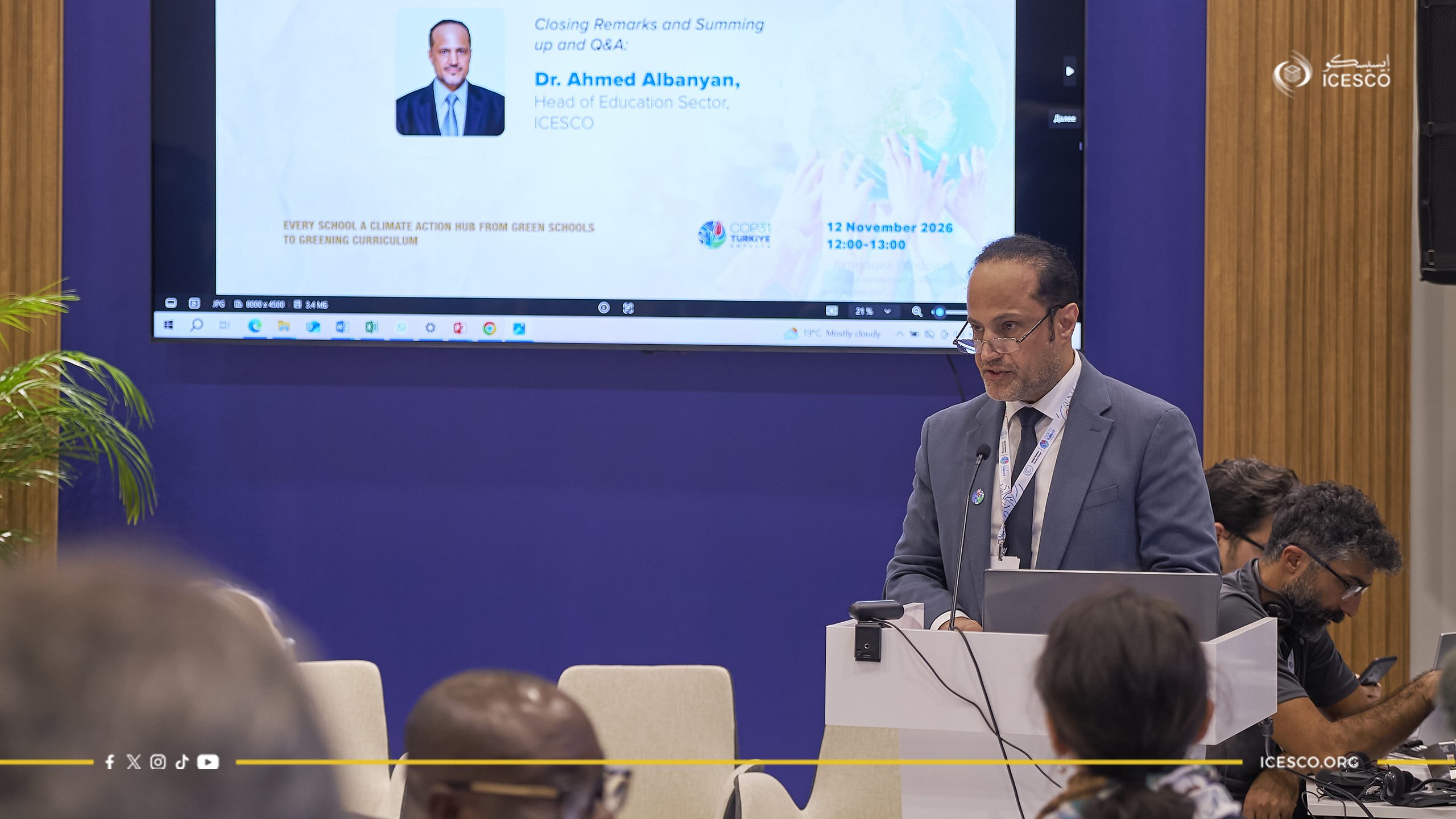
The session also addressed ways to turn curriculum greening policies into applied learning in classrooms, strengthen teacher capacity, and create sustainable school environments. It concluded with remarks by Dr. Ahmed Albanyan, Head of ICESCO’s Education Sector, followed by an interactive discussion with the audience moderated by Ms. Lira Samykbaeva, Deputy Head of the Education Sector.