
During COP31, AlMalik Reaffirms ICESCO’s Commitment to Supporting Member States’ Efforts in Smart Agriculture and Sustainable Food Systems

11 November 2026
Dr. Salim M. AlMalik, Director-General of the Islamic World Educational, Scientific and Cultural Organization (ICESCO), reaffirmed the Organization’s commitment to supporting its Member States’ efforts in smart agriculture and sustainable food systems to strengthen food security. He highlighted ICESCO’s work to promote the use of science, technology, and innovation to enhance agricultural productivity and resilience, noting that food security is closely linked to climate action.
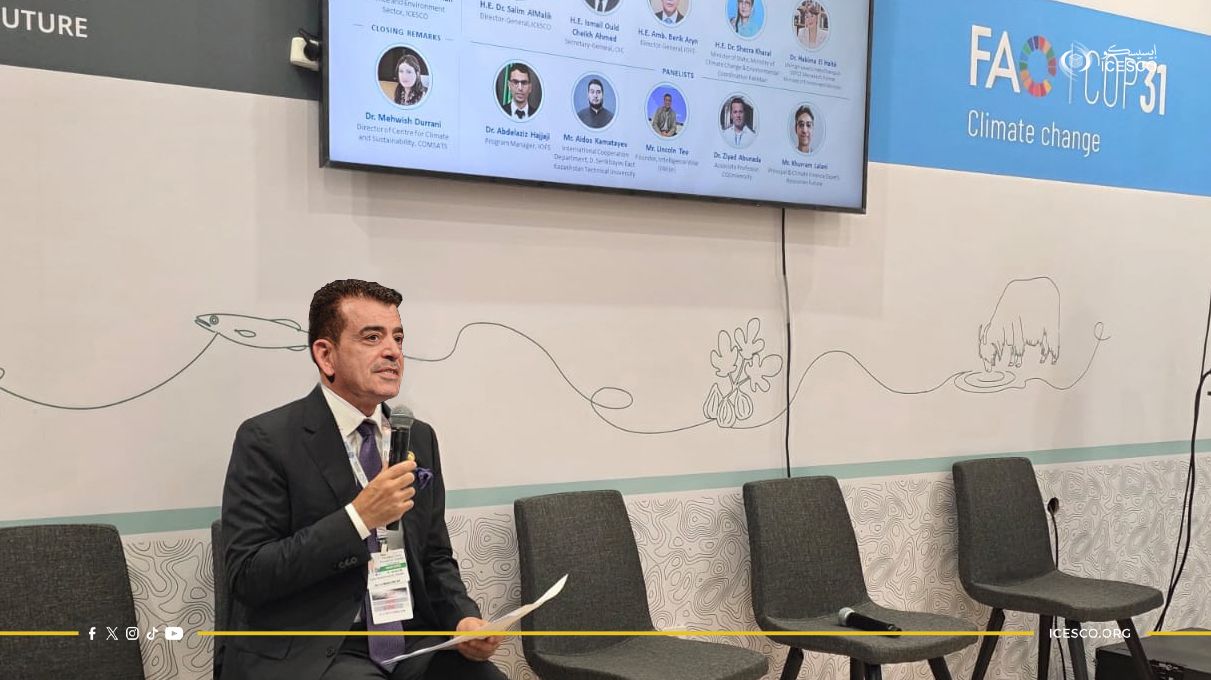
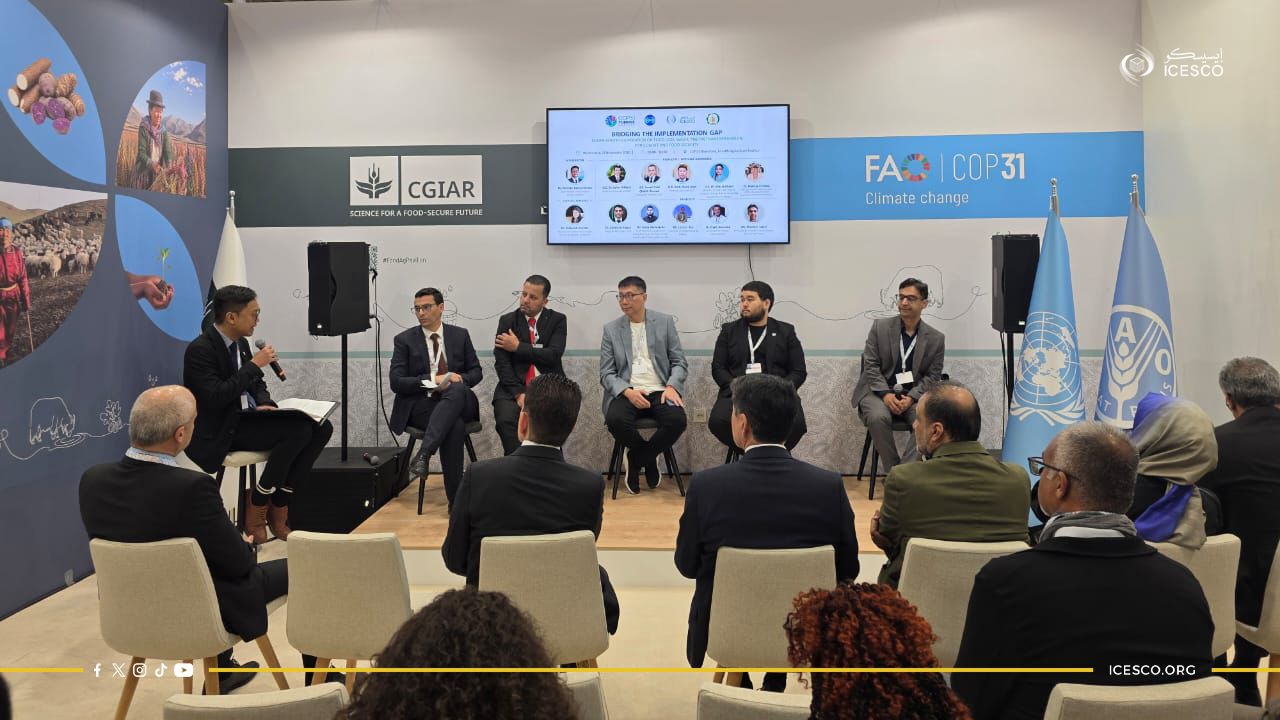
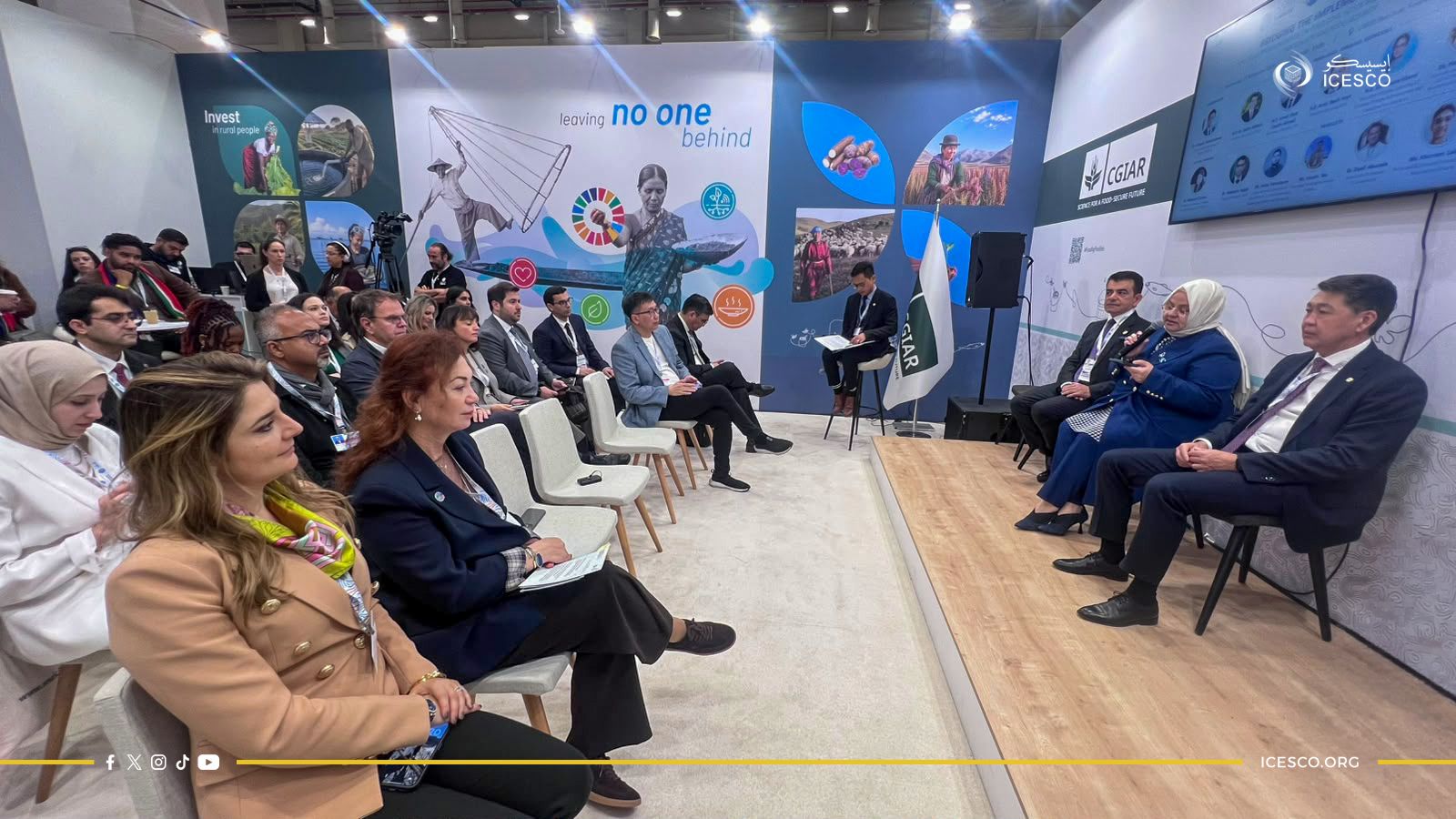
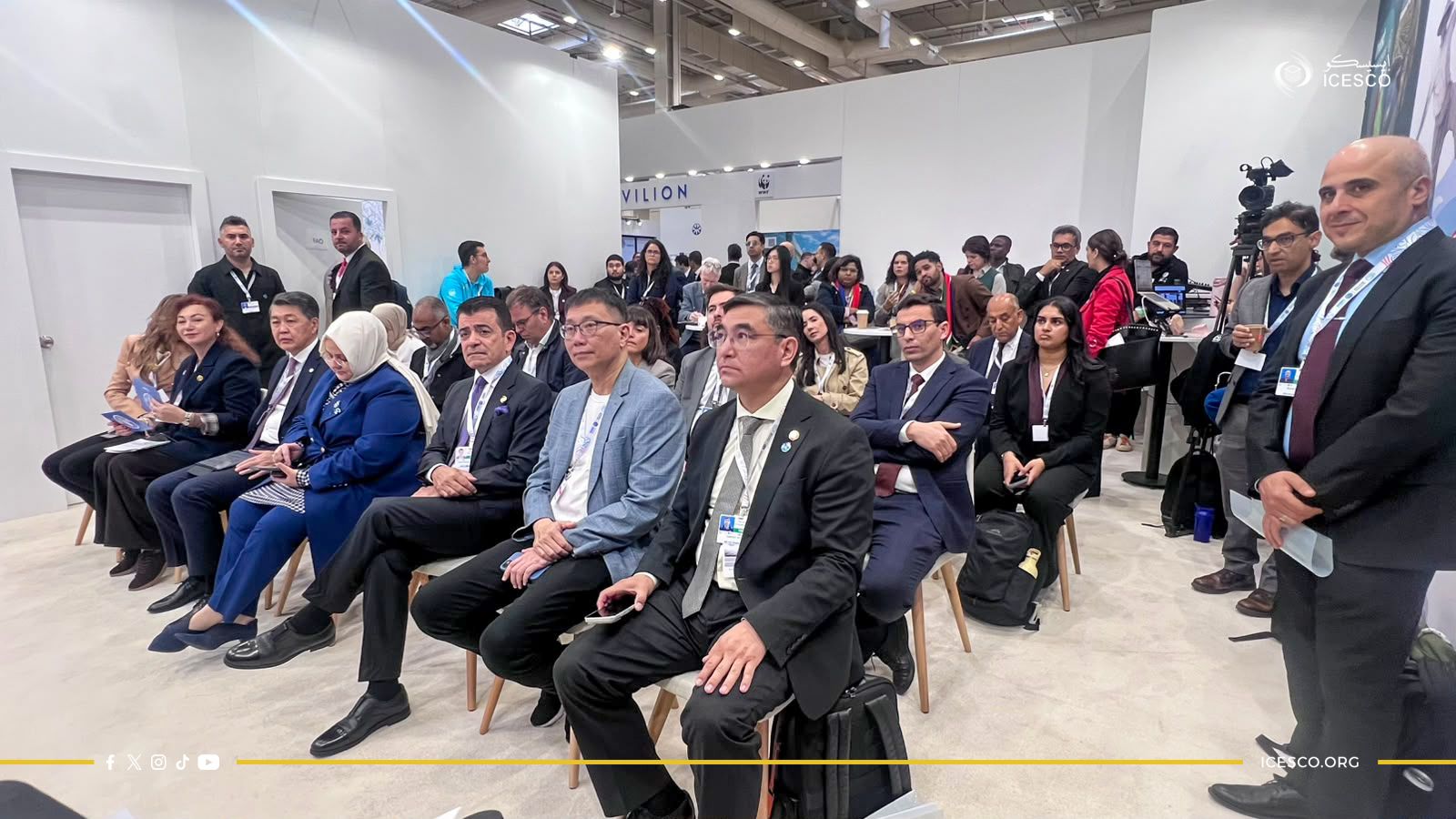
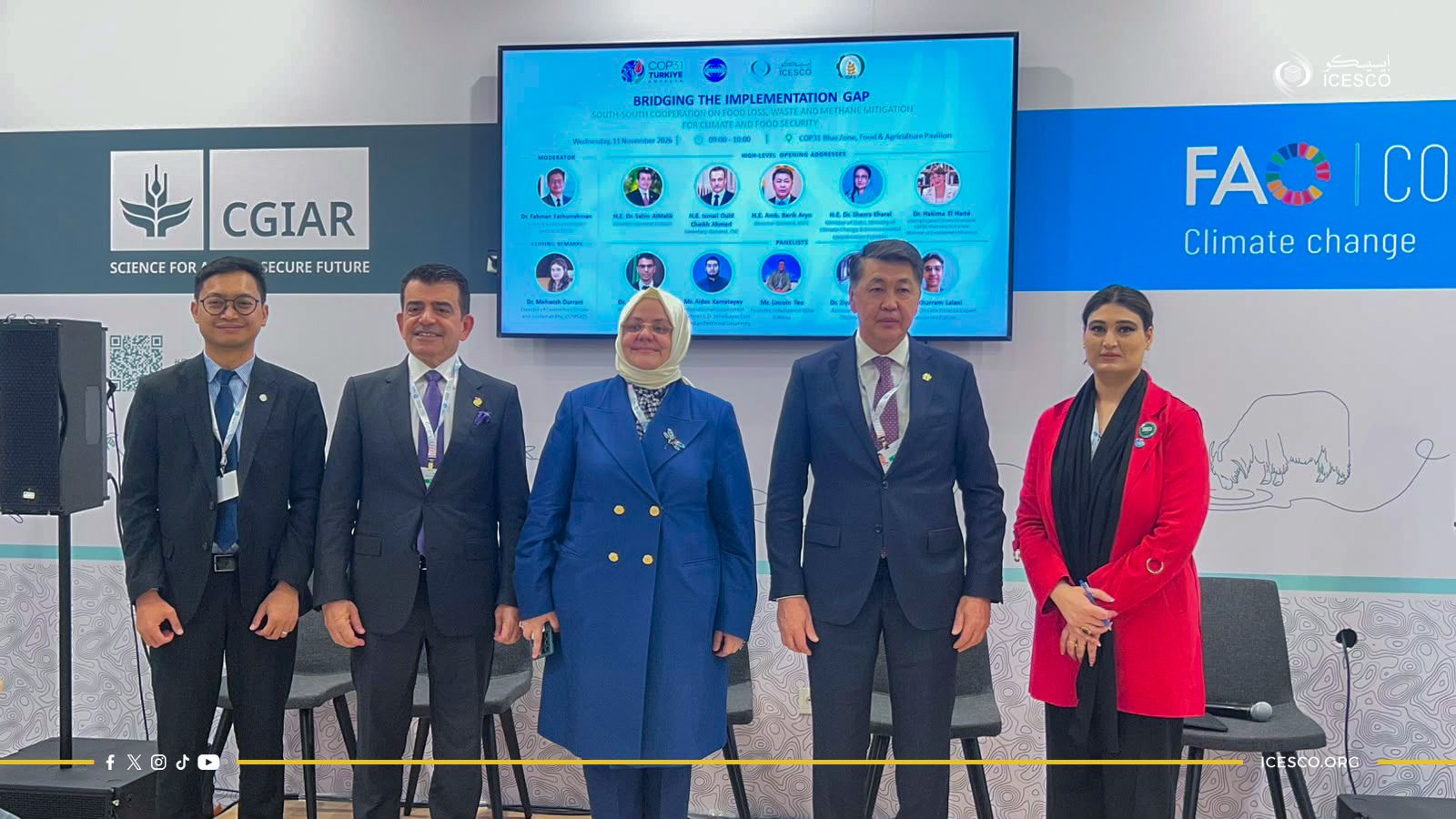
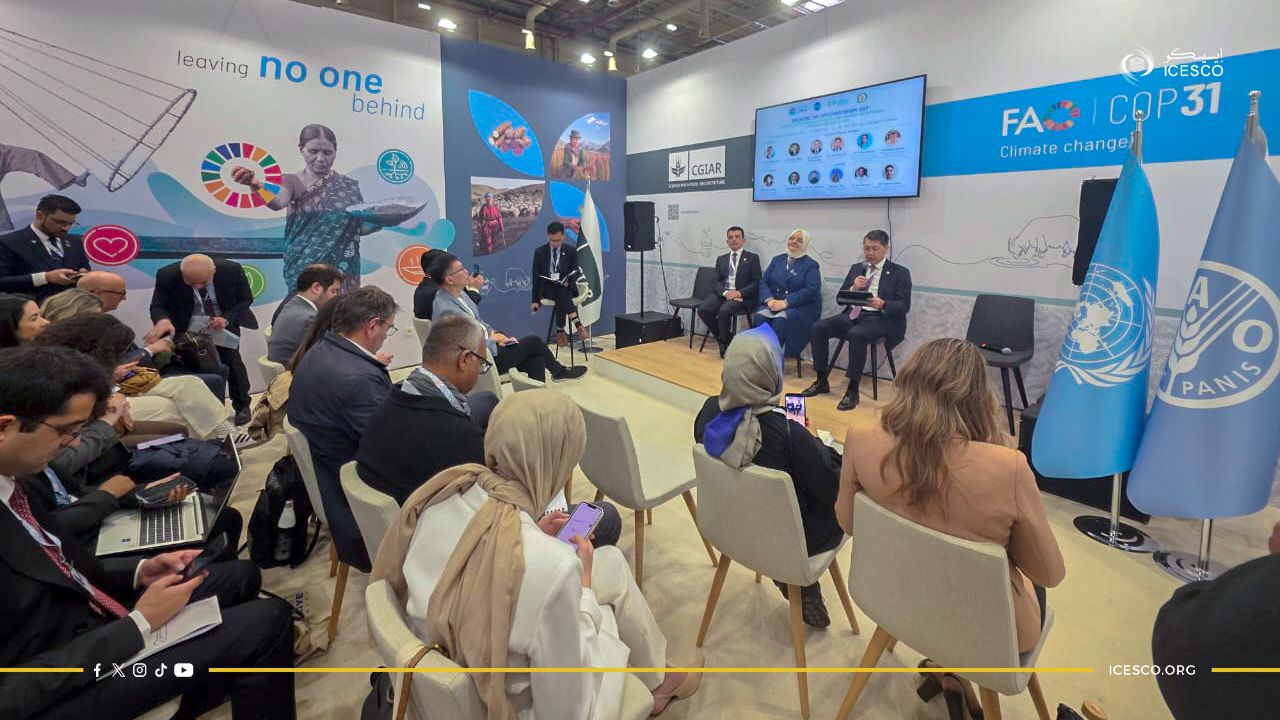
Dr. AlMalik made the remarks during the high-level dialogue titled “Bridging the Implementation Gap: South-South Cooperation on Food Loss, Waste and Methane Mitigation for Climate and Food Security.” ICESCO organized the session in partnership with the Commission on Science and Technology for Sustainable Development in the South (COMSATS), the Islamic Organization for Food Security (IOFS), the International Center for Agricultural Research in the Dry Areas (ICARDA), and the Science for Humanity’s Greatest Challenges network. The event was held on 11 November 2026 at the Food and Agriculture Organization of the United Nations (FAO) Pavilion as part of the 31st United Nations Climate Change Conference (COP31) in Antalya, Türkiye.
Dr. AlMalik cited statistics illustrating the scale of post-harvest food loss and food waste in retail outlets and facilities at a time when millions suffer from malnutrition. He also highlighted the climate impacts of such waste, foremost among them global greenhouse gas and methane emissions that drive global warming. Addressing this phenomenon is therefore essential to achieving food security, reducing emissions, and using resources more efficiently.
He added that translating shared awareness into tangible action requires stronger cooperation across the food value chain; investment in storage, transport, refrigeration, and smart farming technologies; and access for farmers to information and digital tools that support climate change adaptation. It also requires improved methods for managing and recycling food and agricultural waste, as well as stronger institutional capacities and policies to implement and scale up solutions.
The ICESCO Director-General reviewed ICESCO’s initiatives aimed at supporting food security in the Islamic world, including its participation in the Global Flagship Initiative for Food Security launched at the 16th session of the Conference of the Parties to the United Nations Convention to Combat Desertification in Riyadh, Saudi Arabia, in 2024. He also highlighted ICESCO’s contributions to the circular economy, noting that the Organization is preparing a technical report with recommendations on policy pathways for waste management and pollution reduction for the benefit of its Member States.
Dr. AlMalik concluded by emphasizing the importance of cooperation among countries of the Global South to diversify expertise, transfer technology, and build institutional capacity in innovative agriculture, waste management, renewable energy, and food supply chain development. He also underscored the need to engage the private sector and research institutions in building more efficient and resilient food systems.