
With Leading Thinkers, Specialists and Experts in Attendance, ICESCO Launches Civilizational Upbringing Project

5 November 2026
The Islamic World Educational, Scientific and Cultural Organization (ICESCO) held a scholarly roundtable to launch its project, “Civilizational Upbringing: From Family Upbringing to Building the Civilizational Character.” The event brought together leading specialists, thinkers and experts from across the Islamic world to discuss the concept of civilizational upbringing, its dimensions, pillars and themes, and to prepare for an international conference on the subject.
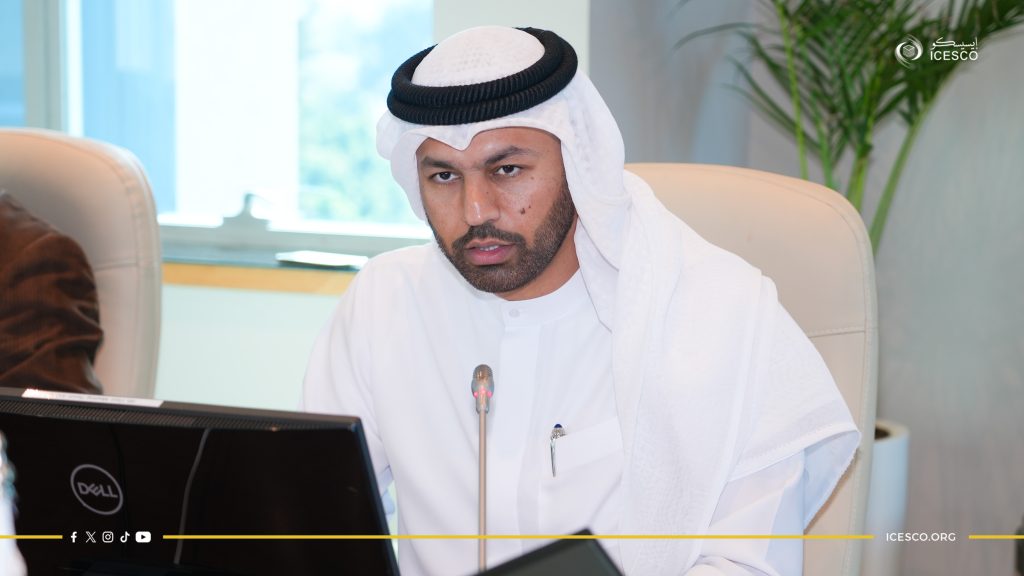
The roundtable, held on Tuesday, 3 November 2026, both in person at ICESCO headquarters in Rabat and via videoconference, opened with remarks by Ambassador Khalid Fathalrahman, Director of ICESCO’s Center for Civilizational Dialogue. He highlighted the concept of civilizational upbringing and its strategic importance amid the challenges facing values, identity and ethics in the Islamic world in the technological age. He also underscored ICESCO’s strong commitment to children, youth and women as the backbone of society and a fundamental pillar of its advancement and civilizational influence.
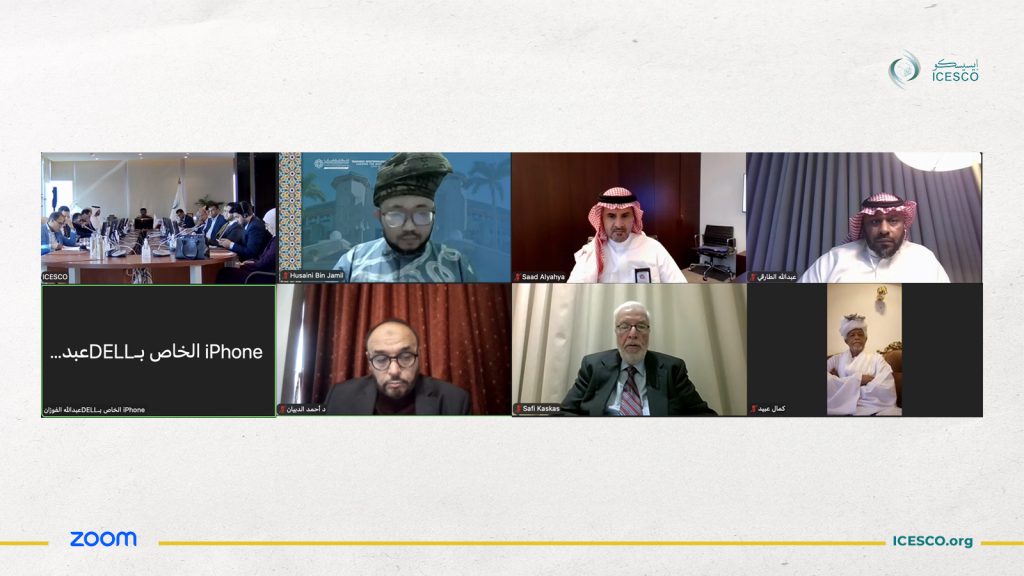
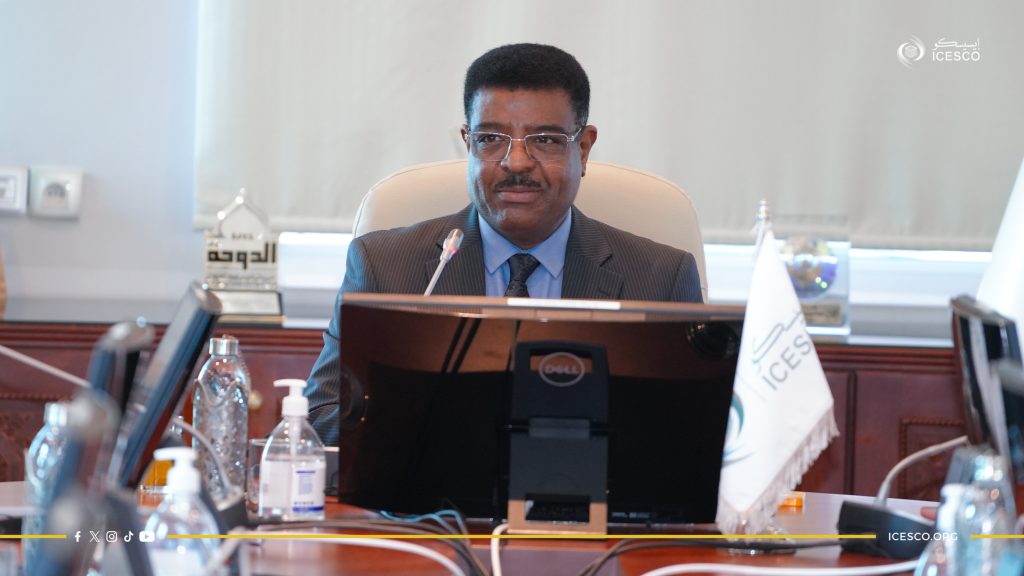
Dr. Abdullah Al-Fawzan, Secretary-General of the King Abdulaziz Center for Cultural Communication, emphasized the importance of international organizations and institutions joining forces and offering high-quality initiatives. He also stressed the family’s central role in shaping a civilizational character. Mr. Salem Omar Salem, Director of ICESCO’s Regional Office in Sharjah, noted the need for public policies to support families in their educational role, stating that the Civilizational Upbringing project is a natural extension of this approach. Dr. Kamal Mohamed Obeid, a Sudanese expert, then addressed the importance of maintaining a connection with history and adopting a sound methodology for building a civilizational character, one grounded in the twin pillars of productivity and creativity.
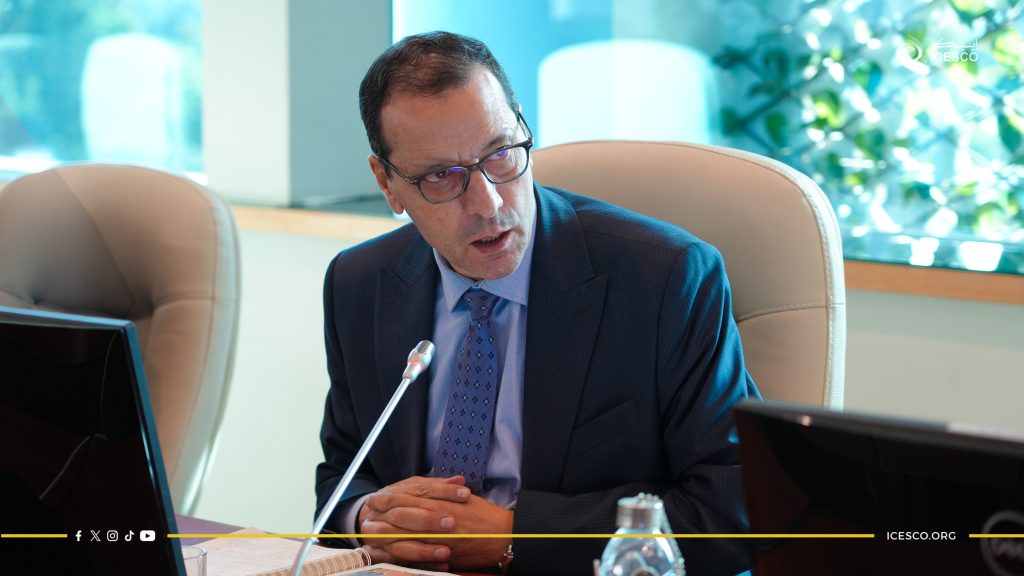
During the scholarly presentations, Dr. Khalid Samadi, Morocco’s former Secretary of State for Higher Education and Scientific Research, stressed the importance of a comprehensive approach and adherence to an integrated system of interconnected values. Dr. Safi Kaskas, President of the International Qur’an Research Association (IQRA), emphasized the need to uphold foundational principles and established Islamic tenets, explaining that the real shortcoming lies in the absence of awareness and deep understanding.
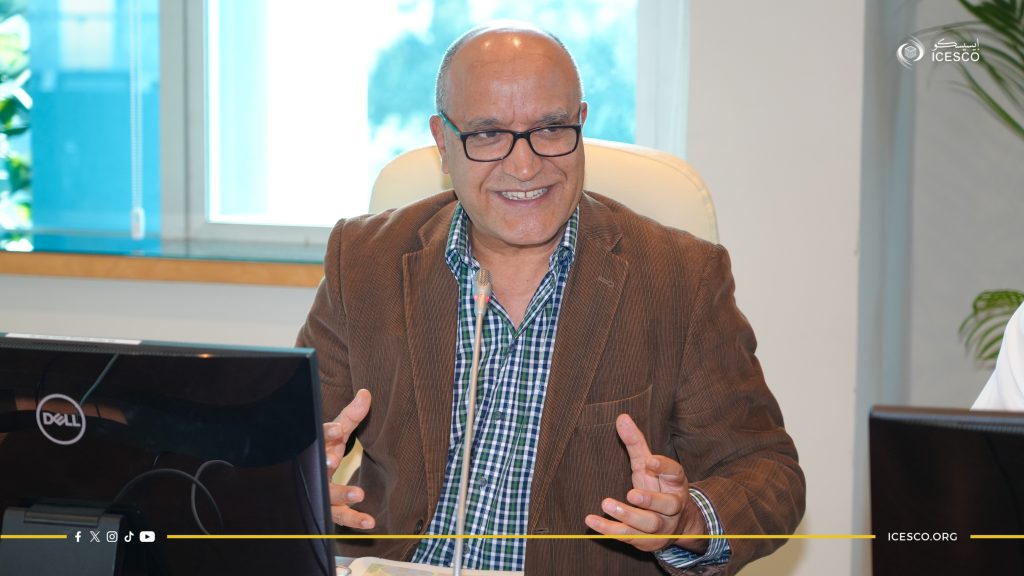
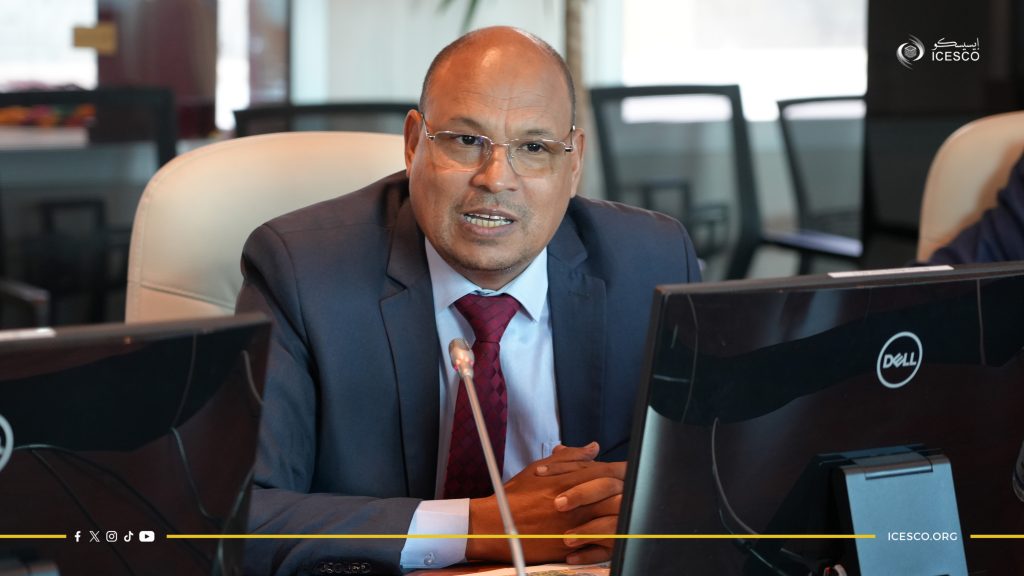
In the same context, Dr. Ahmad Al-Dubayan, Director General of the Islamic Cultural Centre in London, and Dr. Abdulmalik Hibaoui, Head of the Division of Interreligious and Intercivilizational Dialogue at the German Institute for Dialogue and Understanding “Muwatana” in Germany, discussed the features of a civilizational character among Muslim communities and minorities in Europe. They noted that, like their counterparts in the Islamic world, these communities need support in building such a character. Dr. Saber Moulay Ahmed, writer and international expert on cultural affairs, highlighted how the digital sphere shapes and reshapes human awareness.
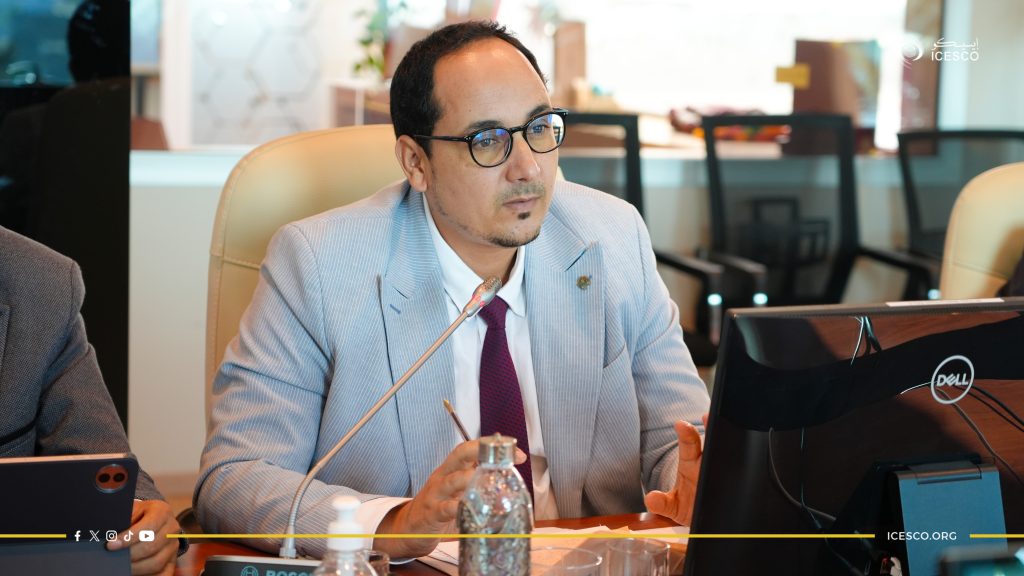
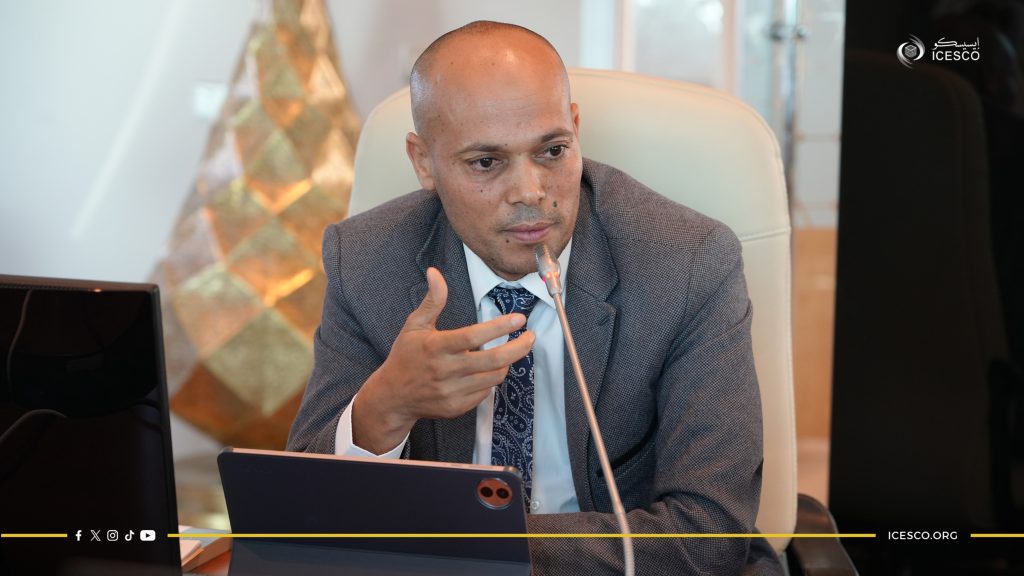
Dr. Zaid Al-Sharif, Professor of Qur’anic Exegesis and Rhetoric at Ibn Tofail University, and Dr. Ahmed Maad, Professor of Psychology at Mohammed V University, then outlined elements of the project’s overall framework and the many ways in which its academic disciplines complement one another. Dr. Saad Al-Yahya, Head of the Research and Studies Division at the King Abdulaziz Center for Cultural Communication, discussed the project’s diagnostic research and applied tracks, stressing the importance of cooperation on research and studies related to this promising initiative.
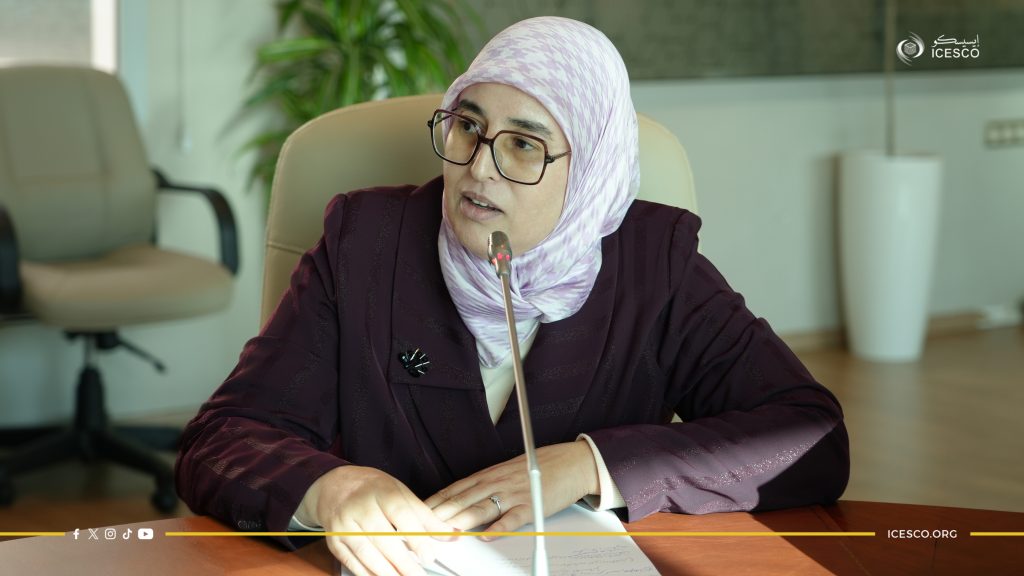
The roundtable, moderated by Dr. Hani Albalawi, Head of the Civilizational Communication Division, featured productive discussions that enriched the subject and helped identify the project’s research and implementation priorities.
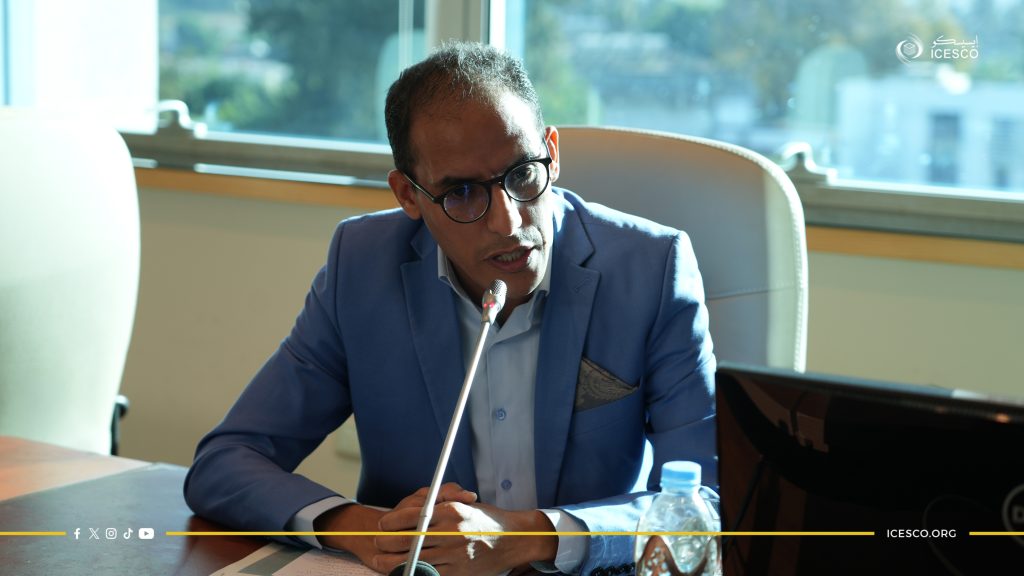
Overseen by ICESCO’s Center for Civilizational Dialogue, the project is a scholarly and capacity-building initiative that seeks to rethink the role of the family and society in shaping individuals. It is grounded in ICESCO’s firm belief that the future of nations is forged first at home, before it is shaped in institutions and public forums.