
ICESCO Proposes Initiatives in Doha to Facilitate Recognition of Higher Education Qualifications in Arab States

5 November 2026
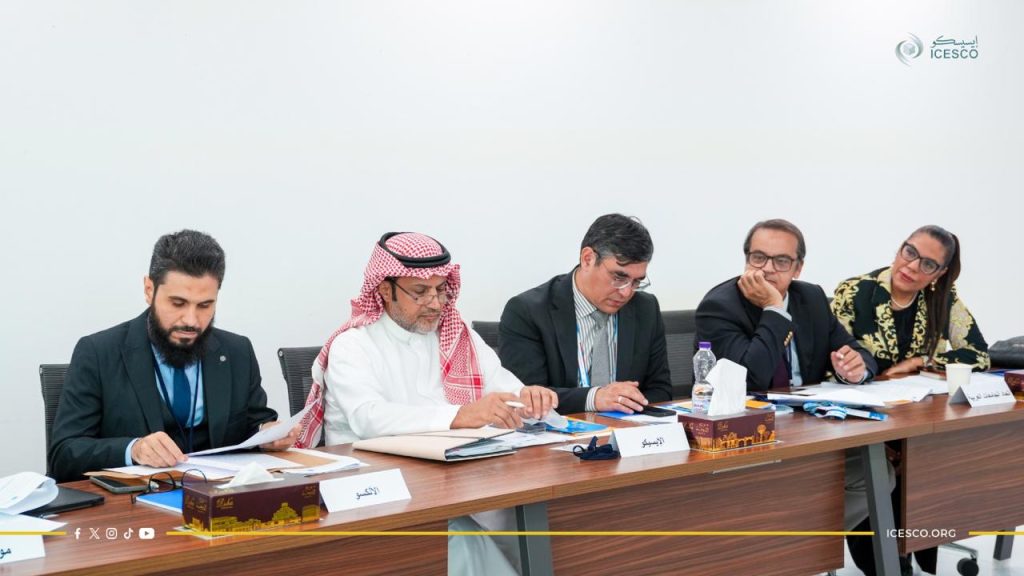
The Islamic World Educational, Scientific and Cultural Organization (ICESCO) participated in the first session of the Regional Committee of the Revised Convention on the Recognition of Studies, Diplomas and Degrees in Higher Education in the Arab States, convened by UNESCO with representatives from 19 Arab countries and relevant regional organizations.
The session, held on Wednesday, 4 November 2026, at UN House in Doha, Qatar, following the Convention’s entry into force on 18 April, aimed to establish the institutional and organizational mechanisms needed to monitor its implementation, strengthen mutual recognition of higher education qualifications, facilitate academic mobility, and advance cooperation among Arab countries in this field.
ICESCO was represented at the meeting by Dr. Ahmed Albanyan, Head of the Education Sector, Supervisor of the Translation and Publishing Center, and Dr. Kuanysh Yergaliyev, Head of the Science and Environment Sector, reaffirming the Organization’s commitment to strengthening regional and international cooperation in education, science, and higher education.
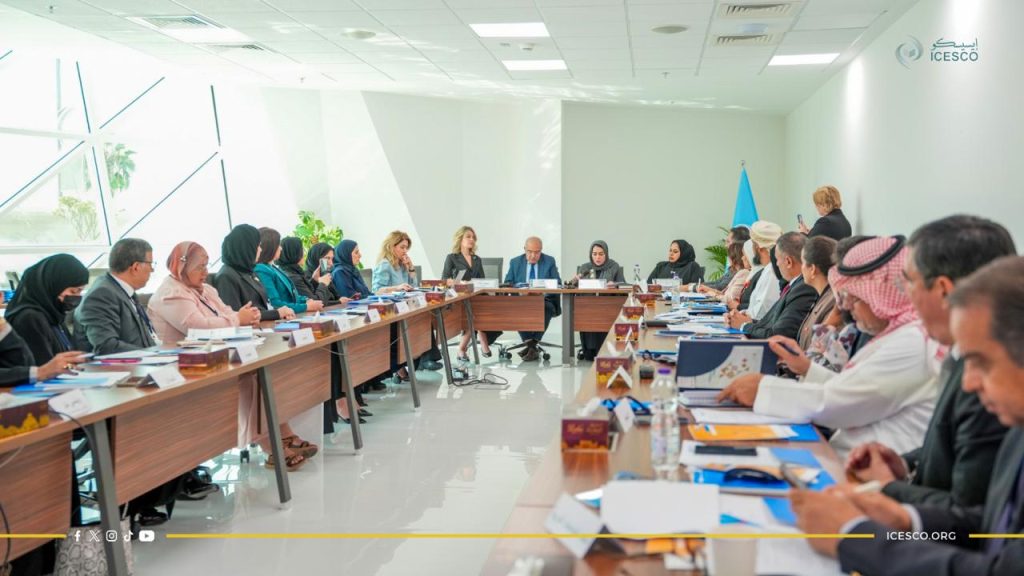
In his address during the second session, devoted to discussing the transitional action plan, Dr. Albanyan welcomed the draft plan, commending its unified framework for country profiles and the network’s digital platform. He stressed that the recognition of qualifications has become an essential means of expanding employment opportunities and fostering academic and professional mobility.
In this context, Dr. Albanyan announced ICESCO’s readiness, through its Education Sector and Translation and Publishing Center, to provide technical and in-kind support for implementing the transitional action plan. This support includes developing a unified Arabic-English-French glossary of terminology on the recognition of qualifications, in coordination with the Arab League Educational, Cultural and Scientific Organization (ALECSO); preparing guidelines for translating academic documents; contributing to the translation of information materials on the Convention; and building the capacities of national information centers.
The session is particularly significant as the Regional Committee’s inaugural meeting. The Committee plays a pivotal role in monitoring the Convention’s implementation and further developing its mechanisms.