

ICESCO, UNESCO Agree to Strengthen Institutional Cooperation in Education, Culture, Science, Communication, and Artificial Intelligence

8 October 2026
The Islamic World Educational, Scientific and Cultural Organization (ICESCO) and the United Nations Educational, Scientific and Cultural Organization (UNESCO) signed a memorandum of understanding to strengthen institutional cooperation at the international and regional levels in implementing pioneering initiatives in education, science, artificial intelligence, communication, and knowledge dissemination, as well as supporting Member States in developing sustainable policies to promote cultural diversity, safeguard heritage, and build inclusive societies.
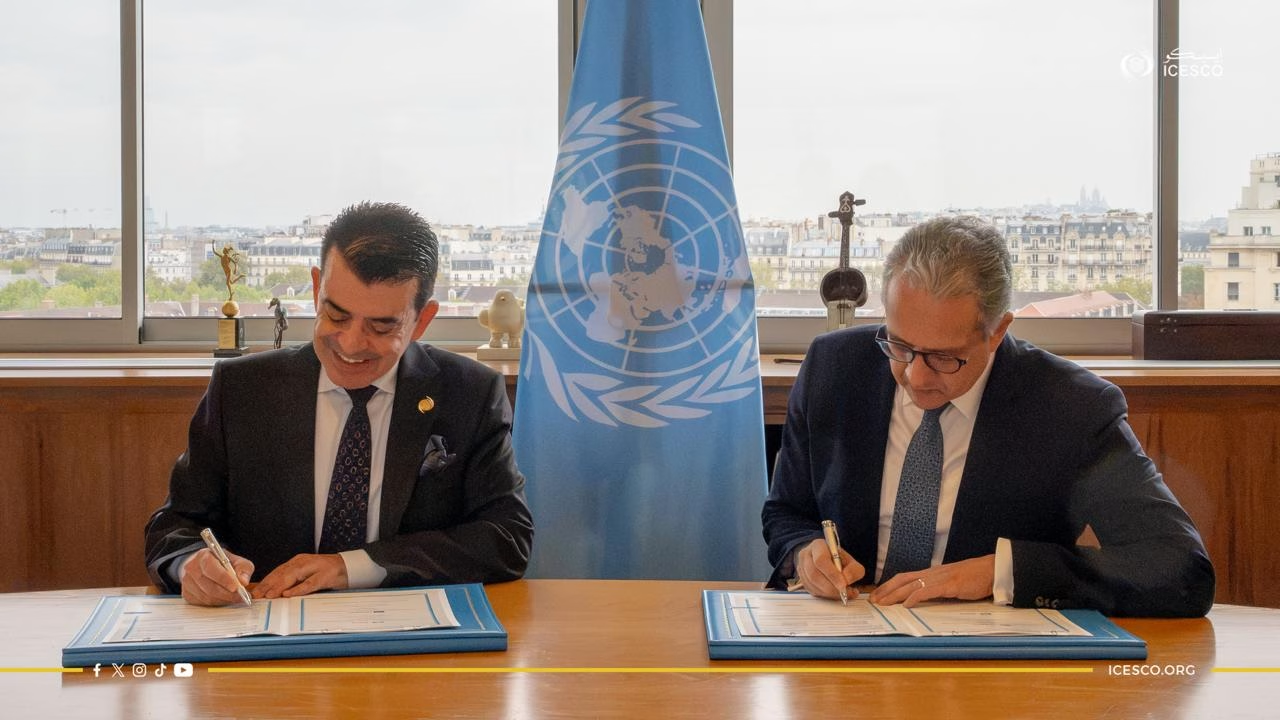
The memorandum was signed on Wednesday, 7 October 2026, in Paris, France, by Dr. Salim M. AlMalik, ICESCO Director-General, and Dr. Khaled El-Enany, UNESCO Director-General. The two organizations reaffirmed commitment to working together to establish peace, achieve development, and build fair and inclusive societies by promoting knowledge, strengthening women’s capacities, encouraging intercultural dialogue, and ensuring quality education for all.
Dr. AlMalik stated that the memorandum of cooperation reflects ICESCO’s conviction that greater integration is needed among international organizations working in education, science, and culture. He noted that coordinated efforts and bilateral cooperation create boundless opportunities to overcome future challenges facing these organizations as they pursue their noble missions.
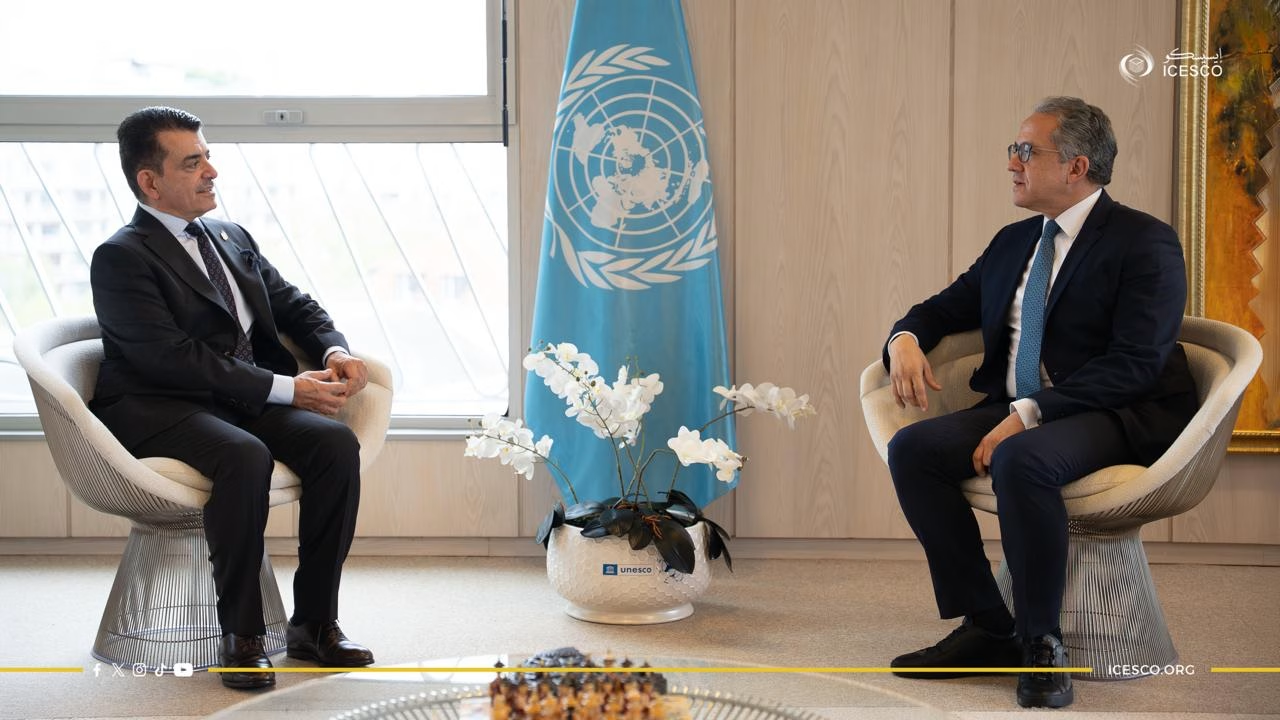
Prior to the signing ceremony, Dr. AlMalik and Dr. El-Enany held a bilateral meeting, during which they discussed the possibility of cooperating in organizing an international conference and exhibition on Islamic art to introduce its components and highlight its diversity and richness. They also emphasized the importance of implementing joint programs and launching initiatives in the field of artificial intelligence and capacity building for youth in the Islamic world, in addition to pursuing close cooperation and the exchange of expertise to support countries most in need.
In education, the memorandum provides for initiatives to strengthen education and higher education systems, support green and digital education and education transformation efforts, build the capacities of faculty members, develop dropout prevention strategies, and expand access to early childhood education.
In the field of science and technology, the memorandum focuses on cooperation to advance artificial intelligence ethics and digital transformation, encourage innovation, support entrepreneurship and technology transfer, and develop capacity-building initiatives. It also covers the implementation of the International Decade of Sciences for Sustainable Development (2024-2033) and enhanced cooperation in water management, particularly in Africa and the disadvantaged countries.
In culture, the memorandum covers follow-up on the priorities of the MONDIACULT 2025 Outcome Document, the protection of cultural rights, the promotion of cultural diversity, and the safeguarding of endangered and underwater heritage. It also addresses solutions to the challenges posed by climate change and illicit trafficking in cultural property, as well as the advancement of cultural policies and creative industries.
In peacebuilding and crisis response, the memorandum provides for cooperation to strengthen social cohesion, counter disinformation and all forms of discrimination, and support vulnerable communities through several programs, foremost among them ICESCO’s Leadership Training in Peace and Security (LTIPS) Program.
The agreement is part of the general agreement between ICESCO and UNESCO, signed in July 1985 and renewed in 2010, 2015, and 2019.


