
ICESCO Holds Panel Discussions on Sustainable Finance, Governance and Climate Change Adaptation During COP31

17 November 2026
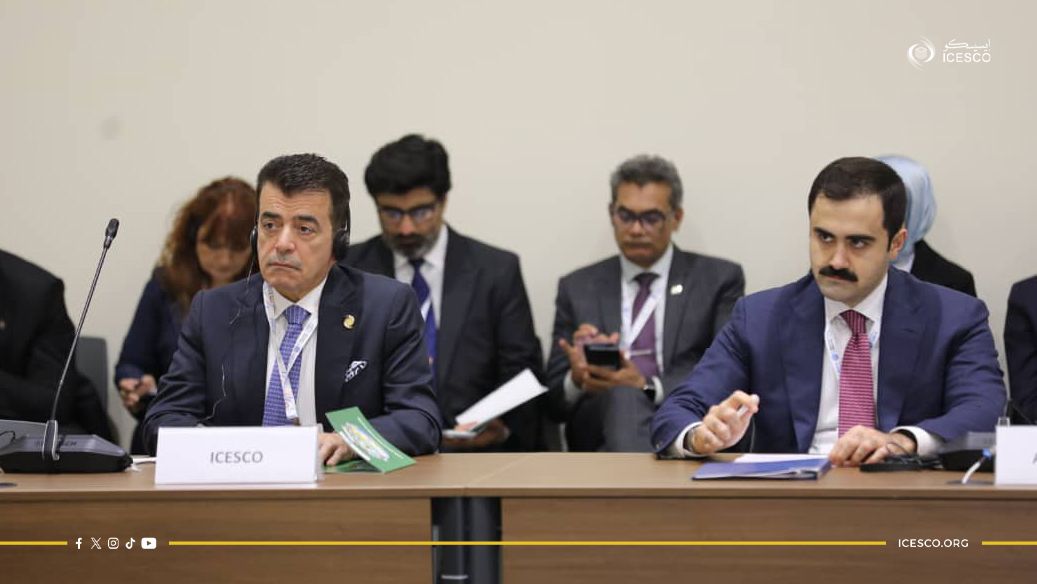
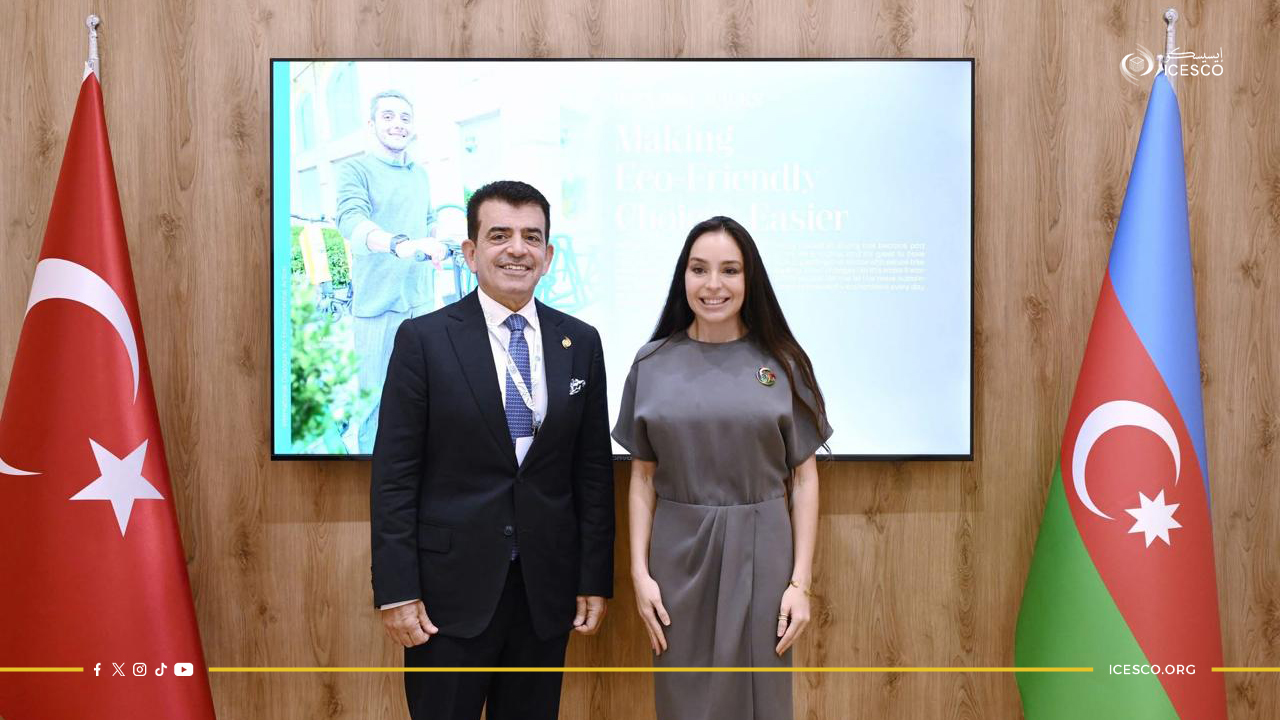
The Islamic World Educational, Scientific and Cultural Organization (ICESCO) is continuing its activities at the 31st United Nations Climate Change Conference (COP31) in Antalya, Türkiye. On 13 and 14 November 2026, ICESCO held five separate sessions examining ways to harness natural resources and sustainable finance, develop inclusive technologies, and leverage the energy transition and governance to strengthen climate change adaptation.
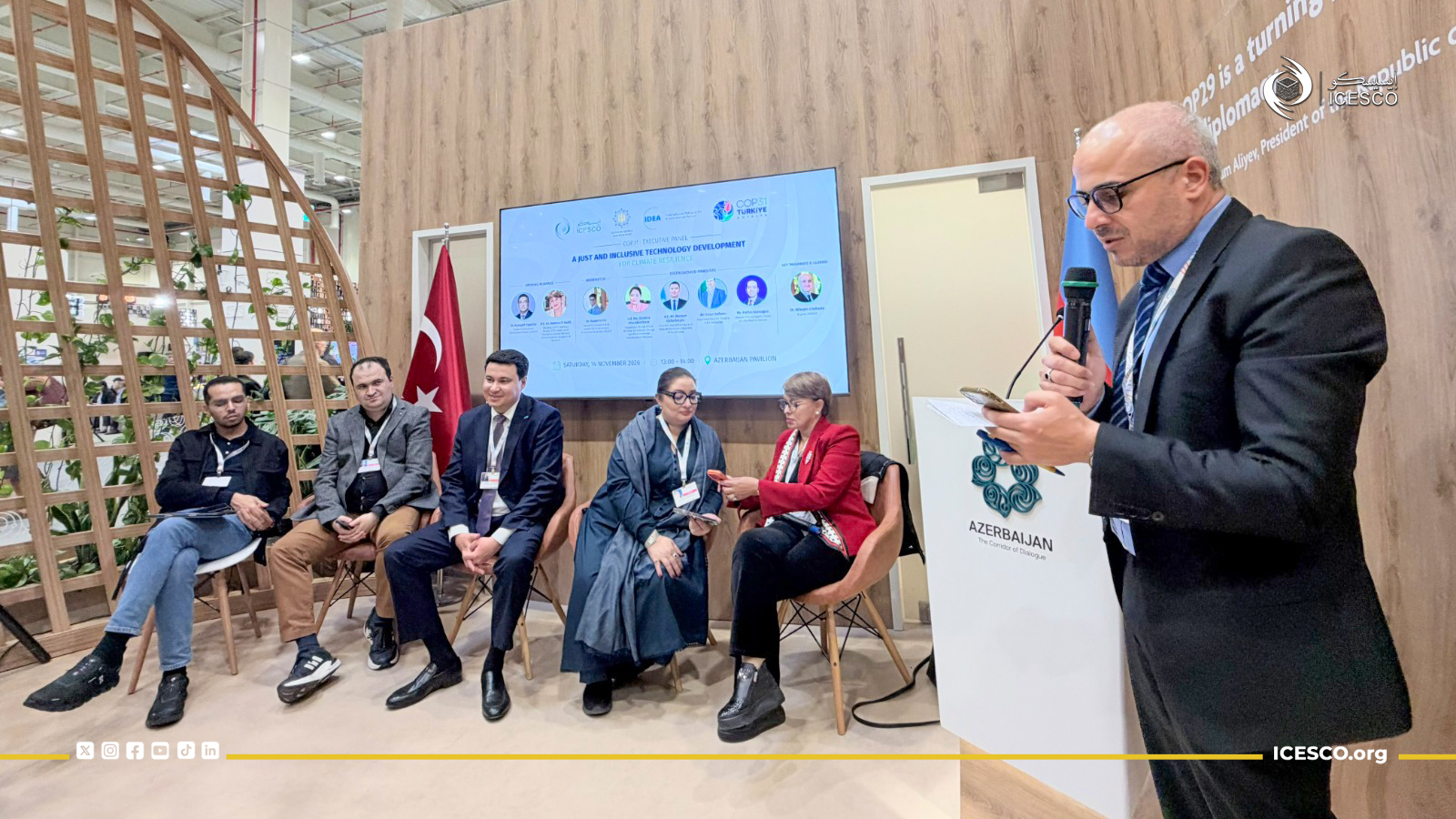
During a panel discussion titled “A Just and Inclusive Technology Development For Climate Resilience,” held at the Azerbaijan Pavilion in partnership with the Heydar Aliyev Foundation and the International Dialogue for Environmental Action (IDEA), Dr. Yergaliyev Kuanysh, Head of ICESCO’s Science and Environment Sector, and Dr. Hakima El Haite, member of the COP31 Advisory Council, emphasized the importance of strengthening international cooperation, inclusive innovation, and environmental justice in addressing the growing challenges posed by climate change.
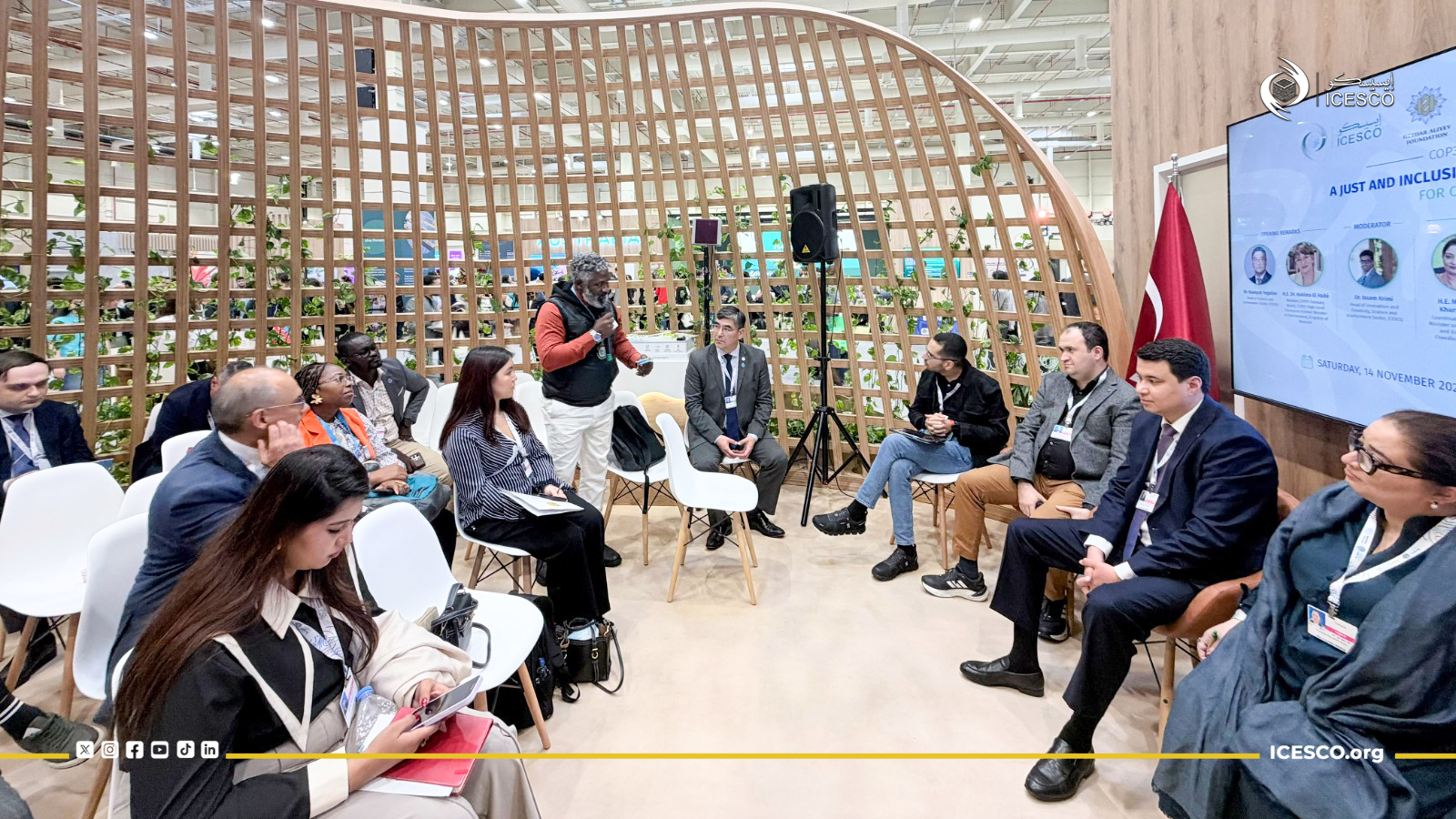
The session, moderated by Dr. Issam Karimi, Head of the Innovation and Creativity Division in the Sector, called for the establishment of a technology transfer fund for countries most in need to expand access to climate-resilient technologies.
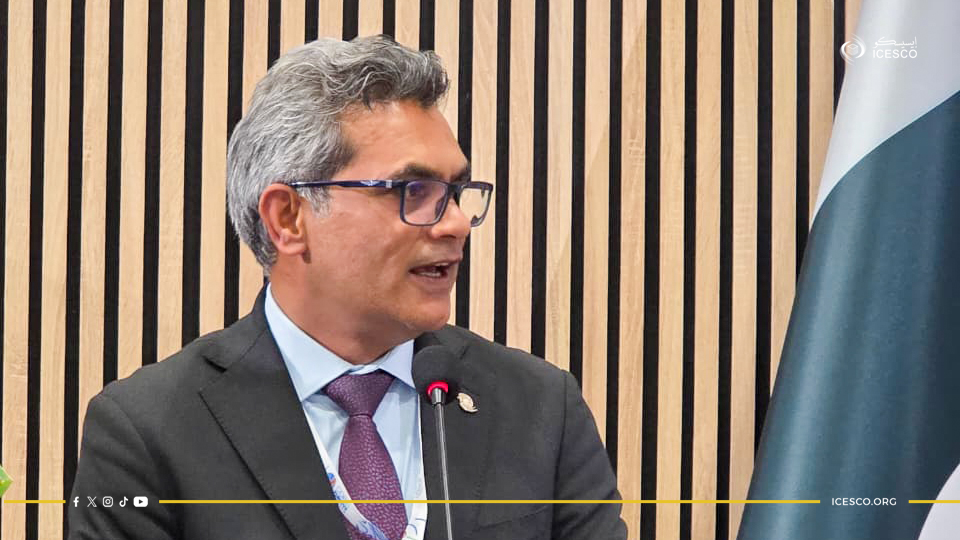
At the session titled “Equitable Governance: Institutional Strategies for Empowerment and Adaptation,” held in cooperation with the Center of Pakistan and International Relations (COPAIR) at the Pakistan Pavilion, Dr. Muhammad Sharif, Advisor in ICESCO’s Science and Environment Sector, delivered the opening remarks, highlighting ICESCO’s efforts to promote environmental dialogue.
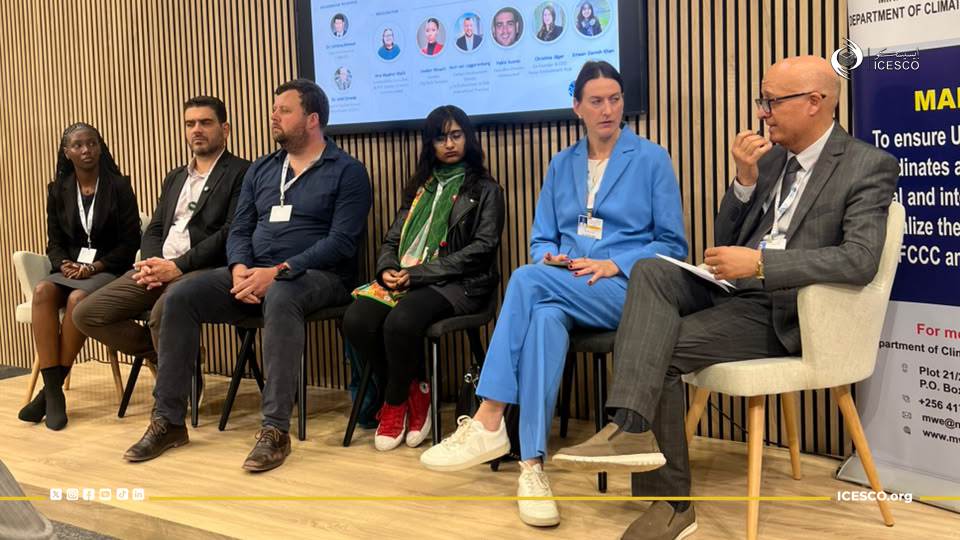
For his part, Dr. Adel Smeda, expert in the Sector, highlighted the interconnections among water, energy, food, and ecosystems, which require an integrated approach to addressing their challenges. He made the remarks during a session titled “Building Bankable and Scalable WEFE Business Models for Climate Resilience.” Held at the Uganda Pavilion, the session was organized in partnership with the Commission on Science and Technology for Sustainable Development in the South (COMSATS), the Islamic Organization for Food Security (IOFS), the Climate Technology Centre and Network (CTCN), and the Yunus Environment Hub.
At the Morocco Pavilion, a session titled “Powering Climate Resilience: Accelerating Energy Transition through Innovation” was held in partnership with Chapter Zero Kazakhstan and Atyrau Oil and Gas University. In his intervention, Dr. Wissam Chehade, expert in the Sector, noted that advancing the energy transition depends on creating enabling conditions for innovation and developing international cooperation.
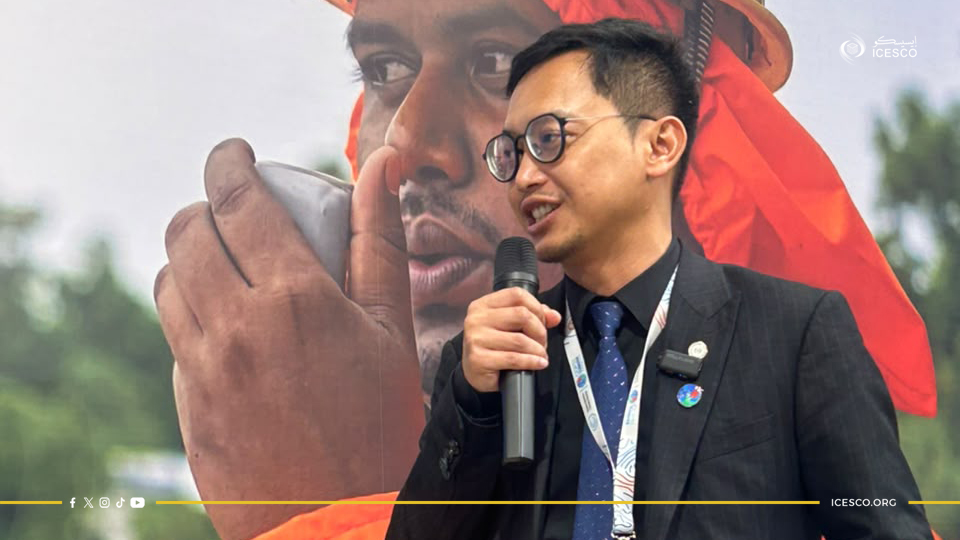
Co-organized by the Climate Technology Centre and Network, Chapter Zero Kazakhstan, and Atyrau Oil and Gas University, a session at the Bangladesh Pavilion explored how carbon markets and sustainable finance drive international climate investment. During the event, sector expert Dr. Fahman Fathurahman outlined strategies to strengthen institutional frameworks for carbon markets and improve emissions accounting audits.