“Artists of the World, Guests at ICESCO” Ninth Session Highlights Music’s Role in Promoting Intercultural Dialogue

8 October 2026
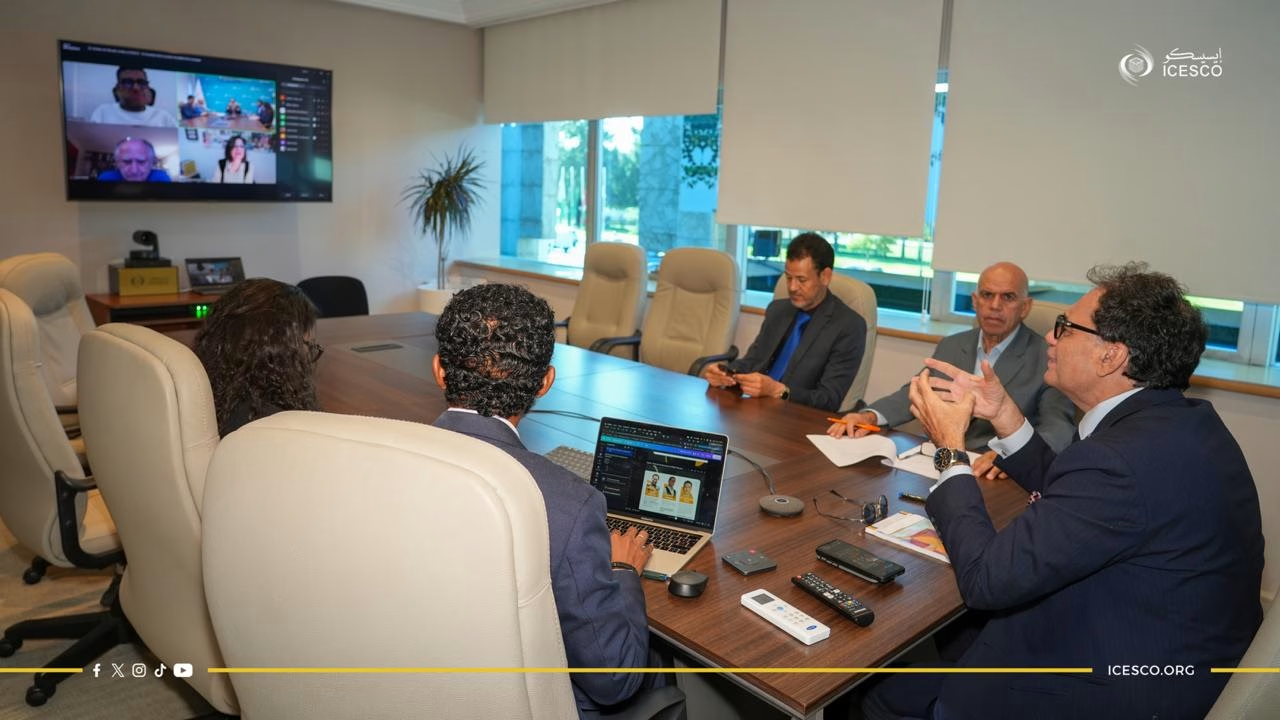
The Islamic World Educational, Scientific and Cultural Organization (ICESCO), in cooperation with the International Institute for World Music, held the ninth session of its “Artists of the World, Guests at ICESCO” program under the theme “The Status of Music in Today’s World and Its Role in Tomorrow’s World.” Bringing together a distinguished group of artists, experts, and researchers, the session aimed to explore the future of music and its role in promoting intercultural dialogue.
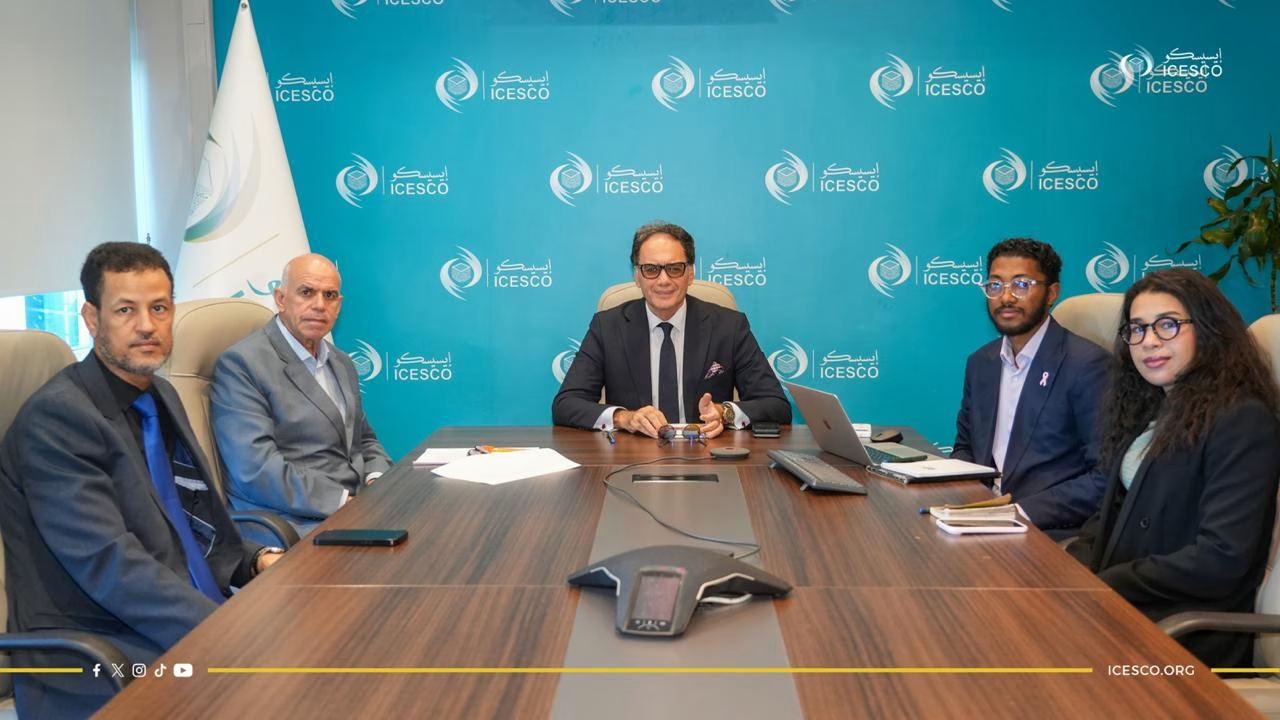
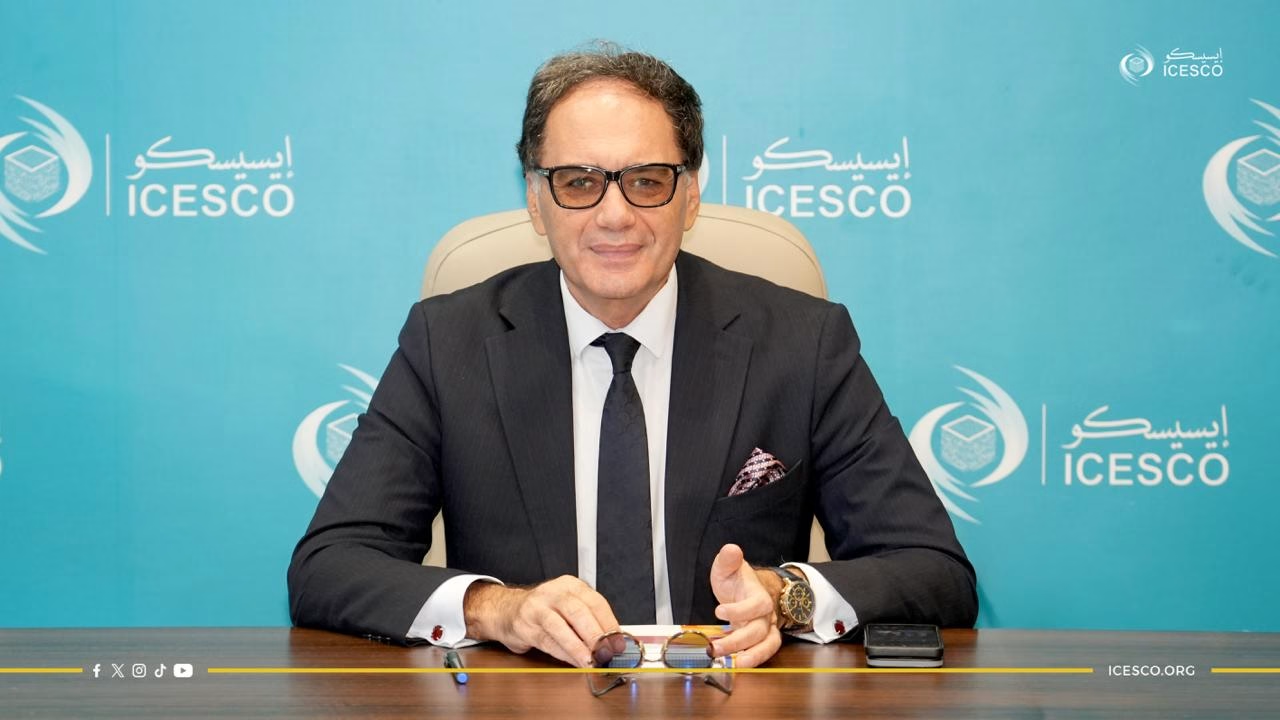
The webinar, held on Wednesday, 7 October 2026, via videoconference, opened with remarks by Dr. Mohamed Zinelabidine, Head of the Culture Sector at ICESCO. He emphasized the importance of music as a universal human language and a common thread linking various forms of creativity and cultural expression, highlighting its role in bringing peoples closer together and fostering mutual understanding and civilizational exchange.
During his presentation, Dr. Fakher Hakima, Director of the Higher Institute of Music of Sousse, shared his experience in discovering young talent. He highlighted the importance of developing musical skills and turning artistic practice into specialized career paths, thereby strengthening the creative industries and opening new opportunities for rising generations.
For his part, Manuel Delgado, Spanish musician and prominent figure in contemporary flamenco, explored the intersections between flamenco, musical traditions, and dance forms in the Eastern world. Drawing on his international artistic experiences, he explained how they had enriched his creative journey and affirmed music’s ability to transcend geographical and cultural boundaries and build bridges of communication among societies.
Margaret Dechenaux, Founder and Director of the International Institute for World Music in France, underscored the importance of promoting musical heritage as a living legacy and strengthening music education as a space for dialogue. She also highlighted music’s role in supporting international cooperation and addressed the challenges modern technologies pose to the future of artistic creativity.
Lotfi Ben Salah, Tunisian architect, discussed the historical and aesthetic links between music and architecture, stressing the importance of incorporating acoustic dimensions into the design of urban spaces. Meanwhile, André Fertier, President of the European Center for Cultural Accessibility (Cemaforre,) called for strengthening cultural citizenship, guaranteeing the right of access to music and arts education, and maintaining a balance among diverse cultural expressions amid the growing use of music as a soft-power tool.
The webinar concluded with discussions on music’s contributions to preserving cultural memory and transmitting knowledge and the arts across generations. Dr. Idham Hanash, Head of the Center for Calligraphy and Manuscripts at ICESCO, highlighted its historical role in safeguarding oral narratives and artistic and intellectual heritage through the successive stages of transcription and documentation.