
ICESCO Issues New York Declaration on Science Diplomacy at Conclusion of High-Level Dialogue

22 September 2026
The Islamic World Educational, Scientific and Cultural Organization (ICESCO), in partnership with the Ministry of Science and Higher Education of the Republic of Kazakhstan, held the first High-Level Dialogue on Science Diplomacy and Global Cooperation on Monday, September 21, 2026, in New York, United States. The event brought together officials from government bodies, international organizations, and scientific institutions to discuss ways of leveraging science diplomacy to strengthen international cooperation in higher education and translate scientific and technological capacities into tangible impact.
The dialogue, held as part of this year’s Science Summit in conjunction with the 81st session of the United Nations General Assembly (UNGA 81), opened with remarks by Dr. Salim M. AlMalik, ICESCO Director-General. He highlighted the importance of science diplomacy in advancing knowledge and progress, stressing that many scientific discoveries capable of protecting societies from contemporary challenges remain out of reach because countries lack the necessary infrastructure and partnerships.
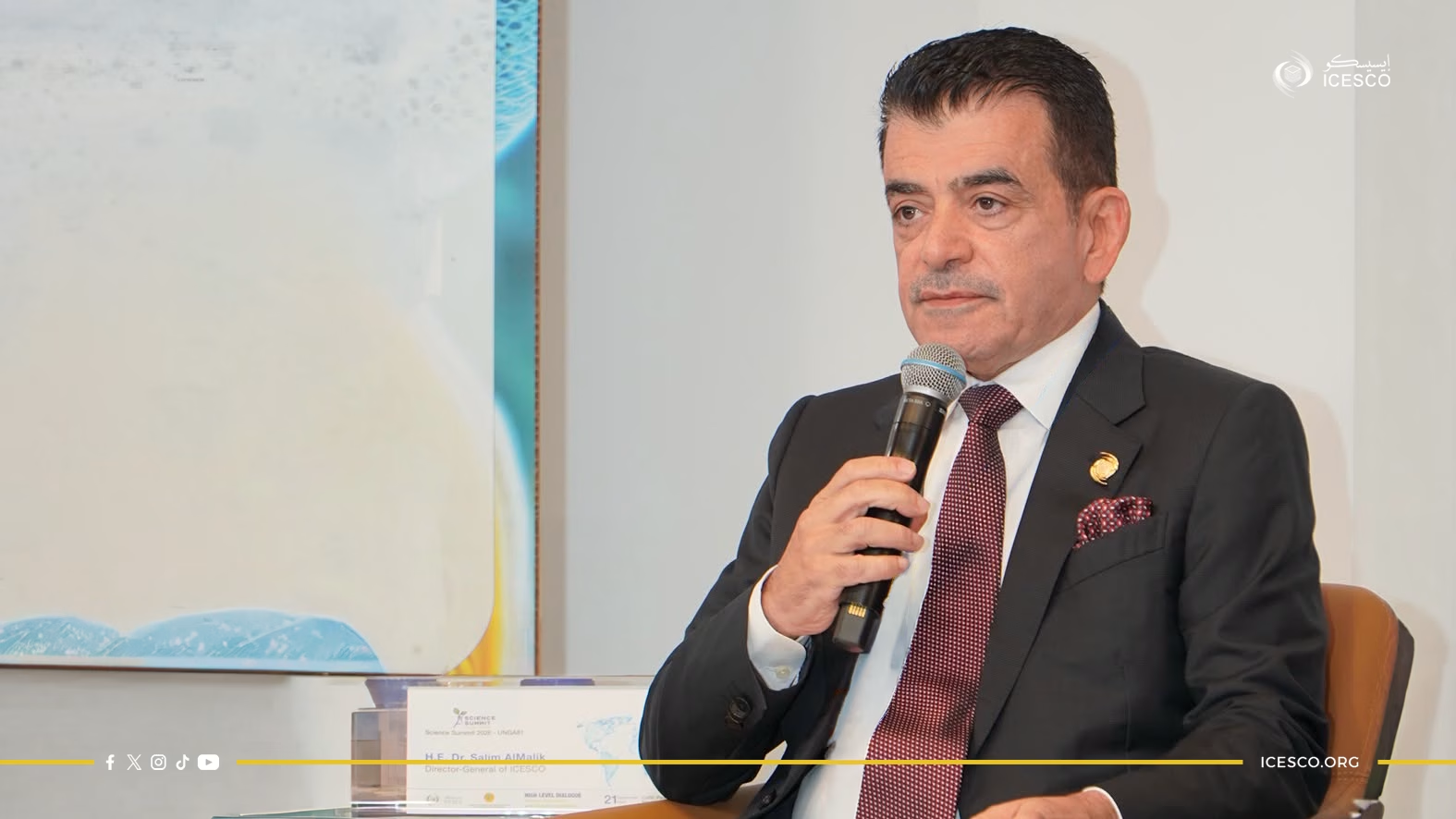
Dr. AlMalik expressed his appreciation to Kazakhstan’s Ministry of Science and Higher Education for its cooperation with ICESCO in organizing the dialogue, noting that science diplomacy lies at the heart of the Organization’s priorities. He added that ICESCO is developing its areas of competence through an approach based on impact, inclusiveness, creativity, and sustainability.
In this regard, the ICESCO Director-General stated that the Organization is working to develop a framework for the mutual recognition of academic qualifications in 15 countries, as well as permanent mechanisms for science diplomacy to connect scientists with diplomats, universities with governments, and scientific research with policymaking.
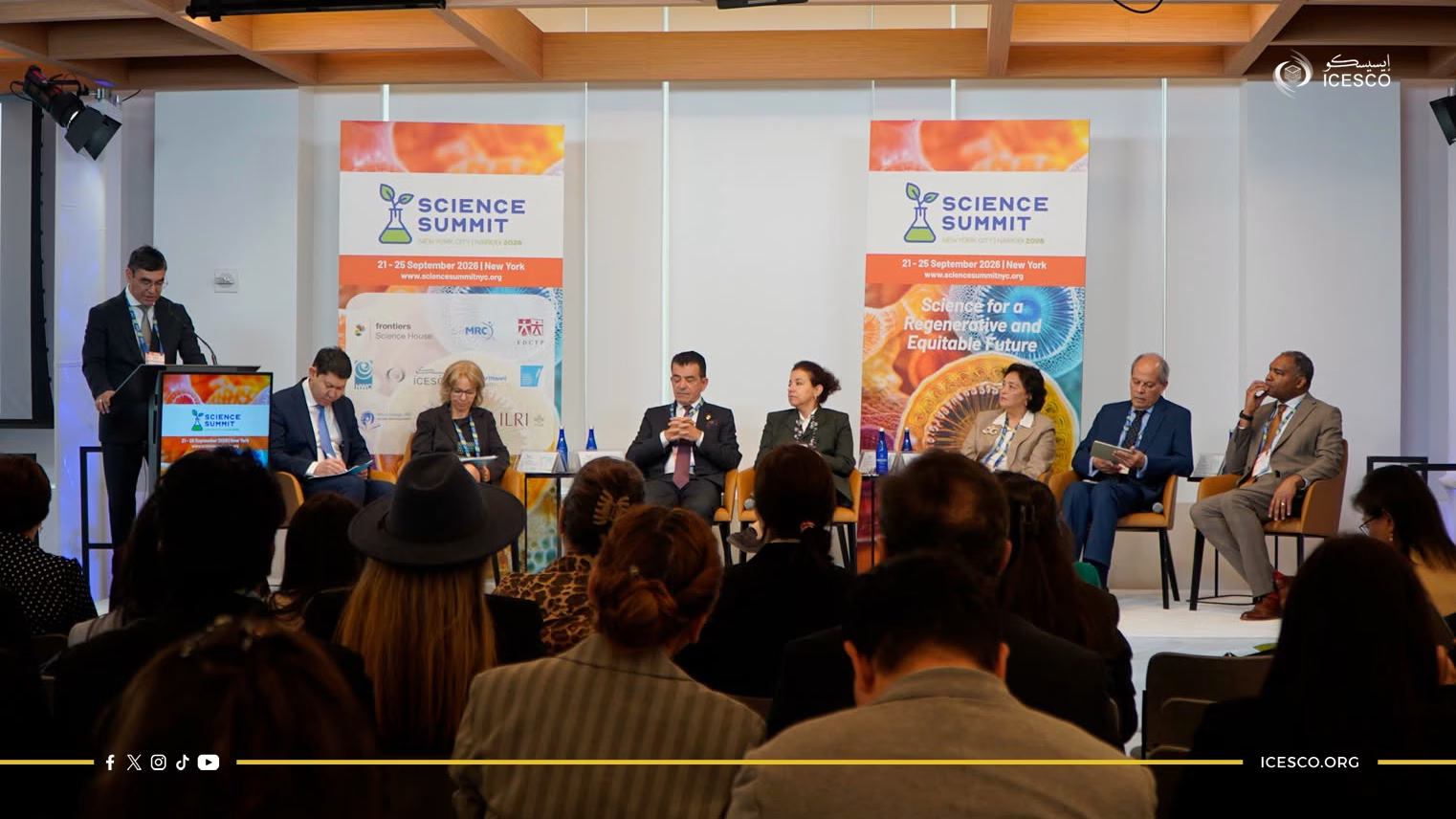
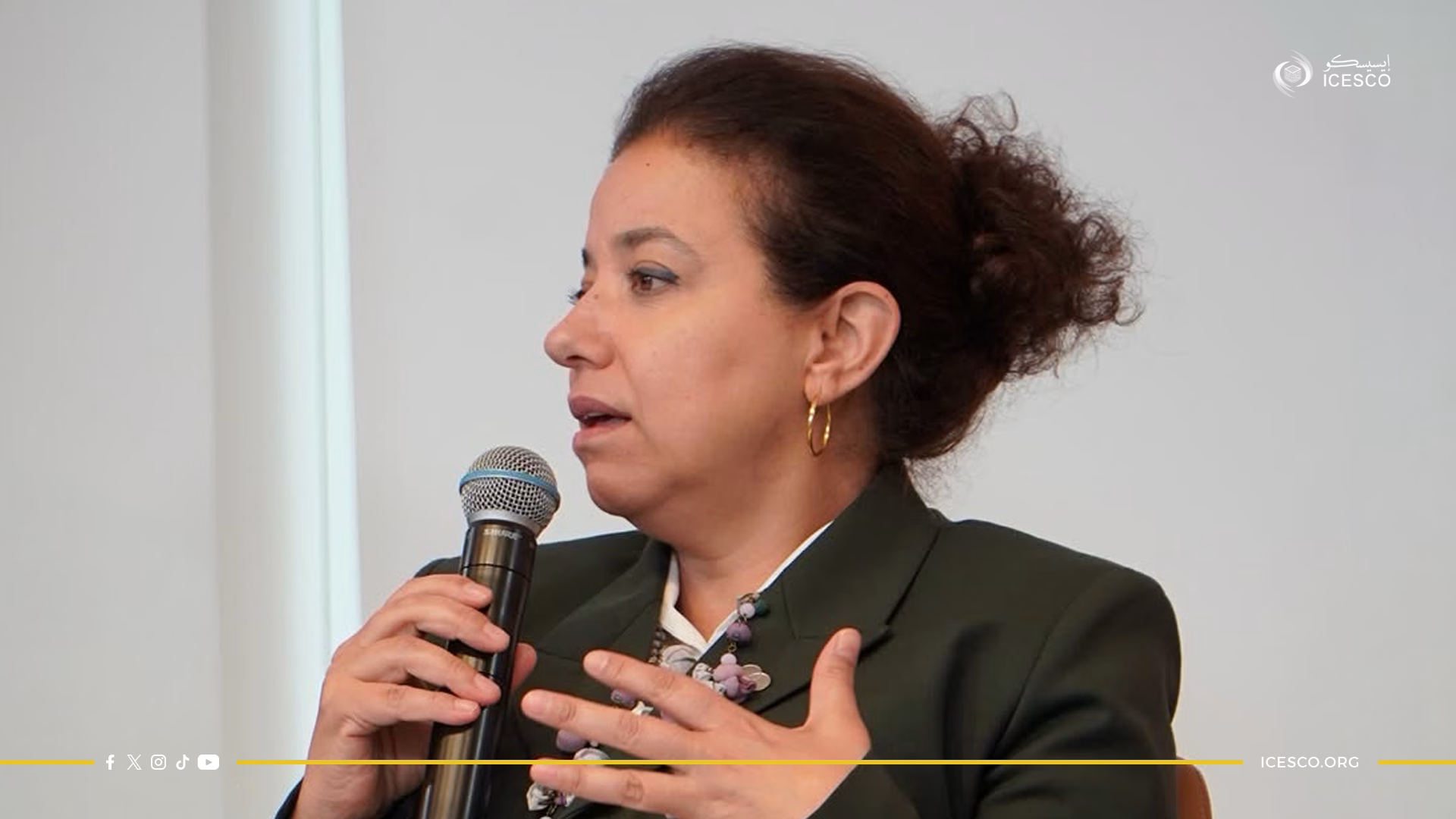
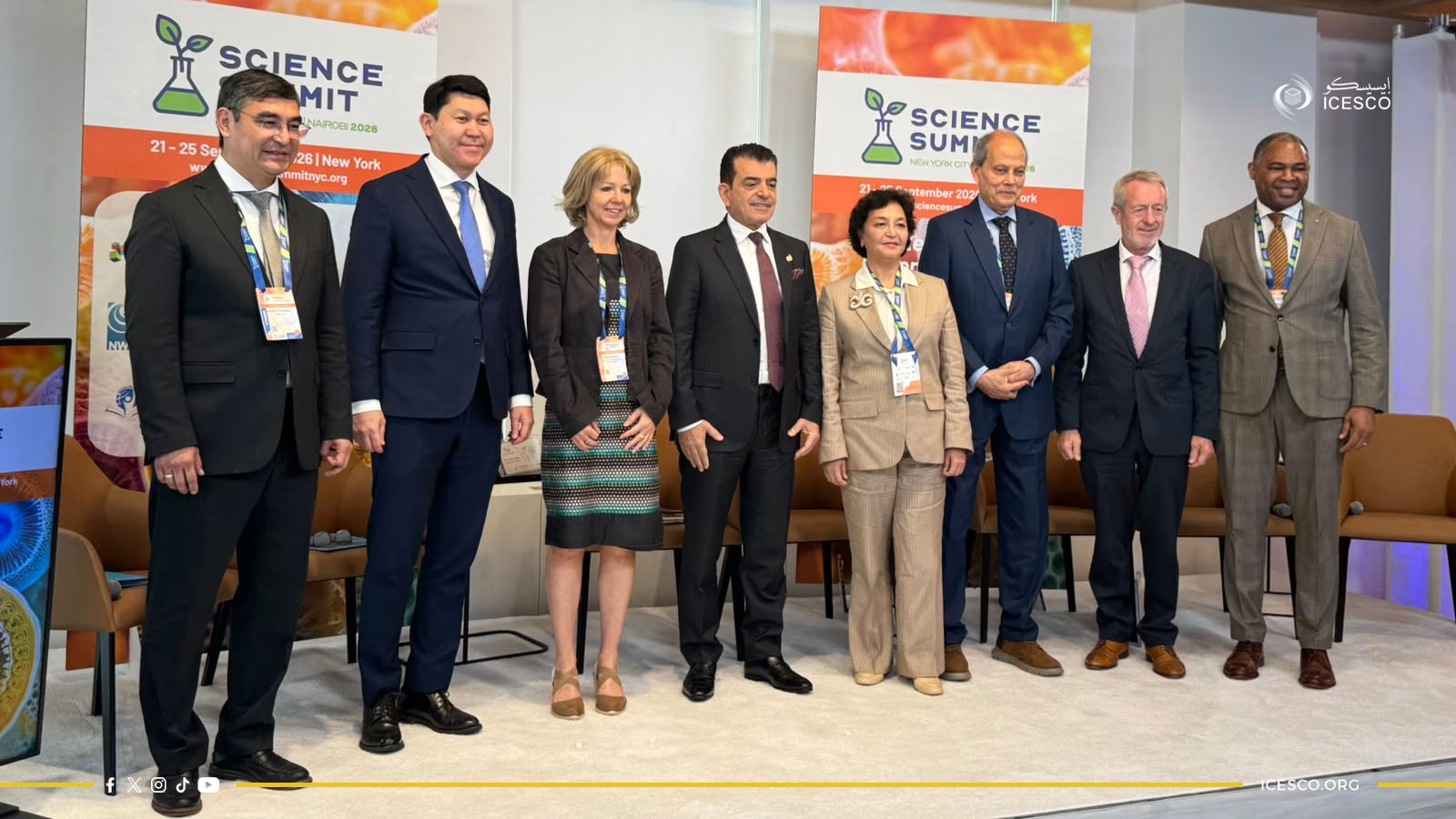
Following, Dr. Yergaliyev Kuanysh, Head of the Science and Environment Sector at ICESCO, moderated a panel that saw the participation of Dr. AlMalik; Mr. Didar Temenov, Director of the Multilateral Cooperation Department of Kazakhstan’s Ministry of Foreign Affairs; Ms. Dima Al-Khatib, Director of the United Nations Office for South-South Cooperation; Dr. Saule Sagintayeva, President of Abylkas Saginov Karaganda Technical University in Kazakhstan; Ms. Susie Kitchens, Director of Science Diplomacy at the International Institute for Applied Systems Analysis; Dr. Saifur Rahman, Editor-in-Chief of IEEE Climate Magazine, Director of the Virginia Tech Advanced Research Institute, Dr. Brando Okolo, Head of the Science, Technology and Innovationat the African Union Development Agency; and Mr. Seán Kelly, Member of the European Parliament.
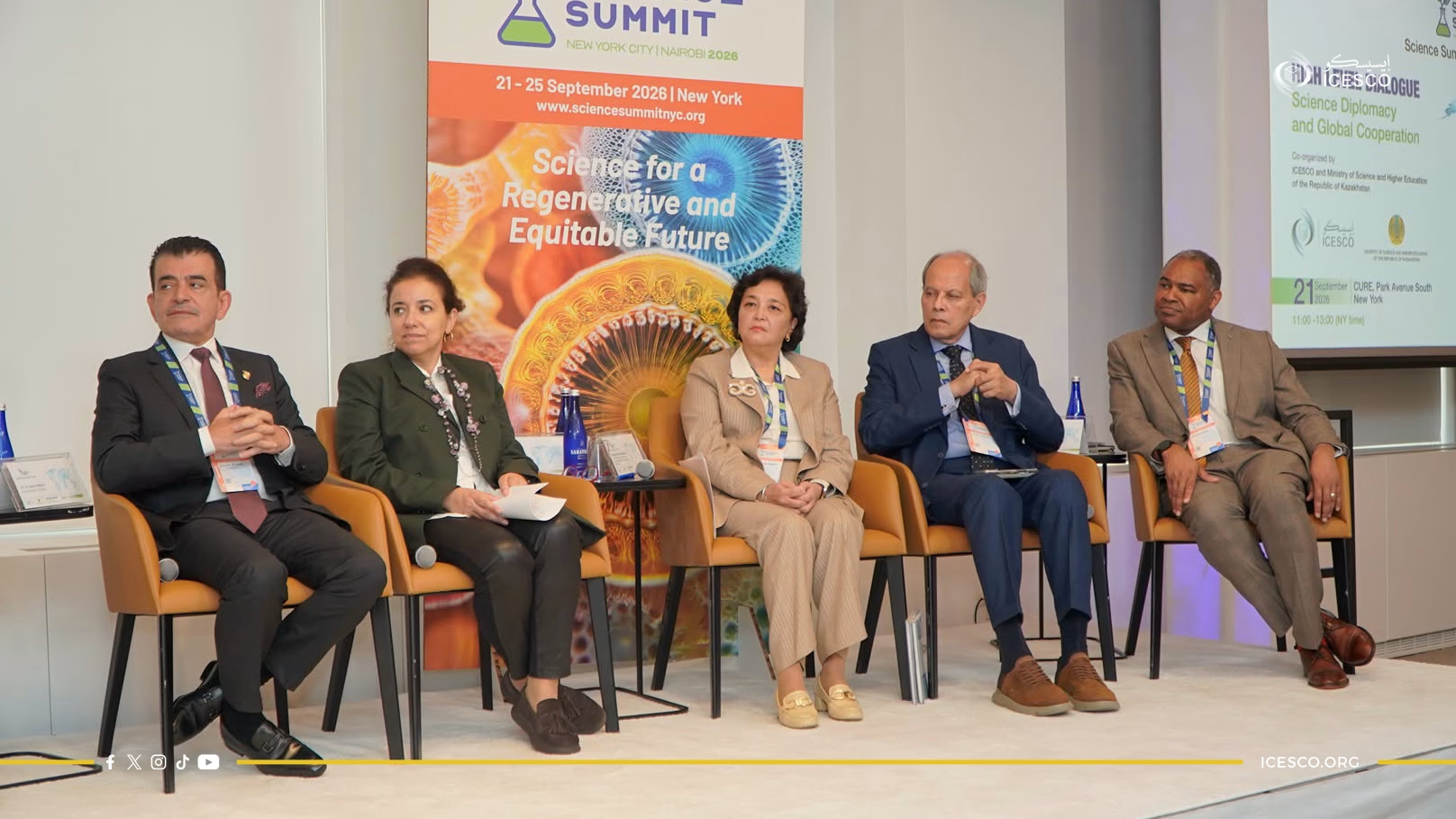
At the conclusion of the dialogue, participants issued the “New York Declaration on Science Diplomacy for Inclusive Global Development,” affirming the commitment of participating institutions to employ science diplomacy to advance cooperation among countries, governments, universities, research institutions, the private sector, and civil society. The Declaration aims to promote innovation, sustainable development, and the contribution of Global South countries to science, particularly in the face of contemporary challenges, foremost among them climate change, security, and health. It emphasized that science diplomacy provides a practical means of developing research infrastructure, modern technologies, and the capacities of future generations of scientists and diplomats.