
ICESCO Director-General Reviews Priorities for Transforming Universities into Engines of Innovation at ICESCO Forum of Rectors in Kazan

29 August 2026
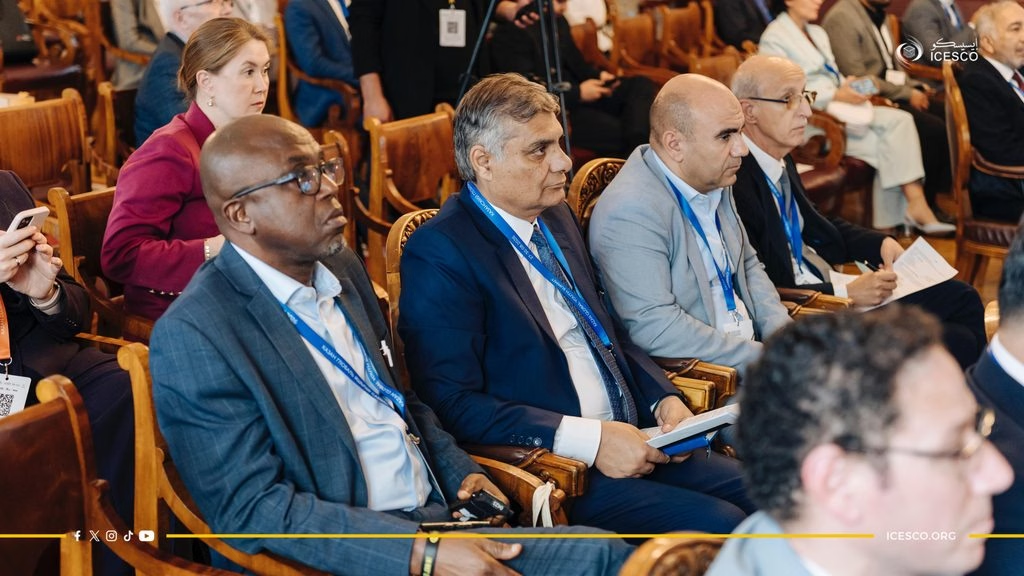
The Islamic World Educational, Scientific and Cultural Organization (ICESCO) held the ICESCO Forum of Rectors, under the Federation of the Universities of the Islamic World (FUIW), on Friday, 28 August 2026, in Kazan, Republic of Tatarstan, Russian Federation, under the theme “Reimagining Higher Education in the Islamic World: Partnerships, Innovation, and International Competitiveness.” The Forum brought together ministers, senior officials, and university vice chancellors from across and beyond the Islamic world.
During the Forum’s plenary session, Dr. Salim M. AlMalik, Director-General of ICESCO, delivered a recorded address in which he noted that the history of Kazan bears witness to the progress generated by cultural and intellectual exchange among peoples. He highlighted that the Forum, held in parallel with the Kazan Global Youth Summit, forms part of a forward-looking vision that positions higher education as a space for preparing the youth to build the future. He further expressed his appreciation to H.E. Rustam Minnikhanov, Rais of the Republic of Tatarstan, and the
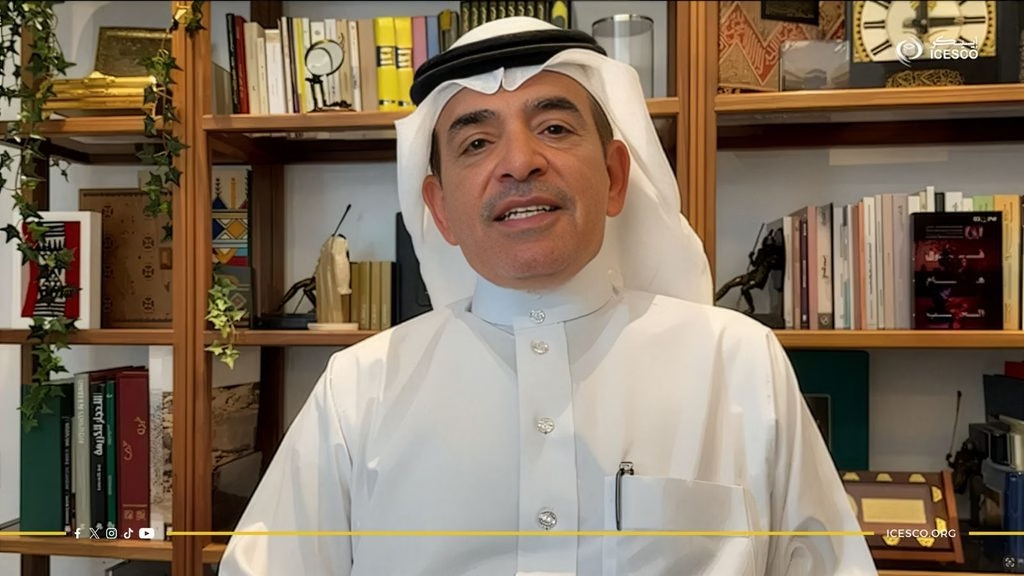
Organization’s partners in the Russian Federation for their continued commitment to supporting ICESCO’s activities and initiatives.
Dr. AlMalik affirmed that the Forum constitutes an important platform for discussing the transformations taking place in universities and contributing to guiding their implementation and shaping curricula, with a view to providing inclusive higher education that responds to the aspirations of societies, particularly at a time when education and the labor market are being reshaped by the artificial intelligence revolution.
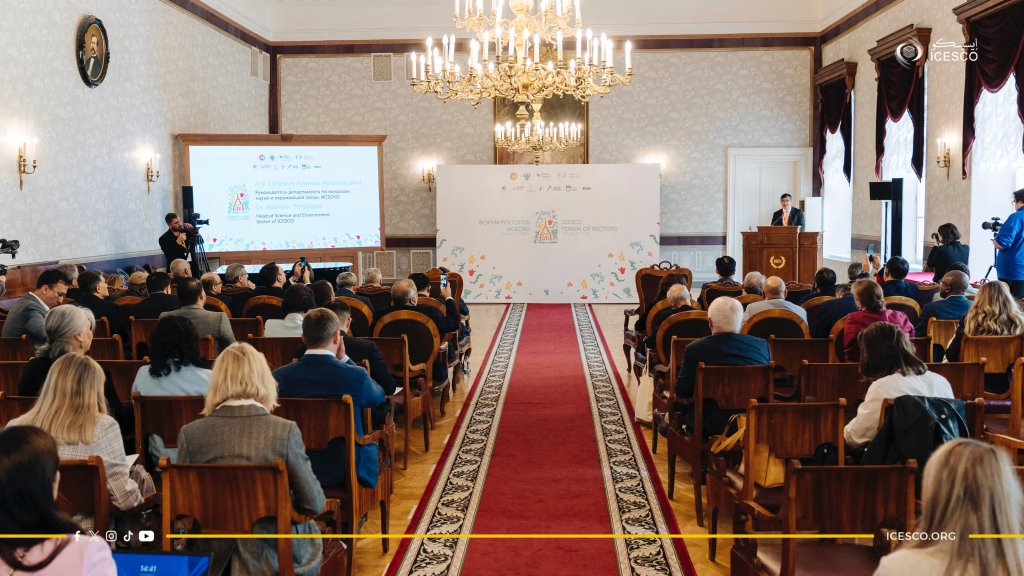
Dr. AlMalik also outlined several priorities for ICESCO and its affiliated Federation over the next three years, aimed at turning universities in the Islamic world into engines of innovation and gateways to opportunities. These include an academic mobility action plan for students, faculty members, and researchers, involving 50 universities and benefiting 1,000 students and 200 academics; the development of a framework to strengthen the mutual recognition of qualifications and academic units, with the participation of 15 countries; the development of 20 programs and 10 joint digital or laboratory facilities; and enhanced cooperation between universities and research centers to author joint publications.
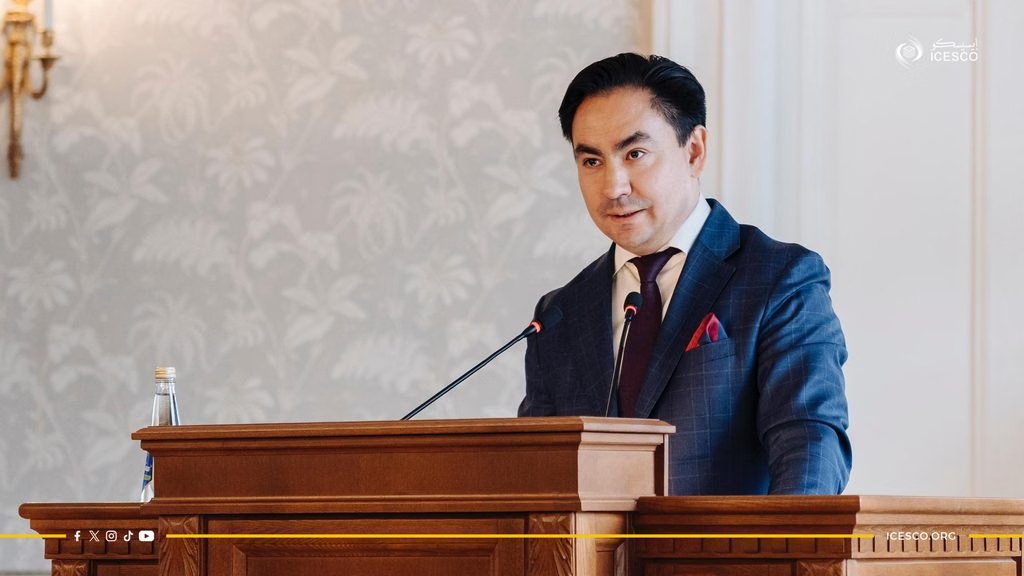
The first session featured Dr. Riyaz Minzaripov, President of Kazan Federal University; Dr. Rae Kwon Chung, Nobel Peace Prize laureate; Dr. M. Iqbal Choudhary, Coordinator General of COMSTECH; Dr. Amjad Barham Dabab, Minister of Education and Higher Education of the State of Palestine; Mr. Bakary Y. Badjie, Minister of Youth and Sports of the Republic of The Gambia; and Dr. Modesto Ricardo Gómez Crespo, First Deputy Minister of Higher Education of the Republic of Cuba.
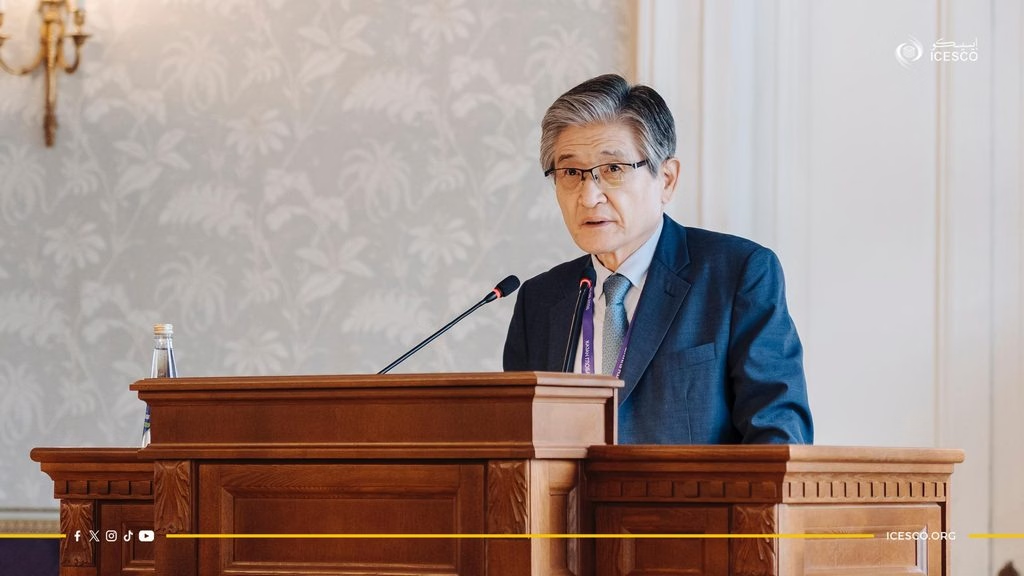
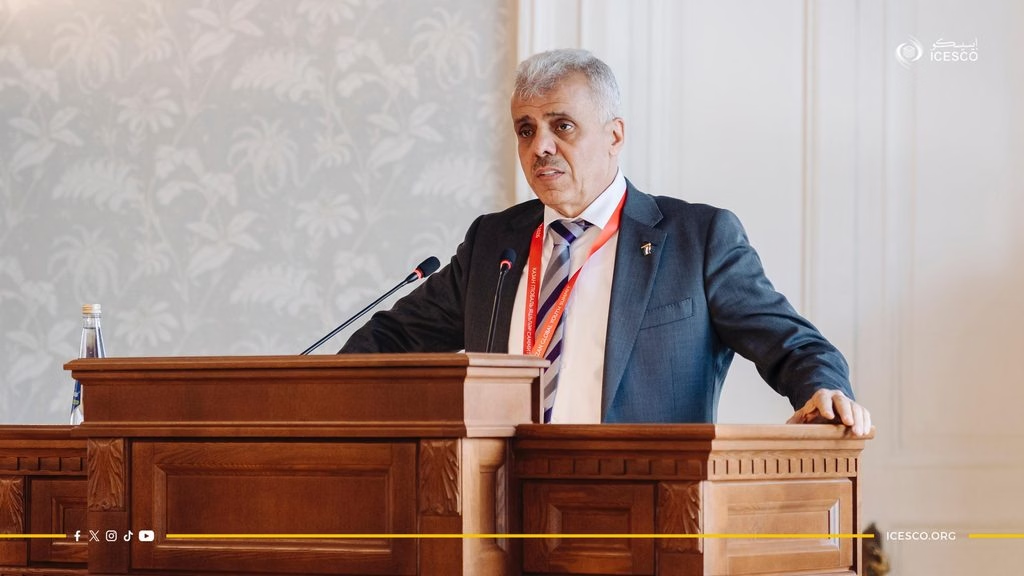
The Forum also featured a session titled “Education in an Era of Global Change: Human Capital for Sustainable Development,” which discussed young people’s perspectives and pathways for education and professional development. Another session, titled “The Role of University Federations and Global Partnerships in Advancing Higher Education in the Islamic World,” focused on the importance of providing strategic leadership and fostering joint cooperation among universities and organizations.
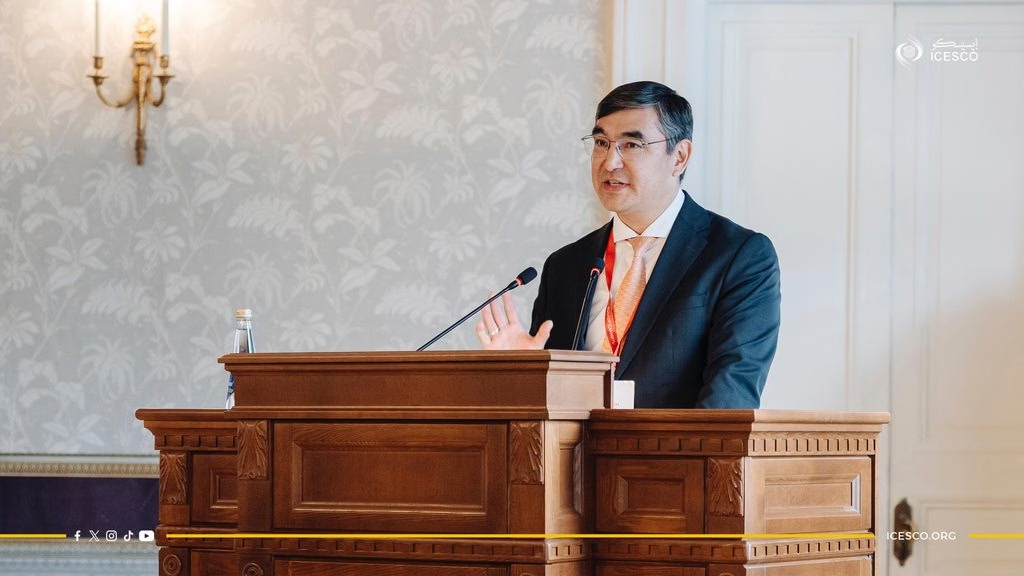
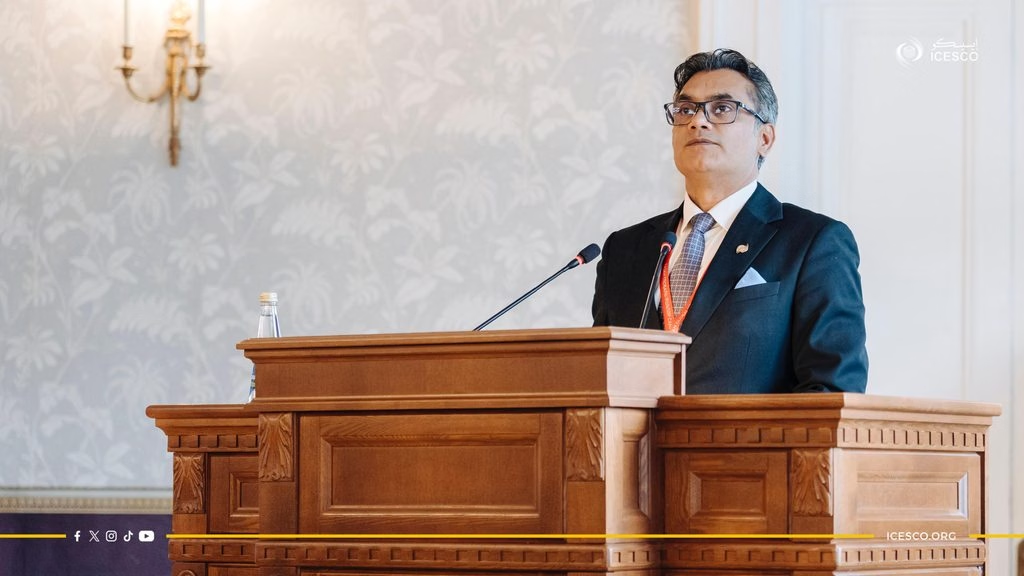
The Forum concluded with the roundtable “Universities of the Future: From Leadership to Innovation,” during which participants highlighted ways for universities to respond to technological, economic, and social transformations. The event also witnessed the signing of nine memoranda of understanding between the participating entities.