
ICESCO Holds Introductory Meeting on the “Culture International Smart City” Project with 40 Representatives of National Commissions

23 July 2026
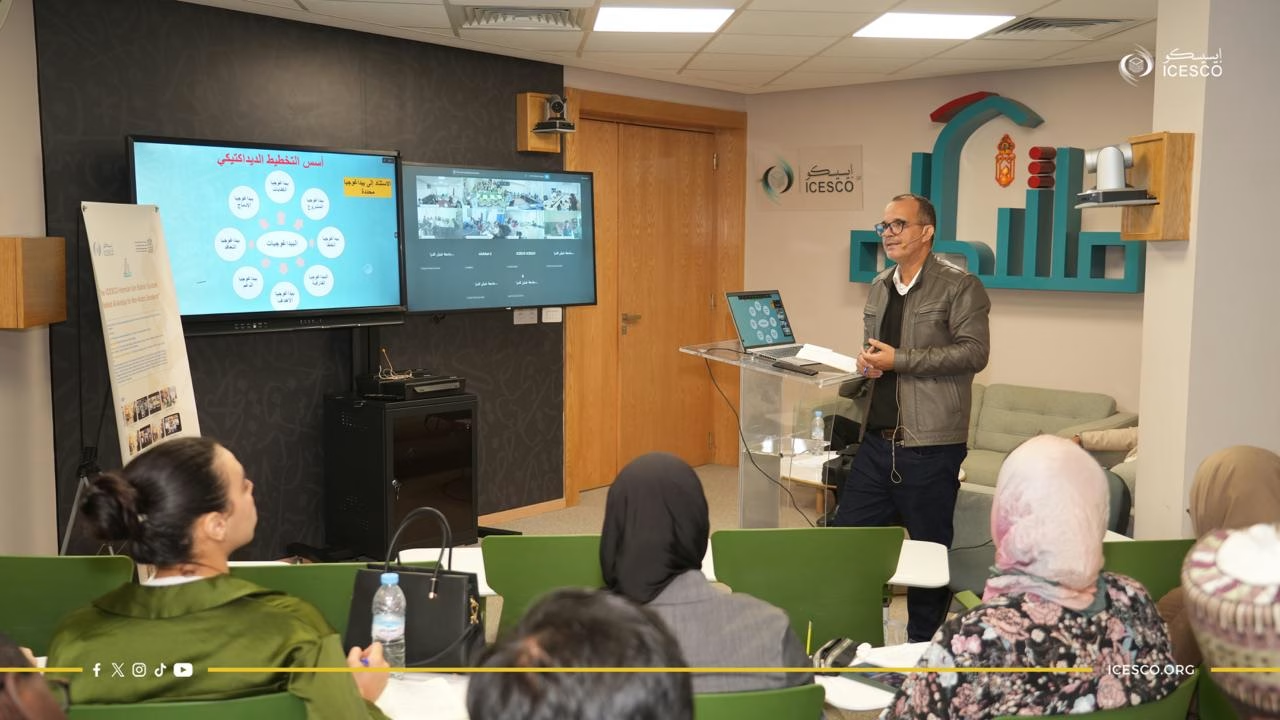
The Islamic World Educational, Scientific and Cultural Organization (ICESCO) held an introductory meeting to present its new “Culture International Smart City” project on Wednesday, 22 July 2026. The meeting was organized in cooperation with the General Delegation of Wallonie-Bruxelles in Morocco, Imam Abdulrahman Bin Faisal University of Saudi Arabia, and the Arts et Métiers Institute of Technology (ENSAM) in Paris. It brought together 40 representatives of ICESCO National Commissions, along with a number of experts from the Organization.
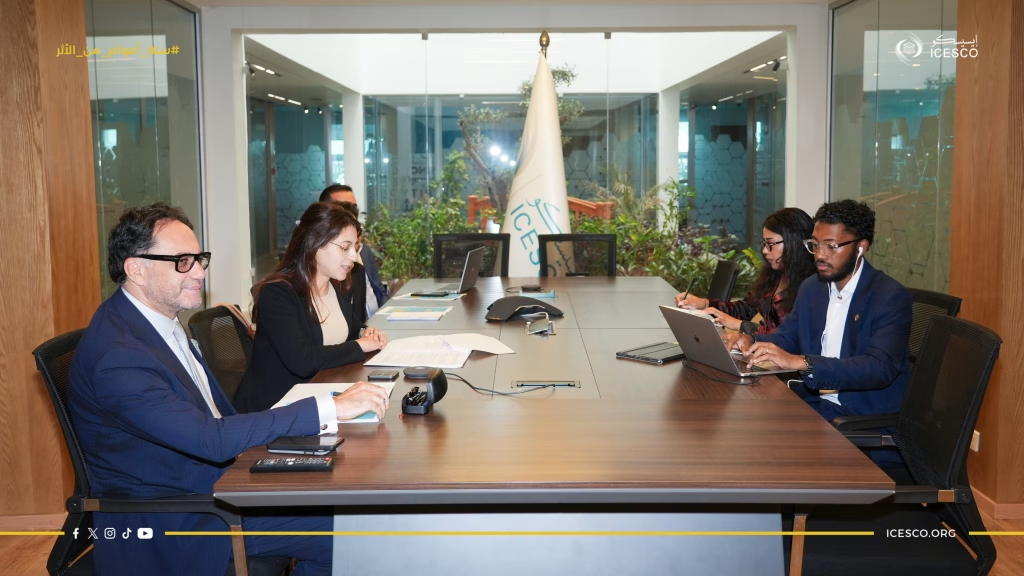
The virtual meeting, chaired by Ms. Chiraz El Fassi, General Delegate of Wallonie-Bruxelles in Morocco, opened with remarks by Dr. Mohamed Zinelabidine, Head of ICESCO’s Culture Sector. In his address, he reaffirmed the Organization’s commitment to developing innovative cultural policies founded on international cooperation, digital transformation, and sustainable development. He noted that the new program represents a major step in implementing ICESCO’s strategic vision of positioning culture as a driver of development.
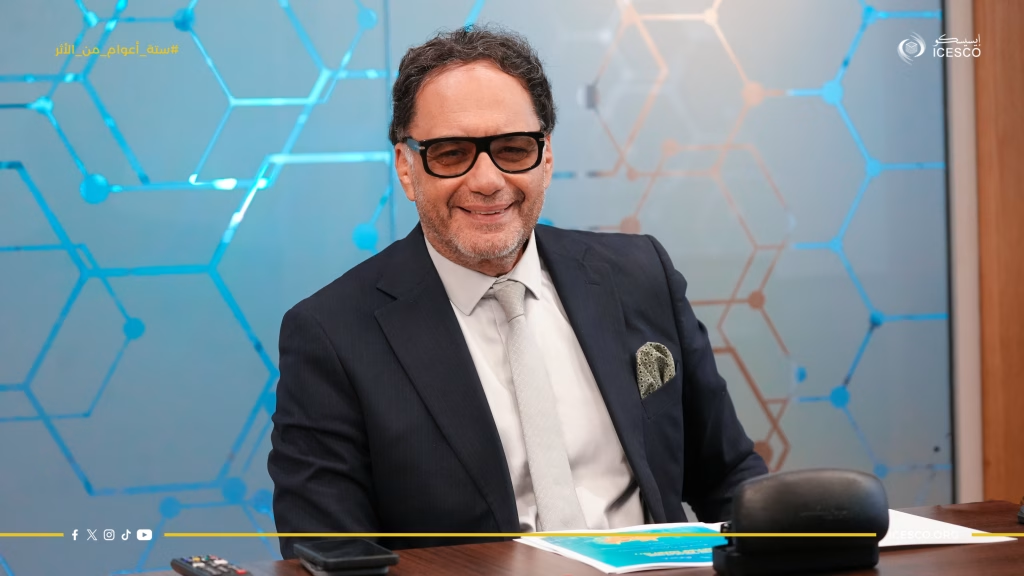
This was followed by a detailed presentation on the “Culture International Smart City” project delivered by Dr. Mohamed Amine Hammami, an expert in cultural and creative technologies, and Mr. Christophe Claramunt, a professor at ENSAM in Paris. They explained that the project seeks to harness digital technologies and artificial intelligence to support the preservation, valorization, and promotion of cultural heritage while stimulating the creative economy and fostering innovation across ICESCO Member States.
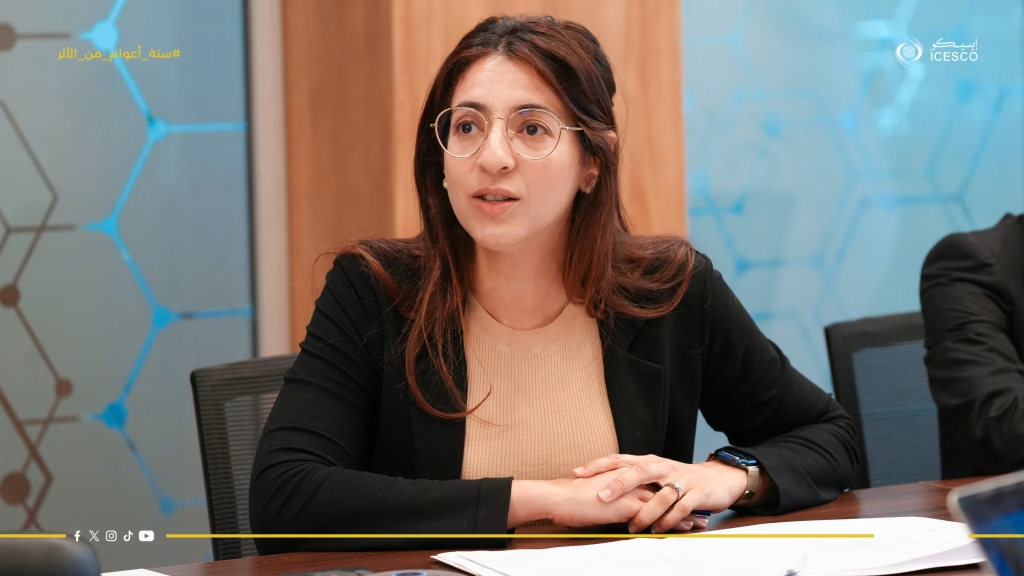
The presentation emphasized that the project goes beyond the digitalization of cultural heritage. It aims to establish a smart cultural ecosystem in which heritage, innovation, scientific research, cultural entrepreneurship, and citizen participation interact within an integrated and holistic framework.
Representatives of the National Commissions welcomed the innovative initiative and expressed their interest in implementing it in their respective countries. Discussions focused on mechanisms for appointing focal points between ICESCO and its Member States to identify pilot cities, mobilize local partners, and develop a joint action plan to ensure the gradual implementation of the program at the national level.
The “Culture International Smart City” project is part of ICESCO’s broader efforts to place culture at the heart of digital transformation by developing an innovative model for smart cultural cities capable of strengthening cultural heritage protection, supporting the creative economy, and promoting scientific research.