
ICESCO Reviews Draft Charter for the Promotion of Cultural Rights in the Islamic World

3 July 2026
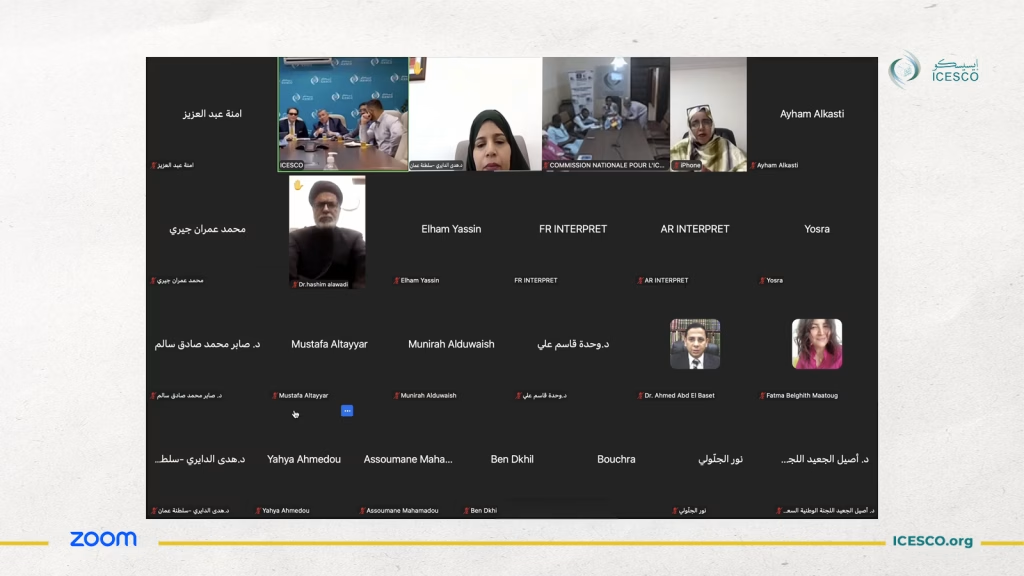
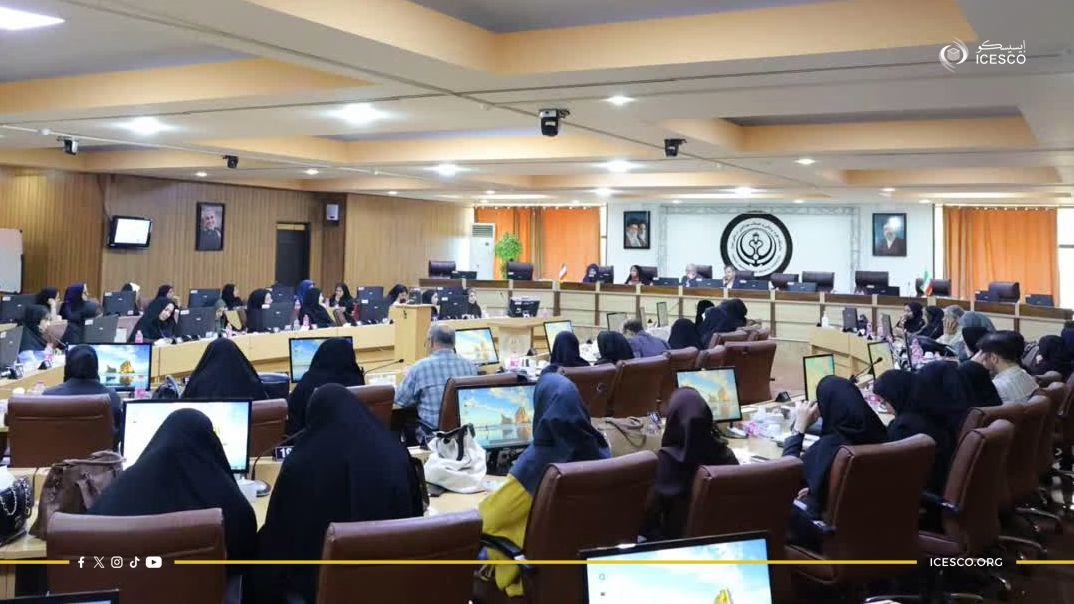
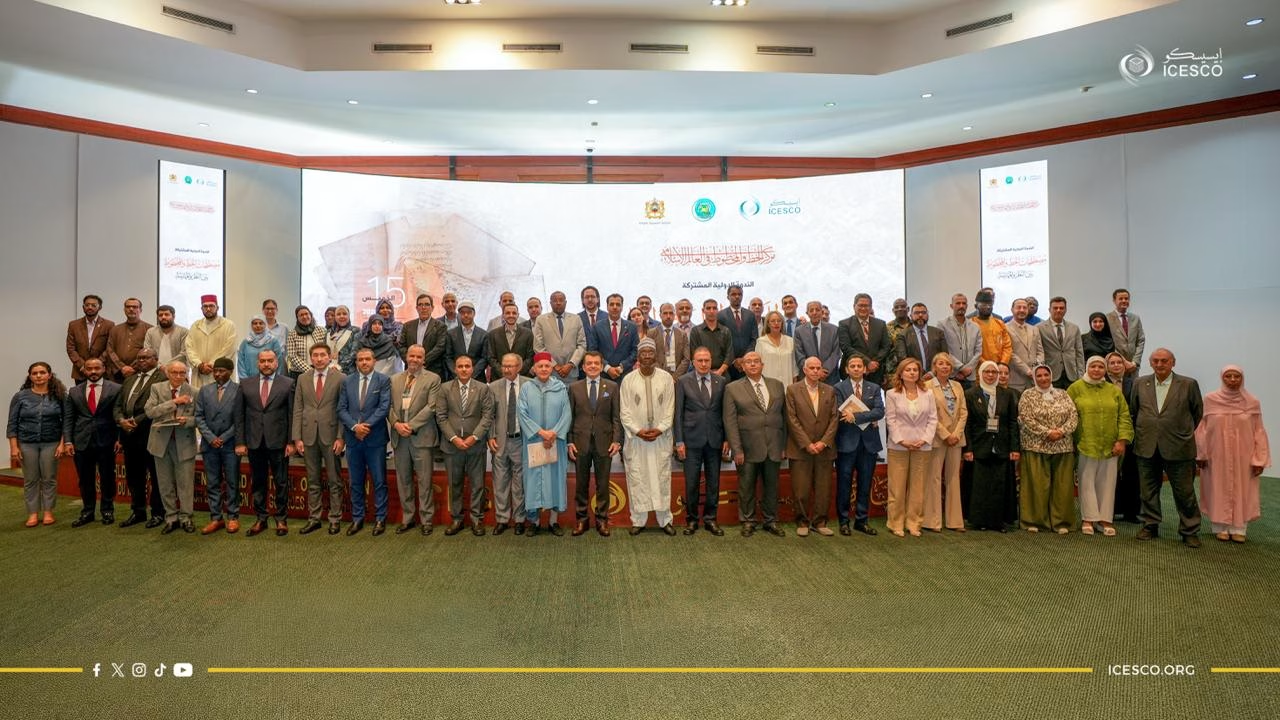
The Islamic World Educational, Scientific and Cultural Organization (ICESCO), on Thursday, 2 July 2026, held an international symposium on the “Draft ICESCO Charter for the Promotion of Cultural Rights in the Islamic World,” with the participation of 60 experts and representatives of national commissions from 17 Member States, along with several stakeholders in cultural affairs, both in person and via videoconference.
The Charter aims to establish a reference framework for policymakers, public and private stakeholders, as well as citizens in ICESCO Member States, to enhance participation in cultural life without discrimination, enrich it, while respecting cultural diversity and preserving civilizational identities.
In his opening remarks, Dr. Mohamed Zinelabidine, Head of the Culture Sector at ICESCO, affirmed that the Organization seeks to implement this Charter within Member States in a way that strengthens the status of cultural rights in public policies and highlights their deep connection to the values of Islamic civilization, based on respect for diversity, tolerance, dialogue, and cooperation.
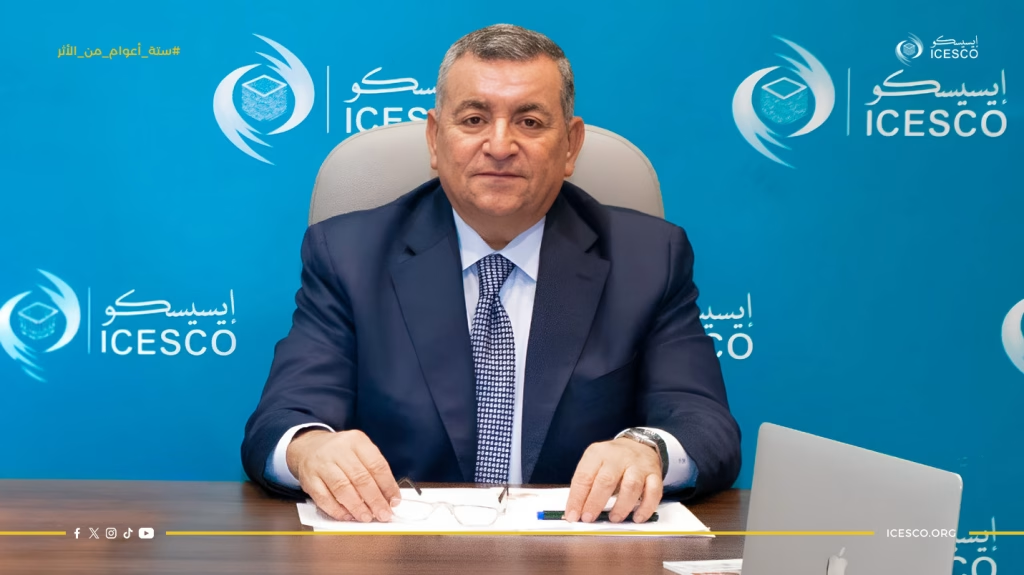
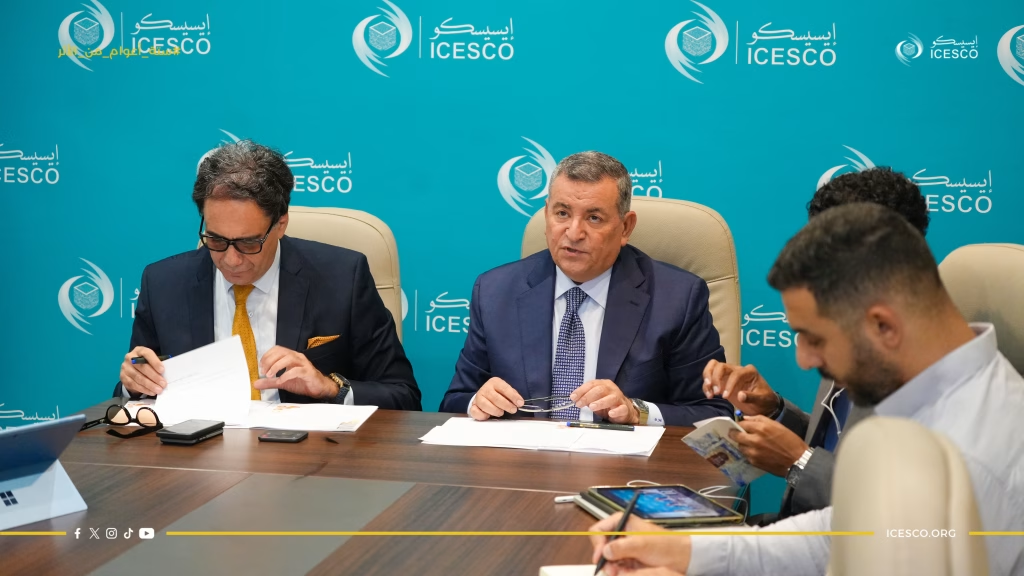
The symposium was moderated by Mr. Osama Heikal, Head of the Media and Communication Sector at ICESCO, who underlined the importance of linking cultural rights with media, social media platforms, and artificial intelligence. He called on countries of the Islamic world to strengthen their digital presence and develop platforms capable of promoting their values and culture and contributing to global cultural engagement.
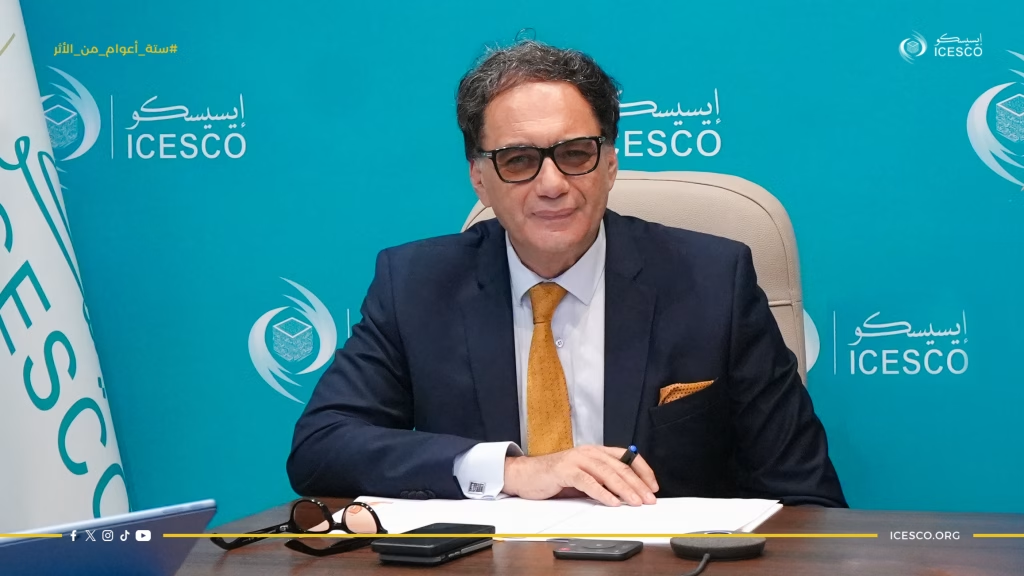
Following this, Mr. Mohamed Al Ansary, an expert at the Culture Sector, delivered a comprehensive presentation on the Charter’s main provisions, explaining that its primary objective is to address the challenges and threats facing cultural rights at both national and international levels through an approach underpinned by three main categories: the right to culture, the right of culture, and cultural rights.
The symposium concluded with interventions that underscored the value of the Charter and its importance at the present time, emphasizing the need to develop practical mechanisms for its implementation and strengthen cooperation among Member States, with a view to making cultural rights a driver of development, dialogue, and the preservation of diversity.