
ICESCO’s 15th General Conference Concludes in Kazan with All Documents and Projects Approved

14 May 2026
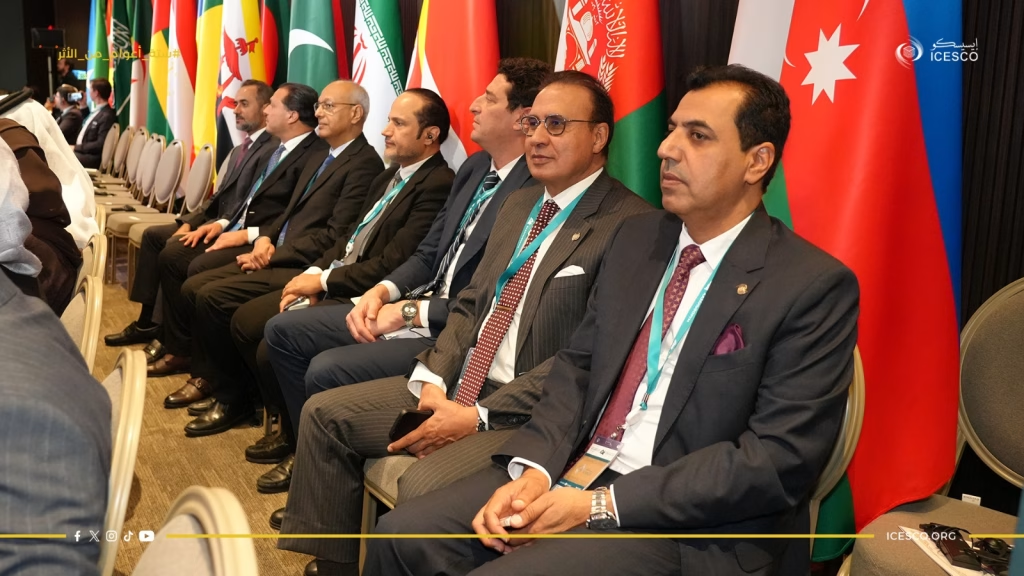
The 15th session of the General Conference of the Islamic World Educational, Scientific and Cultural Organization (ICESCO) concluded on Wednesday evening, 13 May 2026, in Kazan, Republic of Tatarstan of the Russian Federation, in the presence of His Excellency Rustam Minnikhanov, Rais of the Republic. The Conference approved all documents and recommendations, and formed the Bureau of both the General Conference and the Executive Council of the Organization, following sessions attended by delegations of Member States in person and remotely to discuss and exchange views on the Organization’s upcoming priorities.
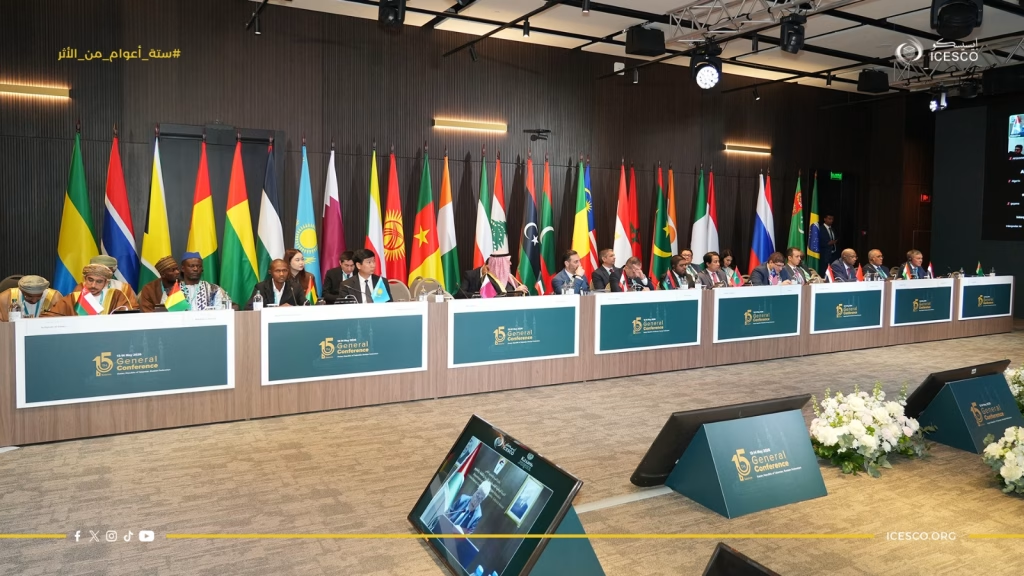
The Conference sessions approved the applications of the Republic of Turkmenistan and the Federative Republic of Brazil, as well as the International Institute for the Unification of Private Law, for observer status with ICESCO. It also approved the report of the Executive Council on its activities between the fourteenth and fifteenth sessions.
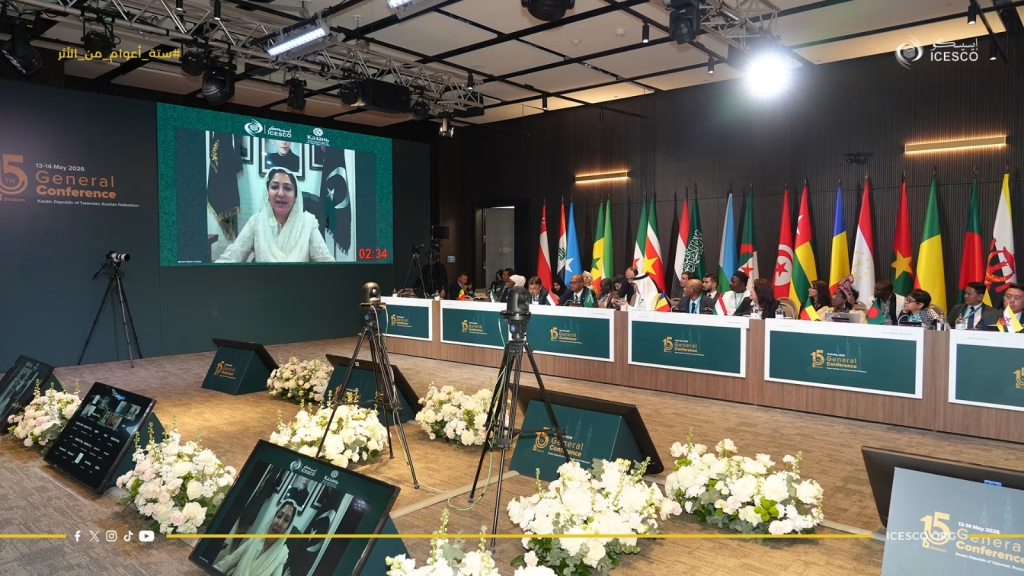
The Conference further approved the report of the General Directorate on ICESCO’s activities for 2021-2025, along with the financial reports for the same period. It also approved the report on Member States’ contributions to ICESCO’s budget for the financial years 2021-2024. These milestones were considered part of the ongoing effort to strengthen financial governance transparency and ensure the sustainability of the Organization’s resources, in a manner that guarantees the implementation of programs in line with the priorities and needs of Member States.
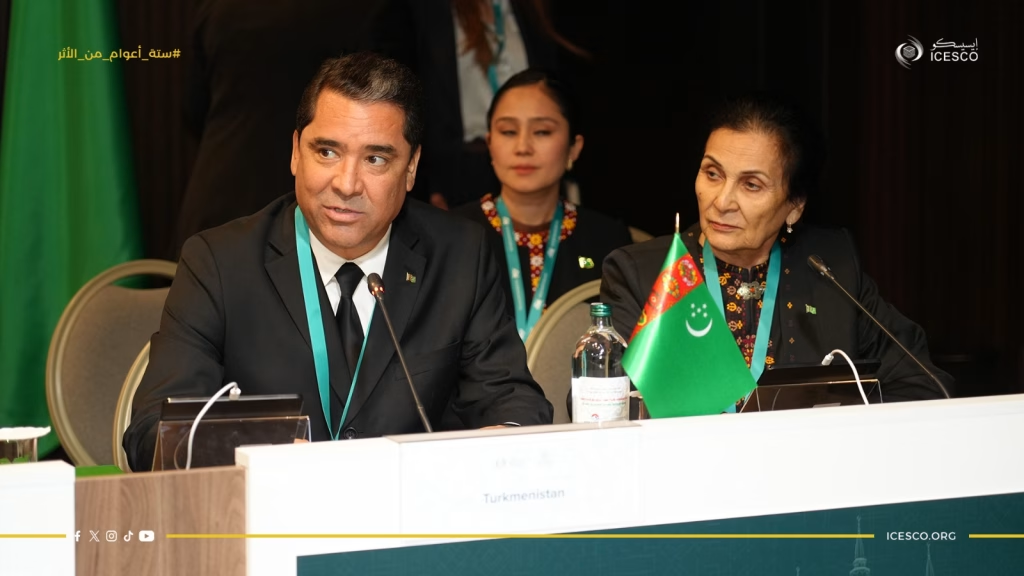
Participants also approved the strategic action plan and budget of the Organization for 2026-2029, as well as the membership of the Executive Council and the composition of the Bureau of the General Conference. Deliberations addressed the alignment of work streams in the fields of education, science, culture, and communication, with emphasis on aligning initiatives with the Sustainable Development Goals, strengthening capacity building, empowering institutions, and expanding partnerships.
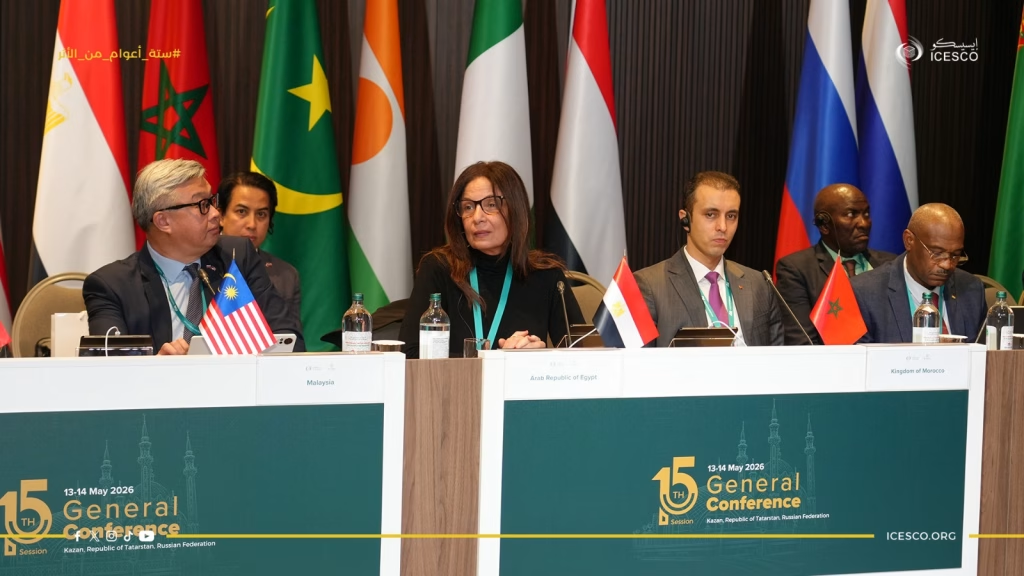
The sessions featured extensive discussions on the outcomes of ICESCO’s programs and initiatives, during which heads of delegations highlighted the progress achieved in terms of coordination, cooperation, innovation development, and the exchange of knowledge and expertise. Interventions underscored the importance of investing in education and scientific research, safeguarding heritage, promoting cultural dialogue, supporting youth and women, and responding to the challenges of digital transformation, to meet the needs of Member States and the aspirations of their peoples.
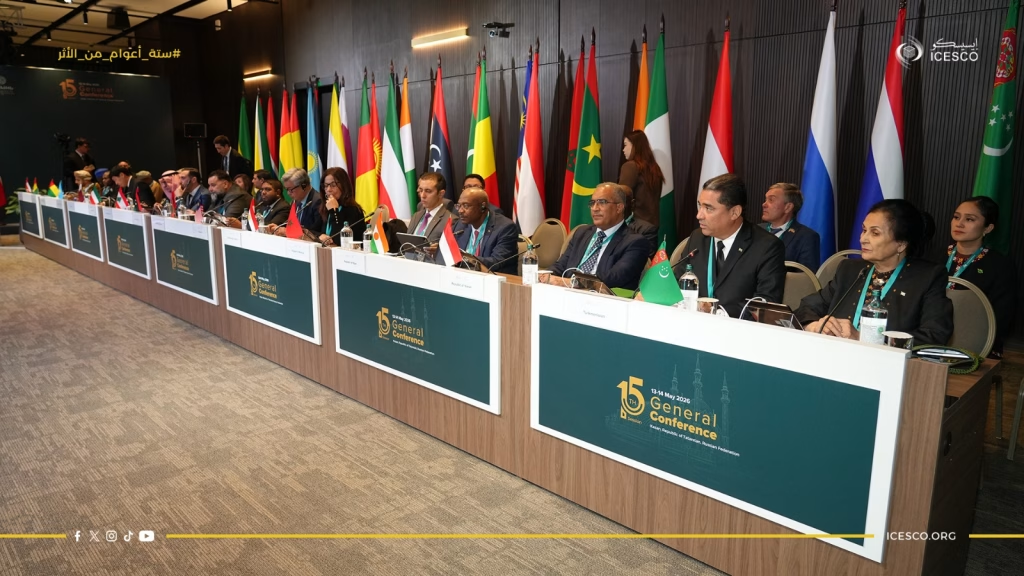
At the close of the Conference, participants sent a message of thanks and appreciation to His Excellency Rais Rustam Minnikhanov for the warm hospitality and the high-quality organization of the General Conference, which reflected the pivotal role of Tatarstan in strengthening humanitarian and civilizational ties between the Islamic world and Russia.
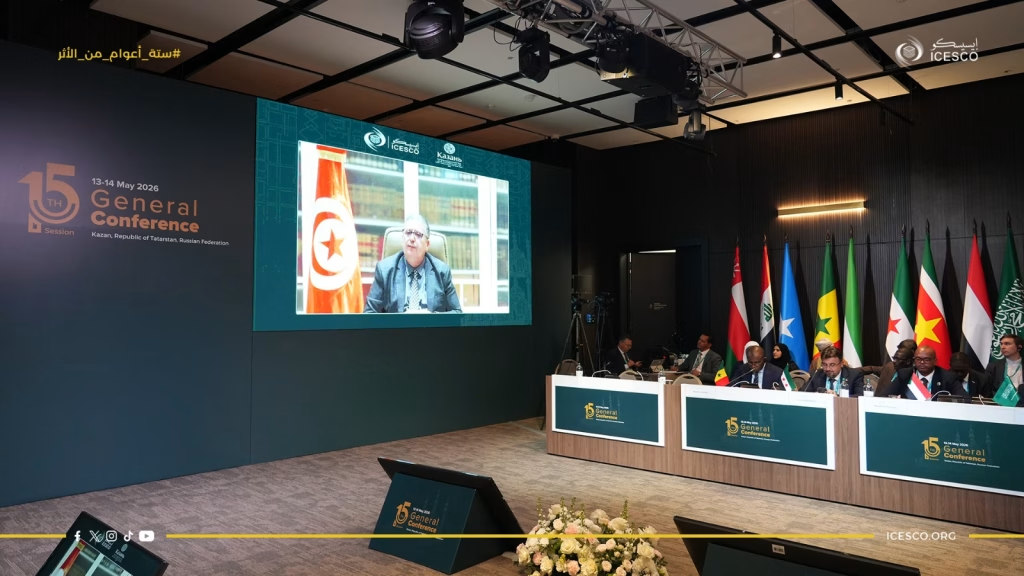
At its opening session, the General Conference had approved the re-election of Dr. Salim M. AlMalik as Director-General of the Organization for a second term. It also approved the extension of the Arab Republic of Egypt’s presidency of the Conference, the appointment of the representative of the Republic of Senegal as Vice-President, and the representative of the Republic of Maldives as Rapporteur, until the convening of the sixteenth session. The Conference further approved the organizational decisions related to the functioning of the governing bodies and follow-up procedures, thereby reinforcing the regularity of the Organization’s work and the coherence of its programs.