
ICESCO Celebrates World Novel Week with Symposium on Poetics of the Novel, Announces Winners of Its “Cities of Poems” Contest

20 October 2026
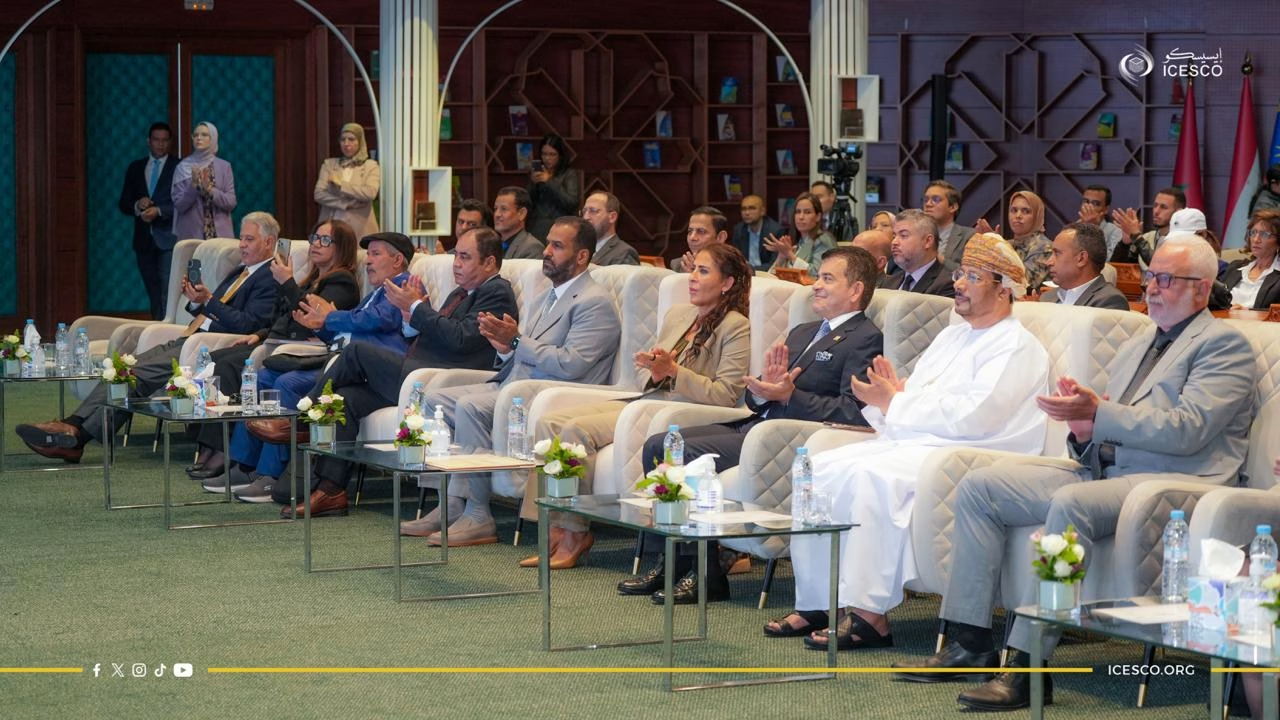
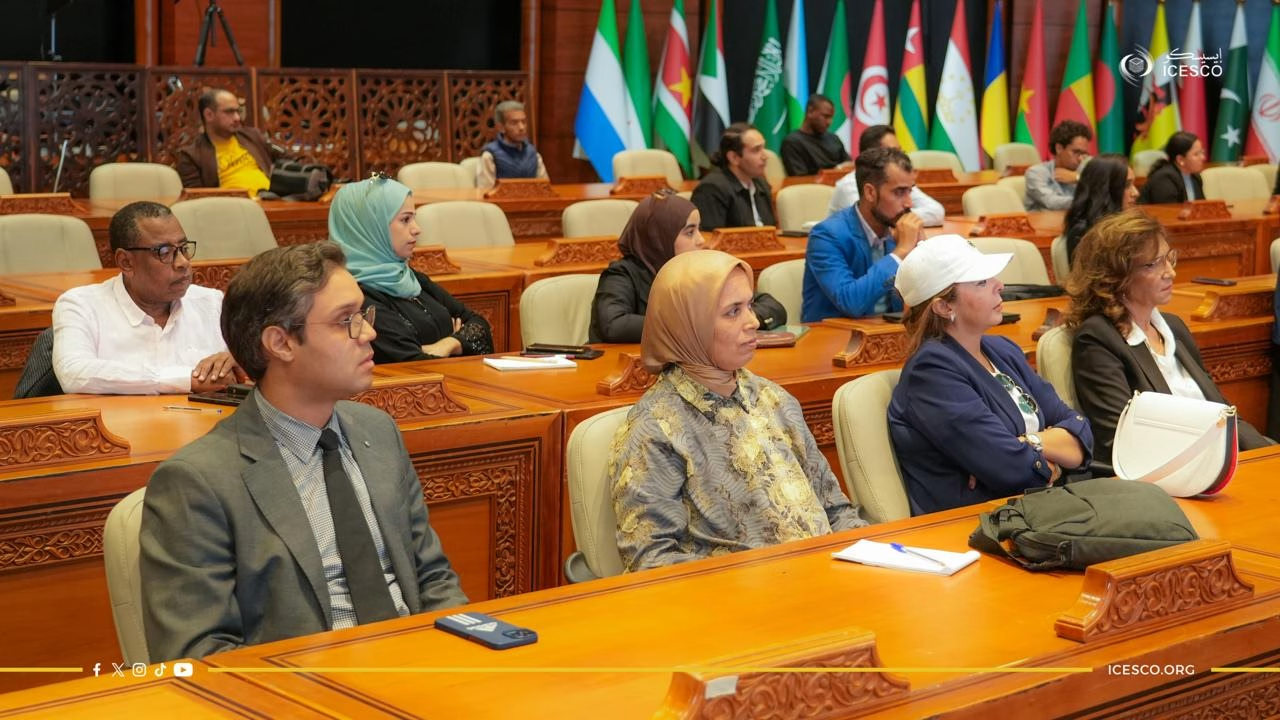
In celebration of World Novel Week, the Islamic World Educational, Scientific and Cultural Organization (ICESCO) held an international symposium titled “The Poetics of the Novel: The Dialectic of Story and Language” at its headquarters in Rabat on Monday, 19 October 2026. The event brought together a distinguished group of writers, thinkers, and literary critics from across the Islamic world and featured the announcement of the winners of the second edition of ICESCO’s “Cities of Poems” contest.
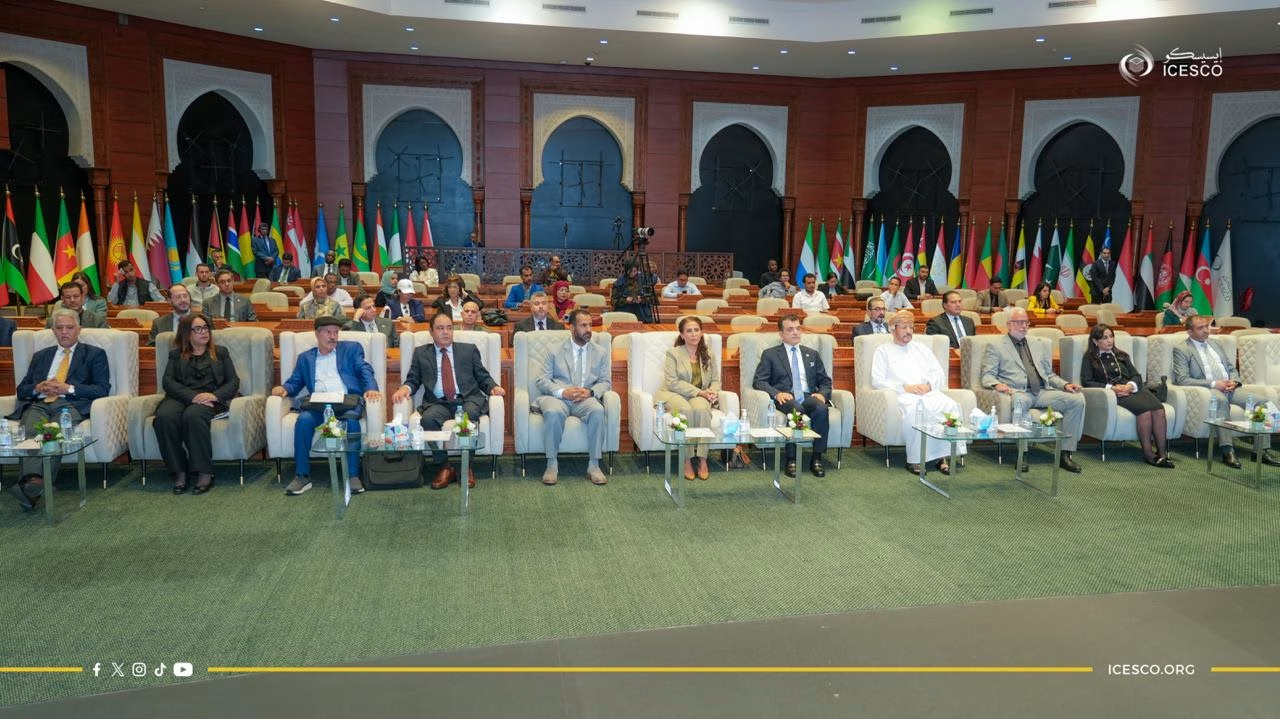
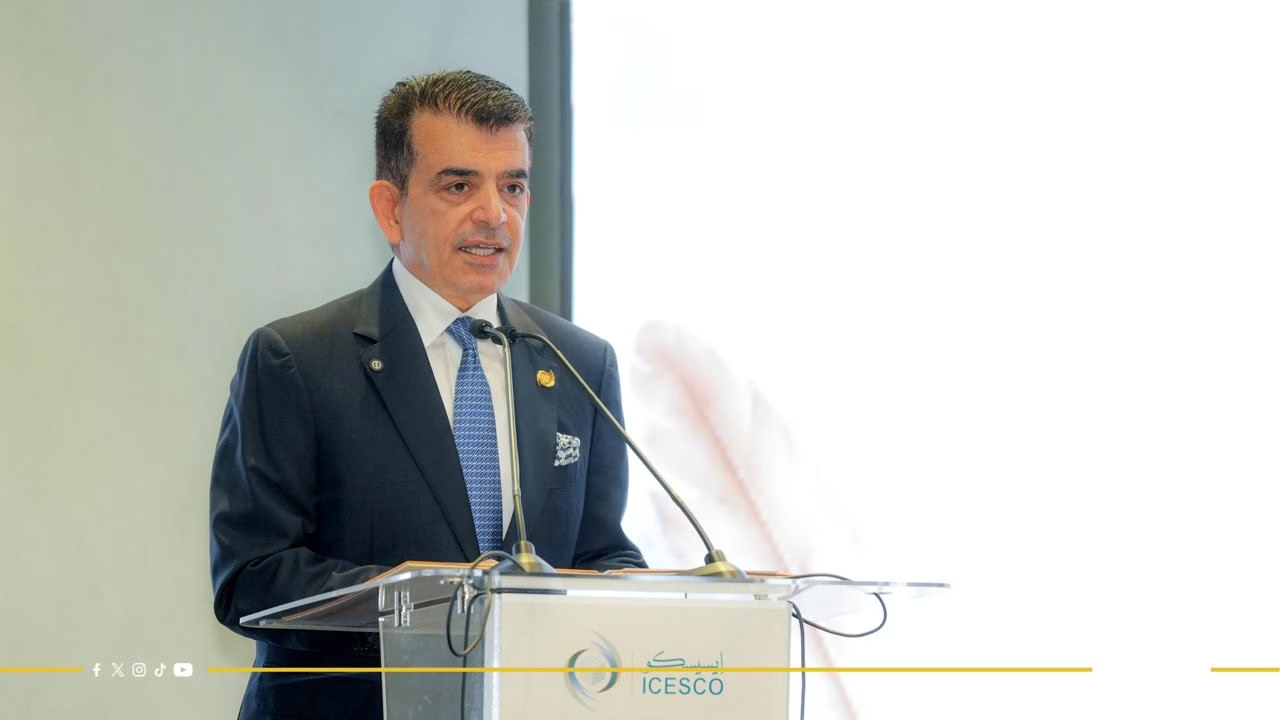
The Symposium opened with verses from the Holy Quran, followed by an address by Dr. Salim M. AlMalik, ICESCO Director-General, in which he described the novel as an art form that has been able to tell the story of humanity since its very beginning, preserving aspects of human life that history has failed to capture or overlooked in its records. He added that the novel turns its attention to ordinary people whom passing glances overlook, transforming them into protagonists through their human stories.
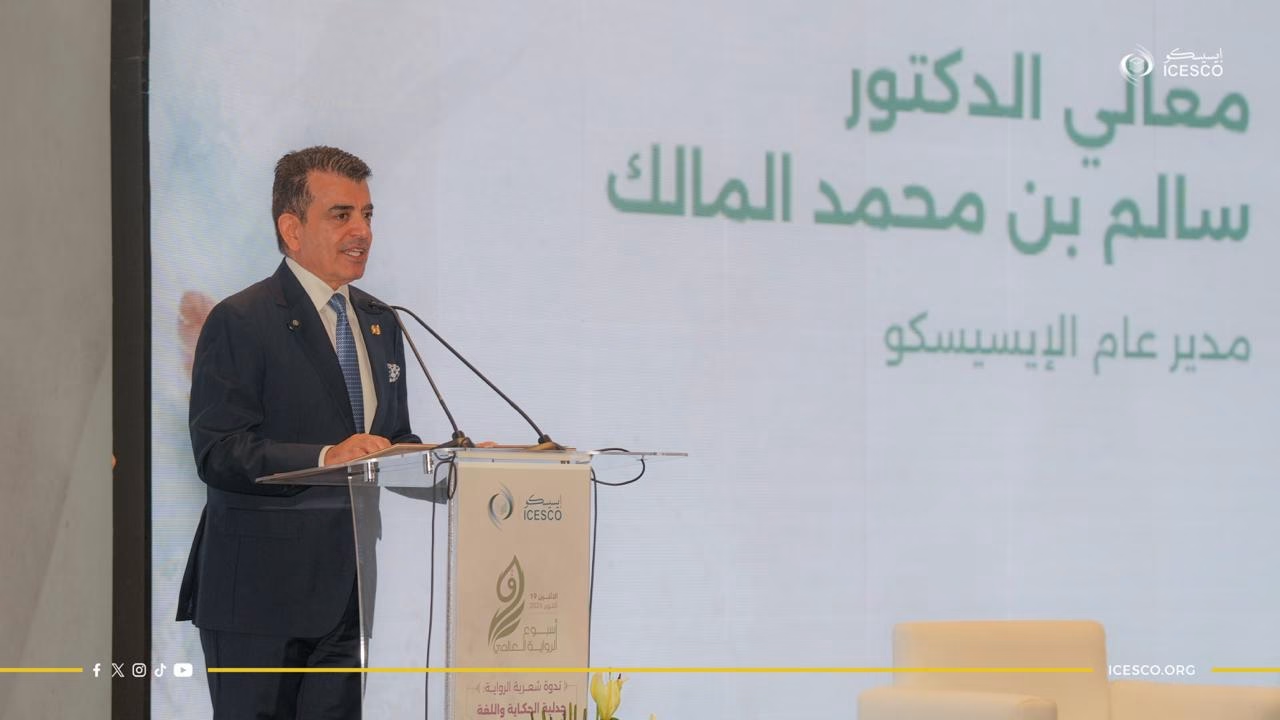
Dr. AlMalik explained that ICESCO’s celebration of World Novel Week underscores the place of the arts, literature, and culture in its vision and programs. It also reflects a deliberate commitment to the power of creativity as one of the means through which people can reconnect with their humanity. He noted that, despite the transformations of the modern age, the novel has remained engaged with societal issues and retained its ability to expose points of failure and give voice to what has remained unspoken. He further called for greater synergy among the arts, stressing that humanity needs more than ever the spiritual depth, beauty, and meaning they offer.
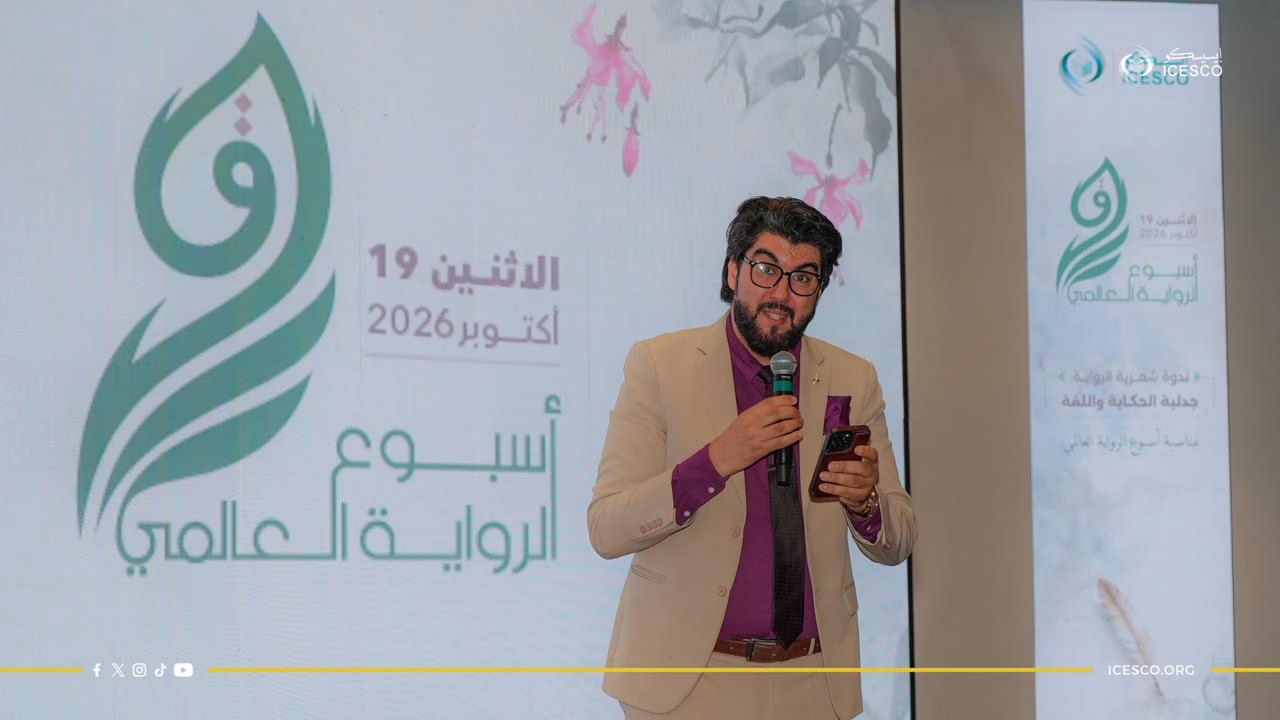
The Symposium, moderated by Dr. Ahmed Lahrichi, Moroccan poet and media professional, featured a video titled “The Story of the Novel”, honoring leading novelists from across the Islamic world.
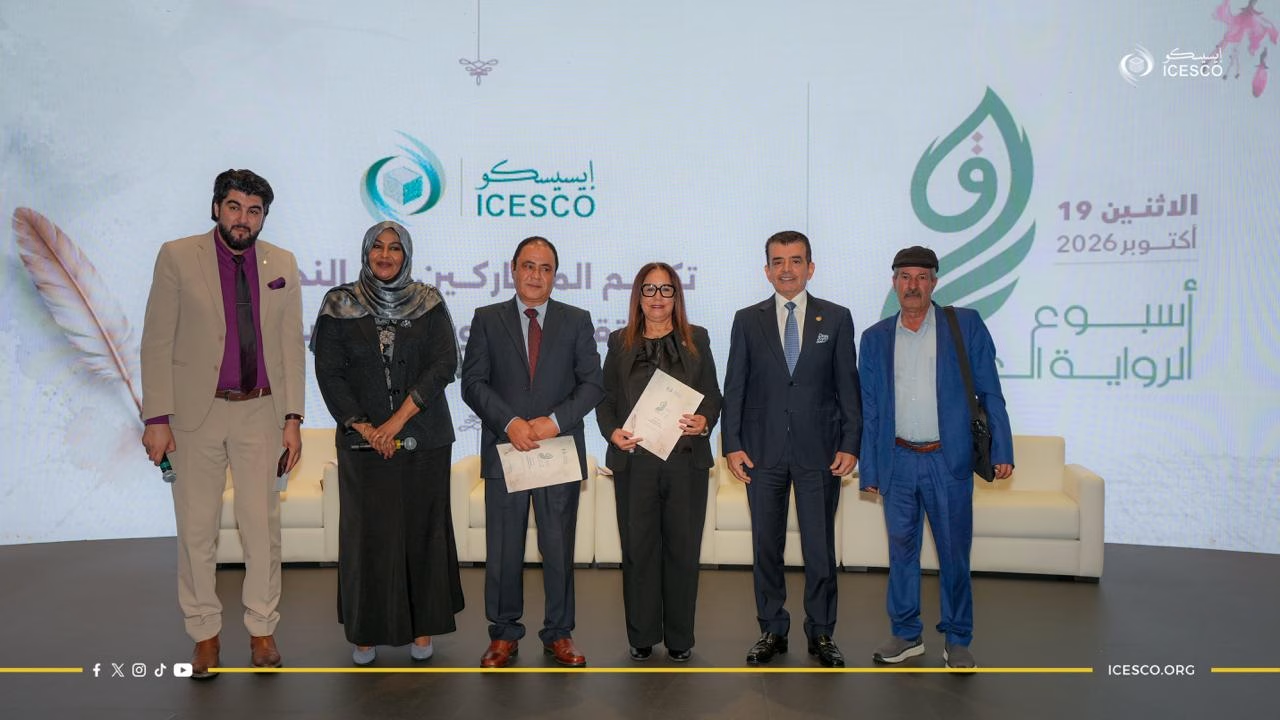
Ambassador Khalid Fathalrahman, Head of ICESCO’s Center for Civilizational Dialogue and Chair of the Jury, announced the winners of the second edition of the contest, organized by ICESCO’s Center for Poetry and Literature. This edition was dedicated to Samarkand, Uzbekistan, in celebration of its designation as the Capital of Culture in the Islamic World for 2025.
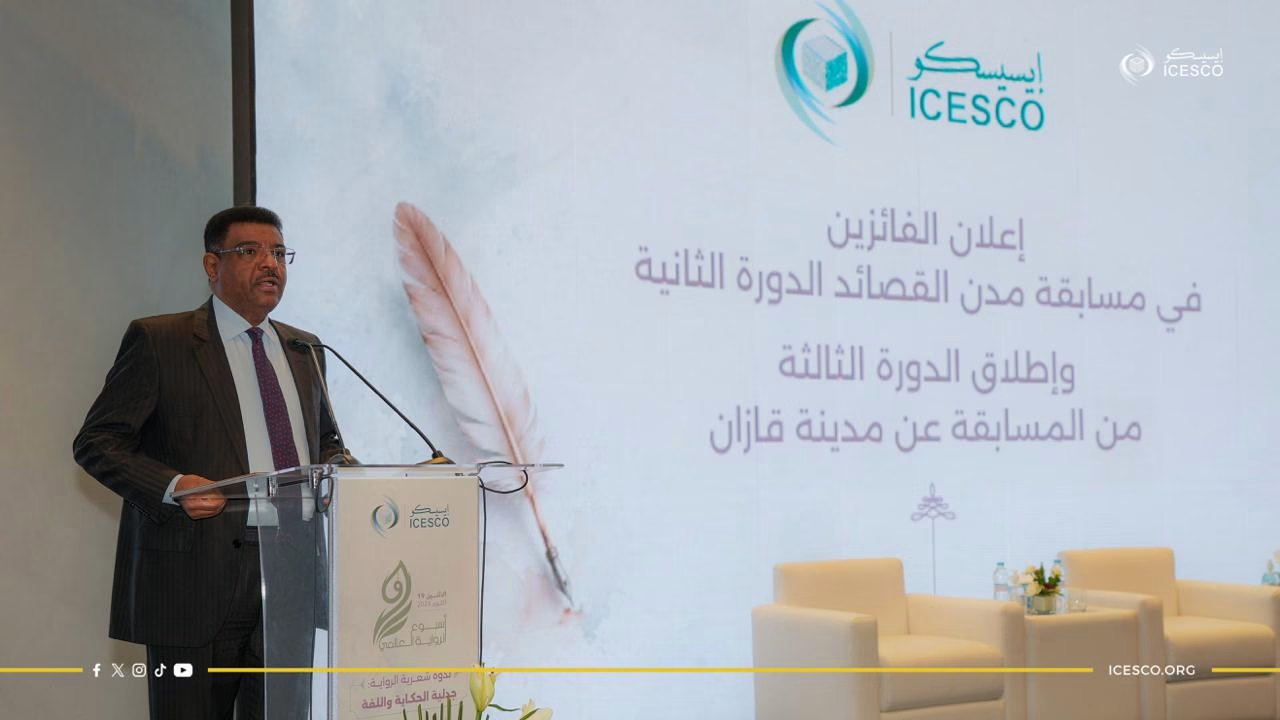
The Jury Chair highlighted the contest’s aim of celebrating the cities of civilizations. He noted that the jury had received 600 poems, of which 174 were shortlisted for an intensive judging process. The final results saw three poets win the top prizes in the “Samarkand Poems” category: Mohammed Darwich Hassan Maqsai of Yemen took first place, Ahmed Yousri Hassan Al-Khattab of Palestine came second, and Mohammed Ismail Abdallah Sweilam of Egypt placed third. Seven poets also received commendation awards: Mbarek Alabany (Morocco), Mohammed Ziad Shodab (Syria), Abdullah Sarmad Aljamil (Iraq), Abderrahmane Bouzerba (Algeria), Lassed Al-Houcine Guesmi (Tunisia), Naheda Shbeb (Syria), and Sidi Mohammed Mohammed El Mahdi (Mauritania).
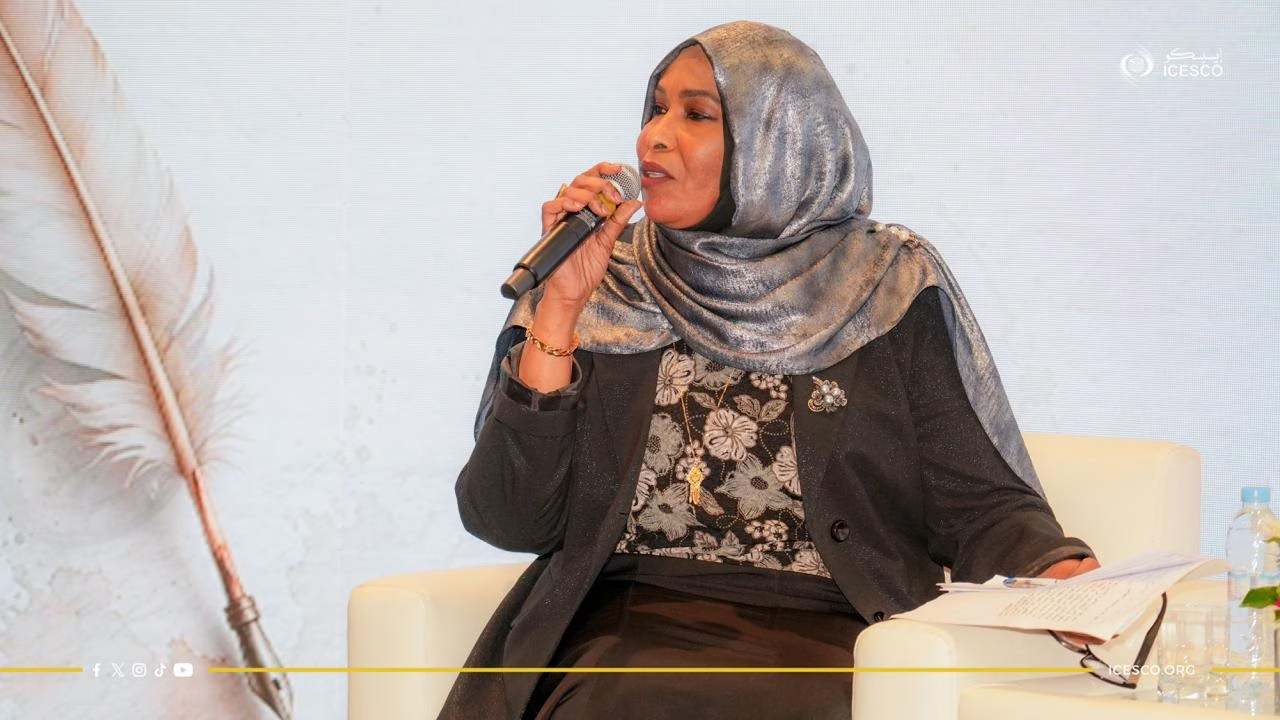
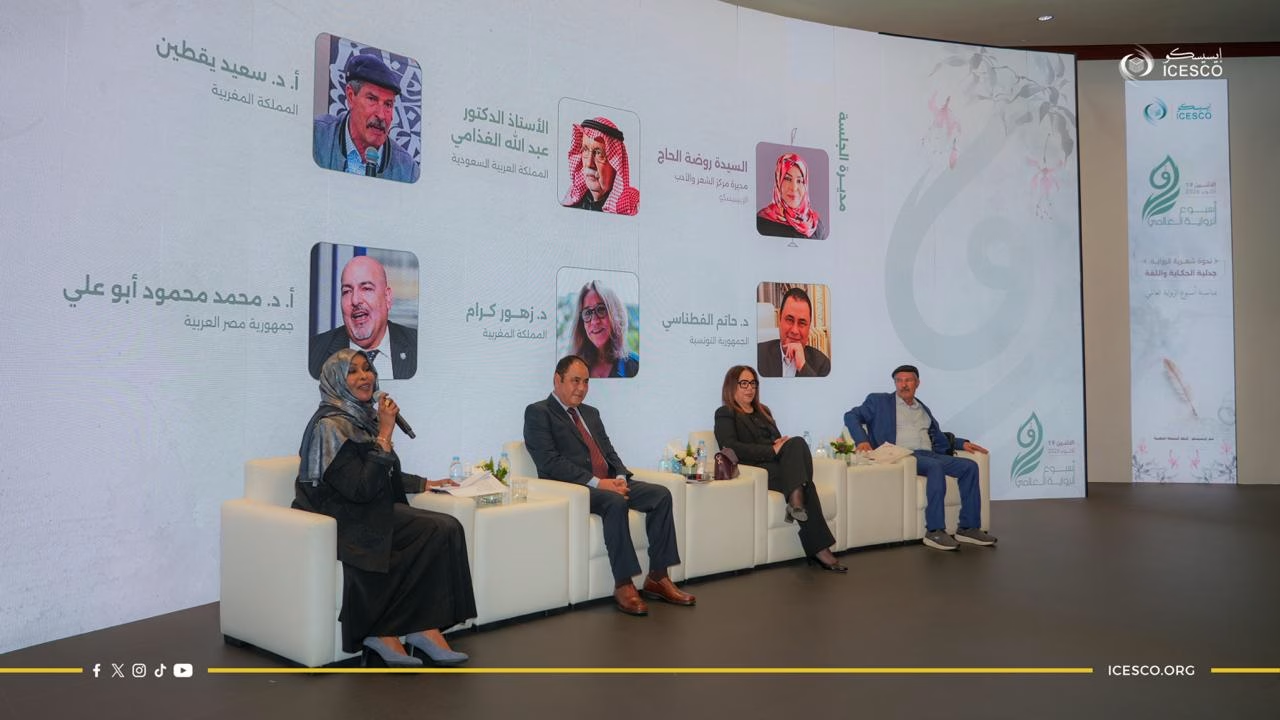
The Symposium then proceeded to a discussion session moderated by Rawda El-Haj, Head of ICESCO’s Center for Poetry and Literature, who welcomed four distinguished literary figures: Dr. Abdullah Al-Ghathami of Saudi Arabia, Dr. Said Yaktine of Morocco, Dr. Hatem Fatnassi of Tunisia, and Dr. Zohor Gourram of Morocco.
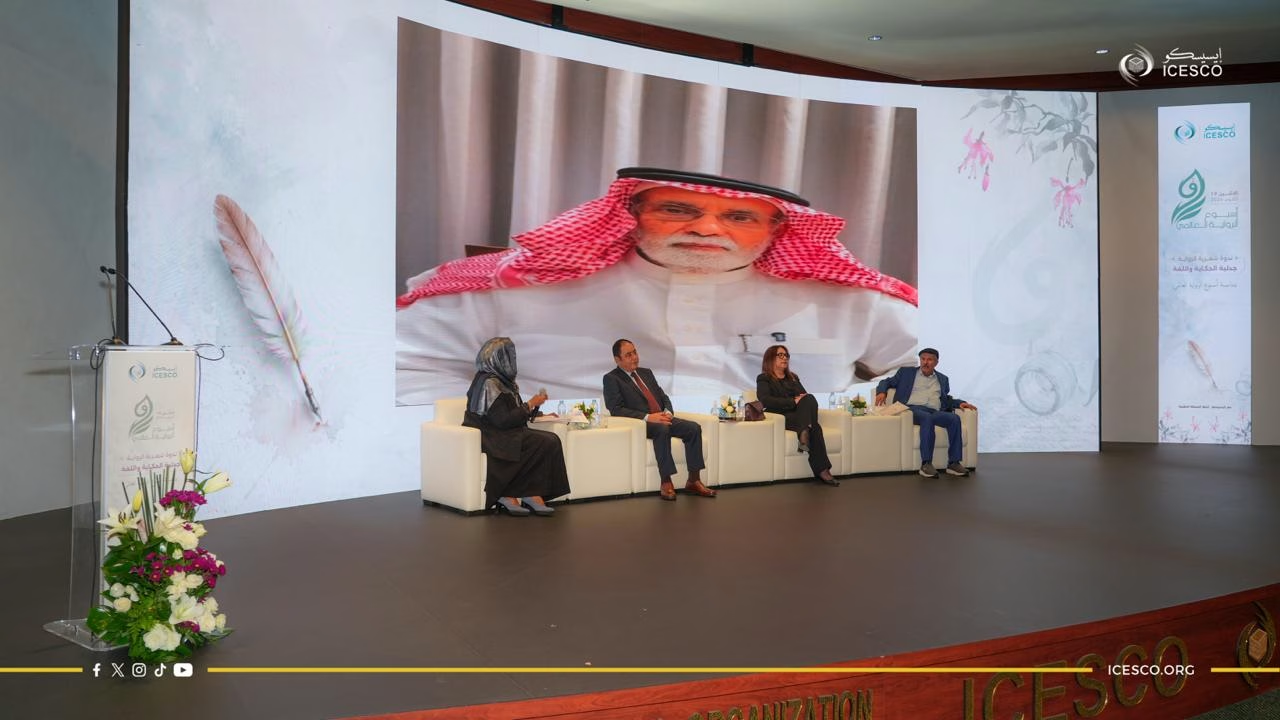
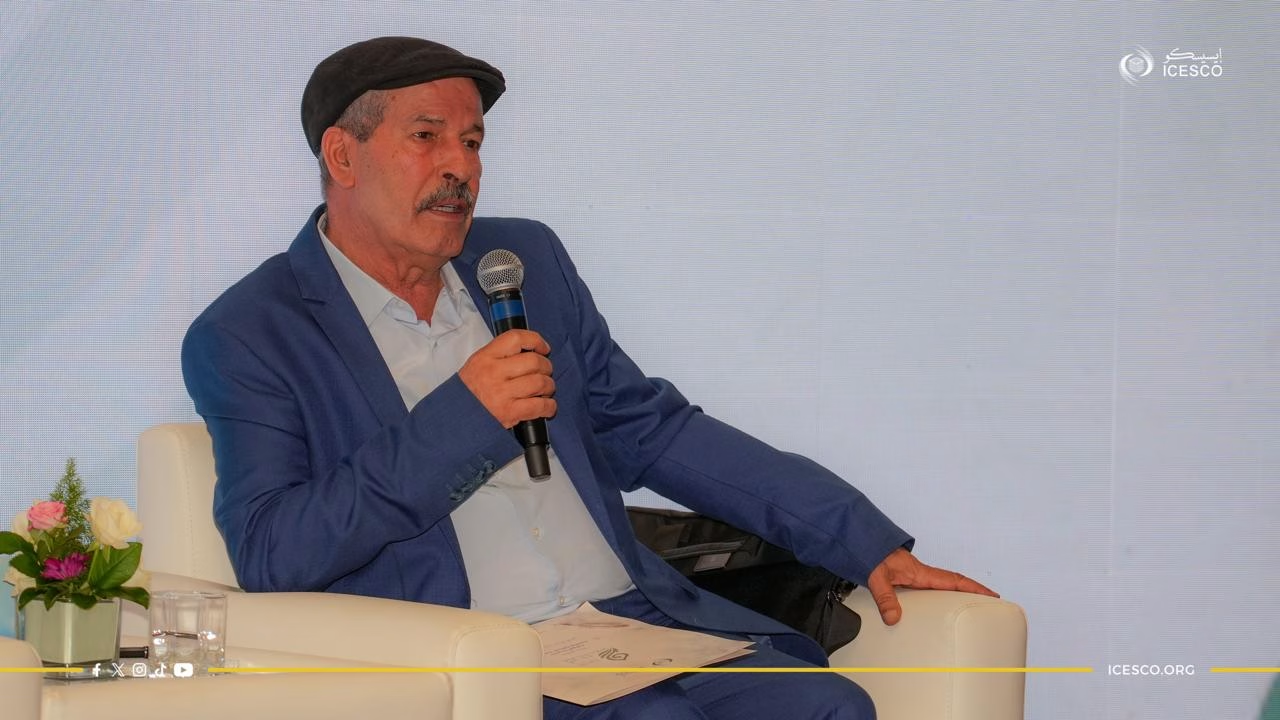
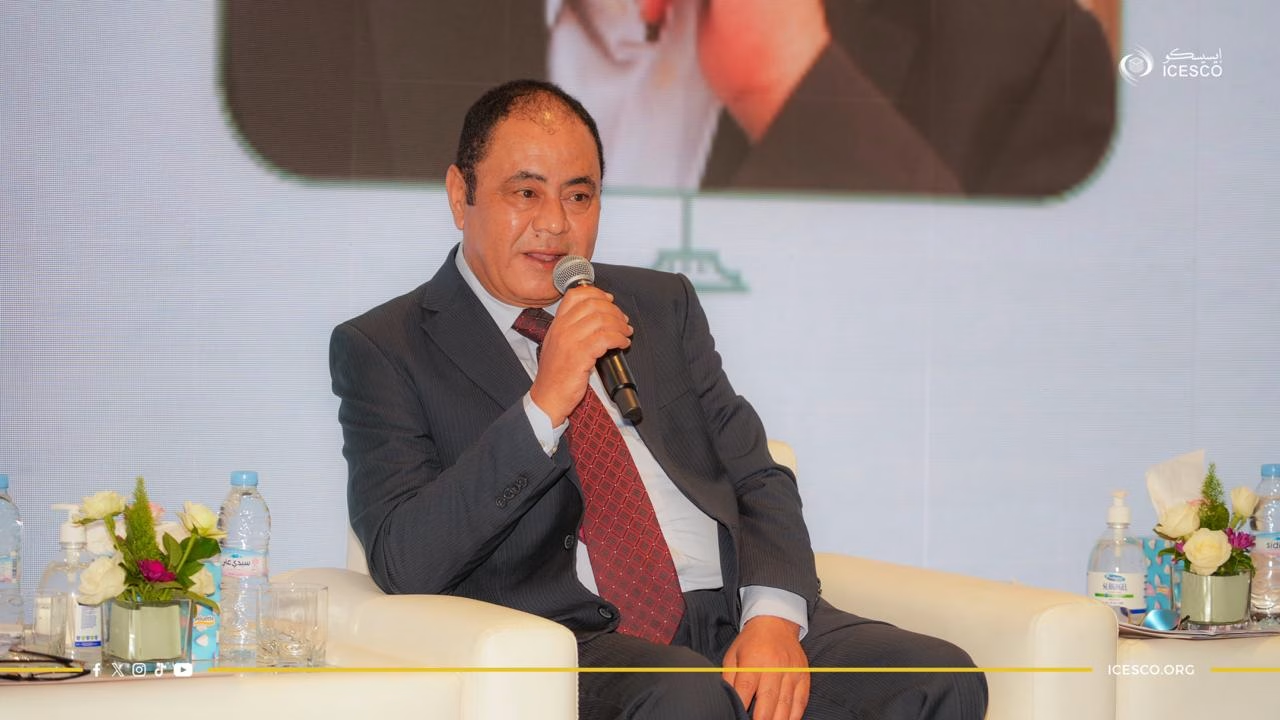
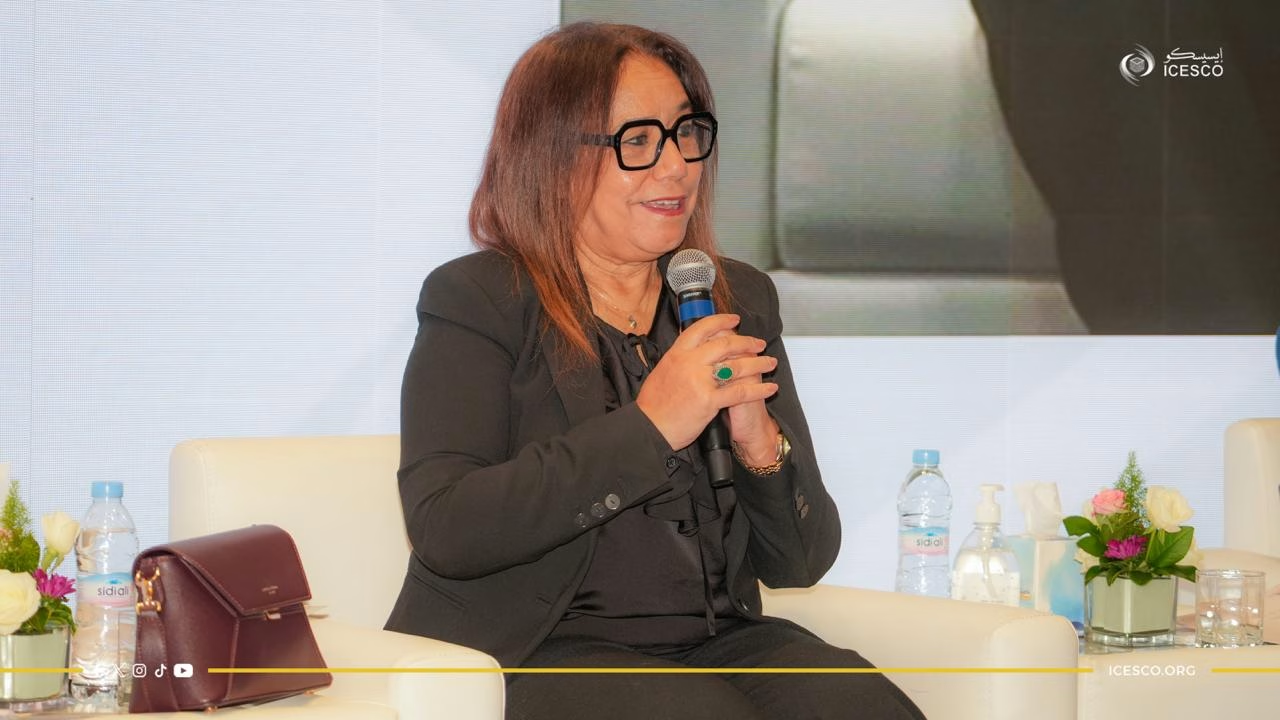
The discussion explored the significance of the novel and the aesthetic qualities that distinguish it from other narrative forms. Participants also examined the challenge of genuine renewal, which requires more than changing the novel’s form; it entails generating innovative narrative values that transcend conventional patterns and reconstruct the relationship between the text, heritage, and reality. The Symposium further highlighted the novel’s flexibility and its continued openness to revision, as it draws on modern techniques and social media to develop narrative discourse, enrich its language, and broaden the horizons of interpretation.