ICESCO Media and Communication Sector Participates in International Workshop on Countering Deepfakes

13 October 2026
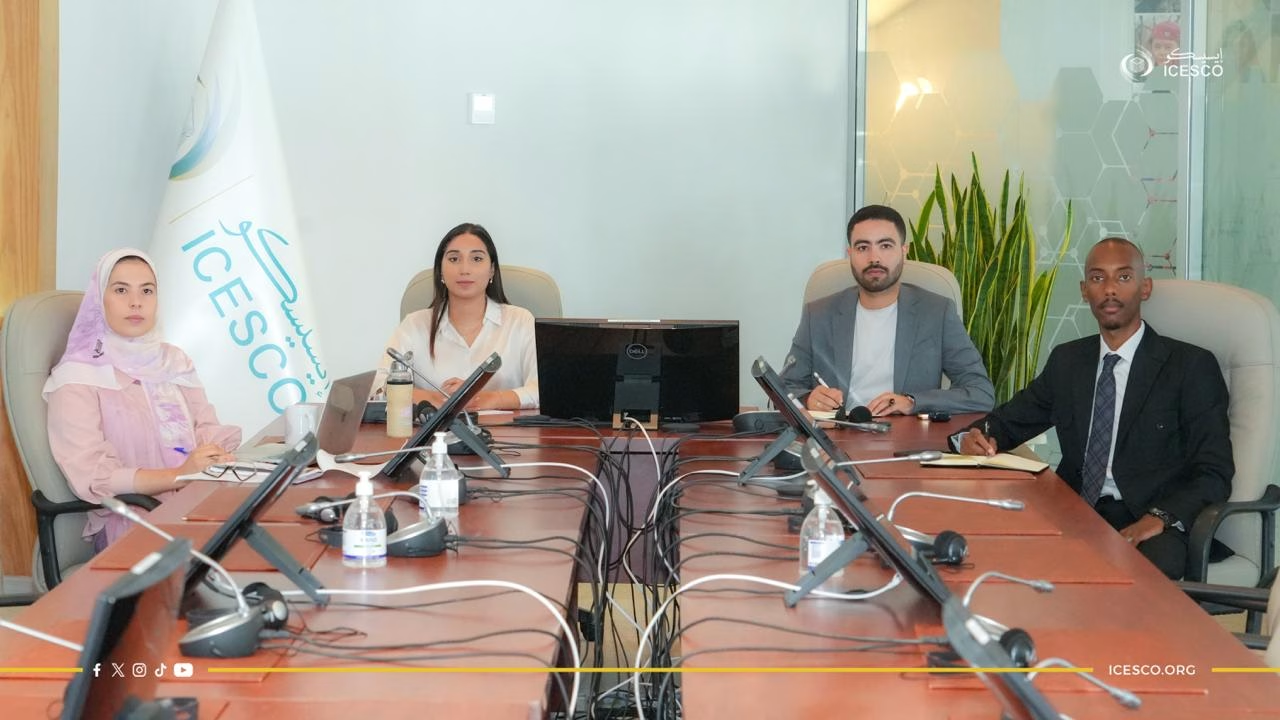
Several members of the Media Department team at the Media and Communication Sector of the Islamic World Educational, Scientific and Cultural Organization (ICESCO) participated in the international workshop titled “Combating Counterfeiting and Enhancing Trust.” The workshop was organized by The Union of News Agencies of the Organization of Islamic Cooperation (UNA) in cooperation with Russian Sputnik Agency, with the participation of representatives of OIC Organs, news agencies, and media institutions from several countries. ICESCO’s participation reflects its commitment to keeping pace with the rapid transformations reshaping the media landscape in the wake of the artificial intelligence revolution.
Held via videoconference on Tuesday, 13 October 2026, the workshop aimed to present the prominent deepfake methods and technologies, forms of deception, and detection tools. It also examined the types of deepfakes affecting the media sector and the role of media institutions in upholding credibility standards and strengthening trust in digital content.
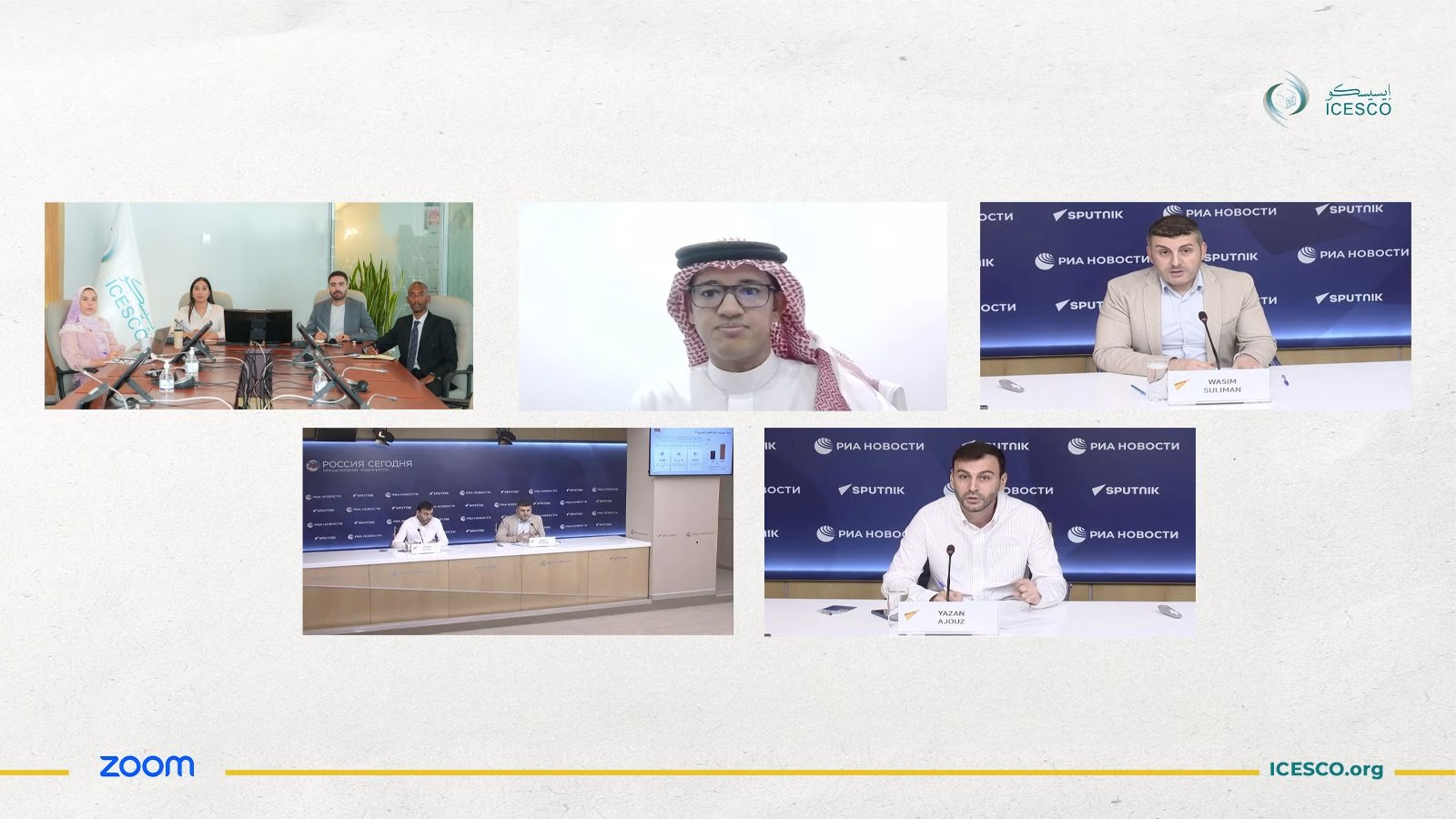
The workshop opened with welcoming remarks by Mr. Mohammed bin Abd Rabbo Al-Yami, Director-General of UNA, delivered on his behalf by Mr. Zubair Al-Ansari, Media Advisor to the Union of OIC News Agencies (UNA). He noted that the workshop was being held against the backdrop of the challenges facing journalism and the growing sophistication of artificial intelligence technologies and tools. These challenges, he explained, affect media credibility and underscore the media’s responsibility to strengthen verification mechanisms.
This was followed by a keynote presentation delivered by Mr. Wasim Suliman and Mr. Yazan Ajouz, Editors-in-Chief of Sputnik Arabic.
They emphasized that the artificial intelligence revolution and the deepfake phenomenon have created a new reality and challenge in the media landscape by enabling the falsification and distortion of facts.
The presentation highlighted the agency’s practical experience in confronting fabricated media content and its response mechanisms through a “verification protocol” that includes source analysis, content examination, and information review before a final decision is made on whether to publish. It also presented the agency’s “multi-layer verification” model, a rigorous process involving reverse searches and contact with witnesses before any publication decision is taken.
During the discussion, participants stressed the importance of establishing a professional and ethical framework for the use of artificial intelligence in the media, as well as intensifying public awareness campaigns to counter deepfakes.
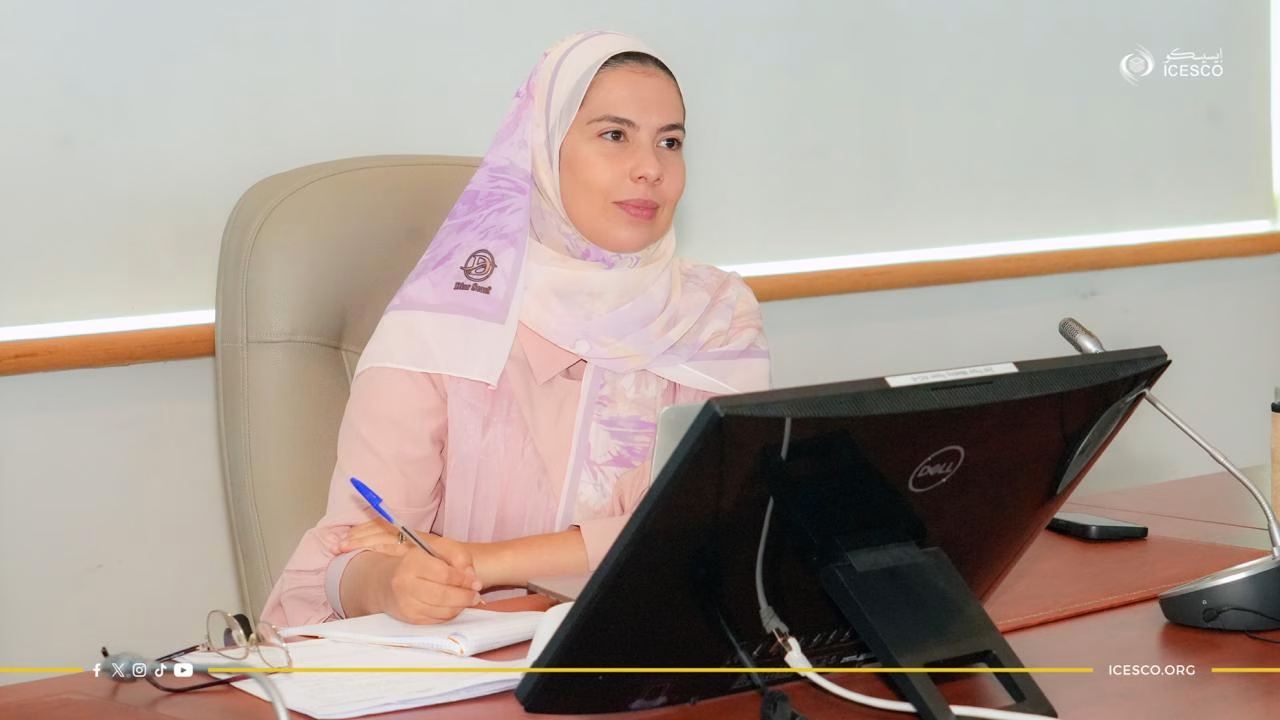
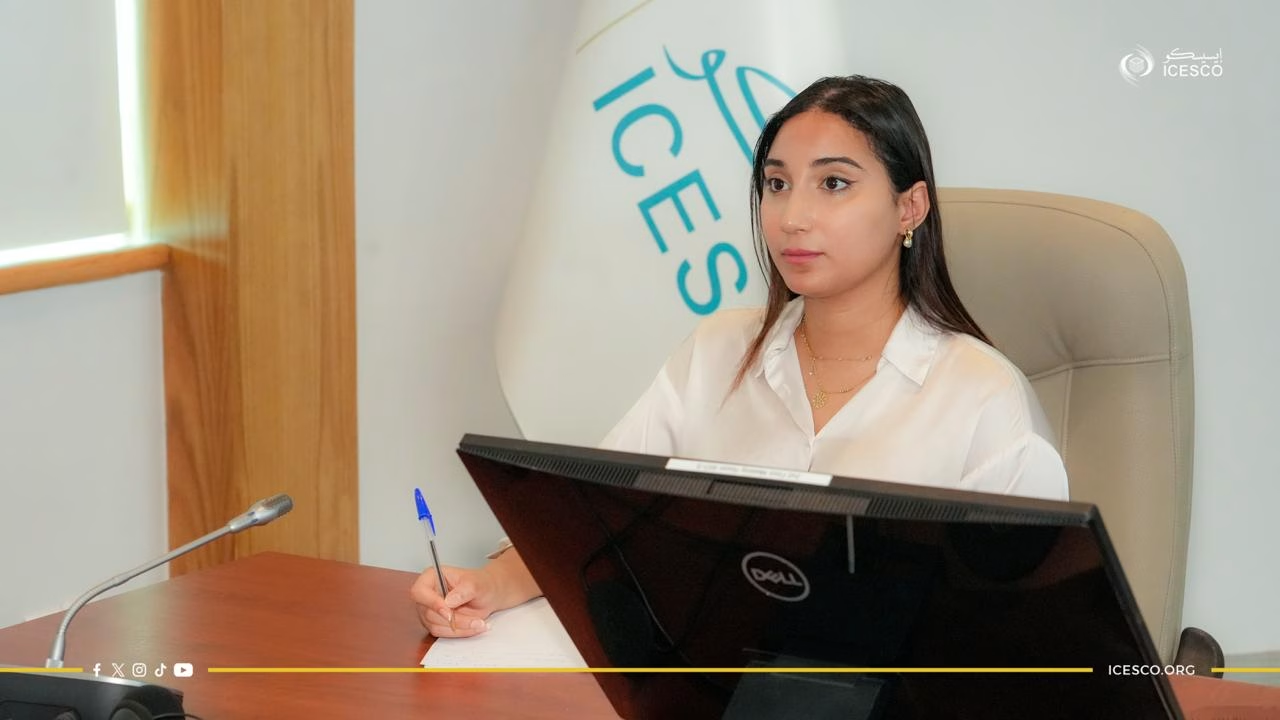
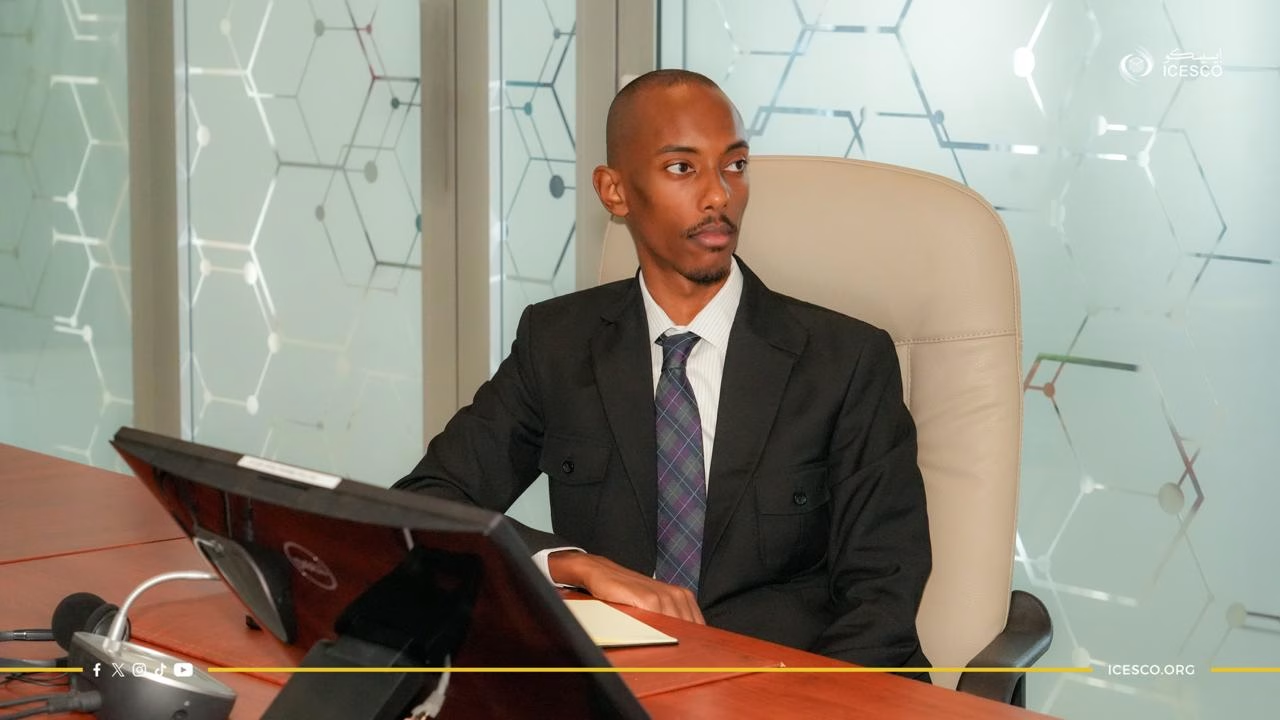
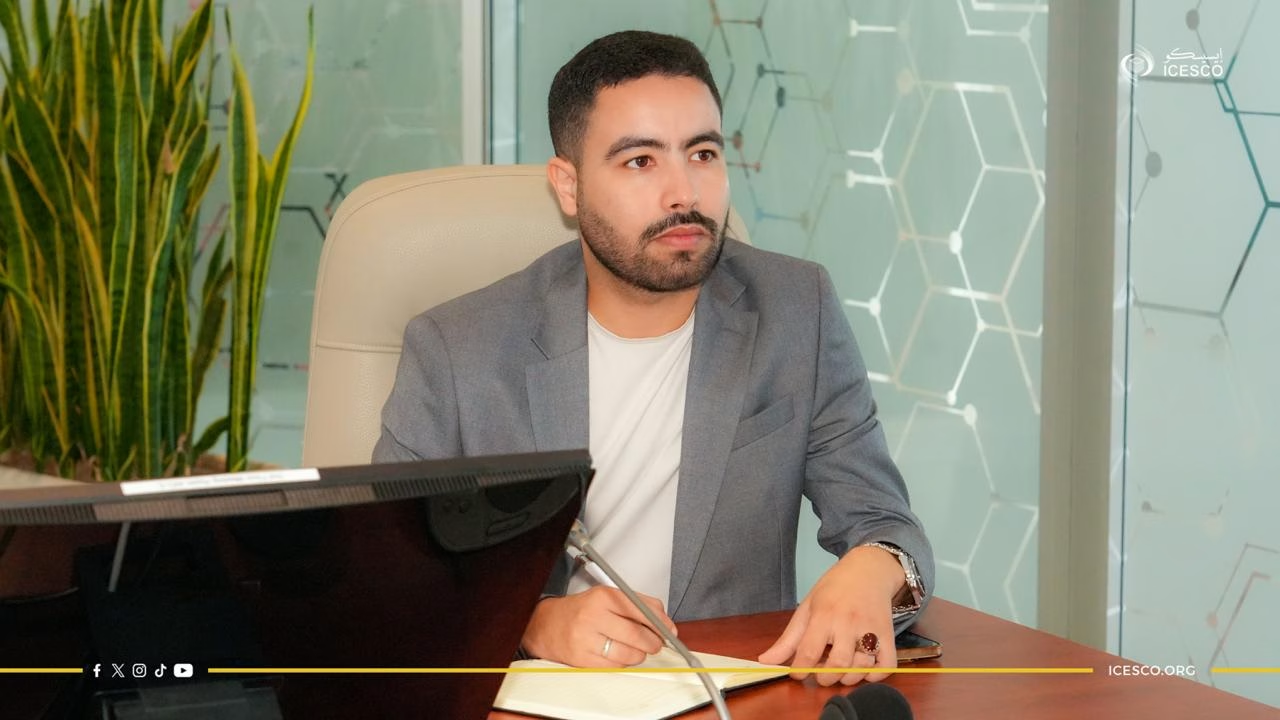
The Sector was represented by Dr. Chaimae Boulifa, Asmae Habchaoui, Walid Chakouri, and Selman El Kinani.