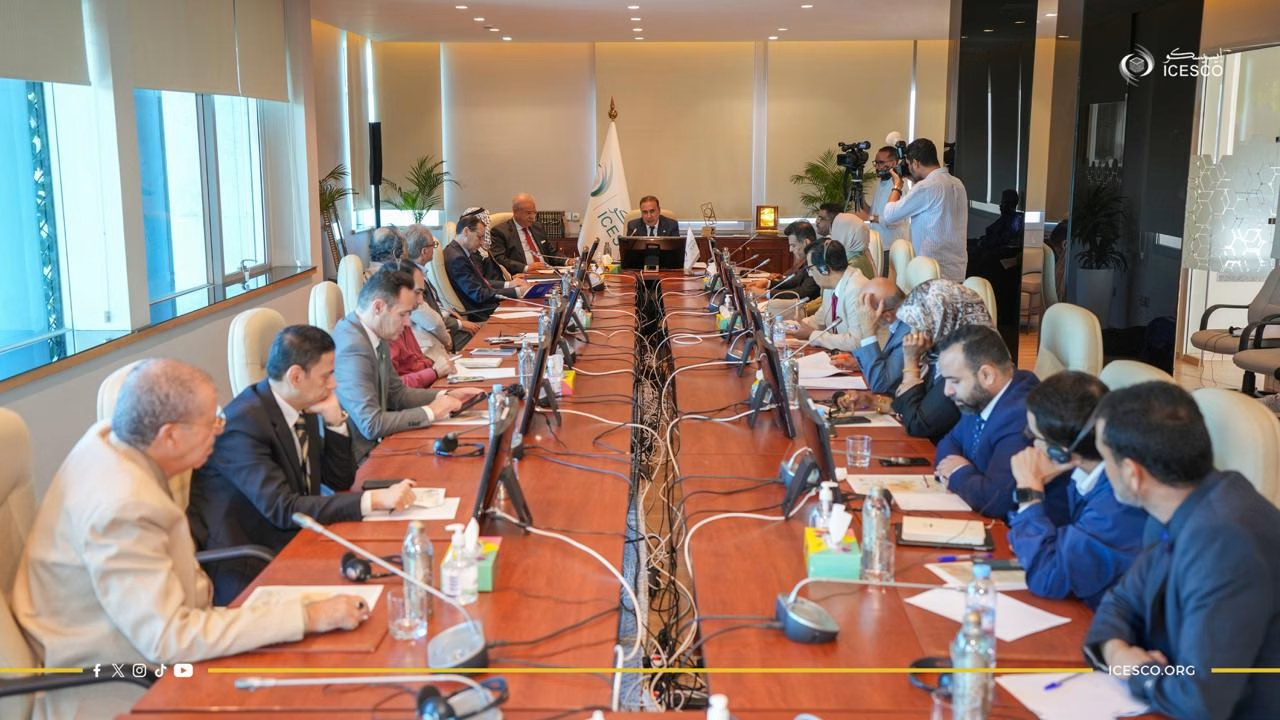

ICESCO Holds Scientific Seminar on Mosque Architecture in Al-Quds in Cooperation with Khaled Al-Hassan Foundation and ATIQ Center

8 October 2026
Al Quds-based expert presents current state of archaeology and architecture in Palestine
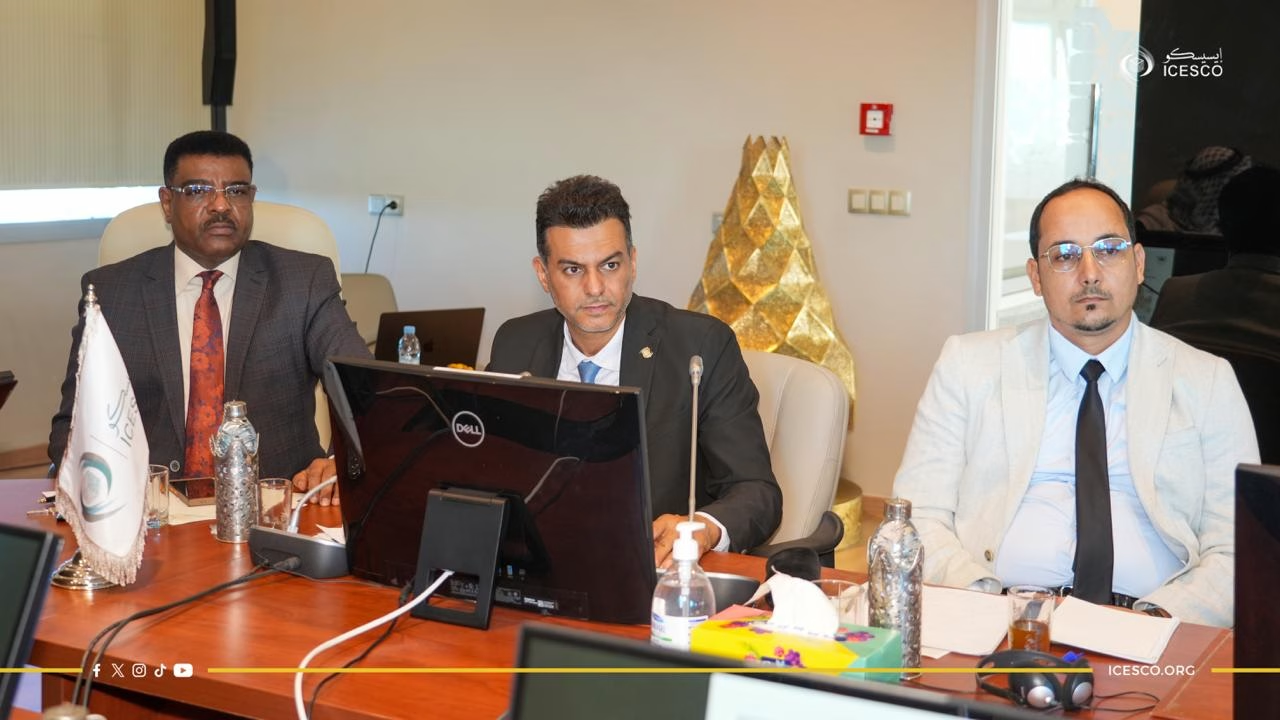
The Islamic World Educational, Scientific and Cultural Organization (ICESCO) held its first scientific seminar, titled “Mosque Architecture in Al-Quds and the Land of Palestine,” on Wednesday, 7 October 2026. The event, part of its new “Architecture and Civilization” series, was organized in cooperation with the Khaled Al-Hassan Foundation for Studies and Research in Rabat and the ATIQ for Antiquities and Heritage in the State of Palestine. The seminar was presented by Dr. Abedrazeq Mataney, Head of the ATIQ for Antiquities and Heritage, researcher in Islamic antiquities and architecture, with the participation of a distinguished group of officials, specialists, researchers, experts and academics in architecture, heritage, antiquities, history and civilizational studies.
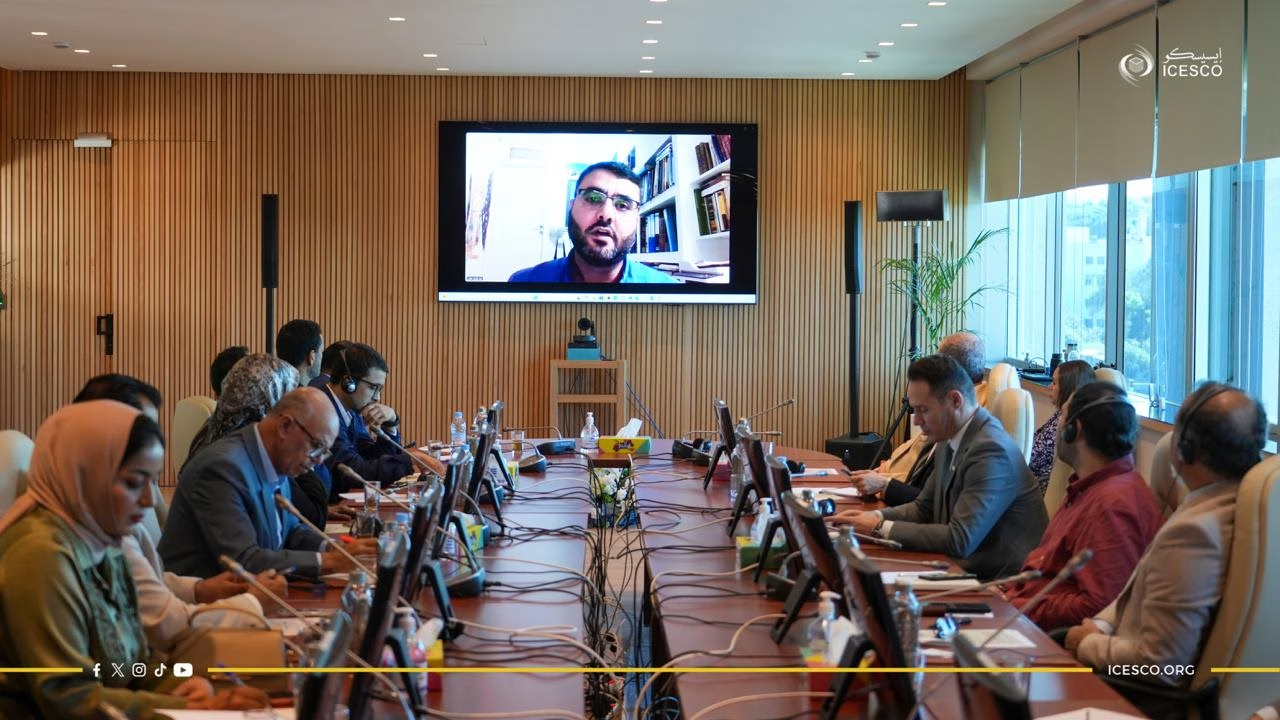
Organized by the ICESCO Center for Civilizational Dialogue and held both in person at ICESCO headquarters and via videoconference, the seminar presented Dr. Mataney’s research study, titled “Mosque Architecture and Urban Development in Palestine over Fifteen Centuries: Insights from History and Civilization.” The study traces transformations in religious architecture, examines the region’s urban and civilizational history, and reviews the current state of antiquities heritage in Palestine amid the neglect and destruction it faces.
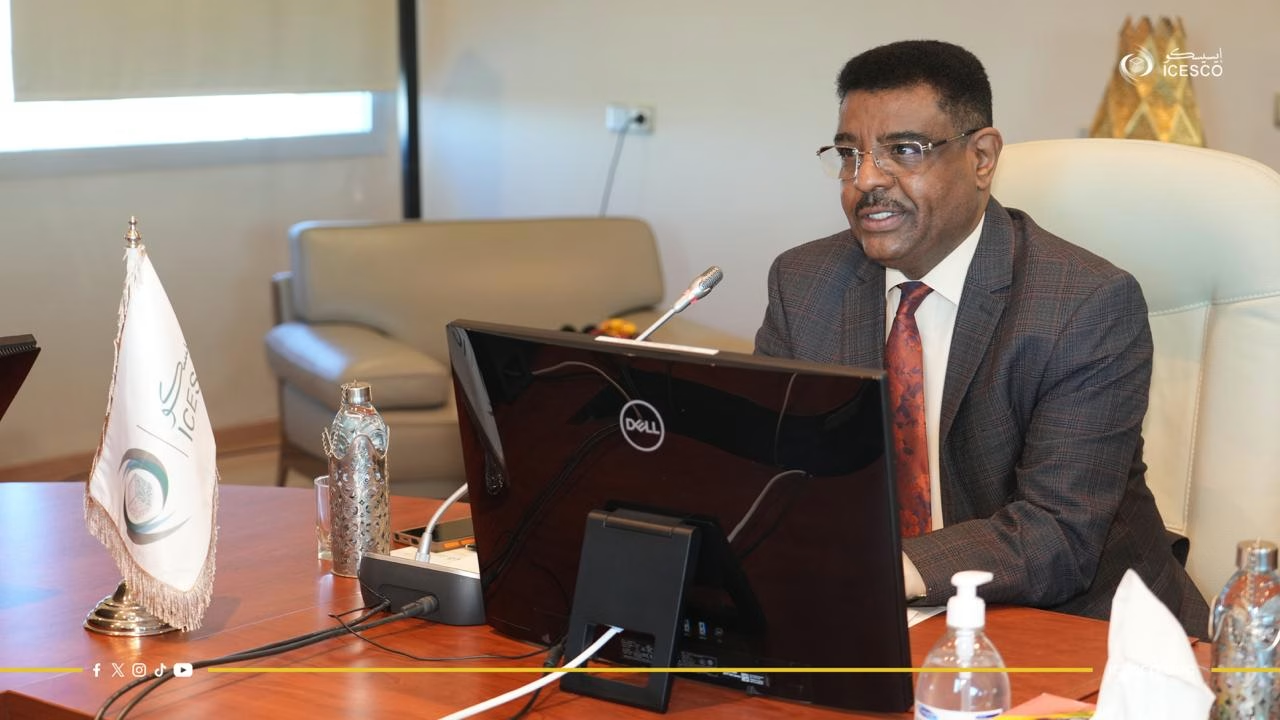
The seminar opened with introductory remarks by Ambassador Khaled Fatahalrahman, Head of the ICESCO Center for Civilizational Dialogue, who highlighted the importance of architecture as a living product that reflects the development of civilization. He noted that the seminar marks a starting point and a bridge for civilizational communication, bringing together frameworks and perspectives and linking architectural memory with civilizational memory.
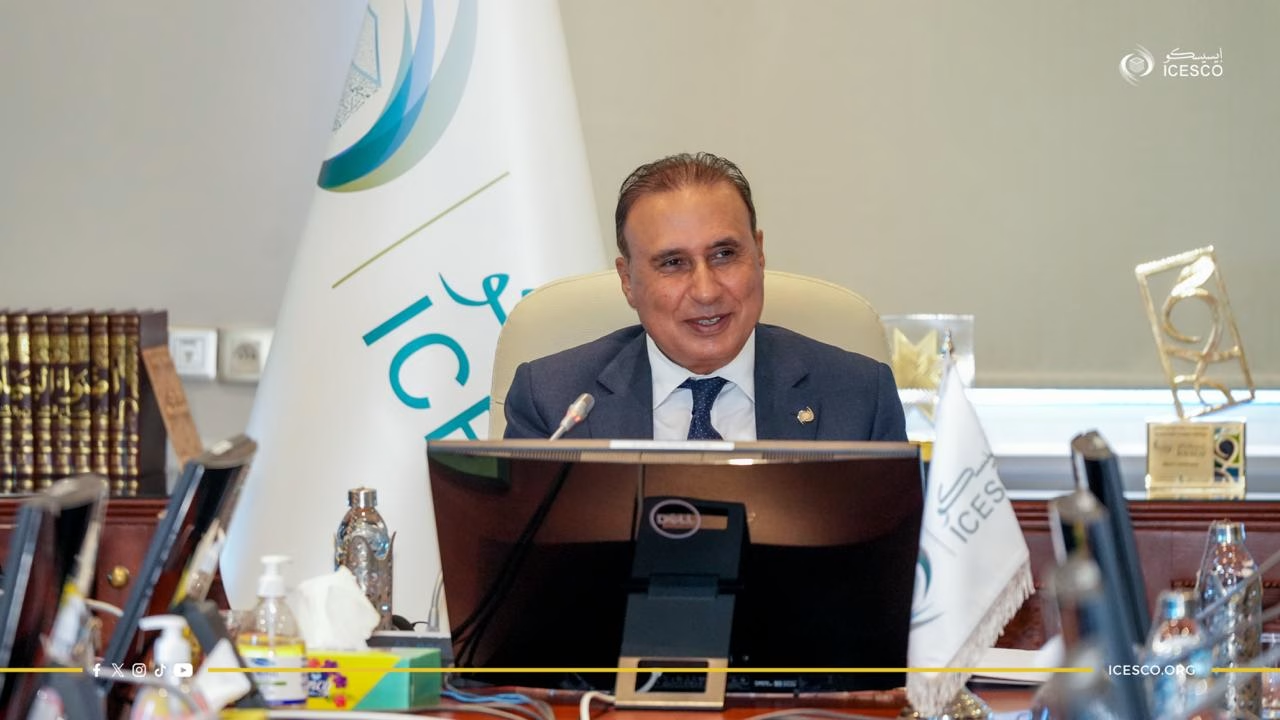
For his part, Dr. Abdelilah Benarafa, ICESCO Deputy Director-General, addressed the vibrant relationship between civilization and architecture, stressing that architecture is a defining element of civilization, most vividly exemplified by the design and aesthetics of mosques.
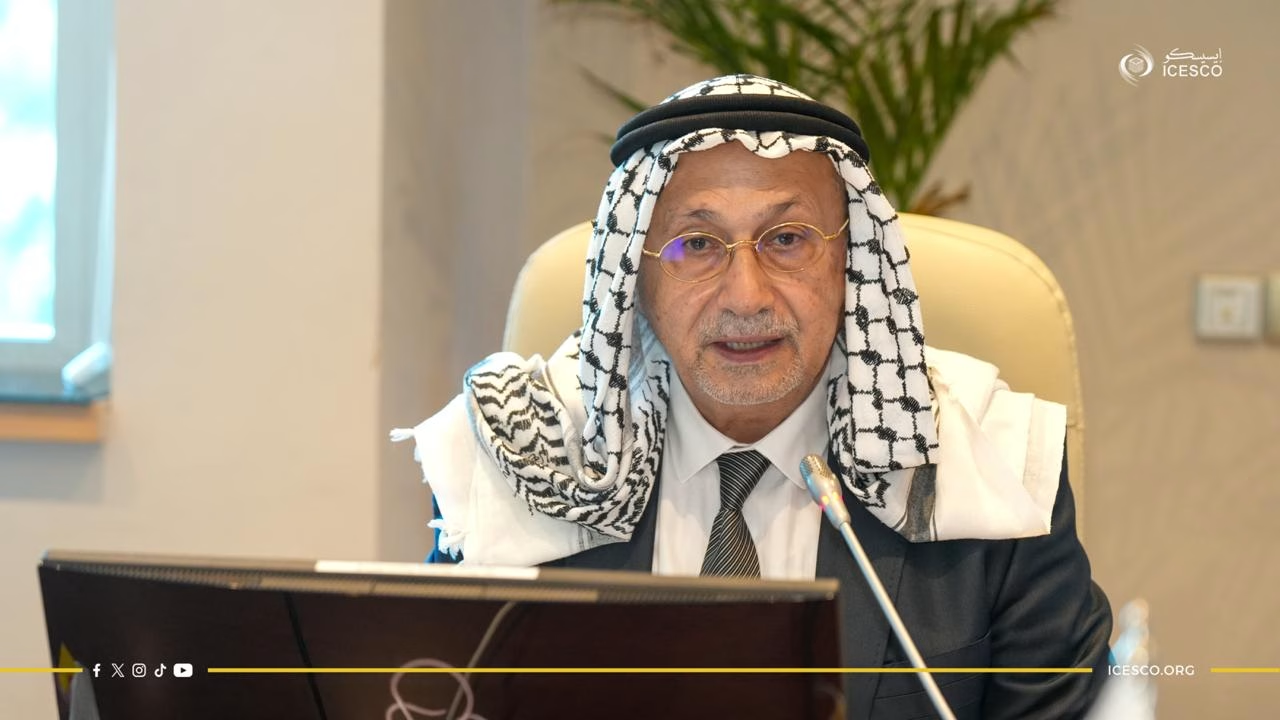
Following, Dr. Said Khaled Al-Hassan, President of the Khaled Al-Hassan Center for Studies and Research, discussed the distinctive relationship between architecture and civilization, highlighting the seminar’s importance in shedding light on the foundations of civilizational identity and its centrality to the Arab Palestinian presence.
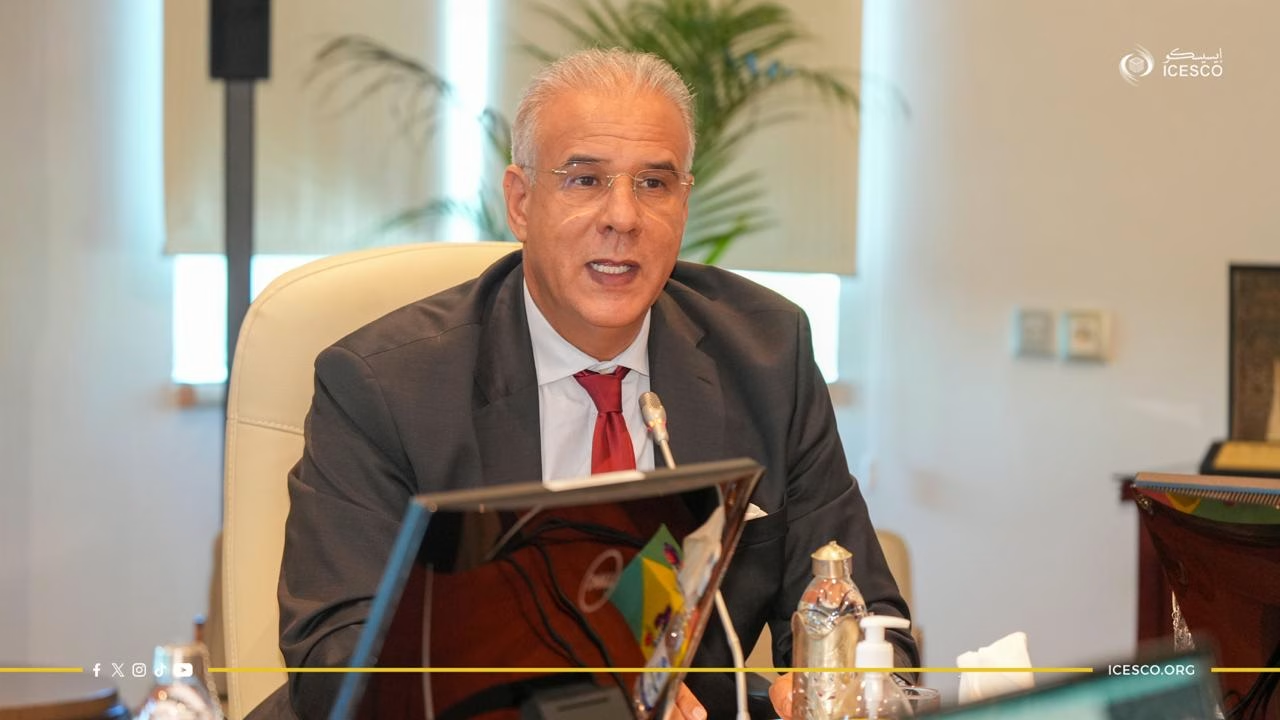
Dr. Mohamed Salem Echarkaoui, the director in charge of the management of the Bayt Mal Al-Quds, stated that institutional action to protect Palestinian heritage is a demanding undertaking that requires genuine political will. He stressed that architecture in Palestine stands as enduring testimony to the Arab and Islamic presence.
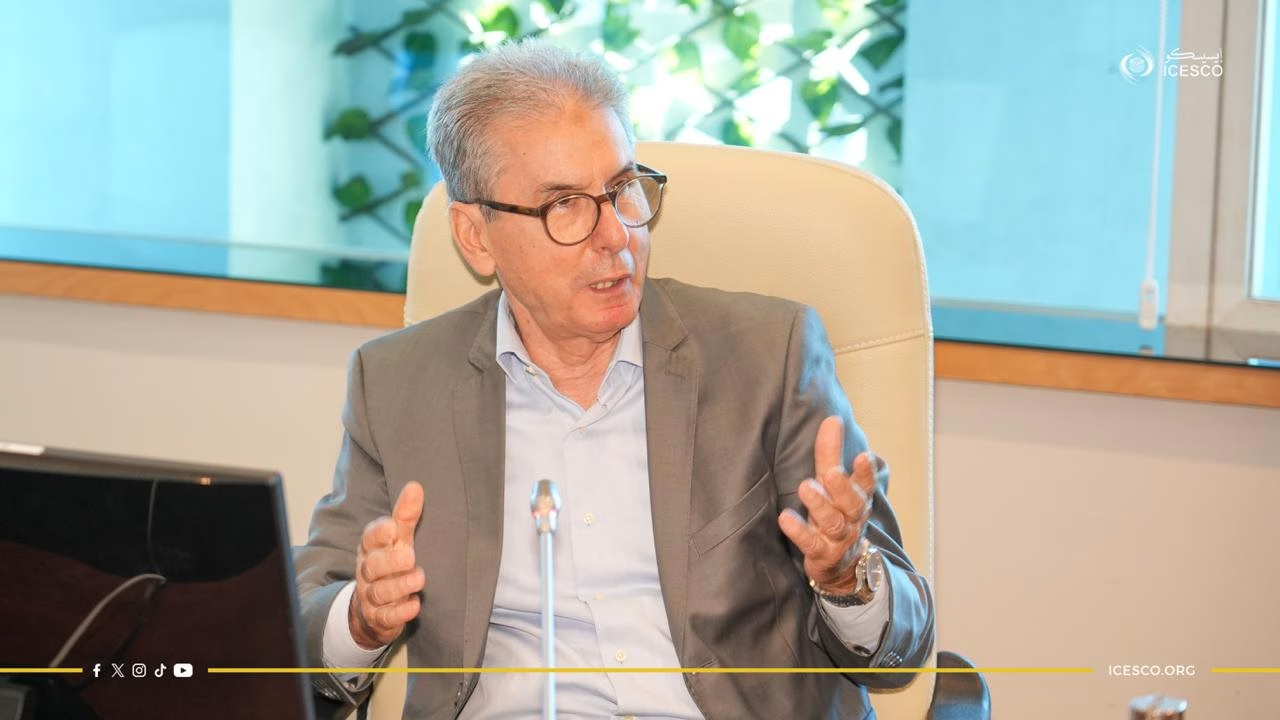
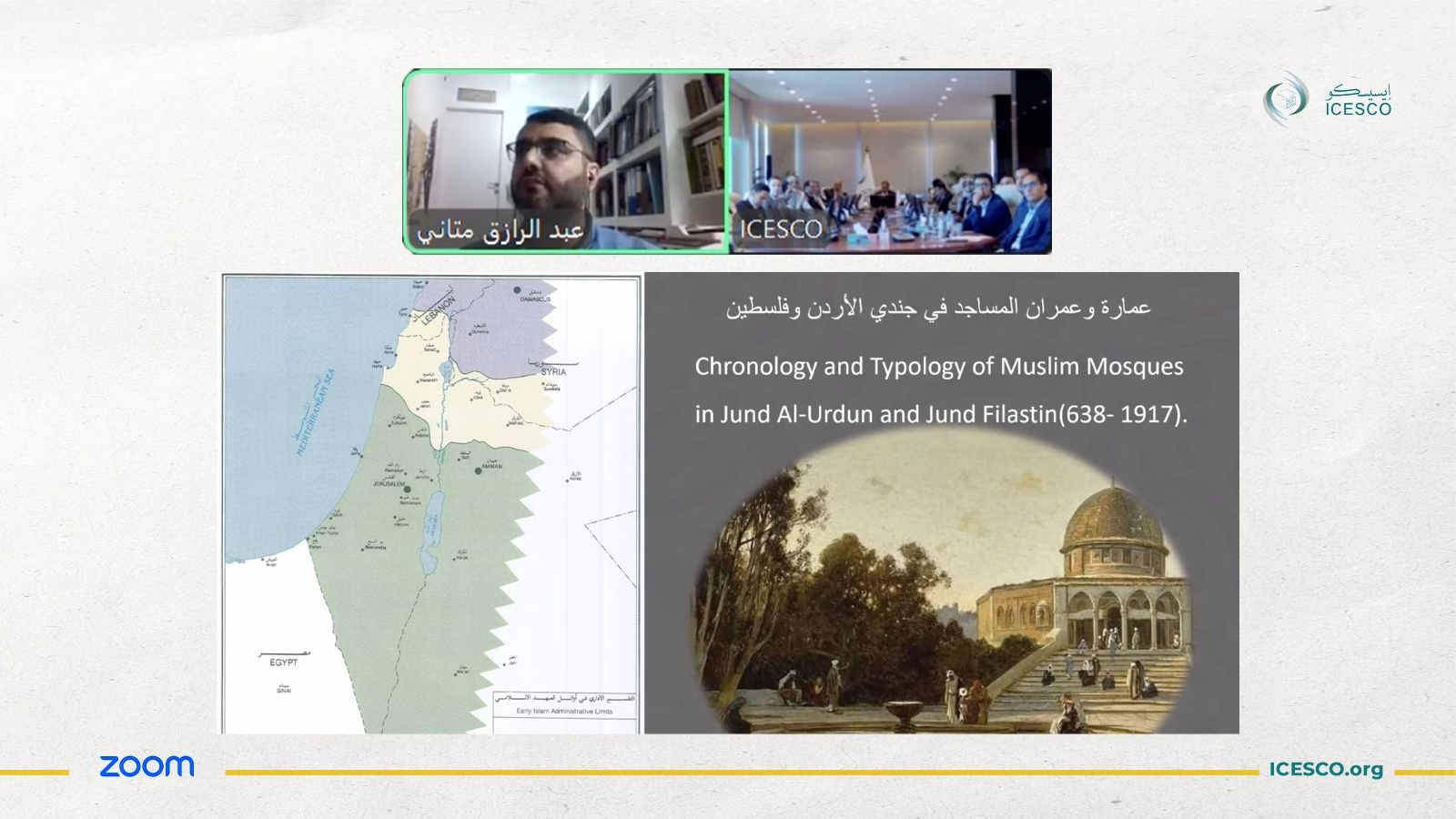
Subsequently, Dr. Matani reviewed the current state of antiquities and architecture in Palestine during the seminar, which was moderated by Dr. Hani Albalawi, expert at the ICESCO Center for Civilizational Dialogue. He explained that mosques extend beyond their religious role to serve as integrated centers of civilization. He added that his study, based on field and archival surveys, traces architectural development from the early Islamic openings through the late Ottoman period. He further emphasized that Palestine, particularly Al-Quds and Al-Aqsa Mosque, is home to some of the finest architectural expressions embodying the history of Islamic civilization.
The expert warned of the severe assault on Palestinian heritage and holy sites through attempts at erasure and Judaization. He pointed to policies aimed at destroying antique remains through land-leveling or “green colonialism,” which seeks to conceal Arab landmarks behind afforestation. He also drew particular attention to the heritage catastrophe in the Gaza Strip, where approximately 50 archaeological sites have been destroyed.
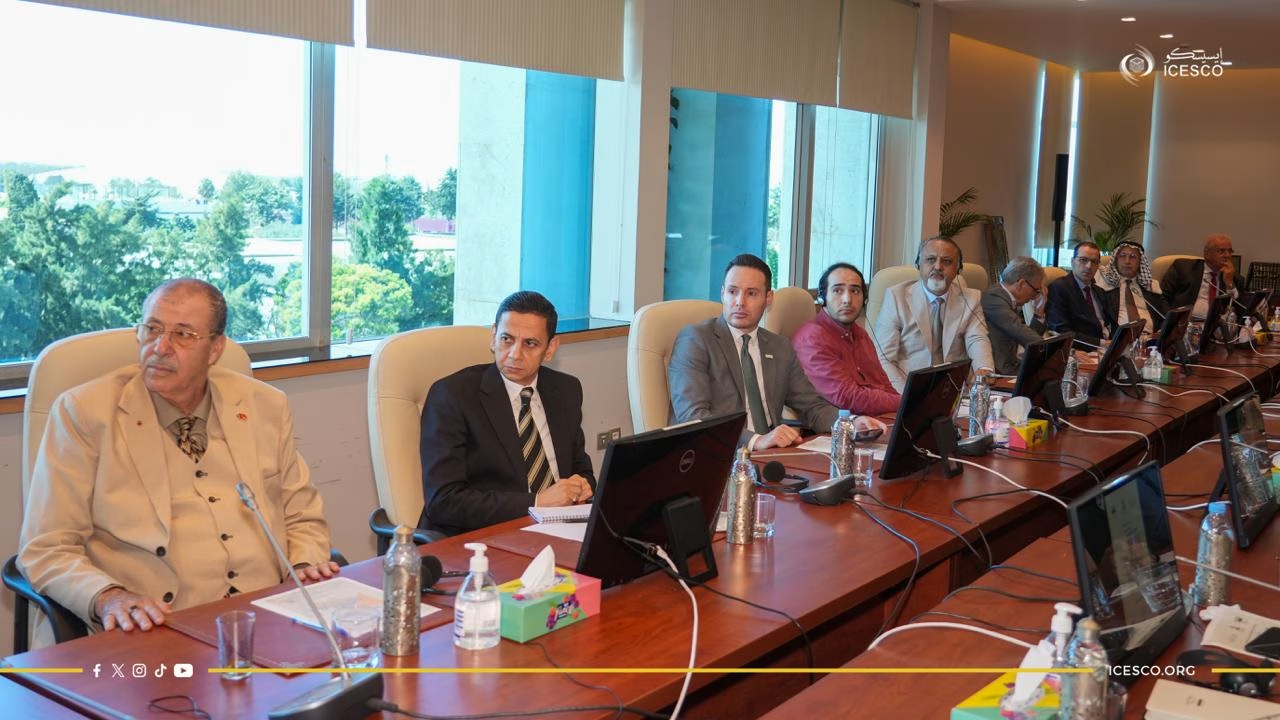
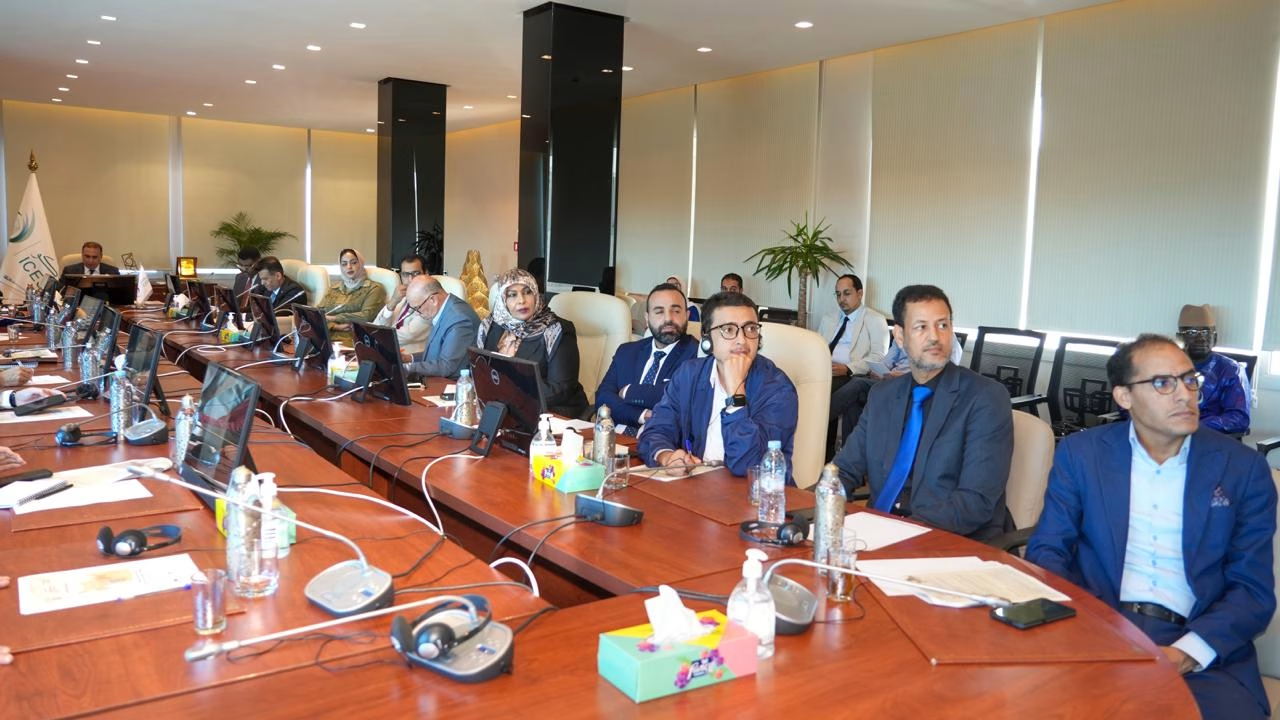
Participants commended the study’s academic and field excellence in documenting the chronological development of mosque architecture in Palestine. They also highlighted the strength of its political implications and the importance of using digital documentation and technology to preserve this heritage, while underscoring the need to establish a theoretical framework that brings to the fore the civilizational role of mosques as spaces of memory and learning.