St Petersburg International United Cultures Forum 2026: Dr. AlMalik Highlights ICESCO’s Efforts to Protect and Safeguard Islamic World Heritage

24 September 2026
Dr. Salim M. AlMalik, Director-General of the Islamic World Educational, Scientific and Cultural Organization (ICESCO), affirmed that the Organization gives the utmost priority to protecting endangered heritage and facilitating its recovery. He referred to the field missions dispatched by the Organization to conflict-affected areas to assess damage and identify recovery priorities in its Member States, which are home to nearly 60% of the sites inscribed on the List of World Heritage in Danger.
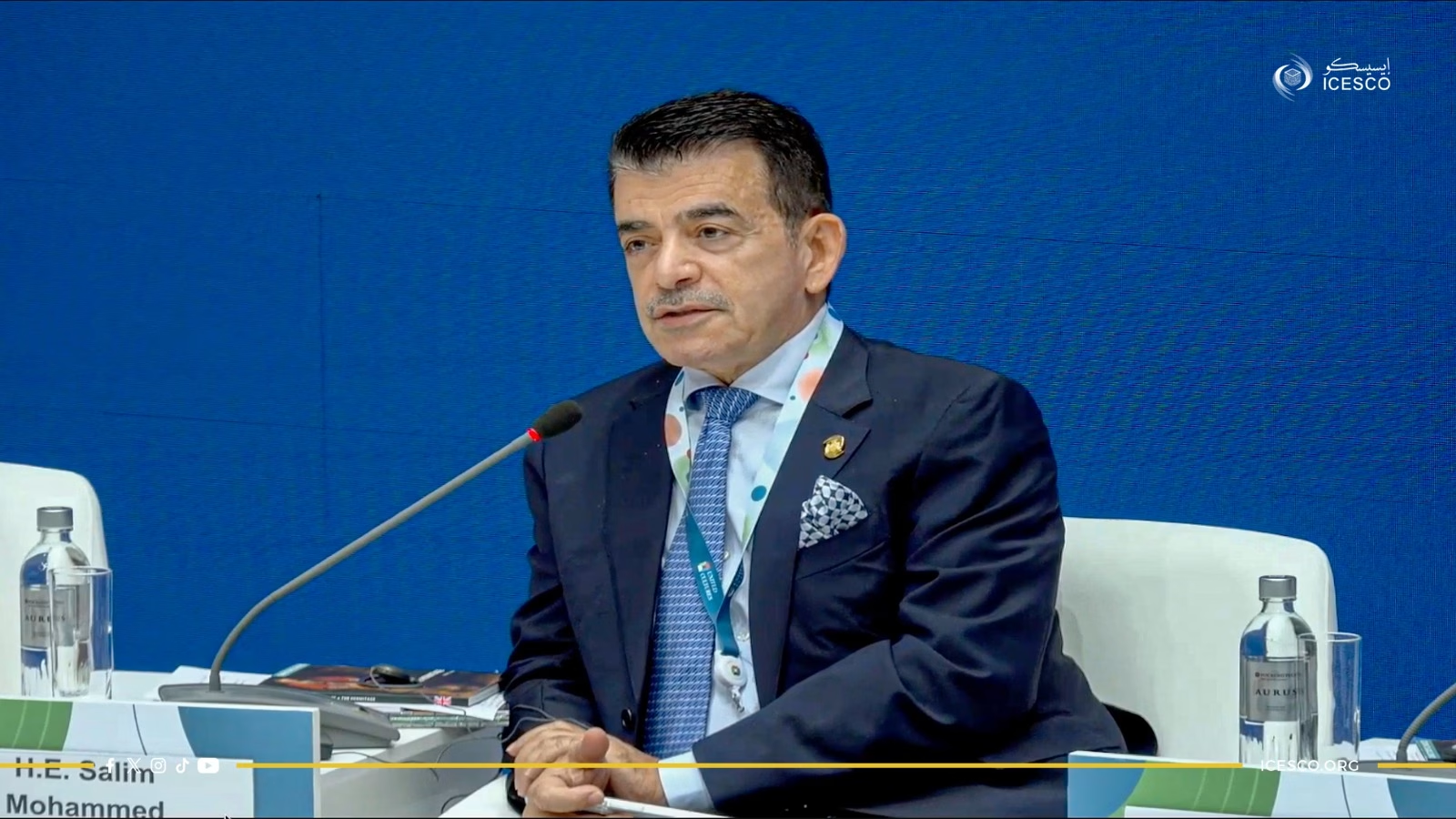
He made these remarks during a session titled “Global Ethics of Restoration in the Postcolonial World,” held as part of the 12th St Petersburg International United Cultures Forum 2026, which opened on Thursday, 24 September 2026, and runs for two days under the theme “United Cultures, Common Values.” The Forum is organized by the Roscongress Foundation with the support of the Russian Ministry of Culture and is attended by representatives of 70 countries, including 44 official foreign delegations.
The Forum opened with an address from H.E. Vladimir Putin, President of the Russian Federation, to the participants, in which he affirmed that the Forum has established itself as a major international cultural event in cultural life in both Russian and around the world. He highlighted that, throughout history, culture has served as a strong foundation for understanding between peoples and nations, and that the willingness to engage in open dialogue as equals enables us to find common ground.
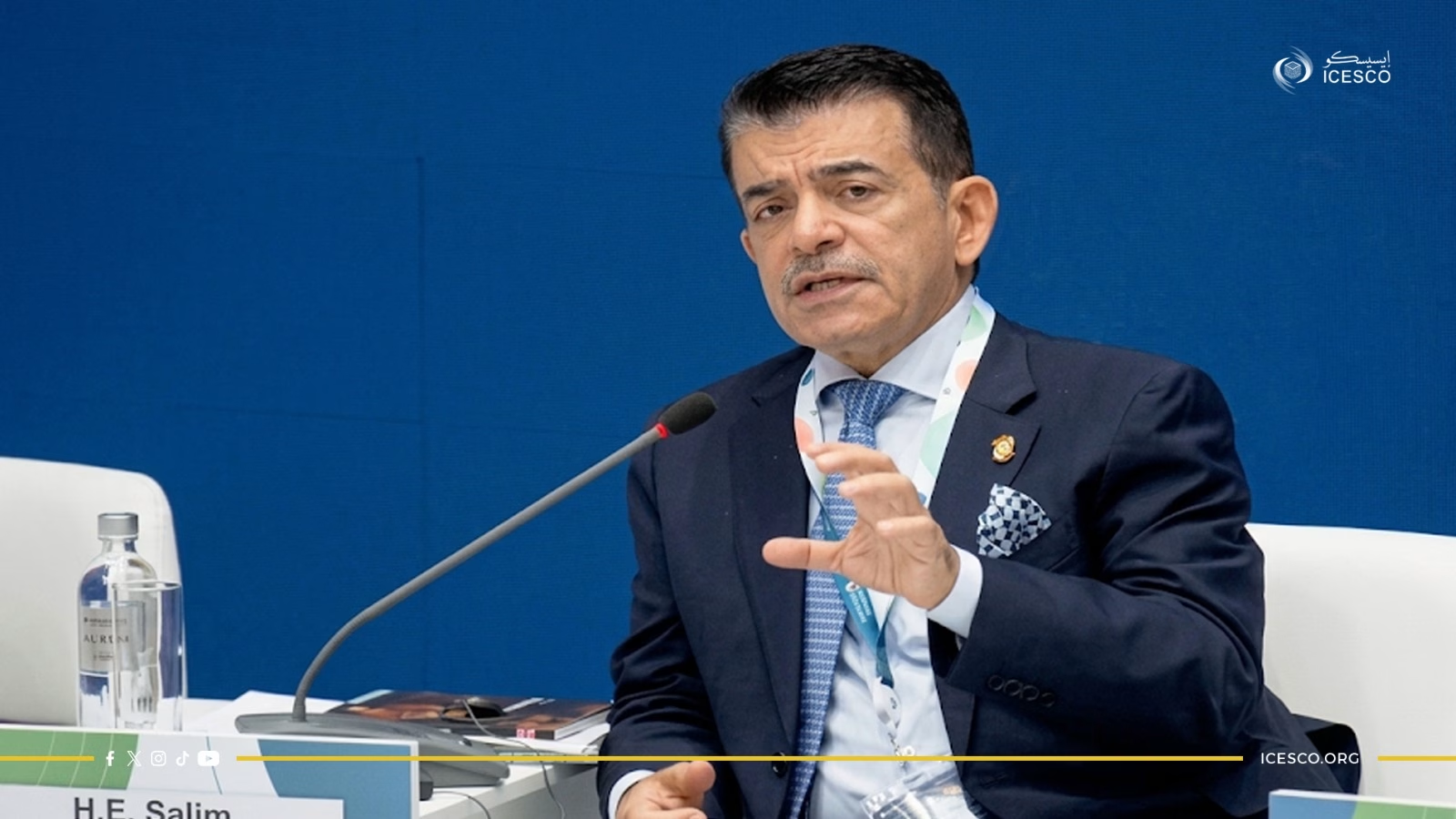
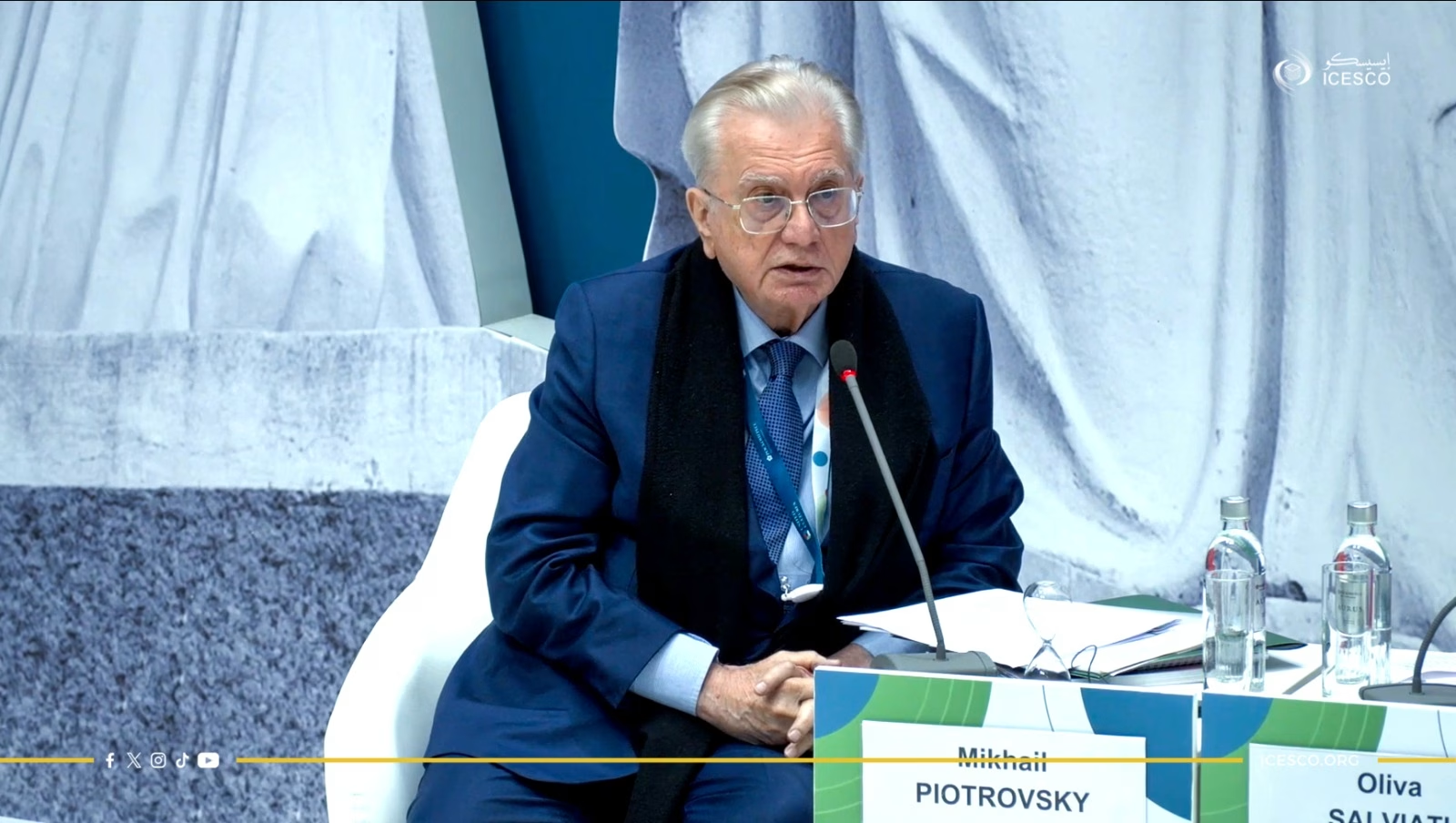
During the session, moderated by Mr. Mikhaïl Piotrovsky, Director of the State Hermitage Museum in the Russian Federation, the ICESCO Director-General reviewed the two missions carried out by the Organization in the Karabakh region of Azerbaijan, during which more than 130 heritage sites were assessed to determine the extent of damage and recovery priorities. He also highlighted the conferences, initiatives, and strategies launched by the Organization to systematically integrate heritage protection into national climate policies and sustainable development strategies. He explained that these efforts contributed to the removal of three sites in Egypt, Libya, and Madagascar from the List of World Heritage in Danger.
Dr. AlMalik also addressed ICESCO’s efforts to protect the heritage of the Islamic world and enhance its international visibility, noting that the Islamic World Heritage Center has, to date, inscribed 841 heritage sites and elements on ICESCO’s Heritage List. He explained that this list is not limited to recognition and inscription, but also serve as a mechanism for supporting Member States in documenting, safeguarding, and enhancing the value of their heritage.
He also underscored the launch of the Heritage Portal, an integrated digital platform that enables people around the world to discover this heritage through interactive maps, virtual tours, and digital storytelling.
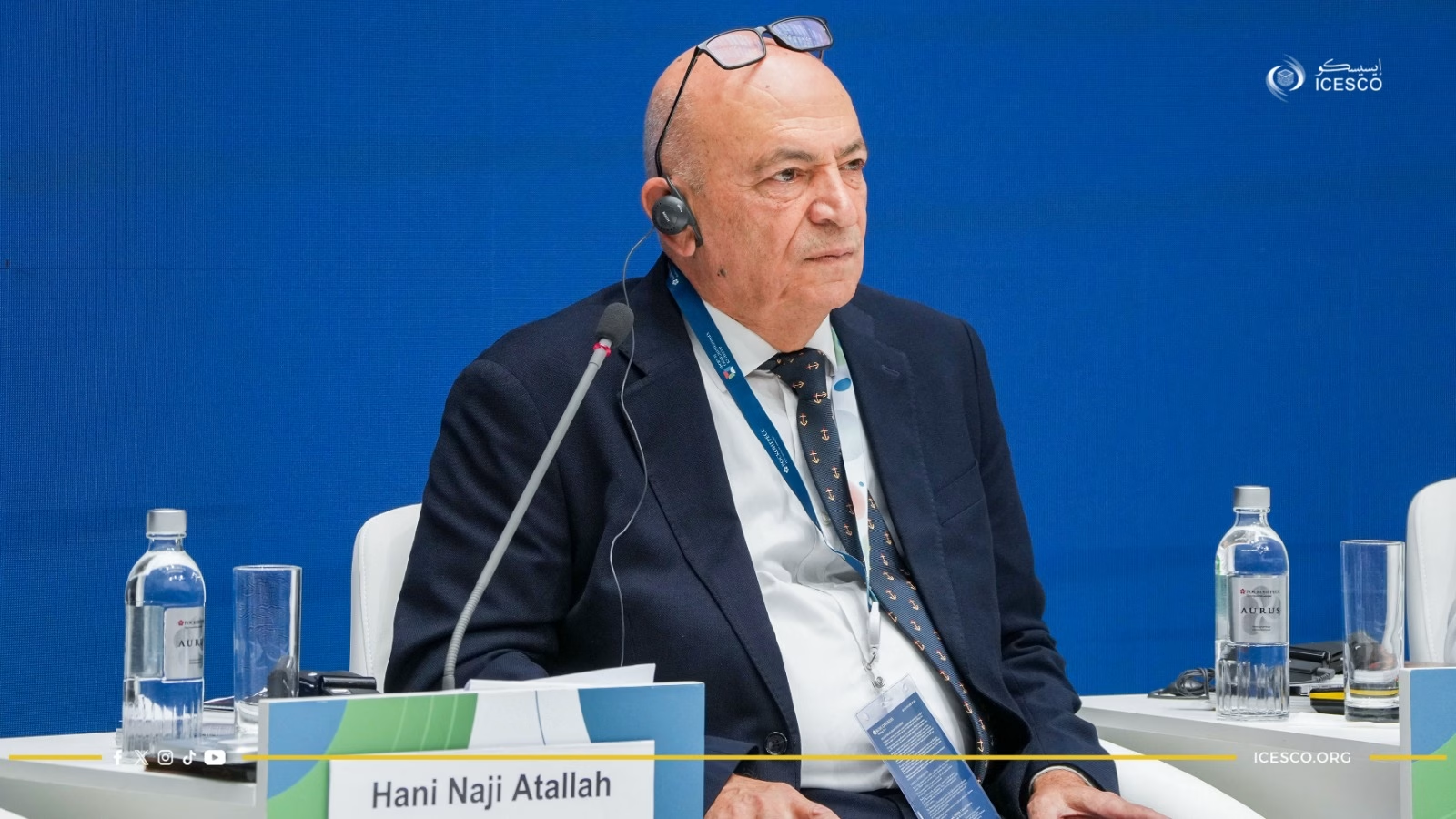
The session, dedicated to discussing the pressing challenges of safeguarding heritage in areas affected by conflict and disasters, brought together distinguished ministers, leaders of international organizations, and directors of museums and cultural institutions. Participants included Mr. Hani Al-Hayek, Minister of Tourism and Antiquities of the State of Palestine, and Ms. Elena Davydova, Director-General of the Gazprom Cultural Initiatives Support Foundation.