ICESCO Introduces New Cultural Economies Index to Support Innovative Cultural Policies in Its Member States

2 July 2026
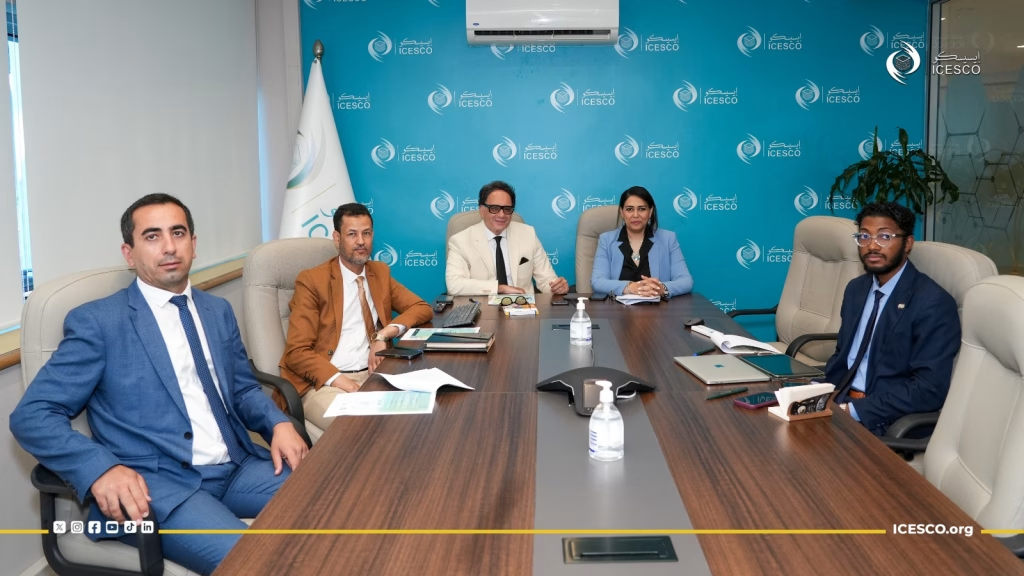
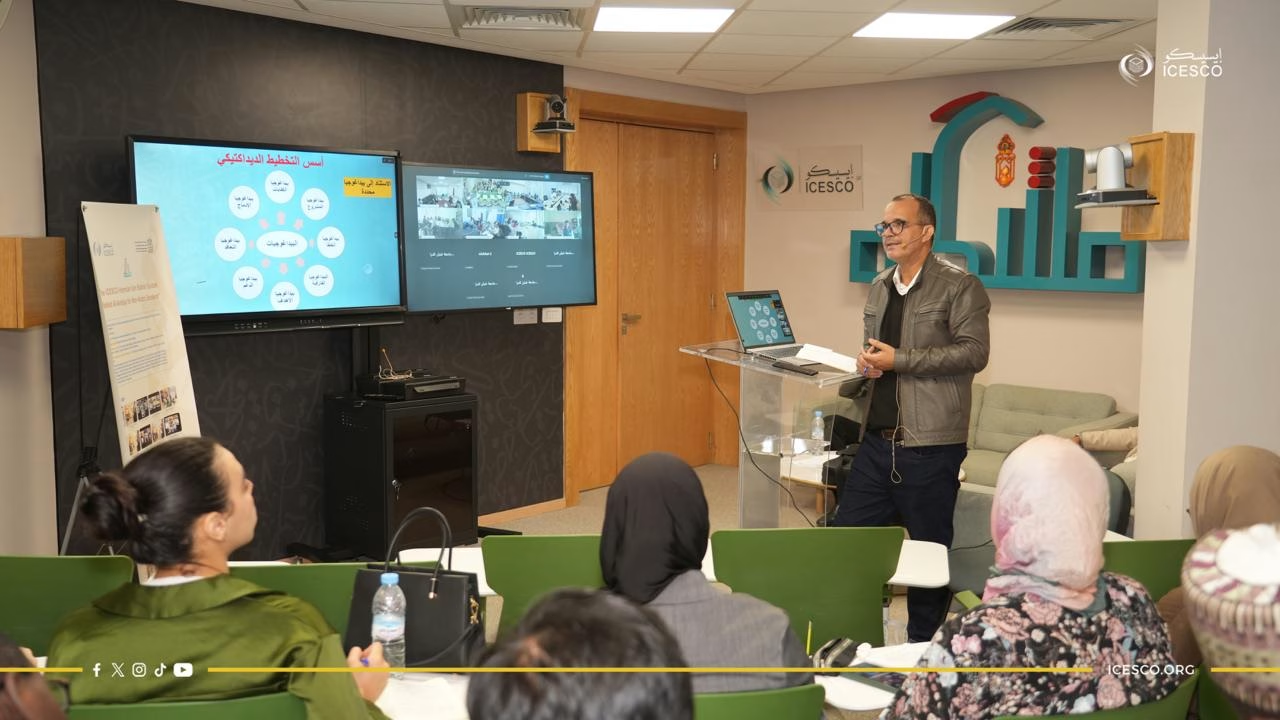
The Islamic World Educational, Scientific and Cultural Organization (ICESCO) held a training workshop on Wednesday, 1 July 2026, during which it presented the “New Cultural Economies Index in Member States.” The workshop is part of the “ICESCO: Leadership in New Cultural Policies 2021–2029” program and brought together 240 experts, cultural stakeholders, and representatives of national commissions, both in person and via videoconference.
The workshop aimed to enhance Member States’ understanding of the index as a practical tool for developing innovative cultural policies, measuring the impact of cultural and creative economies, and strengthening their integration into sustainable development pathways, given culture’s role as a driver of development, innovation, and job creation.
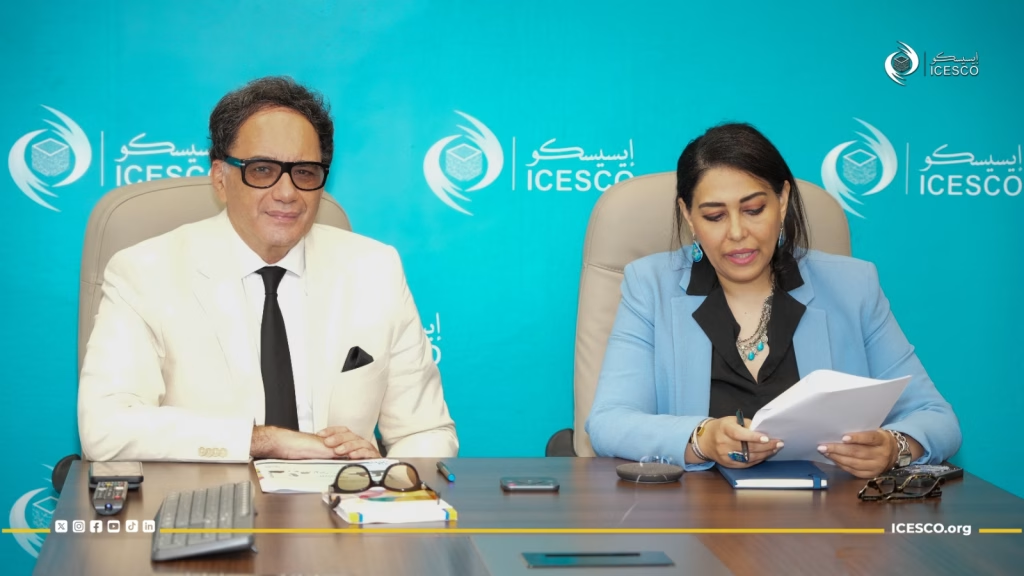
In his opening remarks, Dr. Mohamed Zinelabidine, Head of the Culture Sector at ICESCO, emphasized the strategic importance of the index in supporting Member States in designing cultural policies capable of adapting to technological, economic, and creative transformations. He noted that the initiative aligns with the Organization’s vision of positioning culture as a value-generating sector that supports youth employment and inclusion.
The workshop was moderated by Dr. Sally Mabrouk, Head of the Director-General’s Office and Supervisor of the Strategy and Institutional Excellence Sector, who highlighted ICESCO’s efforts to leverage modern technologies in the cultural field and strengthen partnerships with national commissions to facilitate the implementation of the index in Member States.
Dr. Rim Jallouli, an expert in cultural and creative economies, delivered a presentation on the methodological foundations of the index, outlining its key components, data collection and analysis mechanisms, and its potential to measure the development of cultural and creative sectors and track their transformation.
The workshop concluded with interactive discussions involving representatives from several national commissions, including the Kingdom of Saudi Arabia, the Sultanate of Oman, and the State of Qatar. Participants shared their experiences, provided proposals, and expressed their interest in implementing this strategic tool within their national contexts.