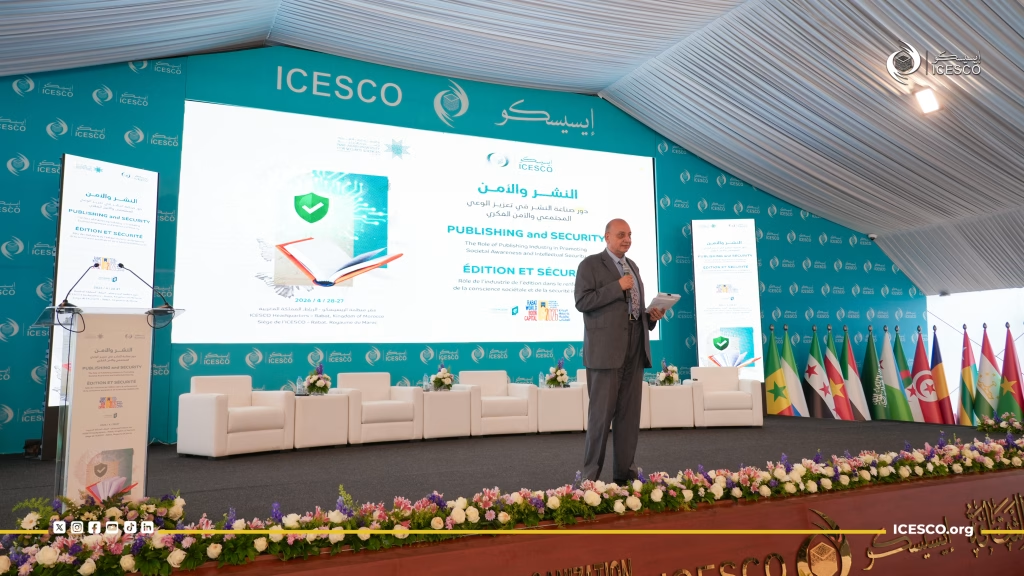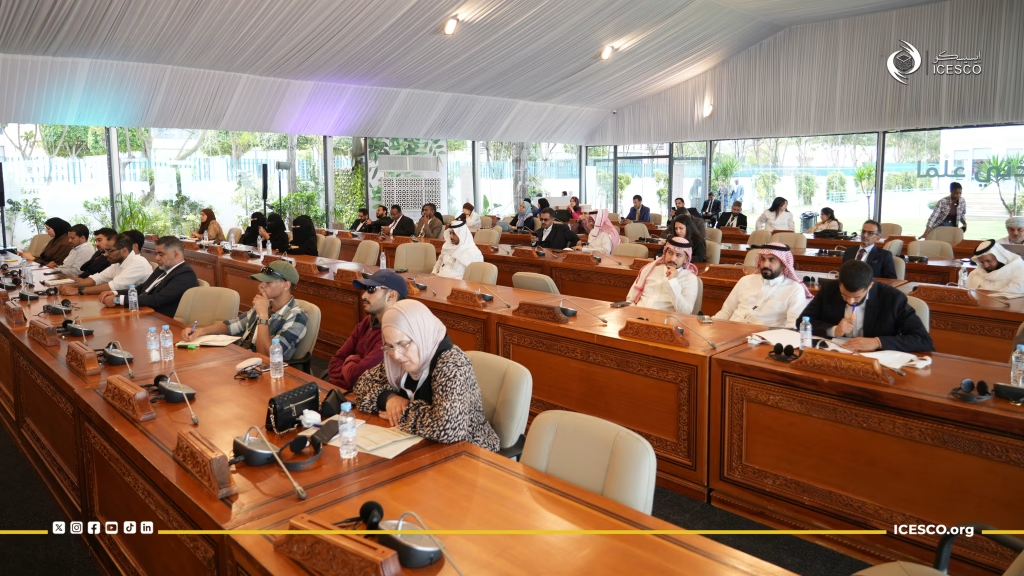
ICESCO Symposium on Publishing and Security Concludes With 13 Recommendations to Keep Pace with Digital Transformations and Promote Societal Awareness

29 April 2026
The International Symposium “Publishing and Security: The Role of the Publishing Industry in Promoting Societal Awareness and Intellectual Security,” organized by the Islamic World Educational, Scientific and Cultural Organization (ICESCO) in partnership with Naif Arab University for Security Sciences (NAUSS), concluded on 27 and 28 April 2026 at ICESCO headquarters in Rabat with the adoption of 13 final recommendations aimed at strengthening the role of the publishing industry in safeguarding the knowledge space, building more aware and stable societies, and keeping pace with rapid transformations in the digital environment.
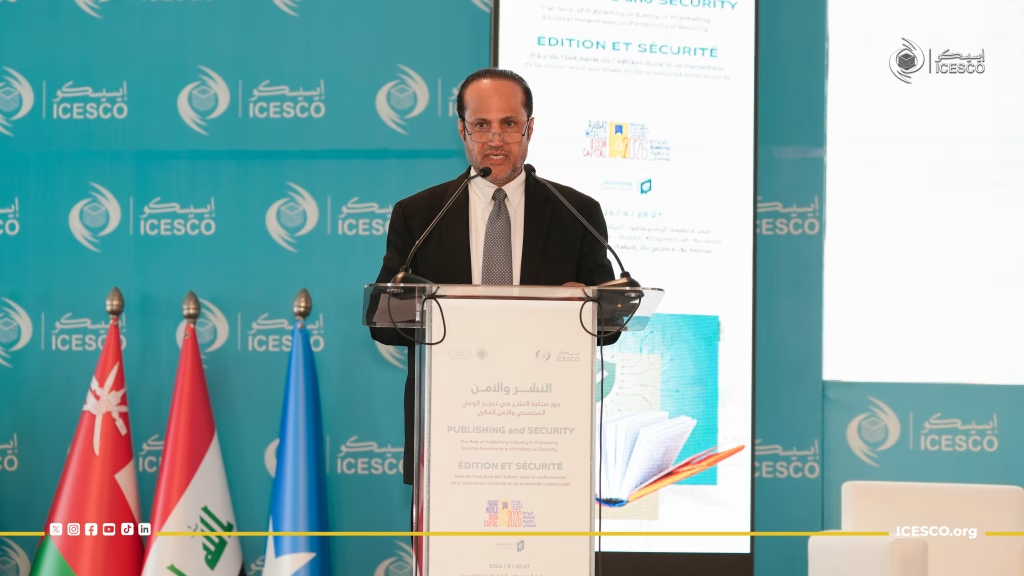
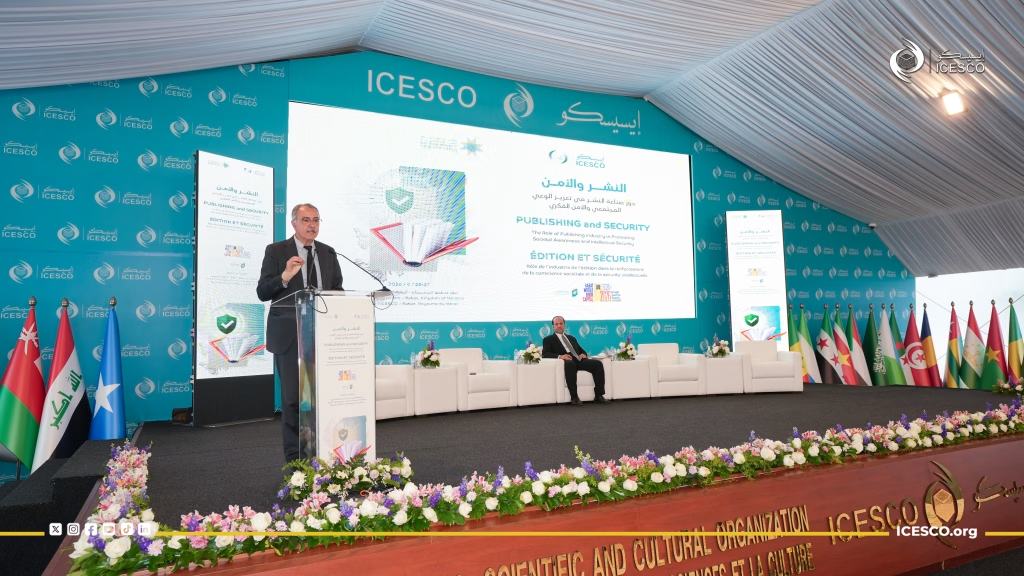
The recommendations were drafted by 24 researchers from 14 countries, who called for the establishment of the Islamic World Publishers Union under the auspices of ICESCO to coordinate efforts, develop the publishing industry, enhance integration among knowledge markets, support digital transformation, and protect intellectual property, thereby contributing to the production of reliable content that promotes societal awareness and intellectual security.
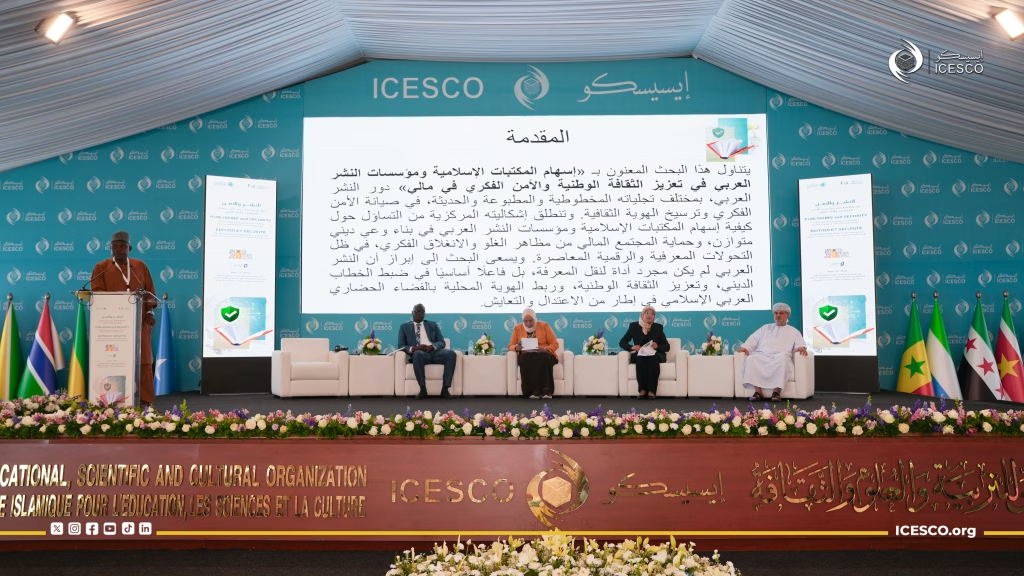
The recommendations underlined the importance of launching an annual index to measure intellectual security in published content across Member States, based on digital content analysis, alongside integrating critical thinking and media literacy programs into university curricula and establishing a unified regional platform for news verification linked to publishing houses and universities, operating with artificial intelligence technologies.
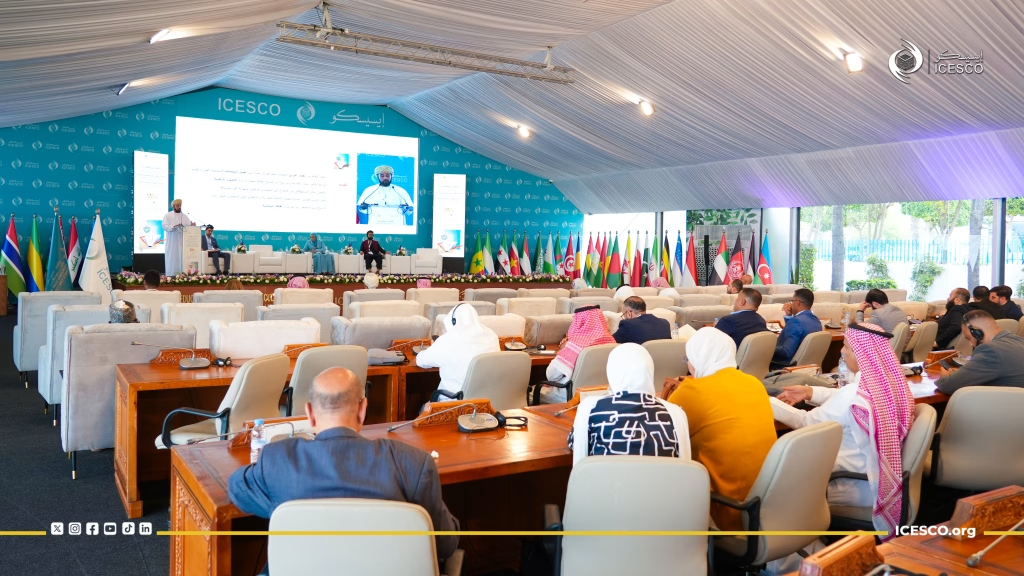
They also called for requiring publishing houses and digital platforms to adopt an accredited labeling system distinguishing between human-produced content and content generated by artificial intelligence, applying a “safe publishing” protocol as an operational framework encompassing multi-phase verification, incorporating a digital security compliance indicator into the performance evaluation of academic institutions and publishing houses, and developing a proactive response model for information crises with a response time not exceeding 24 hours.
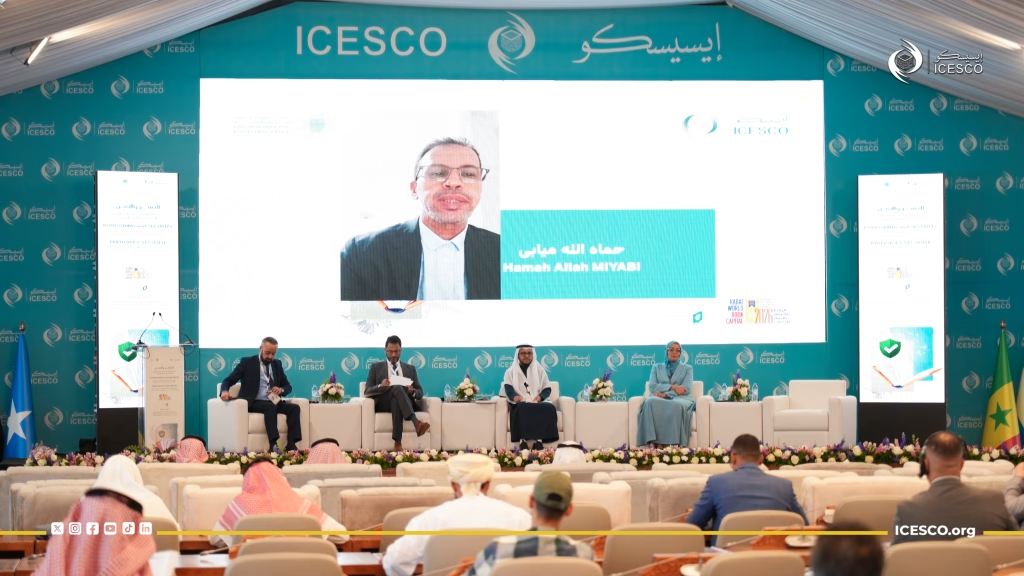
On the legislative front, participants recommended the issuance of specialized legislation on advanced digital content, including deepfakes and generative artificial intelligence, and the establishment of a regional legal network for cooperation on digital crimes to ensure the rapid exchange of judicial data among Member States. They also stressed the importance of transforming libraries into community knowledge security centers that provide regular awareness and training programs.