

Second International Conference on Cancer Research 2026 Kicks off at ICESCO Headquarters

31 March 2026
Under the High Patronage of His Majesty King Mohammed VI, may Allah assist him, the Second International Conference on Cancer Research (MCRS 2026) opened on Monday, 30 March 2026, at the headquarters of the Islamic World Educational, Scientific and Cultural Organization (ICESCO) in Rabat. The event is organized in partnership with Moulay Ismail University in Morocco and the Moroccan Association for Cancer Research, under the theme “Translational Research in Support of Clinical Advances,” with the participation of 180 researchers and specialists from 10 countries. It aims to highlight the crucial role of translational science in transforming laboratory findings into practical clinical applications.
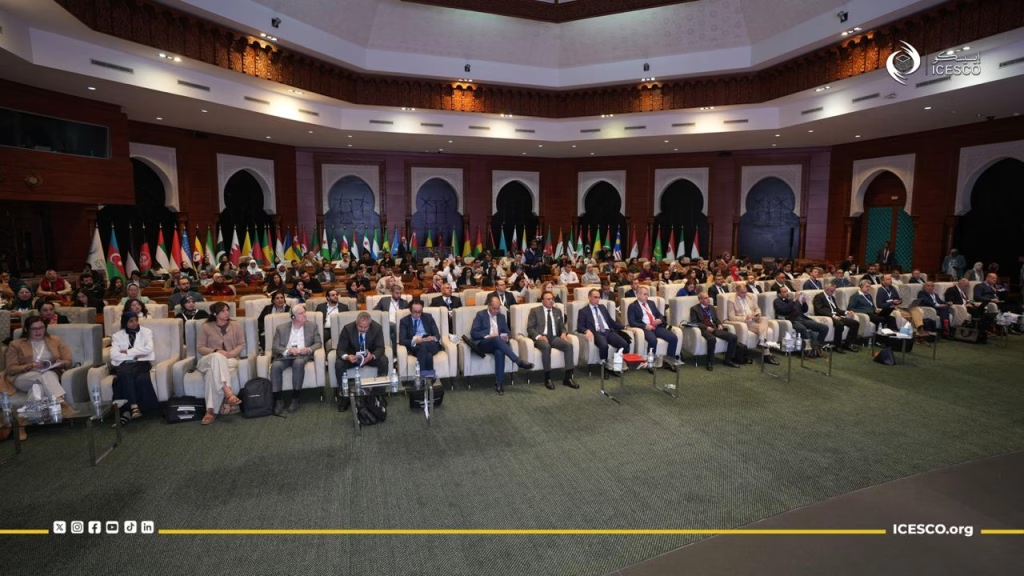
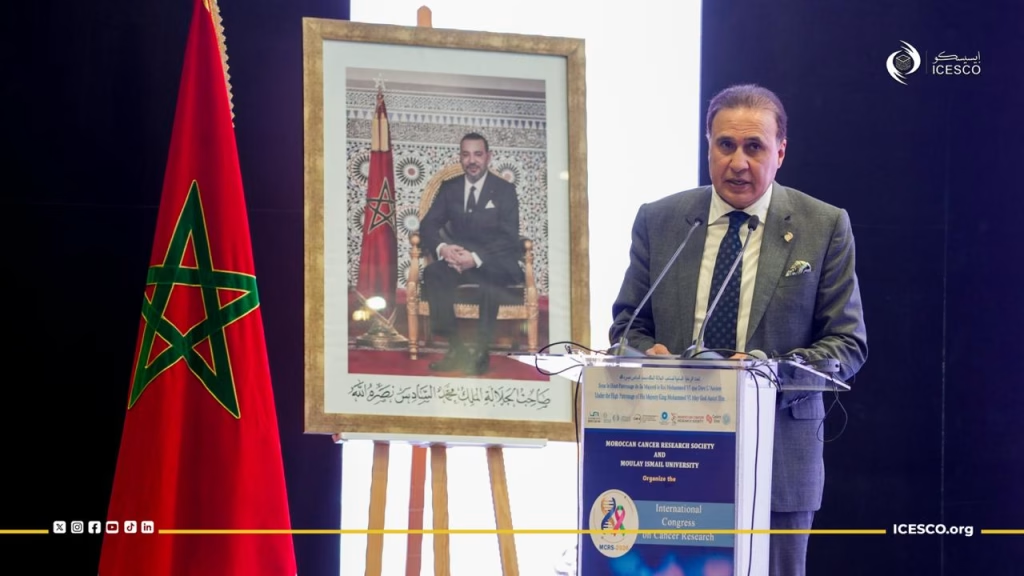
During the opening session of the three-day conference, Dr. Salim M. AlMalik, ICESCO Director-General, affirmed in a speech delivered on his behalf by Dr. Abdelillah Benarafa, Deputy Director-General, that the Organization is guided by the principle of making science serve humanity and accessible to all. He stressed that ICESCO builds bridges of communication and cooperation between the global North and South to enhance the exchange of expertise and accelerate health solutions.
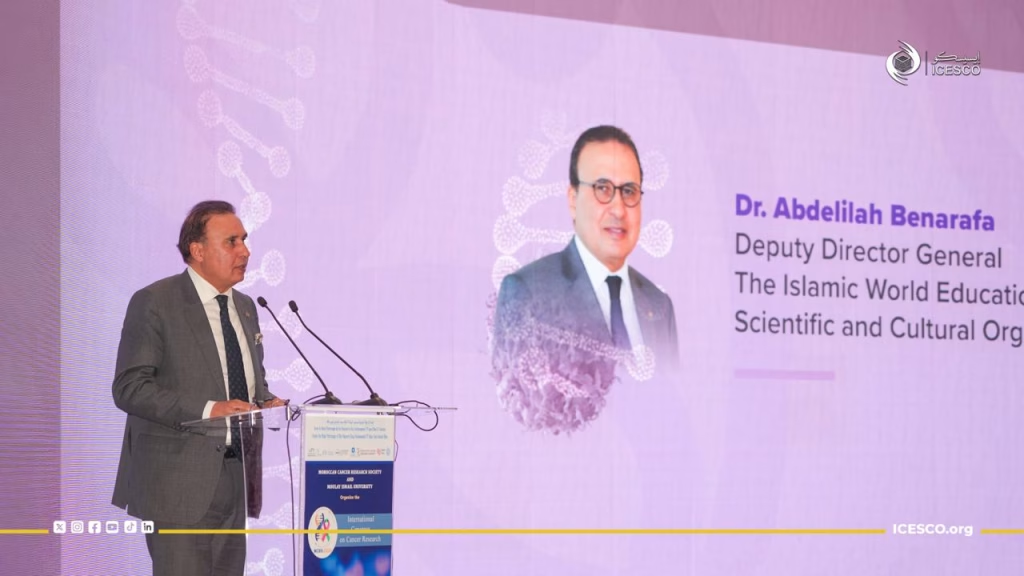
Dr. AlMalik noted that ICESCO has accumulated significant experience in supporting scientific research, particularly in health sciences. He emphasized that the Organization’s work goes beyond research funding to investing in people and building capacities, including support for training programs in human genome analysis, based on the conviction that prevention begins with knowledge.
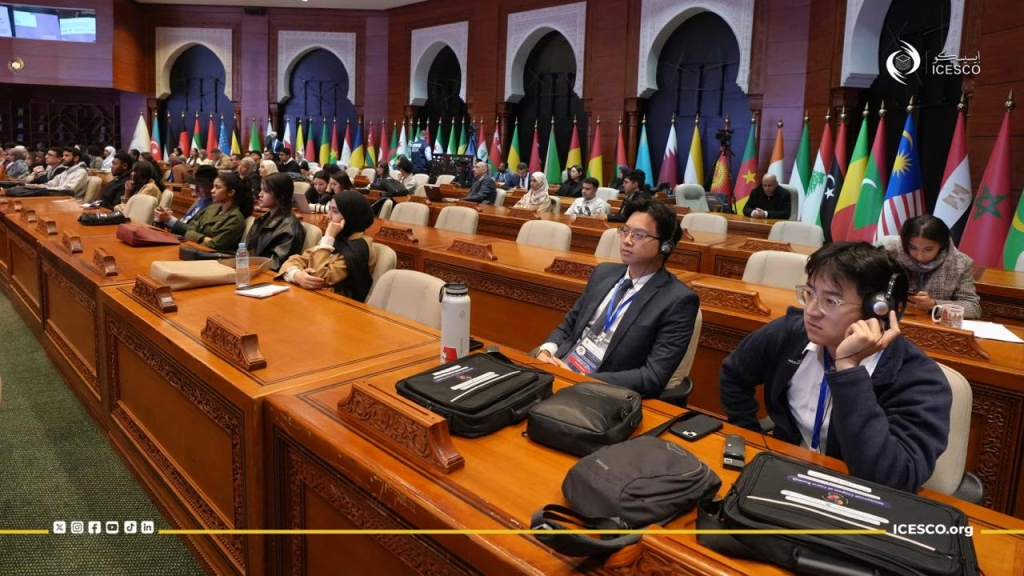
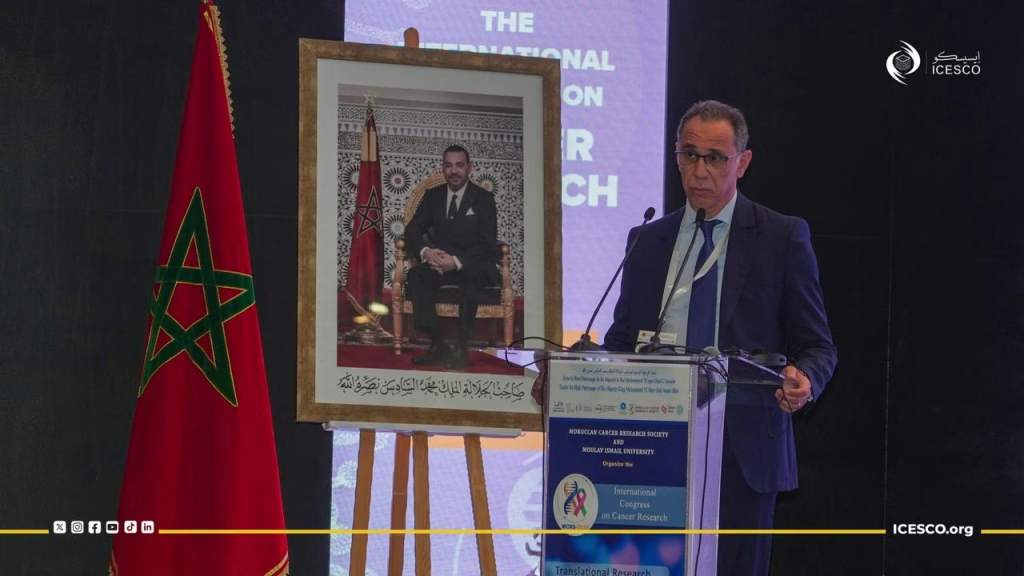
For his part, Dr. Aboubakr Bouyaad, President of Moulay Ismail University, stated that hosting this event reflects growing recognition of the importance of translational research as a cornerstone of medical progress. He reaffirmed the University’s commitment to fostering an academic environment grounded in openness and innovation.
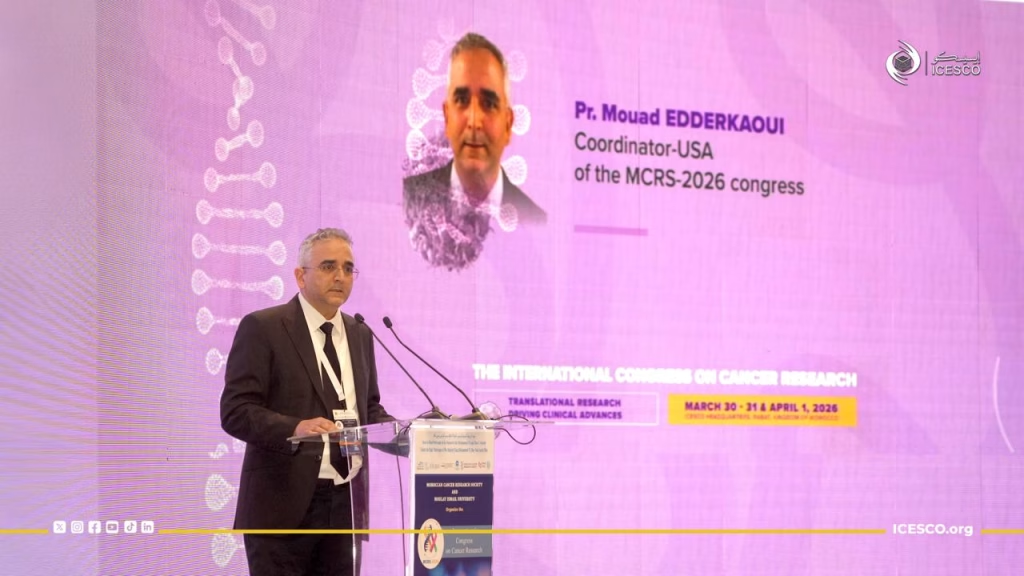
Dr. Lhoussain Hajji, Professor at the Faculty of Medicine of Moulay Ismail University, underlined that the conference seeks to promote scientific exchange and develop new strategies to improve patient recovery prospects. Dr. Mouad Edderkaoui, Adjunct Professor at the University of California, highlighted that scientific research and collaboration among researchers constitute two fundamental pillars for transforming the challenge of combating cancer into a pathway for progress.
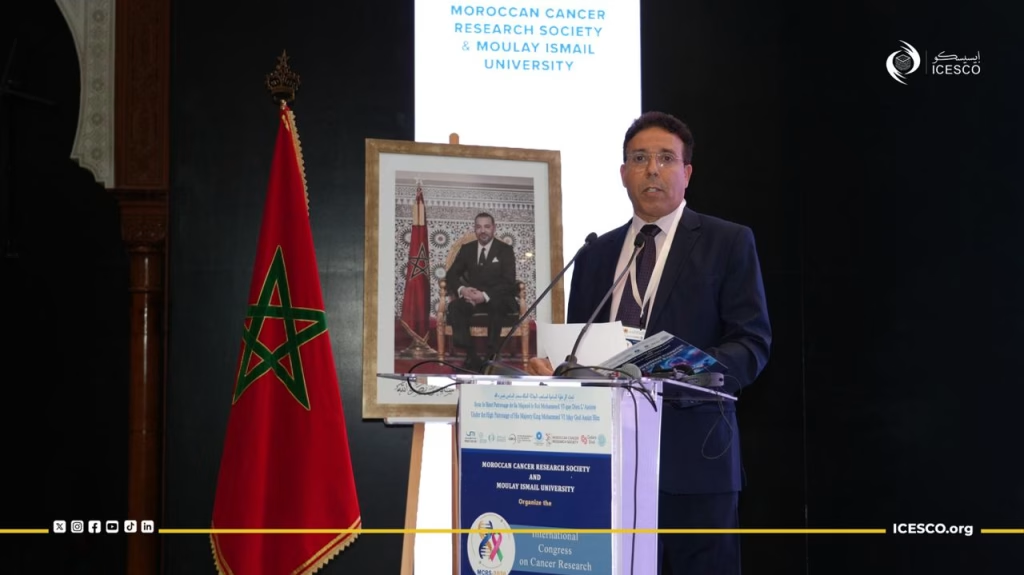
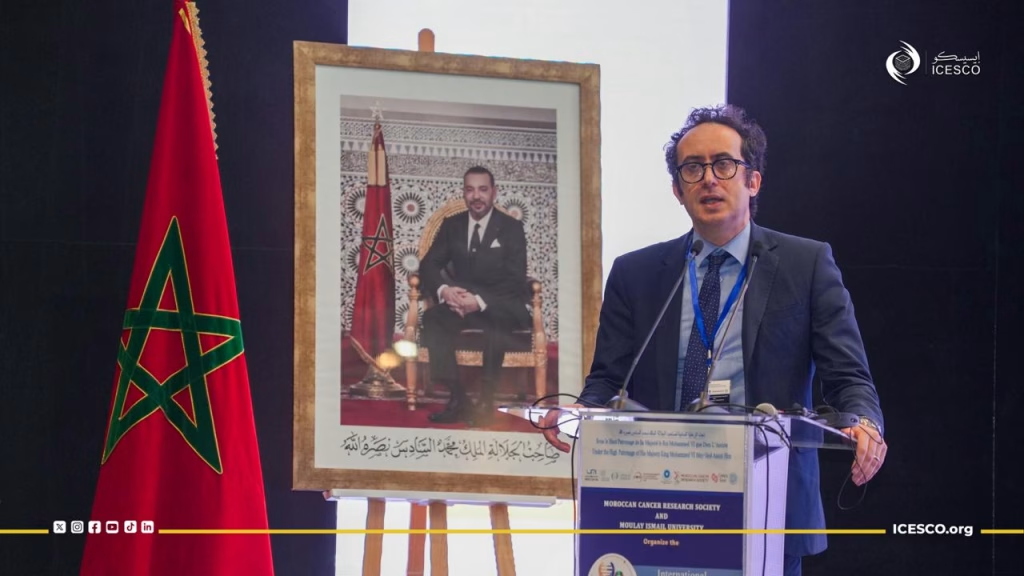
Dr. Saber Boutayeb, Director of the Mohammed VI Center for Research and Innovation, warned against delays in translating scientific findings related to cancer research into practical applications. Dr. Taoufiq Fechtali, Dean of the Faculty of Sciences at Moulay Ismail University, stressed that strengthening cooperation among researchers helps accelerate the transformation of scientific knowledge into solutions that improve treatment outcomes.
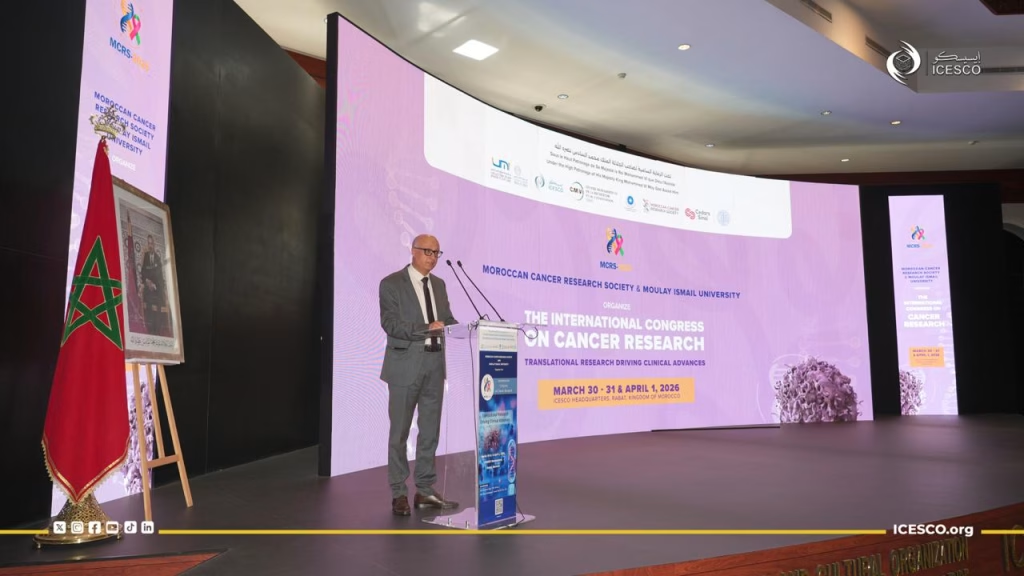
The first session of the conference was moderated by Dr. Adel Smeda, Supervisor of ICESCO’s Science and Environment Sector, with the participation of four international experts in the medical and oncology fields. The session featured specialized presentations and interactive discussions on the latest developments in translational research and clinical innovation in cancer treatment.
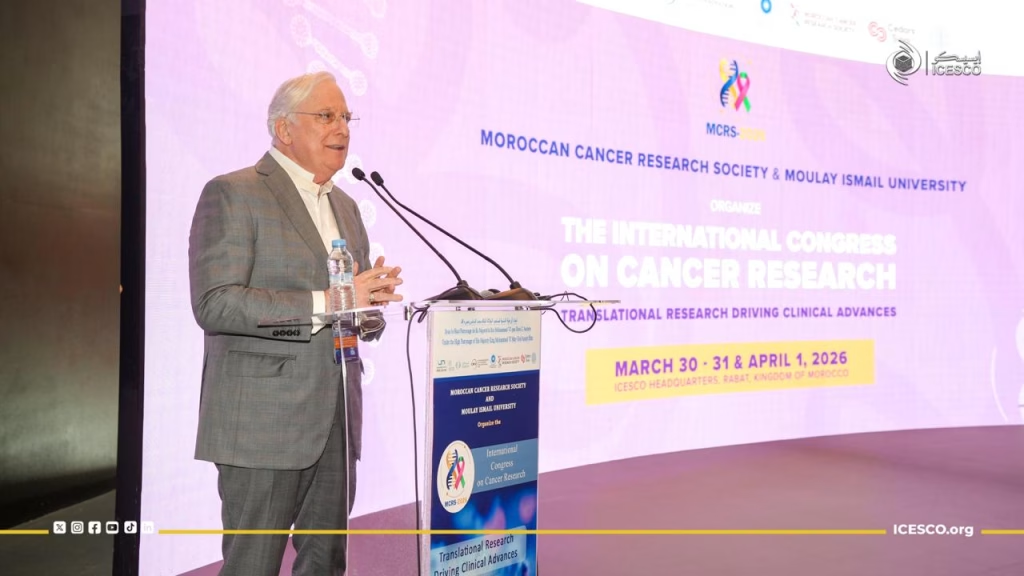
The first day also featured a presentation by Dr. Stephen Pandol, Professor of Medicine at the University of California, on modern approaches to cancer prediction and treatment outcome assessment. He highlighted the role of predictive models and clinical data in improving early diagnosis accuracy and guiding therapeutic decisions toward the most suitable options for each case, drawing strong engagement from attending experts and physicians.
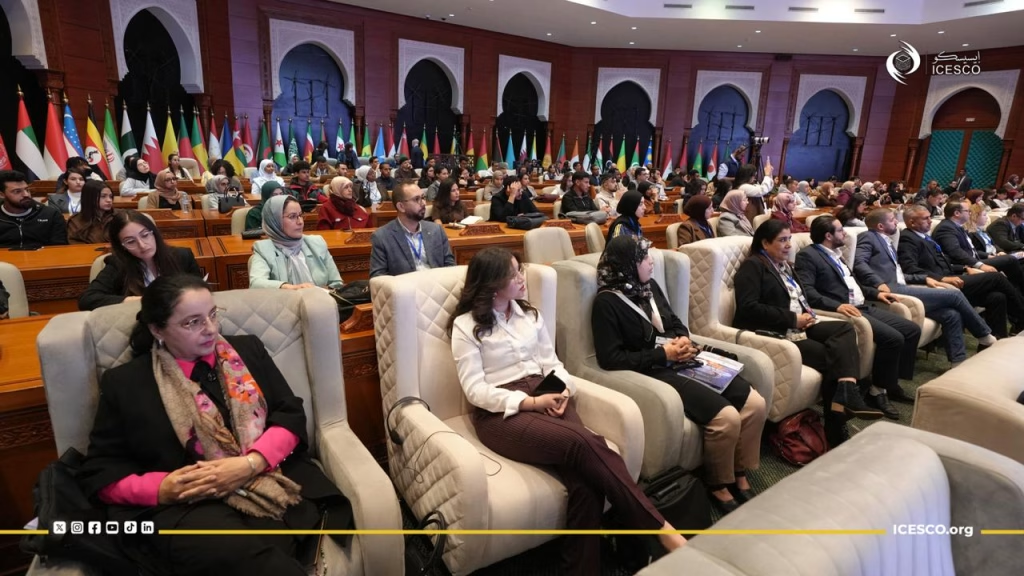
The conference program includes a series of scientific and discussion sessions addressing key topics such as immunotherapy in cancer recovery, evolving cancer control models in Morocco, targeted radiotherapy biology, and prospects for developing clinical research.


