Disclaimer: You are using Google Translate. The ICESCO is not responsible for the accuracy of the information in the translated language .

your opinion

User Feedback

Overall, how satisfied are you about the website?

    Extremely Dissatisfied Extremely Satisfied

    ICESCO Organizes Panel Discussion at MONDIACULT 2025 to Ensure Fair and Inclusive Access to Culture

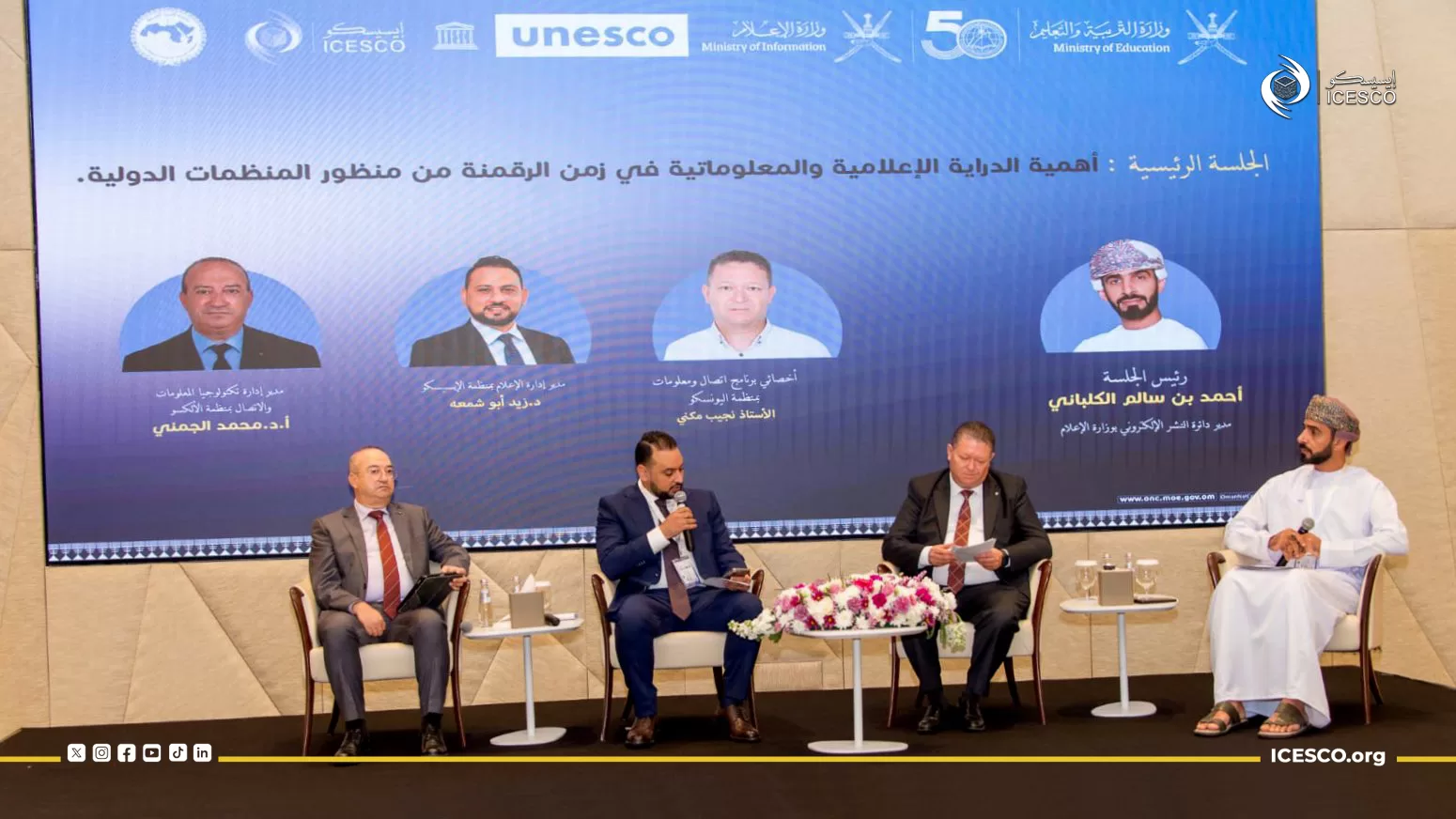
    As part of the official program of the World Conference on Cultural Policies and Sustainable Development MONDIACULT 2025, the Islamic World Educational, Scientific and Cultural Organization (ICESCO) held a special session titled: “Cultural Rights in the Digital Age: Inclusive Access, Fair Participation, and Rights-Based Governance.” The session highlighted the place of culture within the sustainable development agenda, cultural rights in the digital era, and the opportunities and challenges brought about by technological transformations.

    The event, organized by ICESCO on Tuesday, 30 September 2025, in partnership with UNESCO, the International Labour Organization (ILO), the Office of the High Commissioner for Human Rights (OHCHR), and UN Women, aimed at strengthening international cooperation to guarantee fair and inclusive access to culture and to achieve fair participation in shaping rights-based governance policies.

    The session addressed three main issues: emphasizing the centrality of cultural rights in the digital age; the cultural dimensions of digital divides related to language, accessibility, and representation; as well as presenting ICESCO’s digital initiatives, foremost among them the ICESCO Creative Platform and the ICESCO Index of Cultural and Creative Technologies.
    In this context, Dr. Mohamed Zinelabidine, Head of the Culture Sector, and Ms. Somia Djacta, Head of ICESCO’s Delegation to UNESCO, renewed the call for the adoption of a specific goal on culture within the Sustainable Development Goals (Goal 18). They stressed the importance of recognizing culture as a strategic driver of social cohesion, innovation, and sustainable development. They also underscored the need to safeguard the rights of artists, promote the creativity of youth and women, and ensure fair and inclusive governance in the digital space.

    Participants in the event unanimously emphasized the importance of bridging digital and cultural divides, protecting the rights of creators, and guaranteeing fair and inclusive access to cultural technologies. The inputs also highlighted ICESCO’s innovative contributions in this field. Joint recommendations were presented, which will be incorporated into the final documents of MONDIACULT 2025 and into future pathways of cooperation among international organizations.

    ICESCO Participates in International Conference on AI Ethics in Doha

    The Islamic World Educational, Scientific and Cultural Organization (ICESCO) took part in the international conference “AI Ethics: The Convergence of Technology and Diverse Moral Traditions,” organized by Hamad Bin Khalifa University (HBKU) on 28–29 September 2025 at the Qatar National Convention Centre in Doha. The event was attended by Her Highness Sheikha Moza bint Nasser, Chairperson of Qatar Foundation for Education, Science and Community Development, and aimed to discuss cross-border ethical foundations for AI governance.

    ICESCO was represented by Dr. Kaïs Hammami, Head of the Center for Foresight and Artificial Intelligence, who participated in a session titled “Transnational AI Principles and Guidelines: Harmonizing Ethics Across Borders,” alongside international academics and researchers. He emphasized the importance of building inclusive ethical frameworks that embrace cultural diversity and harmonize reference points across nations.

    In his intervention, Dr. Hammami highlighted the significance of the “Riyadh Charter on Artificial Intelligence in the Islamic World,” developed by ICESCO in partnership with the Saudi Data and Artificial Intelligence Authority (SDAIA), describing it as a common reference for Member States to ensure responsible, sustainable, and equitable AI governance. He underlined that the Charter places human dignity, justice, equity, and solidarity at its core, while also contributing to the global dialogue on AI ethics.

    The conference addressed the impact of AI on six key sectors: healthcare, urban planning, security, education, finance, and the future of work. ICESCO reaffirmed its firm commitment to building global ethical frameworks and strengthening balanced governance that integrates innovation with respect for cultural diversity.

    ICESCO Reaffirms Its Commitment to Cultural Rights at “Mondiacult 2025” in Barcelona

    The Islamic World Educational, Scientific and Cultural Organization (ICESCO) took part in the World Conference on Cultural Policies and Sustainable Development “Mondiacult 2025,” which kicked off on Monday, 29 September 2025, in Barcelona. the Organization reaffirmed its commitment to cultural rights, calling for their recognition as a standalone goal within the Sustainable Development Goals (SDGs). ICESCO also reviewed its major international cultural initiatives and achievements over the past five years.

    Dr. Mohamed Zinelabidine, Head of the Culture Sector, representing ICESCO at the Conference, highlighted the Organization’s vision and key cultural accomplishments, including initiatives aimed at expanding access to culture as a driver of development and a source of knowledge capital.

    Dr. Zinelabidine also took part in a special session on cultural rights, which focused on three core themes: strengthening public policies and legislative frameworks; developing strategies to protect freedom of creative expression and elevate the role of artists in a rapidly changing environment; and achieving progress in cultural property restitution, thereby enabling communities to reconnect with their heritage and fostering dialogue among nations.

    During the session, Dr. Zinelabidine shared ICESCO’s position on these matters, stressing that the Organization views cultural rights as a cornerstone of human development, peace, and intercultural dialogue. He also highlighted ICESCO’s initiatives to promote the diversity of cultural expressions, both in-person and in the digital space, and its support for artists and communities in safeguarding and transmitting heritage.

    ICESCO’s participation in this conference aims to work hand-in-hand with Member States and international partners to develop innovative policies and practical tools that ensure the respect, protection, and advancement of cultural rights globally.

    ICESCO Participates in Third Ministerial Dialogue for Culture-Based Climate Action

    The Islamic World Educational, Scientific and Cultural Organization (ICESCO) participated in the third High-Level Ministerial Dialogue for Culture-Based Climate Action, held in Barcelona on Sunday, 28 September 2025, on the eve of the World Conference on Cultural Policies Mondiacult, organized there by UNESCO.

    This dialogue, convened at the invitation of the Brazilian Ministry of Culture, as the host of the 30th Conference of the Parties (COP30) scheduled for November 2025, reaffirmed the growing momentum for integrating culture at the heart of international sustainable development agendas. The event brought together ministers of culture, policymakers, and international cultural leaders to discuss the role of culture as a catalyst for climate action and sustainability. It also adopted the Barcelona Declaration, considered a significant collective commitment to strengthening the role of culture in addressing the global climate crisis.

    ICESCO was represented at this event by Dr. Mohamed Zinelabidine, Head of the Culture Sector, and Ms. Somia Djacta, Head of the ICESCO Delegation to UNESCO, who emphasized the Organization’s commitment to supporting cultural approaches that enhance resilience to climate change, in line with its strategic vision of promoting peace, intercultural dialogue, and sustainable development in its Member States.

    ICESCO Participates in International Experts Forum in Tashkent

    The Islamic World Educational, Scientific and Cultural Organization (ICESCO) participated in the International Experts Forum, held on 26–27 September 2025 under the theme: “The Great Heritage of the Past is the Basis for an Enlightened Future”, at the headquarters of the Center for Islamic Civilization in the Uzbek capital, Tashkent, under the patronage of H.E. President Shavkat Mirziyoyev.

    ICESCO was represented at the Forum by Dr. Ahmed Abdel Basset, Expert at the Organization’s Center for Calligraphy and Manuscripts, who conveyed in his speech the greetings of ICESCO Director-General, Dr. Salim M. AlMalik, to all the staff of the Center for Islamic Civilization and the participants in the Forum. He also highlighted the strong relations between ICESCO and the Republic of Uzbekistan, noting that last May the Uzbek city of Samarkand was announced as the Islamic World Culture Capital for 2025.

    Dr. Abdel Basset further spoke about the nature of cooperation between ICESCO and the Center for Islamic Civilization, pointing out that a large space on the Center’s second floor has been designated for the inauguration of ICESCO’s Manuscripts Center, from which numerous scientific and cultural activities will be launched in conjunction with the official opening of the Center for Islamic Civilization.

    The Forum served as a prelude to the official opening of the Center for Islamic Civilization next year. It provided an opportunity for more than 200 scholars, researchers, and experts from 20 countries to discover the Center’s exhibitions, sections, and collections, in addition to discussing its mission and scope of work aimed at conveying the human essence of Islam to the international community.

    It should be noted that on 25 May 2025, ICESCO Director-General visited the new headquarters of the Center for Islamic Civilization in Tashkent, where he met with Mr. Firdavs Abdukhalikov, Director of the Center, to discuss the arrangements for inaugurating the ICESCO Manuscripts Center, which will be hosted within the Center for Islamic Civilization.

    ICESCO, Artist Mohamed Sarwat Agree to Collaborate on Purposeful Artistic Projects

    Dr. Salim M. AlMalik, Director-General of the Islamic World Educational, Scientific and Cultural Organization (ICESCO), on Thursday, 25 September 2025, received the Egyptian artist Mohamed Sarwat at the Organization’s headquarters in Rabat. The meeting explored opportunities for producing meaningful artistic and cultural works in the near future.

    Dr. AlMalik highlighted ICESCO’s commitment to supporting culture and arts and safeguarding Arab and Islamic heritage, with a particular emphasis on poetry. He also reviewed the Organization’s key initiatives in this area, including the “Cities of Poetry” Competition, the World Poetry Day celebration, and various activities designed to preserve poetry’s place in the cultural memory of the Islamic world.

    Moreover, the two parties considered organizing a seminar on the role of art in promoting Islamic values among youth and families, aimed at reinforcing the positive image of arts. They also reached a preliminary agreement to collaborate on the production of sung poems composed by Dr. AlMalik in praise of the Prophet Muhammad (peace be upon him), to be performed by Mohamed Sarwat.

    At the close of the meeting, Mohamed Sarwat expressed his delight at visiting ICESCO and affirmed his willingness to contribute to the Organization’s cultural and artistic initiatives, particularly those targeting young people. He commended ICESCO’s efforts in preserving identity and promoting the values of peace and dialogue. The visit concluded with a tour of the Organization’s facilities and projects, as well as the International Exhibition and Museum of the Prophet’s Biography, housed at ICESCO headquarters.

    ICESCO, Thailand Discuss Arrangements for Delegation Visit

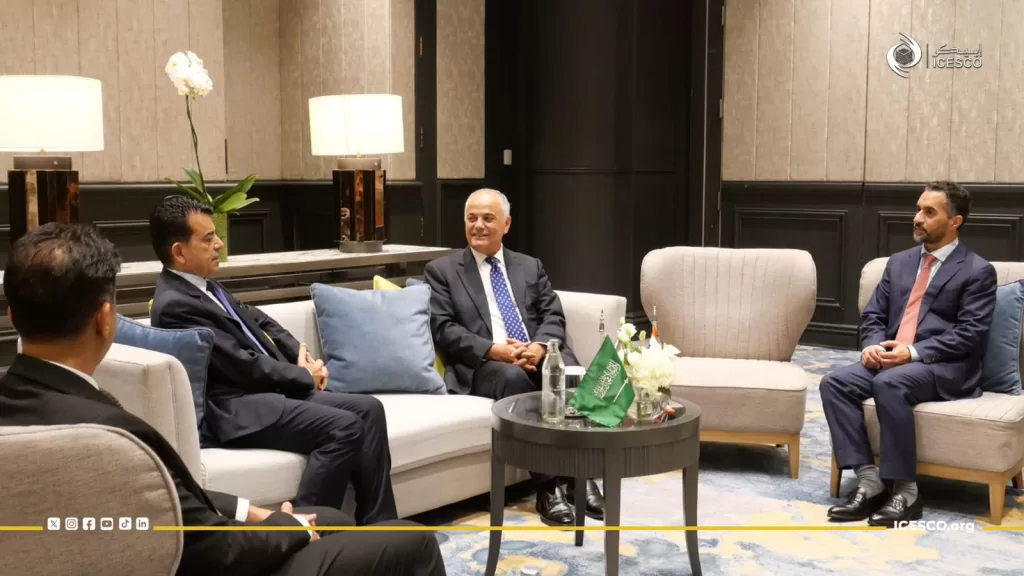
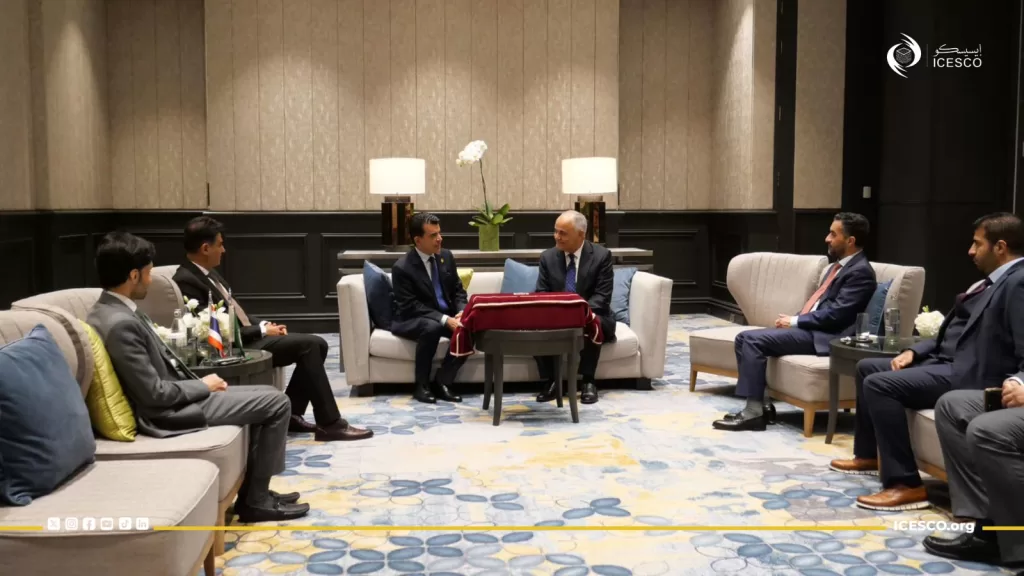
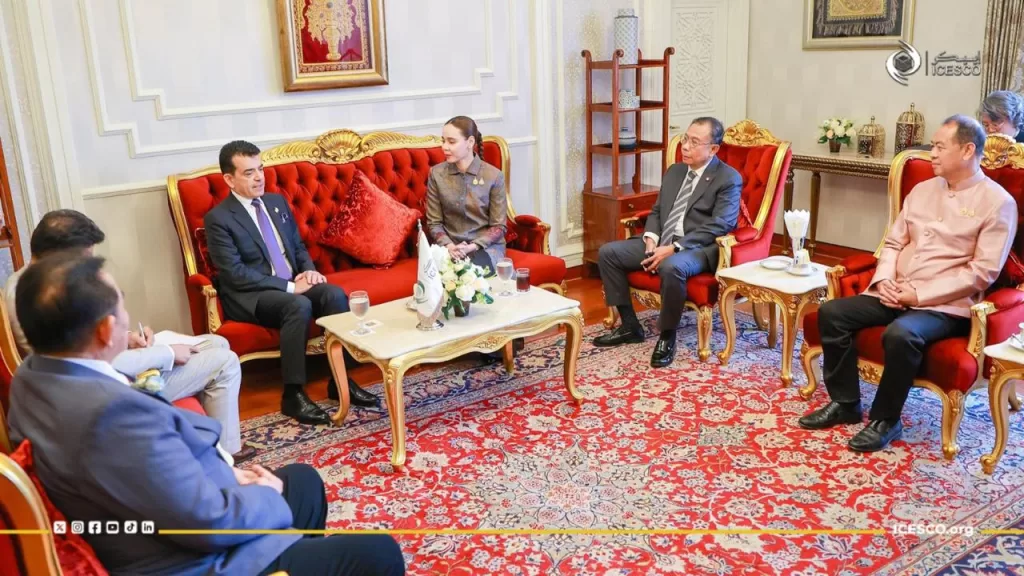
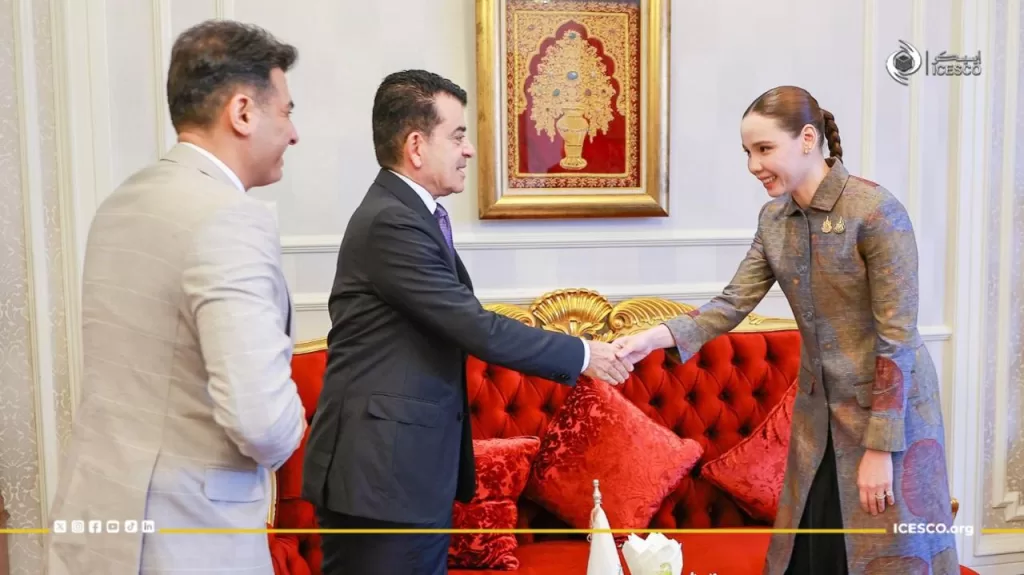
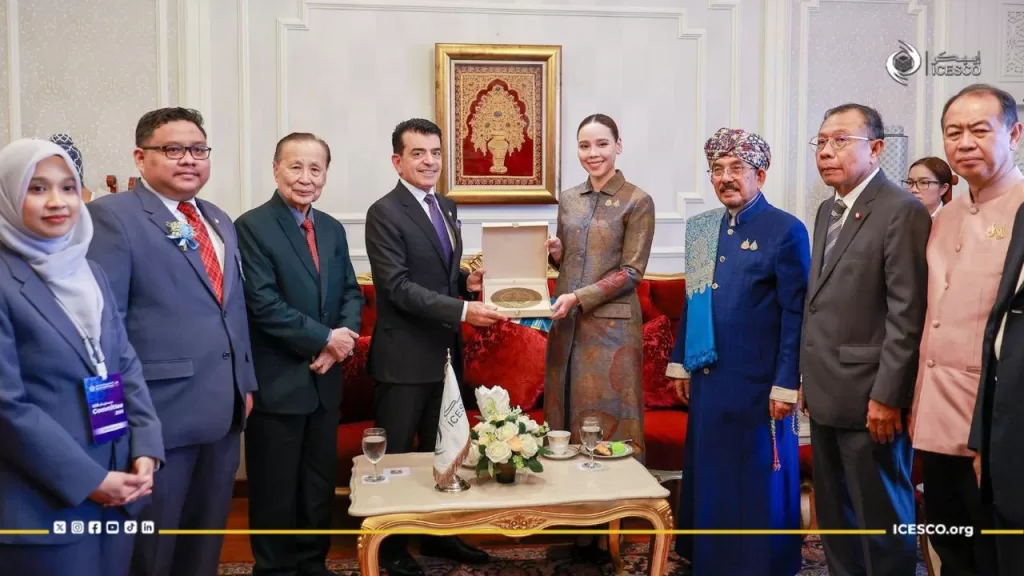
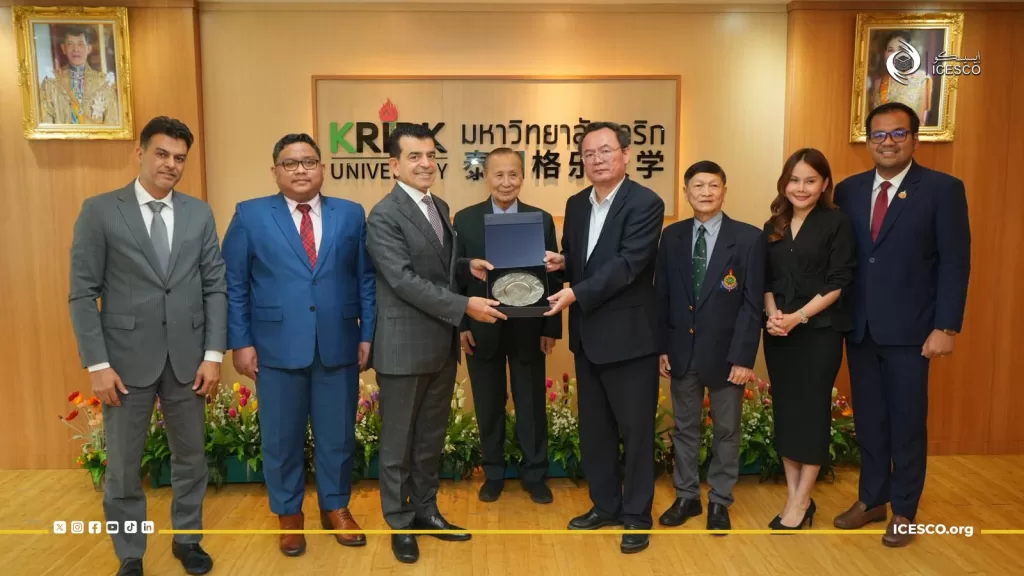
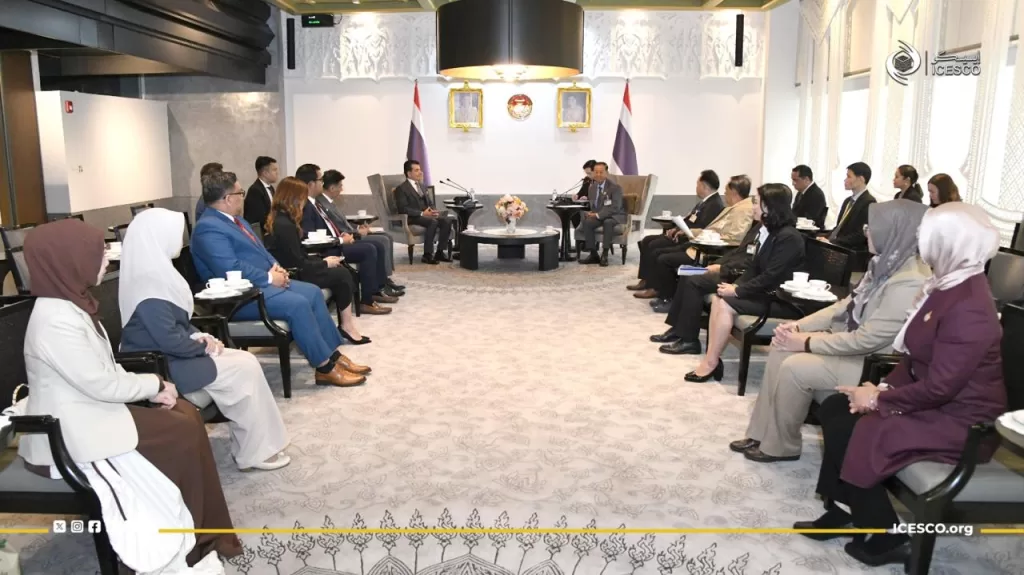
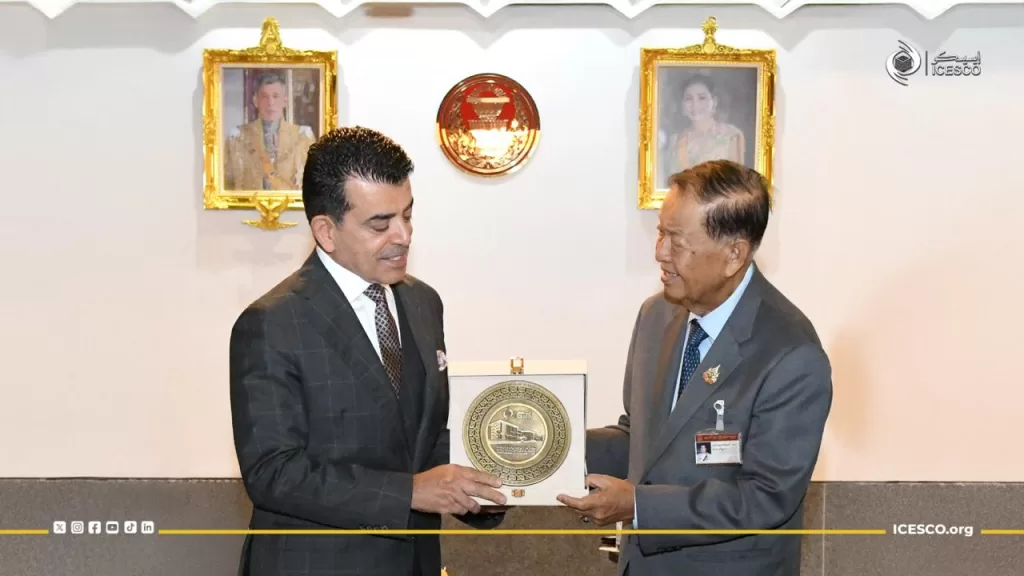
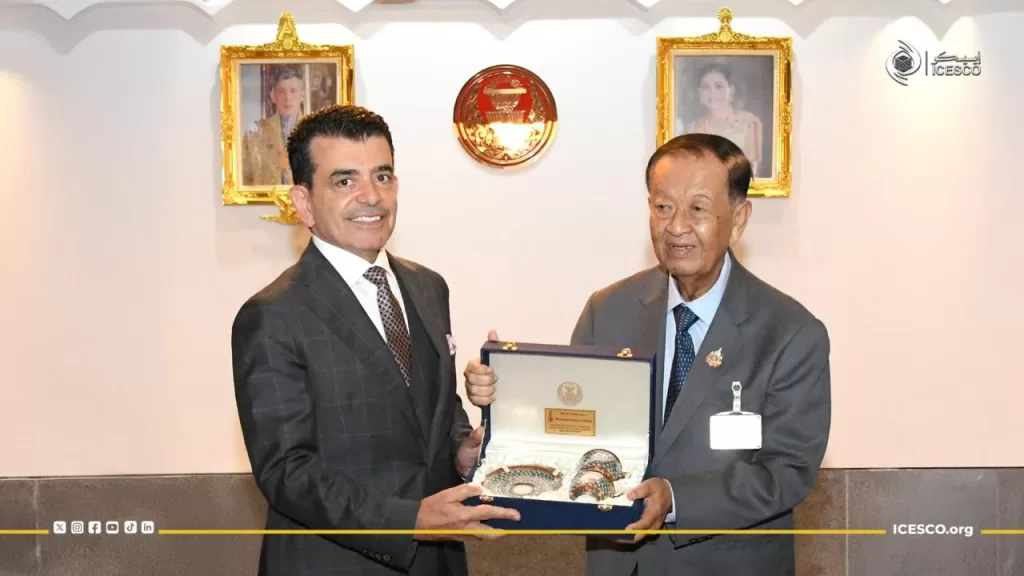
    Dr. Salim M. AlMalik, Director-General of the Islamic World Educational, Scientific and Cultural Organization (ICESCO), met with Mr. Fabio Chinda, Ambassador of the Kingdom of Thailand to the Kingdom of Morocco, at the Organization’s headquarters in Rabat on Thursday, 25 September 2025. The meeting aimed to coordinate the arrangements for the upcoming visit of an ICESCO delegation, headed by Dr. AlMalik, to Thailand in October.

    The two parties discussed the main highlights of the visit, including Dr. AlMalik’s keynote address as Guest of Honor at the 3rd International Conference on the Arabic Language of International Islamic College Bangkok, in addition to holding a series of meetings with several ministers and prominent religious leaders in the Kingdom.

    Dr. AlMalik reaffirmed the Organization’s keenness to strengthen cooperation and build fruitful partnerships with its Observer Member States, in a way that allows the exchange of expertise across various fields, foremost among them heritage protection, scientific research development, fostering a culture of knowledge, and advancing the educational system both within and beyond the Islamic world.

    For his part, Ambassador Chinda emphasized that Thailand will work to ensure the success of ICESCO’s visit and to lay solid foundations for partnership and cooperation between the Organization and the Kingdom, with the aim of developing programs and projects in educational fields, youth capacity-building, and the promotion of peace.

    The meeting was attended by Dr. Hani Al Balawi, Expert at the Organization’s Center for Civilizational Dialogue.

    ICESCO Director-General Receives President of Arab Open University

    Dr. Salim M. AlMalik, Director-General of the Islamic World Educational, Scientific and Cultural Organization (ICESCO), received Dr. Mohammad Ibrahim Al-Zakari, President of the Arab Open University in the Arab world (AOU), on Thursday, 25 September 2025, at the Organization’s headquarters in Rabat. The meeting discussed ICESCO’s support for the AOU’s efforts to establish a new branch in the Kingdom of Morocco.

    At the outset of the meeting, Dr. AlMalik reaffirmed ICESCO’s commitment to strengthening cooperation with universities and supporting them as beacons of knowledge in the Islamic world. He highlighted the Organization’s distinguished scientific and research partnerships with leading academic institutions and the establishment of research chairs in several universities across Member States and beyond. Dr. AlMalik also stressed ICESCO’s support for initiatives aimed at advancing universities in the Islamic world, whether academically, through research, or geographically, by launching new branches in Member States.

    For his part, Dr. Al-Zakari commended ICESCO’s efforts in supporting educational and academic institutions in the Islamic world and expressed his aspiration to build bilateral cooperation with the Organization, particularly in support of AOU’s plan to open a new branch in Morocco.

    The meeting was attended by Dr. Omar Halli, Advisor to the ICESCO Director-General for the Federation of the Universities of the Islamic World (FUIW), and Dr. Abdullah Al Mulhim, Expert at ICESCO’s Partnerships and International Cooperation Sector.

    It is worth noting that the idea of establishing a non-profit Open University in the Arab world was initiated by HRH Prince Talal Bin Abdulaziz, may God rest his soul. In 1996, HRH Prince Talal officially announced the concept of establishing the Arab Open University as a non-conventional academic institution and as a foundation which contributes to steering development in scientific, social, and cultural spheres. This initiative developed in 2002 into a full-fledged Arab Open University in the Kingdom of Saudi Arabia and nine other Arab countries, in strategic partnership with the Open University in the United Kingdom.

    ICESCO Director-General receives former Moroccan Prime Minister

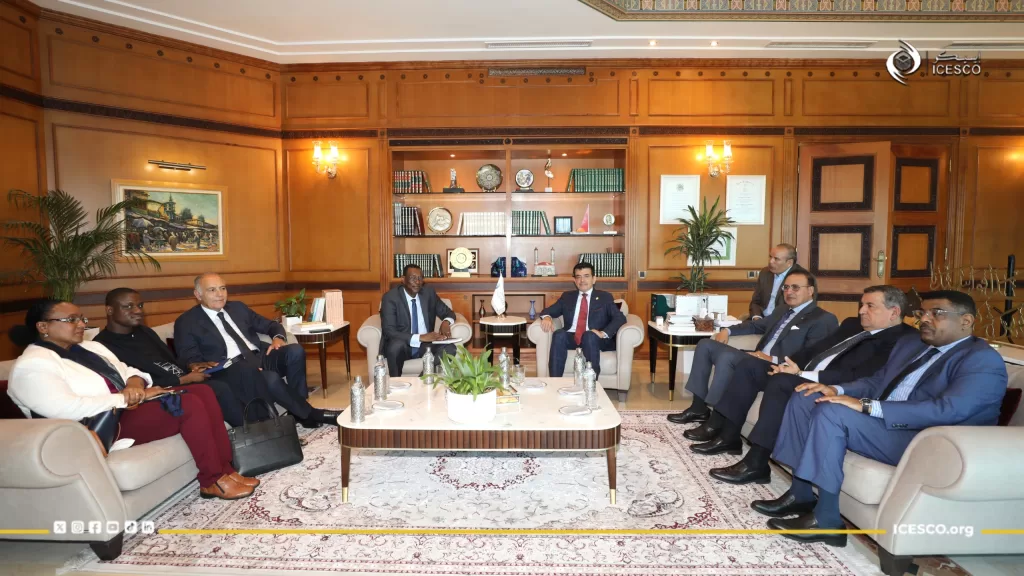
    Dr. Salim AlMalik, Director-General of the Islamic World Educational, Scientific and Cultural Organization (ICESCO), received Mr. Abdelilah Benkirane, former Prime Minister of Morocco, during his visit to the Organization’s headquarters in Rabat on Thursday, 25 September 2025. Dr. AlMalik began the meeting, which was also attended by Dr. Abdelilah Benarafa, Deputy Director-General, and a number of other ICESCO leaders, by reviewing ICESCO’s vision and strategic orientations, and highlighting the programs and initiatives it implements in its Member States.

    The ICESCO Director-General reviewed the most significant transformations undergone by the Organization and its structure over the past five years, including the modification of the Organization’s name to disambiguate the nature of its competencies and highlight its openness to various parties with the aim of serving the countries of the Islamic world and beyond, as well as the creation of several new sectors and centers specializing in media and communication, strategy and institutional excellence, civilizational dialogue, the Arabic language, calligraphy and manuscripts, poetry and literature, foresight, and artificial intelligence.

    Dr. AlMalik also stated that relations with Morocco, the seat country, have developed remarkably over the past few years. ICESCO has implemented some 370 activities in cooperation with the Moroccan authorities, a number of which have enjoyed the royal patronage of His Majesty King Mohammed VI, may Allah protect him. These include hosting the International Exhibition and Museum of the Prophet’s Seerah and Islamic Civilization, which was inaugurated by His Royal Highness Crown Prince Moulay Hassan of Morocco and has attracted around nine million visitors to date.

    For his part, Mr. Benkirane praised the Organization’s recent developments, noting that visiting its headquarters and seeing these developments was like rediscovering ICESCO and its pioneering role.

    Dr. AlMalik then took Mr. Benkirane on a tour of the Organization’s departments and specialized centers, as well as the Exhibition and the International Museum of the Prophet’s Seerah.

    ICESCO Holds International Symposium on “Learning by Playing” at its Headquarters in Rabat

    As part of the celebration of International Literacy Day, the Islamic World Educational, Scientific and Cultural Organization (ICESCO), in partnership with the Moroccan Manahile Games, held an international symposium titled: “Learning by Playing: Board Games as Tools for Education, Spiritual and Socio-Cultural Preservation.” The Symposium featured high-level participation from senior officials, education experts, and representatives of relevant international organizations, as well as 150 students who interacted with a special presentation of a board game designed to educate about the life of the Prophet Muhammad (peace be upon him).

    The Symposium, held on Wednesday, 24 September 2025, at the Organization’s headquarters in Rabat, aimed to highlight the educational and cultural value of games as tools for learning and to demonstrate their educational benefits in the areas of literacy and critical thinking. It also aimed to promote dialogue between teachers, cultural experts, and game designers on integrating games into educational contexts and to provide students with practical experience within the framework of learning through playing games.

    The opening session of the Symposium began with a speech by Dr. Salim Al-Malik, ICESCO’s Director-General, delivered on his behalf by Ambassador Khalid Fathalrahman, Director of ICESCO’s Centre for Civilizational Dialogue. In his speech, Dr. Al-Malik affirmed ICESCO’s belief in the pivotal role of educational games in learning. He stressed the need to invest in the research and development of such games, integrate game-based learning in school curricula, and forge partnerships with innovators and game developers. He also emphasized the importance of empowering young people to produce games and to enhance their knowledge and innovation.

    Then, Mr. Waqas Afridi, education expert at ICESCO, presented ICESCO’s strategic vision for education, highlighting its promotion of games as an educational tool for knowledge acquisition.

    Dr. Amin El-Majhad, educational game designer and president of Manahile Games, reviewed an international analysis of 27 studies that confirmed the role of educational games in improving children’s knowledge and cognitive functions, enhancing their motivation, and developing their social relationships.

    This was followed by a panel discussion moderated by Ms. Haddy Jatou Sey, Head of the Education Sector at ICESCO, which addressed the challenges and opportunities offered by digital and non-digital educational games and the integration of game-based learning in schools. Ms. Sey emphasized the collective responsibility to reimagine educational models in order to enhance the quality and inclusiveness of education.
    The session was attended by prominent representatives from the Moroccan Ministry of National Education, Primary Education and Sports, the Moroccan Ministry of Youth, Culture and Communication, the Hassan II Mosque Foundation, UNESCO, UNICEF, and the British Council, who emphasized the importance of international partnerships to support educational transformation through alternative methods toward quality learning.

    The Symposium also included an interactive workshop in which 150 students participated, featuring a live presentation of an educational board game about the life of the Prophet Muhammad (peace be upon him).

    By messaging ICESCO, you agree to our Terms & AI policy
    Alem AI assistant