

ICESCO, International Qur’an Research Association Hold IQRA 2026 Conference to Explore Harnessing Islamic World Values in Digital Transformation

26 October 2026
The Islamic World Educational, Scientific and Cultural Organization (ICESCO) and the International Qur’an Research Association (IQRA) held the “IQRA 2026 Global Virtual Conference” on 24–25 October 2026 under the theme “Guiding the Digital Age: A Qur’anic Compass for Human-Centered Innovation and Sustainable Development.” The Conference brought together prominent leaders from around the world, including officials and representatives of governments and international organizations, as well as academics, to explore ways to harness Islamic values and Qur’anic principles to guide digital transformation and sustainable development in the age of artificial intelligence.
The event, held via videoconference, was organized in partnership with the Organization of Islamic Cooperation (OIC), the Islamic Cooperation Youth Forum, the Islamic Organization for Food Security, the National Awqaf Foundation of South Africa, the Federation of Muslim Women’s Associations in Nigeria (FOMWAN), the Union of OIC News Agencies (UNA), and the Federation of the Universities of the Islamic World, an ICESCO-affiliated body.
The opening session featured remarks by Dr. Salim M. AlMalik, ICESCO Director-General; Dr. Ahmad Kawesa Sengendo, OIC Assistant Secretary-General for Economic Affairs; Dr. Safi Kaskas, Founder and President of IQRA; Dr. Saadeddine Othmani, former Head of Government of the Kingdom of Morocco; and Dr. Ameenah Gurib-Fakim, former President of the Republic of Mauritius.
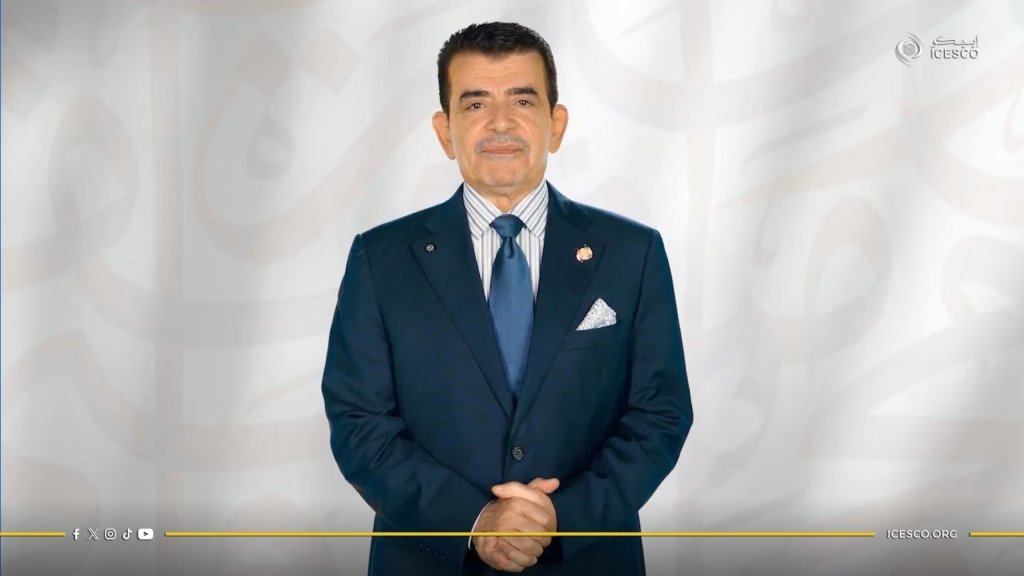
In his recorded address, Dr. AlMalik stressed that technological transformation must remain grounded in human dignity, ethical responsibility, and sustainable development. He reviewed ICESCO’s efforts to promote responsible AI governance and strengthen technological capabilities across the Islamic world, highlighting in this regard the “Riyadh Charter for Artificial Intelligence in the Islamic World” and the “10k AI Leaders” training program.
During a special ICESCO session titled “Artificial Intelligence, Education and the Future of Knowledge,” featuring distinguished thinkers, participants discussed the role of education in bridging rapid technological progress and ethical responsibility, and in preparing future generations not only to adapt to the digital age, but also to help shape it. Ambassador Khalid Fathalrahman, Director of ICESCO’s Center for Civilizational Dialogue, also took part in the strategic roundtable on “The Future of the Islamic World in the Digital Age.” The session brought together senior representatives of international and Islamic institutions to explore ways of translating the Conference’s ideas into sustainable institutional cooperation.
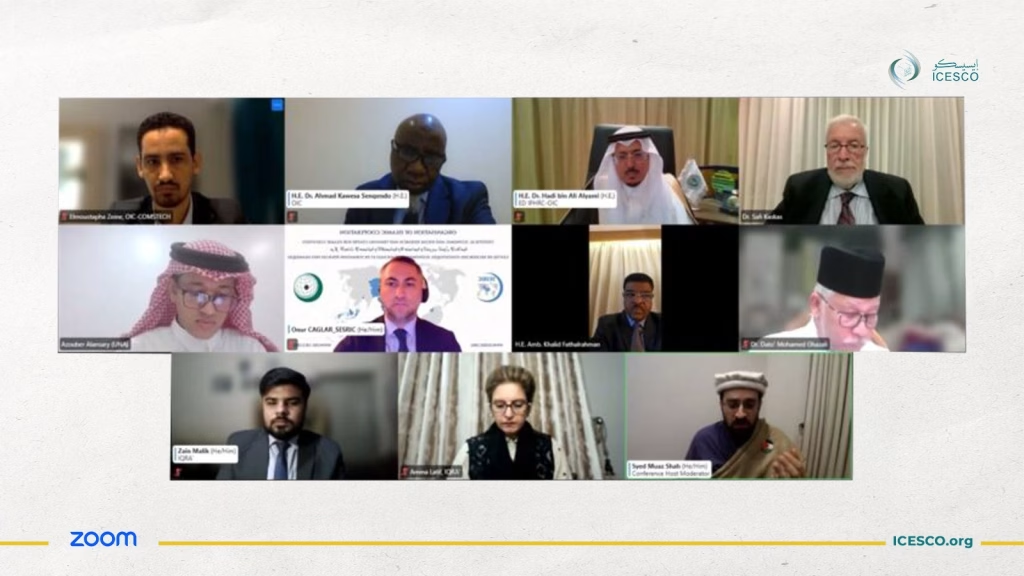
Over two days, the Conference sessions addressed artificial intelligence, education and the future of knowledge, youth leadership, women’s participation, food security, Islamic social finance, and the institutional foundations required for meaningful participation in the digital economy.
The discussions also underscored the importance of strengthening the Islamic world’s capacity to develop and govern its own AI systems. Participants emphasized the need to embed Islamic ethical principles from the earliest stages of technology development, providing an important framework to ensure that emerging technologies serve human dignity, knowledge, social well-being, and the common good.
The Conference concluded with the issuance of the “IQRA’ 2026 Global Declaration on Ethical AI and Human-Centered Development,” which captured the key ideas and recommendations emerging from the two days of discussions and laid the groundwork for continued cooperation among the participating


