ICESCO Headquarters Hosts Launch of First Edition of the Model United Nations on Digital Citizenship and Artificial Intelligence Cybersecurity in Morocco

4 April 2026
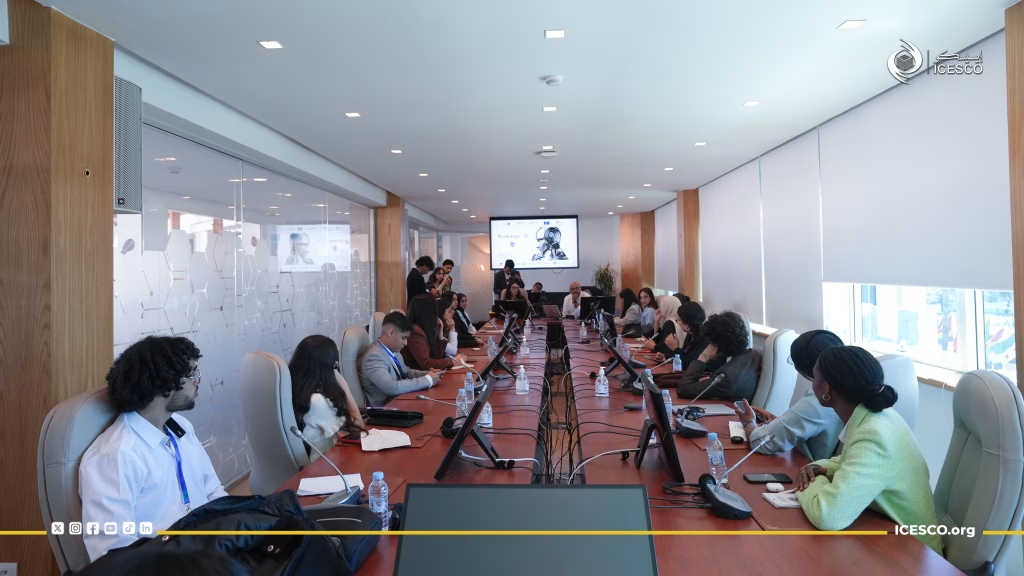
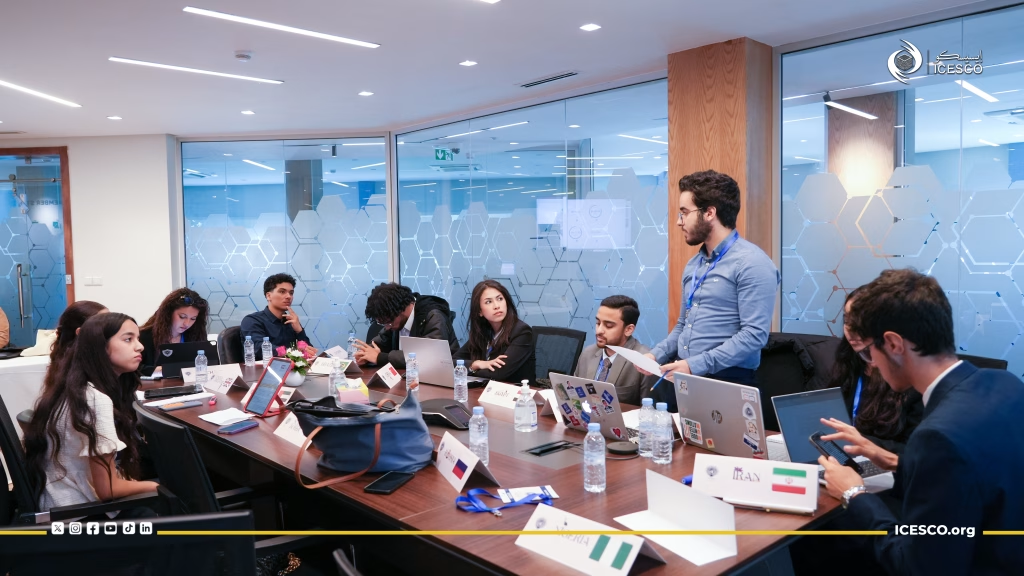
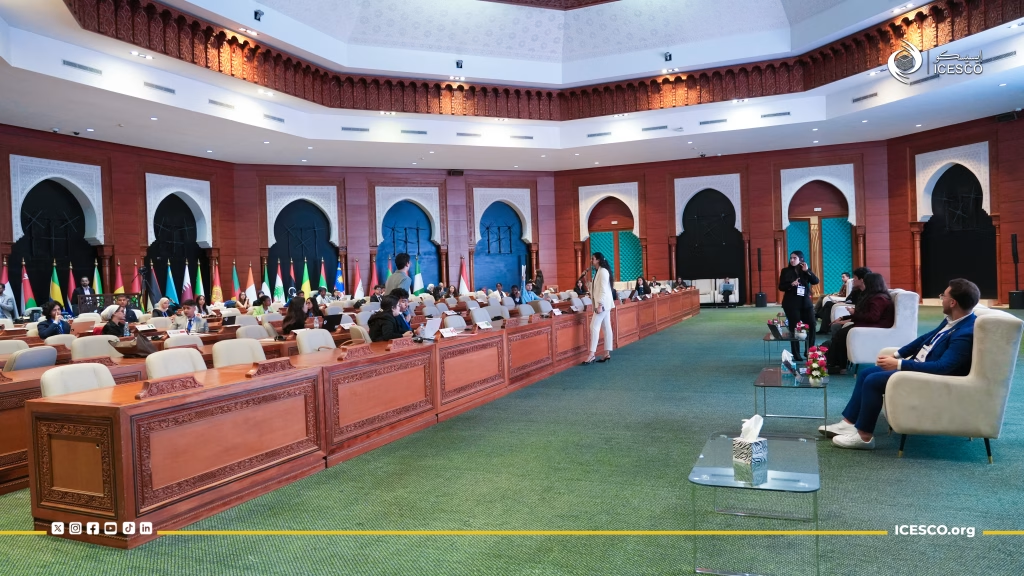
On Friday, 3 April 2026, the first edition of the Model United Nations on digital citizenship, artificial intelligence, and cybersecurity in Morocco was launched. The event is organized by the Islamic World Educational, Scientific and Cultural Organization (ICESCO) at its headquarters in Rabat, in partnership with the Moroccan Center for Polytechnic Research and Innovation (CMRPI), under the patronage of the Moroccan Ministries of Justice and of Youth, Culture and Communication, as well as the Council of Europe Office in Rabat, and with the support of the Embassy of Switzerland in Morocco. Approximately 80 young men and women participated and discussed emerging issues related to the ethical governance of the digital space and the protection of human rights online.
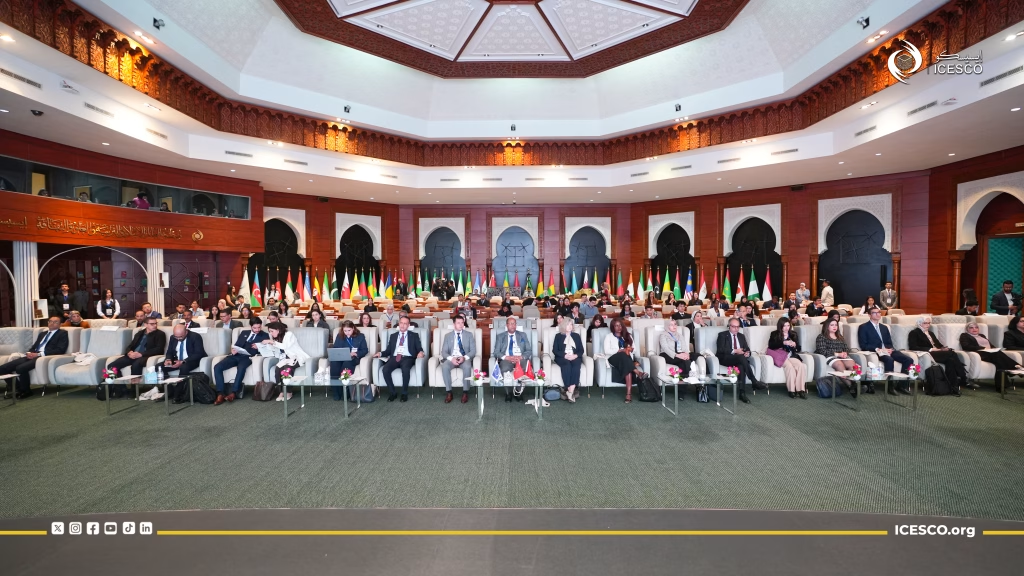
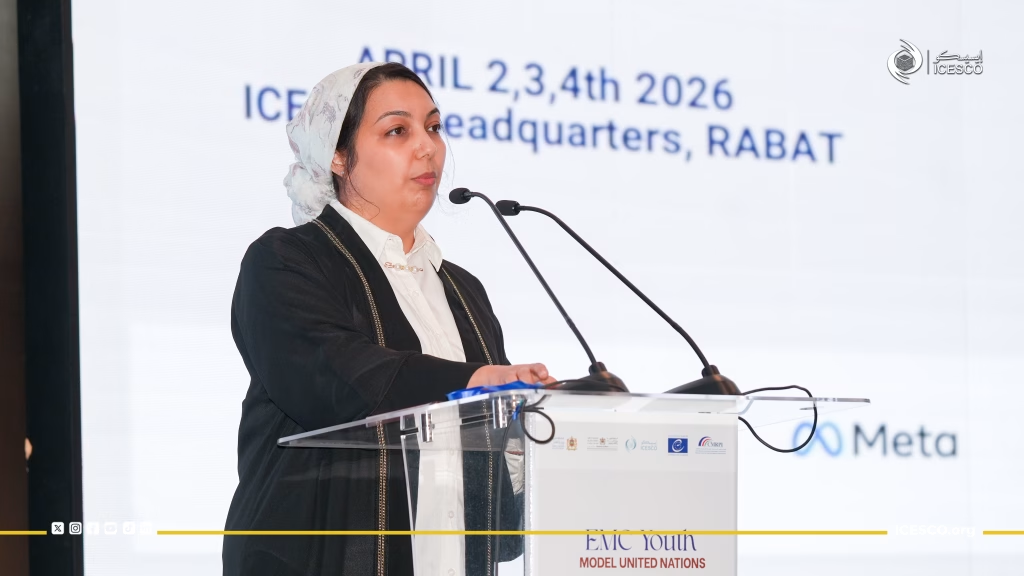
During the opening session, which brought together representatives from several Moroccan institutions and leading international companies in the digital sector, Ms. Bahija Smidi, from the Department of Legal Affairs and International Standards at ICESCO, emphasized that this initiative constitutes an academic exercise aimed at strengthening youth capacities and helping them understand the complexities of the digital age. She warned that electronic manipulation could lead to the destabilization and fragmentation of societies.
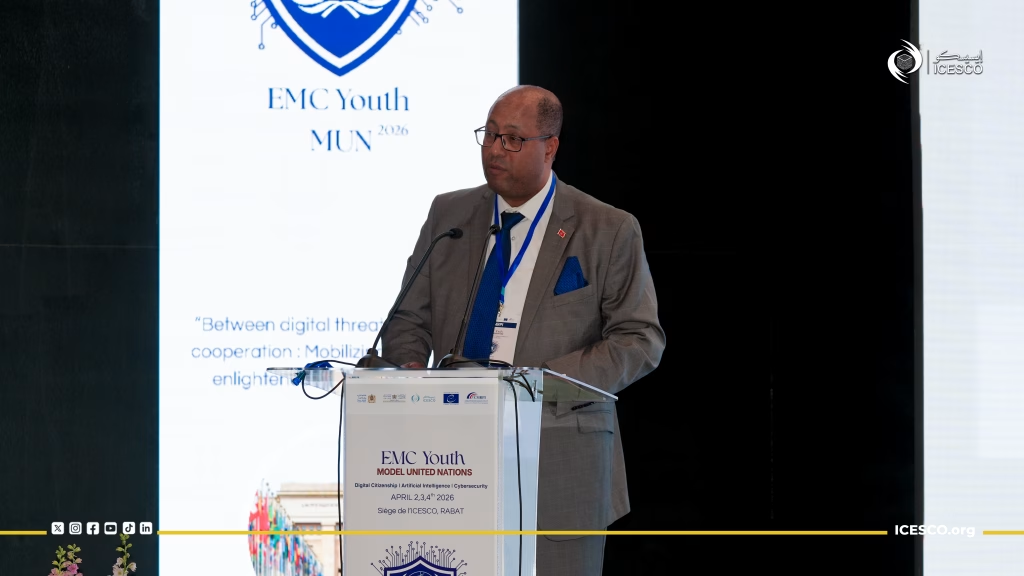
For his part, Dr. Youssef Bentaleb, President of CMRPI, explained that the meeting was held in the context of rapid digital transformations that have reshaped the fields of education, employment, communication, and decision-making. He noted that these transformations pose multidimensional challenges, particularly in the legal aspect, including the protection of personal data and digital rights.
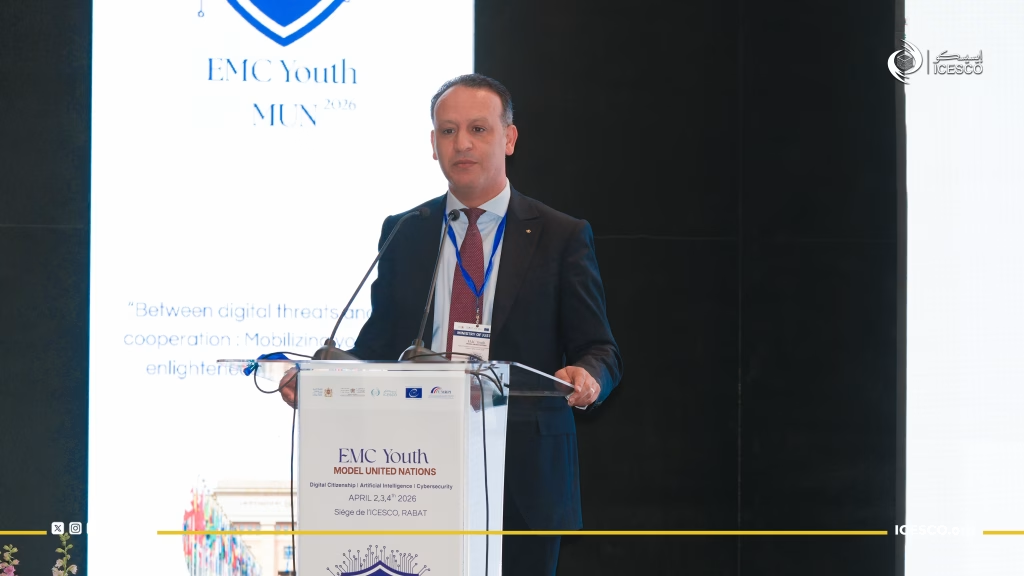
Meanwhile, Mr. Hicham Mallati, Director of Criminal Affairs, Pardons, and Crime Monitoring at the Moroccan Ministry of Justice, pointed out that cybersecurity is no longer a purely technical matter but has become a sovereignty issue that directly affects the security of citizens and states, while reviewing the national efforts undertaken in this regard.
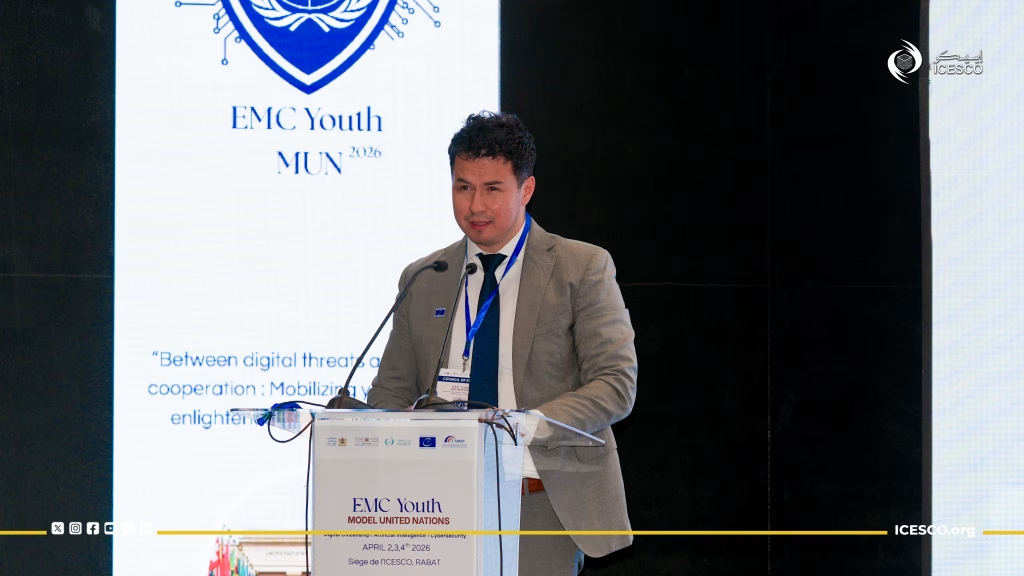
In turn, Mr. Javier Gómez Prieto, Head of the Council of Europe Office in Rabat, stressed that the world is undergoing profound digital transformations that are reshaping economies, institutions, and societies. He highlighted that these transformations raise major challenges related to security, governance, and the protection of fundamental rights, making it necessary to strengthen the culture of digital citizenship and build societal resilience against emerging risks.
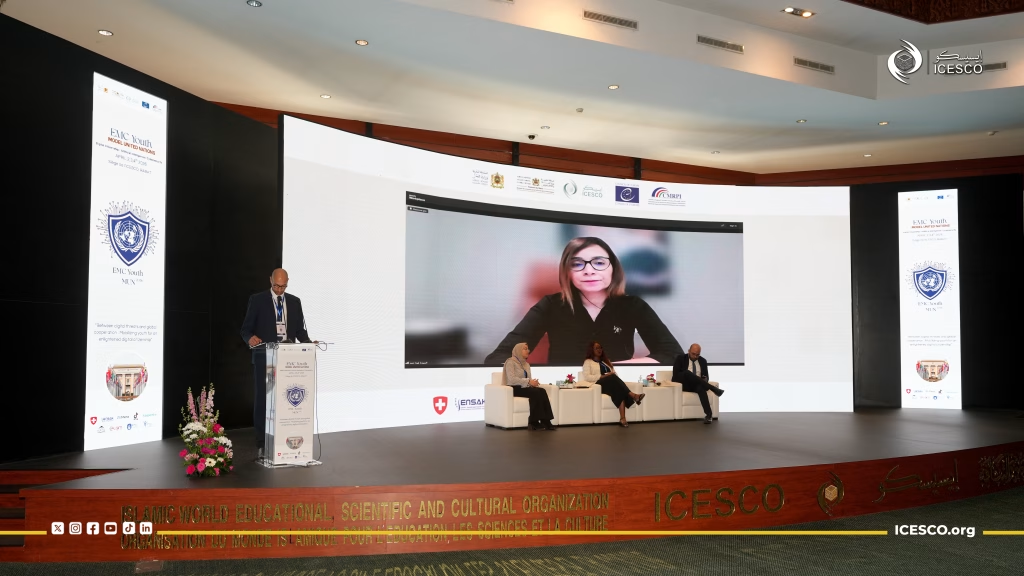
The first day featured a panel discussion on digital safety mechanisms, the protection of minors, and the challenges of high-risk content. It brought together Ms. Chaimaa Sassi, Trust & Safety High Harm Policy Manager at Tiktok; Ms. Vida Hamad, Public Policy Manager at Meta for the Middle East and North Africa region; Ms. Gladys Yiadom, Senior Director of Public Affairs at Kaspersky; and Dr. El Mehdi Erroussafi, Cybersecurity Expert at CMRPI.
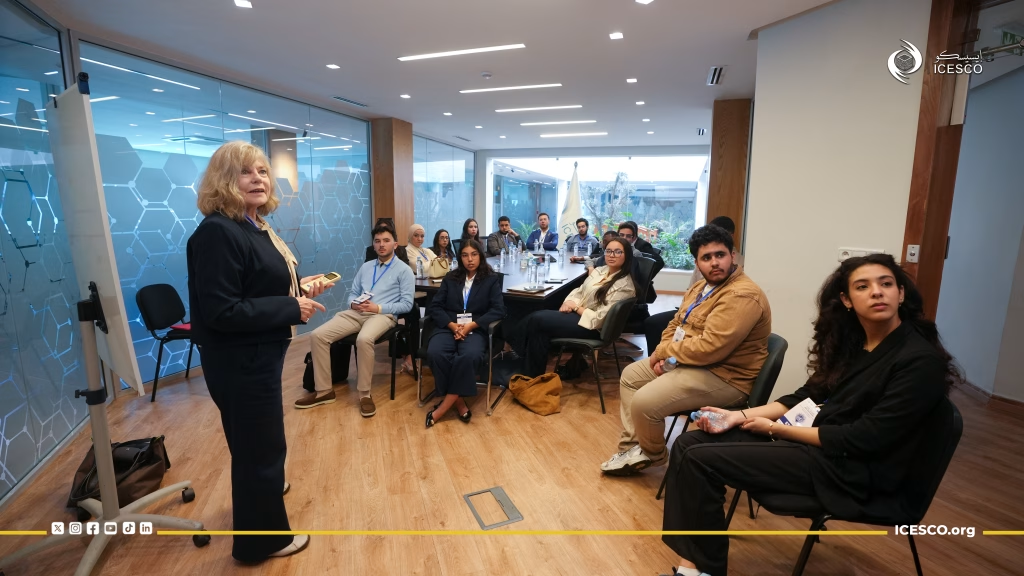
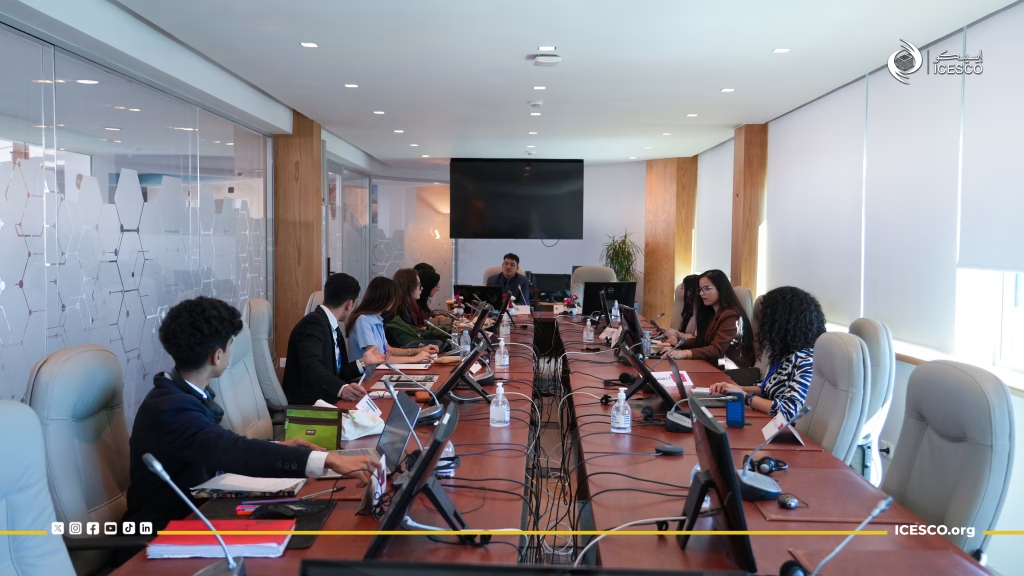
The simulation activities, which span two days, include the distribution of participants into six committees simulating the main bodies of the United Nations. The event will conclude with the drafting of practical outputs reflecting the role of youth as a driving force in promoting a rights-respecting digital culture.