
ICESCO Holds Discussion Session on Cultural Policies in the Islamic World Over Five Years

17 December 2025
On Tuesday, 16 December 2025, the Islamic World Educational, Scientific and Cultural Organization (ICESCO) held a discussion session to review a report on the state of cultural policies in the Islamic world during the period 2021–2025. The Report includes an analysis of Member States’ cultural policies, in addition to assessments and proposals aimed at strengthening cultural governance, all of which come as part of the work of the ICESCO Center for Holistic Policies, under the Culture Sector.
The Report aims to monitor the status of public cultural policies and to present practical recommendations for coordinated action among Member States and international bodies, thereby contributing to the development of more effective and sustainable cultural systems.
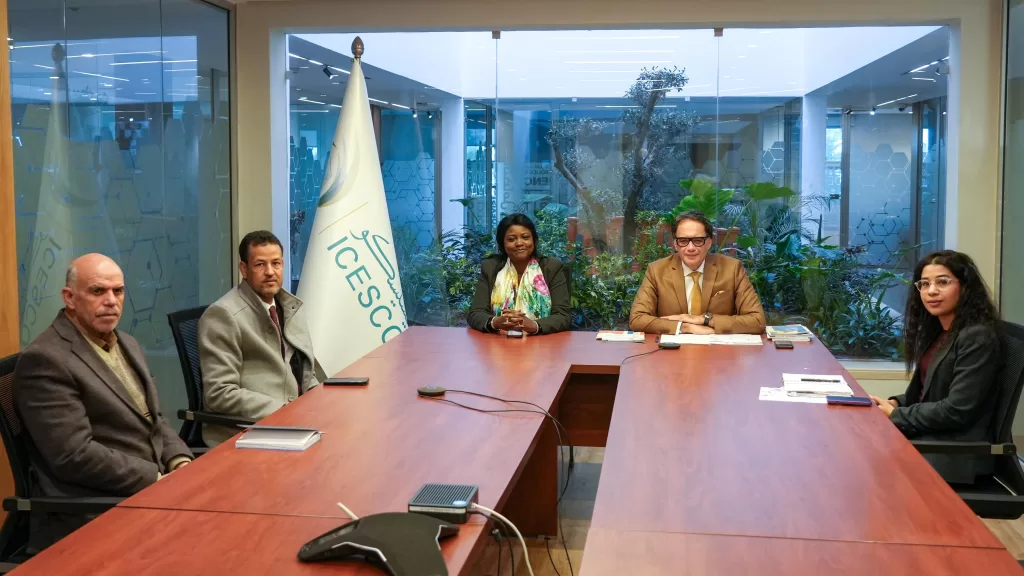
The session was attended by Dr. Mohamed Zinelabidine, Head of ICESCO’s Culture Sector; Dr. Sally Mabrouk, Director of the Office of the Director-General and Acting Head of the Strategy and Institutional Excellence Sector; Ms. Ramata Almamy Mbaye, Head of the Social and Human Sciences Sector; and Dr. Idham Hanash, Director of the Center for Calligraphy and Manuscripts. In his opening remarks, Dr. Zinelabidine commended the efforts of the experts and partner institutions involved in preparing the Report, emphasizing the importance of assessing the current state of cultural policies as a fundamental step in guiding investment in the cultural field.
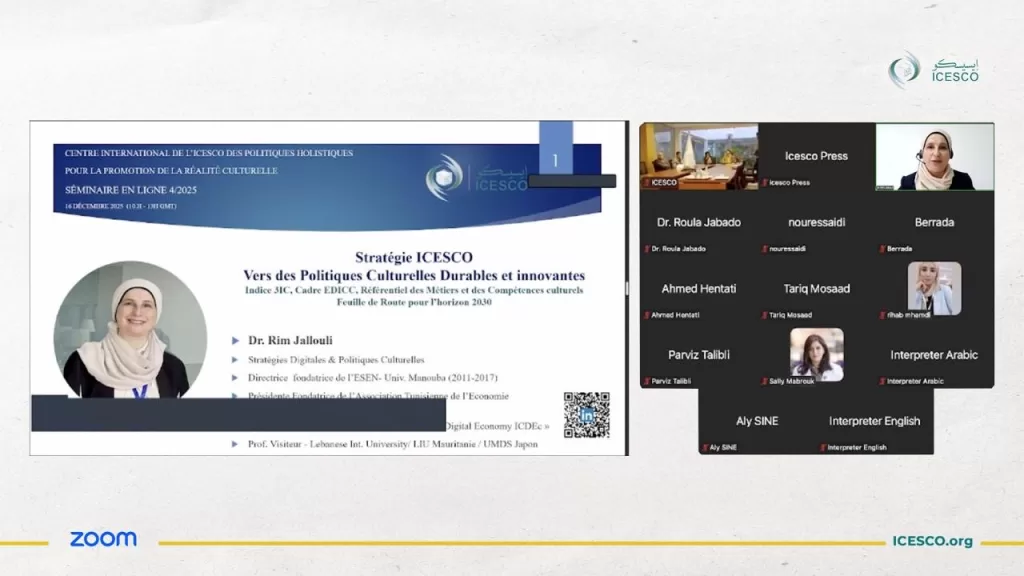
Subsequently, Dr. Rim Jellouli, ICESCO’s external expert specializing in cultural policies and sustainable development, presented an overview of the Report’s main pillars and methodology. She noted that the Report was prepared with the participation of a multidisciplinary team of experts in economics, technology, statistics, and data science. The discussion also witnessed the participation of representatives from several national cultural institutions, including UNESCO, as well as experts, heads of missions, and international partners.
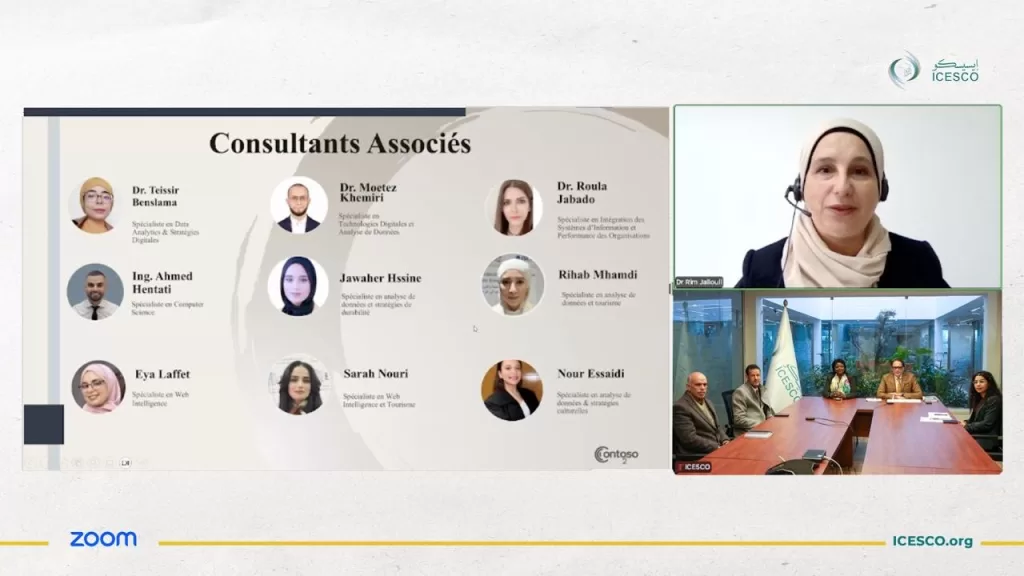
During the discussion, participating experts stressed the importance of integrating culture into national and regional public agendas, improving the measurement of cultural indicators related to job creation, cultural expenditure, cultural diversity, and universal access to cultural services. The session concluded with an open dialogue on ways to activate the Report’s recommendations and how to align national cultural strategies more closely with the Sustainable Development Goals (SDGs).