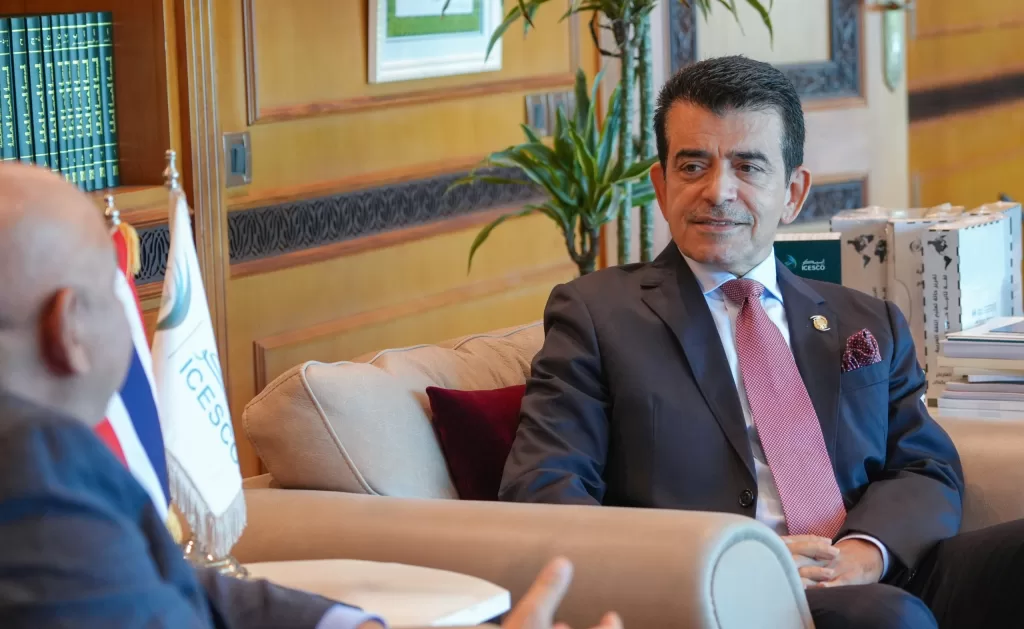
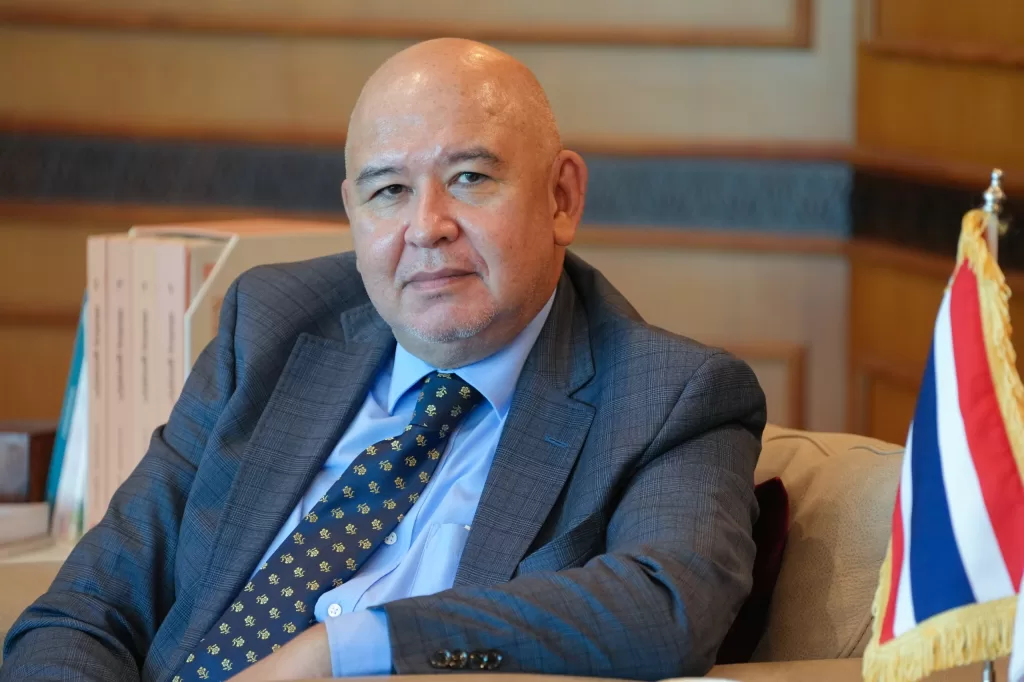
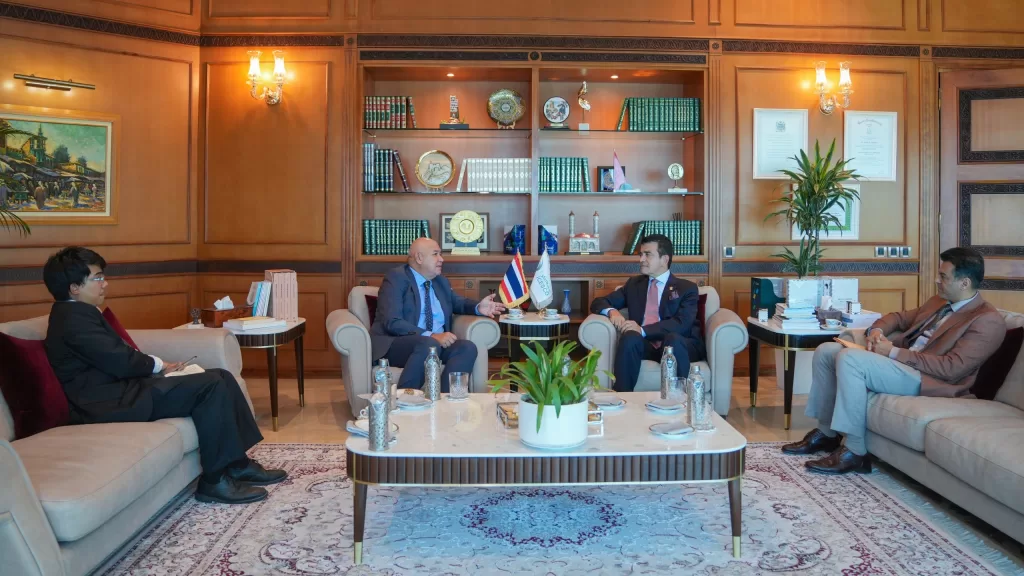
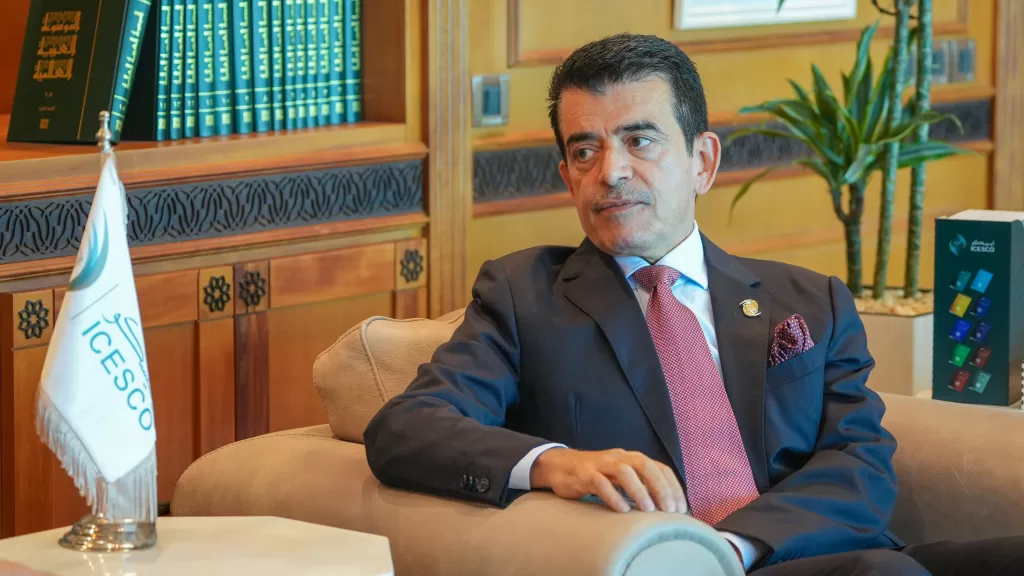
Dr. Salim M. AlMalik, Director-General of the Islamic World Educational, Scientific and Cultural Organization (ICESCO), met with Mr. Fabio Chinda, Ambassador of the Kingdom of Thailand to the Kingdom of Morocco, at the Organization’s headquarters in Rabat on Thursday, 25 September 2025. The meeting aimed to coordinate the arrangements for the upcoming visit of an ICESCO delegation, headed by Dr. AlMalik, to Thailand in October.
The two parties discussed the main highlights of the visit, including Dr. AlMalik’s keynote address as Guest of Honor at the 3rd International Conference on the Arabic Language of International Islamic College Bangkok, in addition to holding a series of meetings with several ministers and prominent religious leaders in the Kingdom.
Dr. AlMalik reaffirmed the Organization’s keenness to strengthen cooperation and build fruitful partnerships with its Observer Member States, in a way that allows the exchange of expertise across various fields, foremost among them heritage protection, scientific research development, fostering a culture of knowledge, and advancing the educational system both within and beyond the Islamic world.
For his part, Ambassador Chinda emphasized that Thailand will work to ensure the success of ICESCO’s visit and to lay solid foundations for partnership and cooperation between the Organization and the Kingdom, with the aim of developing programs and projects in educational fields, youth capacity-building, and the promotion of peace.
The meeting was attended by Dr. Hani Al Balawi, Expert at the Organization’s Center for Civilizational Dialogue.
Dr. Salim M. AlMalik, Director-General of the Islamic World Educational, Scientific and Cultural Organization (ICESCO), received Dr. Mohammad Ibrahim Al-Zakari, President of the Arab Open University in the Arab world (AOU), on Thursday, 25 September 2025, at the Organization’s headquarters in Rabat. The meeting discussed ICESCO’s support for the AOU’s efforts to establish a new branch in the Kingdom of Morocco.
At the outset of the meeting, Dr. AlMalik reaffirmed ICESCO’s commitment to strengthening cooperation with universities and supporting them as beacons of knowledge in the Islamic world. He highlighted the Organization’s distinguished scientific and research partnerships with leading academic institutions and the establishment of research chairs in several universities across Member States and beyond. Dr. AlMalik also stressed ICESCO’s support for initiatives aimed at advancing universities in the Islamic world, whether academically, through research, or geographically, by launching new branches in Member States.
For his part, Dr. Al-Zakari commended ICESCO’s efforts in supporting educational and academic institutions in the Islamic world and expressed his aspiration to build bilateral cooperation with the Organization, particularly in support of AOU’s plan to open a new branch in Morocco.
The meeting was attended by Dr. Omar Halli, Advisor to the ICESCO Director-General for the Federation of the Universities of the Islamic World (FUIW), and Dr. Abdullah Al Mulhim, Expert at ICESCO’s Partnerships and International Cooperation Sector.
It is worth noting that the idea of establishing a non-profit Open University in the Arab world was initiated by HRH Prince Talal Bin Abdulaziz, may God rest his soul. In 1996, HRH Prince Talal officially announced the concept of establishing the Arab Open University as a non-conventional academic institution and as a foundation which contributes to steering development in scientific, social, and cultural spheres. This initiative developed in 2002 into a full-fledged Arab Open University in the Kingdom of Saudi Arabia and nine other Arab countries, in strategic partnership with the Open University in the United Kingdom.
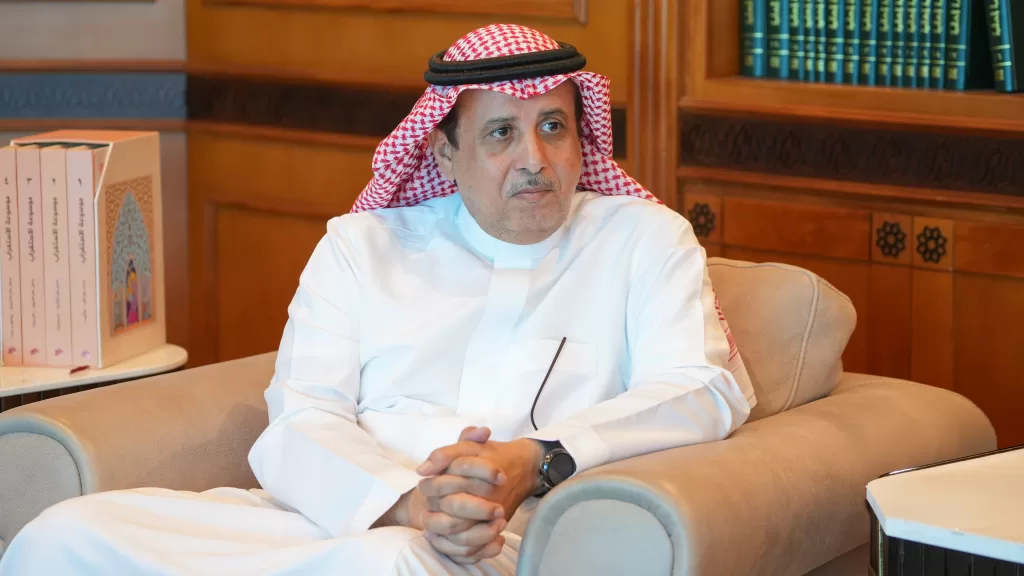
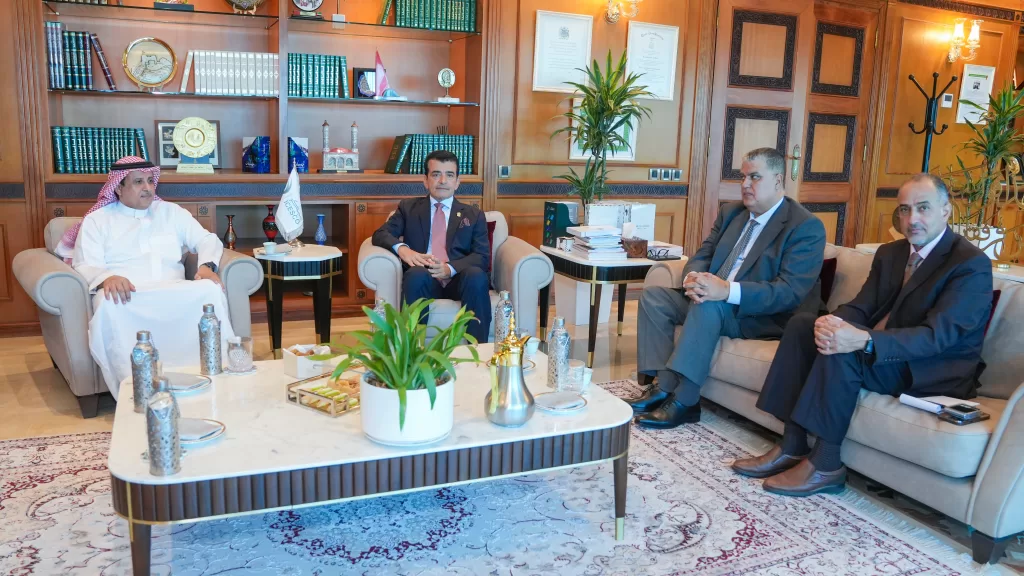
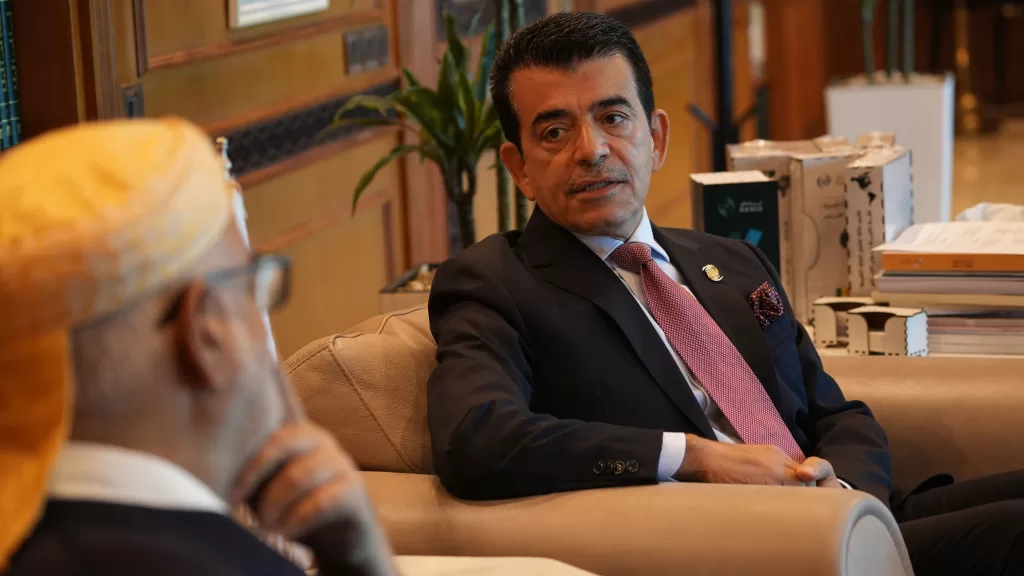
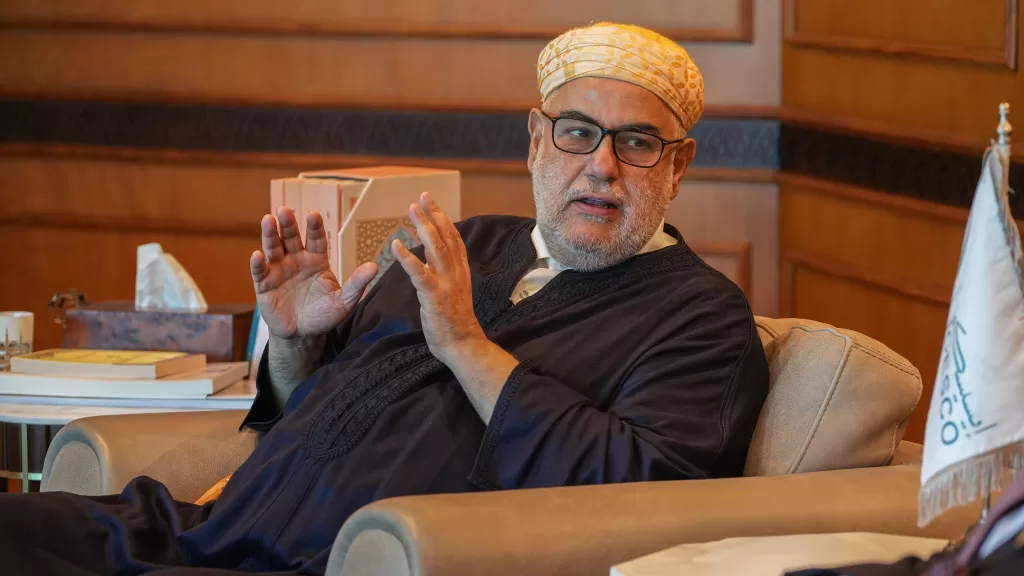
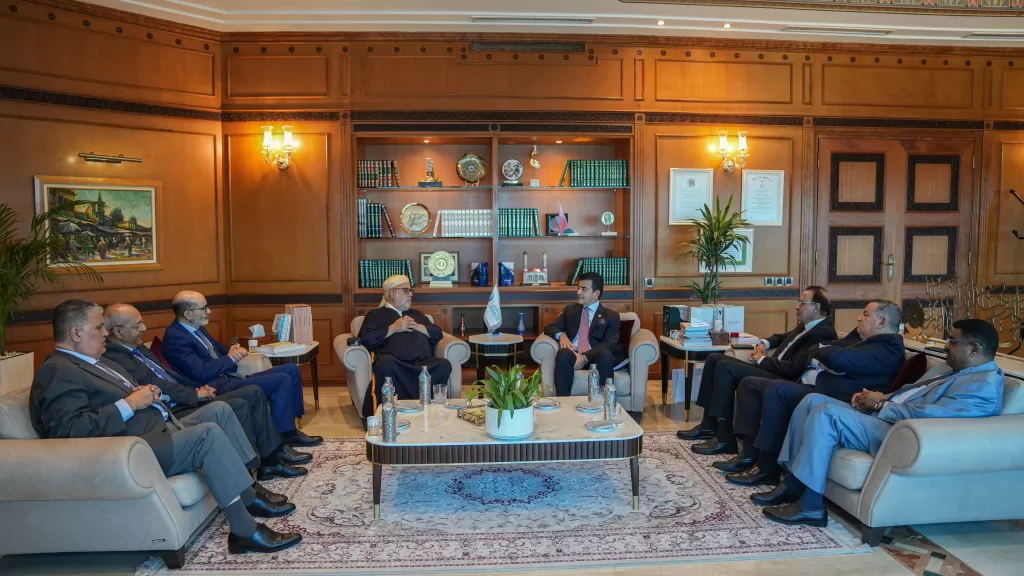
Dr. Salim AlMalik, Director-General of the Islamic World Educational, Scientific and Cultural Organization (ICESCO), received Mr. Abdelilah Benkirane, former Prime Minister of Morocco, during his visit to the Organization’s headquarters in Rabat on Thursday, 25 September 2025. Dr. AlMalik began the meeting, which was also attended by Dr. Abdelilah Benarafa, Deputy Director-General, and a number of other ICESCO leaders, by reviewing ICESCO’s vision and strategic orientations, and highlighting the programs and initiatives it implements in its Member States.
The ICESCO Director-General reviewed the most significant transformations undergone by the Organization and its structure over the past five years, including the modification of the Organization’s name to disambiguate the nature of its competencies and highlight its openness to various parties with the aim of serving the countries of the Islamic world and beyond, as well as the creation of several new sectors and centers specializing in media and communication, strategy and institutional excellence, civilizational dialogue, the Arabic language, calligraphy and manuscripts, poetry and literature, foresight, and artificial intelligence.
Dr. AlMalik also stated that relations with Morocco, the seat country, have developed remarkably over the past few years. ICESCO has implemented some 370 activities in cooperation with the Moroccan authorities, a number of which have enjoyed the royal patronage of His Majesty King Mohammed VI, may Allah protect him. These include hosting the International Exhibition and Museum of the Prophet’s Seerah and Islamic Civilization, which was inaugurated by His Royal Highness Crown Prince Moulay Hassan of Morocco and has attracted around nine million visitors to date.
For his part, Mr. Benkirane praised the Organization’s recent developments, noting that visiting its headquarters and seeing these developments was like rediscovering ICESCO and its pioneering role.
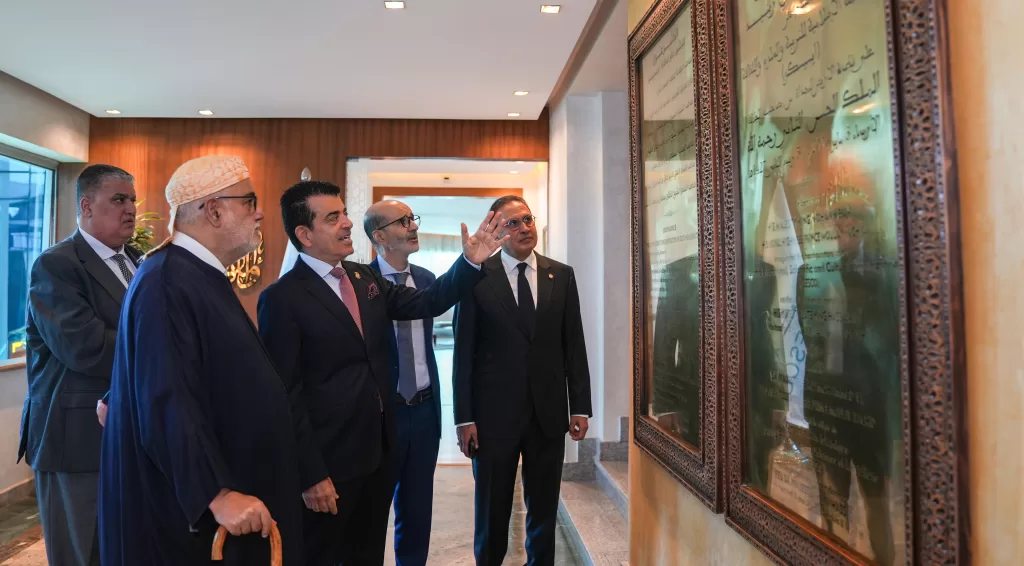
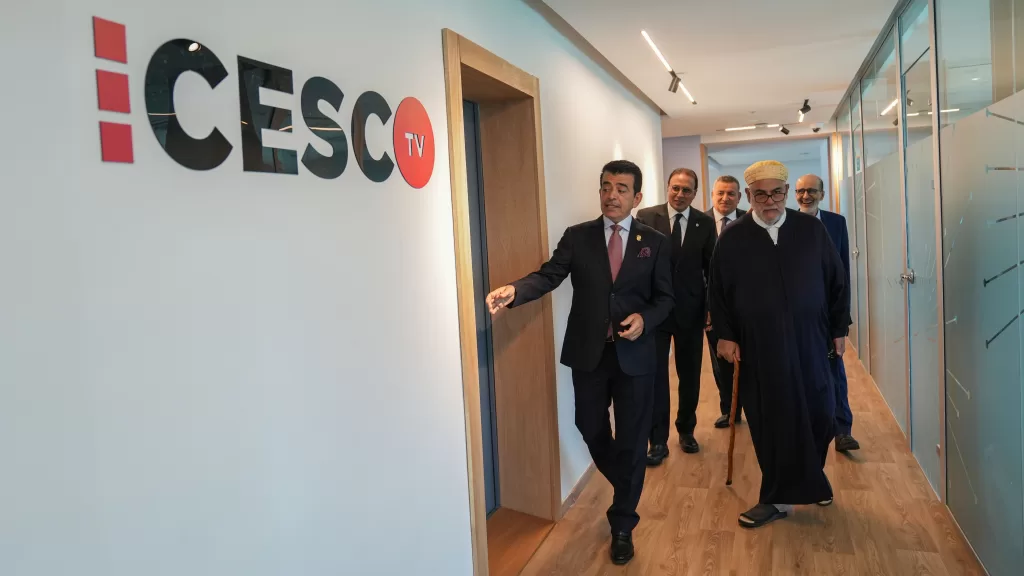
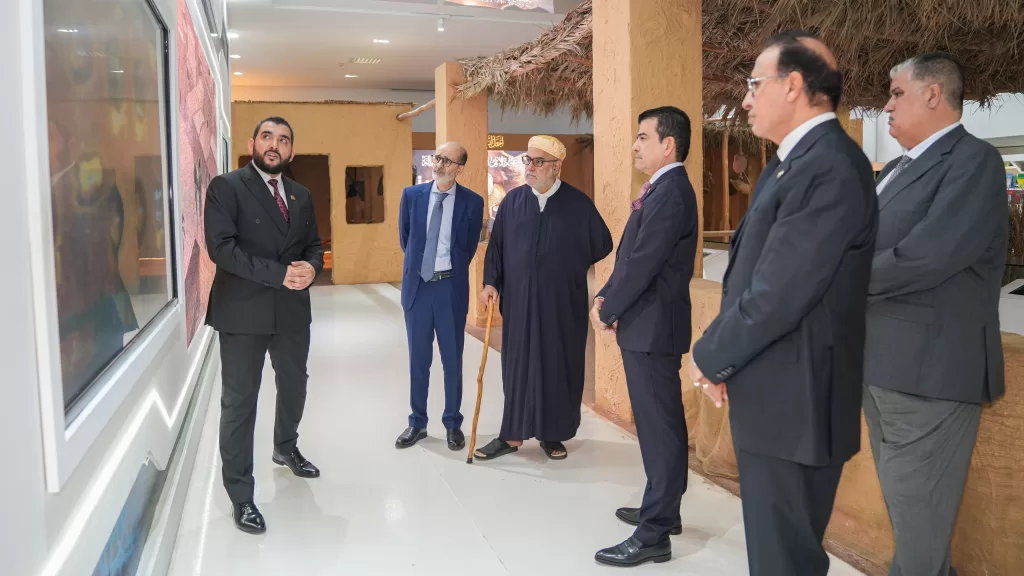
Dr. AlMalik then took Mr. Benkirane on a tour of the Organization’s departments and specialized centers, as well as the Exhibition and the International Museum of the Prophet’s Seerah.
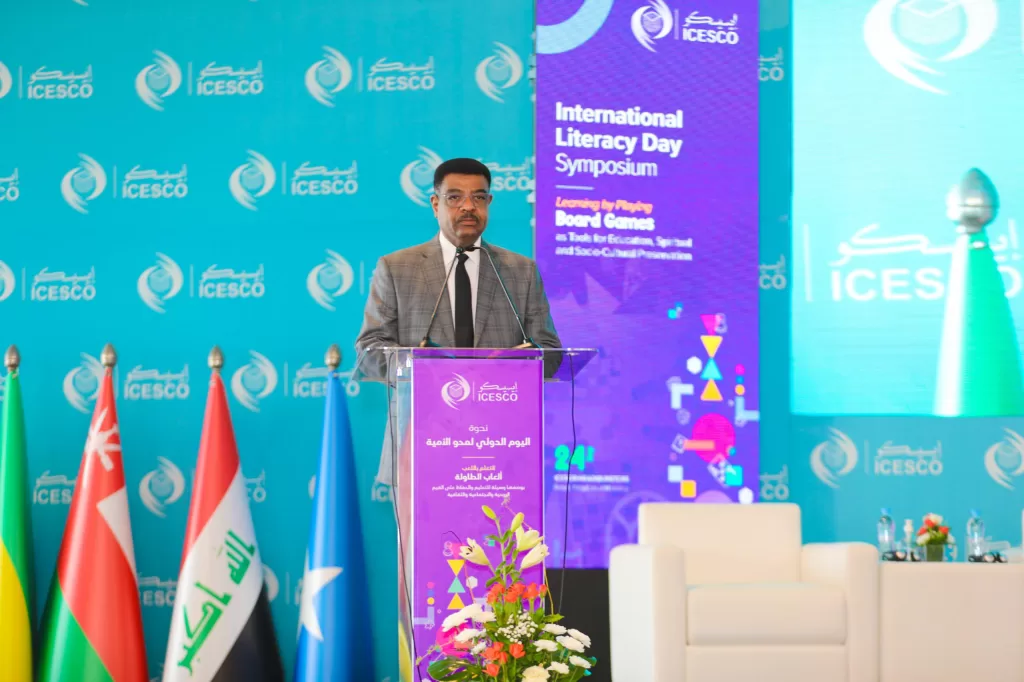
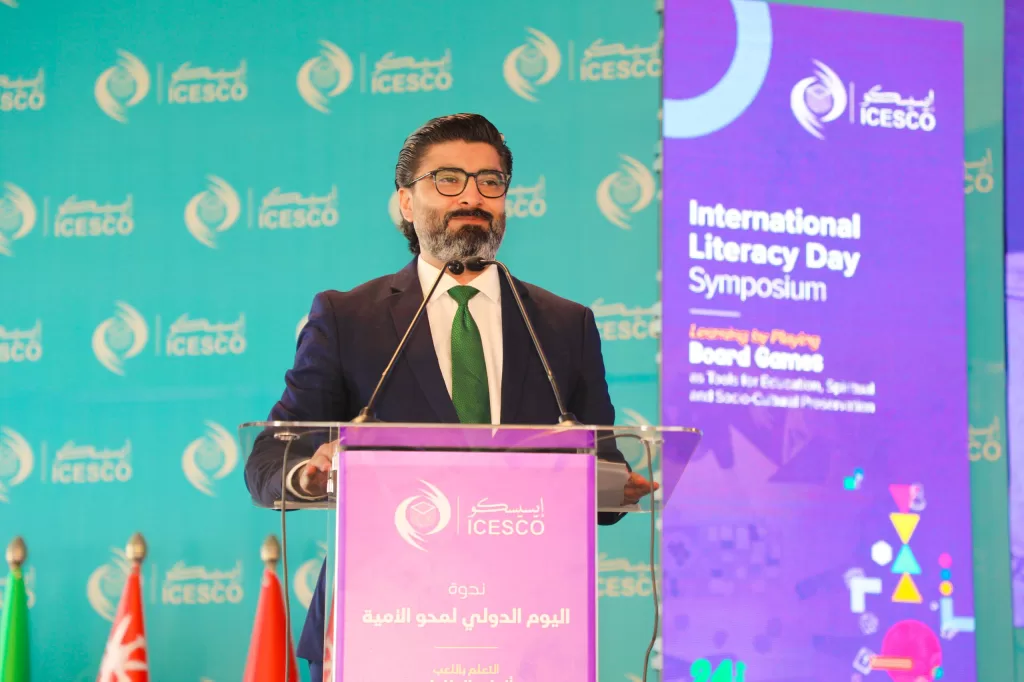
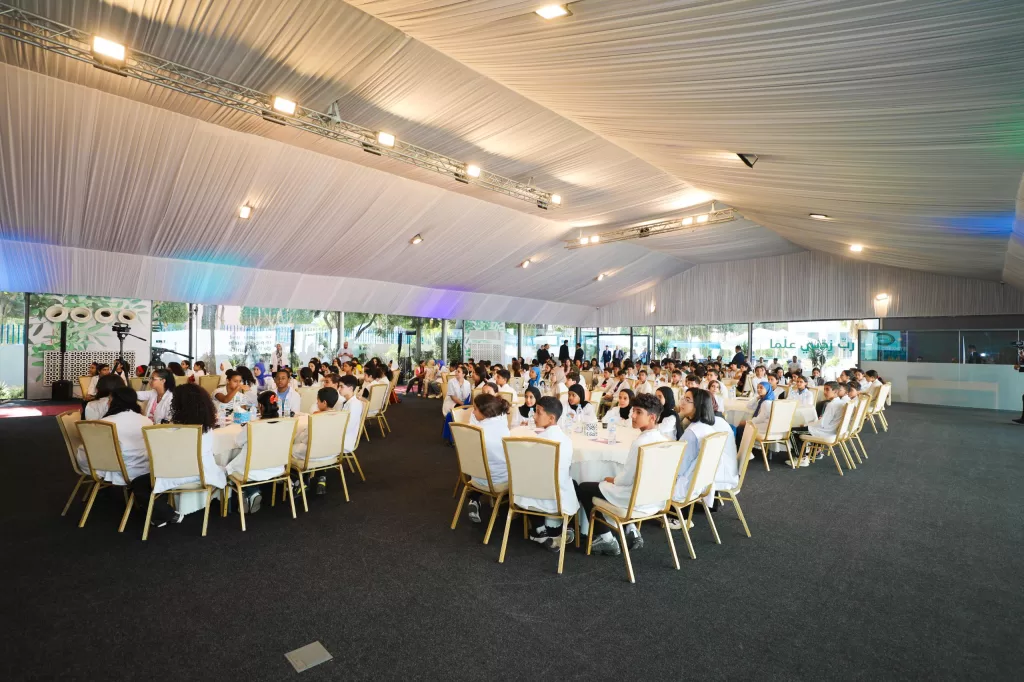
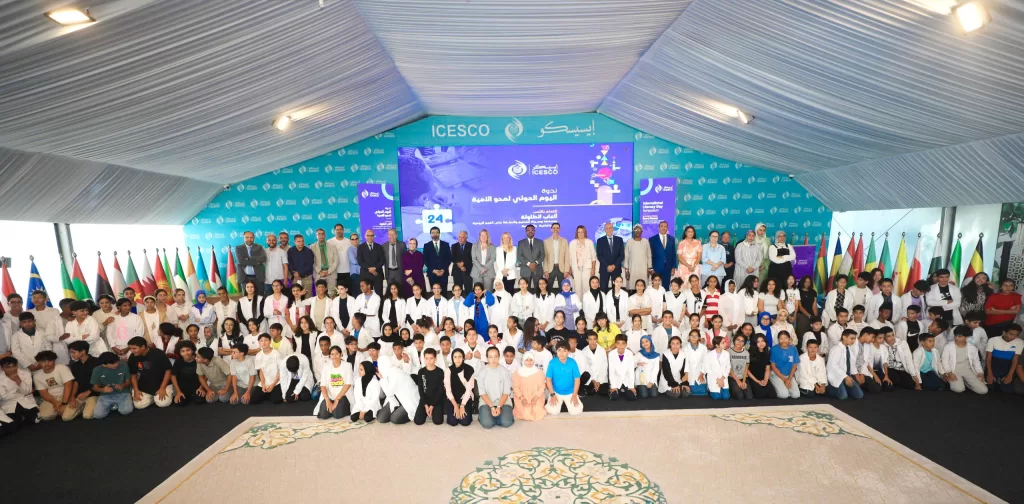
As part of the celebration of International Literacy Day, the Islamic World Educational, Scientific and Cultural Organization (ICESCO), in partnership with the Moroccan Manahile Games, held an international symposium titled: “Learning by Playing: Board Games as Tools for Education, Spiritual and Socio-Cultural Preservation.” The Symposium featured high-level participation from senior officials, education experts, and representatives of relevant international organizations, as well as 150 students who interacted with a special presentation of a board game designed to educate about the life of the Prophet Muhammad (peace be upon him).
The Symposium, held on Wednesday, 24 September 2025, at the Organization’s headquarters in Rabat, aimed to highlight the educational and cultural value of games as tools for learning and to demonstrate their educational benefits in the areas of literacy and critical thinking. It also aimed to promote dialogue between teachers, cultural experts, and game designers on integrating games into educational contexts and to provide students with practical experience within the framework of learning through playing games.
The opening session of the Symposium began with a speech by Dr. Salim Al-Malik, ICESCO’s Director-General, delivered on his behalf by Ambassador Khalid Fathalrahman, Director of ICESCO’s Centre for Civilizational Dialogue. In his speech, Dr. Al-Malik affirmed ICESCO’s belief in the pivotal role of educational games in learning. He stressed the need to invest in the research and development of such games, integrate game-based learning in school curricula, and forge partnerships with innovators and game developers. He also emphasized the importance of empowering young people to produce games and to enhance their knowledge and innovation.
Then, Mr. Waqas Afridi, education expert at ICESCO, presented ICESCO’s strategic vision for education, highlighting its promotion of games as an educational tool for knowledge acquisition.
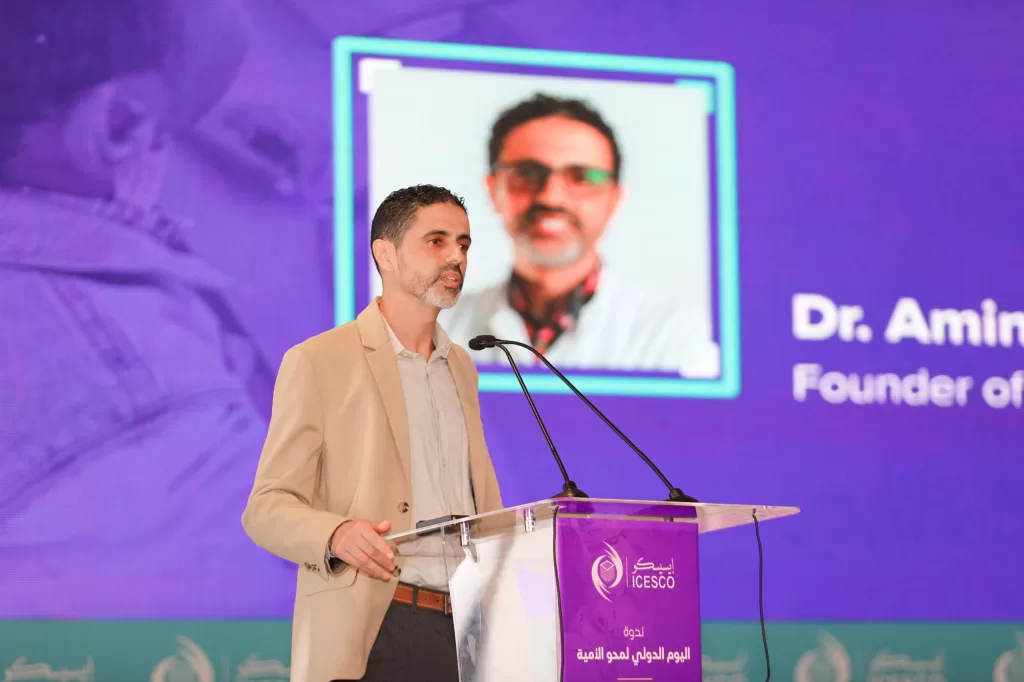
Dr. Amin El-Majhad, educational game designer and president of Manahile Games, reviewed an international analysis of 27 studies that confirmed the role of educational games in improving children’s knowledge and cognitive functions, enhancing their motivation, and developing their social relationships.
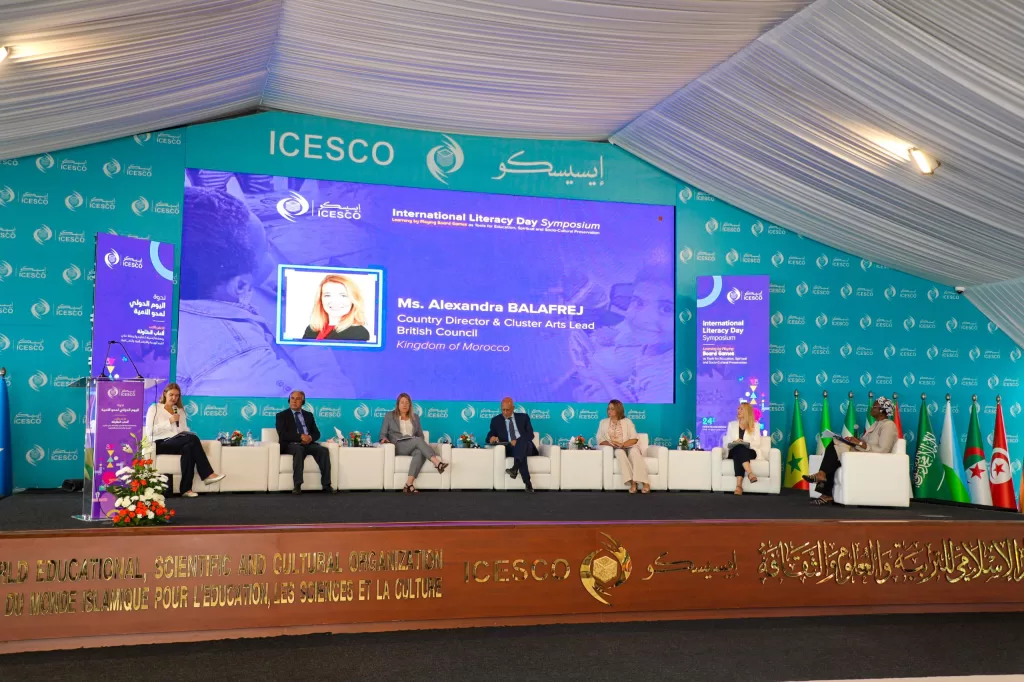
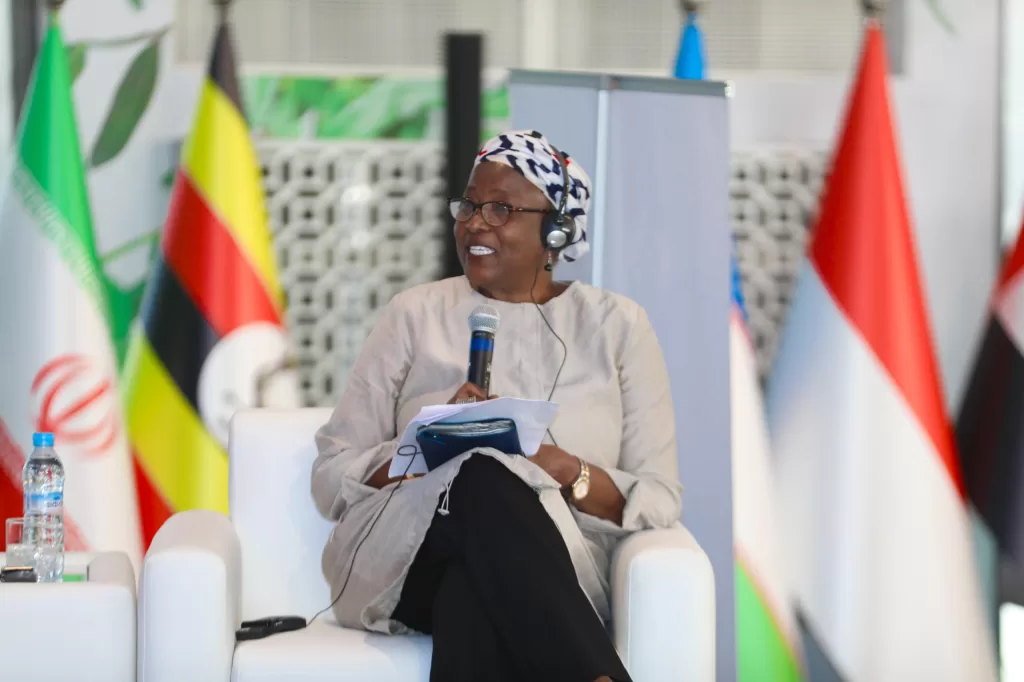
This was followed by a panel discussion moderated by Ms. Haddy Jatou Sey, Head of the Education Sector at ICESCO, which addressed the challenges and opportunities offered by digital and non-digital educational games and the integration of game-based learning in schools. Ms. Sey emphasized the collective responsibility to reimagine educational models in order to enhance the quality and inclusiveness of education.
The session was attended by prominent representatives from the Moroccan Ministry of National Education, Primary Education and Sports, the Moroccan Ministry of Youth, Culture and Communication, the Hassan II Mosque Foundation, UNESCO, UNICEF, and the British Council, who emphasized the importance of international partnerships to support educational transformation through alternative methods toward quality learning.
The Symposium also included an interactive workshop in which 150 students participated, featuring a live presentation of an educational board game about the life of the Prophet Muhammad (peace be upon him).
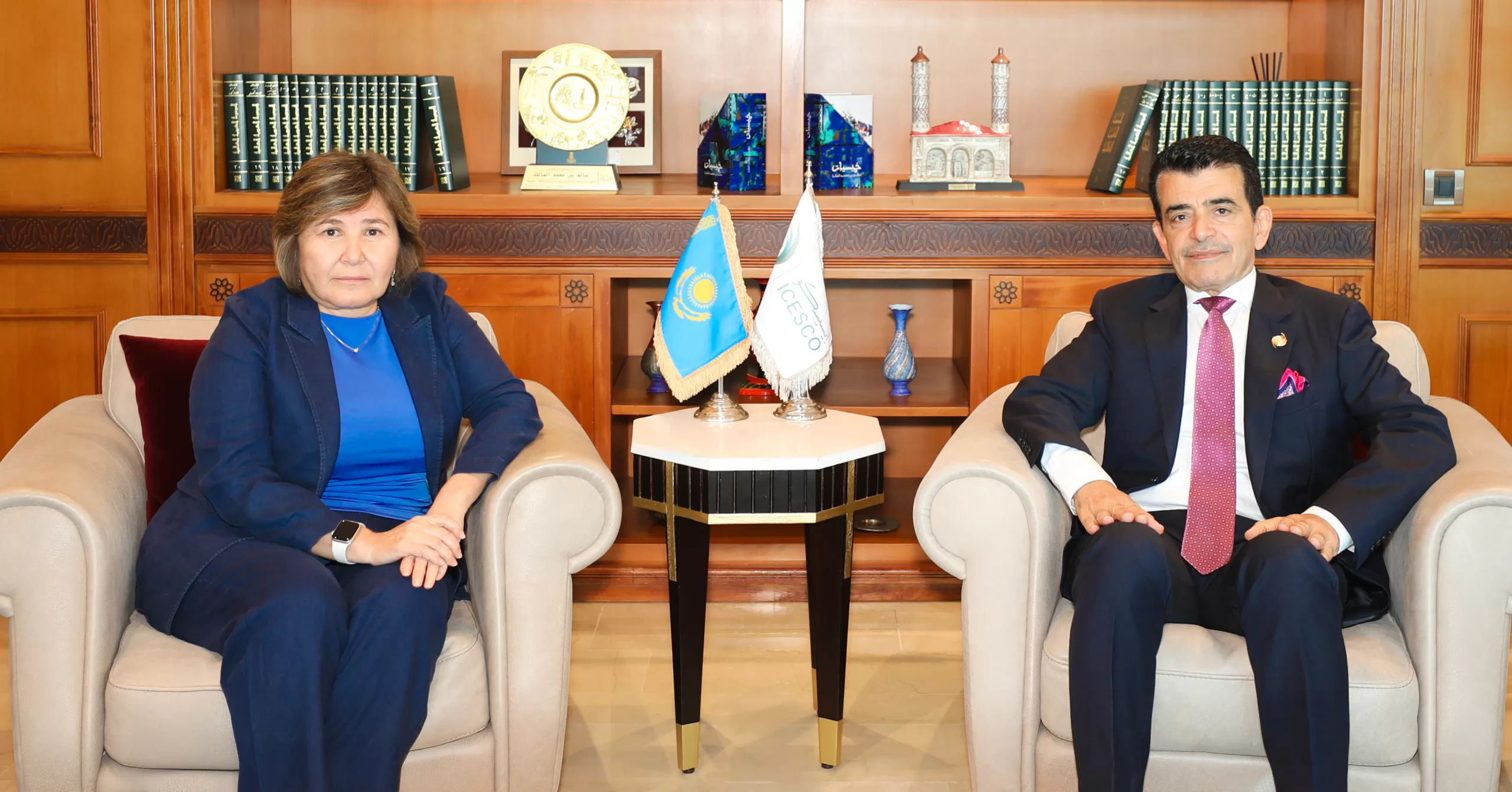
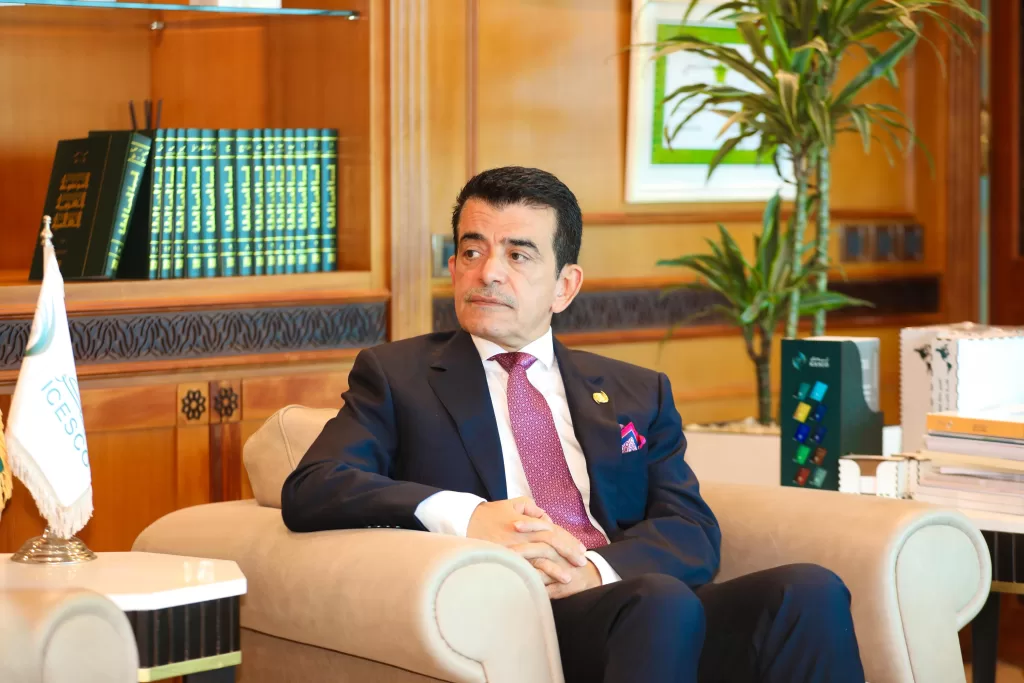
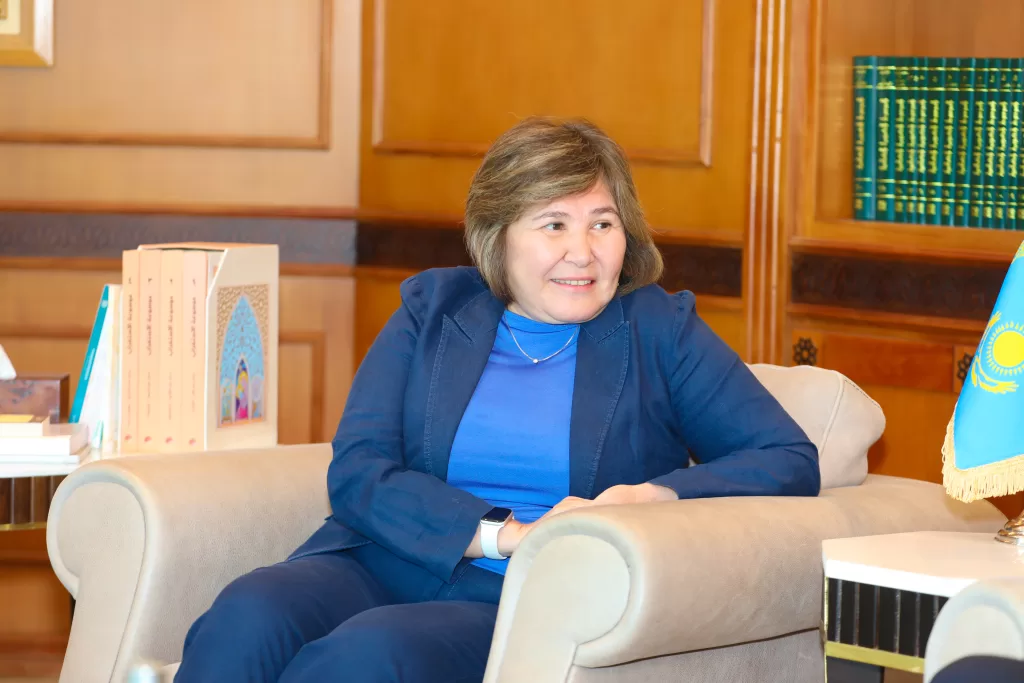
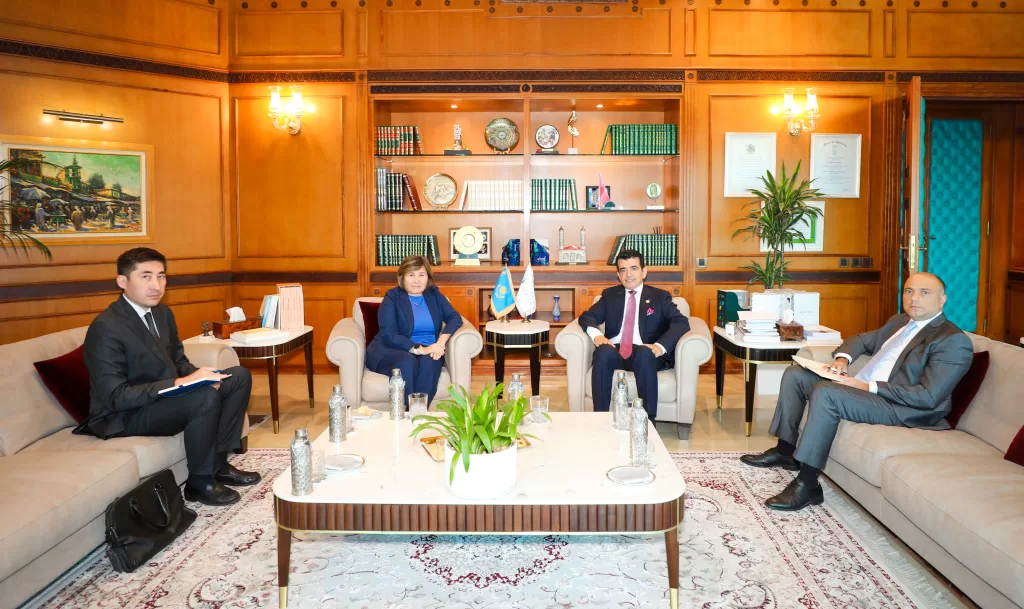
Dr. Salim M. AlMalik, Director-General of the Islamic World Educational, Scientific and Cultural Organization (ICESCO), received Ms. Saulekul Sailaukyzy, Ambassador of the Republic of Kazakhstan to the Kingdom of Morocco and her country’s Permanent Delegate to ICESCO, where they discussed the latest developments in cooperation between the two sides, following ICESCO’s delegation’s successful visit to Kazakhstan recently.
At the beginning of the meeting, held on Wednesday, 24 September 2025, at the Organization’s headquarters in Rabat, Dr. AlMalik expressed his appreciation for the warm hospitality extended to the Organization’s delegation, which he led during its visit to Kazakhstan to participate in the 8th Congress of Leaders of World and Traditional Religions in Astana. Moreover, the Congress witnessed the presentation of the Medal of Honor by His Excellency President Kassym-Jomart Tokayev to Dr. AlMalik, in recognition of his pioneering role in consolidating the values of global peace.
Dr. AlMalik also briefed his guest on the highlights of his visit to Kazakhstan, where he met with Mr. Erlan Karin, State Counselor; Ms. Aida Balayeva, Minister of Culture and Information; Mr. Yerlan Nyssanbayev, Minister of Ecology and Natural Resources; and His Eminence Sheikh Nauryzbay Haji Taganuly, Grand Mufti of Kazakhstan. The visit further included the signing of two MoUs with the Turkic Academy and the Islamic Organization for Food Security, in addition to visits to several academic and research institutions and several heritage sites.
The meeting also discussed the possibility of Kazakhstan hosting the upcoming Conference of Environment Ministers in the Islamic World, as well as welcoming a group of distinguished Kazakhstani professionals to train at ICESCO’s headquarters in Rabat.
Mr. Anar Karimov, Head of Partnerships and International Cooperation Sector, attended the meeting.
The Islamic World Educational, Scientific and Cultural Organization (ICESCO), in cooperation with Naif Arab University for Security Sciences, invites researchers and specialists to participate in an international symposium titled “Publishing and Security: The Role of the Publishing Industry in Promoting Societal Awareness and Intellectual Security,” due to be held at ICESCO headquarters in Rabat on 27–28 April 2026.
The Symposium will address the growing challenges of intellectual and information security in traditional and digital spaces. The print and digital publishing industry plays a key role in shaping public awareness, either by promoting values of peace and coexistence or by fueling hate speech and extremism. Consequently, the development of the publishing industry is closely linked to the Sustainable Development Goals, particularly Goals 4 and 16, which focus on quality education, peace, justice, and strong institutions respectively.
The Symposium will cover seven themes reflecting the relationship between publishing and security. These themes are: publishing and intellectual security; publishing and misinformation; digital publishing and information security; institutional publishing in a security context; regulatory policies and legislation; the role of libraries in promoting knowledge security; and the role of security agencies in combating misinformation and fake news.
In this context, ICESCO invites interested individuals to submit original, unpublished papers that fall within the themes of the Symposium. Papers should be between 12 and 20 pages long (approximately 3,000–5,000 words), written in 12-point Times New Roman font and accompanied by an abstract of no more than 300 words in one of the following languages: Arabic, English, or French.
The organizing committee has set 1 November 2025 as the deadline for submitting abstracts accompanied by CVs via email to: TPC@ICESCO.org and events.sc@nauss.edu.sa.
Accepted submissions will be announced on 1 December 2025, along with a participation form. The deadline for receiving and accepting the full texts of research papers is 1 February 2026.
All submissions will undergo rigorous scientific review by a committee of experts in publishing and knowledge security. Accepted papers will be published in a numbered scientific book under the supervision of ICESCO.
At the end of the Symposium, practical conclusions and recommendations will be drawn up on responsible publishing policies that can strengthen societies’ immunity against extremism and hate speech, while supporting education and media systems in the Arab and Islamic worlds.
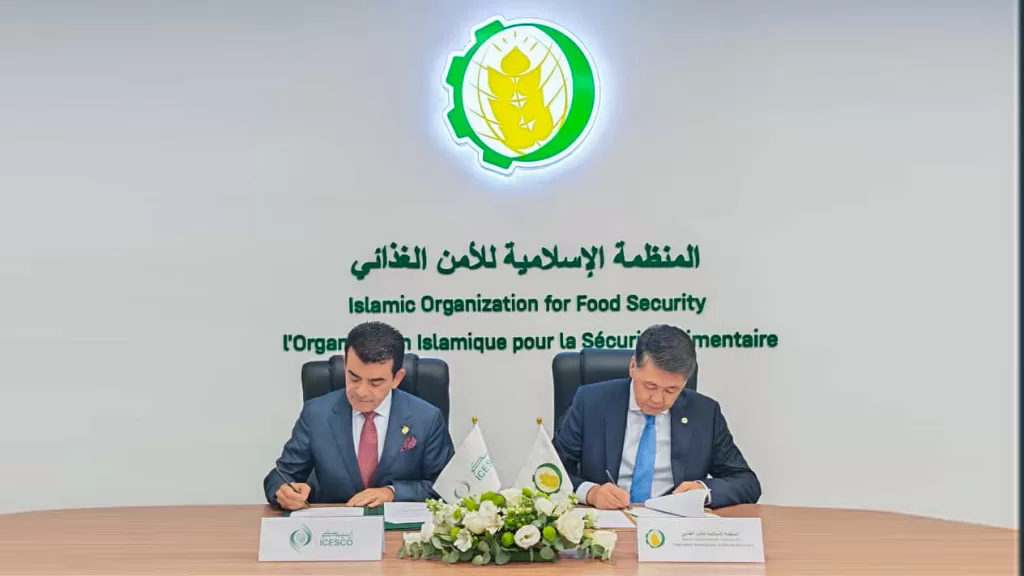
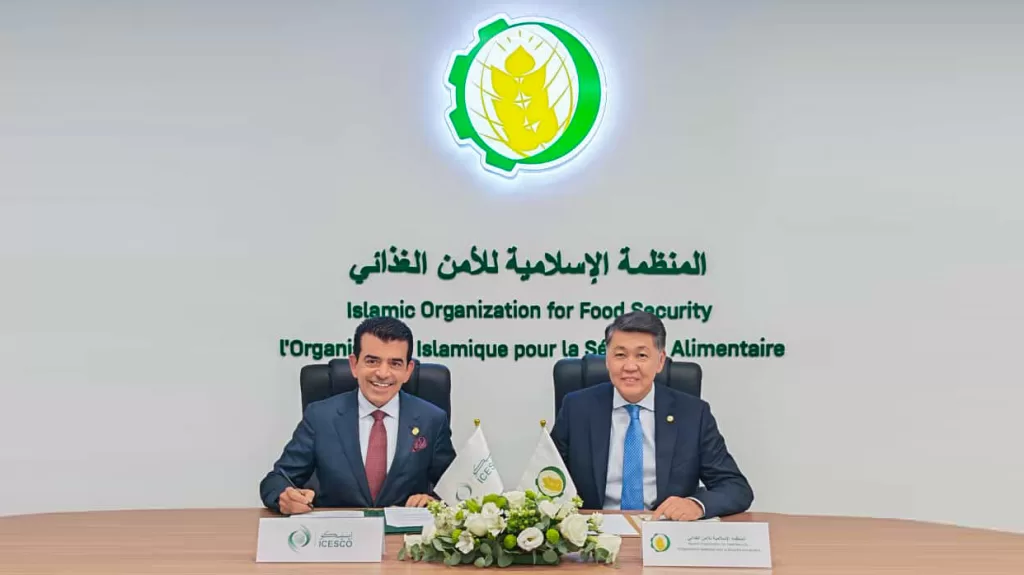
The Islamic World Educational, Scientific and Cultural Organization (ICESCO) signed a Memorandum of Understanding with the Islamic Organization for Food Security (IOFS) to strengthen partnership in the fields of agriculture, food security, sustainable development, and innovation in resource management.
The MoU, signed on Thursday, September 18, 2025, in Astana, Kazakhstan, include the development of joint programs and projects to support ICESCO Member States through the exchange of expertise and the advancement of initiatives aimed at achieving food security, enhancing the capacities of national professionals in utilizing the latest technologies in agriculture and natural resource management, conducting joint studies on agricultural technology, and organizing conferences, initiatives, and joint projects that seek to develop innovative and sustainable solutions to serve Member States.
Dr. Salim M. AlMalik, ICESCO Director-General (DG), emphasized that this MoU is an important step within ICESCO’s new vision, which focuses on building strategic partnerships that contribute to supporting sustainable development in the Islamic world, noting that food security is one of the current stage’s key priorities.
For his part, Ambassador Berik Aryn, IOFS DG, expressed his aspiration to work jointly with the Organization, thereby strengthening international efforts to address challenges related to food and natural resources.
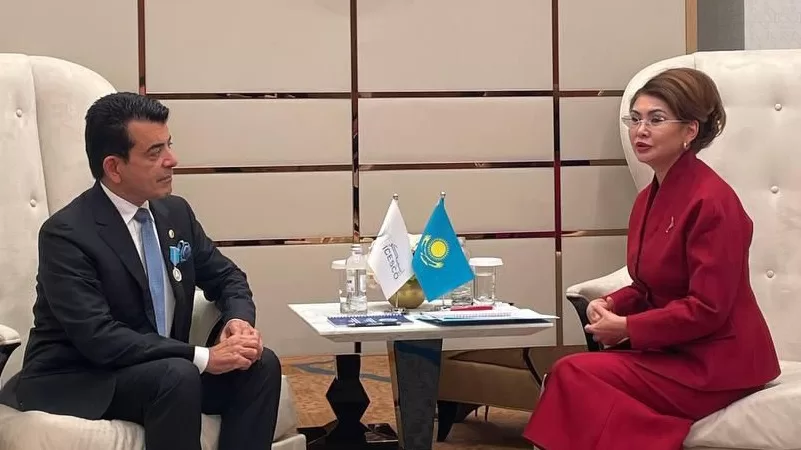
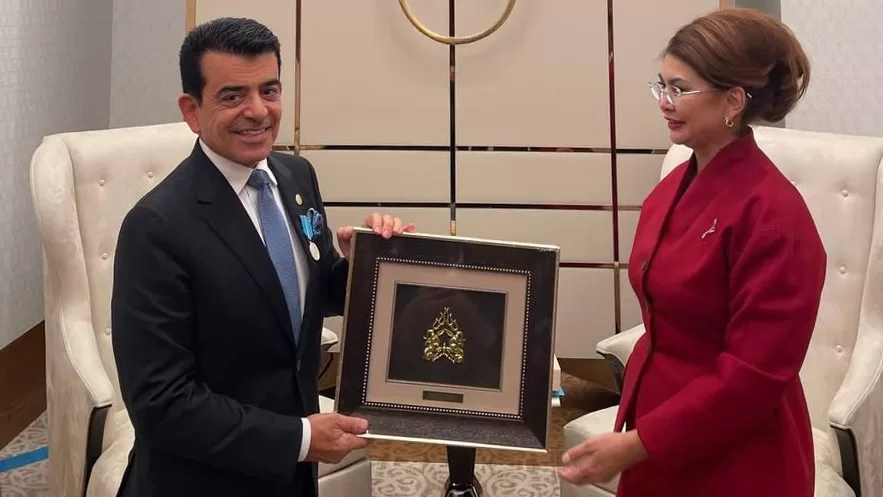
Dr. Salim M. AlMalik, Director-General (DG) of the Islamic World Educational, Scientific and Cultural Organization (ICESCO), met with Ms. Aida Balayeva, Minister of Culture and Information of the Republic of Kazakhstan, to discuss prospects for joint cooperation in culture and heritage preservation. The meeting took place alongside ICESCO’s participation in the 8th “Congress of Leaders of World and Traditional Religions,” hosted by Center for Interfaith Dialogue in Astana, on 17–18 September 2025.
During the meeting, held on Thursday, September 18, 2025, Dr. AlMalik overviewed ICESCO’s vision and strategic orientations, highlighting its programs and initiatives, particularly in heritage preservation across the Islamic world. Dr. AlMalik emphasized the establishment of the Islamic World Heritage Center and ICESCO’s inscription of 724 sites and elements on its heritage list.
For her part, Ms. Balayeva expressed her appreciation for ICESCO’s pioneering efforts in safeguarding tangible and intangible heritage and enhancing cultural fields in its Member States. Ms. Balayeva underscored the importance of training Kazakh professionals and expressed the Ministry’s intention to organize specialized training in cooperation with ICESCO on heritage preservation, maintenance, and restoration.
Furthermore, the Kazakh Minister highlighted her interest in inscribing several historical sites in Kazakhstan on ICESCO’s Islamic World Heritage List, commending the Organization’s role in emphasizing their civilizational value.
The discussion further addressed the possibility of designating a Kazakh city, particularly Turkestan, as the 2028 Cultural Capital in the Islamic World. Dr. AlMalik invited Ms. Balayeva to visit ICESCO headquarters in Rabat to continue coordination and discuss future cooperation projects.
The meeting was also attended by Mr. Anar Karimov, Head of ICESCO’s Partnerships and International Cooperation Sector, and Dr. Abdulhakeem AlSenan, Director of ICESCO’s Regional Office in Baku.
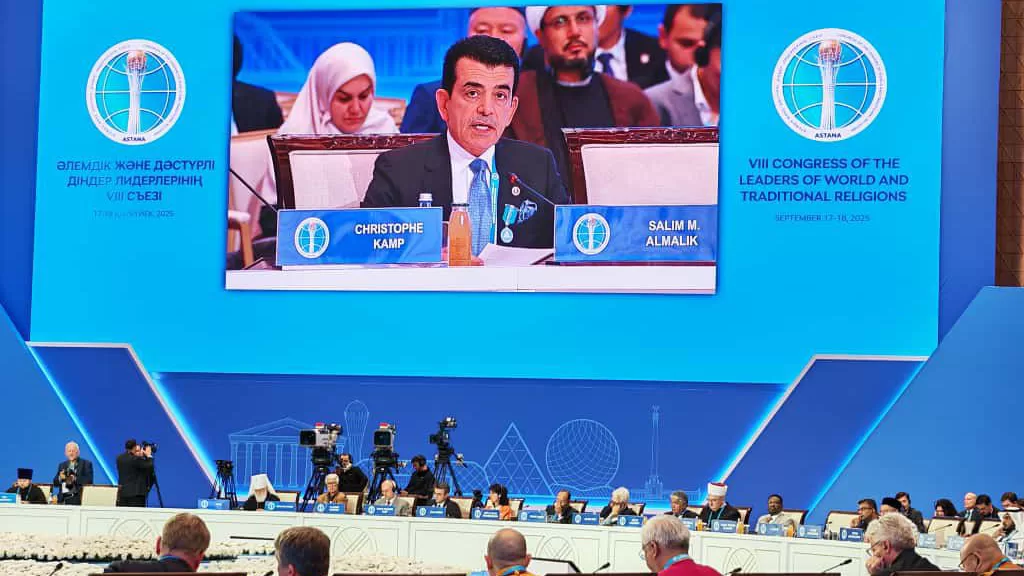
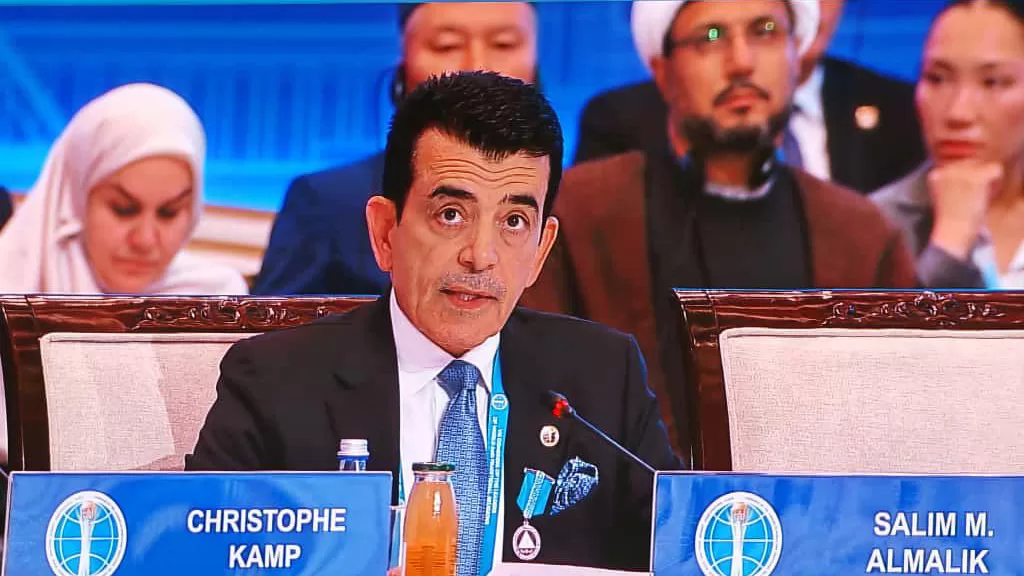
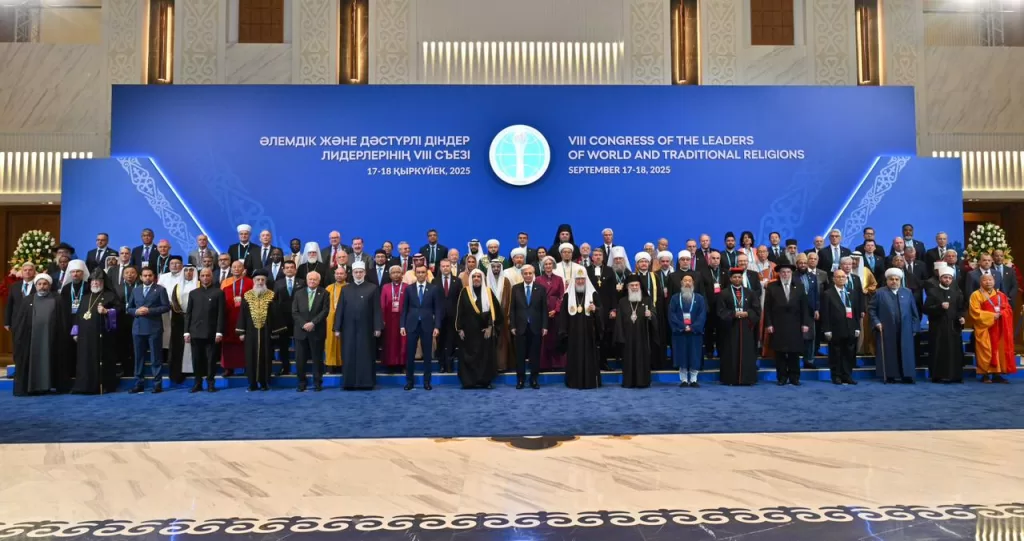
Dr. Salim M. AlMalik, Director-General of the Islamic World Educational, Scientific and Cultural Organization (ICESCO), led the Organization’s delegation to the opening session of the 8th Congress of Leaders of World and Traditional Religions, hosted by the Center for Interfaith Dialogue in Astana, Kazakhstan, on 17-18 September 2025, under the chairmanship of H.E. Kassym-Jomart Tokayev, President of the Republic of Kazakhstan.
The opening session began with a speech by President Tokayev, who emphasized the importance of interfaith dialogue and peaceful coexistence, highlighting Kazakhstan’s role as a hub for promoting global harmony and mutual respect among different cultures and religions.
In his address, Dr. AlMalik reviewed global developments in their humanitarian context, noting that estrangement, bloodshed, destruction, greed, and instability have become dominant features of today’s world, compounded by the absence of values of brotherhood, dialogue, and coexistence. He stressed that the roots of the crises facing humanity lie in spiritual emptiness.
Dr. AlMalik underlined the pivotal role of religious leaders in overcoming humanitarian challenges, stating that “religious diplomacy,” which ICESCO has integrated into its broader vision of “civilizational diplomacy,” offers the most effective means to build a world founded on peace, security, values, and noble ethics.
Furthermore, Dr. AlMalik presented several recommendations, including the establishment of a reference observatory to provide information, conduct analyses, and propose orientations and policies for religious leaders; mobilizing experts aware of the role of civilizational diplomacy in its spiritual and religious dimensions while employing modern tools; and creating an evidence base to anticipate the capacity of religious leaders to fulfill their roles.
The Congress gathers senior religious leaders and policymakers to promote dialogue among faith leaders, address contemporary challenges in interreligious relations, foster peace, and uphold shared human values.
The ICESCO delegation included Mr. Anar Karimov, Head of ICESCO’s Partnerships and International Cooperation Sector, and Dr. Abdulhakeem AlSenan, Director of ICESCO’s Regional Office in Baku.
The Islamic World Educational, Scientific and Cultural Organization (ICESCO) is pleased to announce the winners of the “Most Innovative Youth Projects for Peace” contest. This contest enables ICESCO’s young ambassadors for peace to present concrete projects that will benefit their communities. It is a practical application of the training they received from the third edition of the “Leadership Training in Peace and Security (LTIPS)” program.
A total of 42 projects were submitted for this edition and were evaluated by a multidisciplinary jury composed of ICESCO experts based on their ability to contribute to peacebuilding, as well as their degree of innovation and sustainability.
The jury announced the following winners: • Ms. Sarah Khalil Qeshta (Egypt) was recognized for her project, the “Peace Library Initiative,” which provides a holistic educational experience promoting peace, climate awareness, and sustainable development. • Ms. Soumayatou Sa’adia Nabaloum (Burkina Faso) was recognized for her project, the “School of Resilience,” which focuses on developing the leadership skills of displaced girls in Burkina Faso’s Passoré Province to strengthen their resilience. • Mr. Polat Allagulyyev (Turkmenistan) was recognized for his project, “Football for Peace,” which aims to promote gender equality, peacebuilding, and youth empowerment through a football festival.
It is worth noting that the LTIPS has trained over 180 young people from 68 countries who have been selected as ICESCO ambassadors for peace.