Disclaimer: You are using Google Translate. The ICESCO is not responsible for the accuracy of the information in the translated language .

your opinion

User Feedback

Overall, how satisfied are you about the website?

    Extremely Dissatisfied Extremely Satisfied

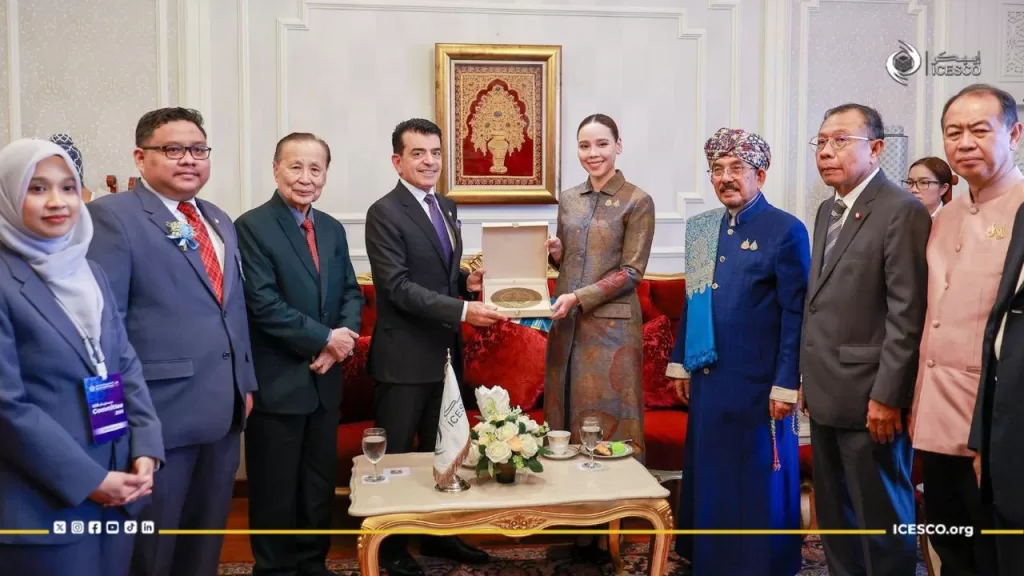
    ICESCO Director-General and Thai Minister of Culture DiscussHeritage Protection and Creative Industries

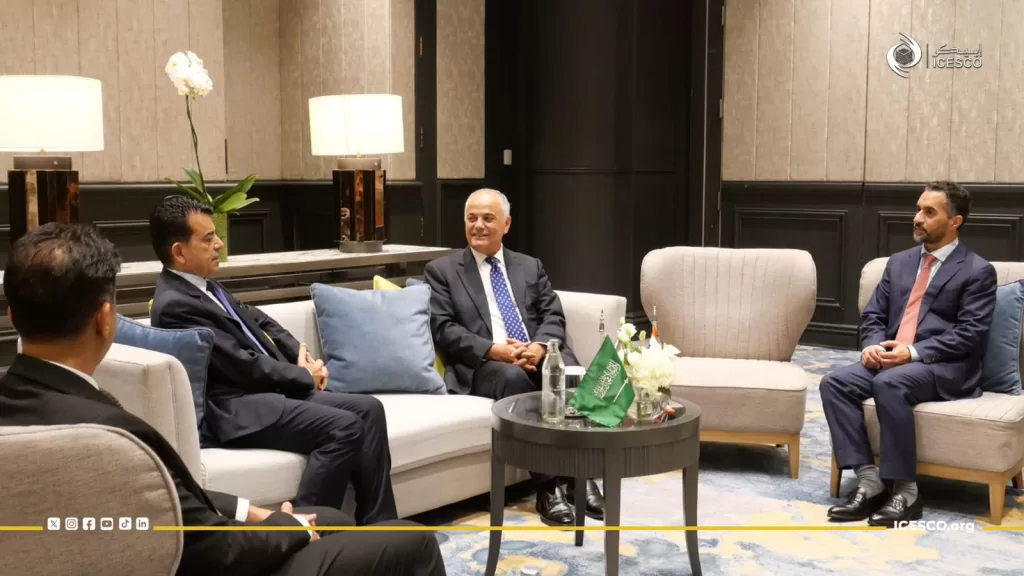
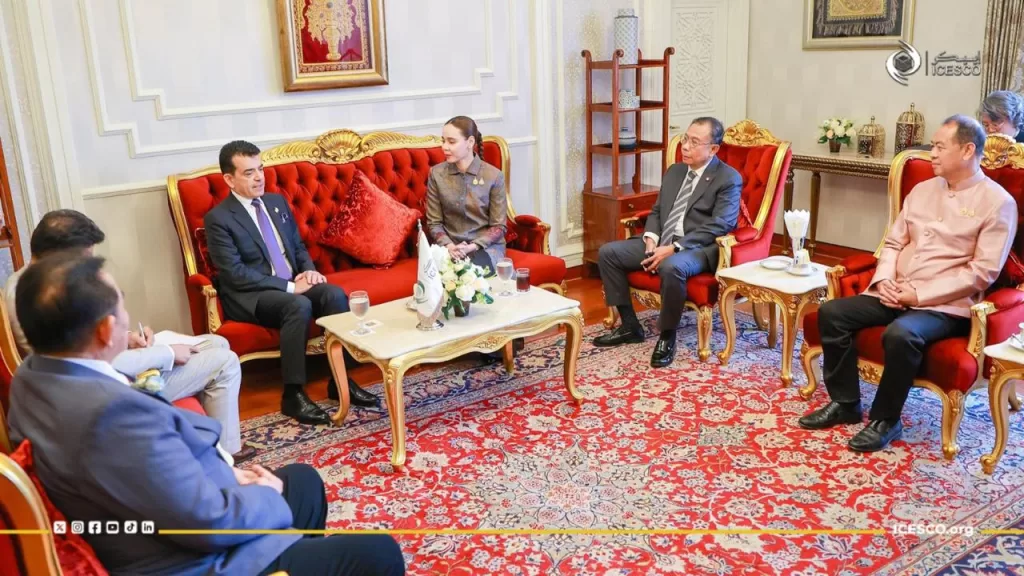
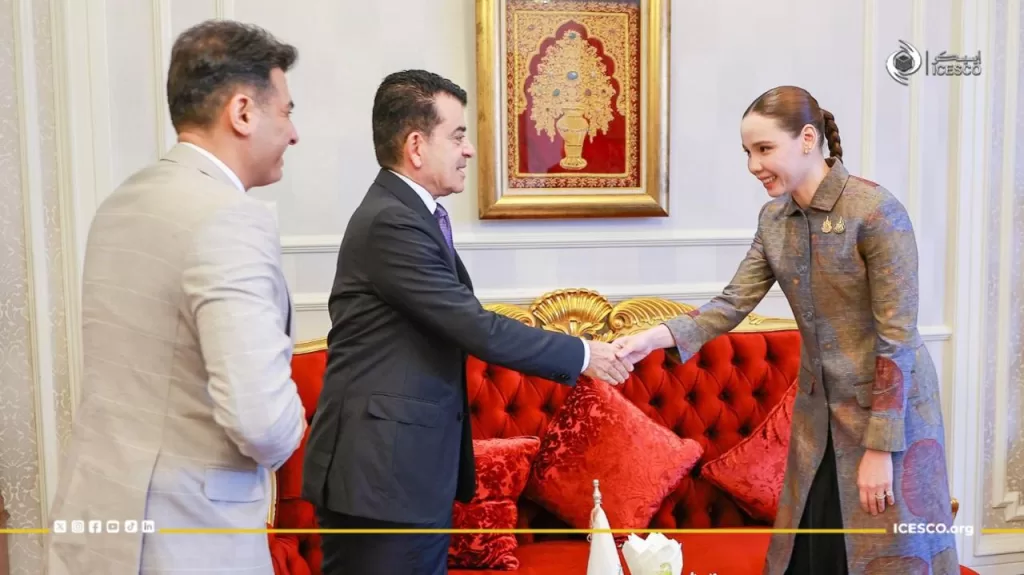
    Dr. Salim M. AlMalik, Director-General of the Islamic World Educational, Scientific and Cultural Organization (ICESCO), met with H.E. Mrs. Sabida Thaiseth, Minister of Culture of the Kingdom of Thailand, on Thursday 9 October Bangkok, Thailand, on the sidelines of the Third International Conference on “Contemporary Arabic Language: Knowledge, Prospects, and Challenges.”

    During the meeting, the ICESCO Director-General reviewed the Organization’s flagship programs and initiatives in the cultural field, particularly pertaining to cultural indicators, creative industries, and cultural economies. These are fields in which ICESCO has achieved remarkable success and contributed to strengthening culture’s role as a cornerstone of sustainable development.

    Dr. AlMalik expressed ICESCO’s readiness to provide technical and professional support for training Thai specialists in the areas of documenting, preserving, and restoring cultural heritage. He also proposed the inclusion of Islamic heritage sites in Thailand in ICESCO’s Heritage List in the Islamic World.

    For her part, the Minister of Culture commended ICESCO’s role in promoting culture and fostering civilizational dialogue, affirming her country’s interest in developing cultural cooperation with the Organization and its commitment to participating in ICESCO’s international conferences and forums.

    She also expressed the Ministry’s desire to review the cultural indicators adopted by ICESCO and to benefit from its programs for training youth and national cadres in the protection and inscription of heritage.

    At the close of the meeting, Dr. AlMalik extended an official invitation to the Minister to visit ICESCO’s headquarters in Rabat, reaffirming the shared commitment to expand the horizons of cultural cooperation between the two sides.

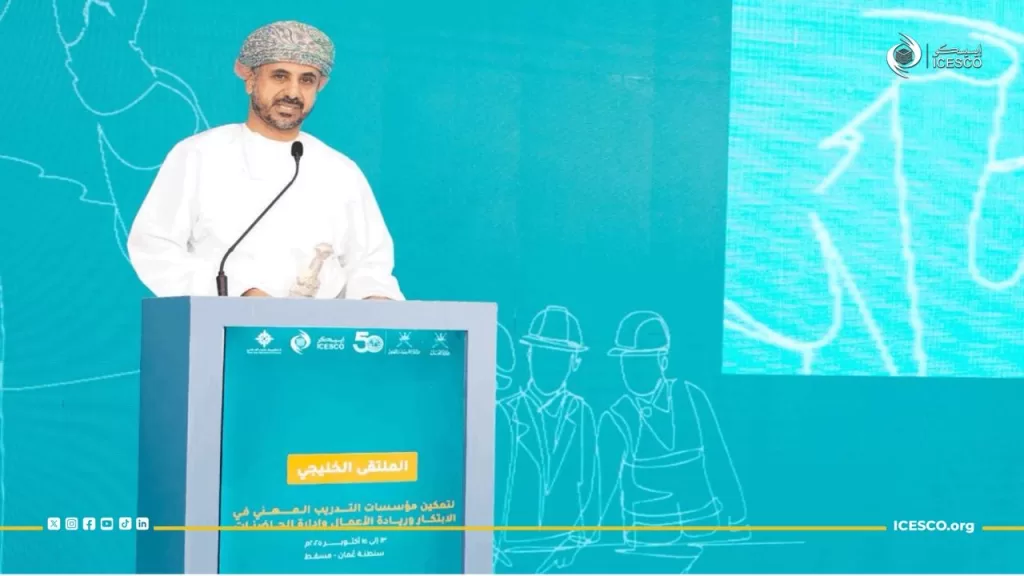
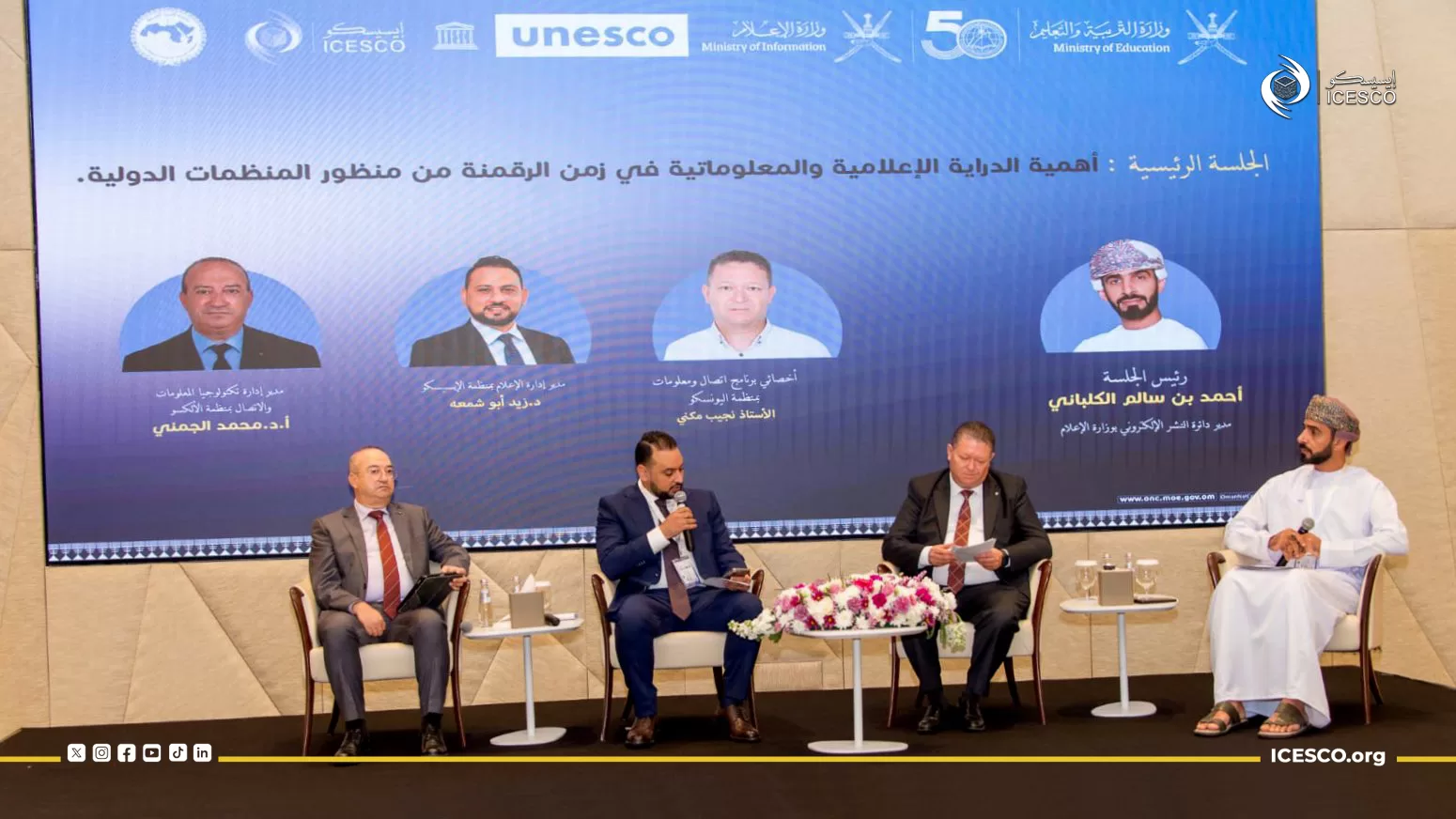
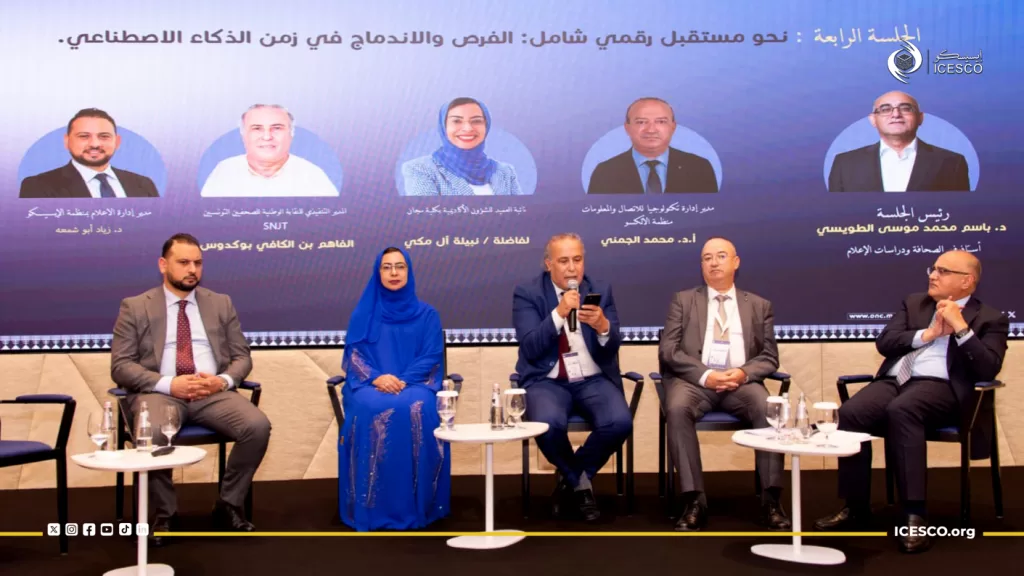
    In Partnership with ICESCO: Regional Forum on Media and Information Literacy Concludes in Muscat

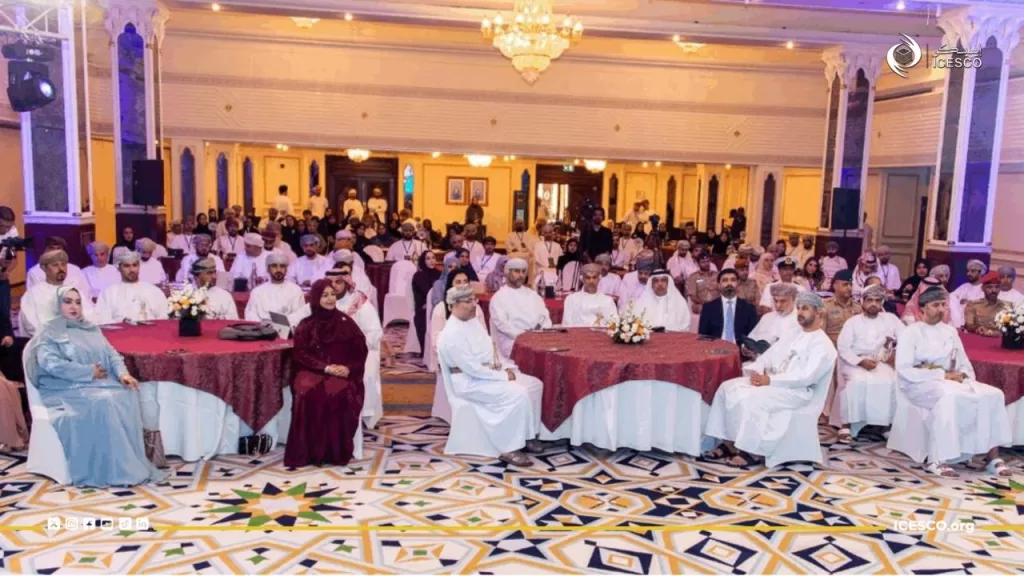
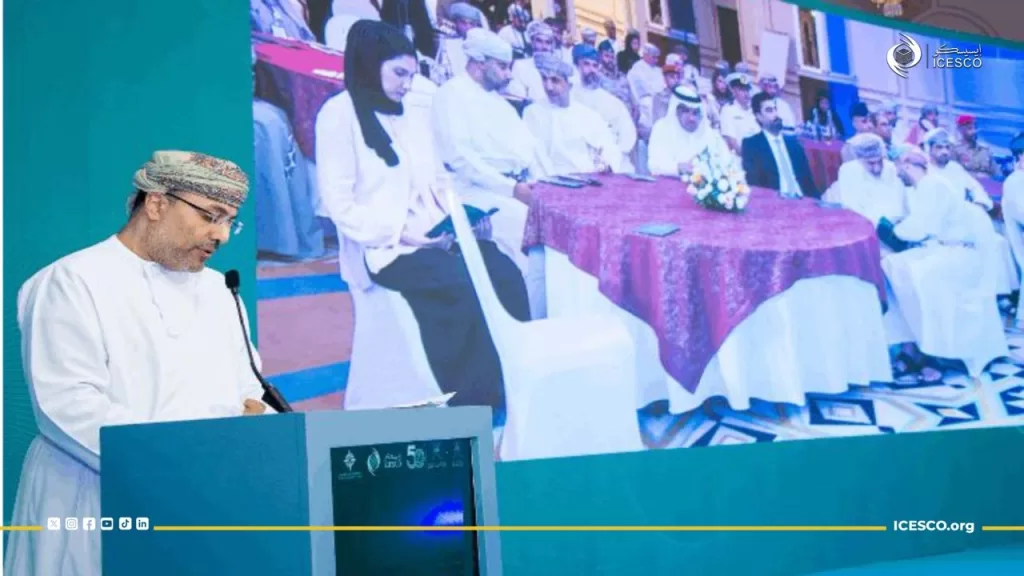
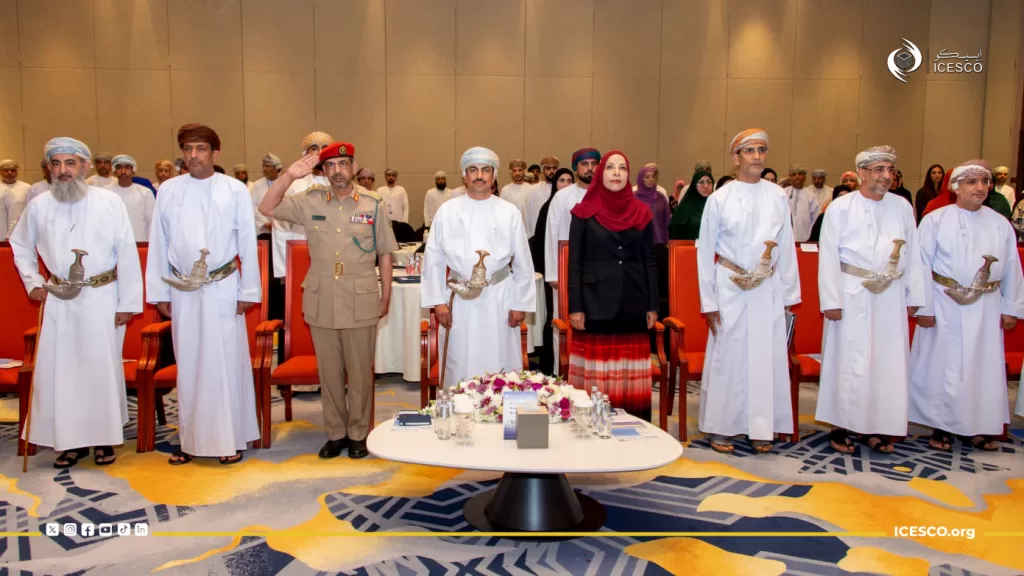
    The Regional Forum on Media and Information Literacy wrapped up in Muscat, Oman, following three days of discussions held from October 6 to 8, 2025, under the theme: Empowering Minds in the Age of Artificial Intelligence. The event was organized by the Omani Ministry of Education, represented by the Omani National Commission for Education, Culture and Science, and the UNESCO Regional Office in Doha, in cooperation with the Omani Ministry of Information, and in partnership with the Islamic World Educational, Scientific and Cultural Organization (ICESCO) and the Arab League Educational, Cultural and Scientific Organization (ALECSO).

    The Forum aimed to raise awareness of the concept of Media and Information Literacy (MIL), highlight the role of international organizations in empowering users to understand their digital rights, and promote responsible and ethical media behavior. It also addressed current digital challenges and underscored the importance of national and regional policies in supporting media awareness.

    The opening ceremony was attended by Dr. Abdullah bin Nasser Al-Harrasi, Omani Minister of Information; Dr. Madiha bint Ahmed Al Shaibaniyah, Minister of Education and Chairperson of the Omani National Commission for Education, Culture and Science; and Mr. Abdullah bin Hamad Al Harthi, Chairperson of the Media Committee at the Shura Council.

    During the event, Dr. Zaid Abu Shama’a, Supervisor of the Media Department at ICESCO’s Media and Communication Sector, outlined ICESCO’s strategy for promoting media education. He explained that the Organization’s approach is participatory, respects the specific contexts of Member States, and focuses on providing practical solutions tailored to their needs and cultural and social settings.

    Dr. Abu Shama’a emphasized that ICESCO’s Media and Communication Sector views media education as a strategic gateway to empowering individuals and communities to address emerging challenges such as misinformation, hate speech, and the digital divide. He also stressed the Organization’s efforts in this field and its upcoming initiatives, most notably the preparation of a specialized guide on media education that is attuned to the particularities of the Islamic world.
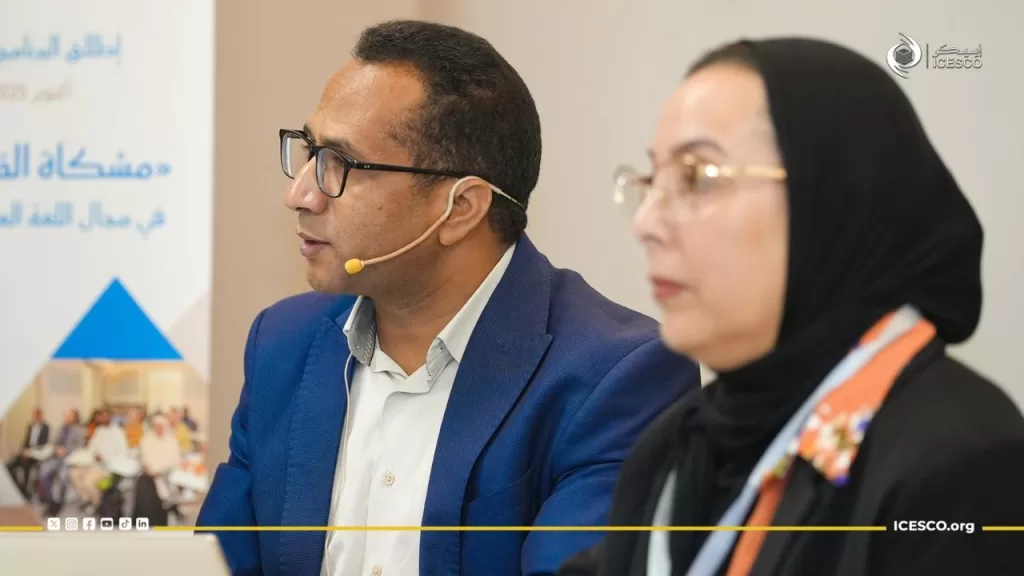
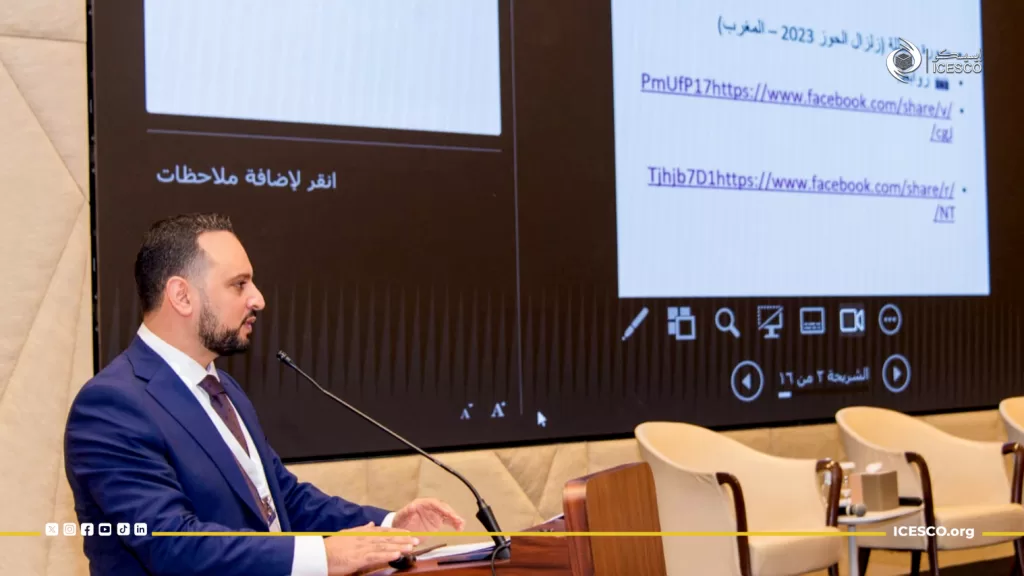
    As part of the Forum’s activities, ICESCO’s representative conducted a workshop titled: Discover the Truth Yourself, which aimed to equip participants with skills to verify news and images using simple digital tools. He also delivered an address during the Forum’s closing session on the ethics of using AI in research, academia, and journalism.

    The Forum targeted teachers, supervisors, curriculum designers, academics, and students in media-related fields, as well as journalists and editors from various media outlets, and communication and media professionals from public, private, and civil society institutions.

    ICESCO Director-General Visits Krirk University in Thailand and Explores Prospects for Academic Cooperation

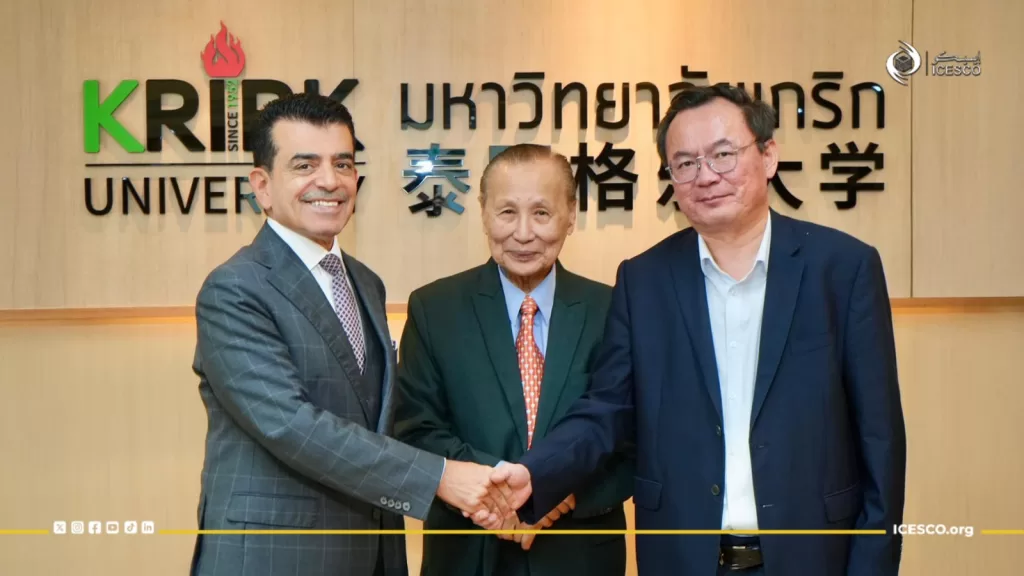
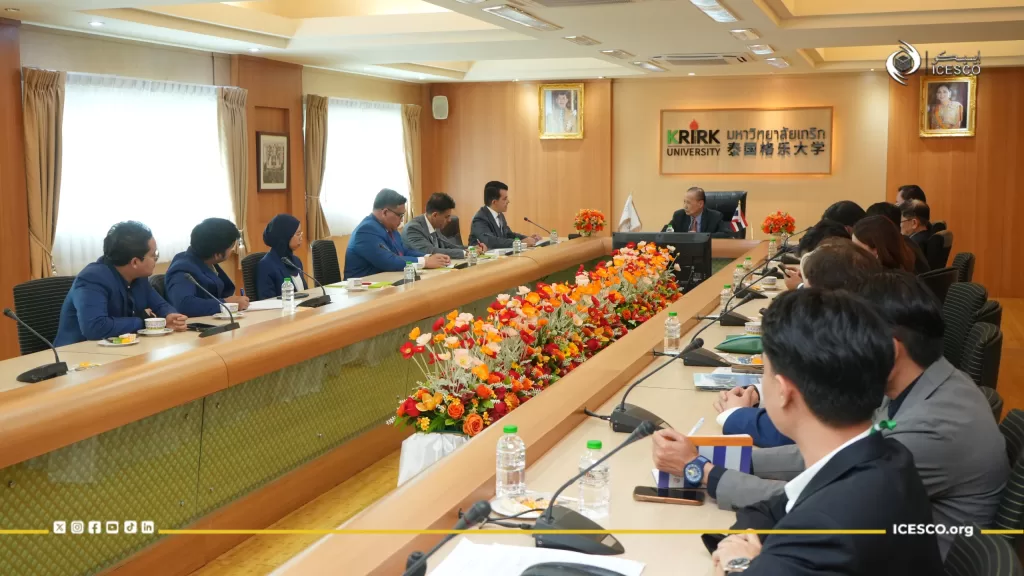
    Dr. Salim M. AlMalik, Director-General of the Islamic World Educational, Scientific and Cultural Organization (ICESCO), visited the campus of Krirk University in Bangkok, Thailand, on Wednesday 8 October 2025, as part of his official visit to the Kingdom of Thailand. He was received by Dr. Krasae Chanawongse, President of the University, his Deputy, the Deans of the Colleges, and several faculty members.

    During the meeting, the University’s administration presented a comprehensive overview of its history and academic achievements. Krirk University is the oldest private university established in Thailand, attracting students from various Asian countries and beyond. It also places significant emphasis on Islamic studies and is currently working on establishing a specialized faculty for Islamic and Arabic studies.

    For his part, Dr. AlMalik commended the University’s efforts in promoting education and advancing Islamic and Arabic studies. He also stressed the importance of conducting specialized research on the civilizational dimensions linking Thailand and the Islamic world and proposed the organization of an international conference dedicated to these civilizational aspects.

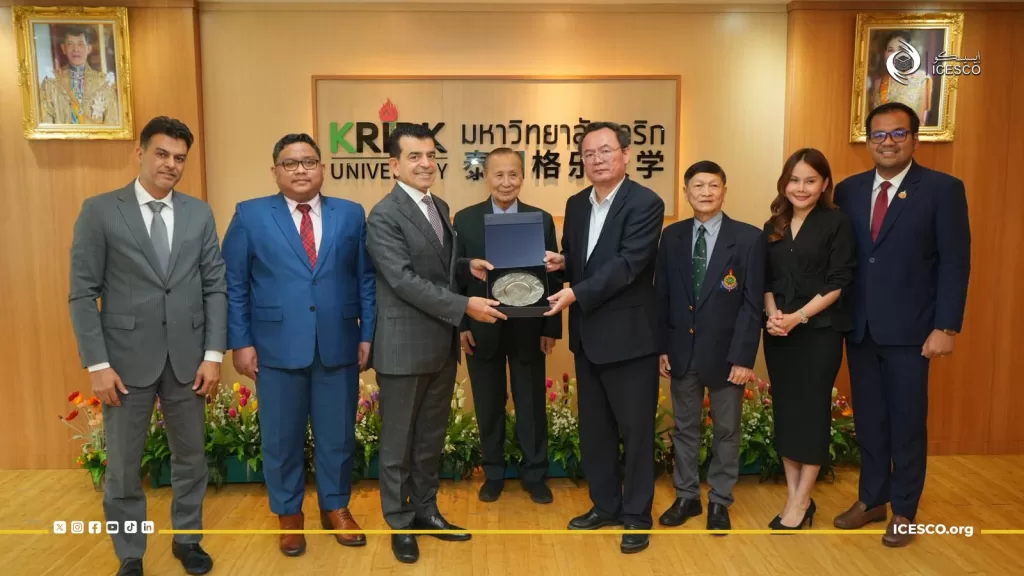
    ICESCO Director-General presented the University President with the official membership letter confirming Krirk University’s accession to the Federation of the Universities of the Islamic World (FUIW), which operates under the Organization and includes more than 560 member universities. This was part of strengthening academic cooperation between the Organization and the University.

    At the conclusion of the visit, the two parties exchanged gifts, and Dr. AlMalik expressed his gratitude and appreciation to the University’s administration and faculty members for their warm reception and generous hospitality.

    Attending the meeting from ICESCO’s side was Dr. Hani Al Balawi, Expert at the Center for Civilizational Dialogue.
    It is noteworthy that Dr. AlMalik will participate tomorrow as a keynote speaker in the Third International Conference of the International Islamic College of Bangkok, under the theme: “Contemporary Arabic: Knowledge, Horizons, and Challenges,” organized by the University.

    Speaker of Thai House of Representatives Appointed as ICESCO Goodwill Ambassador

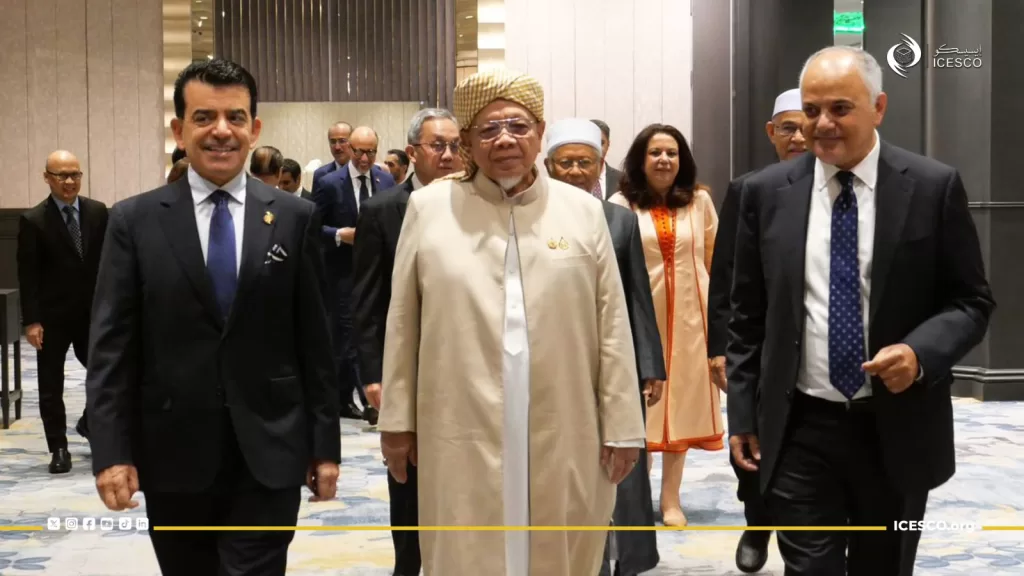
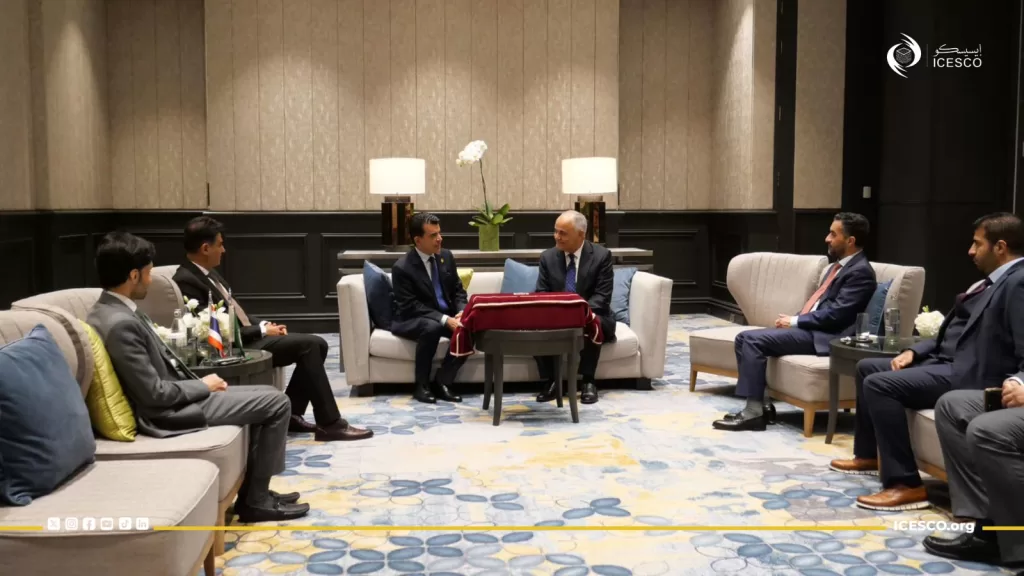
    Dr. Salim M. AlMalik, Director-General of the Islamic World Educational, Scientific and Cultural Organization (ICESCO), met with Dr. Wan Muhamad Noor Matha, President of the National Assembly and Speaker of the House of Representatives of the Kingdom of Thailand, on Wednesday, 8 October 2025, in Bangkok, during the Director-General’s official visit to Thailand, which is an Observer State in the Organization.

    At the outset of the meeting, Dr. Matha welcomed Dr. AlMalik, emphasizing Thailand’s commitment to strengthening cooperation with ICESCO in various fields, particularly those related to promoting the values of coexistence, rejecting hatred, and respecting religions and cultures.

    He praised the importance of ICESCO’s presence in Thailand’s cultural and intellectual scene through seminars, lectures, and meetings, as well as its cooperation with academic institutions and Thai universities. He further expressed his welcome to hosting ICESCO meetings in Bangkok in the future.

    For his part, Dr. AlMalik reviewed ICESCO’s main programs and initiatives, and highlighted Thailand’s position as a leading model in promoting tolerance, coexistence, and mutual respect, thanks to its rich history and contemporary experience. He also affirmed ICESCO’s keenness to engage Thailand in many of its future projects and initiatives, particularly those related to civilizational dialogue and cross-cultural understanding.

    At the close of the meeting, Dr. AlMalik conveyed ICESCO’s intention to appoint Dr. Matha as one of the Organization’s Goodwill Ambassadors, in recognition of his distinguished career and outstanding efforts in promoting the values of coexistence and peace. Dr. Matha expressed his deep appreciation for this honor, voicing his pride in this recognition and his readiness to further support the close relations between ICESCO and Thailand, and to advancedevelop joint initiatives in this field.

    The ICESCO delegation included Dr. Hani AlBalawi, expert at the Center for Civilizational Dialogue.

    Director General of ICESCO Visits the Headquarters of the Bangladesh National Commission

    Dr. Salim M. AlMalik, Director General of the Islamic World Educational, Scientific and Cultural Organization (ICESCO), visited the headquarters of the Bangladeshi National Commission for UNESCO in Dhaka on Monday 6 October 2025.
    During the visit, Dr. AlMalik reaffirmed ICESCO’s commitment to strengthening its distinguished partnership with Bangladesh, noting that ongoing fruitful cooperation has resulted in joint programs, workshops, and initiatives over the recent months, including the “Green and Clean School Campus” contest and a workshop on “Robotic Surgery.”

    The ICESCO Director General presented the Organization’s approach of engaging with National Commissions in Member States to understand their priorities and design projects that respond to their needs while supporting the achievement of the Sustainable Development Goals (SDGs) in ICESCO’s fields of competence.

    At the conclusion of the visit, Dr. AlMalik invited members of the Bangladeshi National Commission to undertake a week-long working visit to ICESCO’s headquarters in Rabat. The visit would provide an opportunity to observe the operational mechanisms of ICESCO’s sectors and specialized centers, learn about recent updates to its administrative structure, and review its key programs and initiatives serving Member States.

    ICESCO DG Announces Establishment of Research chair for Women’s Empowerment and Equality at Dhaka University in Bangladesh

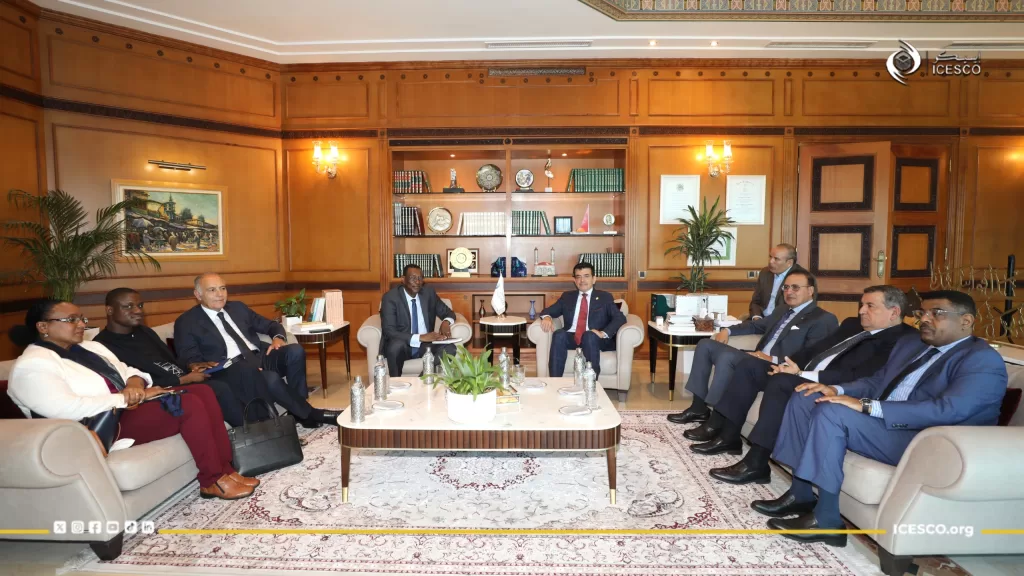
    Dr. Salim AlMalik, Director-General of the Islamic World Educational, Scientific and Cultural Organization (ICESCO), met with Ms. Sharmeen Soneya Murshid, Social Welfare and Women and Children Affairs Adviser in the Interim Government of the People’s Republic of Bangladesh. The two parties discussed ways to enhance cooperation between ICESCO and Bangladesh in promoting gender equality, building women’s capacities, and protecting children’s rights.

    During the meeting, held in Dhaka on Sunday, 5 October 2025, Dr. AlMalik announced the establishment of an ICESCO Chair for Women’s Empowerment and Gender Equality at Dhaka University. The aim of the chair is to conduct studies and research, develop initiatives to promote equal opportunities for both sexes in the Islamic world, and train women in leadership skills.
    ICESCO Director General also reviewed the Organization’s key initiatives, programs and projects in the fields of mental health, enhancing the entrepreneurial skills of youth and women, and reintegrating girls who have dropped out of school into education.

    For her part, Ms. Murshid emphasized the importance of cooperation between ICESCO and Bangladesh in promoting the rights of women and children, ensuring mental health and digital safety within society, developing pioneering programs to protect children and combat gender-based violence, and promoting women’s participation in achieving sustainable development.

    Both parties agreed to strengthen their cooperation in areas such as building the capacity of women and young people, promoting social inclusion, and developing gender-sensitive educational systems.

    Agreement to strengthen cooperation between ICESCO and Bangladesh in the fields of education, innovation support and digital transformation

    Dr. Salim AlMalik, Director-General of the Islamic World Educational, Scientific and Cultural Organization (ICESCO), met with Dr. Chowdhury Rafiqul Abrar, Education Advisor to the Interim Government of Bangladesh, to discuss ways of enhancing cooperation in the areas of educational development, innovation support and capacity building.

    During the meeting, held on Sunday 5 October 2025 in Dhaka, Dr. Al-Malik praised Bangladesh’s significant progress in literacy, quality education provision and digital transformation support, stressing that ICESCO considers Dhaka a regional model for educational innovation and youth development in the Islamic world.
    For his part, Dr. Abrar expressed his deep appreciation for ICESCO’s continued support, emphasizing that his country wishes to benefit from ICESCO’s expertise to modernize its education system and develop the future skills of its young people.
    The meeting featured discussions on a series of programs and projects proposed for implementation by both parties, focusing on integrating artificial intelligence and digital literacy into school curricula, training teachers in emerging technologies, and strengthening partnerships between universities, research institutions and industry. A joint working group will be formed in the near future to explore ways of implementing these programs and initiatives.

    Dr. Abrar hosted a dinner in honor of Dr. Malik, attended by several senior officials, members of the diplomatic corps and representatives of international organizations in Bangladesh.

    ICESCO Organizes Panel Discussion at MONDIACULT 2025 to Ensure Fair and Inclusive Access to Culture

    As part of the official program of the World Conference on Cultural Policies and Sustainable Development MONDIACULT 2025, the Islamic World Educational, Scientific and Cultural Organization (ICESCO) held a special session titled: “Cultural Rights in the Digital Age: Inclusive Access, Fair Participation, and Rights-Based Governance.” The session highlighted the place of culture within the sustainable development agenda, cultural rights in the digital era, and the opportunities and challenges brought about by technological transformations.

    The event, organized by ICESCO on Tuesday, 30 September 2025, in partnership with UNESCO, the International Labour Organization (ILO), the Office of the High Commissioner for Human Rights (OHCHR), and UN Women, aimed at strengthening international cooperation to guarantee fair and inclusive access to culture and to achieve fair participation in shaping rights-based governance policies.

    The session addressed three main issues: emphasizing the centrality of cultural rights in the digital age; the cultural dimensions of digital divides related to language, accessibility, and representation; as well as presenting ICESCO’s digital initiatives, foremost among them the ICESCO Creative Platform and the ICESCO Index of Cultural and Creative Technologies.
    In this context, Dr. Mohamed Zinelabidine, Head of the Culture Sector, and Ms. Somia Djacta, Head of ICESCO’s Delegation to UNESCO, renewed the call for the adoption of a specific goal on culture within the Sustainable Development Goals (Goal 18). They stressed the importance of recognizing culture as a strategic driver of social cohesion, innovation, and sustainable development. They also underscored the need to safeguard the rights of artists, promote the creativity of youth and women, and ensure fair and inclusive governance in the digital space.

    Participants in the event unanimously emphasized the importance of bridging digital and cultural divides, protecting the rights of creators, and guaranteeing fair and inclusive access to cultural technologies. The inputs also highlighted ICESCO’s innovative contributions in this field. Joint recommendations were presented, which will be incorporated into the final documents of MONDIACULT 2025 and into future pathways of cooperation among international organizations.

    ICESCO Participates in International Conference on AI Ethics in Doha

    The Islamic World Educational, Scientific and Cultural Organization (ICESCO) took part in the international conference “AI Ethics: The Convergence of Technology and Diverse Moral Traditions,” organized by Hamad Bin Khalifa University (HBKU) on 28–29 September 2025 at the Qatar National Convention Centre in Doha. The event was attended by Her Highness Sheikha Moza bint Nasser, Chairperson of Qatar Foundation for Education, Science and Community Development, and aimed to discuss cross-border ethical foundations for AI governance.

    ICESCO was represented by Dr. Kaïs Hammami, Head of the Center for Foresight and Artificial Intelligence, who participated in a session titled “Transnational AI Principles and Guidelines: Harmonizing Ethics Across Borders,” alongside international academics and researchers. He emphasized the importance of building inclusive ethical frameworks that embrace cultural diversity and harmonize reference points across nations.

    In his intervention, Dr. Hammami highlighted the significance of the “Riyadh Charter on Artificial Intelligence in the Islamic World,” developed by ICESCO in partnership with the Saudi Data and Artificial Intelligence Authority (SDAIA), describing it as a common reference for Member States to ensure responsible, sustainable, and equitable AI governance. He underlined that the Charter places human dignity, justice, equity, and solidarity at its core, while also contributing to the global dialogue on AI ethics.

    The conference addressed the impact of AI on six key sectors: healthcare, urban planning, security, education, finance, and the future of work. ICESCO reaffirmed its firm commitment to building global ethical frameworks and strengthening balanced governance that integrates innovation with respect for cultural diversity.

    ICESCO Reaffirms Its Commitment to Cultural Rights at “Mondiacult 2025” in Barcelona

    The Islamic World Educational, Scientific and Cultural Organization (ICESCO) took part in the World Conference on Cultural Policies and Sustainable Development “Mondiacult 2025,” which kicked off on Monday, 29 September 2025, in Barcelona. the Organization reaffirmed its commitment to cultural rights, calling for their recognition as a standalone goal within the Sustainable Development Goals (SDGs). ICESCO also reviewed its major international cultural initiatives and achievements over the past five years.

    Dr. Mohamed Zinelabidine, Head of the Culture Sector, representing ICESCO at the Conference, highlighted the Organization’s vision and key cultural accomplishments, including initiatives aimed at expanding access to culture as a driver of development and a source of knowledge capital.

    Dr. Zinelabidine also took part in a special session on cultural rights, which focused on three core themes: strengthening public policies and legislative frameworks; developing strategies to protect freedom of creative expression and elevate the role of artists in a rapidly changing environment; and achieving progress in cultural property restitution, thereby enabling communities to reconnect with their heritage and fostering dialogue among nations.

    During the session, Dr. Zinelabidine shared ICESCO’s position on these matters, stressing that the Organization views cultural rights as a cornerstone of human development, peace, and intercultural dialogue. He also highlighted ICESCO’s initiatives to promote the diversity of cultural expressions, both in-person and in the digital space, and its support for artists and communities in safeguarding and transmitting heritage.

    ICESCO’s participation in this conference aims to work hand-in-hand with Member States and international partners to develop innovative policies and practical tools that ensure the respect, protection, and advancement of cultural rights globally.

    By messaging ICESCO, you agree to our Terms & AI policy
    Alem AI assistant