Disclaimer: You are using Google Translate. The ICESCO is not responsible for the accuracy of the information in the translated language .

your opinion

User Feedback

Overall, how satisfied are you about the website?

    Extremely Dissatisfied Extremely Satisfied

    ICESCO and Brazil Explore Ways to Promote Cooperation in Education, Science and Culture

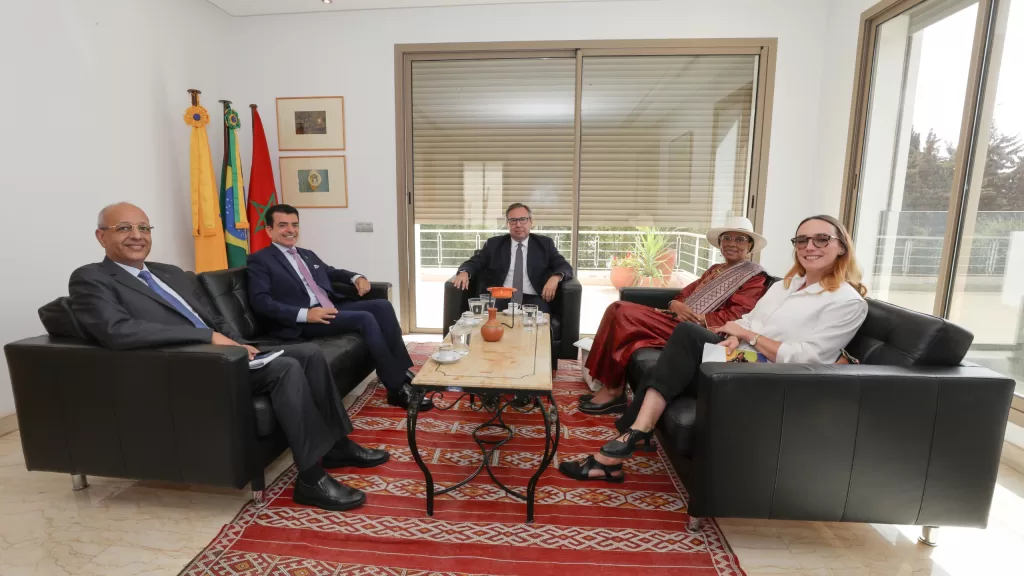
    Dr. Salim M. AlMalik, Director-General of the Islamic World Educational, Scientific and Cultural Organization (ICESCO), met with Mr. Alexandre Guido Lopes Parola, Ambassador of the Federative Republic of Brazil to the Kingdom of Morocco, to discuss ways to enhance cooperation between the two sides in the fields of education, science and culture, in light of Brazil’s recent accession to ICESCO as an observer state.

    During the meeting, held on Wednesday 4 September 2024, at the Brazilian Embassy in Rabat, Dr. AlMalik expressed his satisfaction with the recent positive developments in the relationship between ICESCO and Brazil, particularly Brazil’s accession to the Organization as an observer state, noting that this would elevate the relationship between the Islamic world and Brazil to new heights within areas of ICESCO’s expertise. He also commended the insightful vision of H.E Luiz Inácio Lula da Silva, President of Brazil, and his openness to cooperation initiatives and international partnerships.

    Dr. AlMalik affirmed the Organization’s commitment to enhancing cooperation with Brazil through the implementation of several joint programs and projects in education for the benefit of the African region, as well as in the cultural and heritage sectors, to leverage Brazil’s outstanding experience and expertise in these areas.

    For his part, Amb. Parola commended ICESCO’s role in developing the fields of education, science and culture in its Member States, reaffirming Brazil’s keenness to strengthen cooperation with the Organization.

    The meeting also discussed prospects for cooperation in the areas of youth and sports, given their role in fostering closeness between cultures and peoples, as well as in the fields of food security, smart agriculture, and renewable energy. The preparations for the anticipated visit of the Director-General of ICESCO to Brazil were also reviewed.

    The meeting was attended by Dr. Ahmed Said Bah, Advisor to ICESCO’s General Directorate; Dr. Koumbou Boly Barry, Advisor to the Director-General; and Ms. Manuela Nicoletti, Expert at the Culture and Communication Sector.

    ICESCO Director-General Receives Ambassador of Sudan to Rabat

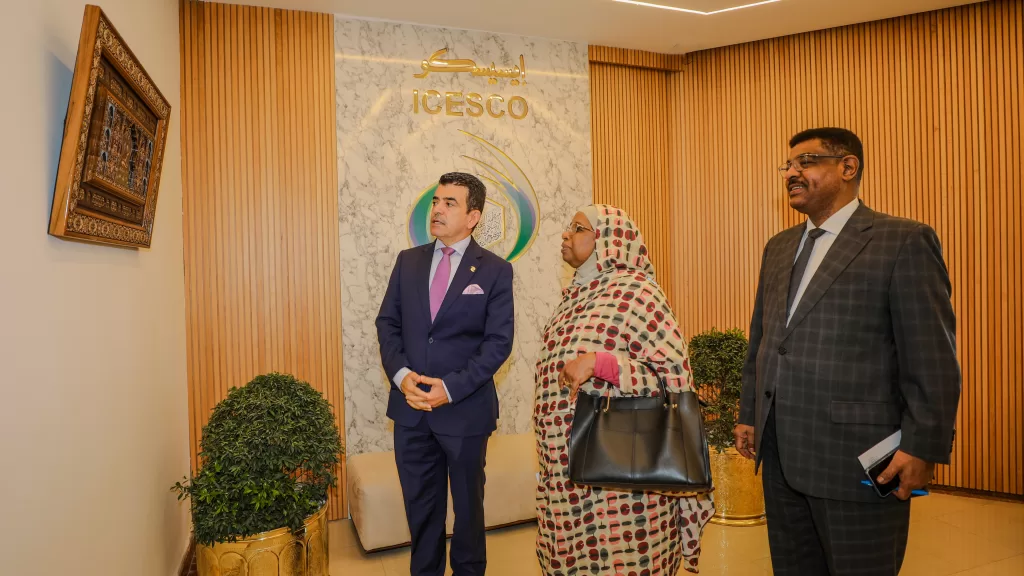
    Dr. Salim M. AlMalik, Director-General of the Islamic World Educational, Scientific and Cultural Organization (ICESCO), received Amb. Mawadda Omar Haj Al-Toam, Ambassador of the Republic of the Sudan to the Kingdom of Morocco, and together they explored ways to promote cooperation between ICESCO and the Sudan in the fields of culture and education, particularly in the states affected by the floods that have recently struck the country.

    At the beginning of the meeting, held on Wednesday, September 4, 2024, at ICESCO headquarters, the Director-General conveyed the Organization’s full solidarity with the Sudanese people in facing the devastating impact of the floods, beseeching Allah Almighty to rest the victims’ souls, and for the prompt recovery of the injured and the safe return of the missing.

    Moreover, the Director-General expressed the Organization’s readiness to provide all forms of support to the competent Sudanese parties and contribute to the restoration and rebuilding of a number of educational institutions hit by the floods, noting that the Organization is looking forward to take stock of the country’s needs and priorities in this regard.

    For her part, the Sudanese Ambassador commended the key roles ICESCO assumes in support of its Member States, reaffirming her country’s keenness to sustain its cooperation relations with the Organization.

    The meeting touched on cooperation projects proposed by the two parties, focusing on the restoration of landmarks and support for the Education Sector in the Sudan. The two parties agreed on the importance of abiding by a set timeline for these programs’ implementation to ensure optimal benefit for the groups affected.

    Amb. Khalid Fathalrahman, Head of ICESCO’s Center for Civilizational Dialogue attended the meeting.

    ICESCO launches its poetry contest “Cities of Poems” to celebrate the capitals of culture in the Islamic world

    The Islamic World Educational, Scientific and Cultural Organization (ICESCO) announces the launch of its annual poetry award “Cities of Poems” as part of its Capitals of Culture in the Islamic World programme, which celebrates this year three cities: Marrakesh in the Kingdom of Morocco, Benghazi in the State of Libya, and Shusha in the Republic of Azerbaijan.

    The contest aims to revive and boost the relationship between poetry and the location, an ancient relationship that has inspired many poets to compose a collection of immortal poems in the field of Arabic and human poetry. It also aims to document poetically and aesthetically the history and geography of cities, and to honor the symbols and civilizations which mark the capitals of culture in the Islamic world through poetry, and to enrich the poetic corpus in the Islamic world and contribute to the literary and poetic movement.

    The poems participating in the contest will be evaluated by a specialized committee from ICESCO and prominent poets, to select three winners from each city celebrated as the Capital of Culture in the Islamic World. The first-place winner will receive US$2000, the second-place winner will receive US$1500, and the third-place winner will receive US$1000, in addition to being awarded certificates of appreciation. ICESCO will publish a collection of the winning and distinguished poems participating in the contest.

    Nomination for the award requires fulfilling the following conditions:
    • The poem must be in classical Arabic or Azerbaijani language.
    • The Arabic poem must adhere to the poetic meter, free or rhymed, and the poem written in the Azerbaijani language must adhere to the meter, enunciative or prosodic.
    • The poem must be inspired by the values, aesthetics, history, geography, genius of the location and biography of the city that makes the subject of the poem.
    • The poem must not exceed thirty verses/lines of poetry.

    ICESCO invites all poets of all ages to participate in the contest through sending their proposals through the following link: https://icesco.org/9k90 , no later than 31 December 2024.

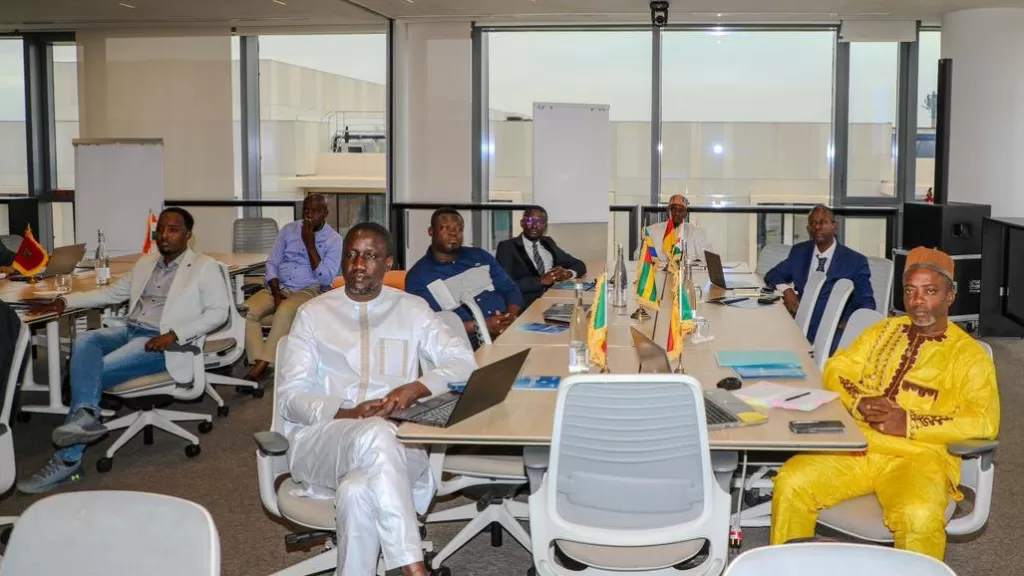
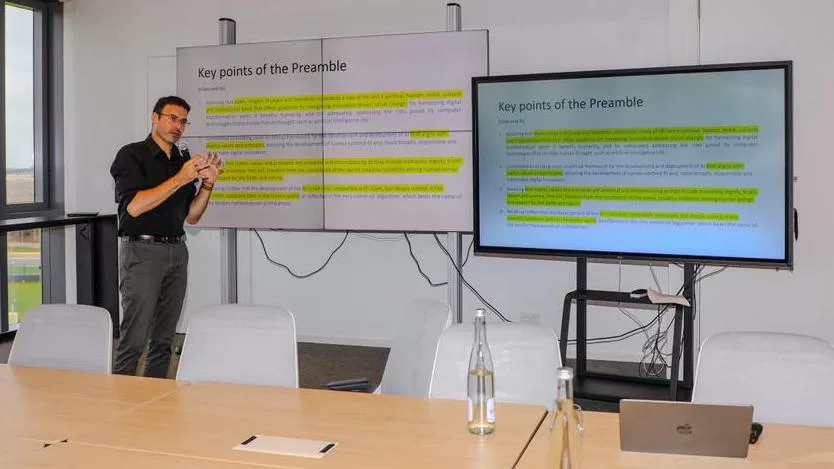
    ICESCO Concludes Workshop on the Islamic World AI Charter for Africa and Latin America in Rabat

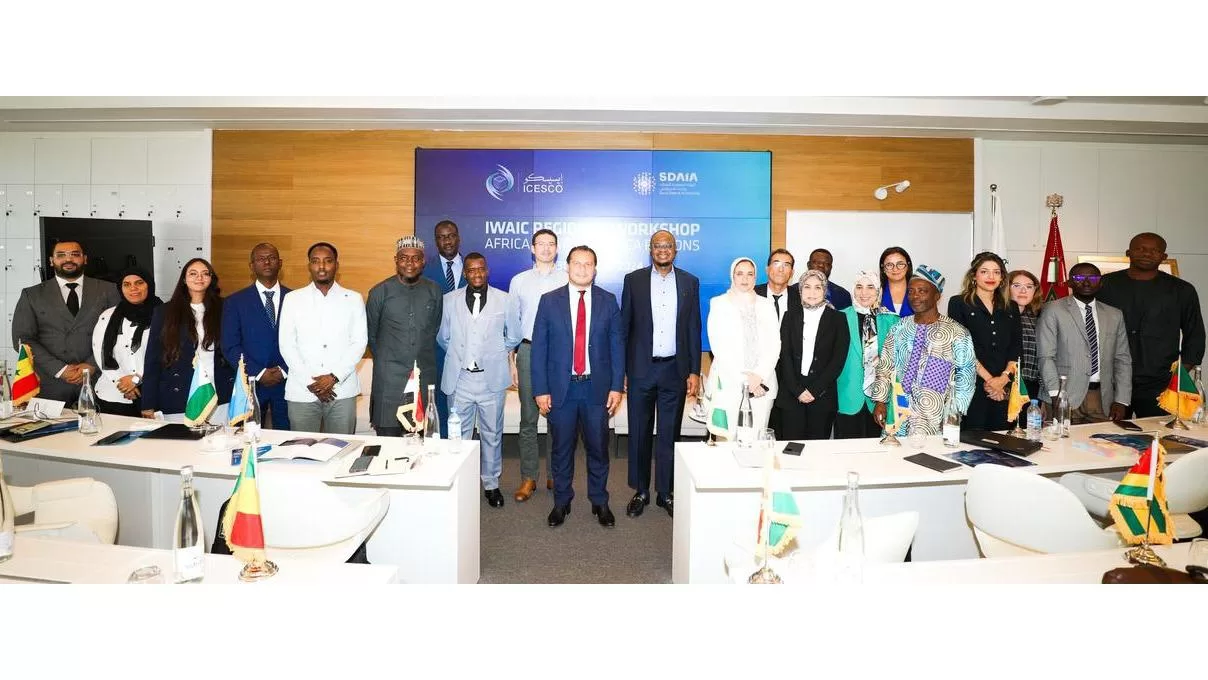
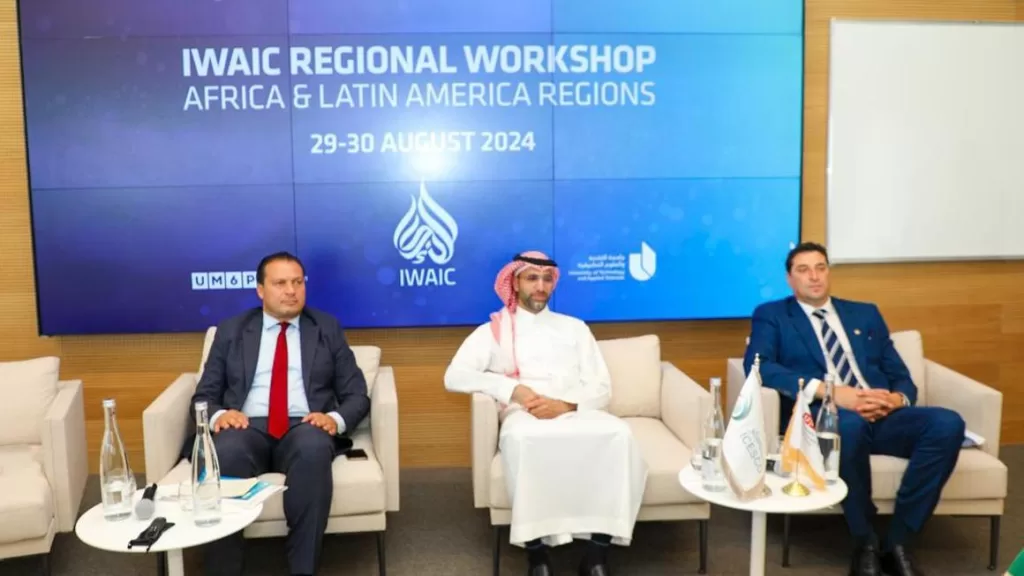
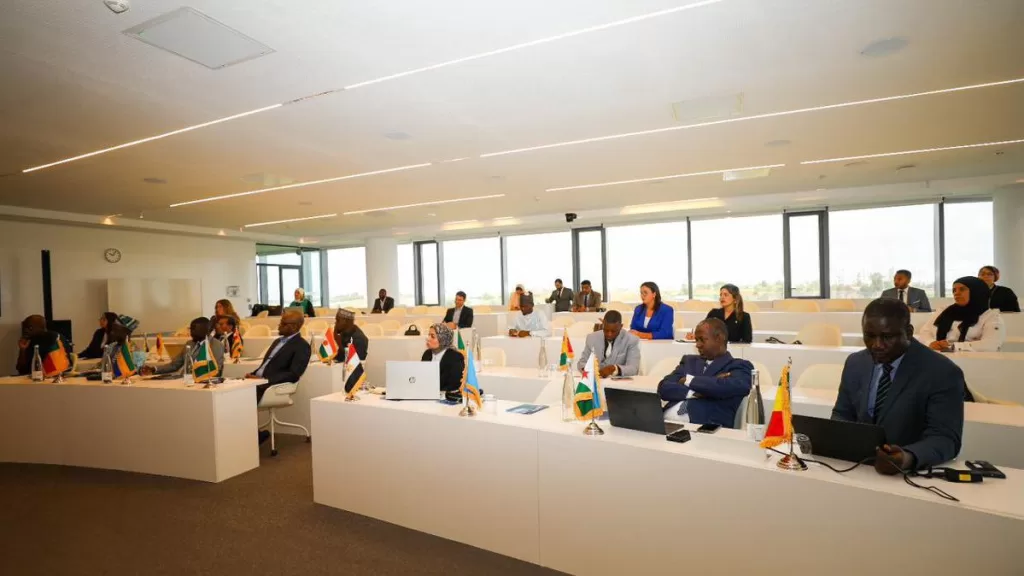
    On Friday, August 30, 2024, ICESCO concluded its regional workshop on the Islamic World AI Charter for Africa and Latin America, held at the headquarters of Mohammed VI Polytechnic University in Morocco. This two-day event was part of the preparations for the Islamic World AI Charter, the Organization is currently developing. It was attended by a distinguished officials, experts, and representatives from ICESCO’s Member States.


    During the opening session, Dr. Kais Hammami, Head of ICESCO’s Foresight and Artificial Intelligence Centre, highlighted the significant impacts of AI on the future of humanity. He emphasized the importance of the Islamic World AI Charter as a cornerstone for ICESCO’s commitment to a forward-looking and ethical approach in this evolving field.

    Mr. Mohamed Hedi Shili, Head of the Legal Affairs and International Standards Department at ICESCO, presented the indicators used to measure countries’ readiness for AI in the Arab region, Asia, and Latin America, including “governance and ethics.” He explained that differences in readiness among countries drive ICESCO to focus more on exchanging expertise and pioneering experiences among its Member States.

    Dr. Abdulrahman Habib, Deputy Chief Strategy Officer at the Saudi Data and AI Authority (SDAIA), discussed the leading role of the Authority in managing initiatives related to data and AI. He pointed out AI’s transformative potential in advancing education, culture, and science. On his part, Mr. Anouar Sabri, Head of the Interim Thematic Working Group on AI in the Moroccan House of Representatives, presented Morocco’s experience in AI governance. Both speakers underscored the Charter’s crucial role in shaping a future where AI is a positive force in the Islamic world.

    The Workshop’s sessions produced practical recommendations aimed at establishing a guiding framework for strategic governance and the ethical dimensions of AI deployment in Islamic countries. The discussions addressed the unique challenges and opportunities presented by AI across various fields, including brainstorming sessions to develop the ethical principles and governance mechanisms necessary for refining the Charter.

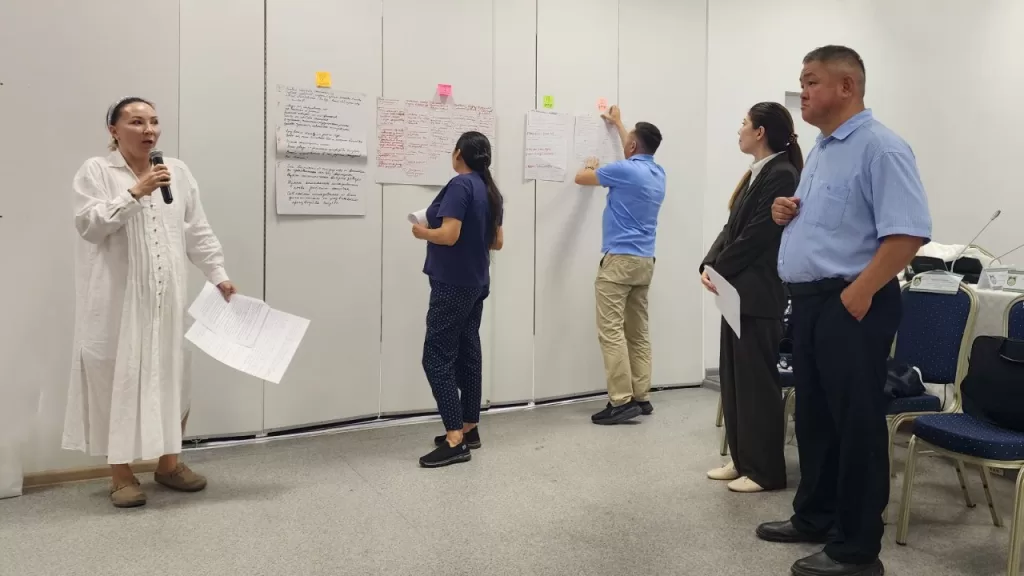
    ICESCO Holds Workshop on Biotechnology Use in Agriculture in Kazakhstan

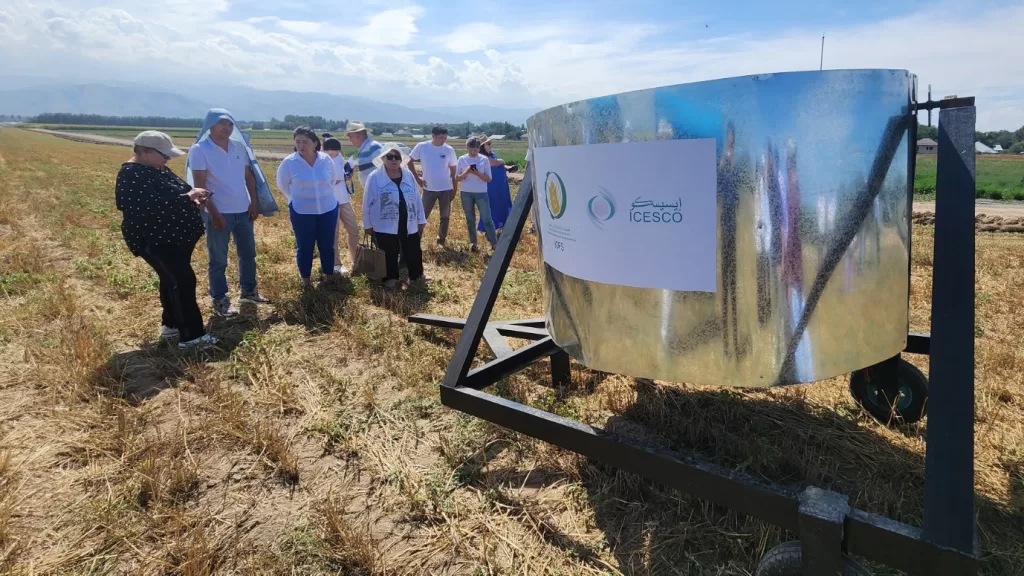
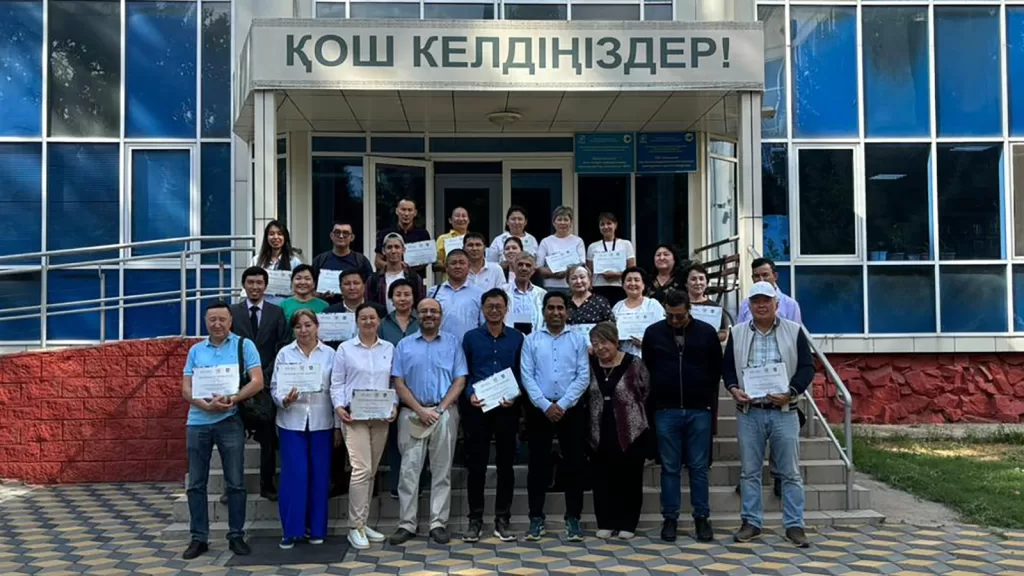
    The Science and Environment Sector at the Islamic World Educational, Scientific and Cultural Organization (ICESCO), in partnership with the Islamic Organization for Food Security and the Kazakh National Agrarian Research University, held a training workshop on “The Use of Biotechnology for Sustainable Farming: Harnessing the Potential of Biochar.”

    ICESCO was represented at the workshop, held over two days on 28-29 August 2024, by Dr. Fahman Fathurrahman, expert at ICESCO’s Science and Environment Sector, who reaffirmed the Organization’s commitment to supporting and assisting its Member States in investing in sustainable agricultural practices.

    The workshop aimed to equip participants with practical knowledge on the use of biochar technology in agriculture. The first day featured presentations on biochar benefits to soil health and agricultural productivity, along with sharing experiences from Central Asian countries on the use of biochar and the opportunities and challenges in promoting sustainable agriculture in the region.

    On the second day, the participants visited the Kazakh Research Institute of Agriculture and Plant Growing, where they observed the practical stages of biochar production and the machinery used in the process.

    Former Minister of Basic and Secondary Education of the Gambia Appointed as Head of ICESCO Education Sector

    The Islamic World Educational, Scientific and Cultural Organization (ICESCO) announces the appointment of Dr. Haddy Jatou Sey, former Minister of Basic and Secondary Education of the Republic of the Gambia, as new Head of its Education Sector.

    Dr. Haddy Jatou Sey was selected for this prestigious position given her outstanding experience and distinguished career in the fields of education, community development, and international cooperation. She served as an international consultant for the African Development Bank and held several prominent positions at the World Bank since joining in 1996, including Senior Specialist in Social Development and later as an international consultant at the esteemed institution until 2022. Additionally, she has worked as a consultant specializing in gender and education at the American Institute for Research in Virginia over the period 1997-2001, and at Creative Associates International over the period 1999-2003. Dr. Haddy Jatou Sey has also authored numerous research publications on topics related to girls’ education, gender, and participatory education.

    In her capacity as Head of the Education Sector, a key pillar within ICESCO, the newly appointed official will lead the efforts to advance the Organization’s mission to develop and enhance educational systems across the Member States. Her work will also center on fostering the provision of high-quality, equitable, and inclusive education and ensuring lifelong learning opportunities for all.

    Additionally, she will focus on the development of curricula and teaching methods that harness the latest advancements in technology and AI, while also ensuring quality and good governance within educational systems throughout the Islamic world.

    On this occasion, ICESCO’s General Directorate extends its congratulations to the new Head of the Education Sector, wishing her success in her mission to contribute to achieving the Organization’s noble objectives.

    ICESCO and AWHF Explore Cooperation Prospects

    Dr. Salim M. AlMalik, Director-General of the Islamic World Educational, Scientific and Cultural Organization (ICESCO), received Dr. Albino Jopela, Executive Director of the African World Heritage Fund (AWHF), and together they discussed prospects for cooperation between the two institutions in the fields of preservation and promotion of heritage and archaeological sites in Africa.

    During the meeting, held this Monday, August 26, 2024, at ICESCO headquarters in Rabat, Dr. AlMalik highlighted the main axes of ICESCO’s vision and strategic orientations, which give particular priority to the preservation, protection and promotion of heritage in the Member States. Dr. AlMalik also stressed that ICESCO has implemented a set of programs, initiatives and projects in the fields of heritage preservation and promotion in the Islamic world, mentioning ICESCO’s recent achievements which include the publication of a study entitled, “Legislative Mechanisms to Combat Illicit Trafficking of Cultural Property in Arab States”. This study, he explained, will be followed by other research focusing on ICESCO Member States in the Asian and African regions.

    Likewise, the Director-General stated that ICESCO inscribed 634 historical sites and cultural elements in 45 countries on its heritage lists in the Islamic world, sharing the Organization’s goal to inscribe a total of 1,000 sites and elements by 2025. He further explained that the Organization is committed to supporting its Member States in this area by training heritage professionals in preparing heritage nomination files, and launching initiatives to capitalize on AI technologies in the processes of preserving and promoting archaeological and heritage sites.

    For his part, Dr. Jopela commended ICESCO’s pioneering efforts in the fields of heritage preservation and promotion, expressing his keenness to draw on the Organization’s expertise to address the needs of African countries in the field of heritage, and support them in submitting nomination files for the inscription of their archaeological sites and cultural elements on heritage lists.

    During the meeting, the two parties discussed the possibility of signing a MoU between ICESCO and AWHF to kick start the cooperation relations and implement future programs in the fields of heritage preservation and promotion.

    The meeting was attended by Dr. Mohamed Zinelabidine, Head of ICESCO’s Culture and Communication Sector, Dr. Webber Ndoro, Director of the Center for Heritage in the Islamic World, and Dr. Mahamat Abba Ousman, Expert at the Culture and Communication Sector.

    ICESCO and Palestine Examine Prospects for Cooperation in Heritage Preservation and Promotion

    Dr. Salim M. AlMalik, Director-General of the Islamic World Educational, Scientific and Cultural Organization (ICESCO), received Mr. Imad Hamdan, Palestinian Minister of Culture, and together they discussed ways to strengthen cooperation relations in the fields of culture, heritage preservation and promotion of heritage, and training workshop organization for the benefit of heritage professionals.

    At the beginning of the meeting, held on Monday, August 26, 2024 at ICESCO headquarters in Rabat, in the presence of Mr. Jamal Shobaki, Ambassador of the State of Palestine to the Kingdom of Morocco, and his accompanying delegation, Dr. AlMalik reaffirmed ICESCO’s steadfast and long-standing position in support of the State of Palestine in the fields of education, science and culture, stressing that the Organization has spared no effort to alleviate the suffering of the Palestinian people. He added that ICESCO’s endeavors especially focus on youth, women and children, through implementing programs, projects and initiatives, highlighting key relevant projects implemented over the past period.

    Likewise, Dr. AlMalik expressed the Organization’s constant readiness to provide all necessary support to strengthen Palestinian cultural, heritage and educational institutions and other bearers of Palestinian identity, stressing ICESCO’s keenness to address the needs and expectations of the Palestinian relevant authorities in order to implement programs and projects and ensure optimal benefit for Palestinian communities.

    For his part, Mr. Hamdan commended ICESCO’s efforts and role in supporting the education, science and culture sectors in Palestine, expressing his eagerness to strengthen cooperation relations in the coming period, especially in light of the celebration of Al-Khalil as the 2026 Culture Capital in the Islamic World.

    The meeting discussed proposals for programs and projects to be implemented in the coming period, in the fields of preserving and promoting heritage, training professionals, inaugurating the ICESCO Research Chair in one of the Palestinian universities, and the possibility of sending an ICESCO delegation to prepare a detailed report on the extent of the destruction of Palestinian heritage and archaeological sites as a result of the brutal Israeli aggression.

    At the close of the meeting, the Palestinian Minister offered ICESCO Director-General a commemorative shield, in recognition of his efforts to preserve and promote the heritage of the Islamic world.

    The meeting was attended by Dr. Mohamed Zinelabidine, Head of ICESCO’s Culture and Communication Sector, Amb. Khalid Fathalrahman, Head of the Center for Civilizational Dialogue, and Dr. Nidal Abu Zuhri, Head of the Department of Administrative Operations.

    ICESCO Publishes Study on Monkeypox Prepared by Hama University in Syria

    The Islamic World Educational, Scientific and Cultural Organization (ICESCO) has published a study on monkeypox issued by the Department of Public Health and Preventive Medicine at the Faculty of Veterinary Medicine, Hama University, Syria. The study was prepared by Professor Dr. Darem Tabbaa, based on 91 scientific references.

    The study provides an overview of monkeypox, its causative factors, modes of transmission, symptoms, signs of infection, as well as prevention methods and treatment.

    The study highlights that monkeypox is a viral zoonosis caused by a virus primarily infecting animals in the tropical rainforest regions of Central and West Africa. Transmission occurs when a person or animal comes into contact with the virus from an infected animal, human, or contaminated materials, entering the body through skin lesions, the respiratory tract, or mucous membranes.
    Furthermore, the study details the symptoms and signs of monkeypox infection in both animals and humans, noting that there are generally three forms of infection. It begins with mild upper respiratory tract symptoms followed by a skin rash, then lesions in the mucous membranes and choking, and finally, bronchial pneumonia.

    The study underscores that effective primary prevention of monkeypox infection requires ensuring that the country or region where a person resides is free of the disease in both animals and humans. In regions where the disease has appeared, it is essential to monitor imported animals or those accompanying travelers, while also implementing joint national strategies between public health and veterinary health institutions.

    For more details and to download the study, visit the link: https://icesco.org/xqd2

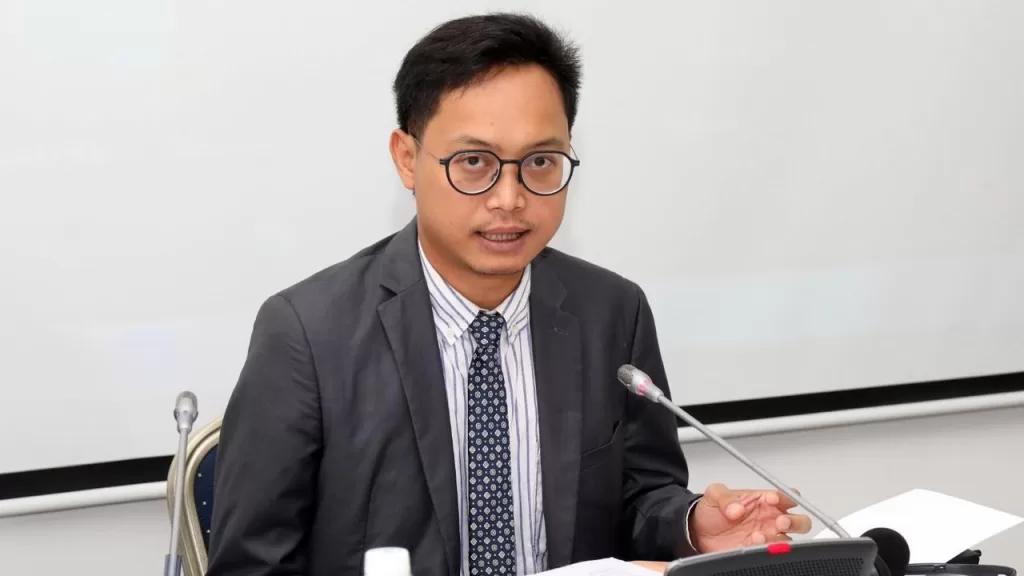
    ICESCO and Pakistan’s NUST Hold International Conference on Research Advancements in Chemistry

    The Science and Environment Sector at the Islamic World Educational, Scientific, and Cultural Organization (ICESCO), in partnership with the Department of Chemistry at the School of Natural Sciences at the National University of Sciences and Technology in the Islamic Republic of Pakistan, organized the International Conference on Research Advancements in Chemistry, under the theme: “Chemistry for a Green Future.”


    The three-day Conference, which kicked off on Wednesday, 21 August, 2024, in Islamabad, saw the participation of more than 600 researchers, doctoral students, and international speakers from various Member States of the Organization. During the opening session, Dr. Muhammad Sharif, Advisor at ICESCO’s Science and Environment Sector, emphasized the Conference’s importance in finding comprehensive and sustainable solutions to current challenges in natural sciences, aligning with ICESCO’s vision and objectives.


    For her part, Mrs. Razia Ramzan Dossa, Secretary General of the Pakistani National Commission for UNESCO and ICESCO, highlighted the Pakistani Government’s support for such conferences that strengthen scientific cooperation among the Member States. The opening session also included remarks from several prominent academic figures.


    On the sidelines of the Conference, Dr. Sharif held a meeting with Mr. Muhammad Yousuf Khan, Chairman of the Pakistan Space & Upper Atmosphere Research Commission, to discuss the development of joint space sciences programs. The ICESCO official held another meeting with Dr. Mukhtar Ahmad, Chairman of the Higher Education Commission in Pakistan, to discuss the organization of the Sixth Vice-Chancellors’ Forum of Universities in the Islamic World in 2025.

    By messaging ICESCO, you agree to our Terms & AI policy
    Alem AI assistant