
The Book Club Le Matin Honors Poet Dr. Salim M. AlMalik at an Exceptional Poetry Evening

13 February 2026
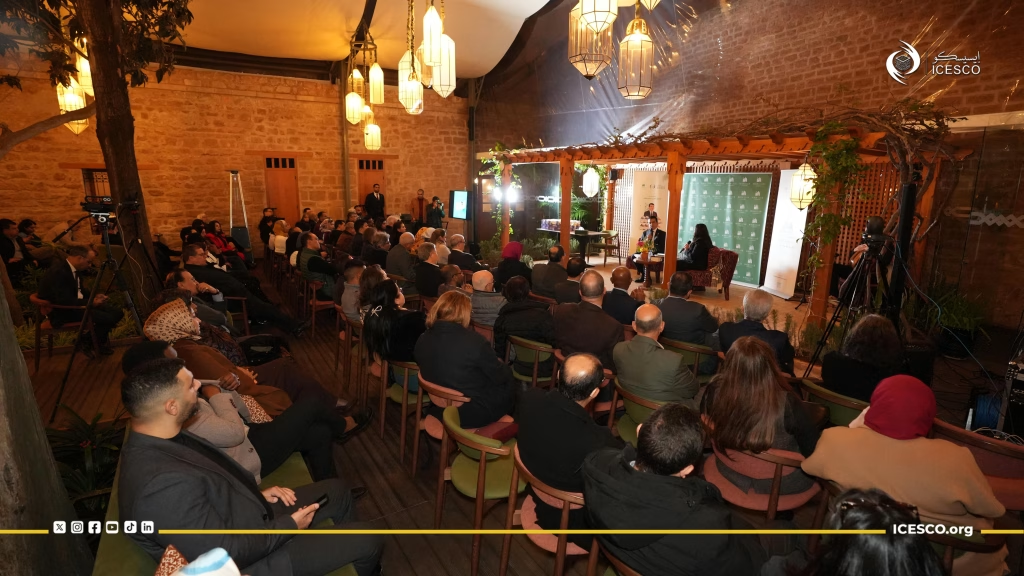
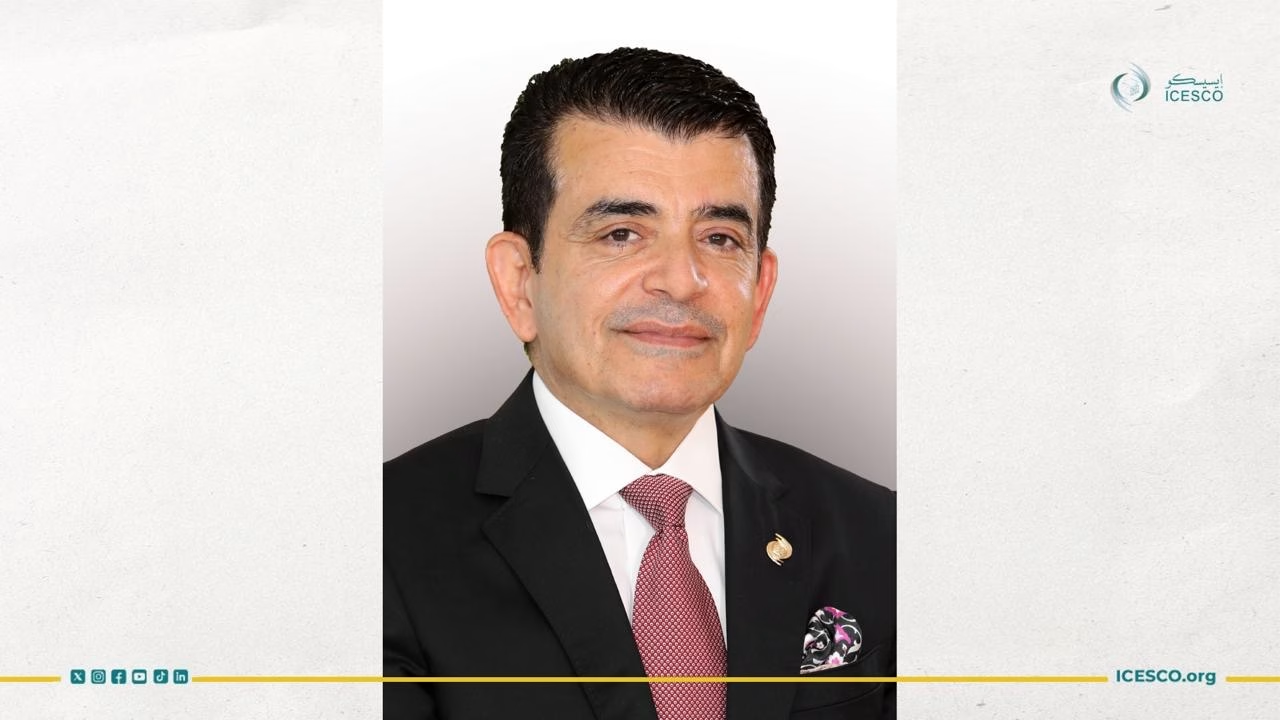
At an event celebrating poetry as humanity’s second language, the historic Chellah site in Rabat hosted a poetry evening organized by the Book Club Le Matin to present and read the poetry collection “Khamīsiyyāt” by Dr. Salim M. AlMalik, Director-General of the Islamic World Educational, Scientific and Cultural Organization (ICESCO). The event took place on Thursday, 12 February 2026, in the presence of several ambassadors accredited to Morocco, along with poets and critics from the Arab world, and cultural figures.
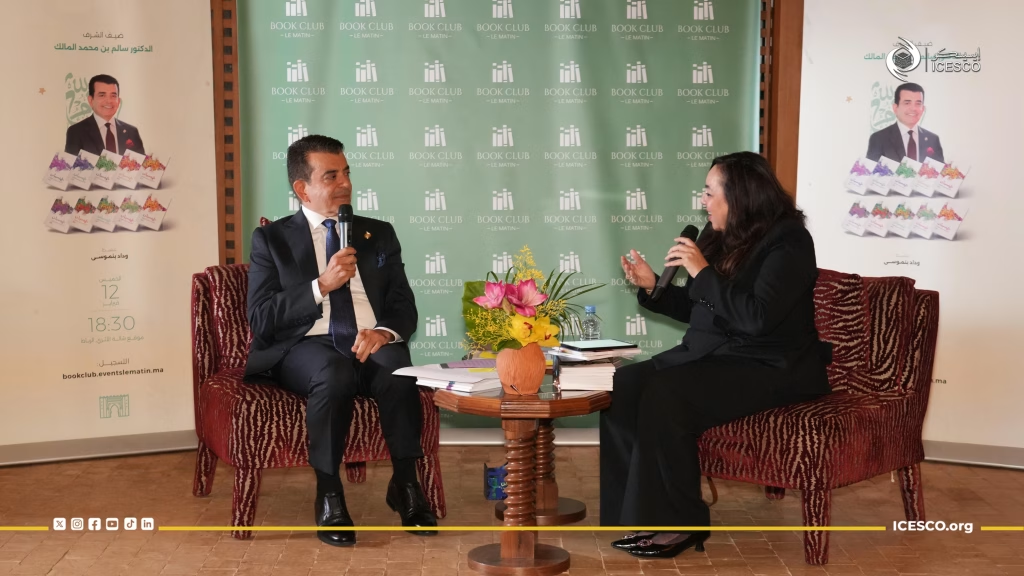
Opening the meeting, held under the theme “Poetry as a Space for Wisdom and Dialogue,” Mohammed Haitami, Director-General of the Moroccan media group Le Matin, delivered remarks highlighting the diverse professional paths of Dr. AlMalik. He noted that hosting such a guest is part of honoring prominent Arab and international figures in the fields of literature and thought.
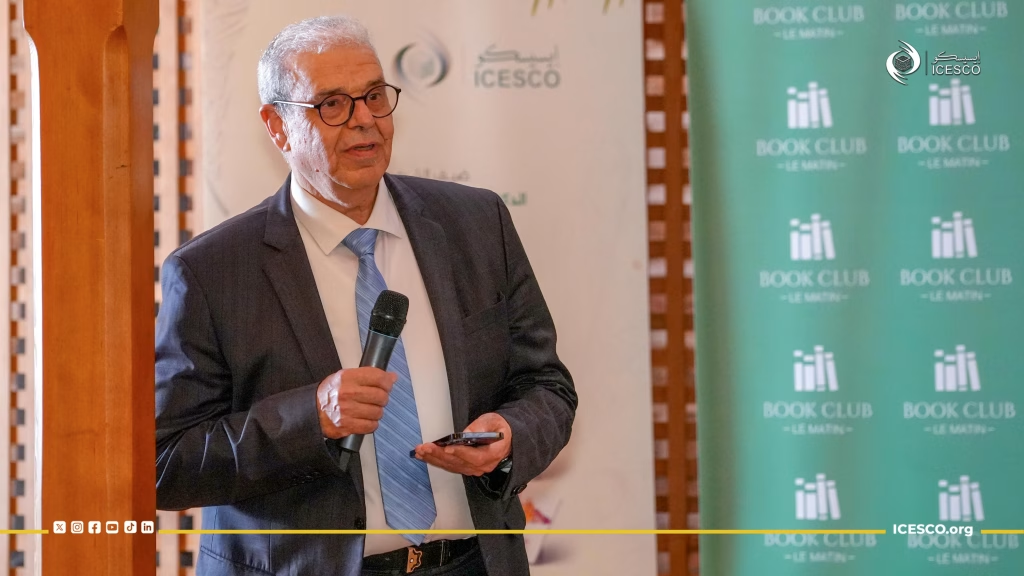
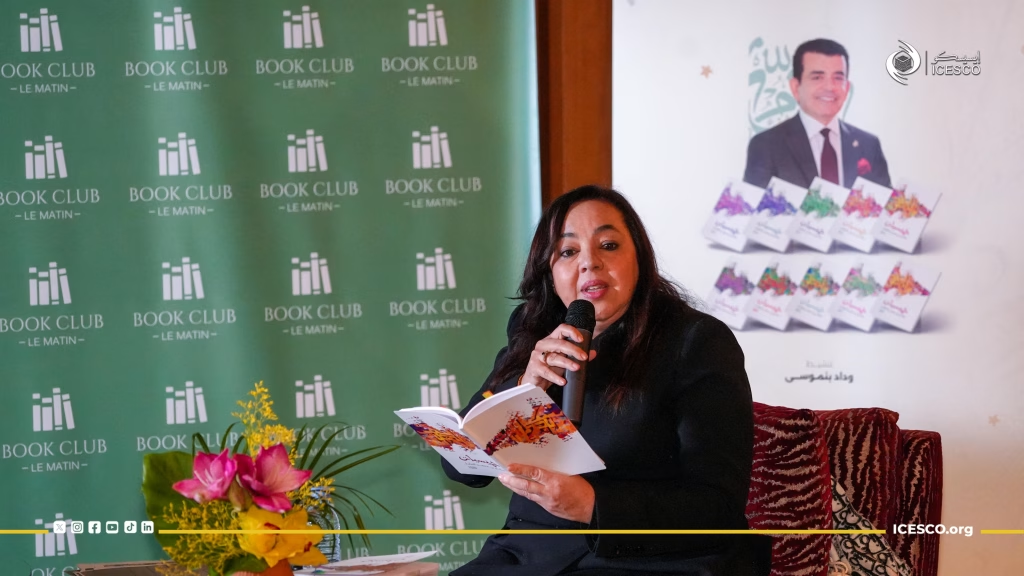
The evening continued with a presentation by Moroccan media professional Widad Benmoussa, who introduced “Khamīsiyyāt” as a work built upon a temporal commitment, transforming writing into a weekly rendezvous with the self and the world. She highlighted the collection’s diverse poems, distinguished by refined language that draws its strength from the rich traditions of Arabic poetry.
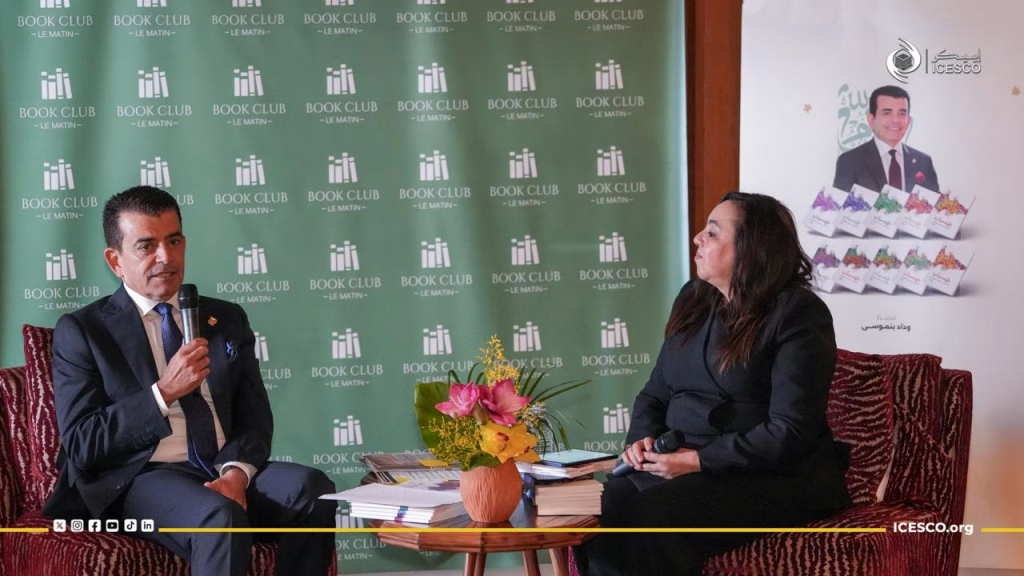
In his remarks, Dr. AlMalik outlined his vision of poetry as a bridge of values, a domain that deepens wisdom, and a means of bringing cultures closer together. He explained that when words are written with awareness and spoken with sincerity, their influence expands and takes root in people’s consciousness.
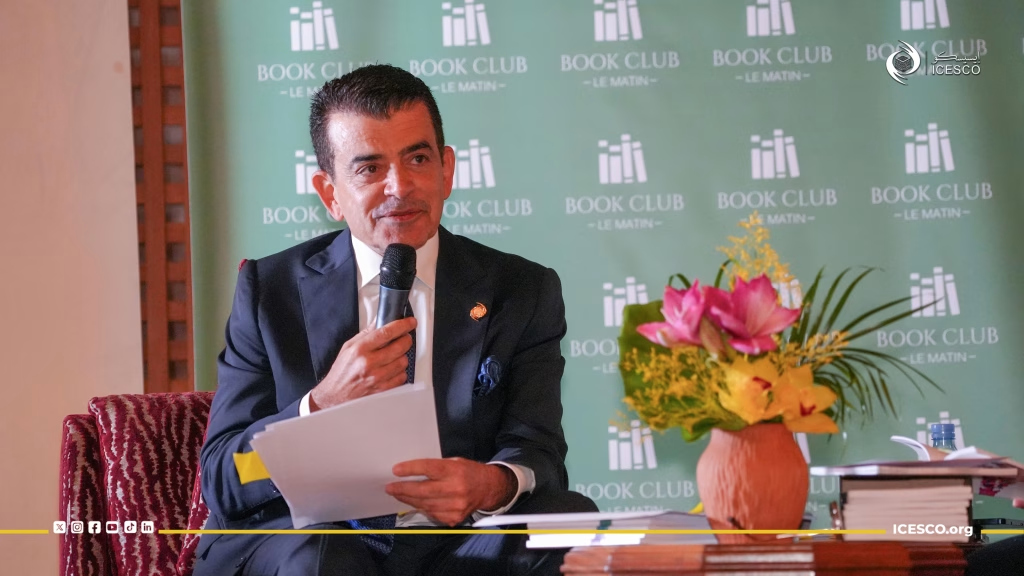
Dr. AlMalik shared details of his experience, saying that he sought to gather his poetry in “a single vessel” combining four elements: wisdom, Arabic calligraphy, fine art, and poetic verse. He recalled his early beginnings with poetry writing in primary school, when he composed his first poems, and how he later returned to writing despite the demands of studying medicine before opening up to publishing his poems in Saudi and Arab newspapers and continuing his writing project with a steady rhythm.
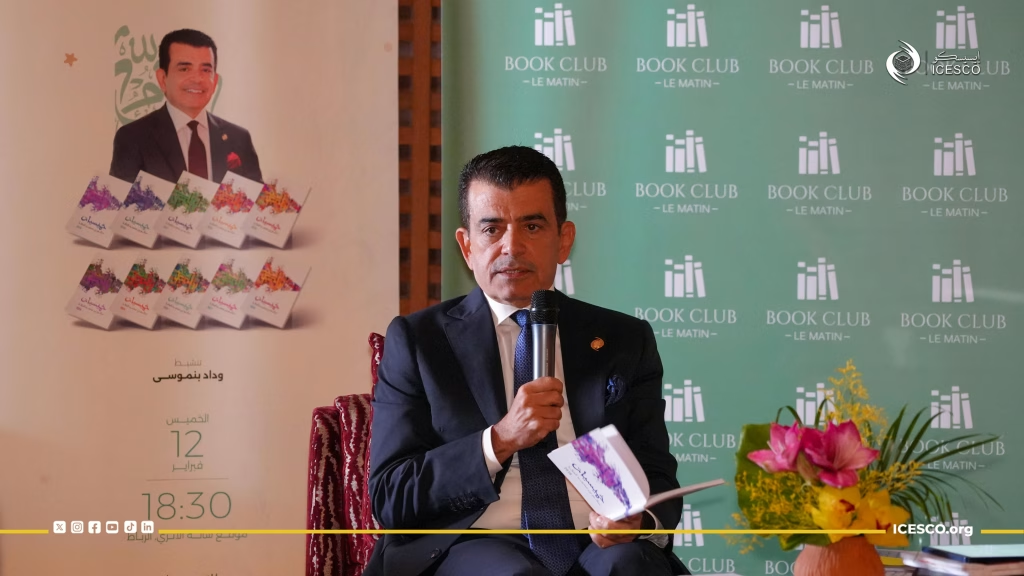
He noted that he maintained the weekly writing of “Khamīsiyyāt” for 11 consecutive years, producing five-line poems marked by a density of meaning, capturing moments of human reflection and questions of identity and values. He also addressed the act of composing poetry in the age of artificial intelligence, underscoring that lived experience is the substance that grants a poem its uniqueness.
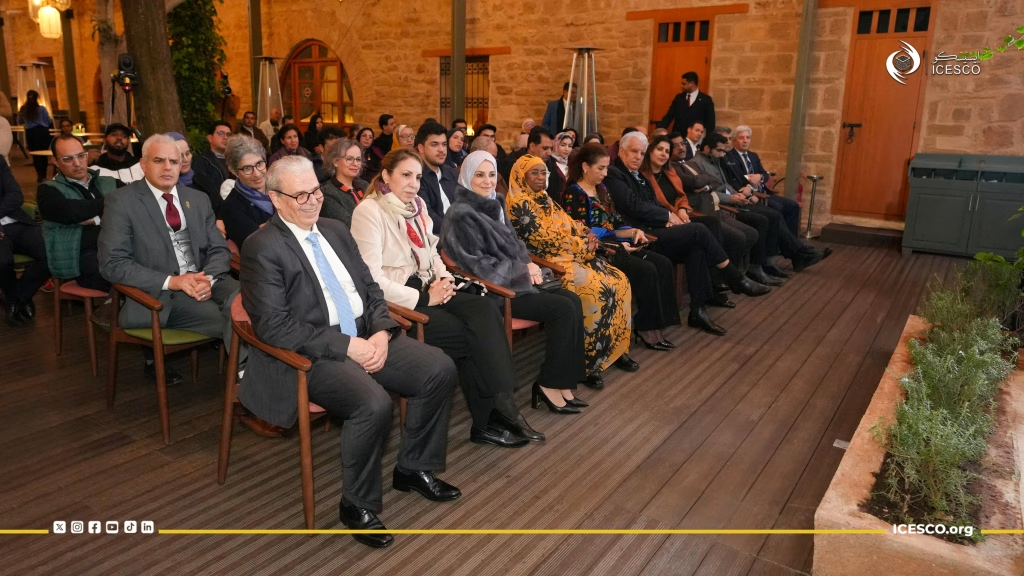
He added that he did not adhere to traditional critical frameworks such as unity of theme, verse, or poem, explaining that the initial spark of his text may stem from an event that attracts attention, a season of guidance and tranquility, or a human behavior oscillating between the admirable and the flawed, prompting either praise or critique. He noted that a single “Khamīsiyyah” may contain multiple ideas, shifting it from the logic of “unity of the poem” to the “unity of feeling.”
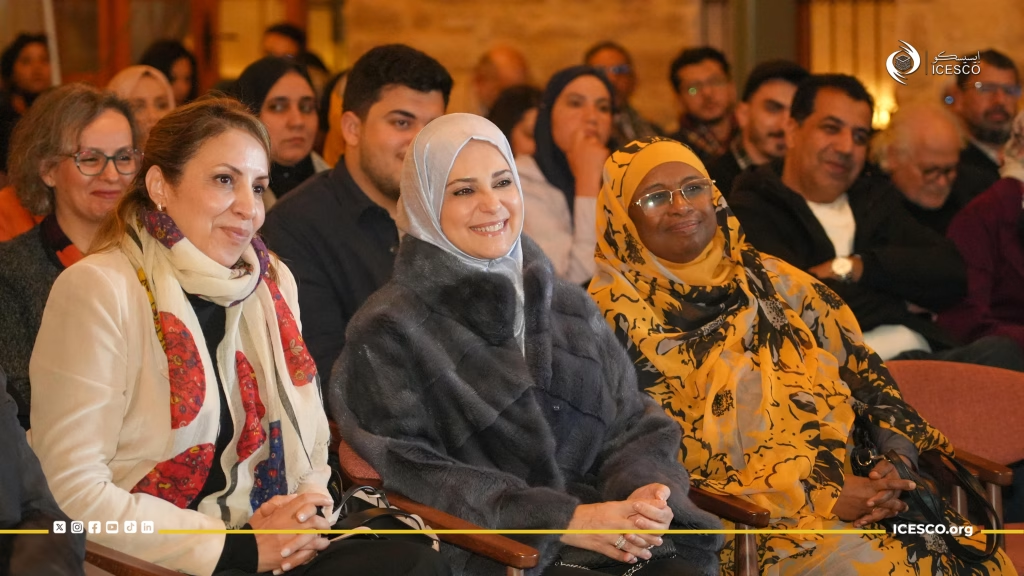
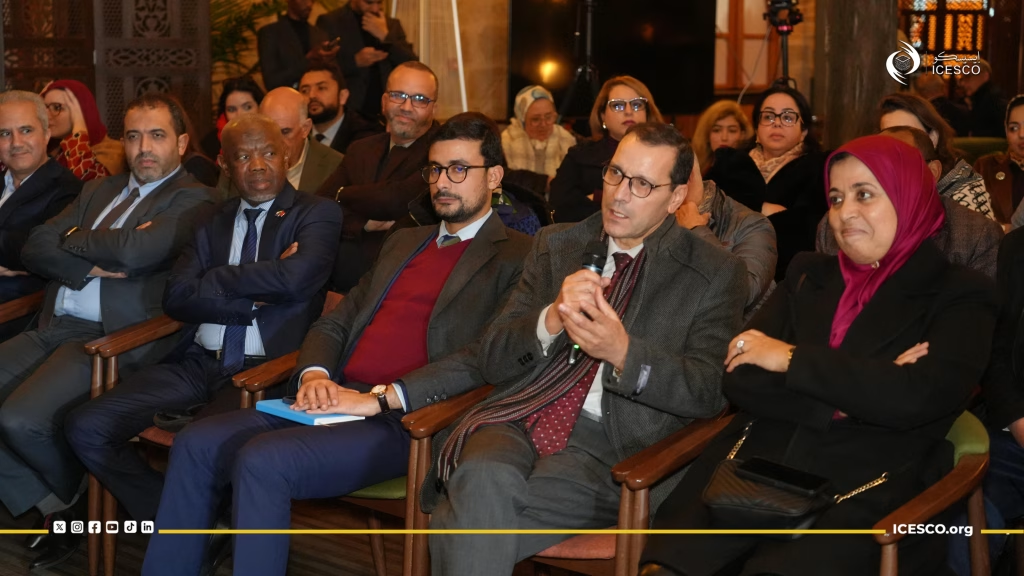
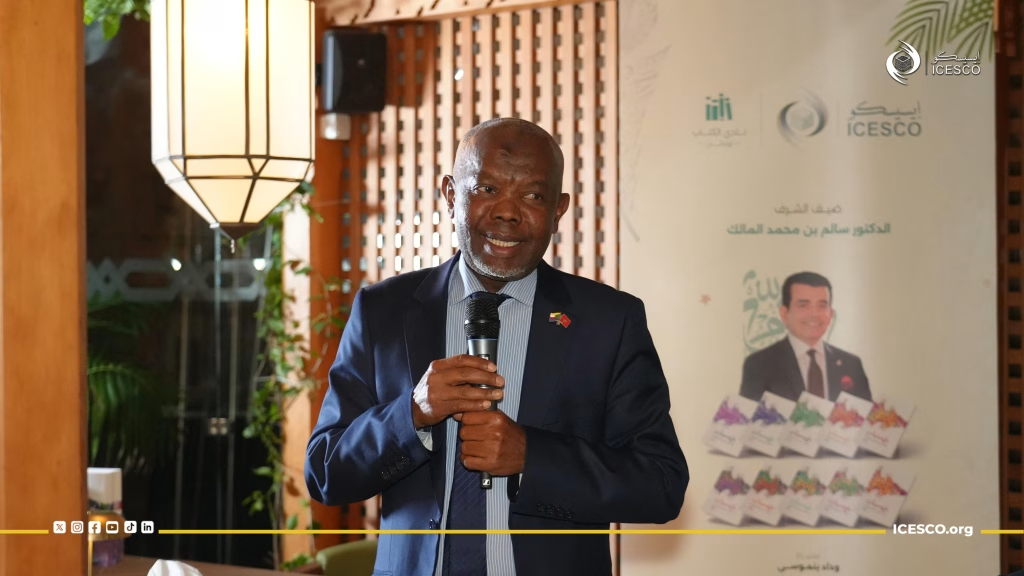
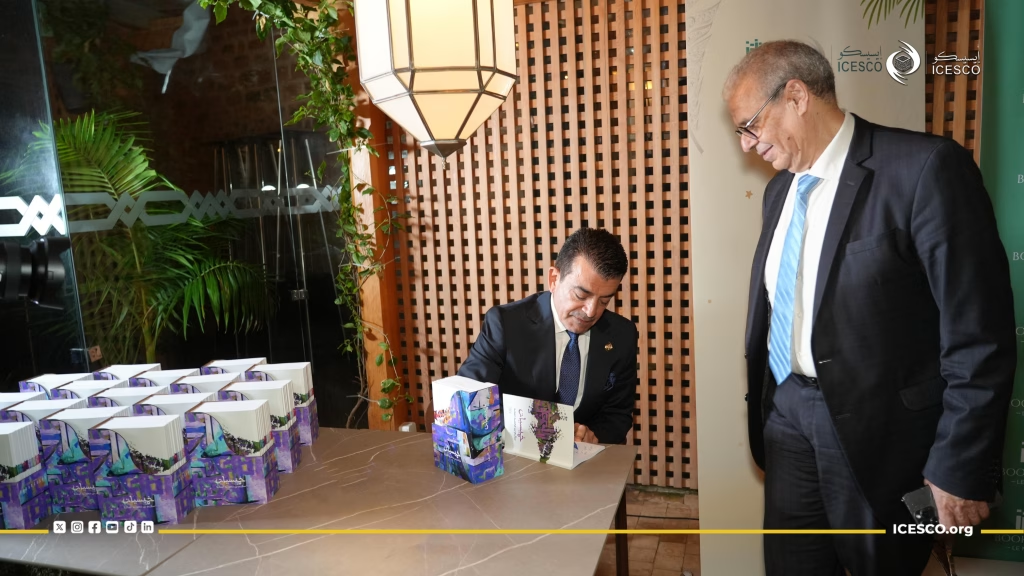
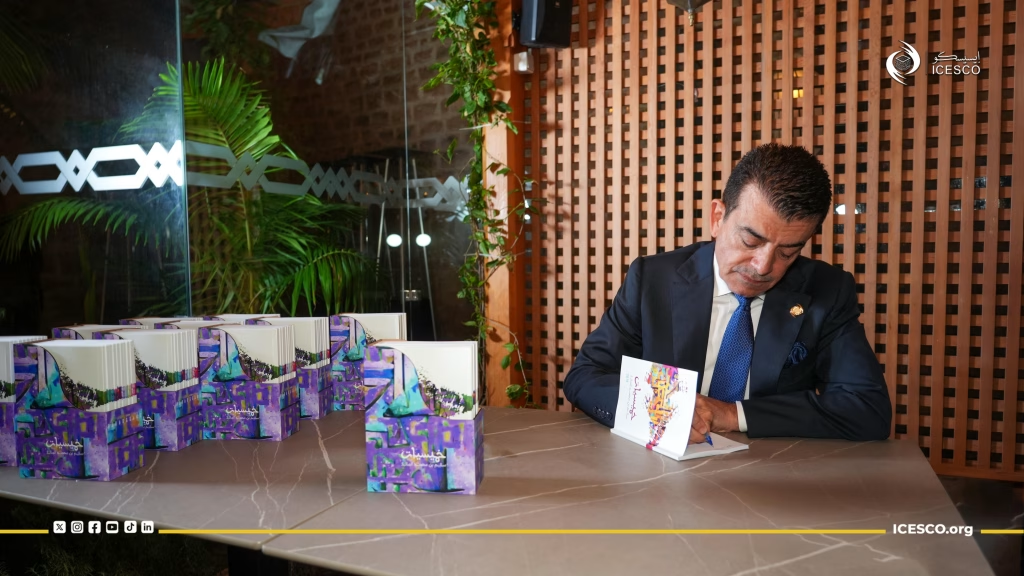
Dr. AlMalik then recited selected pieces from “Khamīsiyyāt,” which ranged across themes of faith, wisdom, ethics, and praise of the Prophet Muhammad (peace be upon him). His reading received strong engagement and appreciation from the audience. The evening concluded with an open discussion exploring the collection from various angles, after which Dr. AlMalik signed copies of his works and presented them to the attendees.