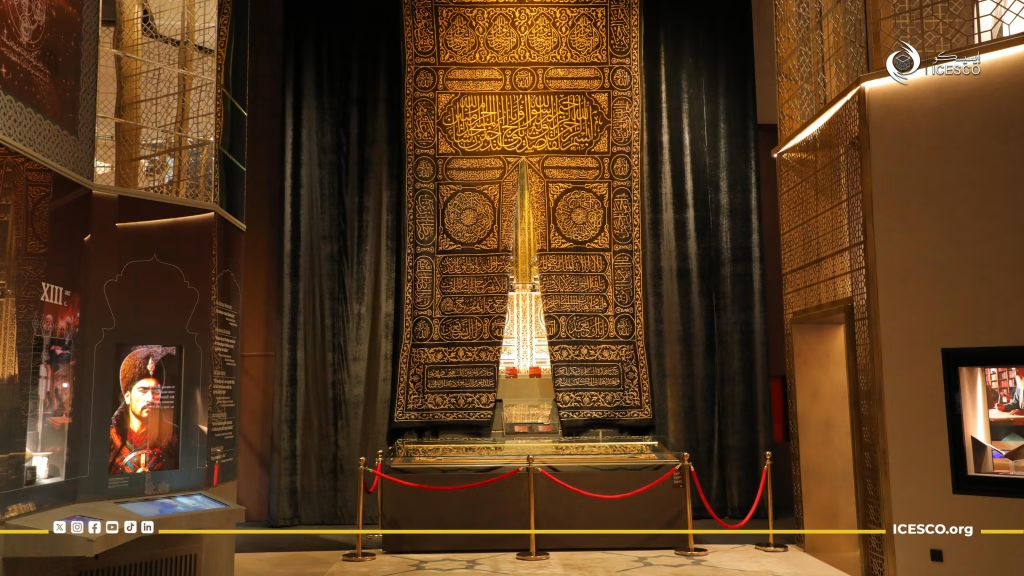

117 New Cultural Sites and Elements Inscribed on ICESCO’s Islamic World Heritage Lists

12 February 2026
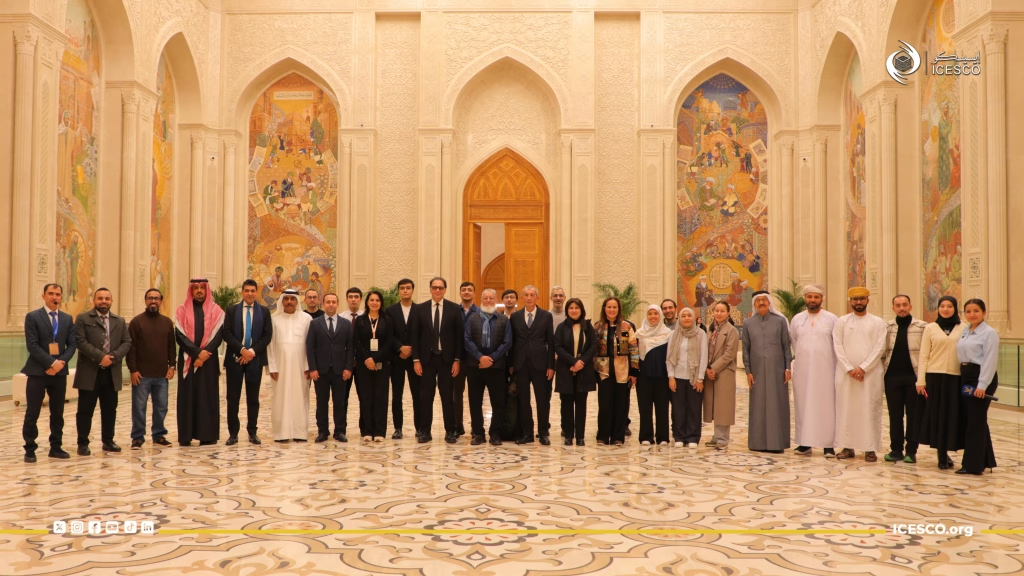
The Islamic World Heritage Committee concluded its 13th meeting, held in Tashkent, Uzbekistan, from 10 to 12 February 2026, announcing the inscription of 117 new historical sites and cultural elements on ICESCO’s Islamic World Heritage Lists from 16 countries, bringing the total number of sites and elements inscribed on ICESCO’s Heritage Lists to 841 cultural and civilizational sites and elements.
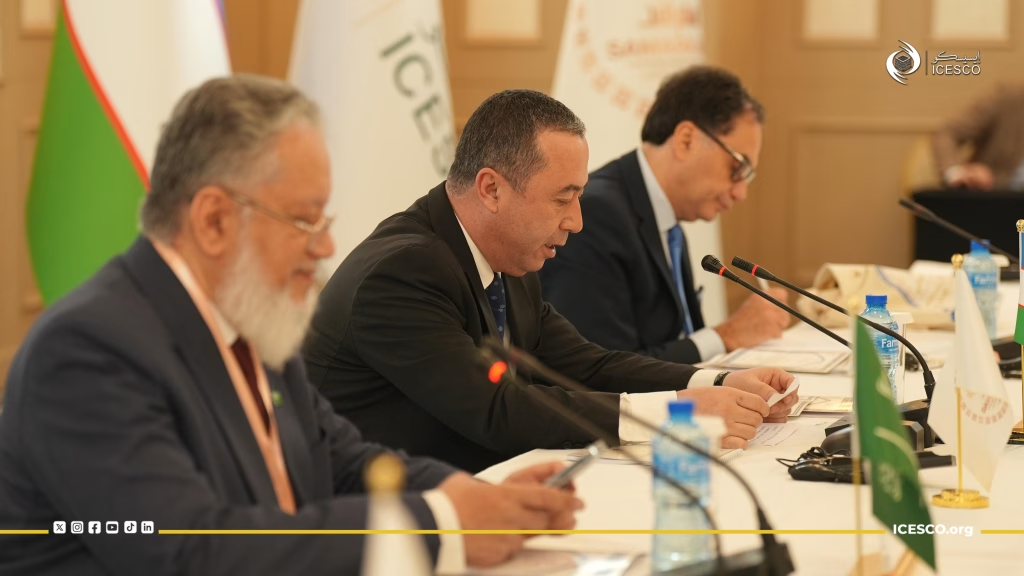
The meeting considered the proclamation of Samarkand as the Culture Capital in the Islamic World for 2025 and discussed and adopted a number of strategic decisions and documents. The Committee adopted the vision of the ICESCO Islamic World Heritage Center, followed up on the implementation of the decisions of the Committee’s previous meeting and the recommendations of the Conference of Ministers of Culture in Jeddah, and approved the document on the “Islamic World Heritage Portal Initiative.”
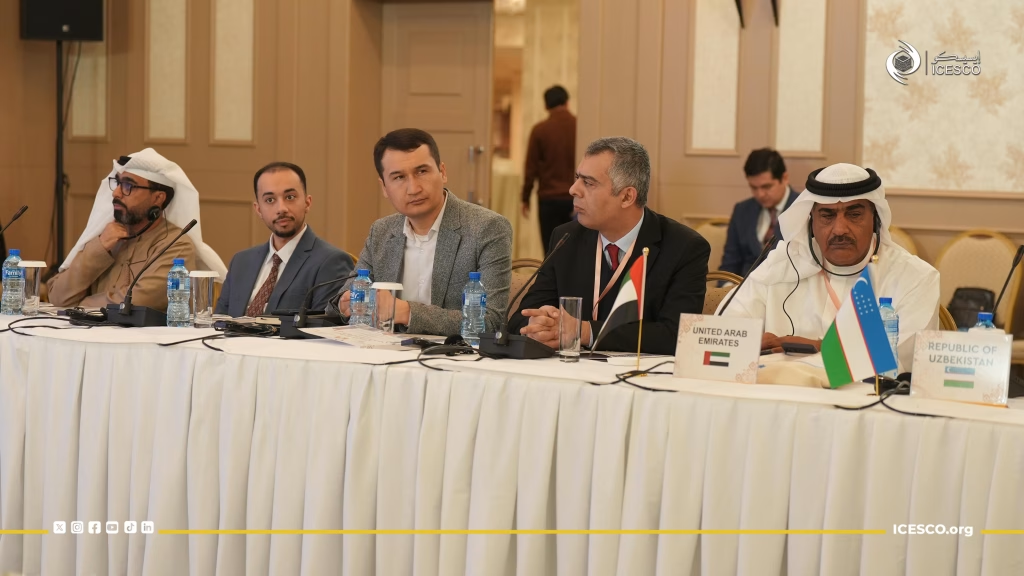
At the close of its meeting, the Committee issued a set of recommendations, including updating the Heritage Portal, intensifying technical support missions to Member States for the preparation of nomination files, adopting best management practices for the preservation of cultural sites and elements, developing a communication strategy to publicize the elements inscribed on the ICESCO Heritage List, and developing a set of strategies to address the impact of climate change on heritage and the protection of heritage in situations of conflict.
The meeting kicked off with an address by Dr. Salim M. AlMalik, ICESCO Director-General, delivered on his behalf by Dr. Mohamed Zinelabidine, Head of the Organization’s Culture Sector, in which he affirmed ICESCO’s commitment to protecting heritage in light of circumstances that place a major cultural responsibility on everyone, given that the Islamic world’s heritage represents no more than 11% of the World Heritage List, whereas more than 62% of the sites included on the List of World Heritage in Danger are found in Member States.
For his part, Eng. Mohammed Al-Aidarous, Chairman of the Islamic World Heritage Committee, stressed the need to adopt a proactive approach to address the under-representation of Islamic world heritage on world lists and to protect endangered sites.
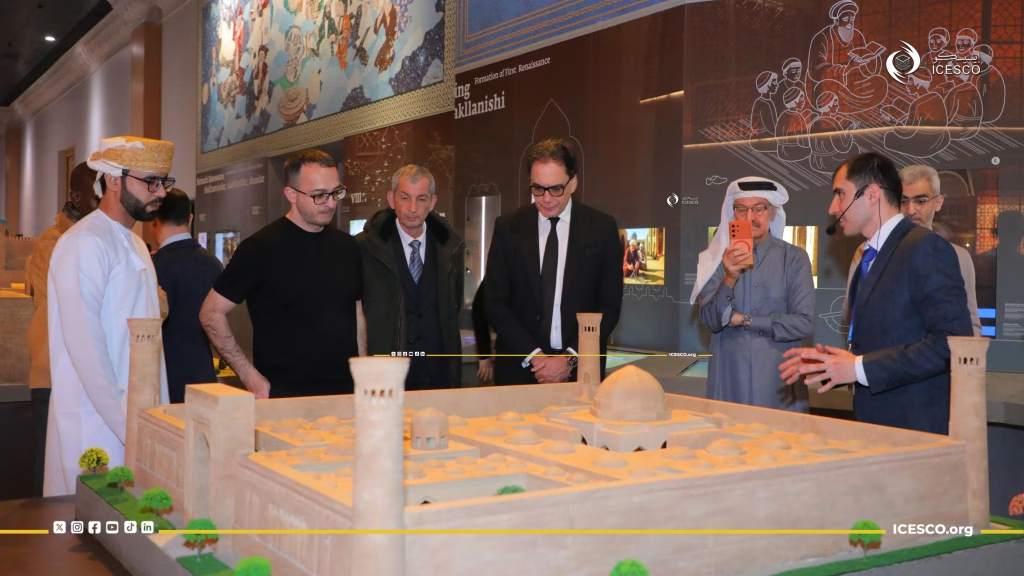
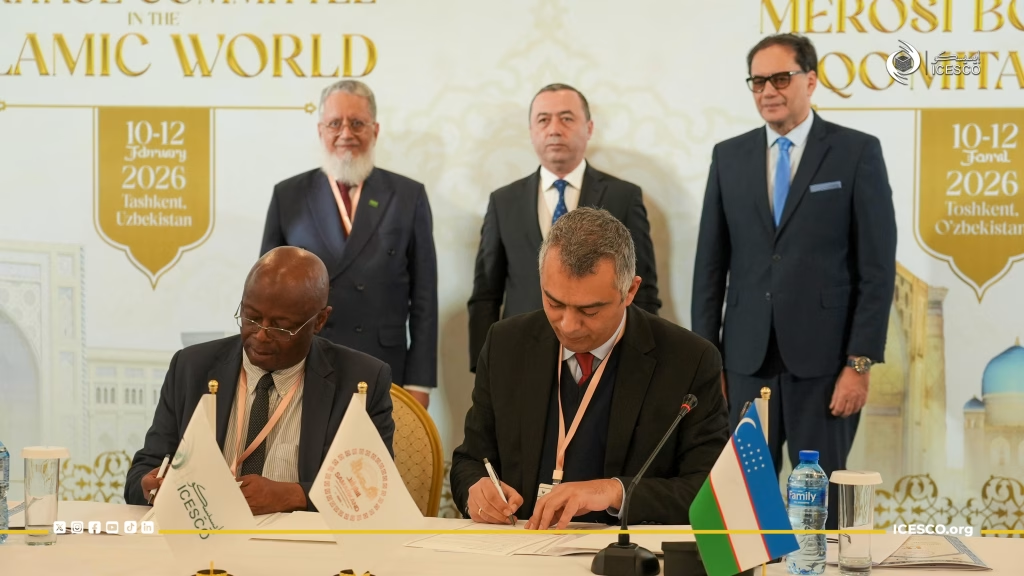
On the sidelines of the meeting, Dr. Webber Ndoro, Director of the ICESCO Islamic World Heritage Center, and Mr. Everin Rutbl, Director of the International Institute of Central Asian Studies (IICAS), signed a memorandum of understanding with a view to building cooperation in preserving and exploring the rich heritage of Central Asia and developing cultural ties among the peoples of the region.